
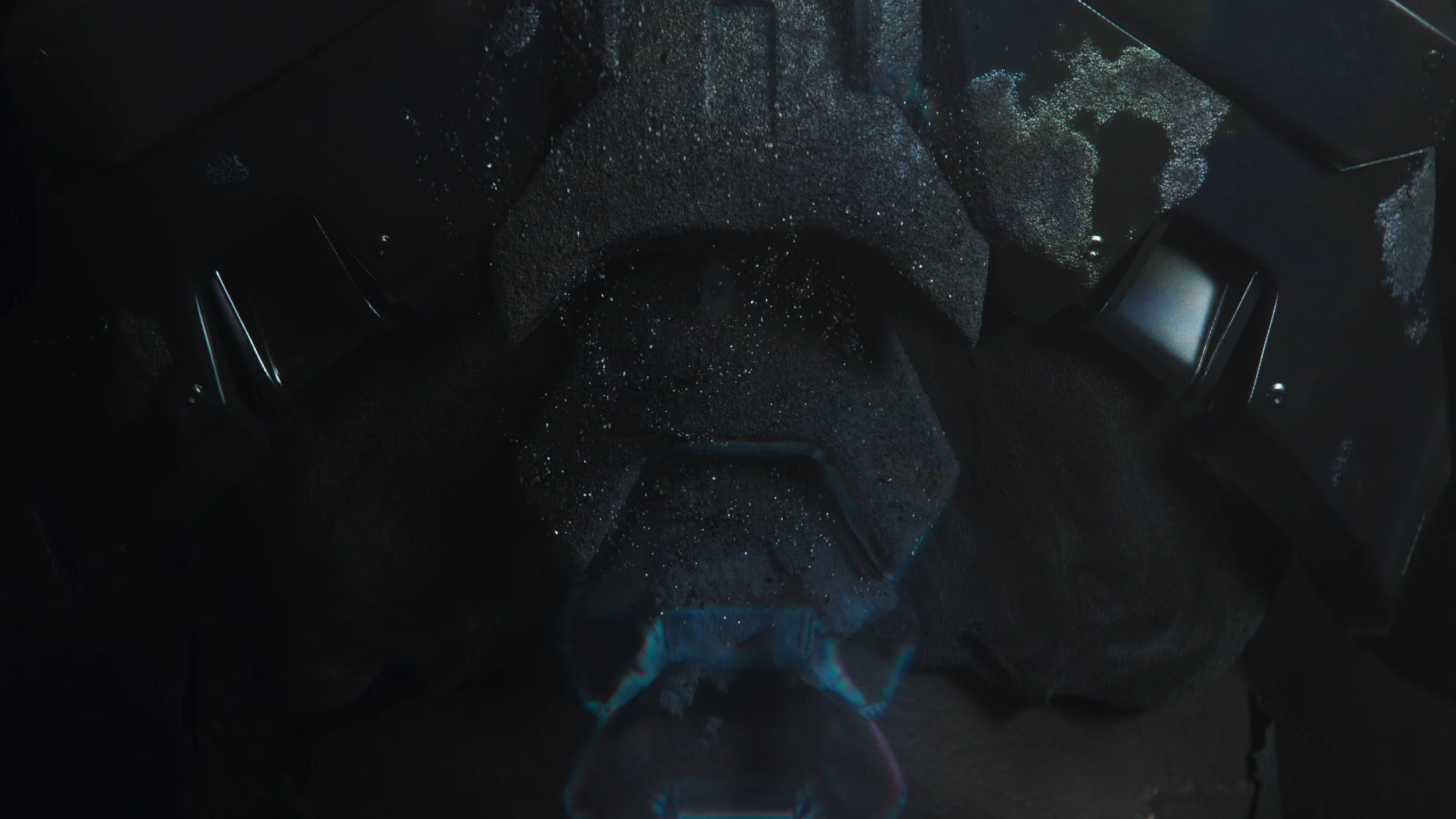
HALO | LIVE ACTION TITLES
GOODBYE KANSAS, 2022
CONCEPT ART | SEQUENCE DESIGN | LOOK DEVELOPMENT | PRODUCTION
This project focused on the design and development of a live-action title sequence for the television series Halo, created in collaboration with Goodbye Kansas. The sequence was conceived as a dream-like interior vision experienced by Master Chief, positioned between memory, trauma, and awakening.
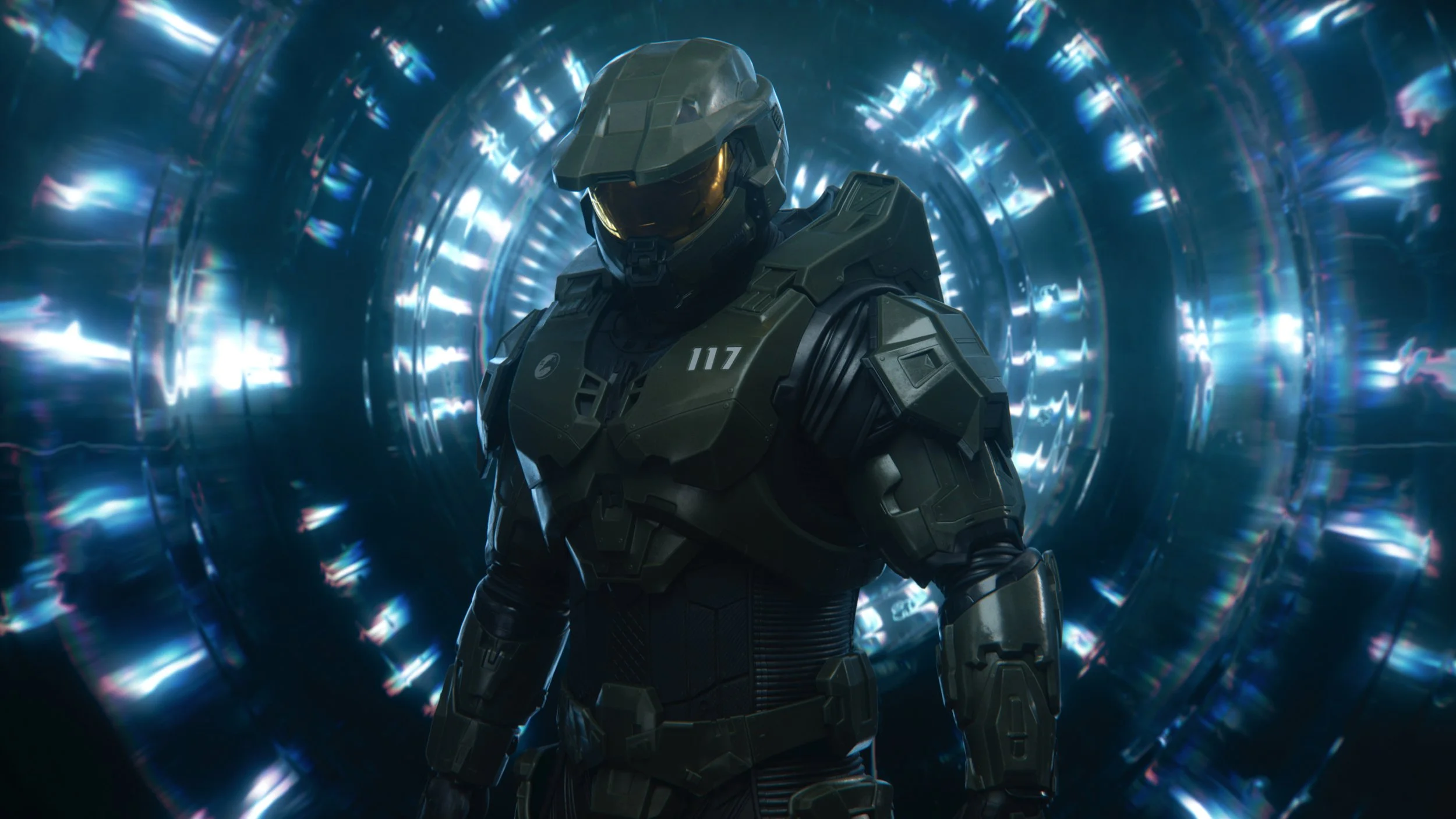
The narrative focus centered on the dualities present in John’s story: strength and loss, agency and control, empowerment and confinement. The Spartan program is framed not only as the source of his physical capability, but as the origin of profound psychological fracture. The Mjolnir armor—both instrument and restraint—became a central metaphor through which these tensions could be expressed visually.
The sequence was designed to operate symbolically, using material behavior, energy, and form to examine themes of identity, transformation, and inherited burden. The imagery functions as an internal state, detached from literal narration.
MATERIAL
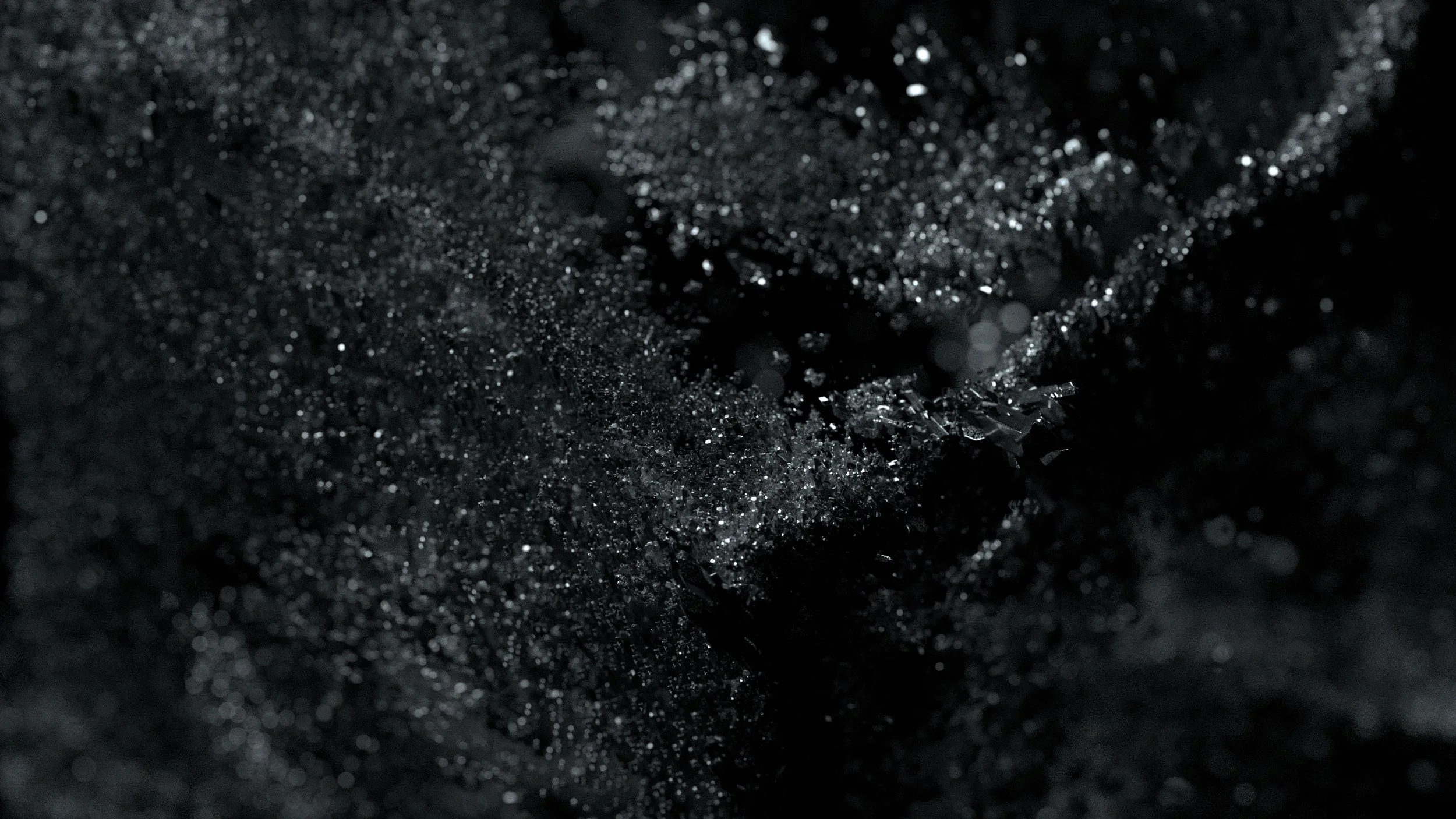
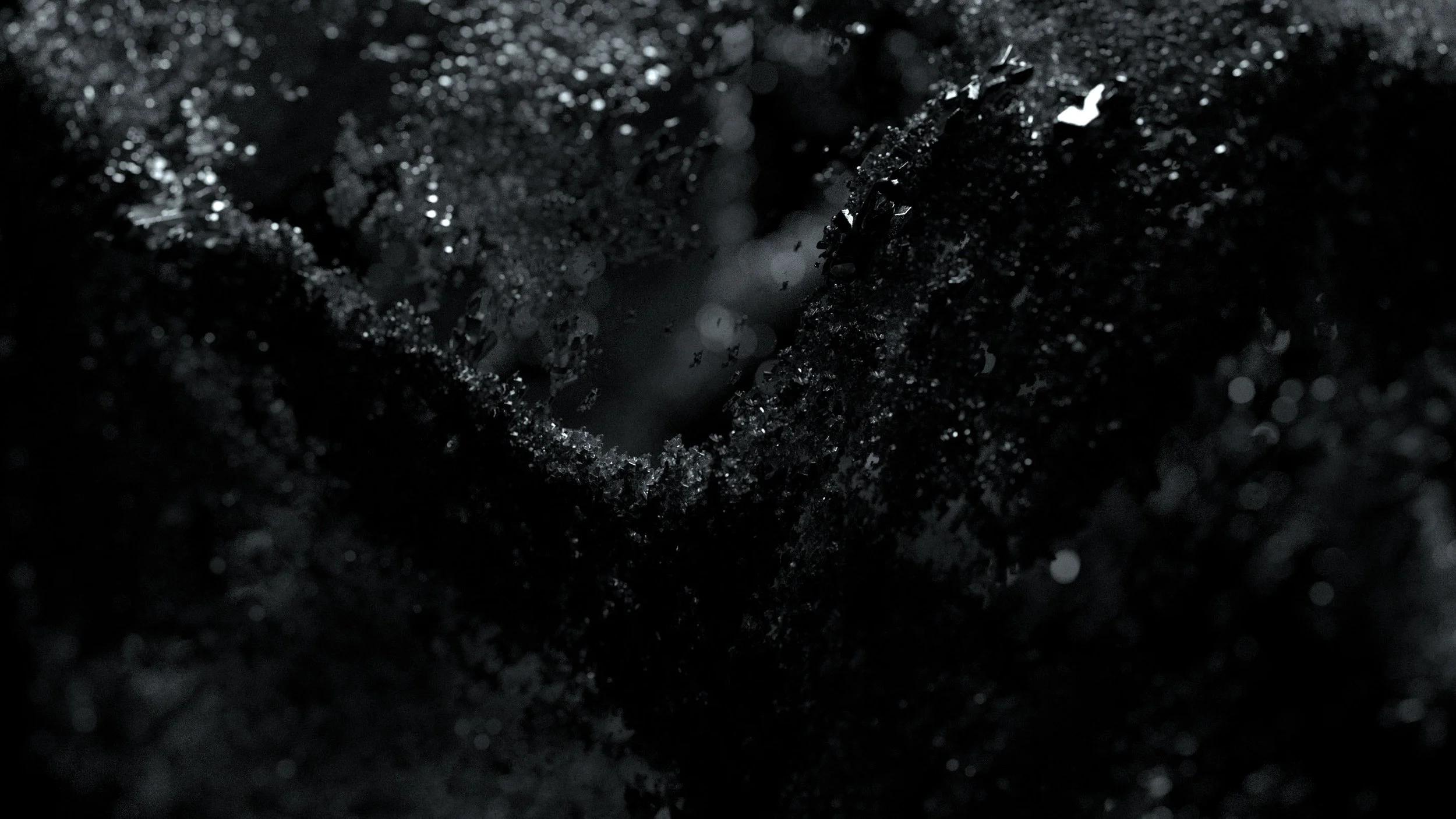
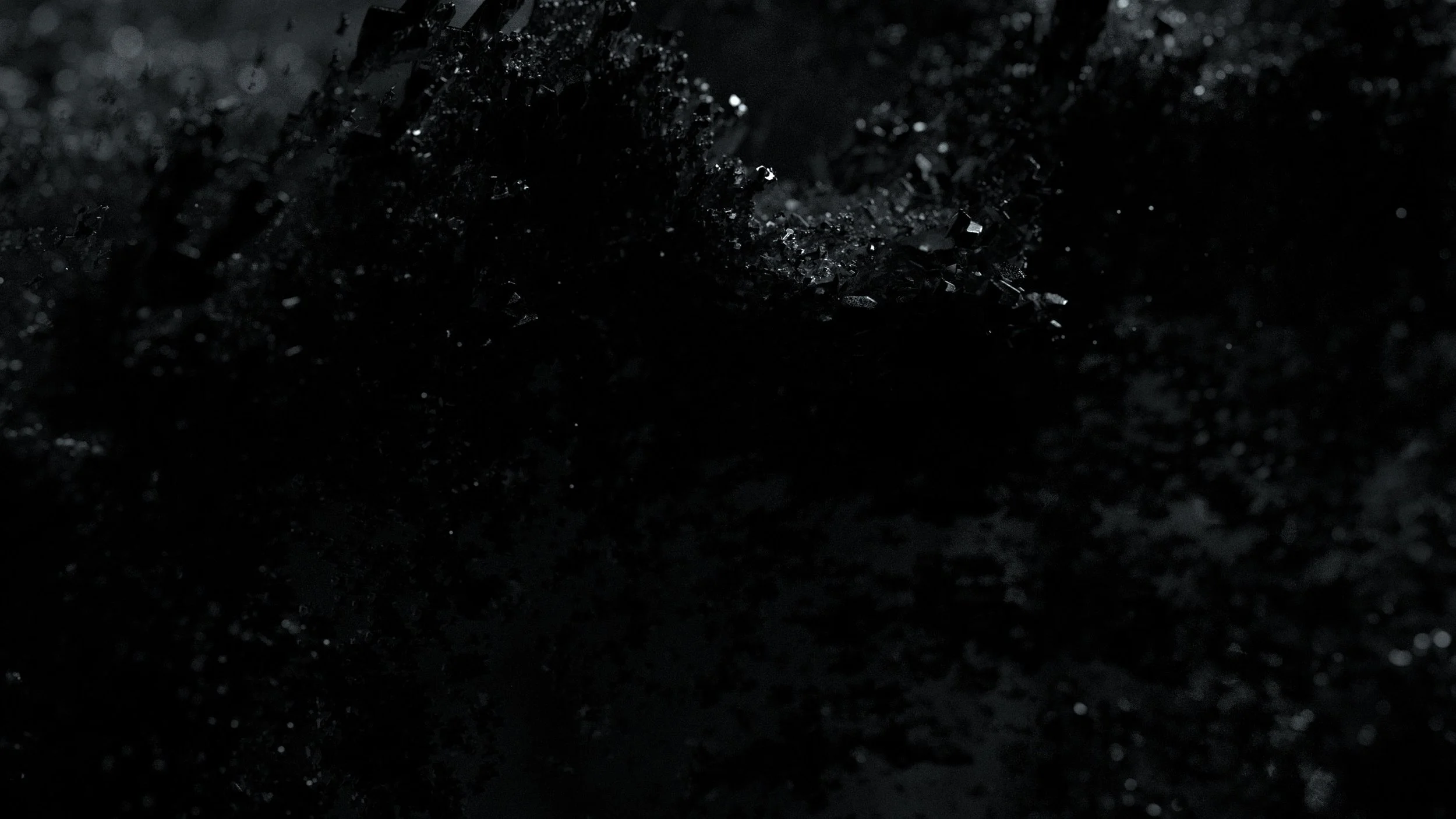
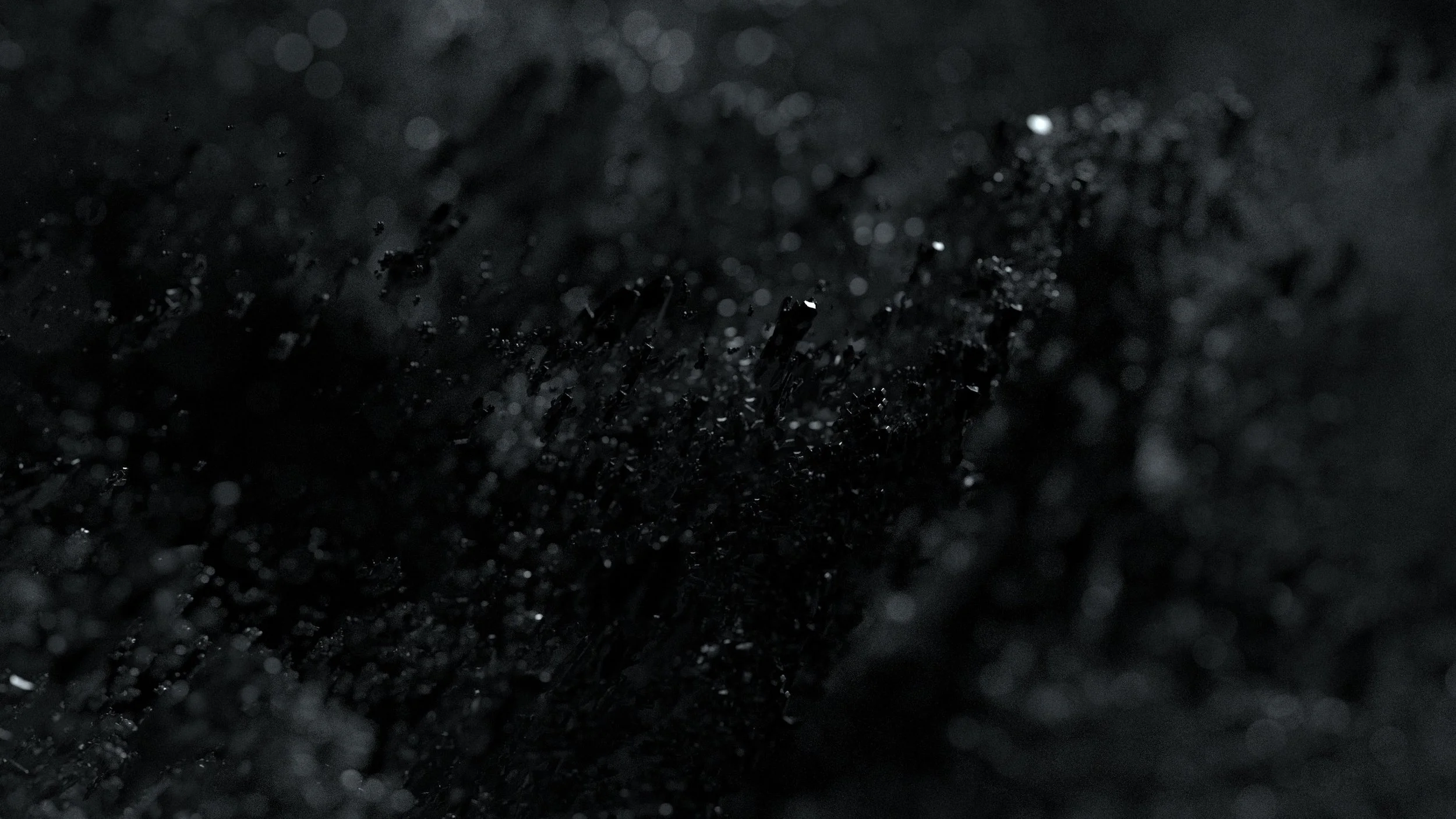
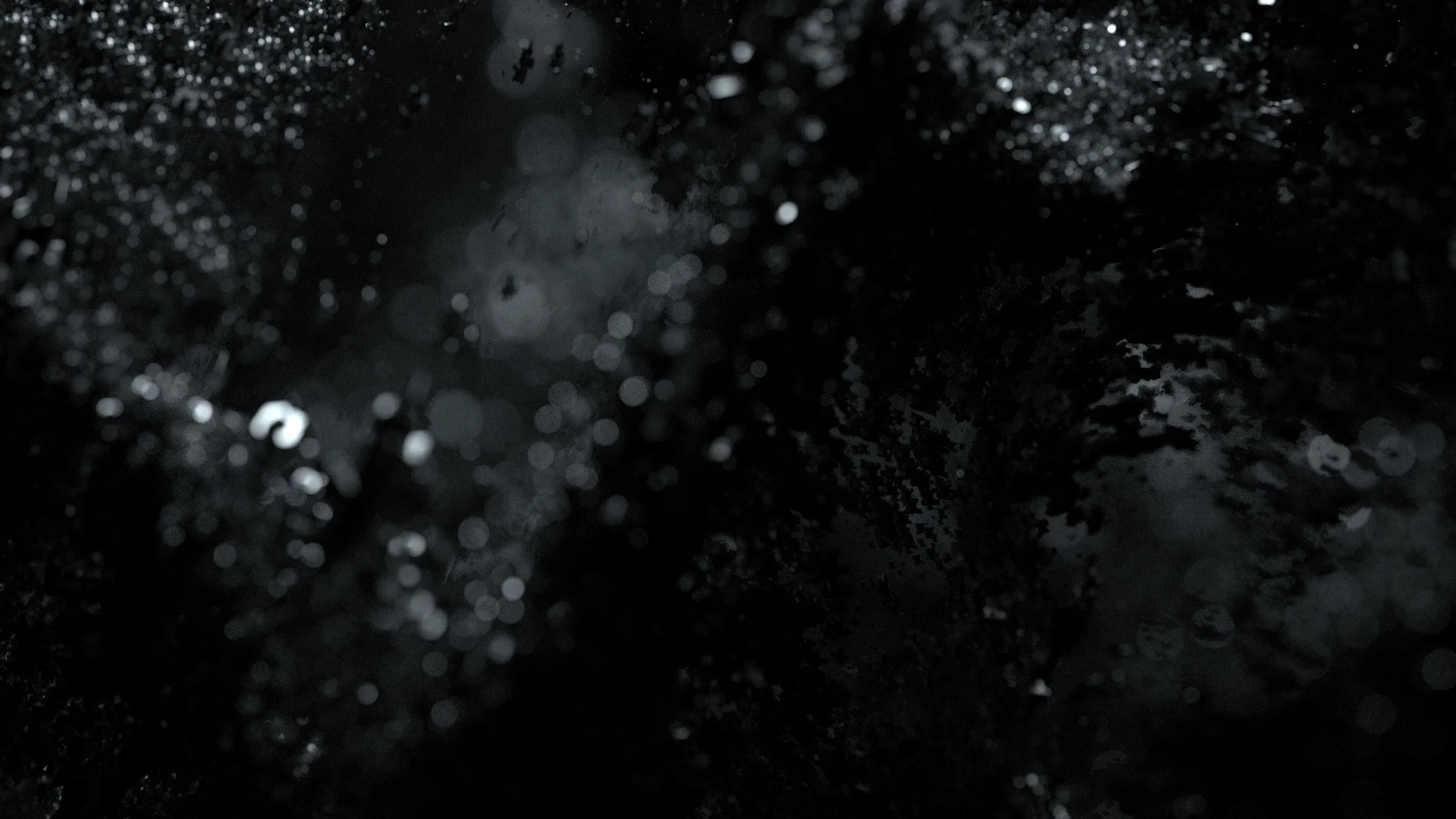
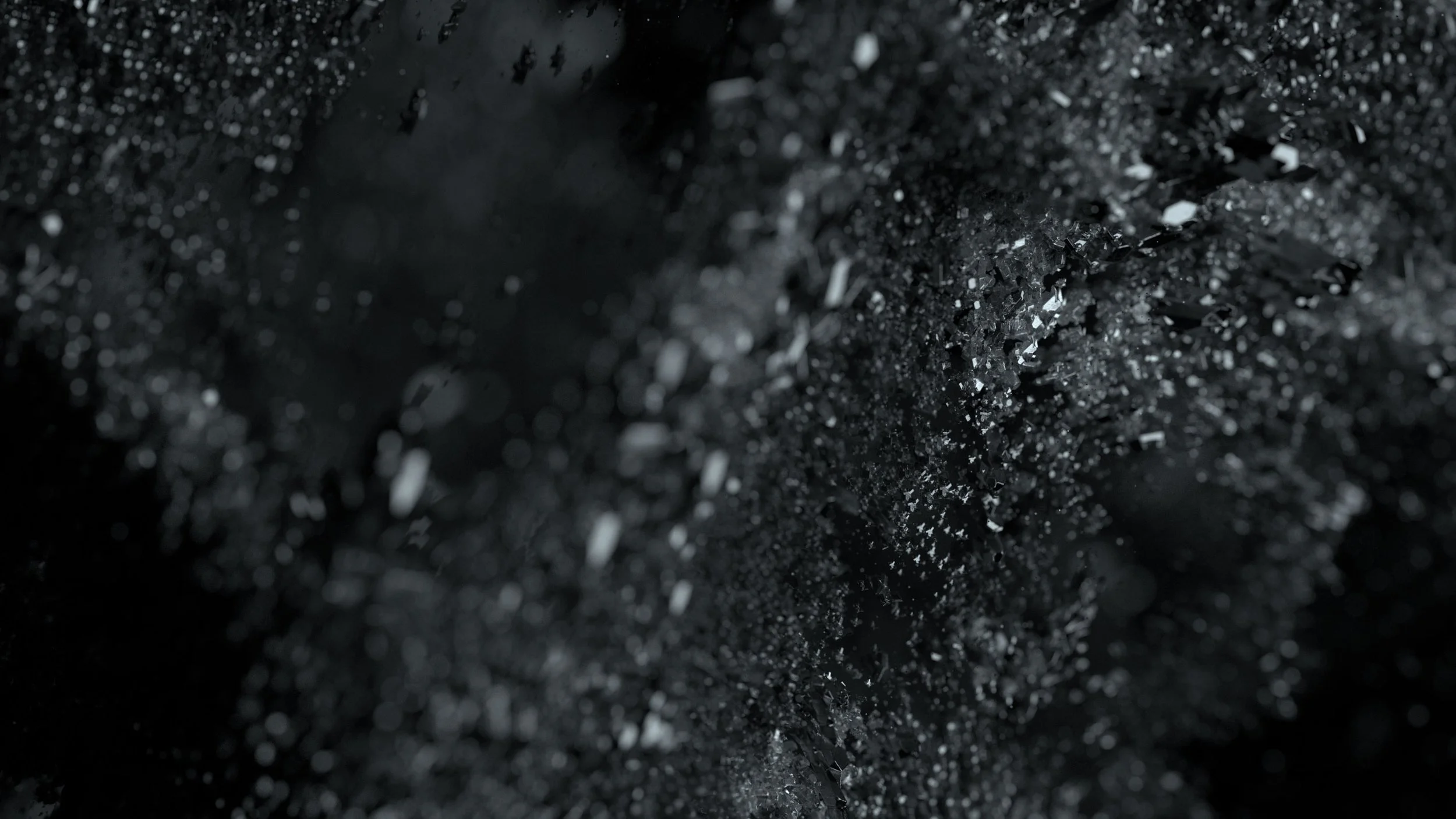
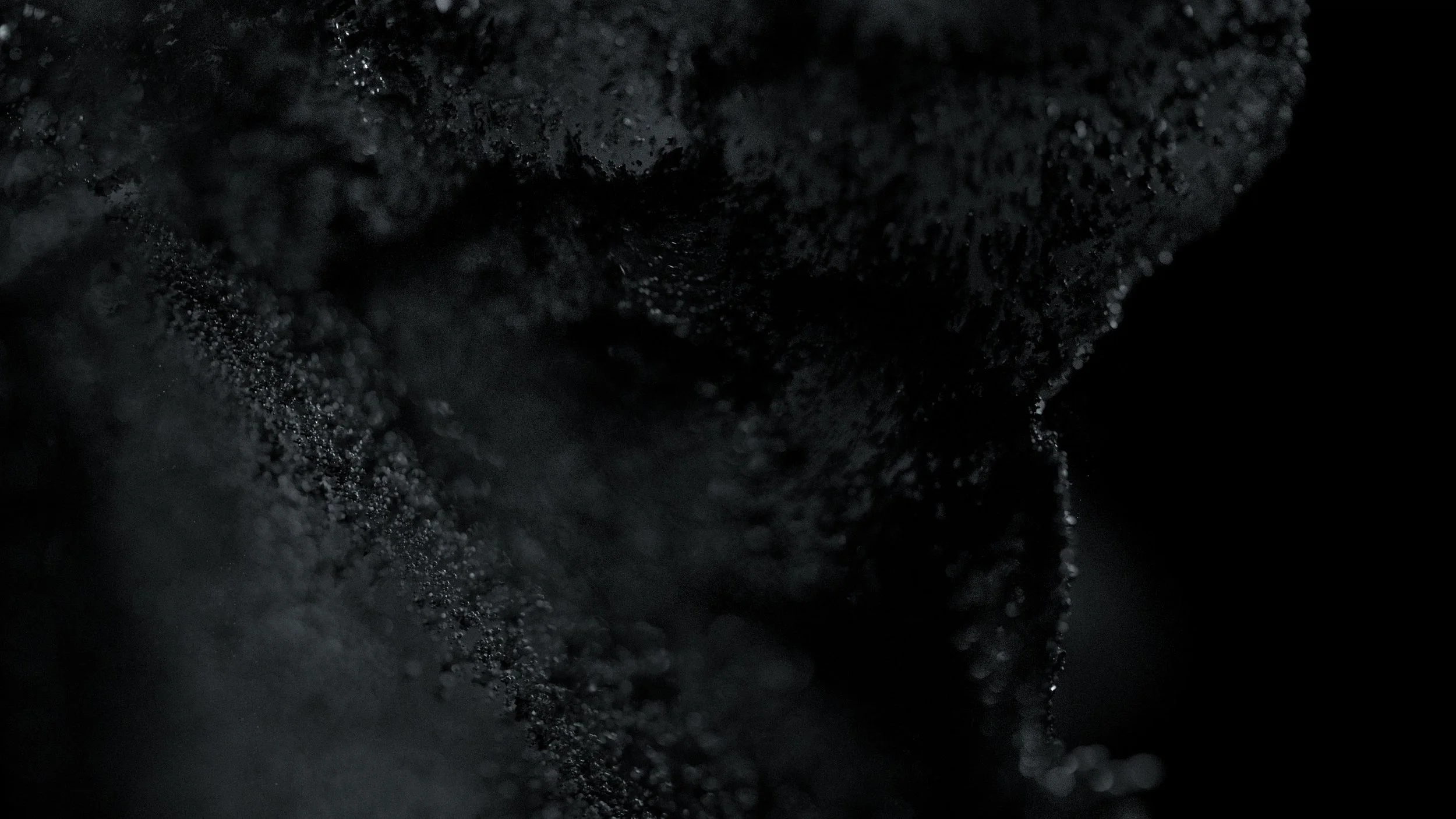
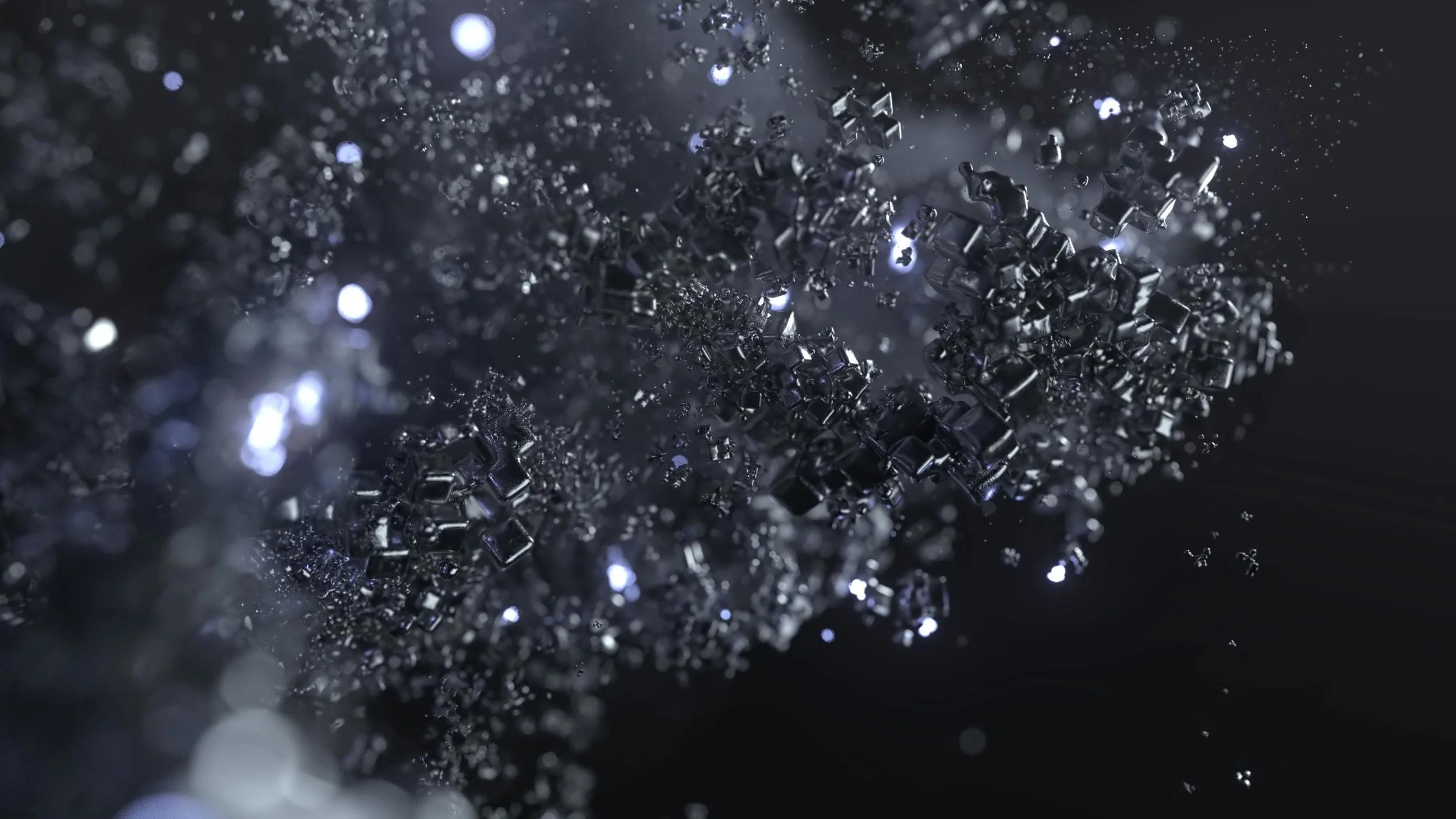
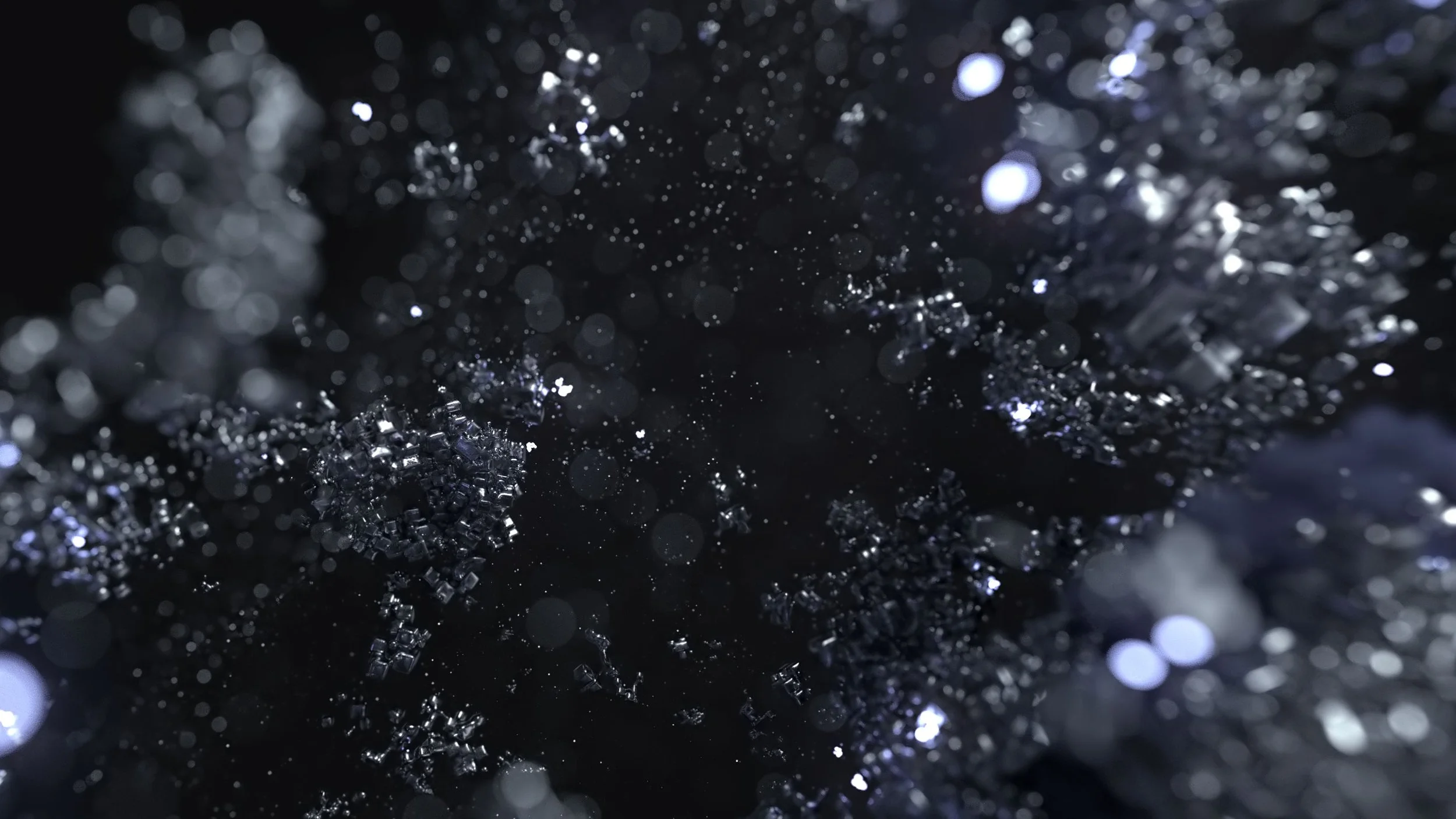
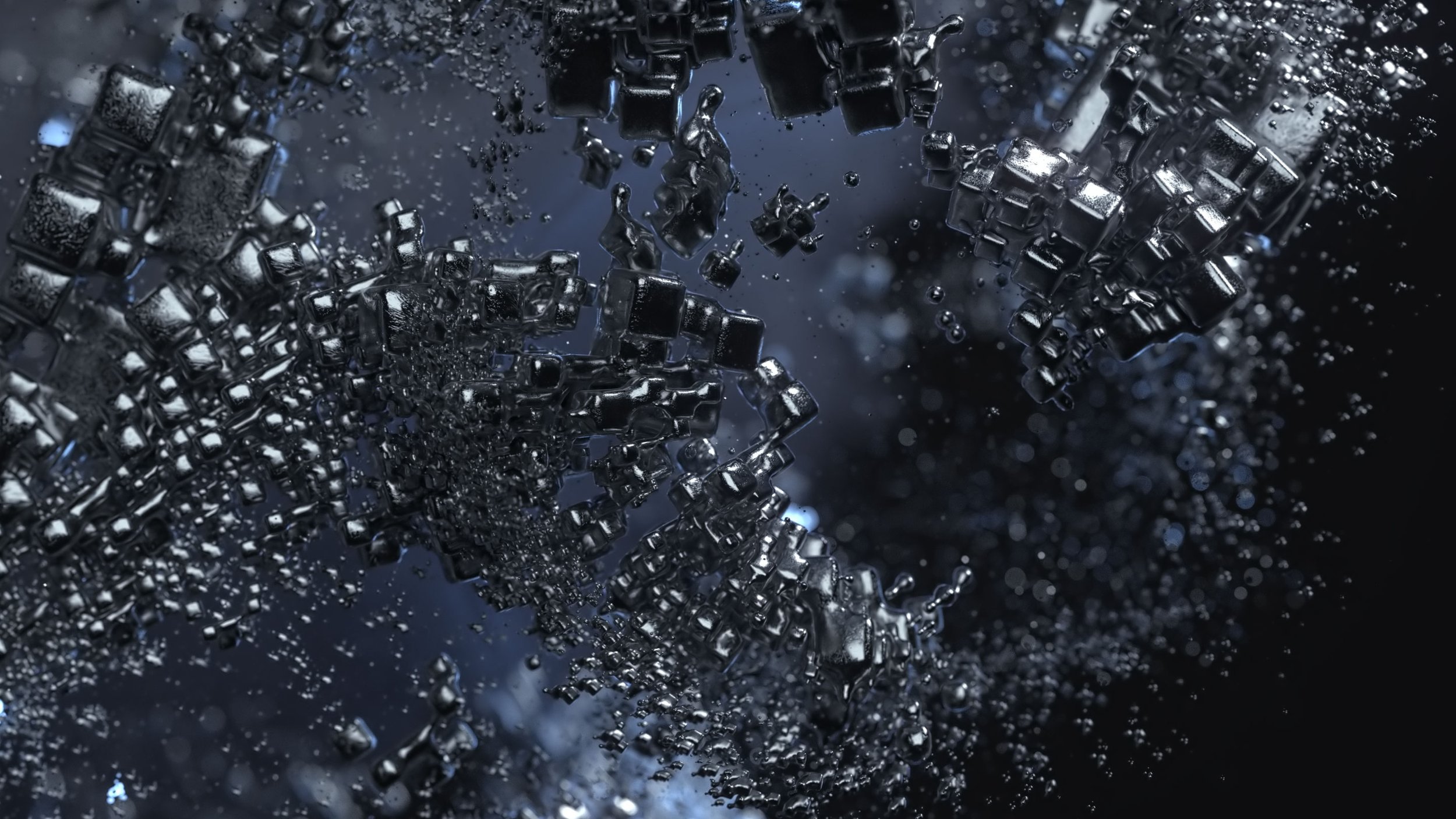
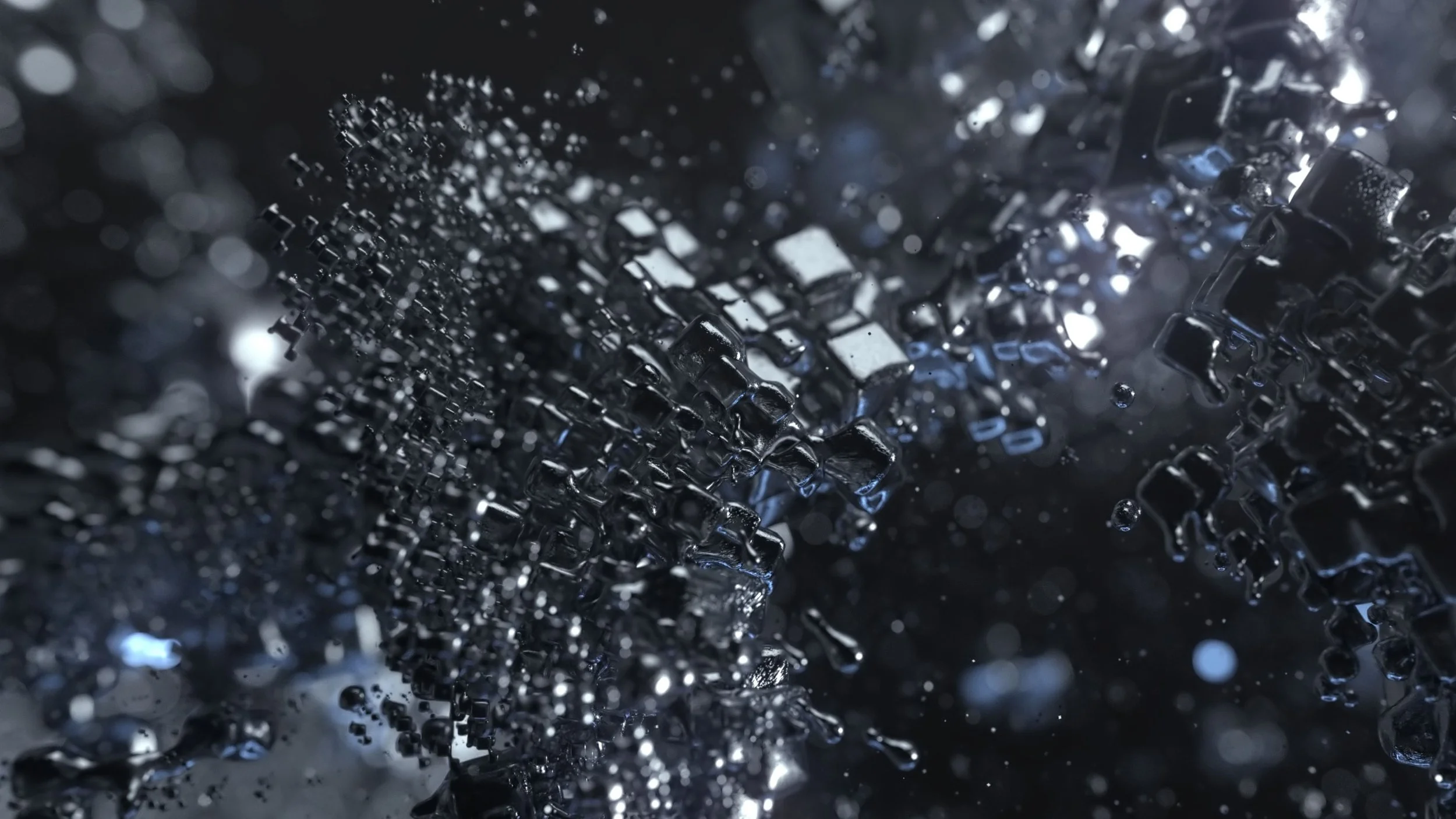
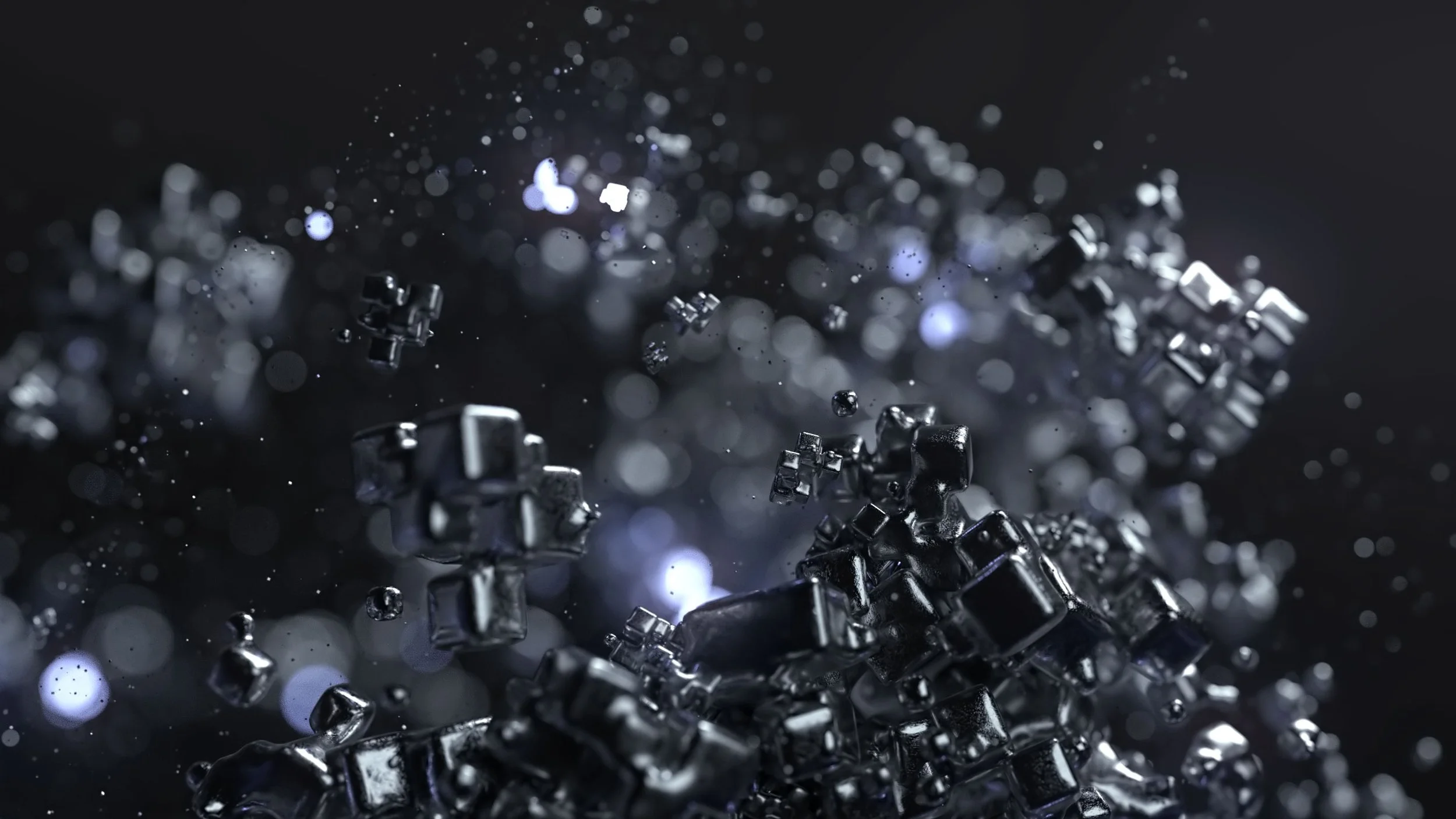
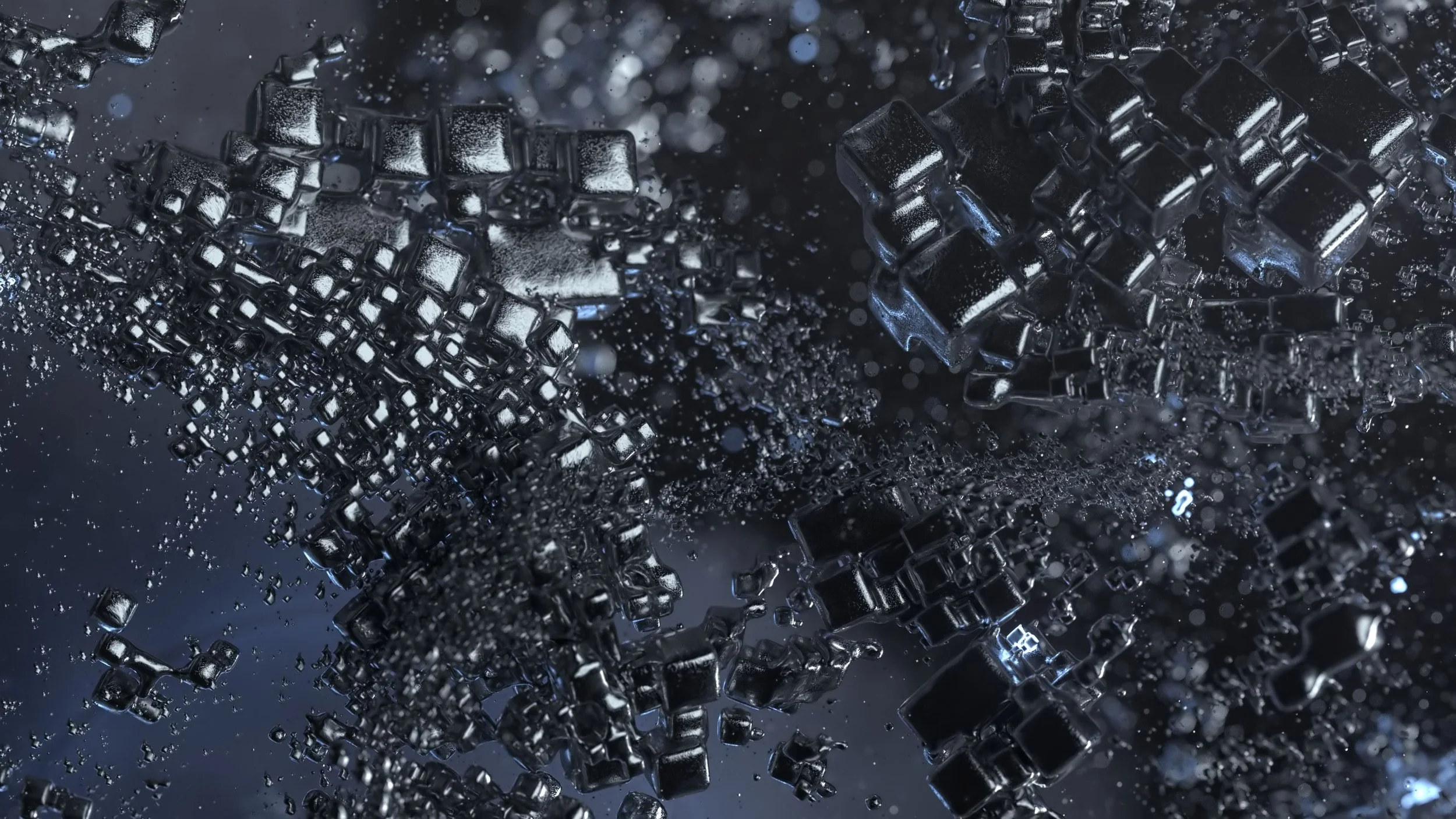
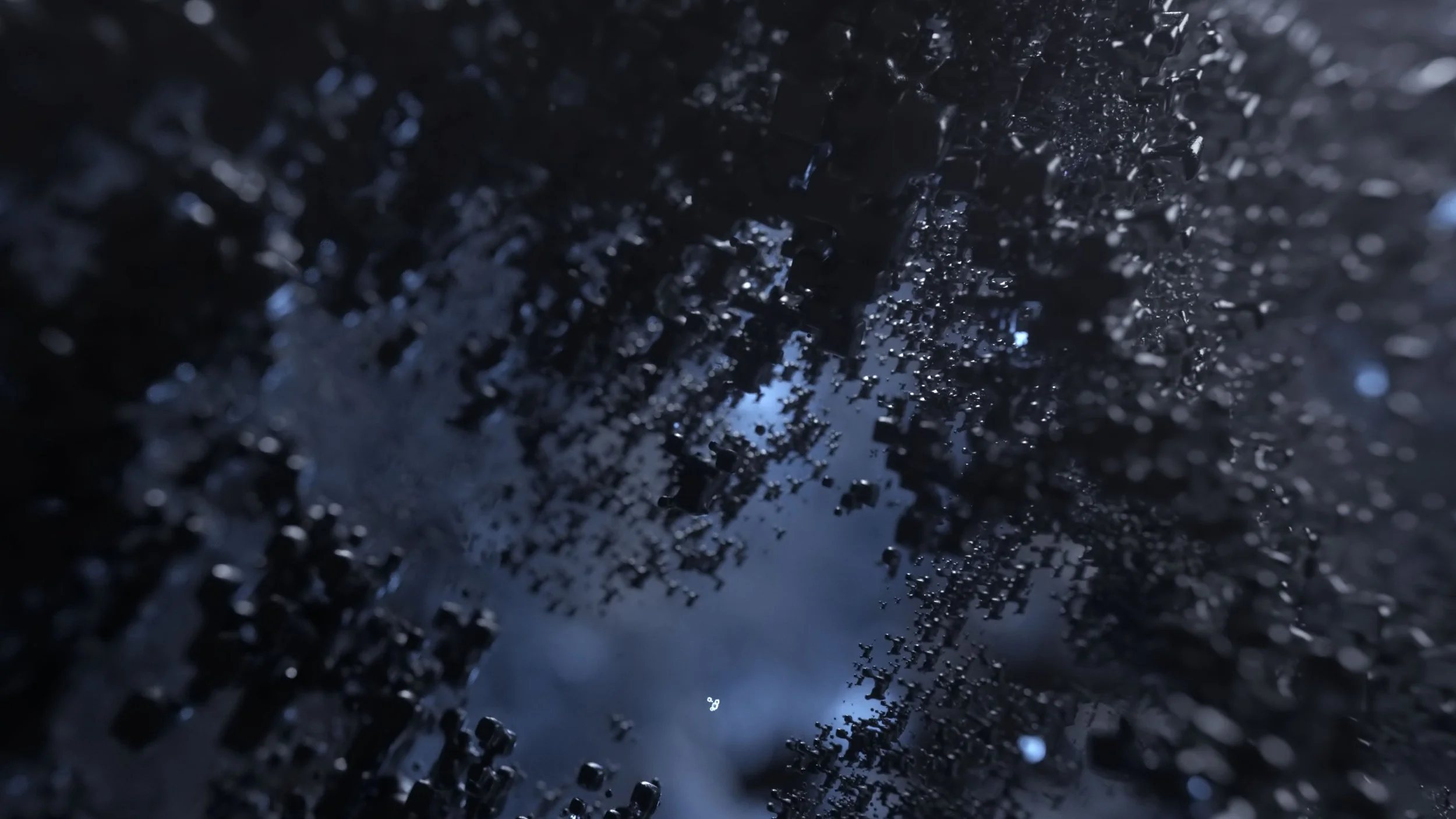
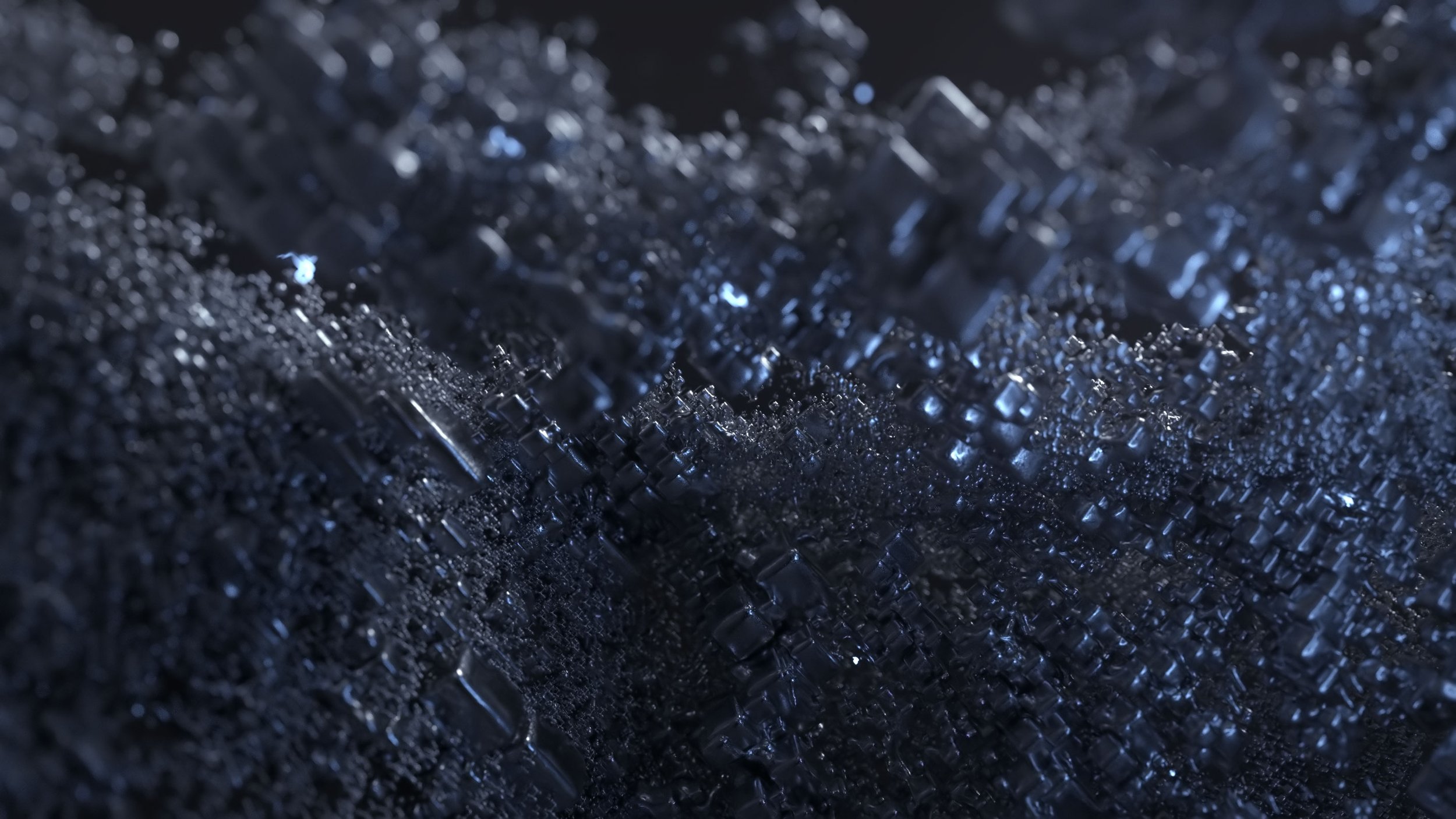
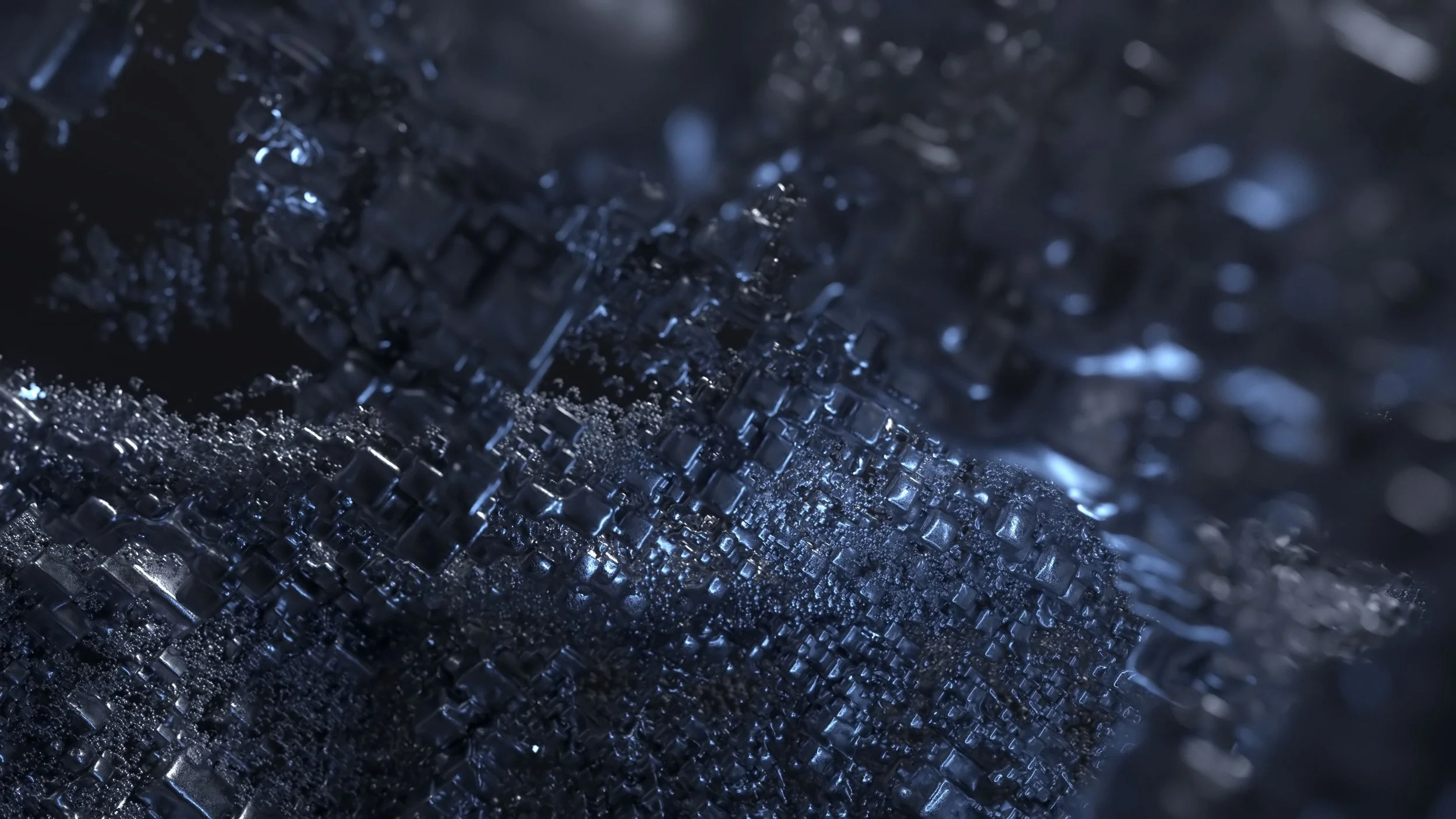
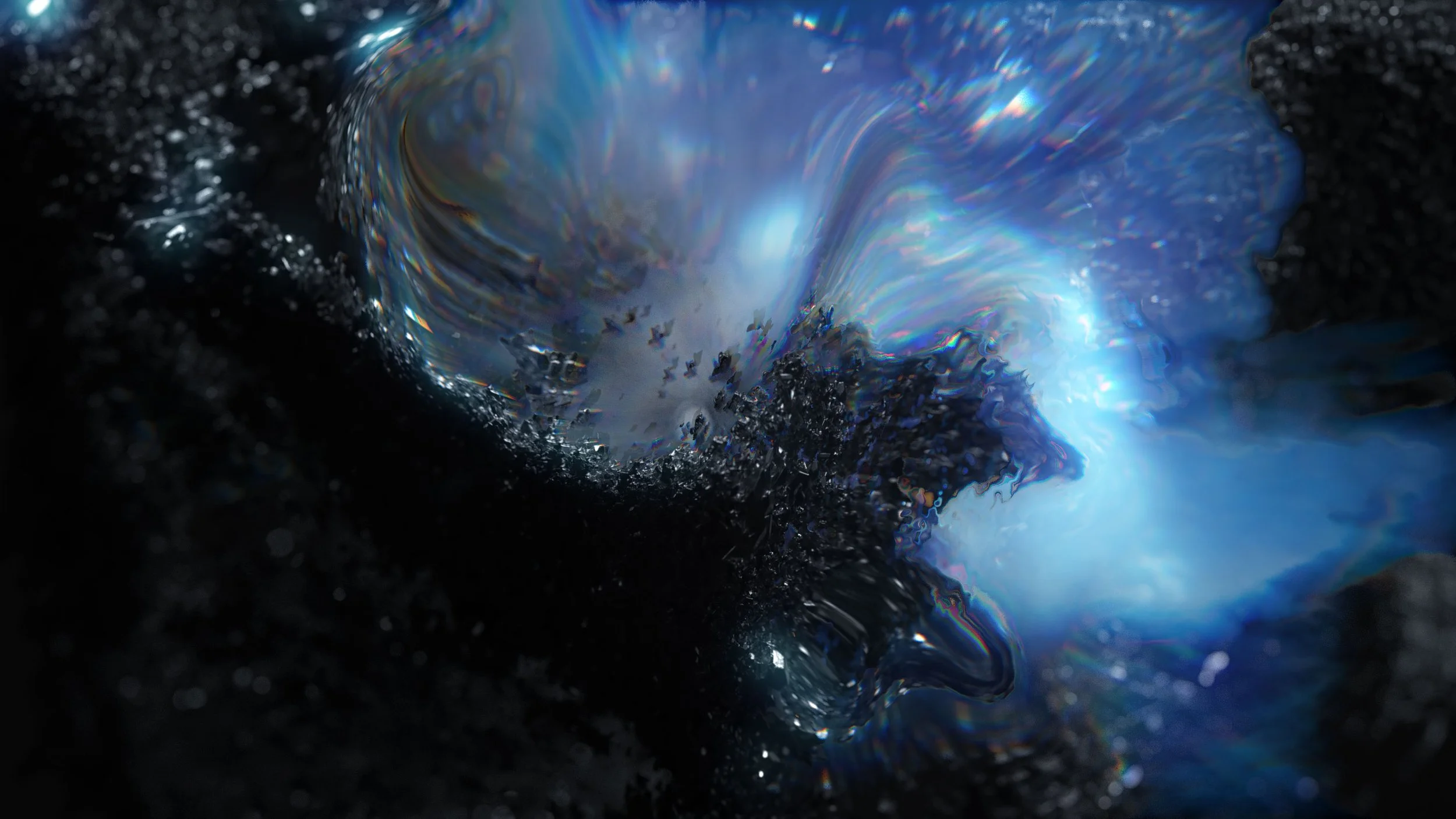
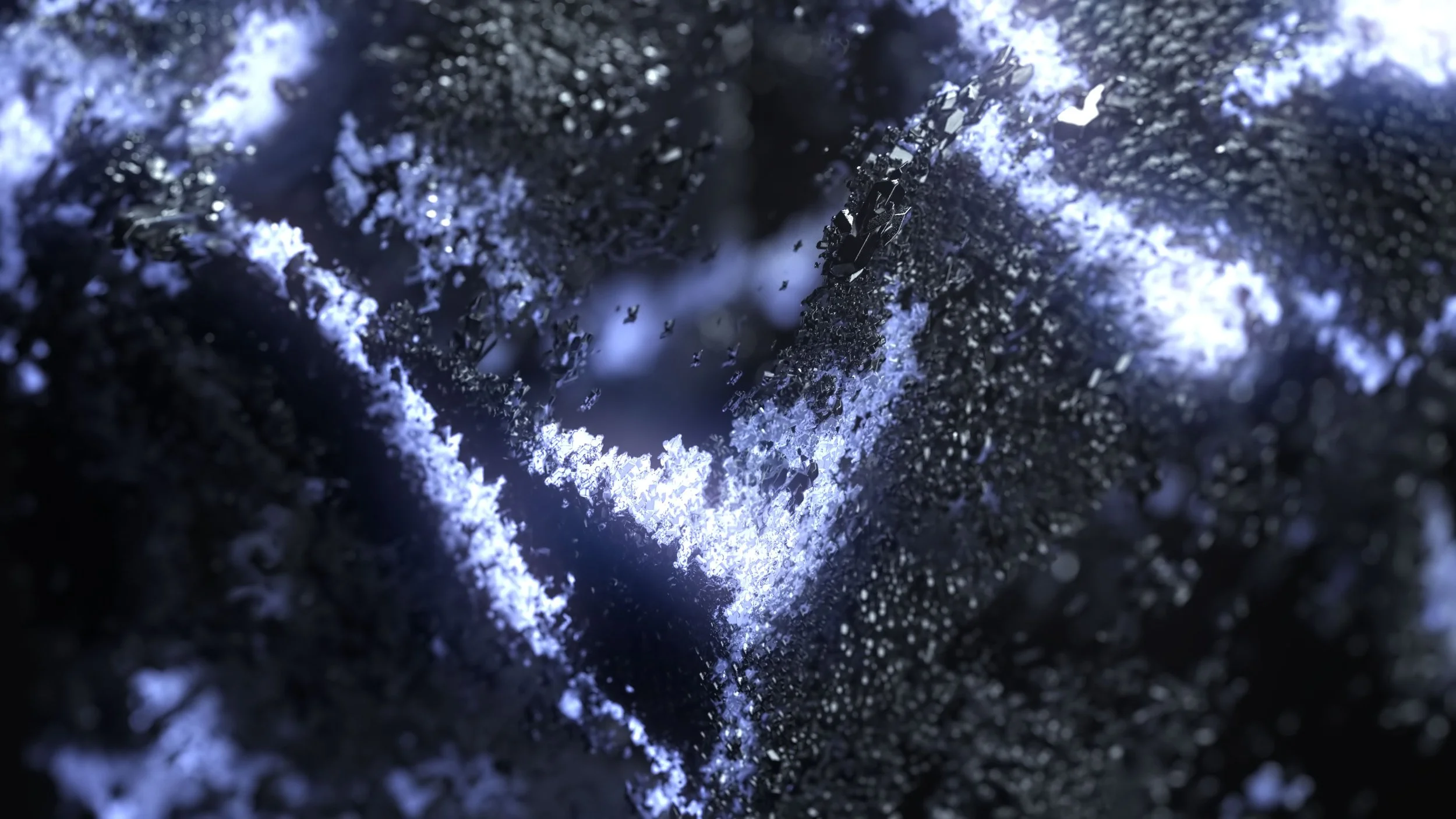
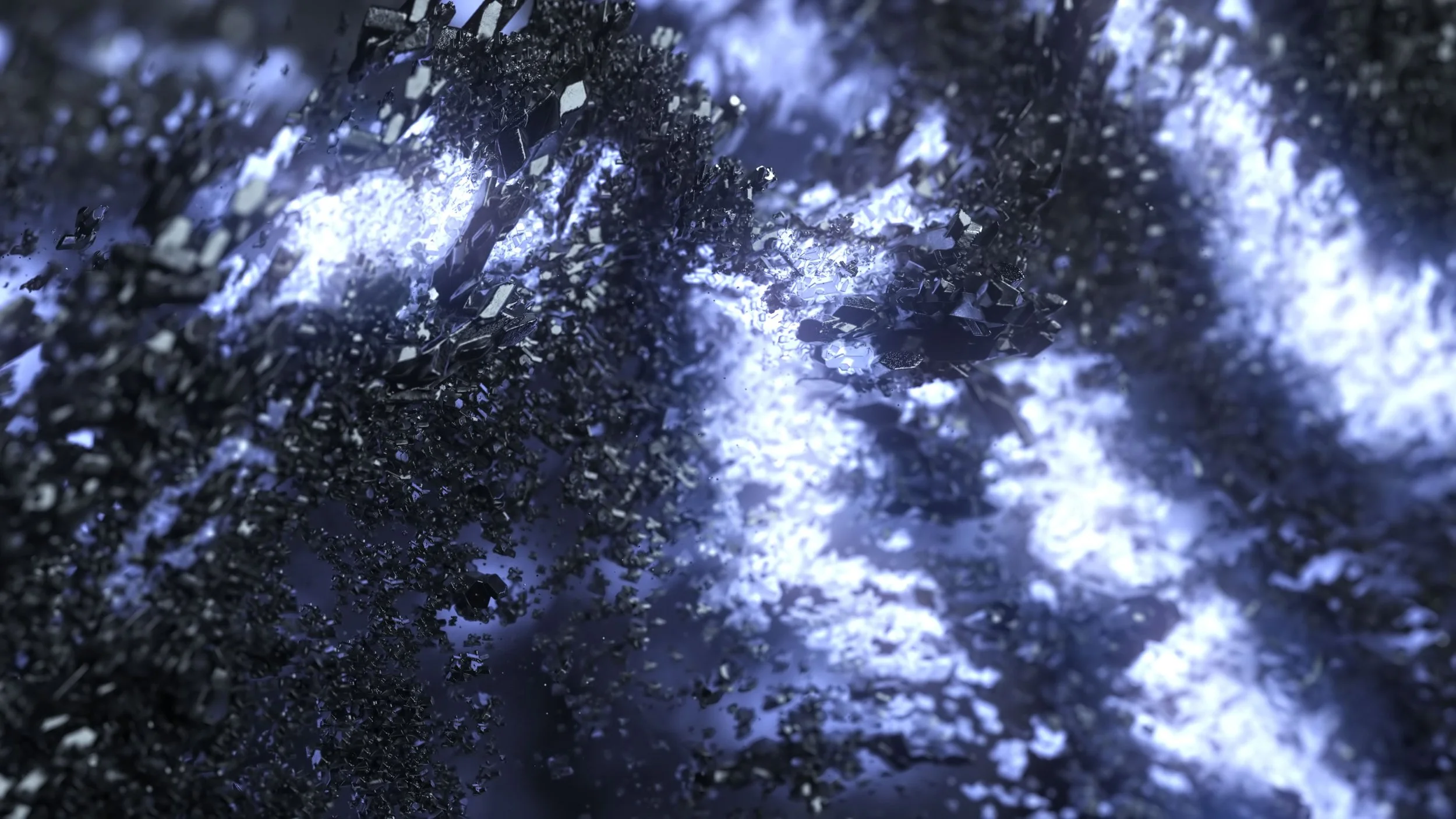
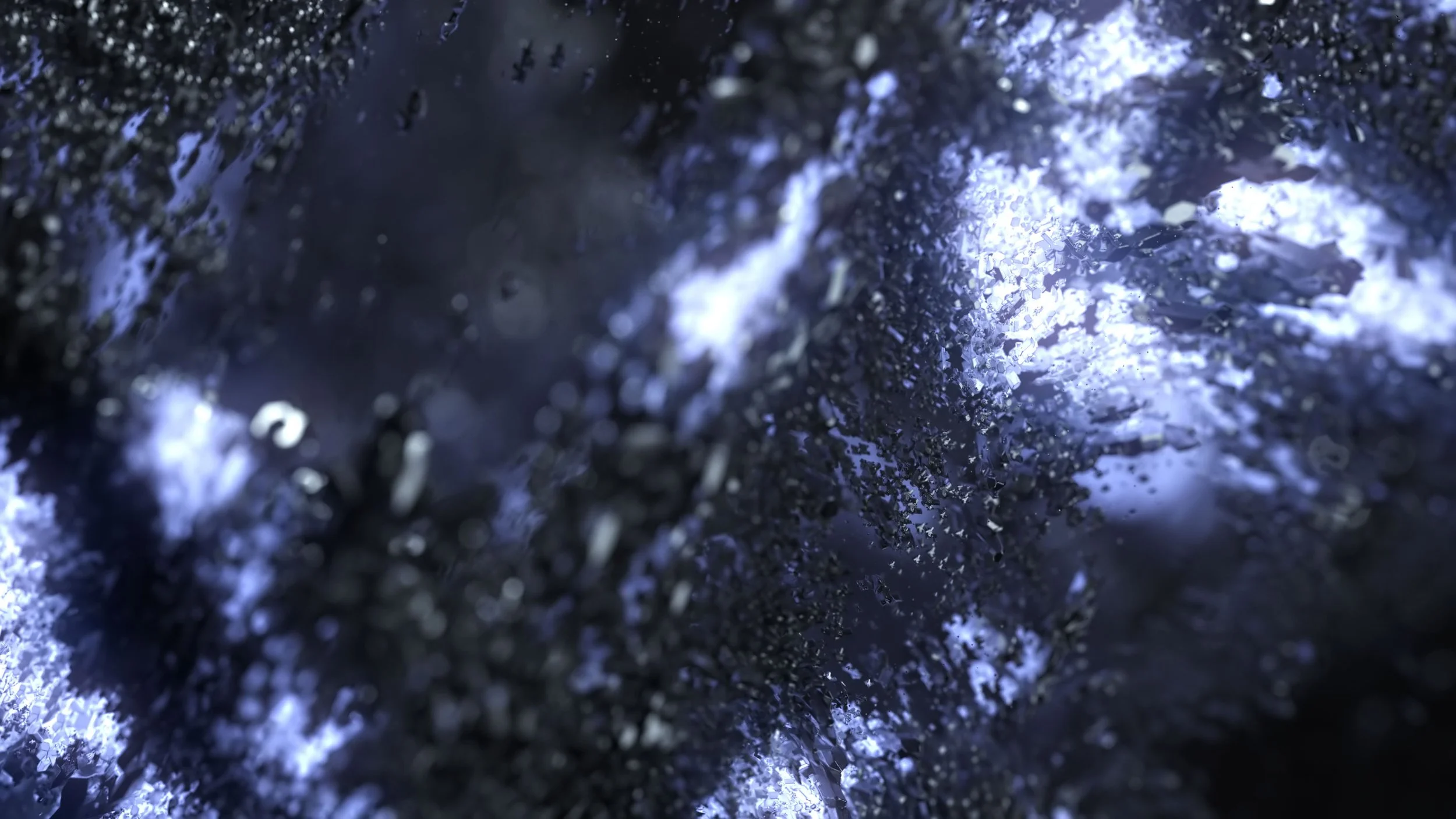
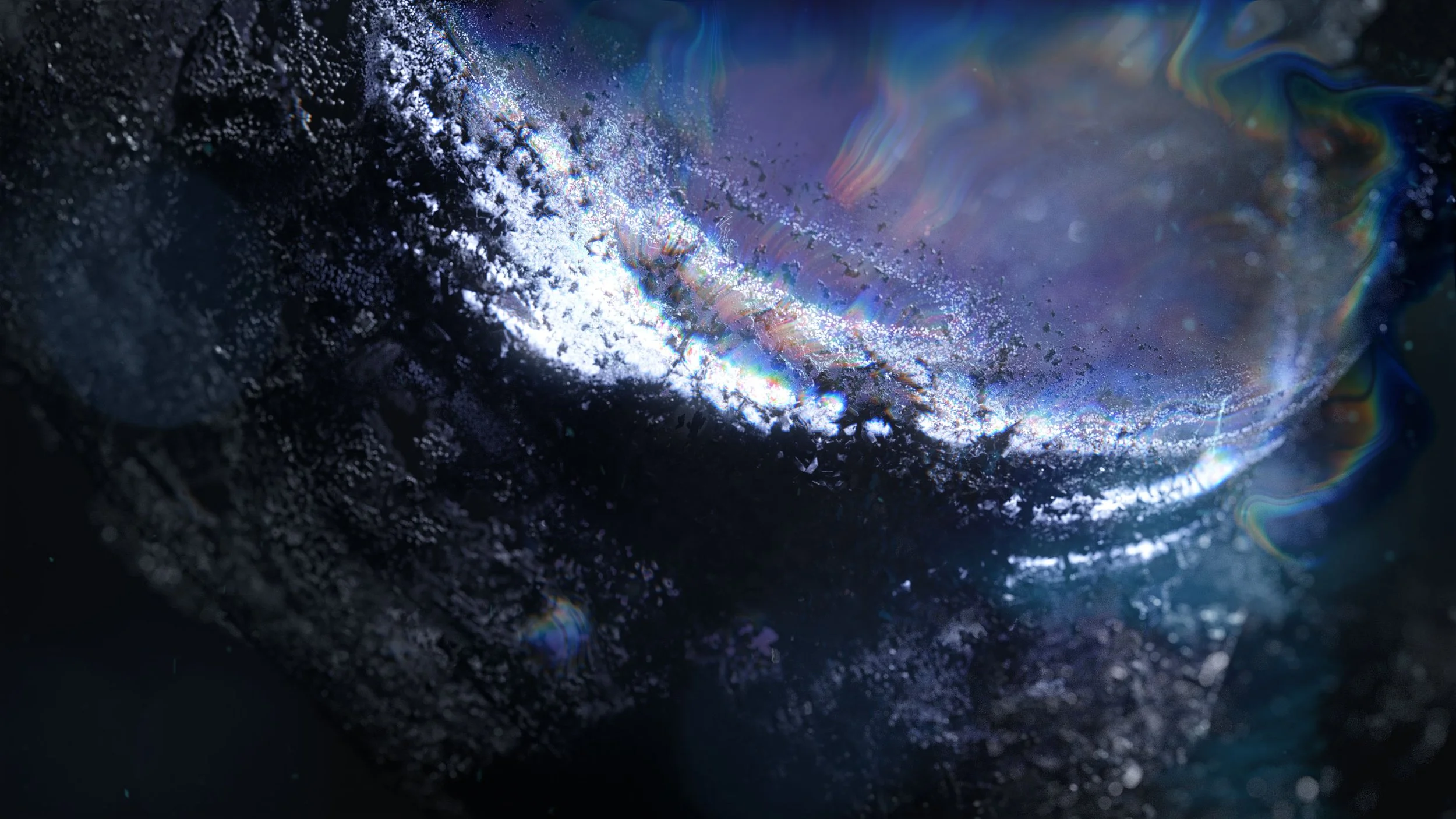
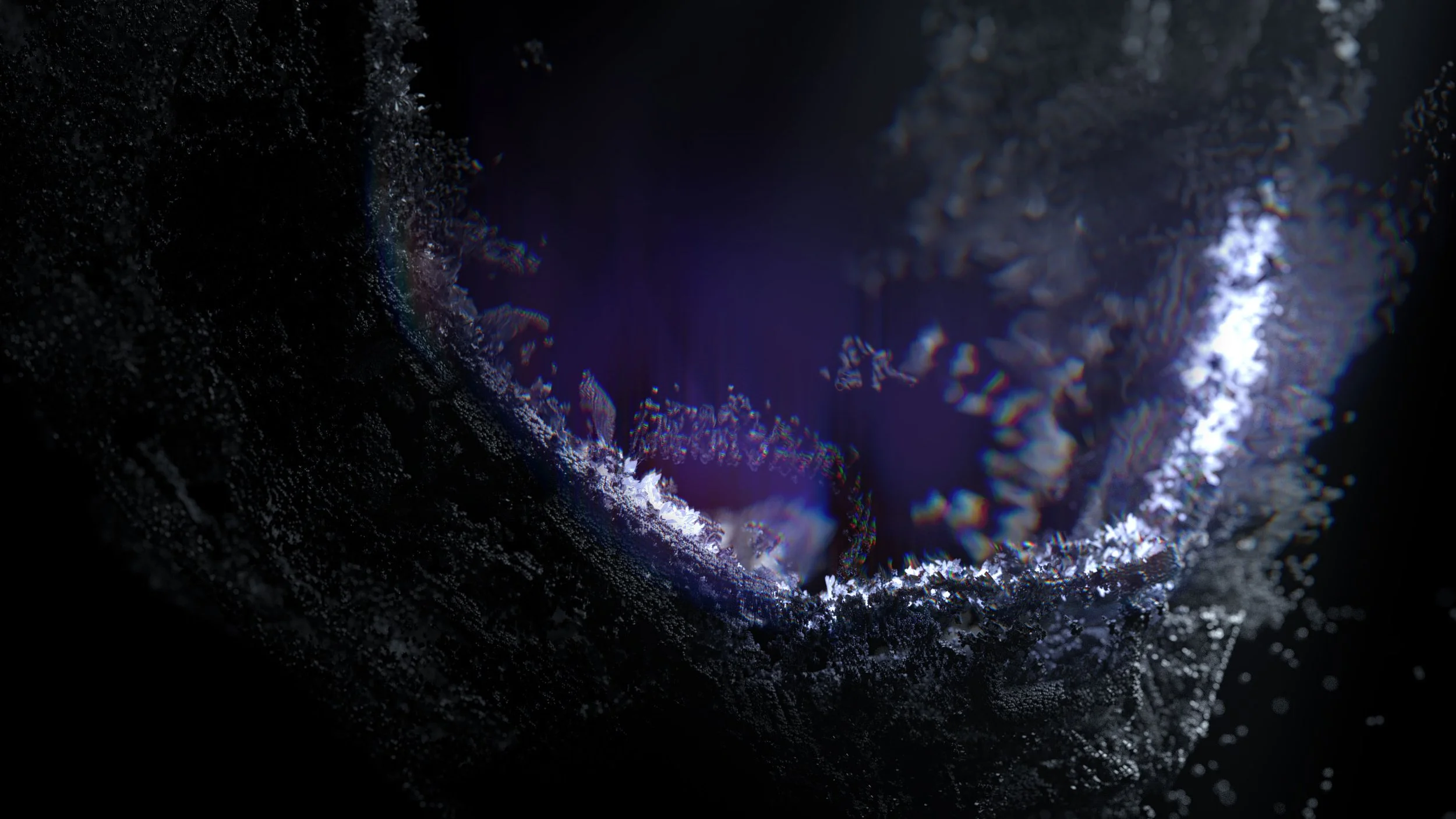
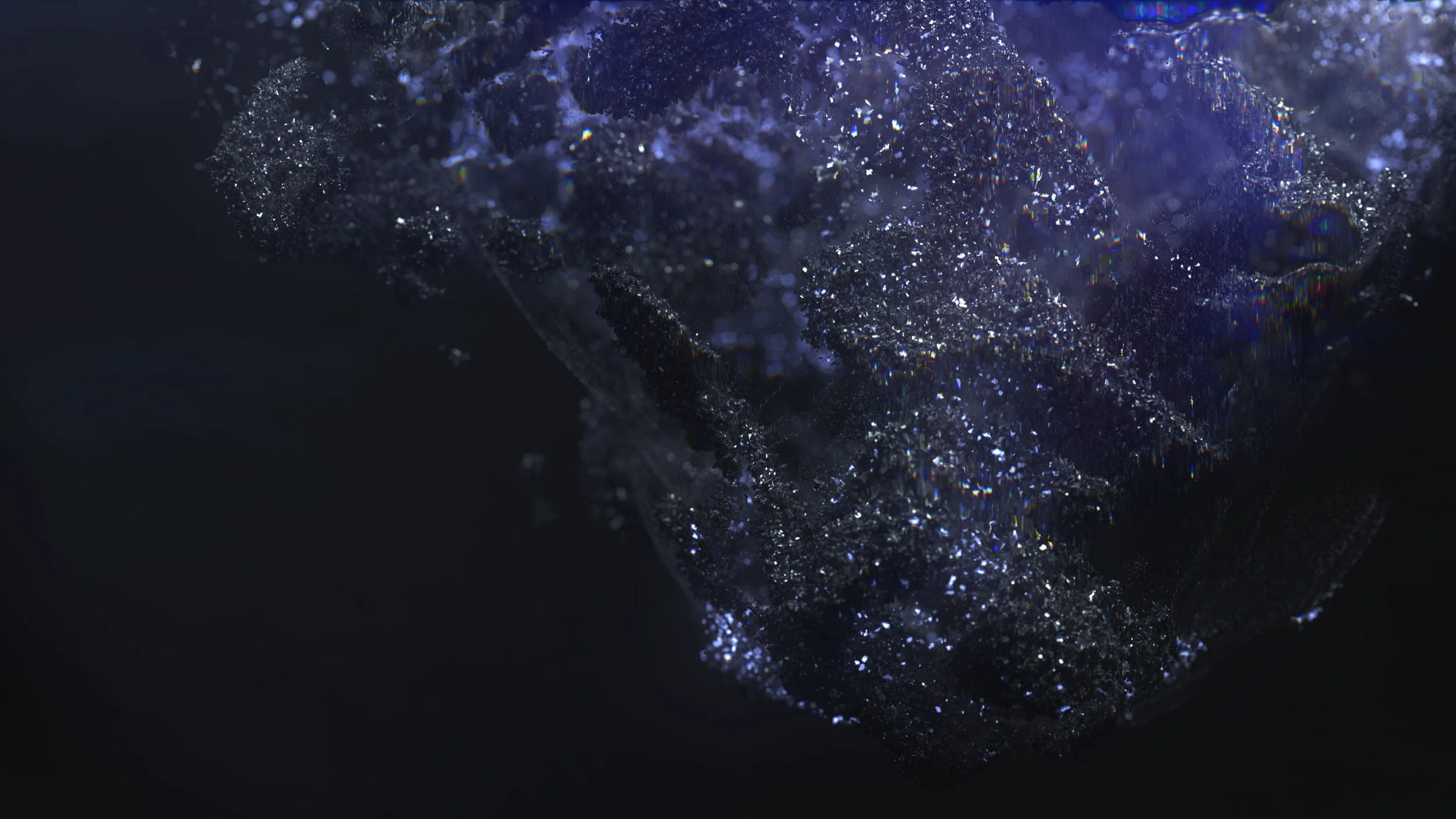
Early concepts for the sequence opened at an extreme macro scale, depicting fragments of a metal-like material suspended in darkness. These shards were imagined as inert matter awaiting activation—raw components without intent or structure. While this opening was ultimately removed from the final edit, the underlying design logic informed the rest of the sequence.
The material studies established a framework for understanding formation as an emergent process. Although not present in the final sequence, these early explorations informed the approach to later transformations.
ENERGY
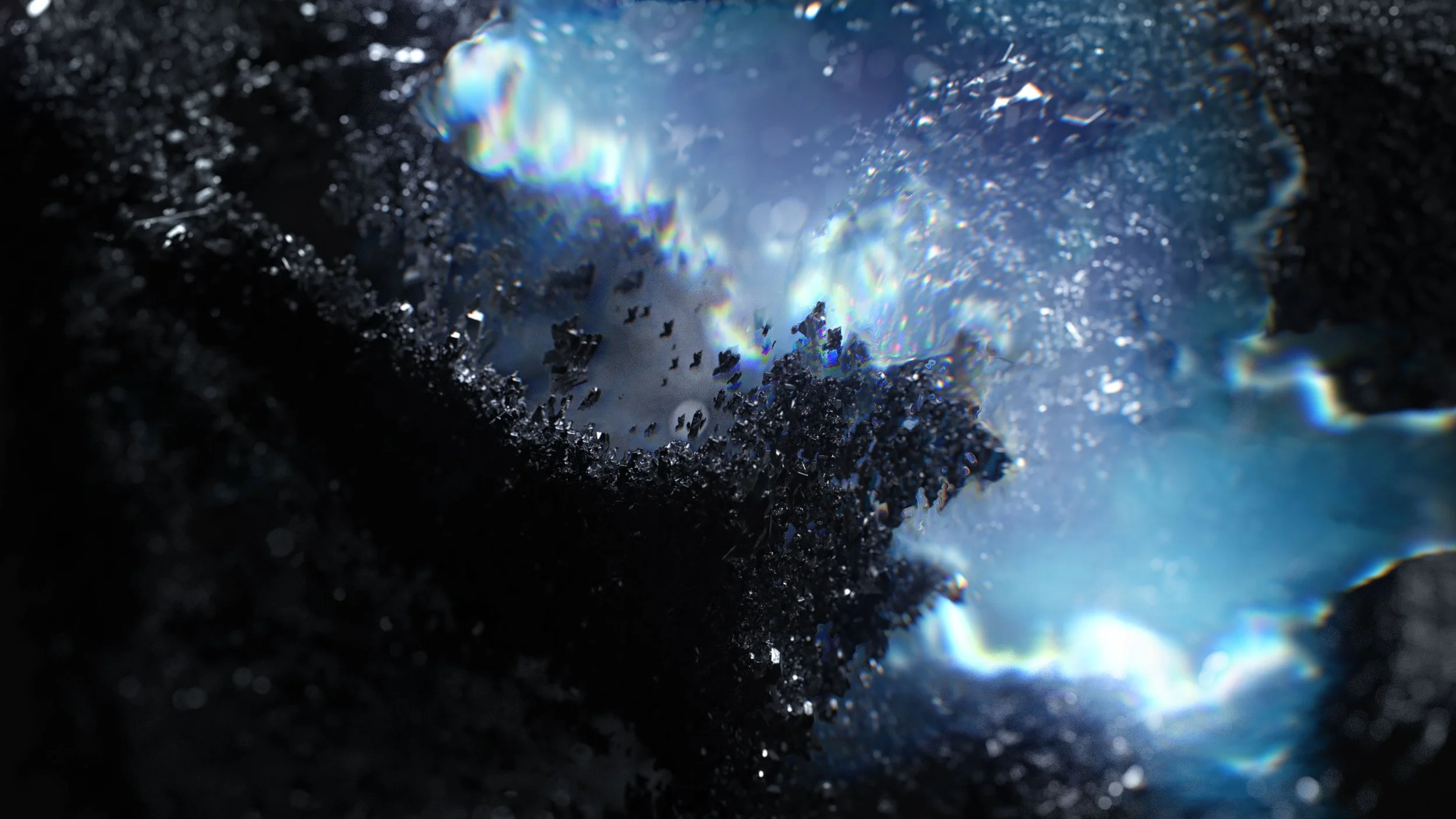
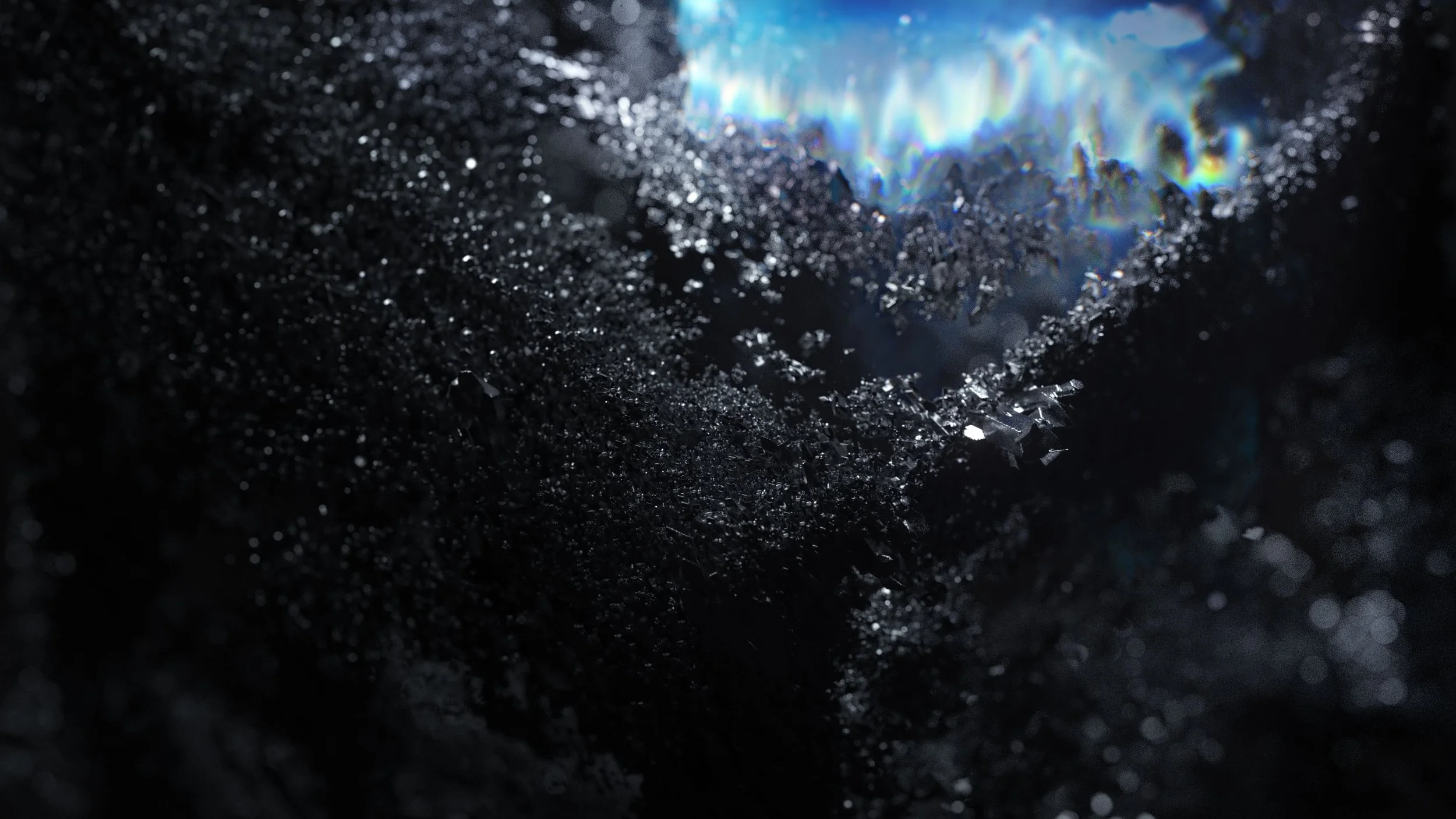
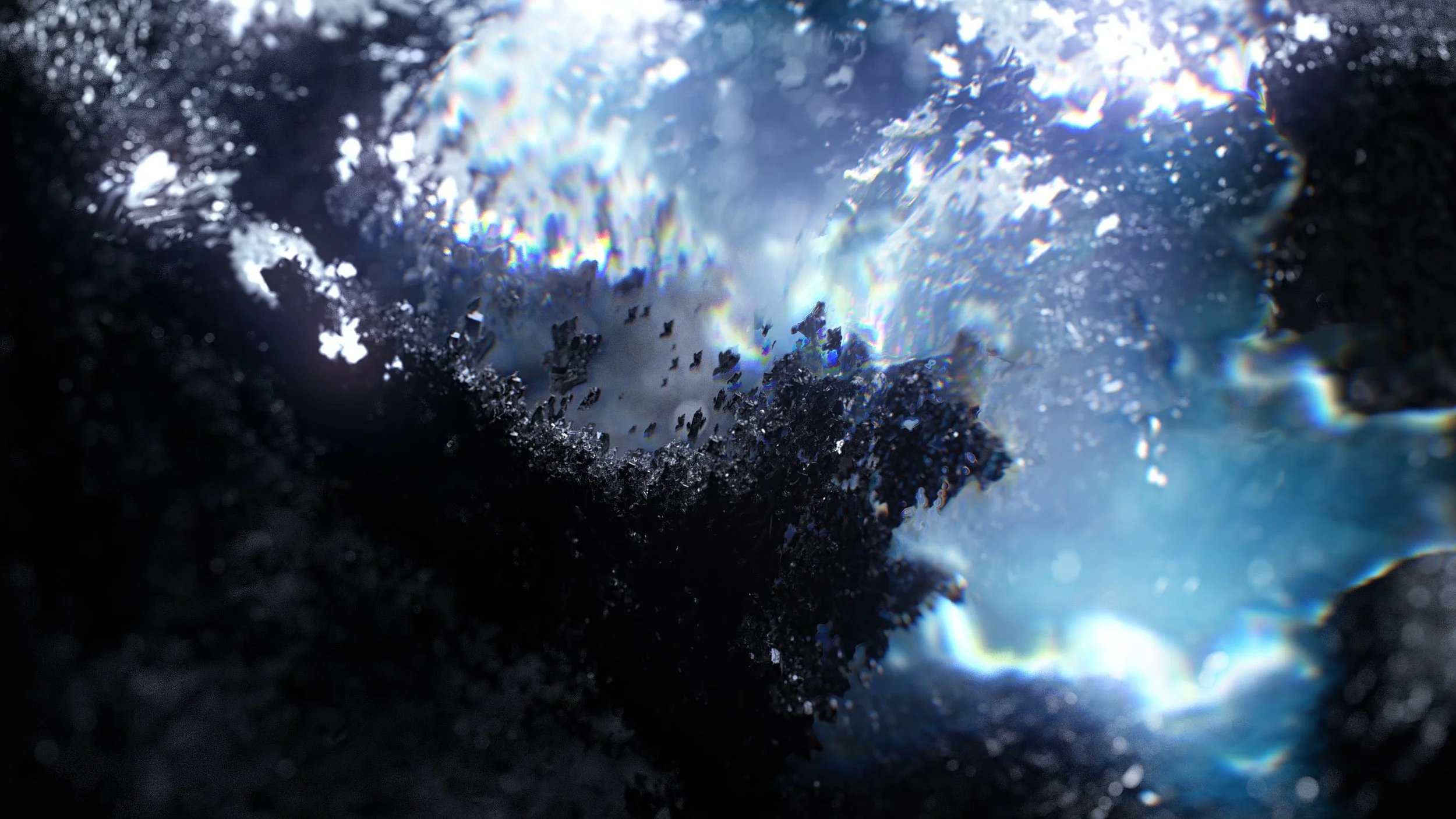
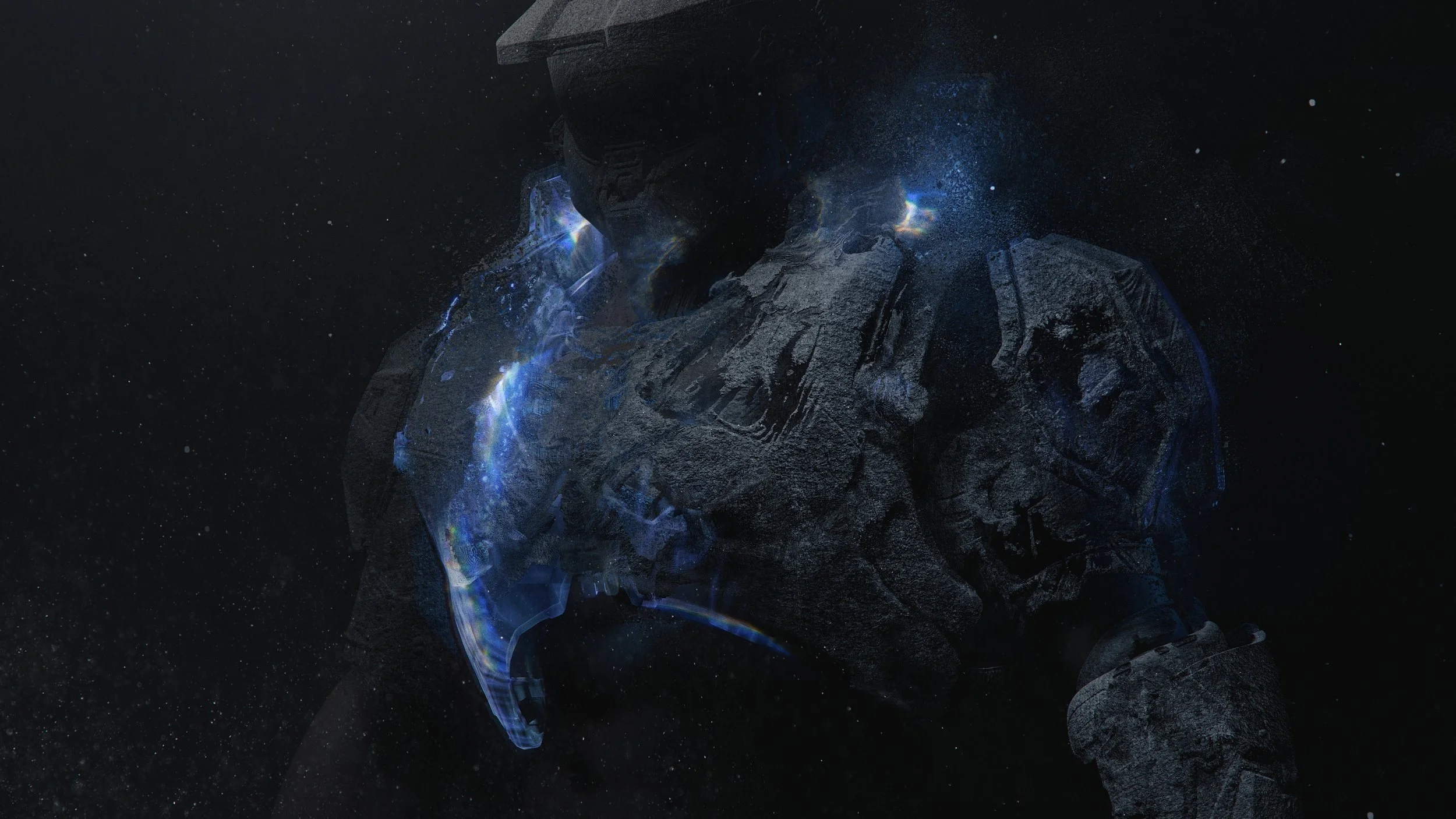
In the original concept, a surge of energy would animate the dormant material, initiating replication and formation. As the camera pulled back from the macro view, waves of light would travel across John’s body, guiding the material into the form of the Mjolnir armor. Energy was treated as a formative force, shaping organization, motion, and transition.
VESSEL
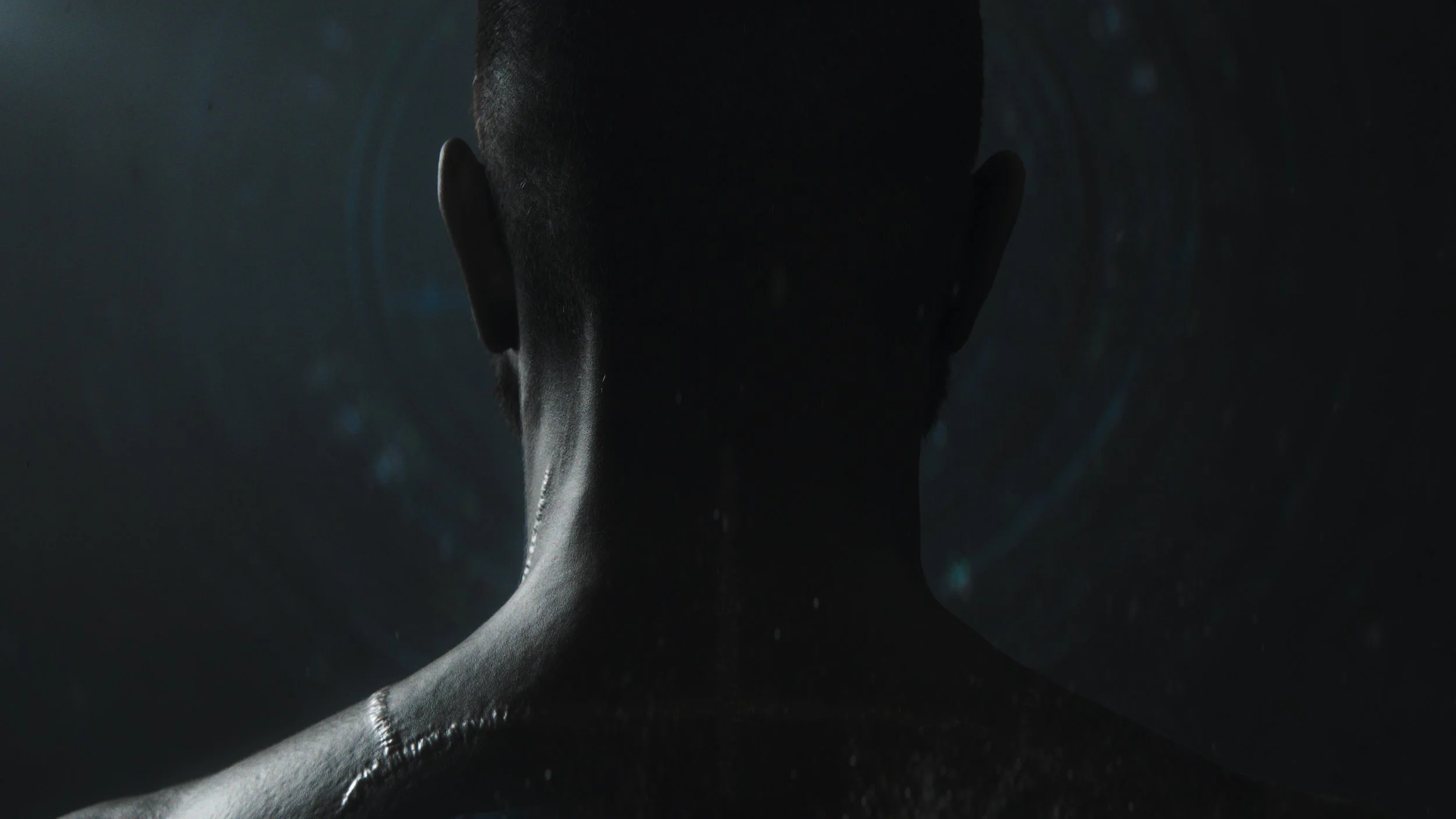
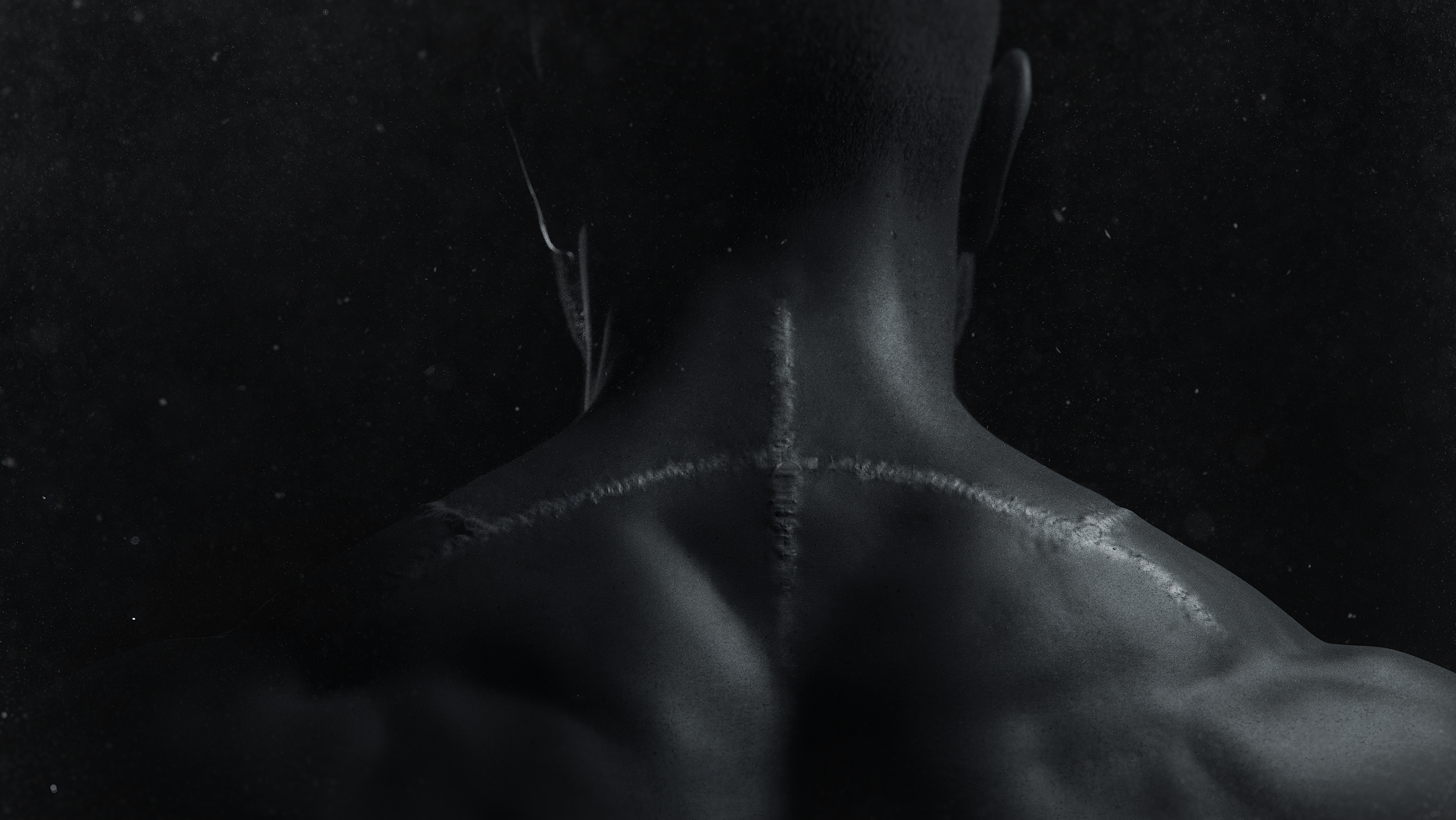
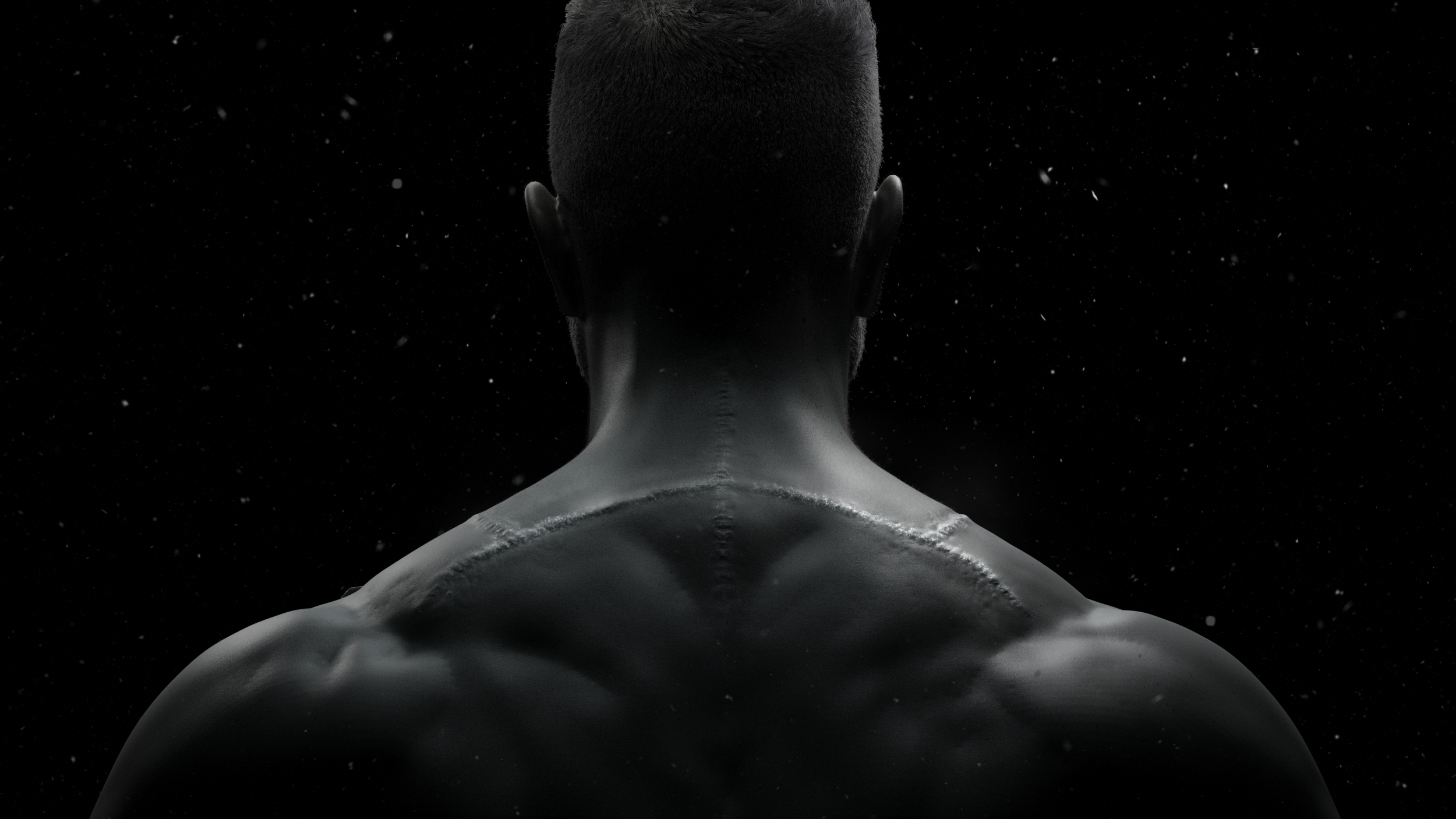
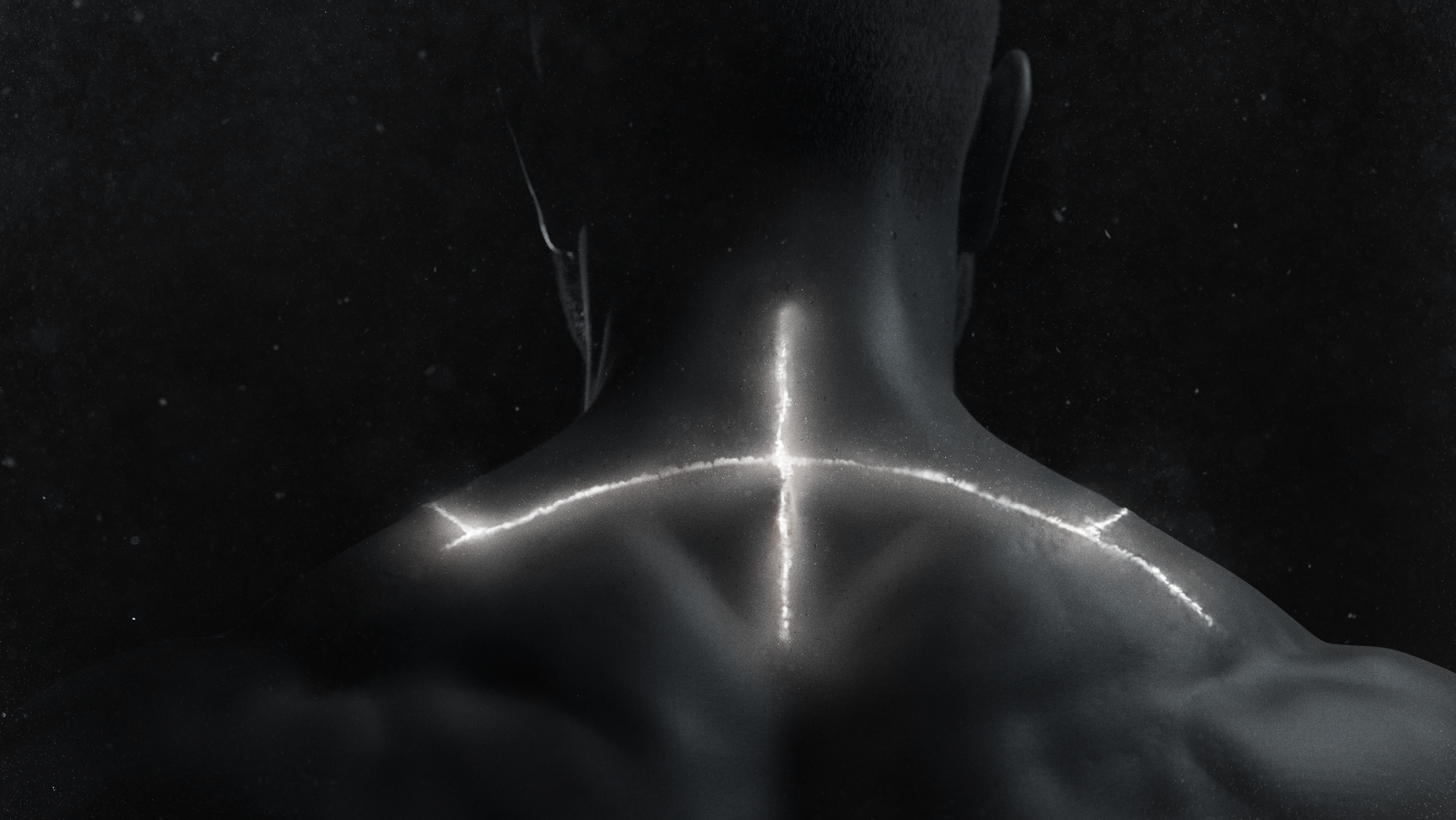
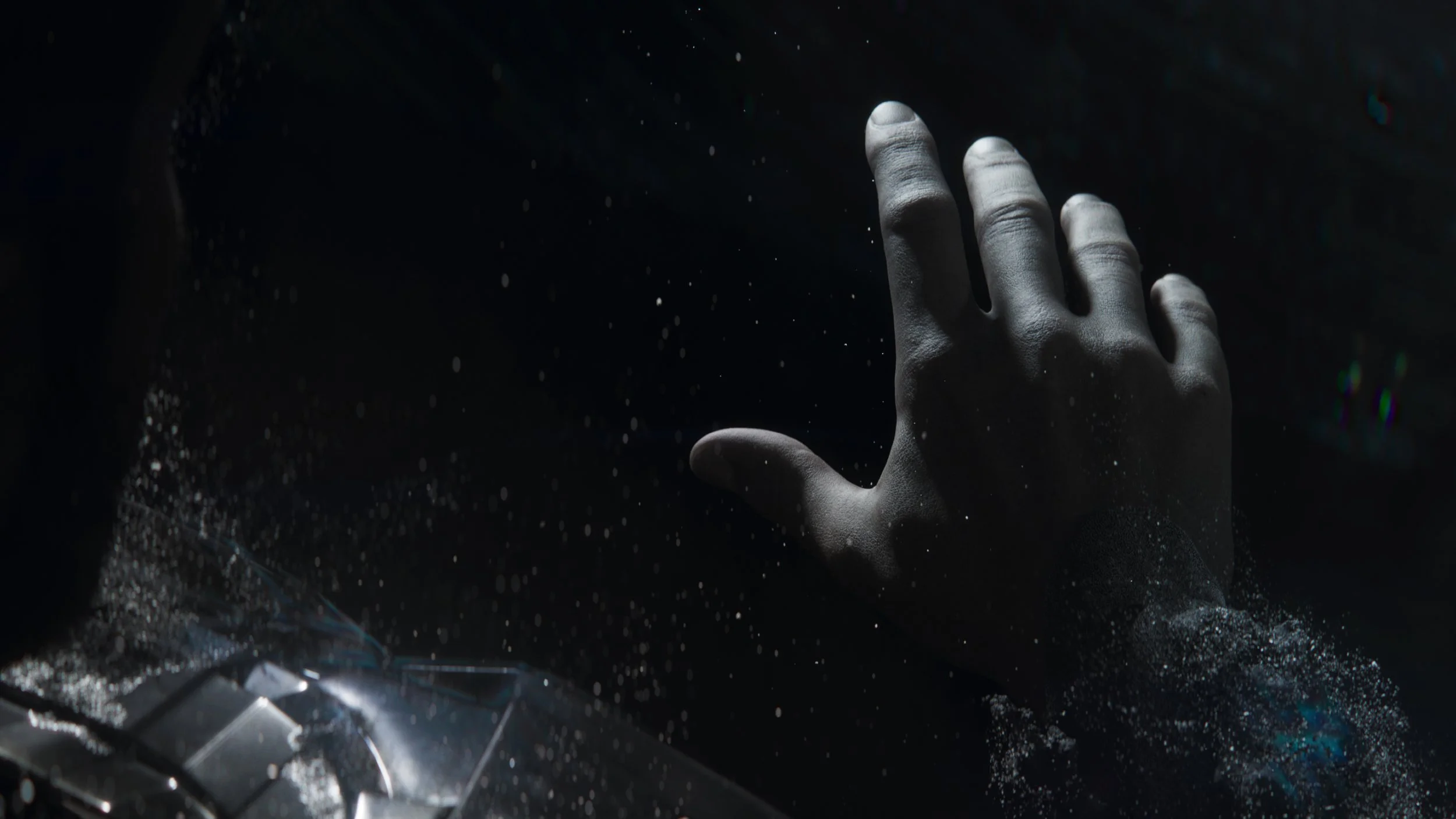
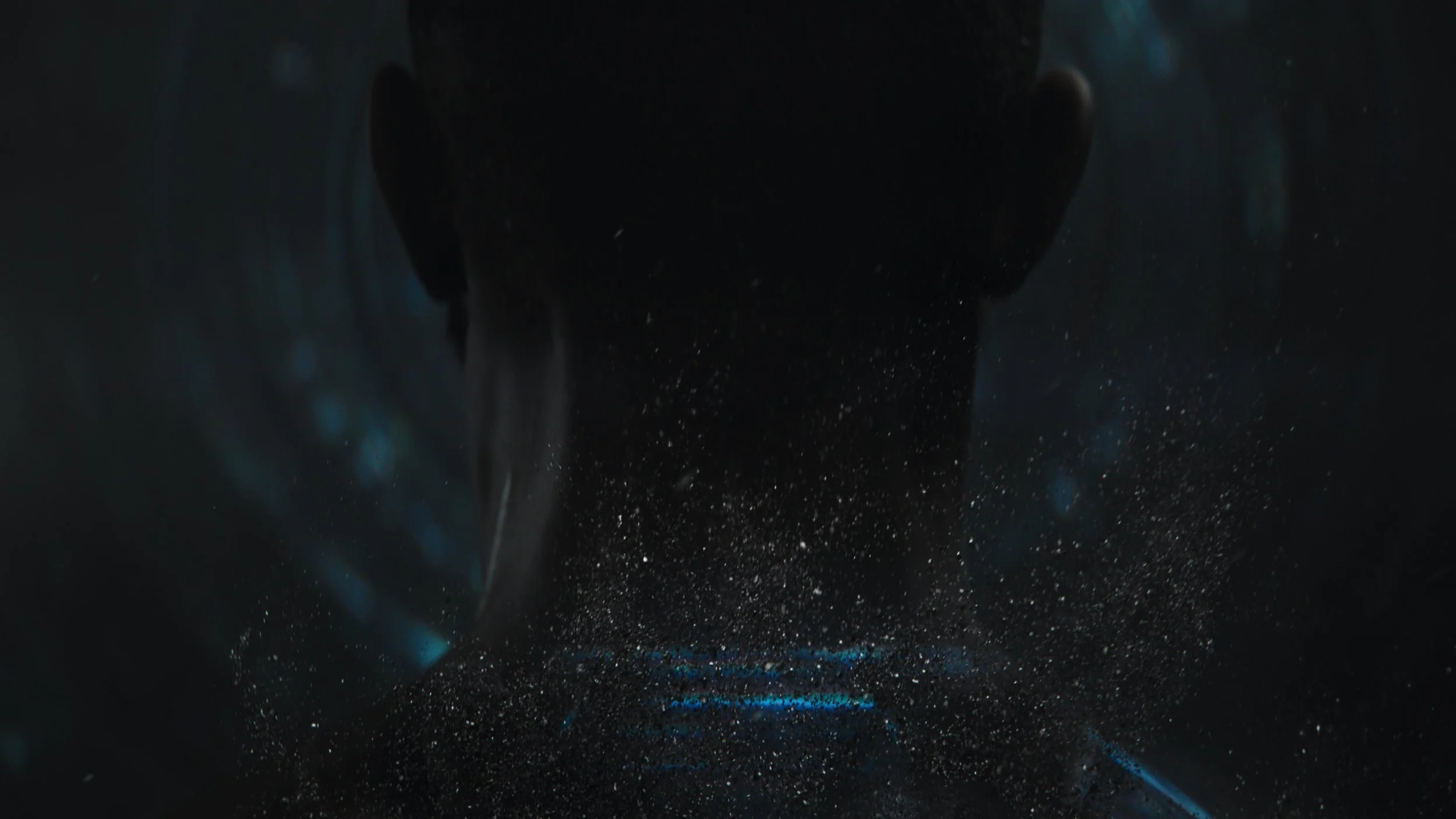
Entry into the Spartan program requires extensive physical modification, leaving survivors permanently marked. The surgical scars function as a visual anchor for the cost of transformation, distinct from its outcome.
The body itself was treated as a vessel shaped by intervention. Sculpt and groom work emphasized this history, allowing surface detail to carry narrative weight independent of overt exposition.
Body sculpt and groom by Sandra Isaksson using ZBrush and Houdini. Concept art by Till-Valentin Holder using Blender.
GROWTH
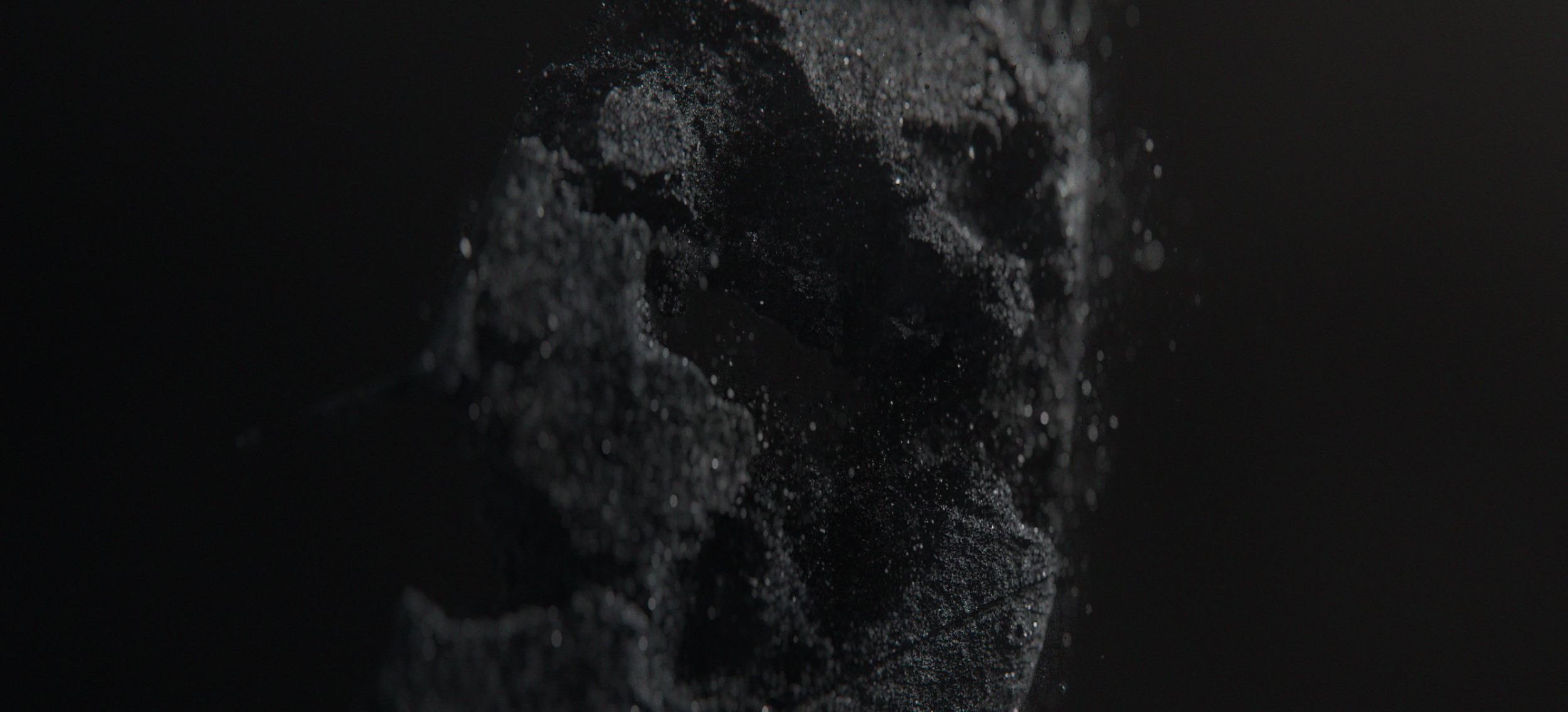
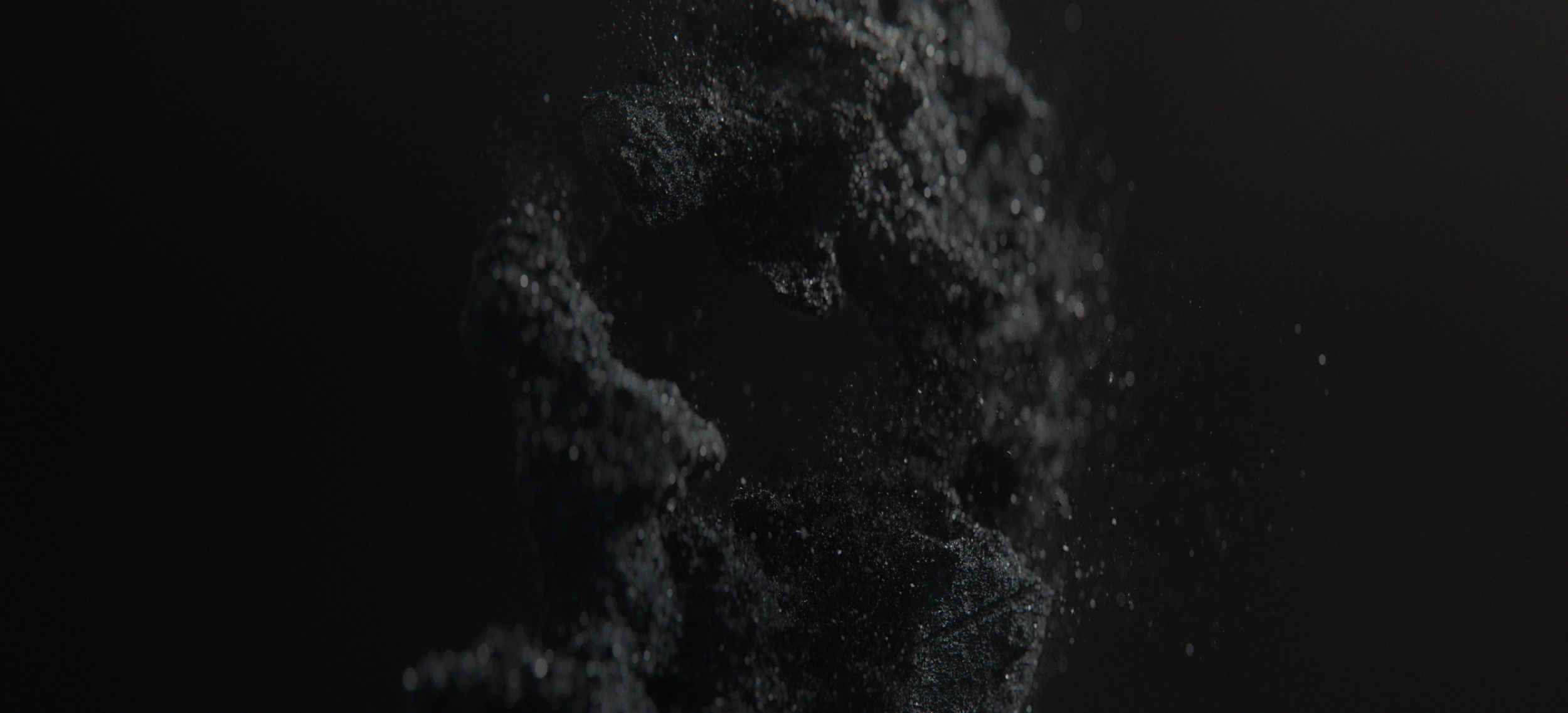
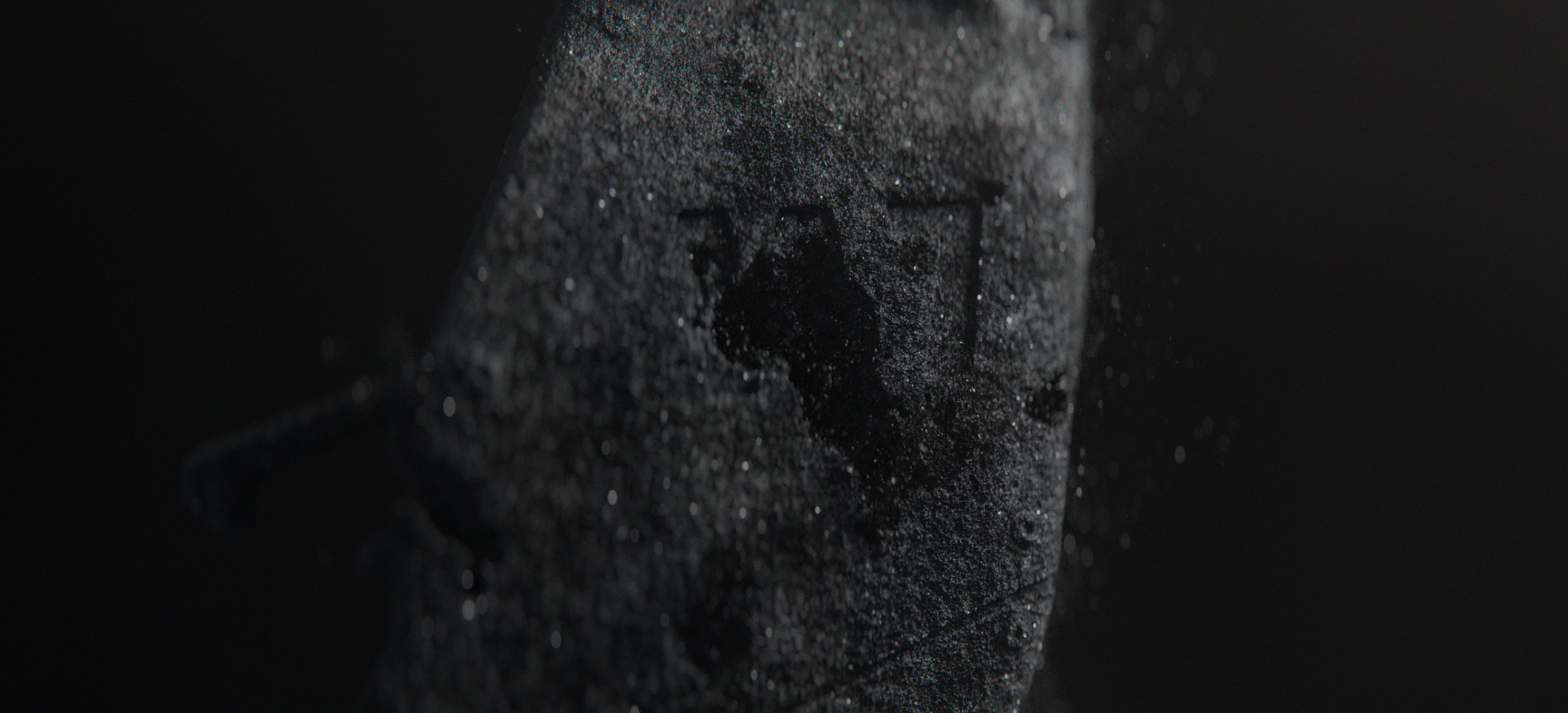
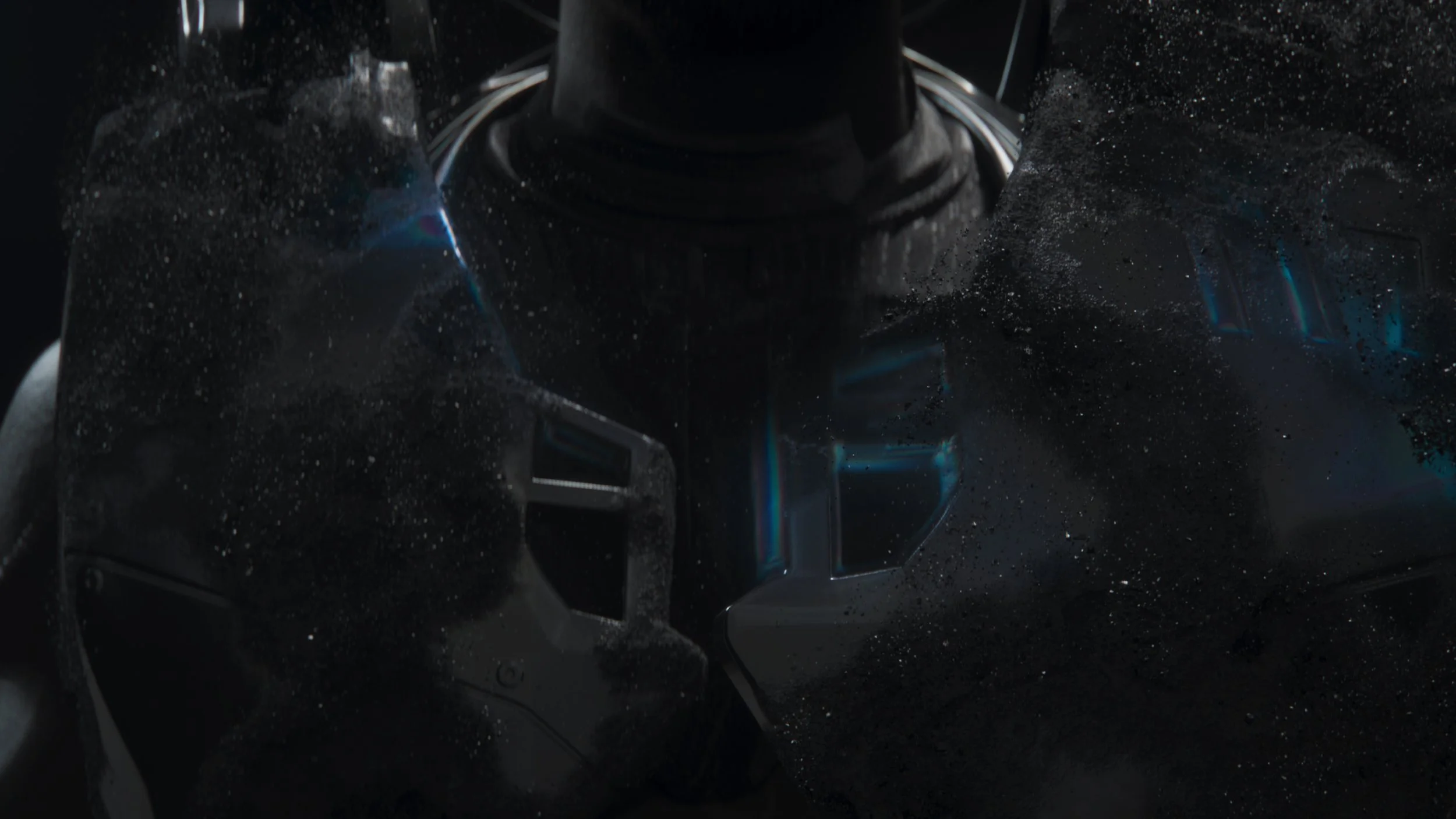
As the material continues to replicate, it expands outward until constrained by an invisible boundary, as though filling a mold. During this process, smaller fragments separate and drift away from the primary form. This stage examines formation as accumulation and rejection occurring simultaneously. The armor resolves through motion, shedding excess as it takes shape.
Effect and shader development for armor growth by Max Öberg and Ivor Da Silva using Houdini and Mantra.
BINDING
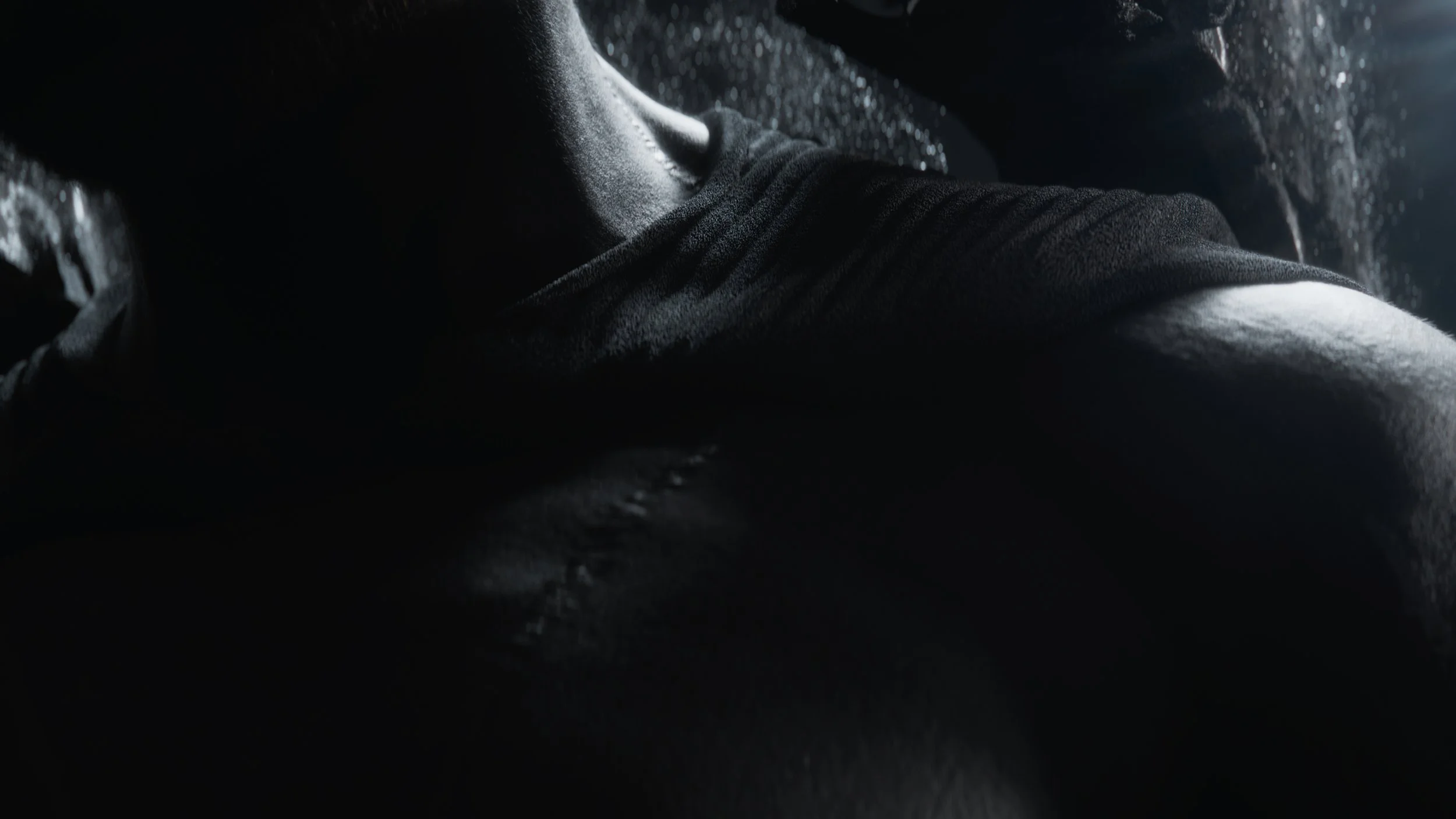
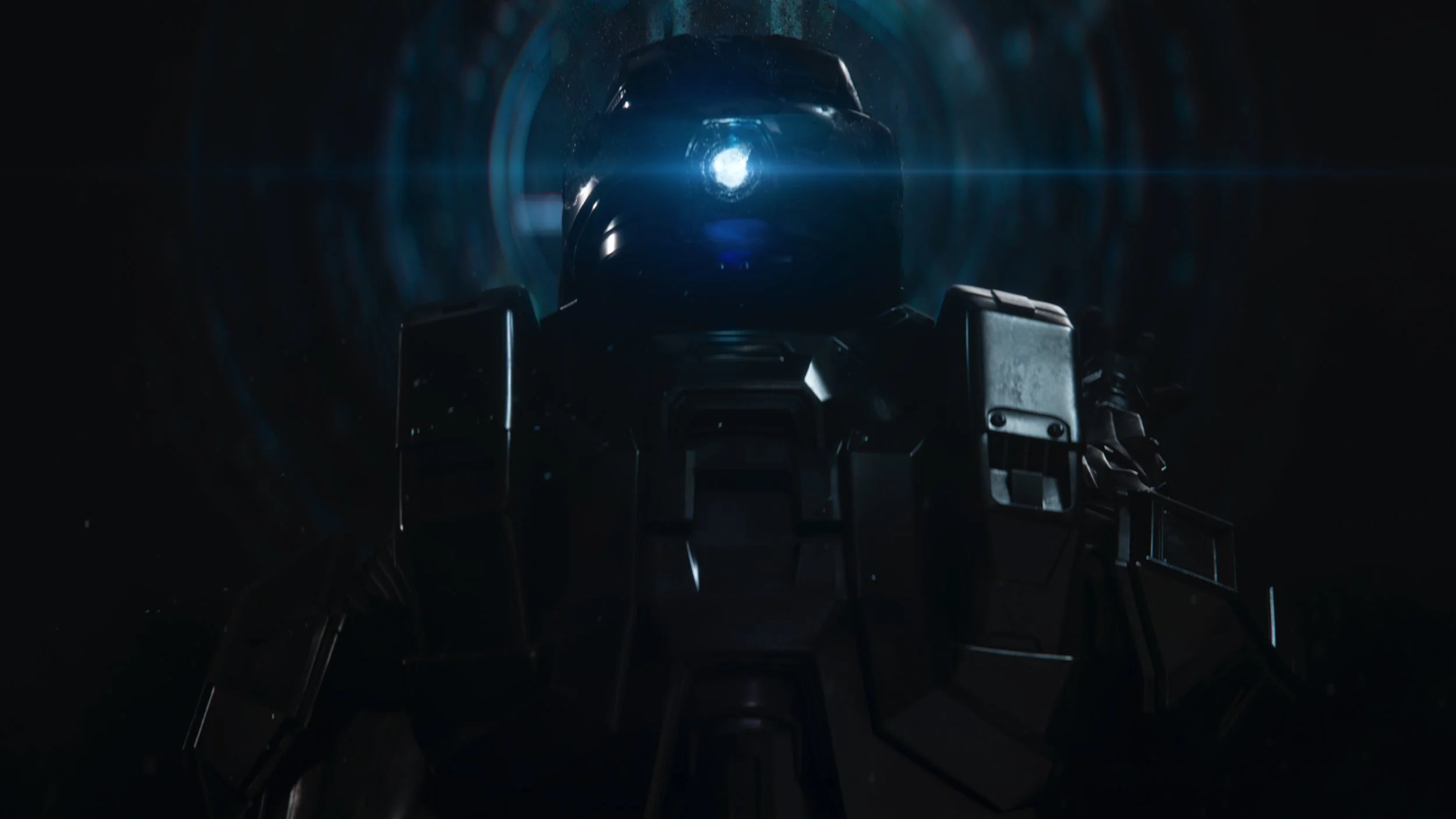
Beneath the rigid outer plates of the Mjolnir armor lies an underlayer with distinct physical properties. This secondary material moves fluidly, flowing across the body as the outer shell assembles. The contrast in movement between these layers articulates the armor’s dual function. As the rigid structure forms, the underlying material envelops John, reinforcing the tension between protection and confinement.
Final lighting and look development by Ivor Da Silva using Houdini and V-Ray.
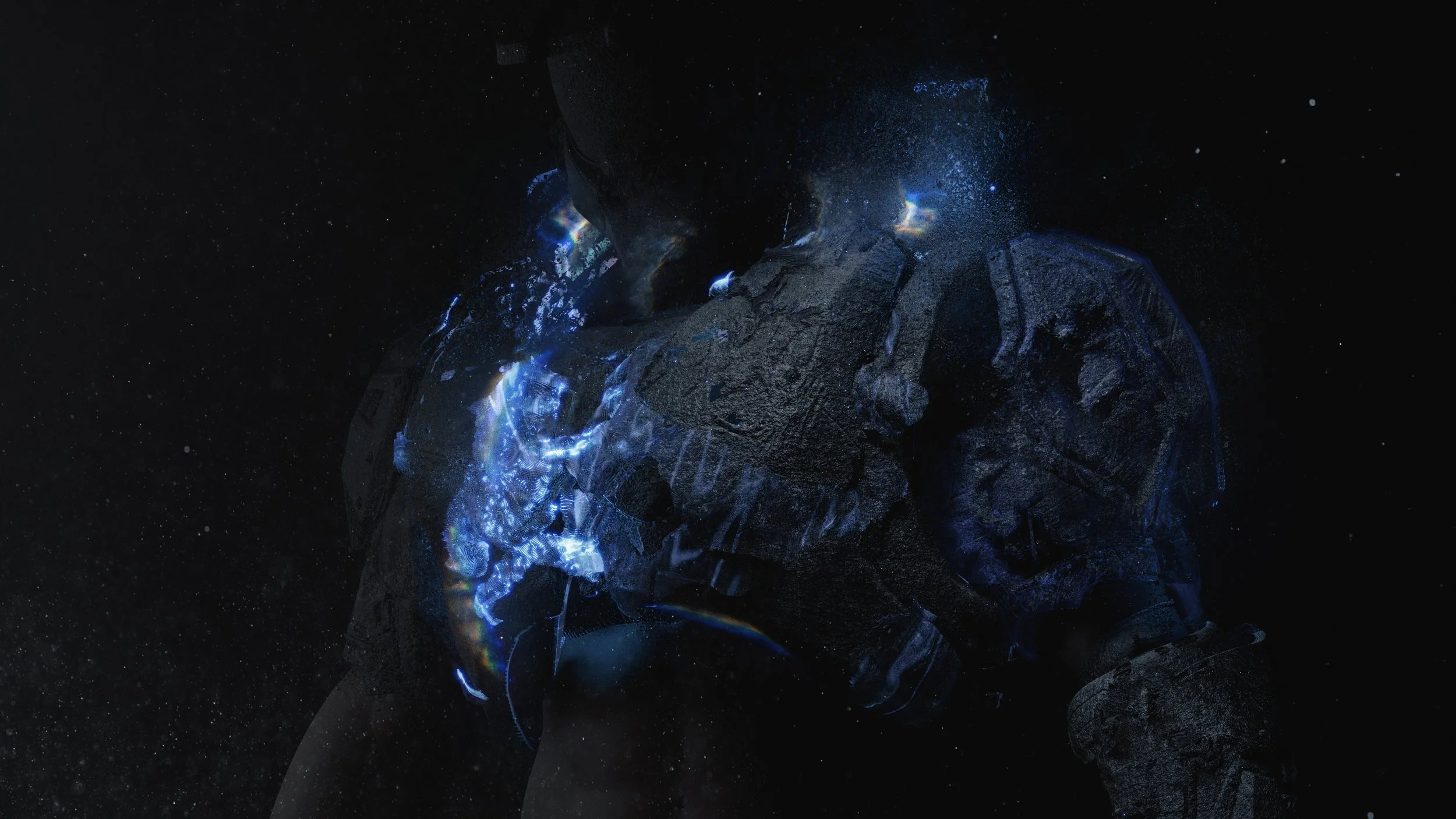
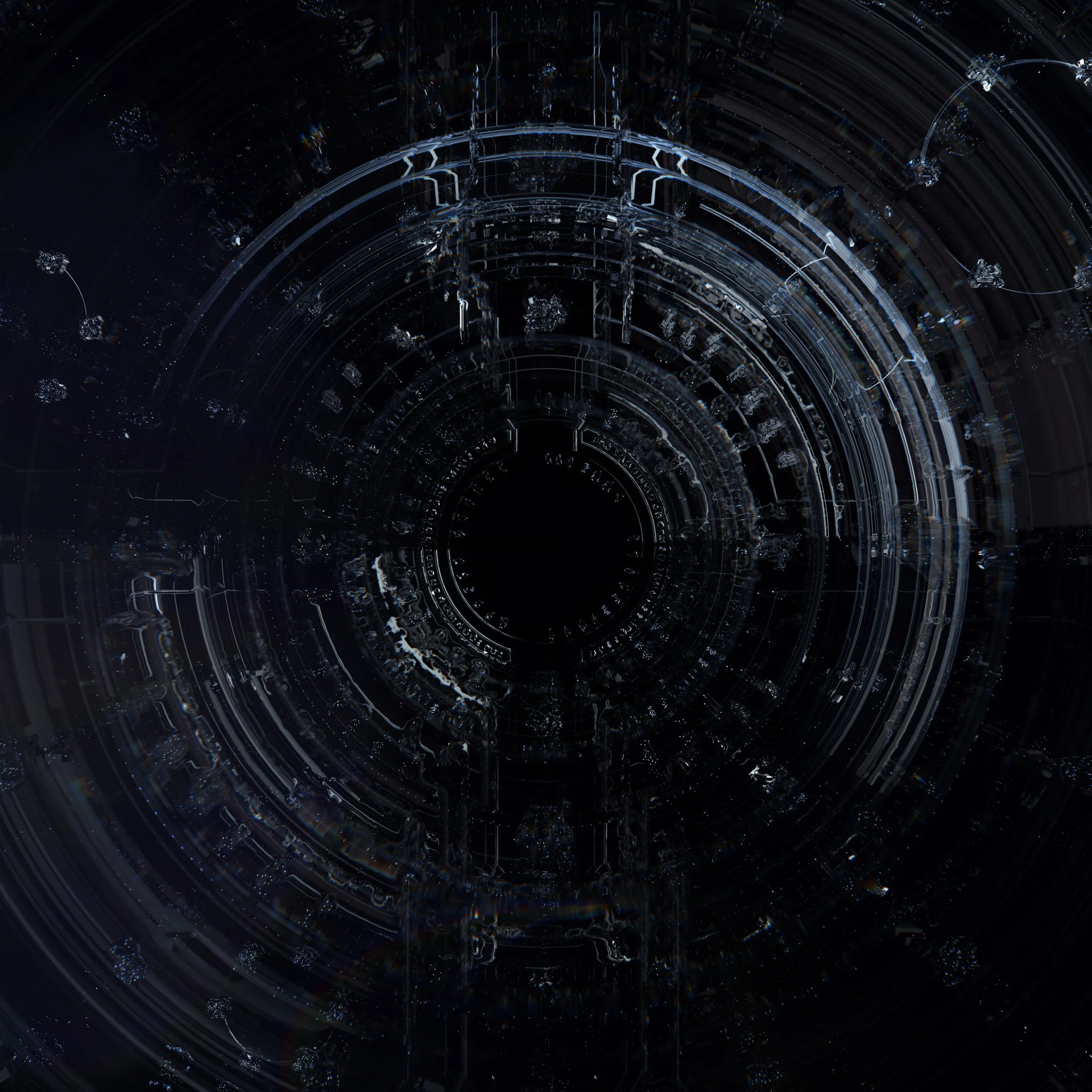
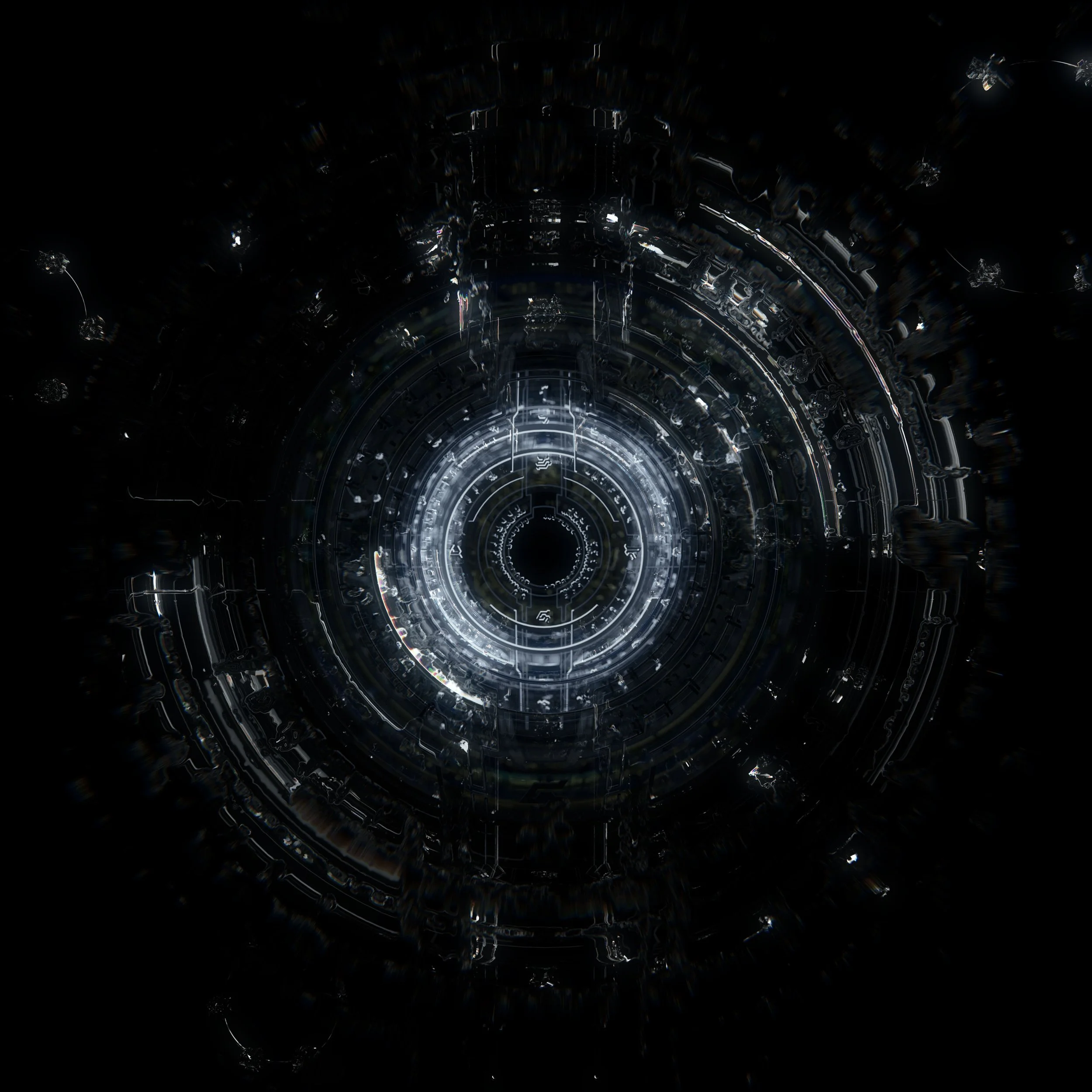
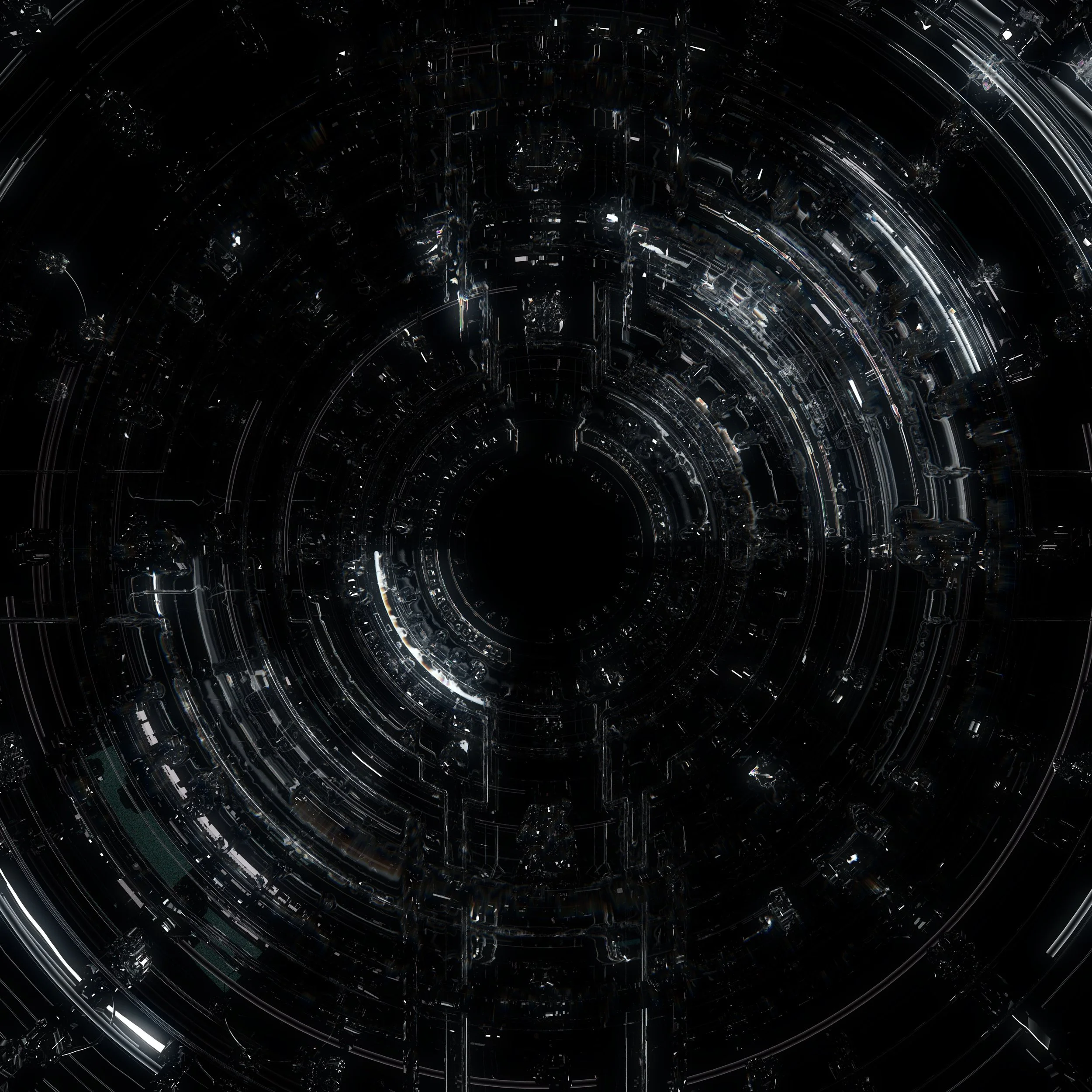
SYMBOLS
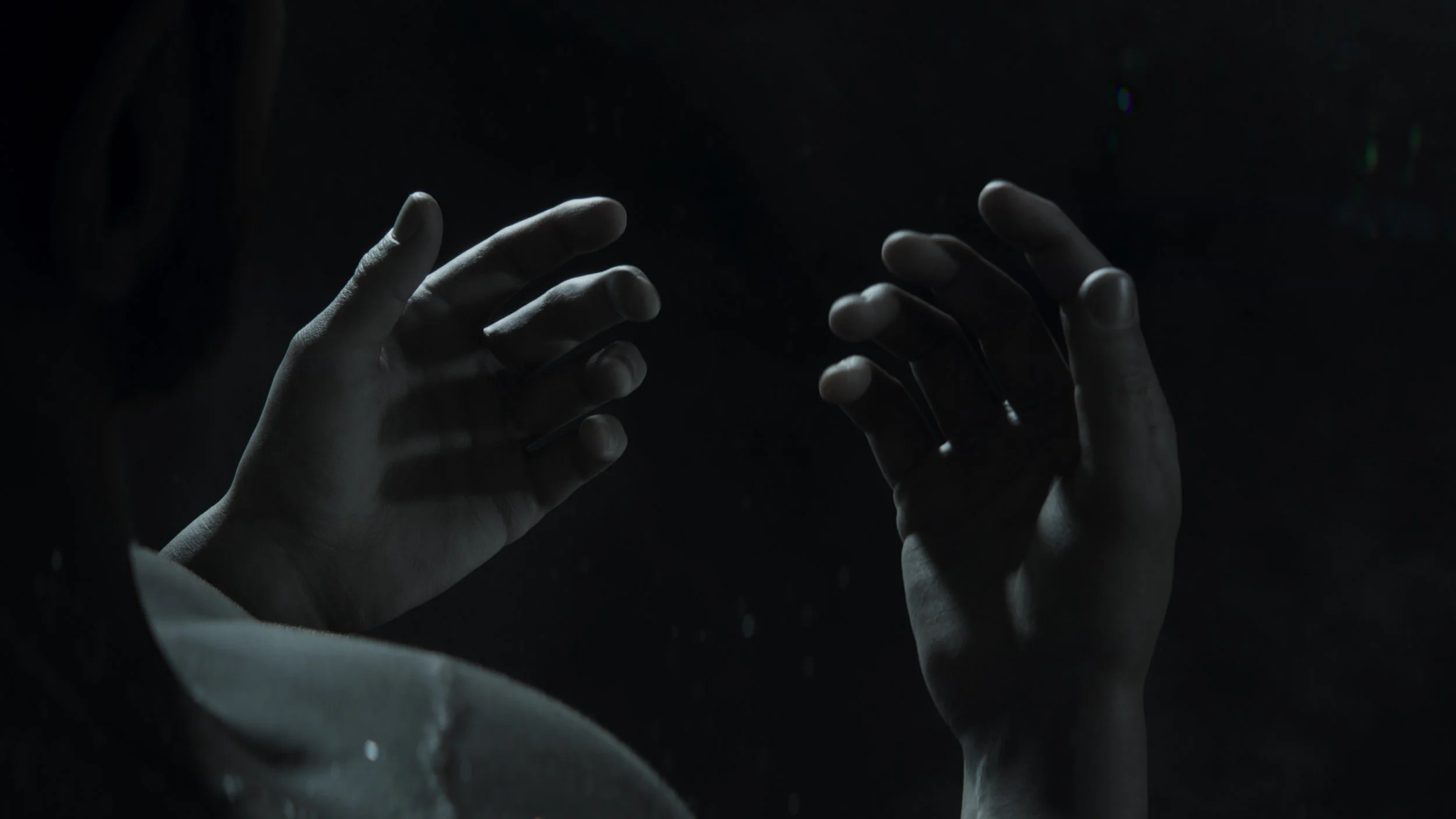
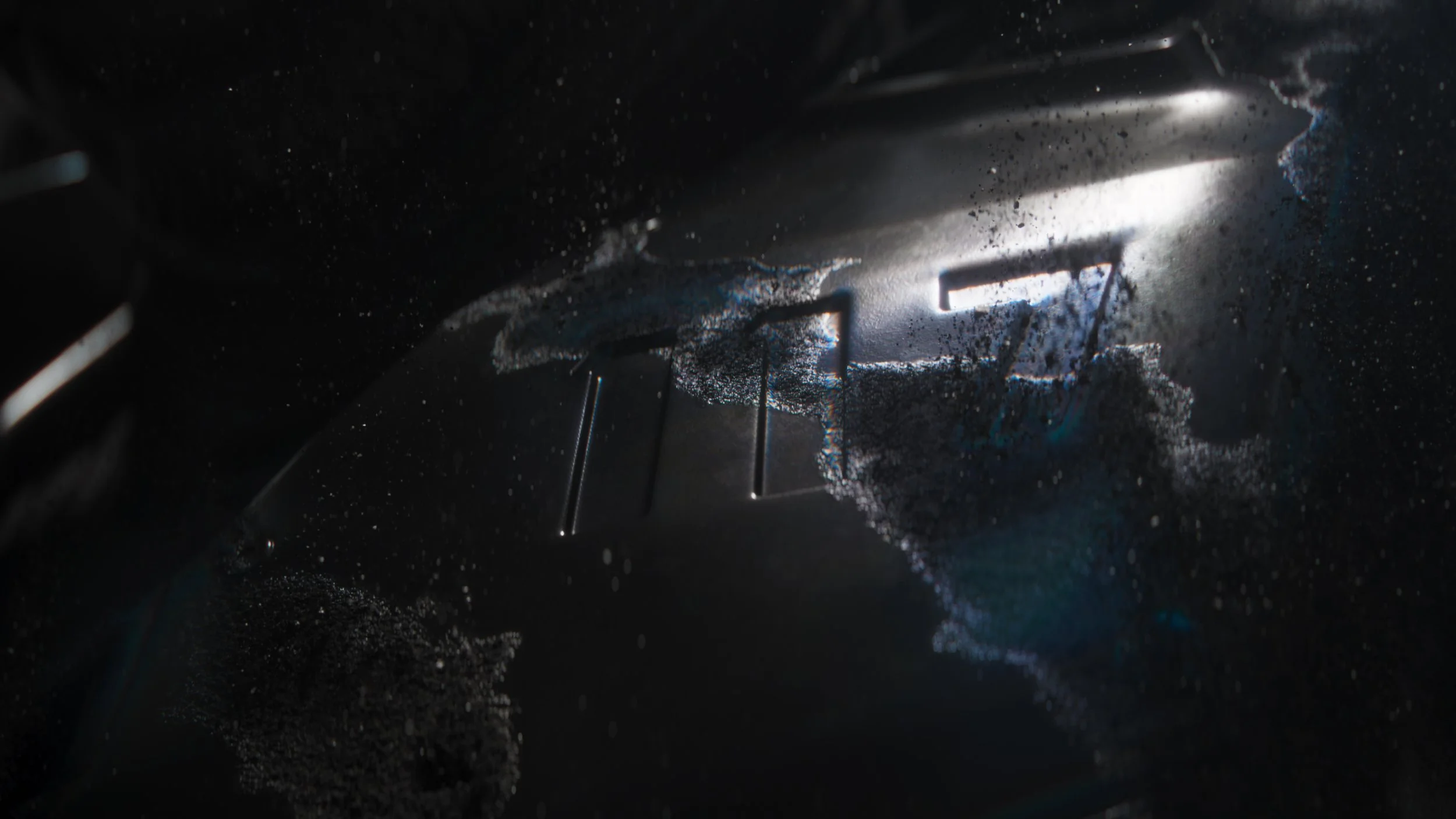
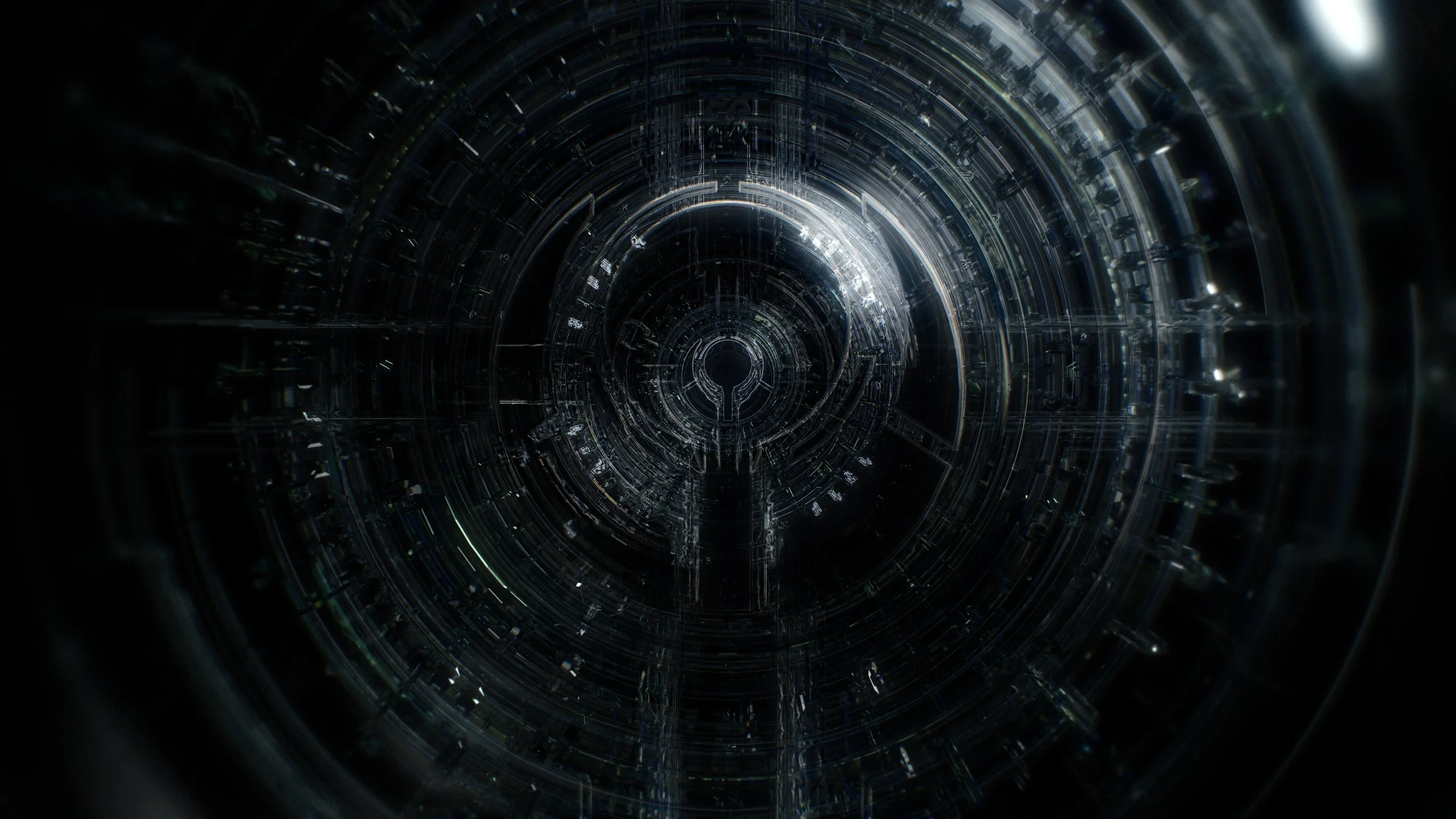
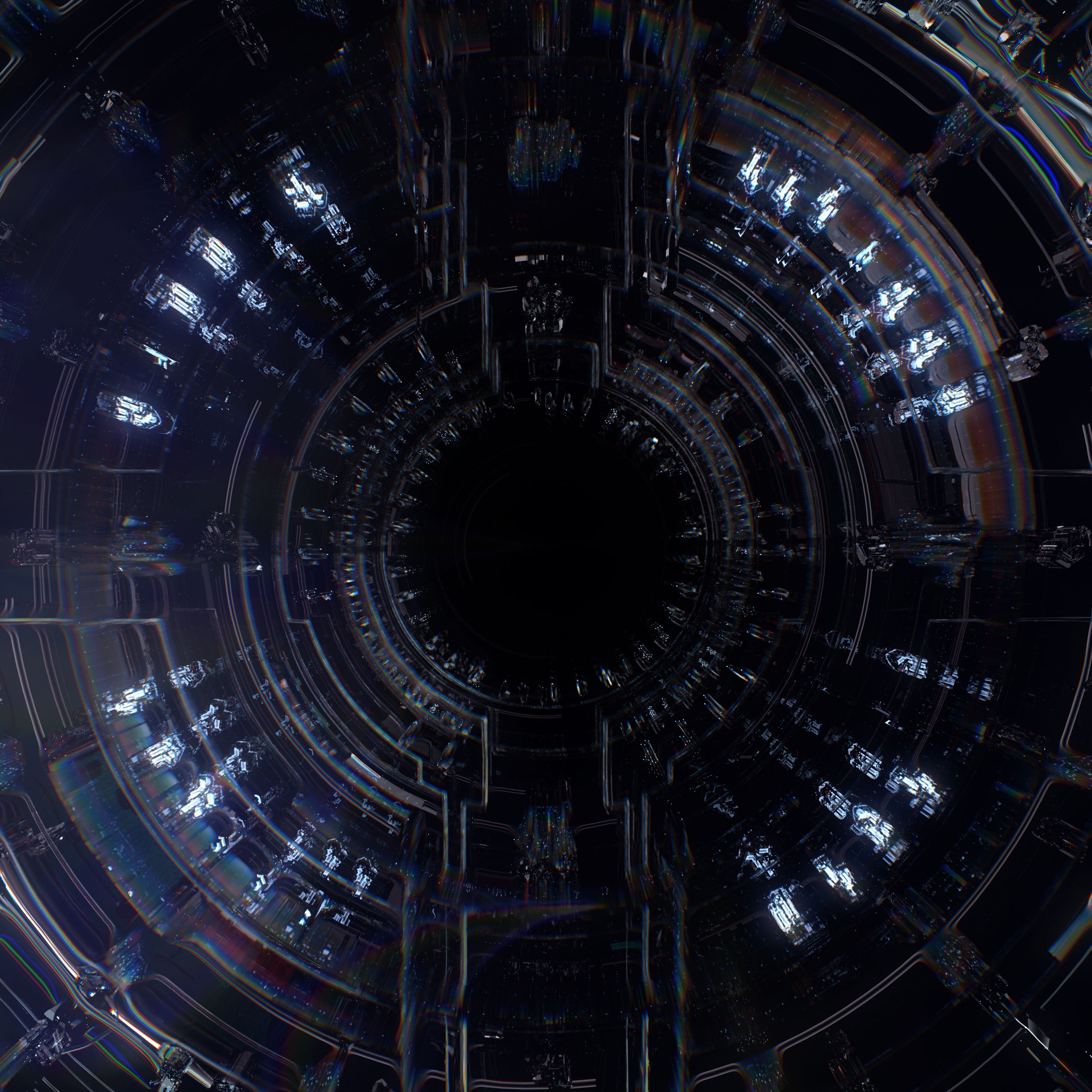
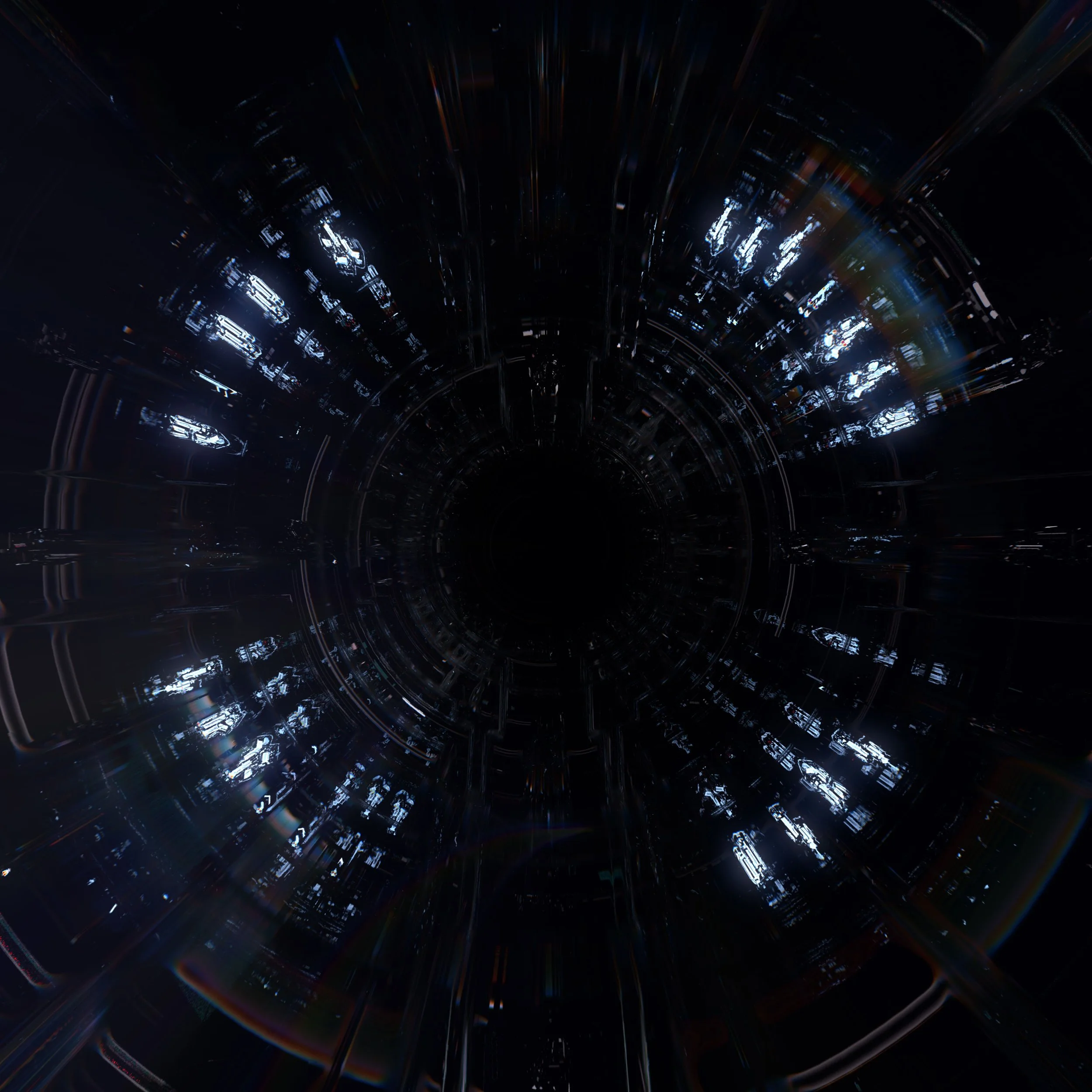
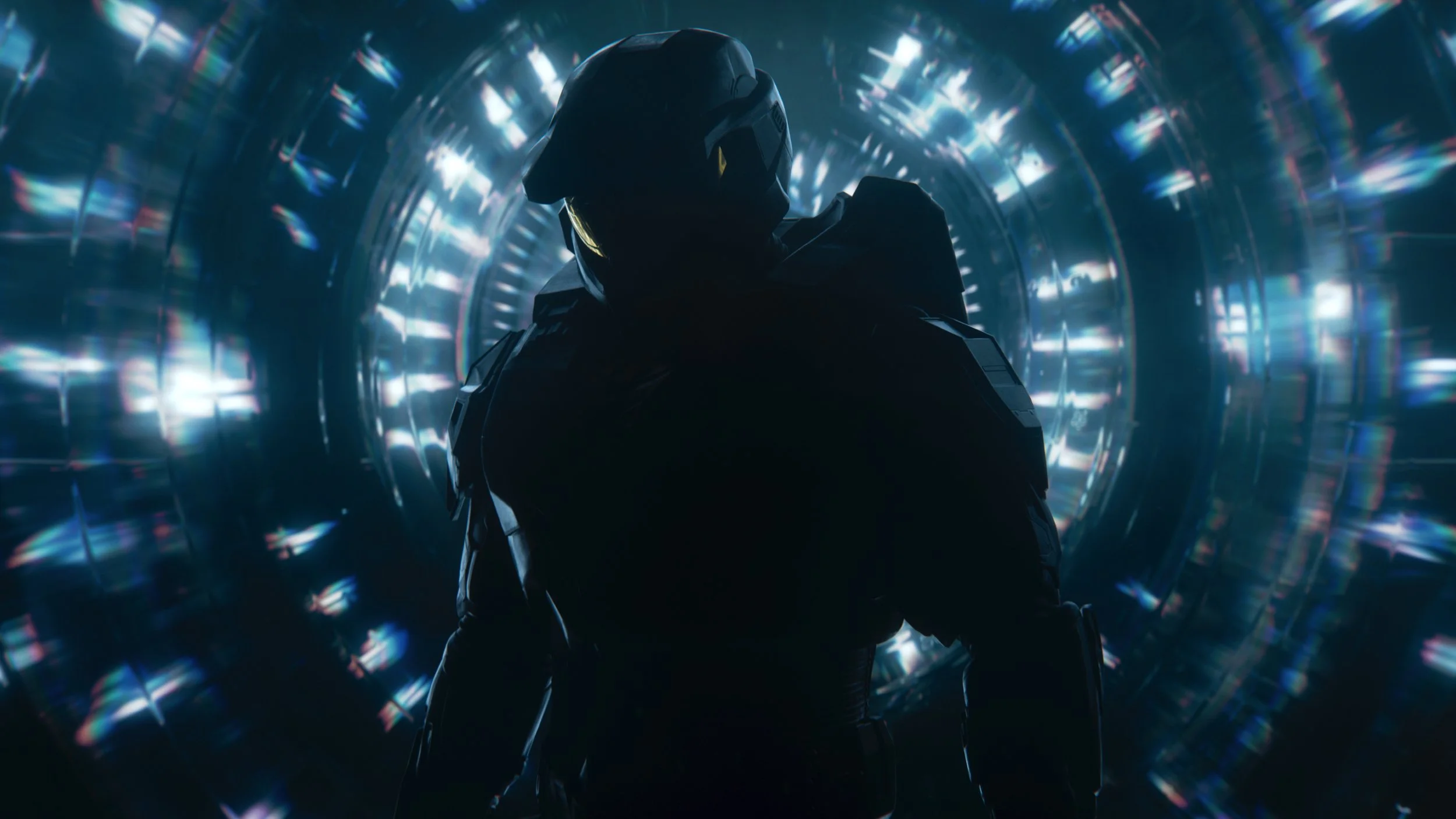
The sequence concludes with the appearance of ancient glyphs suspended before John. His interaction with these forms reflects an emerging impulse to understand the force he is connected to, even as its meaning remains unresolved.
These symbols reference the Mantle of Responsibility, presented as an inherited burden with unresolved meaning. Their visual treatment moves beyond conventional holographic aesthetics, drawing from cymatics and vibrational patterning. Light is treated as a medium capable of bending and refracting in three dimensions, producing form through disturbance.
Credits
MICHAEL RIGLEY: CONCEPT ART + DESIGN, 2022
clients
Take 5 Productions, 343 Industries, Showtime, Paramount+
CREDITS | production
Director + Art Director: Will Adams
VFX Supervisor: Kristian Zarins
CG Supervisor: Ivor Da Silva
Executive Producer: Anton Söderhäll
Producer: La-Râ Hinckeldeyn
Line Producer: Lena-Carolin Lohfink
Animation Director: Staffan Linder
Character Lead: Sandra Isaksson
Character Modeling: Magnus Eriksson, Jonas Skoog, Jesper Bardhamre
Facial Modelling: Mert Erguden, Sandra Isaksson
Character Look Development & Groom: Sandra Isaksson, Johan Vikström
Lighting Lead: Ivor Da Silva
Lighting: Johan Vikström, Sean Kalamgi, Erika Johansson
Rigging Lead: Gabija Smalinskaite
Rigging Artist: Peter Jemstedt
Character FX Lead: Ludvig Eliasson
Layout: Svetoslav Petkov
Keyframe Animation Lead: Staffan Linder
Animaton Keyframe: Jonas Ekman, Frank Spalteholz, Raoul Cacciamani
FX Lead: Max Öberg
FX Artist: Viktor Wagner
Concept Art: Michael Rigley, Jesper Bardhamre, Till-Valentin Holder
Compositing: Daniel Nordlund, Peter Blomstrand
Motion Graphic Artists: Michael Rigley, Roman Tikhonov, Tom Waldton, Marcus Melin
VFX Editor: Caio Simbula, Henrik Klein, Jimmy Zhu, Finn Jäger
Grading: Jimmy Zhu, Caio Simbula