BATTLEFIELD 2042 | PART 01
CINEMATIC
GOODBYE KANSAS, 2021
ART DIRECTION | CONCEPT DESIGN | PRODUCTION
A PROPER INTRODUCTION
Set in a near-future shaped by climate collapse, political fragmentation, and accelerating global conflict, Battlefield 2042 presents a world defined by instability at planetary scale. Natural disasters intensify, resources dwindle, and defunct nations give way to a fragile balance between two remaining superpowers. The cinematic asks a single framing question: what chain of events brought the world to this point?
This project focused on the creation of the introductory cinematic for Battlefield 2042. The film establishes the geopolitical and environmental conditions of the world in 2042, providing narrative context while positioning the viewer for entry into the larger experience. The sequence was designed to orient the viewer, mapping the forces at play while allowing tension to accumulate.
This case study is presented in four parts. The volume of artwork produced for the project extended well beyond what appears in the final edit. Part 1 (this section) documents the finished cinematic and the artwork that directly informed its construction. Parts 2–4 examine the design process in depth, including the evolution of art direction, a detailed breakdown of the Network system, and focused studies of maps and interface elements developed for the world of 2042.
01.1 The Overview Effect
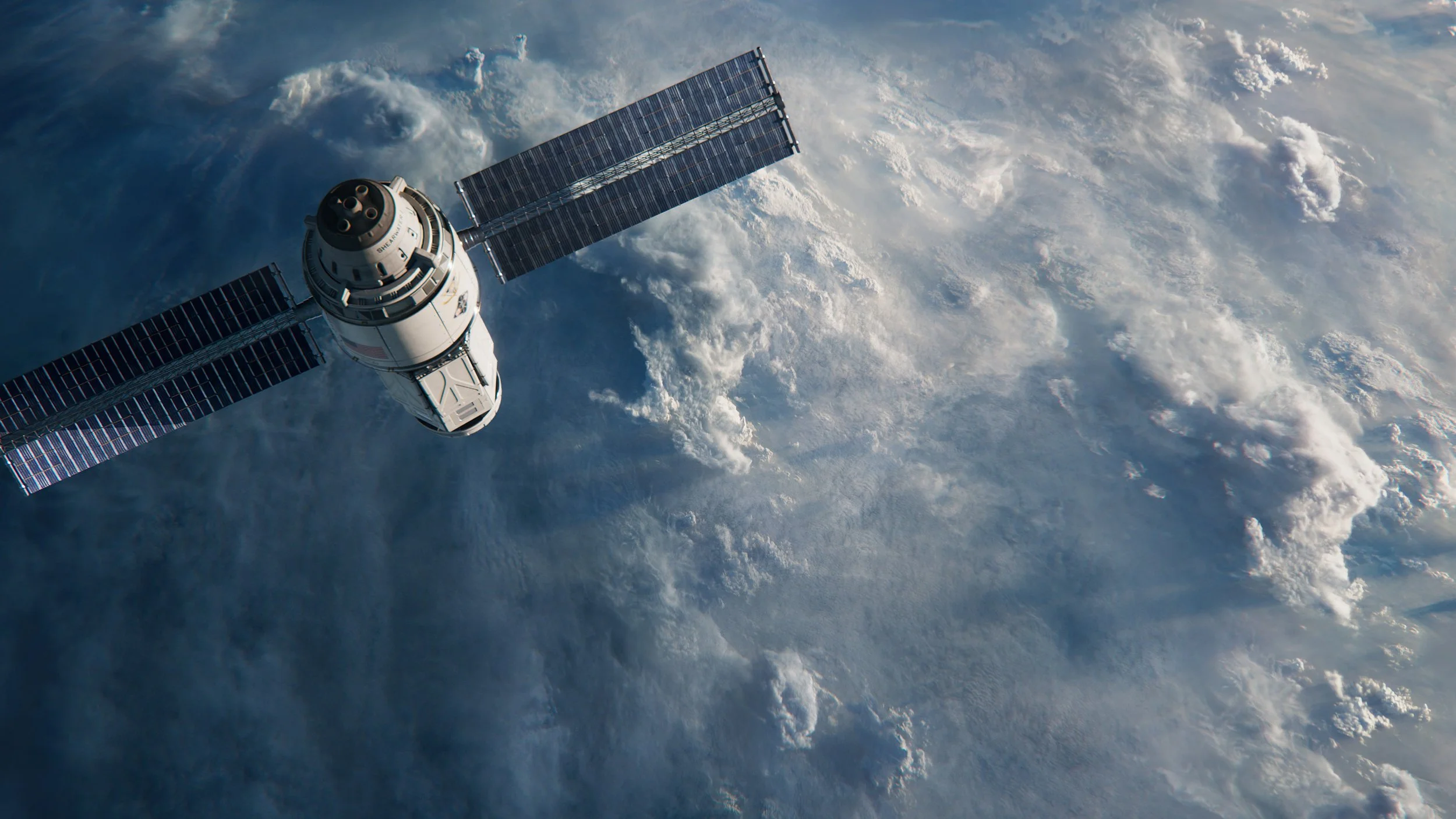
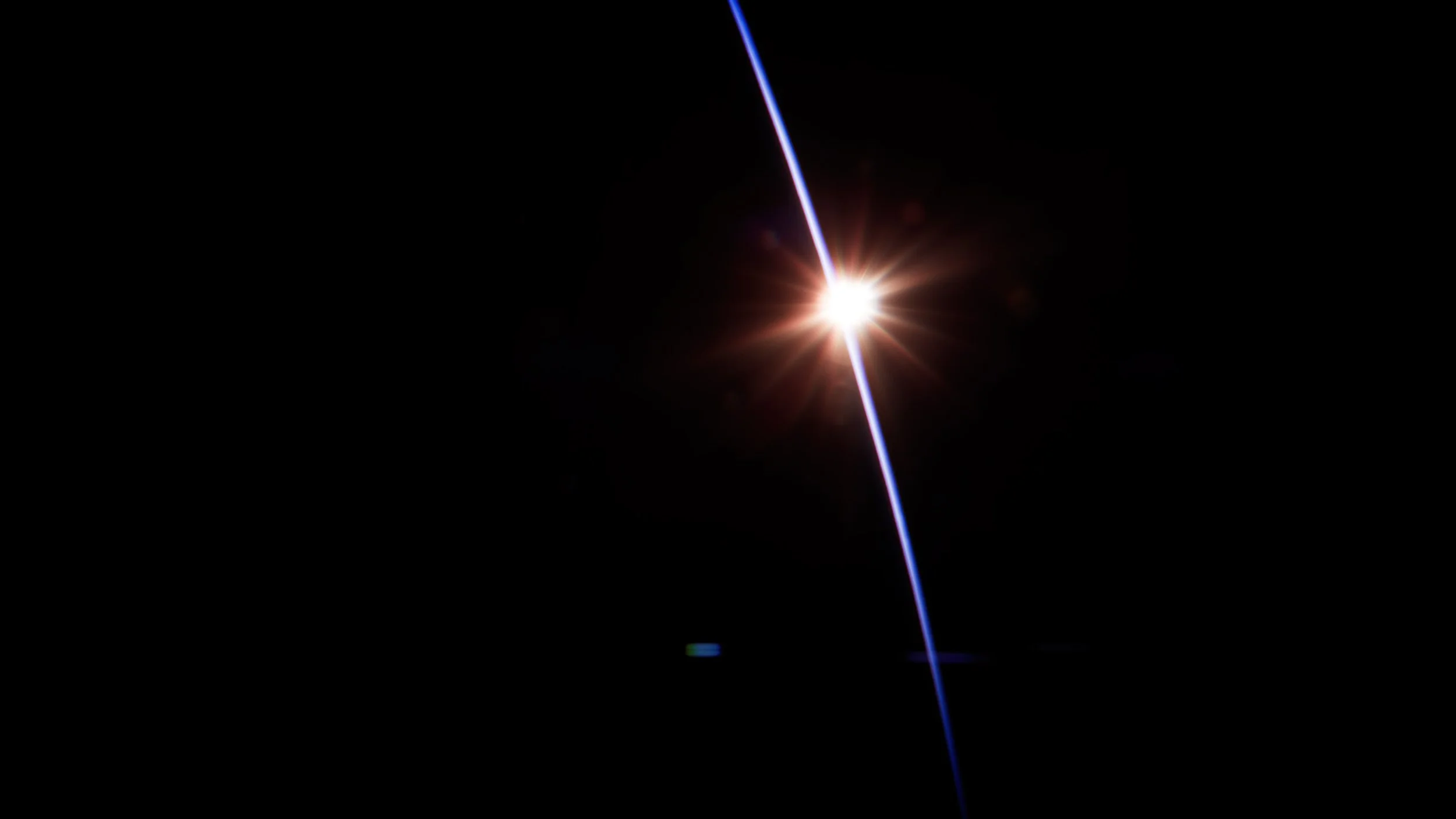
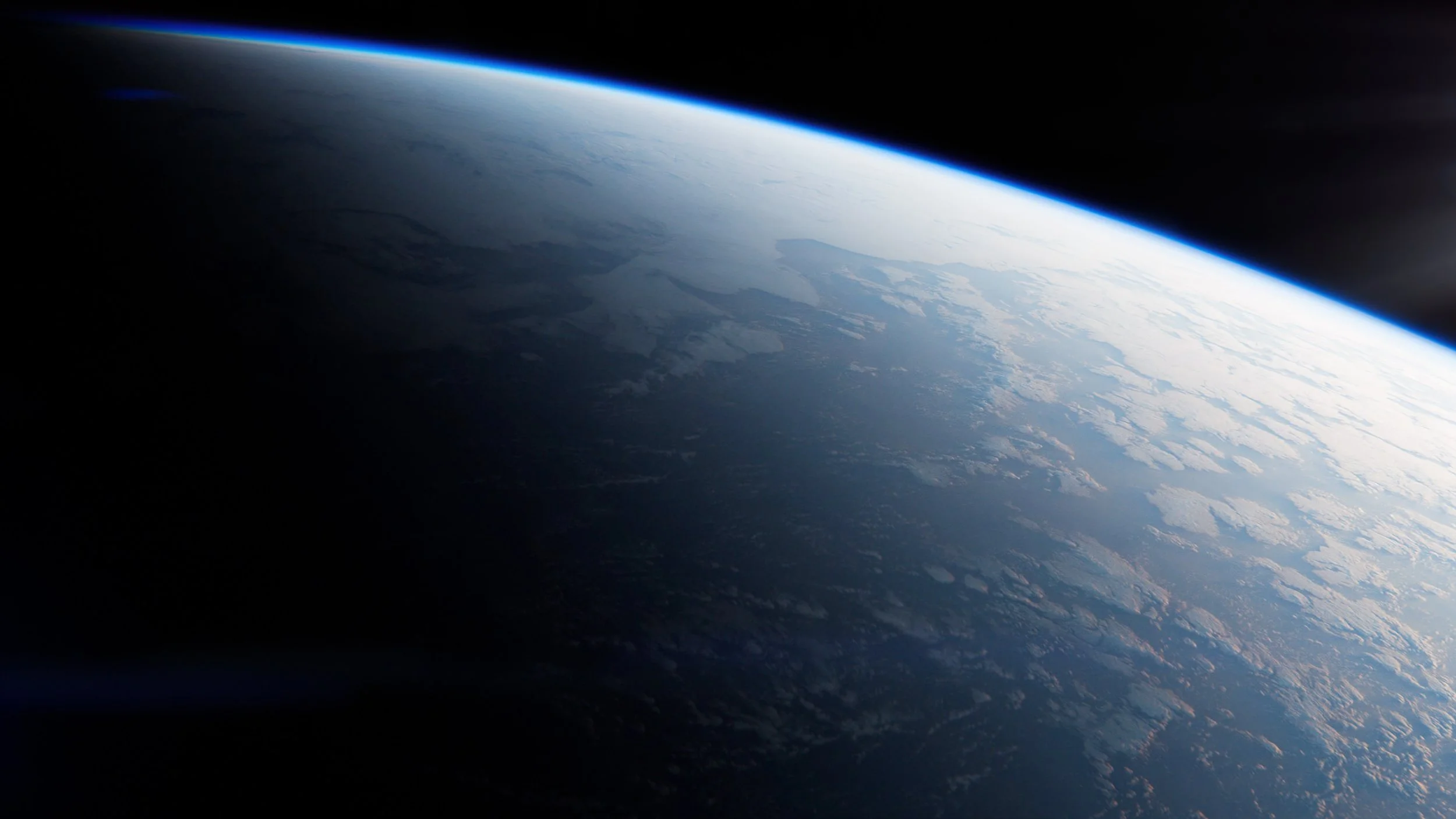
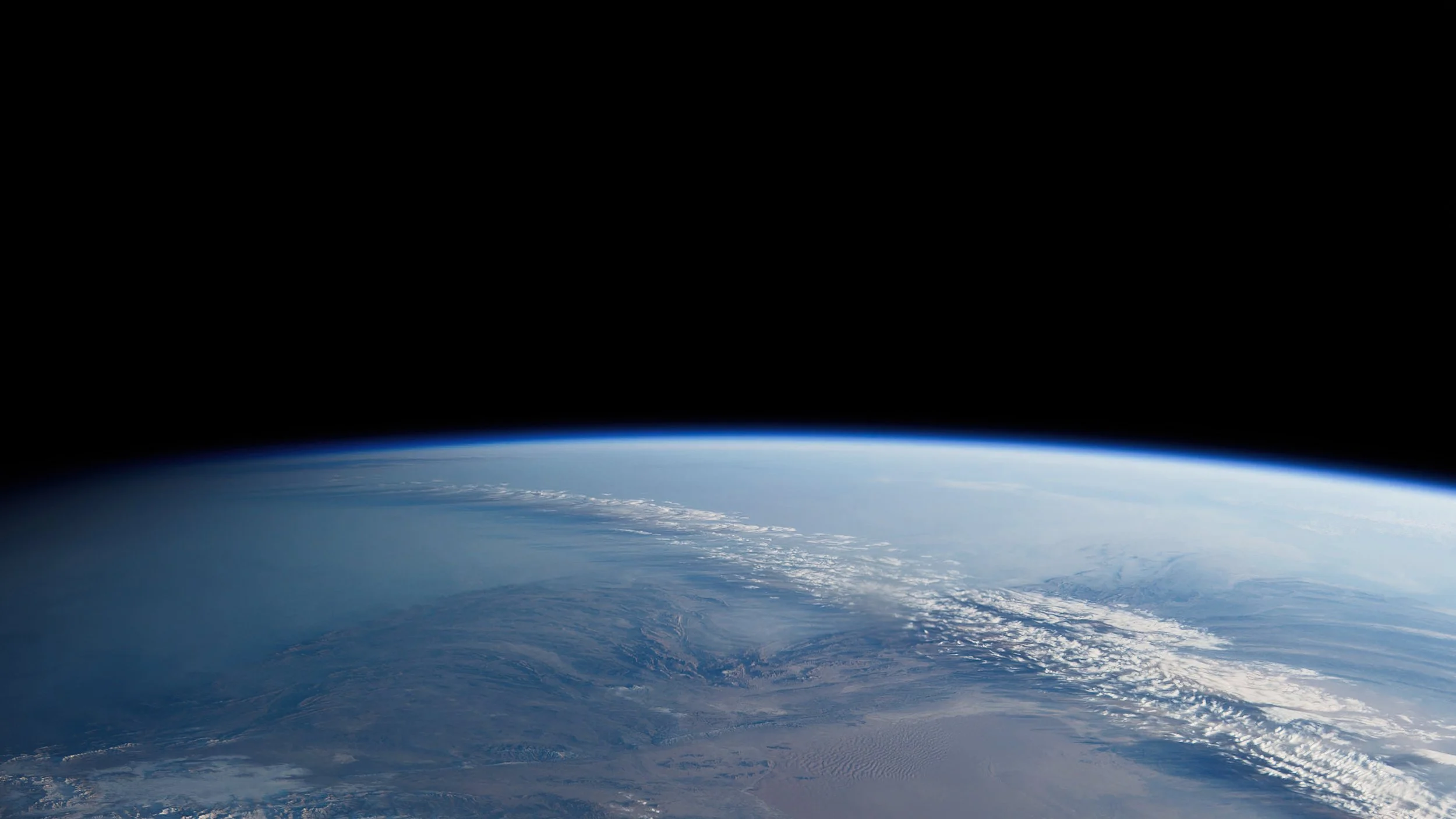
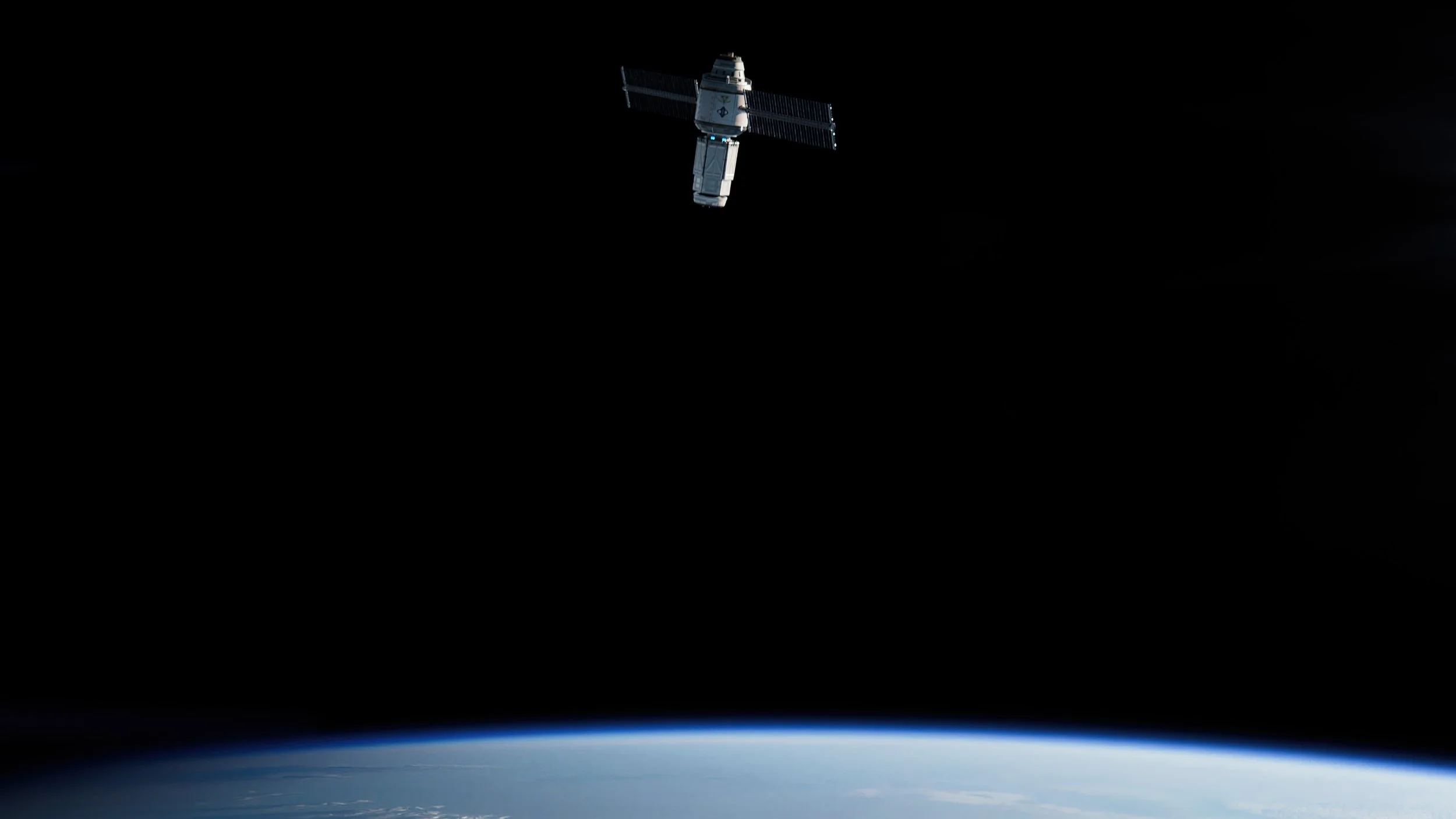
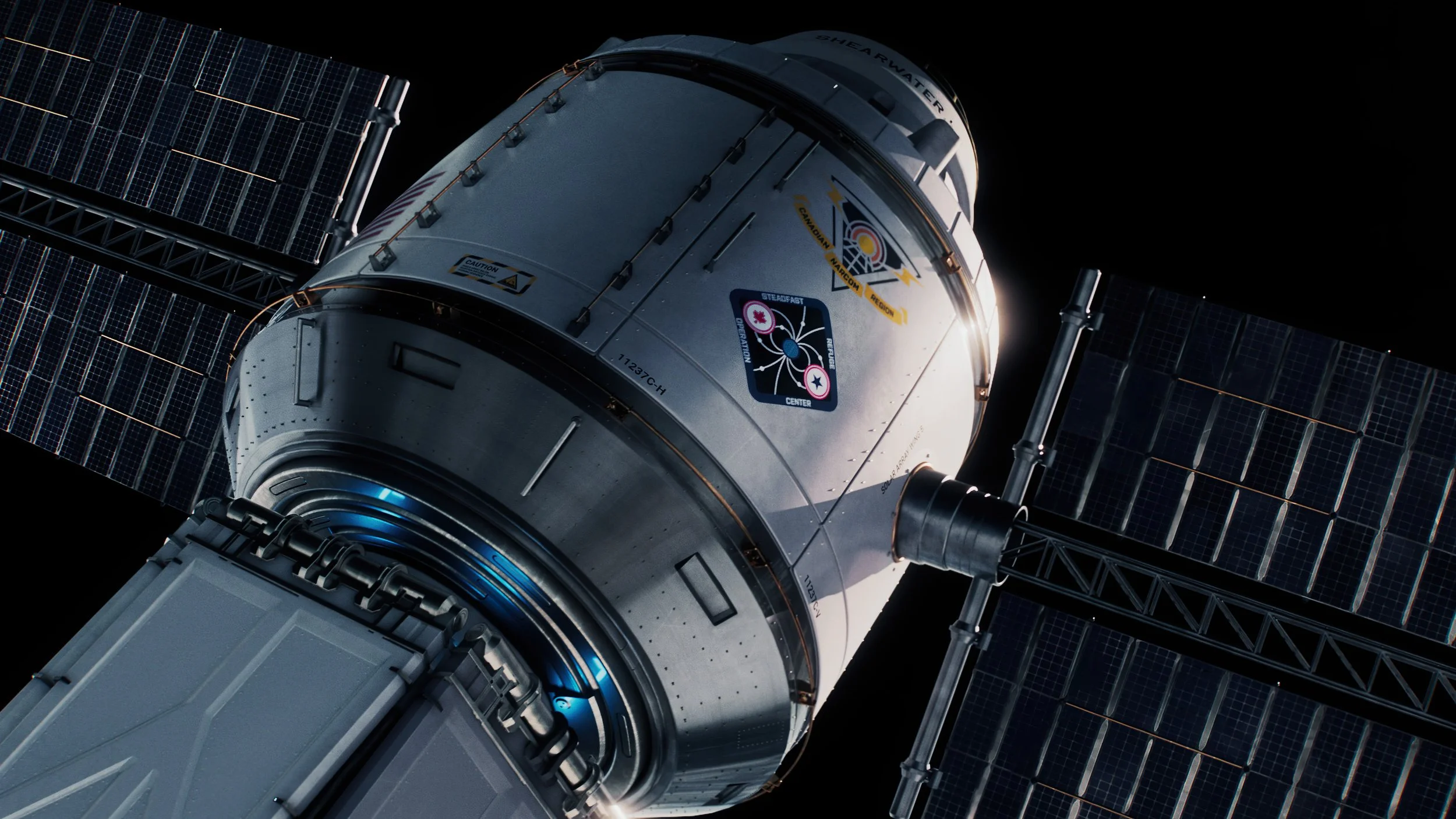
The film opens with a view of Earth at sunrise. Light spills across the surface of the planet, presenting a moment of calm that suggests stability and continuity. A satellite drifts into frame, and with it comes the sound of overlapping news broadcasts. Headlines and reports begin to contradict the serenity of the image, describing record-breaking weather events and cascading global emergencies.
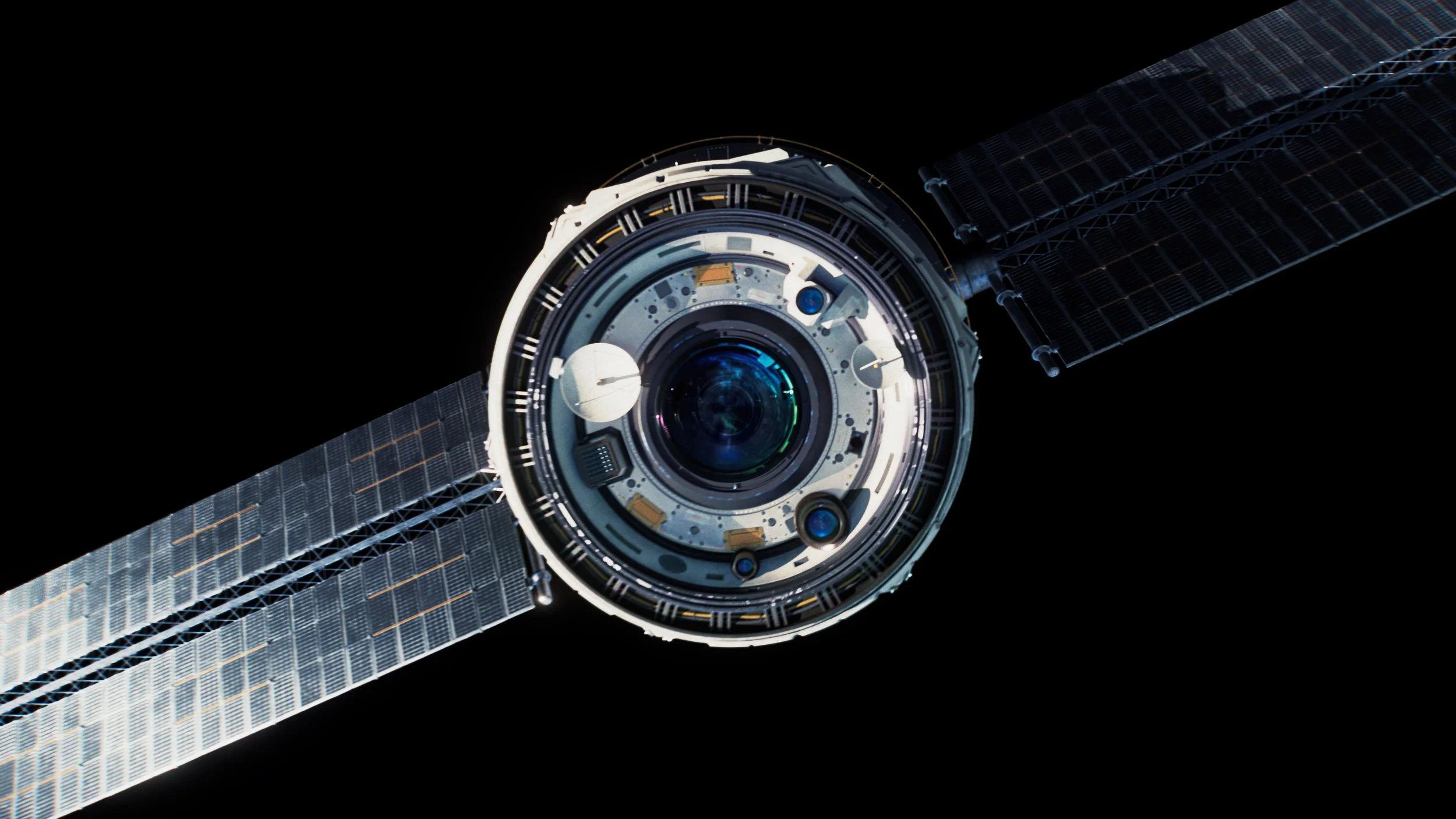
The satellite’s perspective becomes the viewer’s point of entry. As the camera moves inward, the image transitions from planetary scale into the internal data system that observes and records the unfolding crisis: the Network.
The opening planetary sequence was constructed through a combination of 3D renders, digital matte painting, and licensed NASA footage, composited to establish both scale and contrast between appearance and underlying condition.
01.2 ENTER THE NETWORK
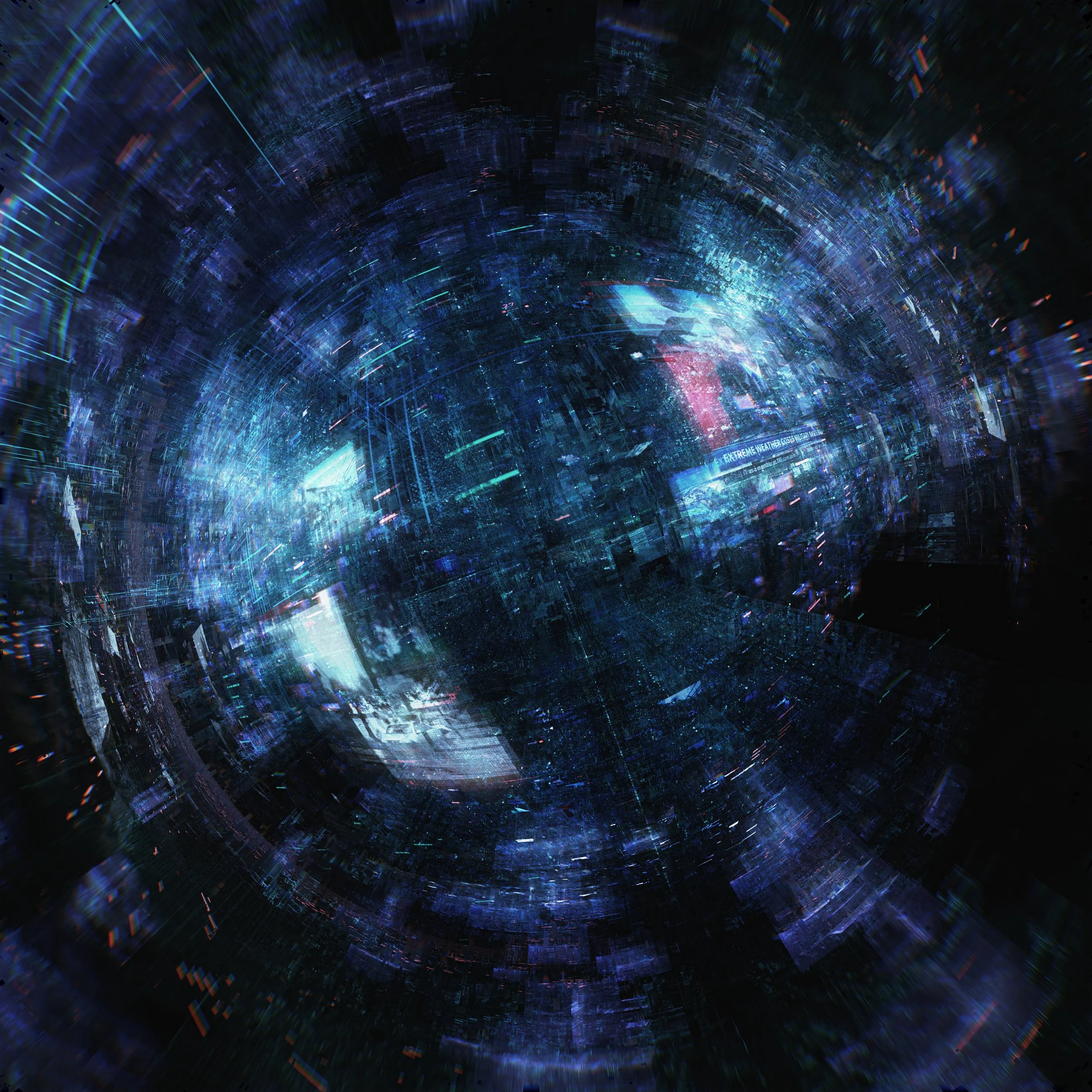
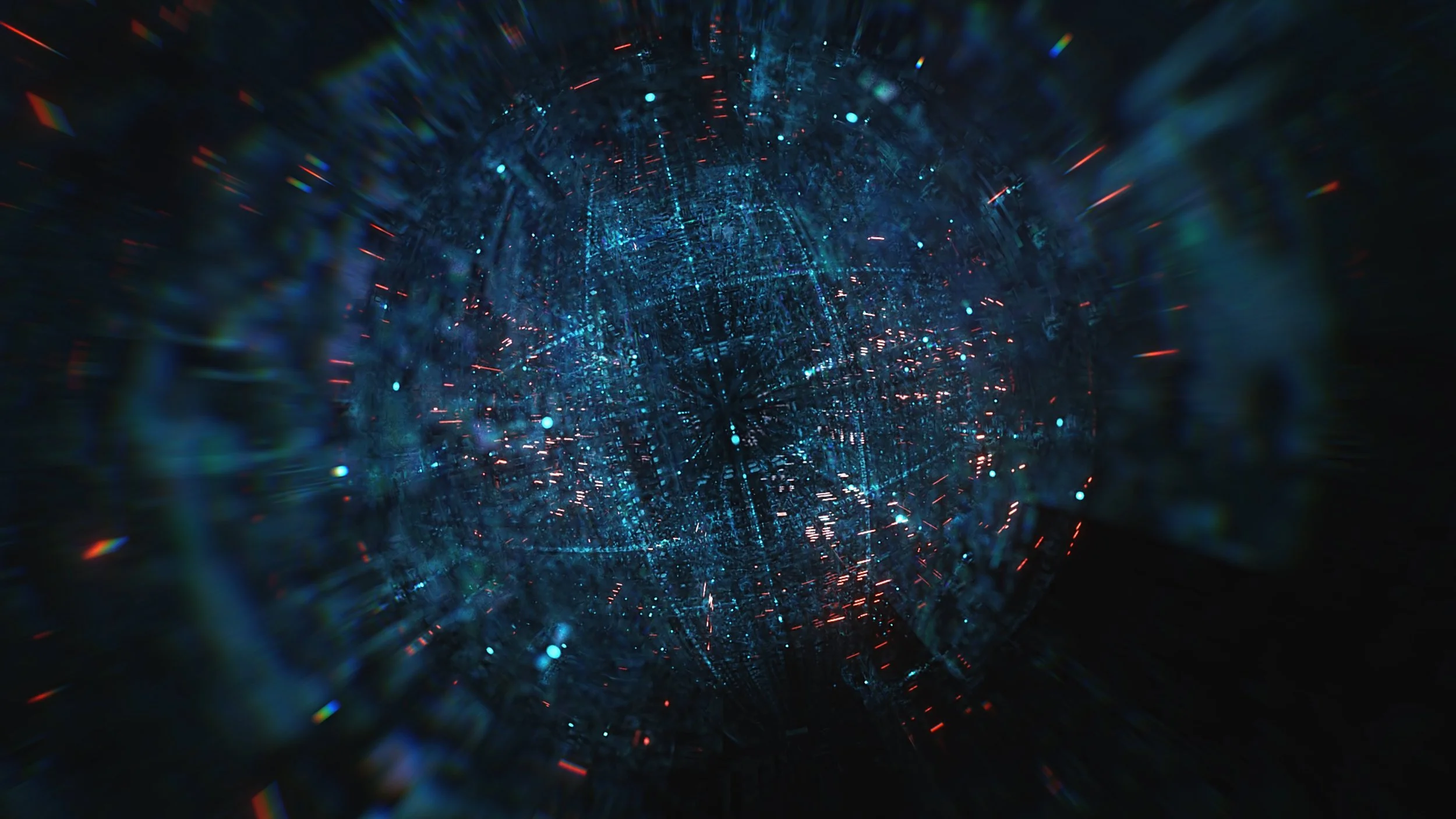
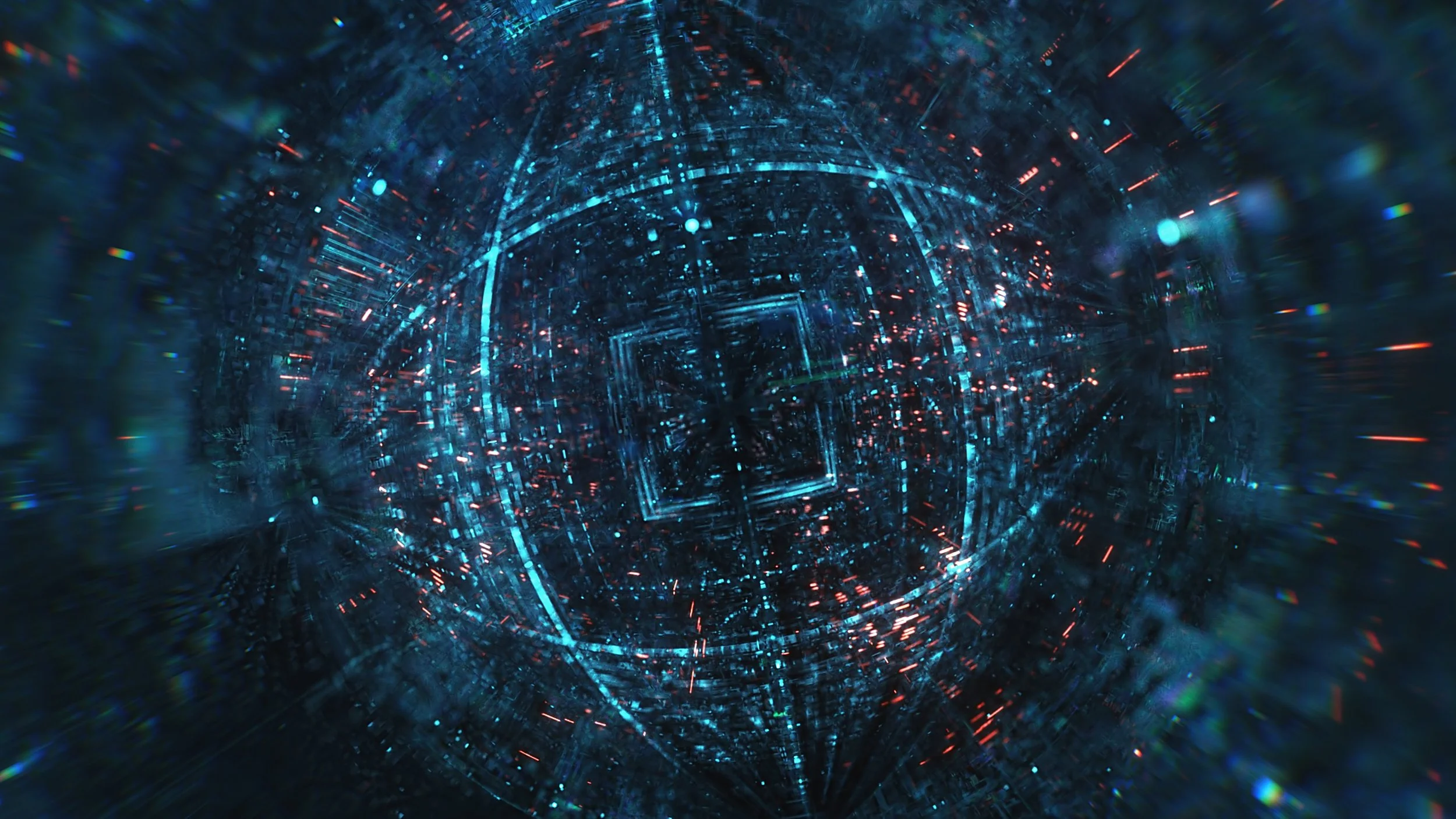
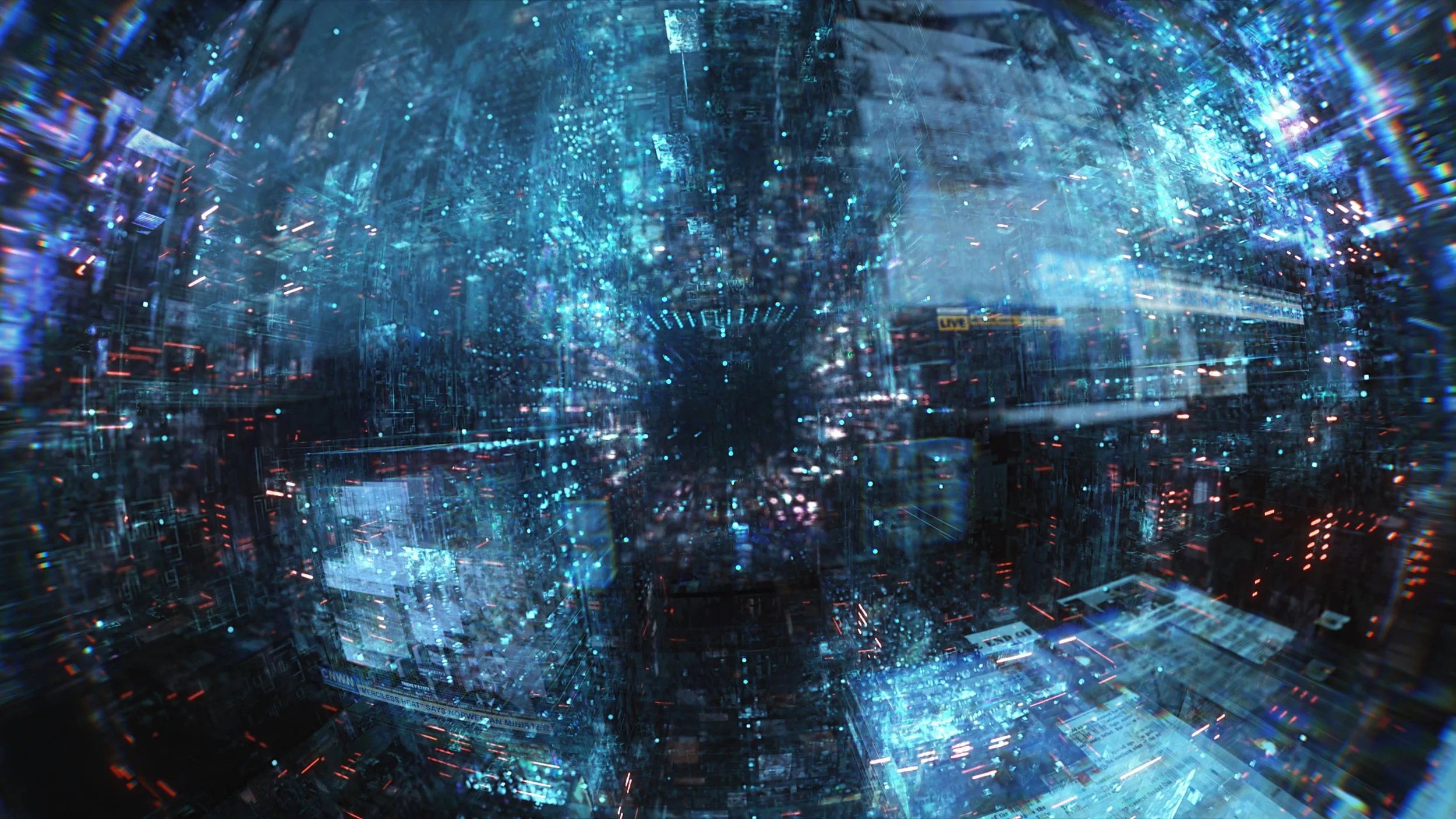
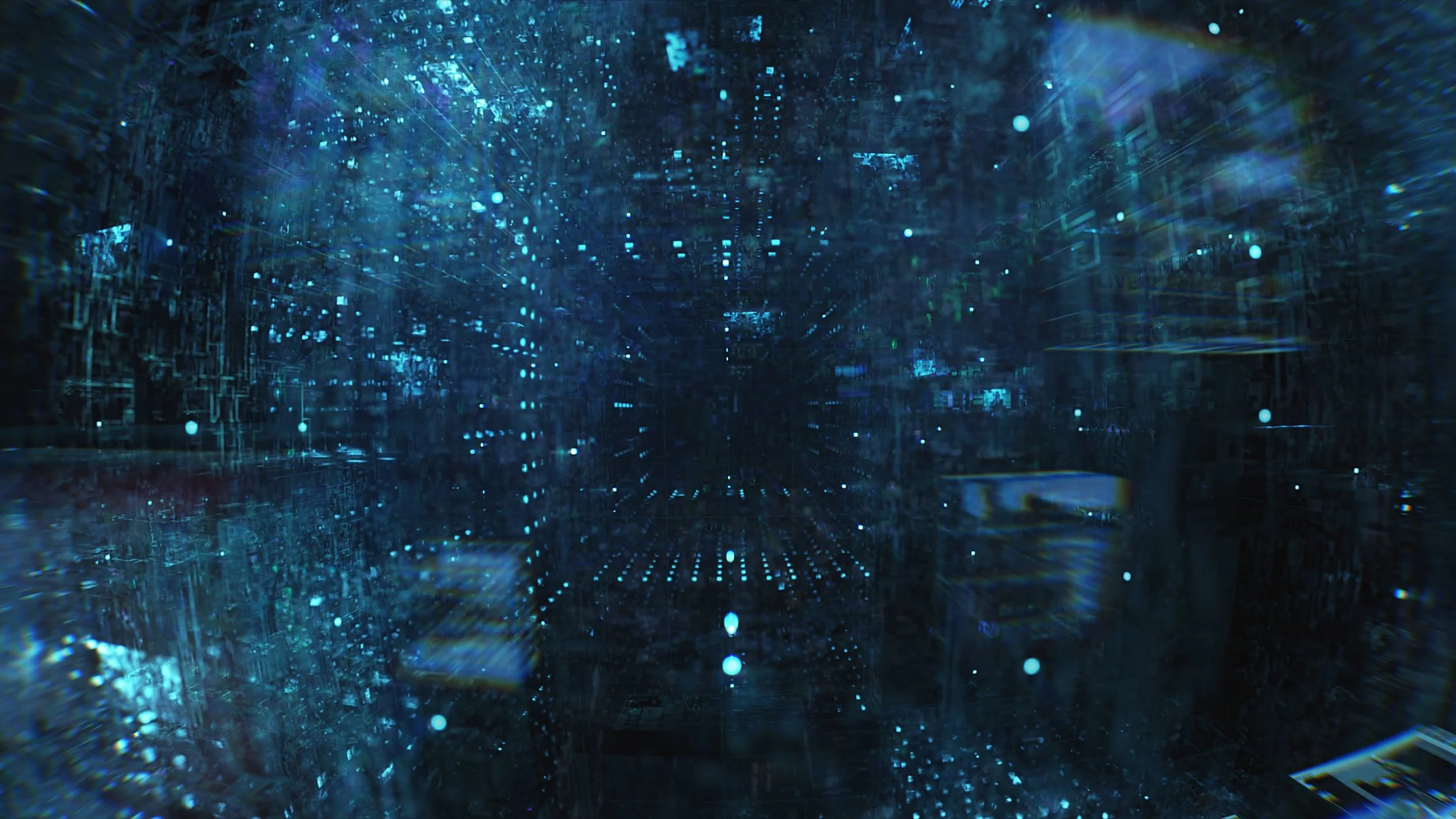
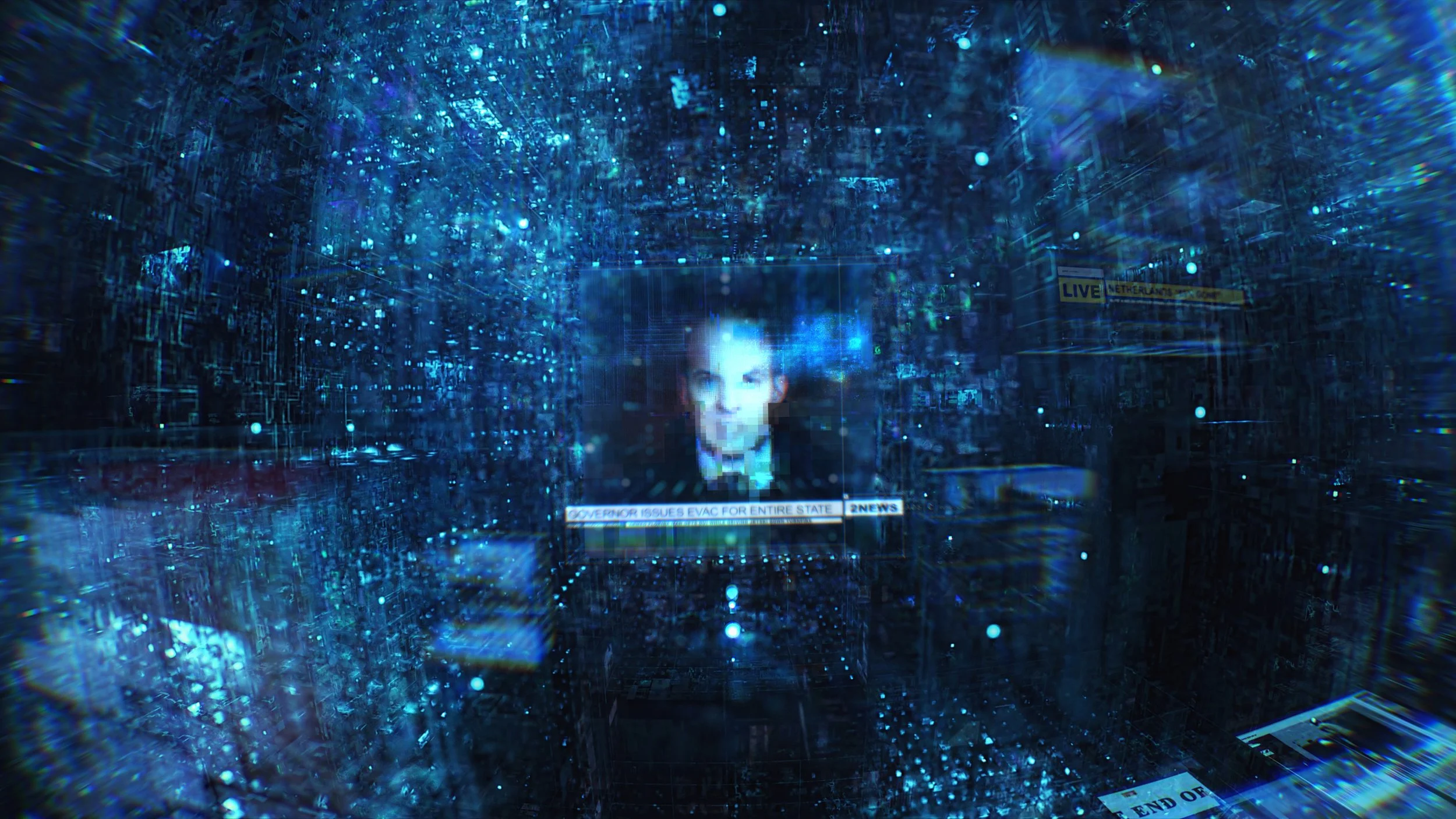
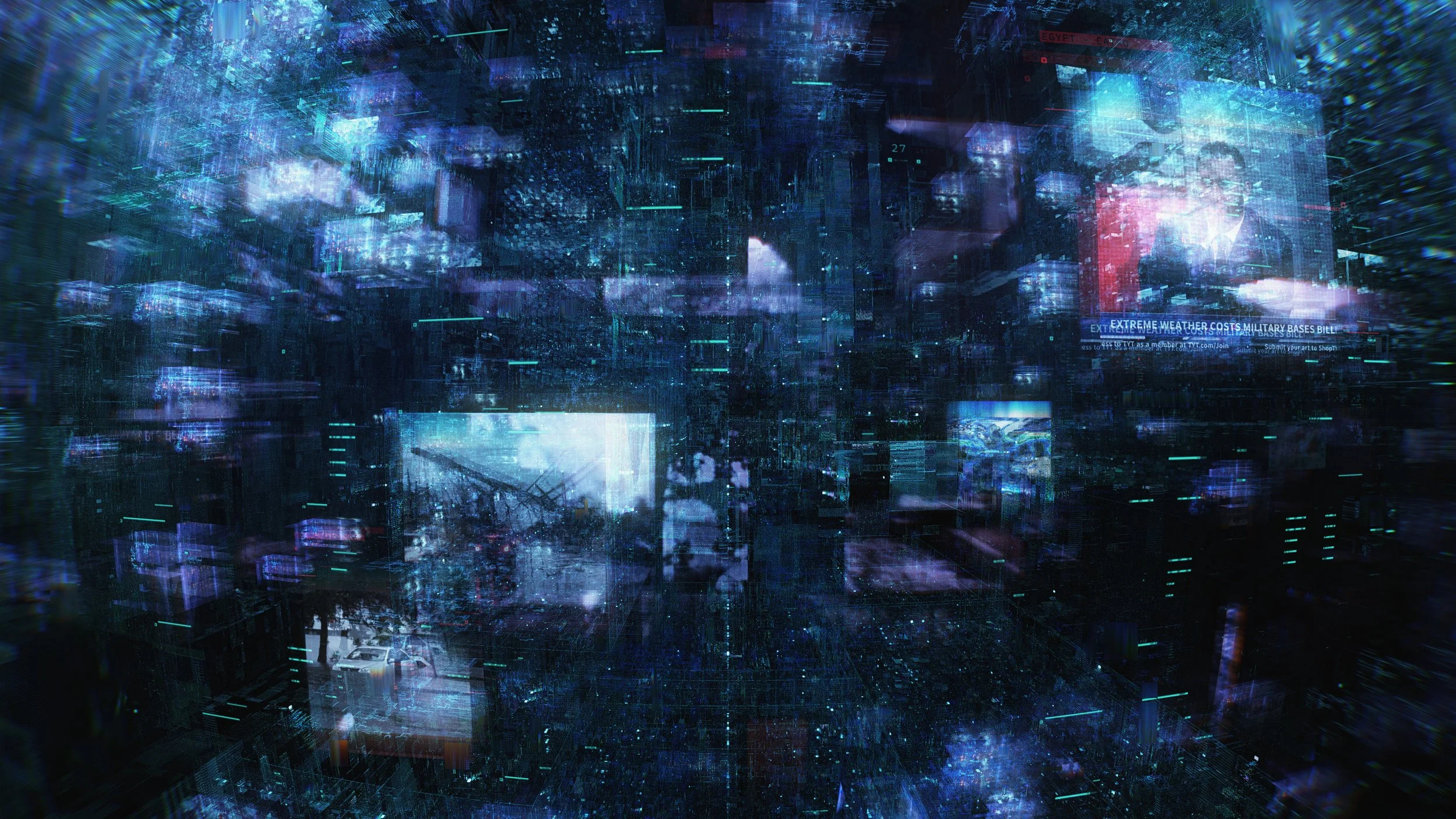
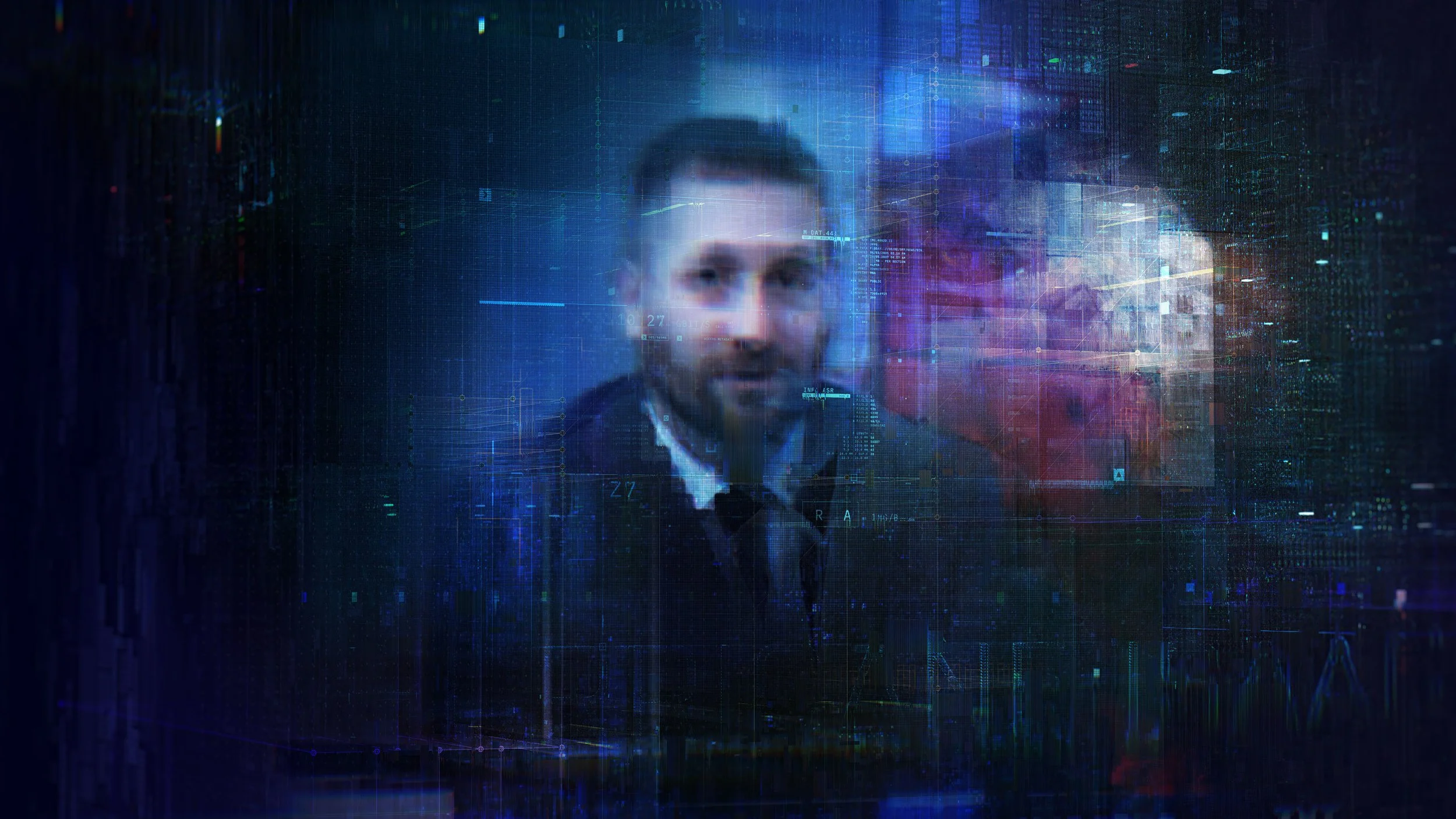
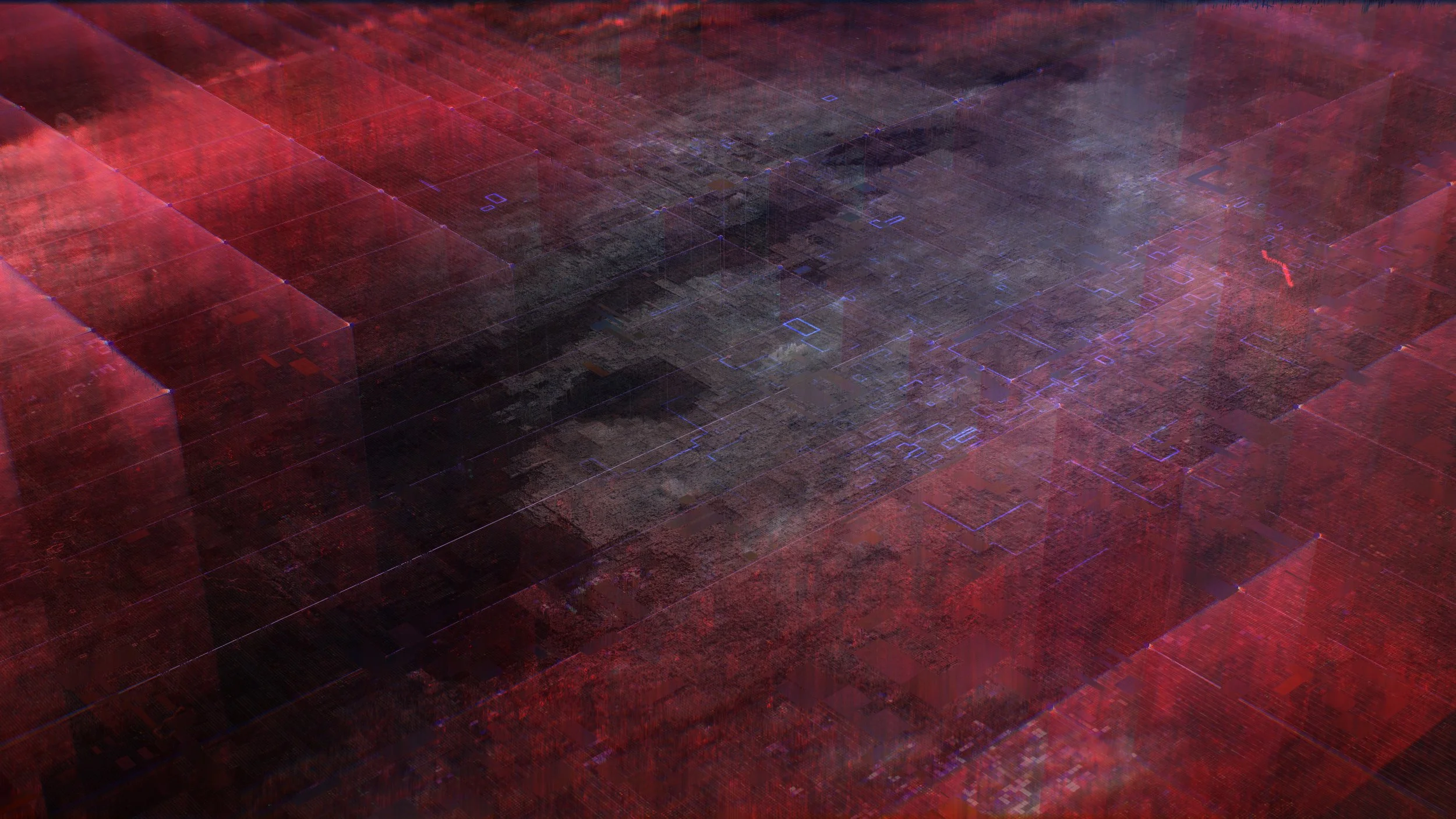
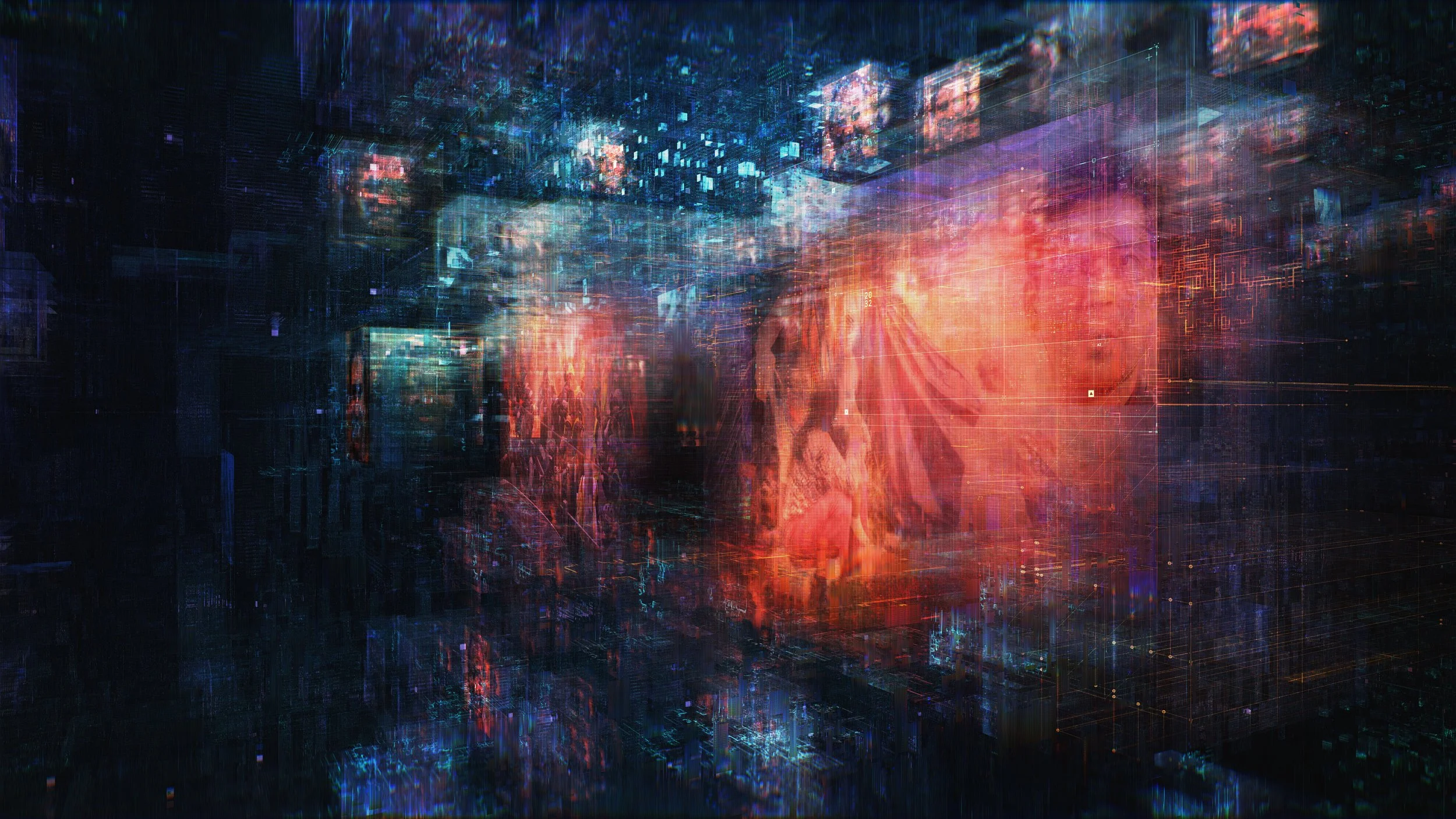
The transition through the satellite lens introduces the Network—a dense, voxel-based environment that functions as an information system and narrative device. The space resembles a three-dimensional lattice of data, organizing global events into a linear temporal structure.
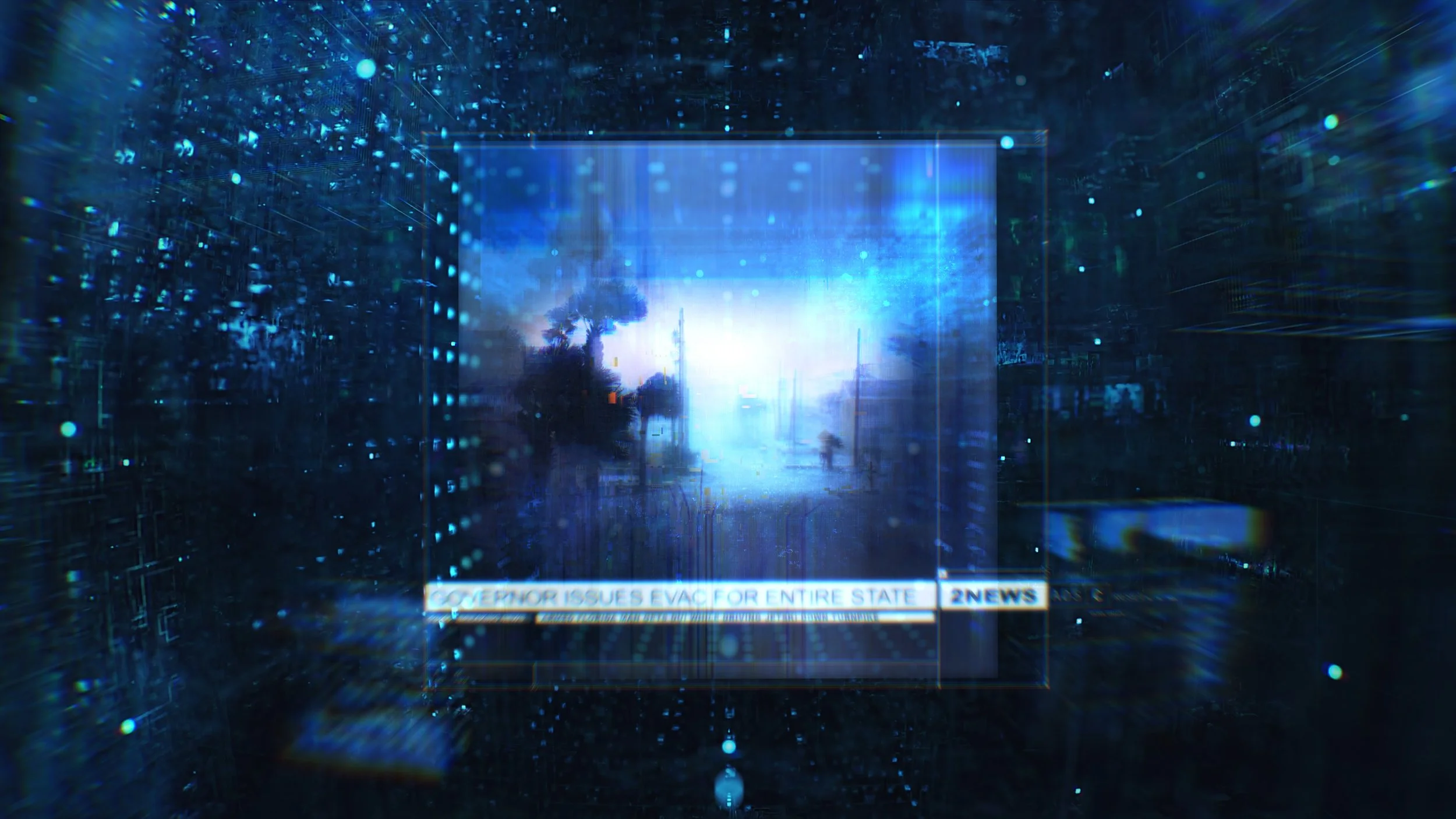
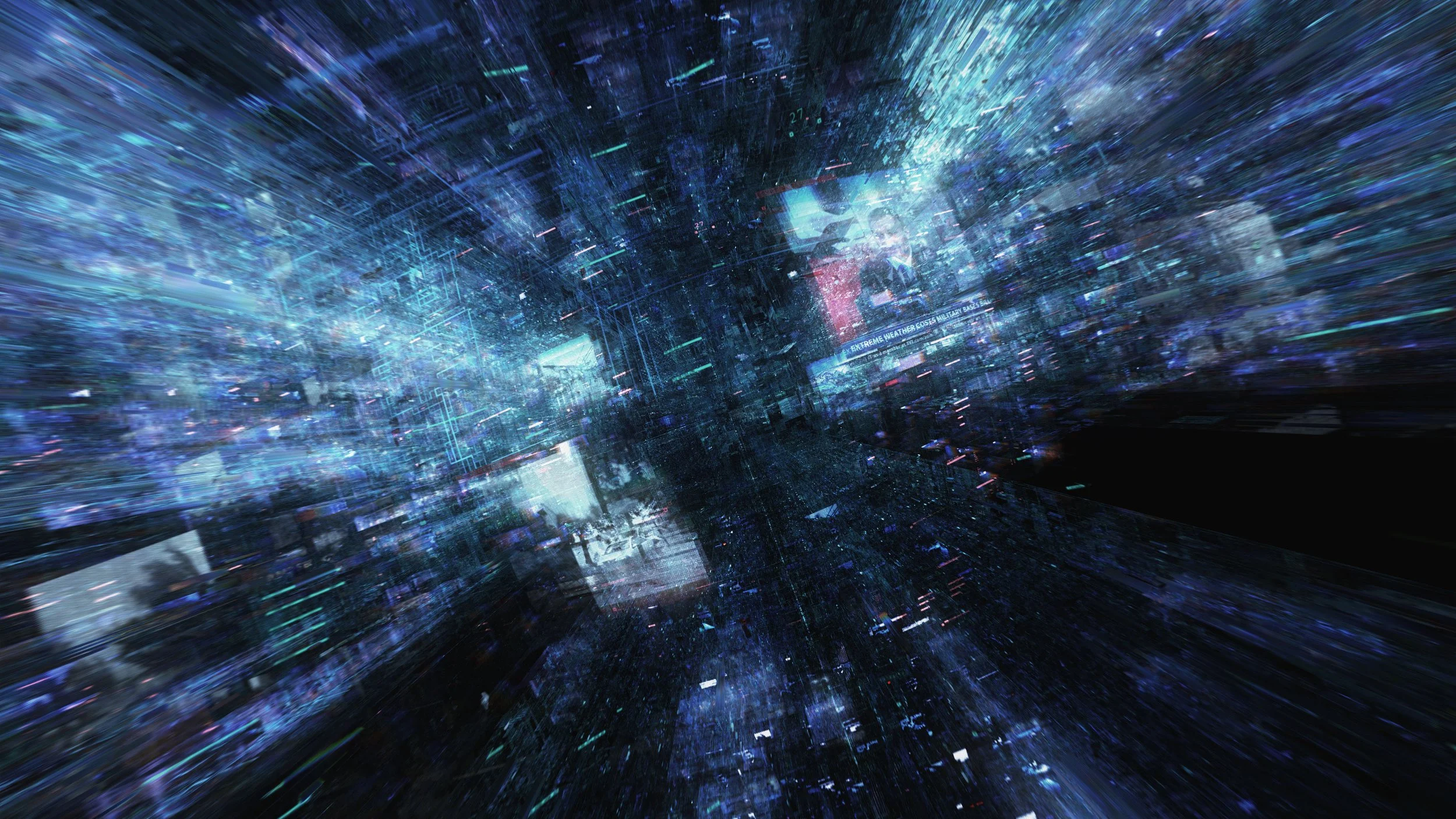
The Network is constructed as a volumetric grid populated with both 2D and 3D content. Images, footage, audio, and data occupy its planes simultaneously, allowing the camera to navigate laterally, vertically, and forward through time.
AN OCEAN OF CONTENT
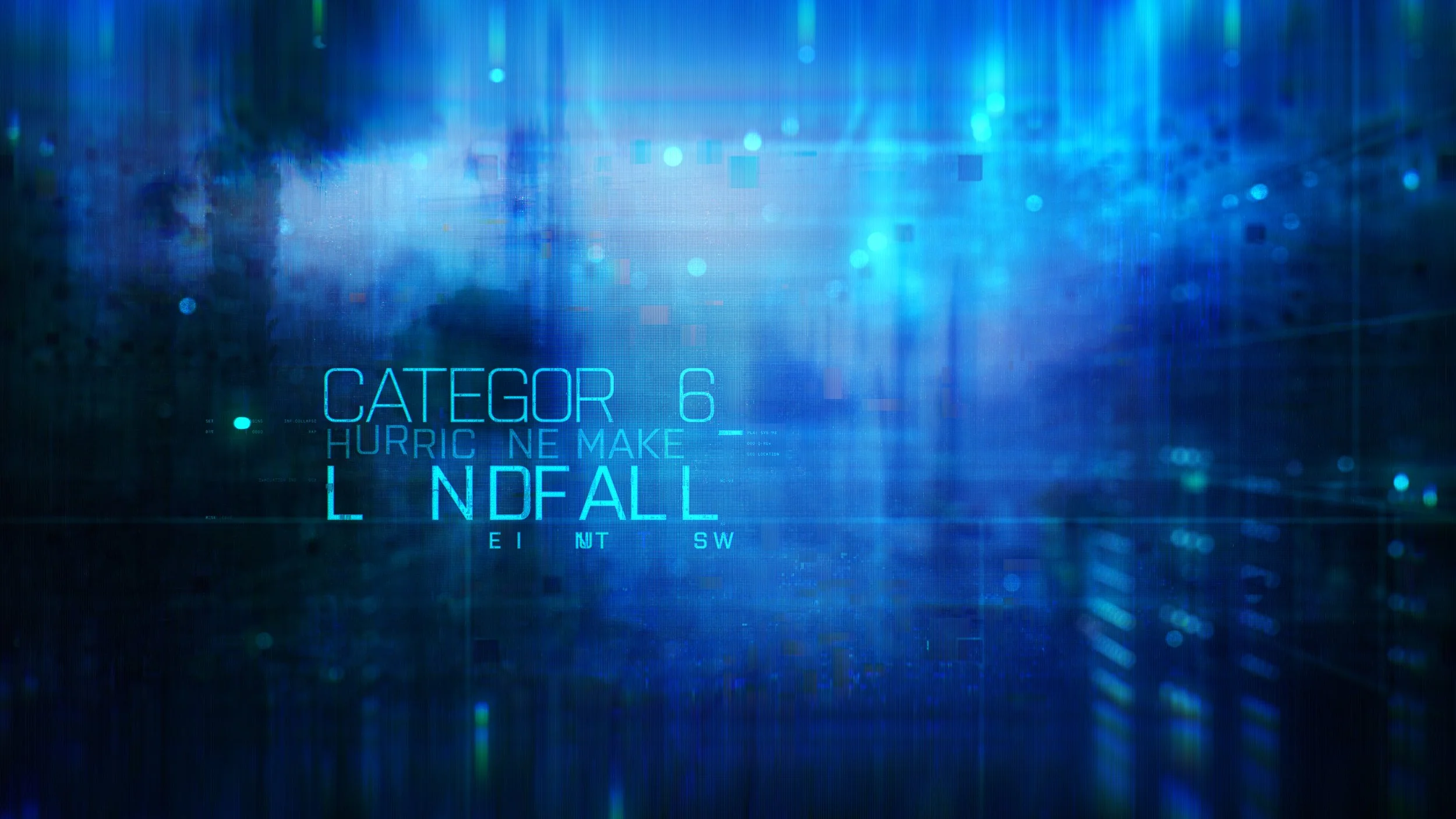
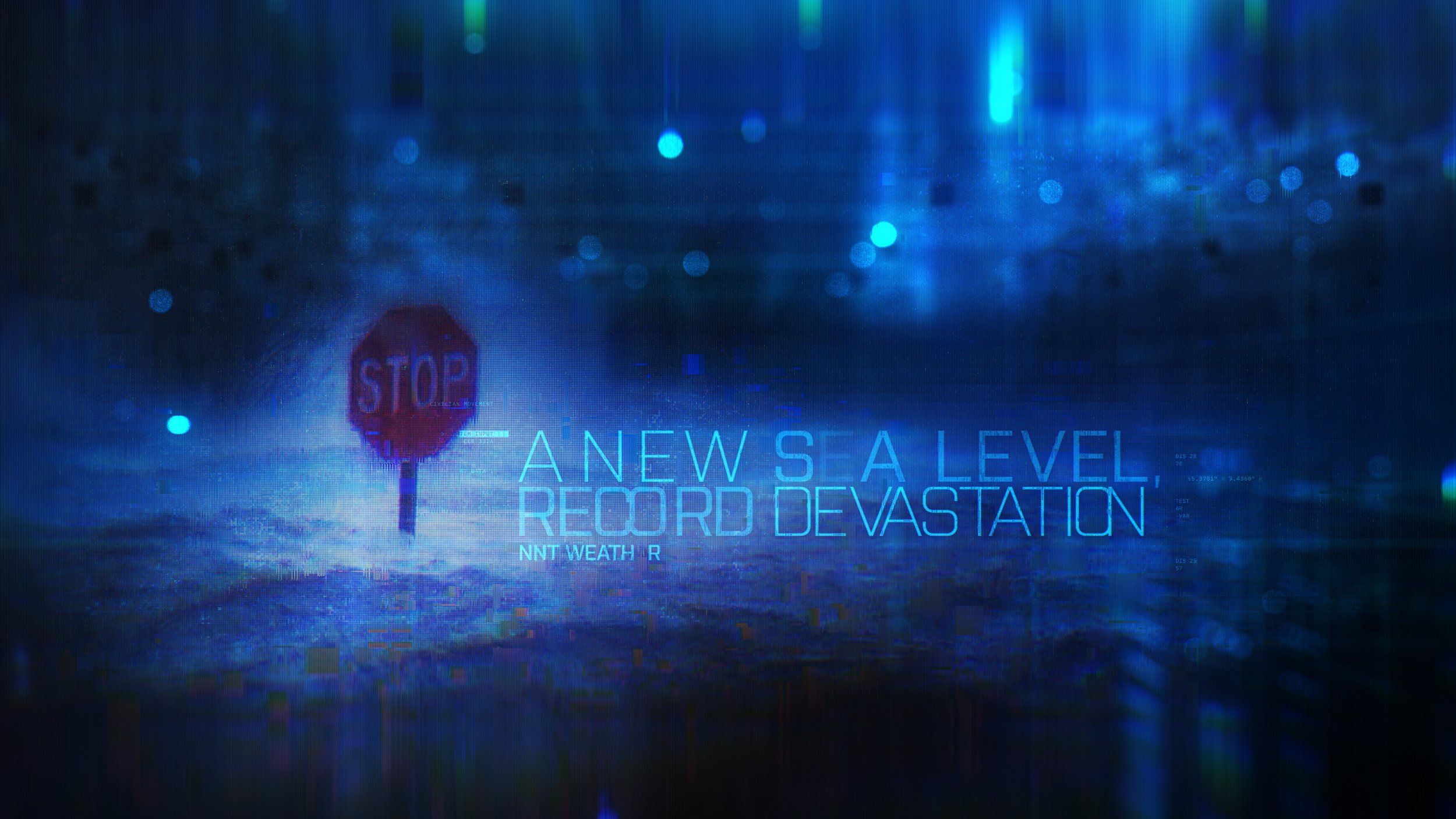
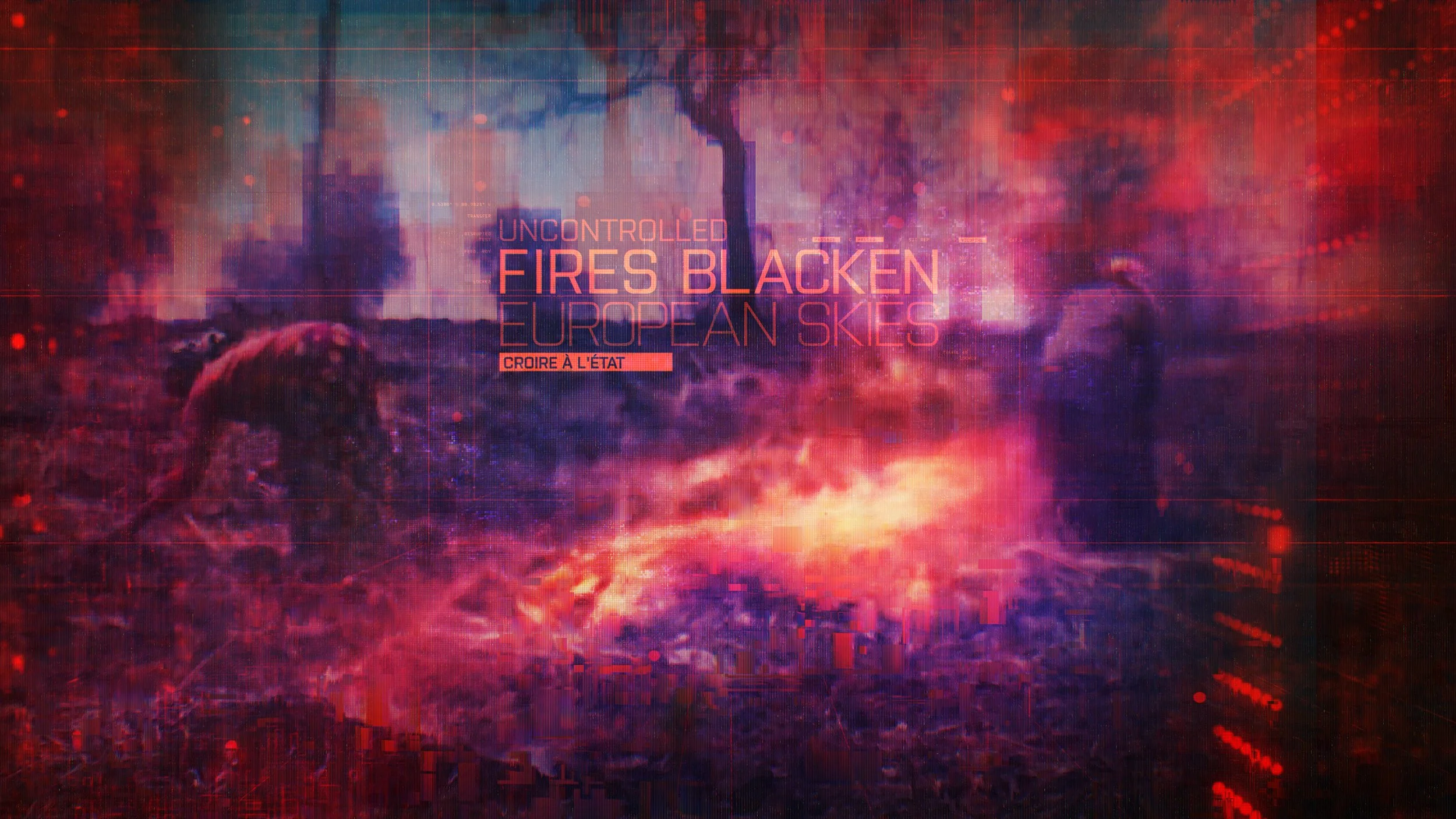
Within the Network, the viewer encounters a continuous stream of material documenting the events leading to 2042. News footage, headlines, sound clips, and visualized data accumulate into a dense informational field. Much of the content is grounded in real-world events and projections, lending the system a sense of continuity with the present.
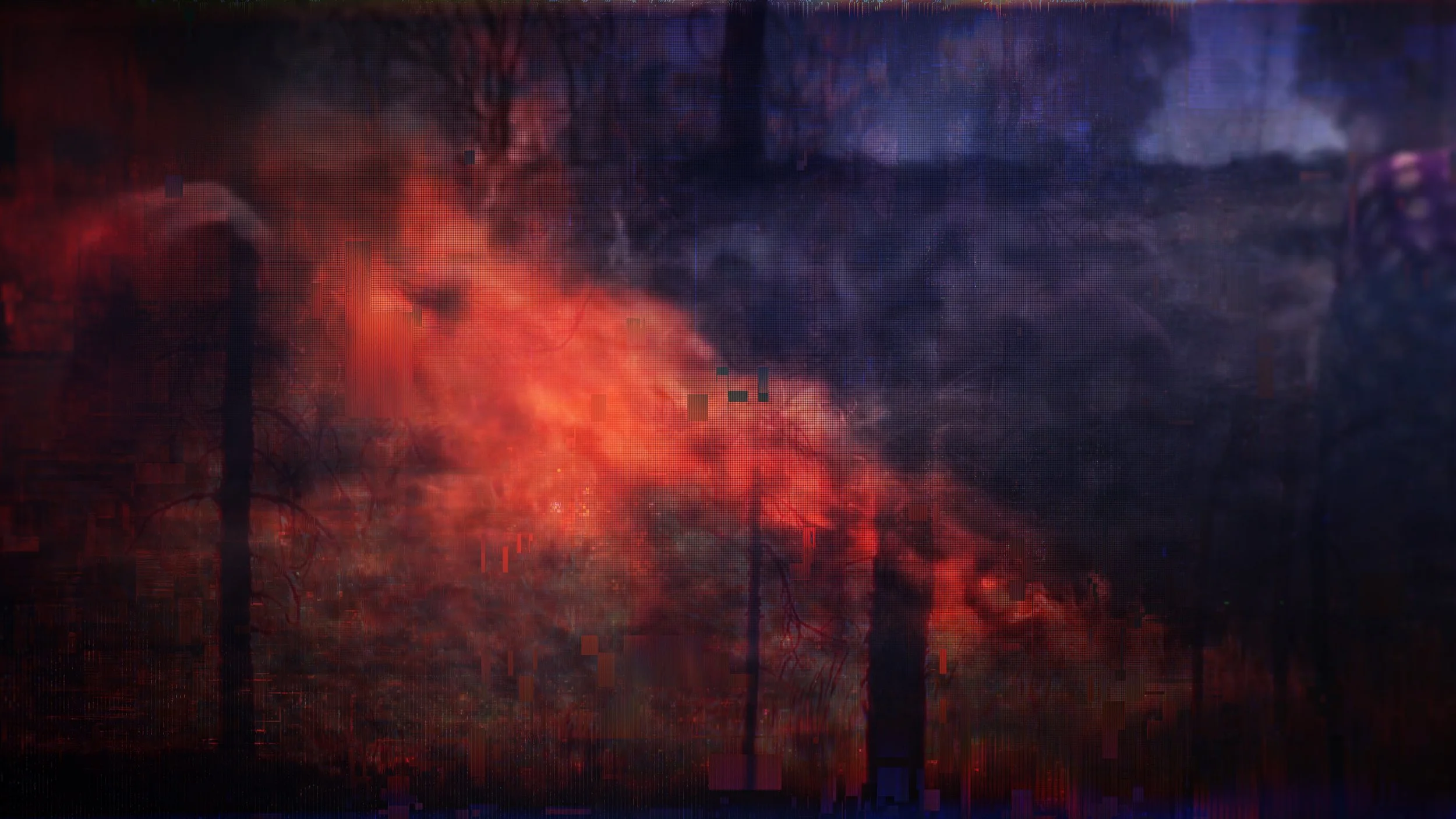
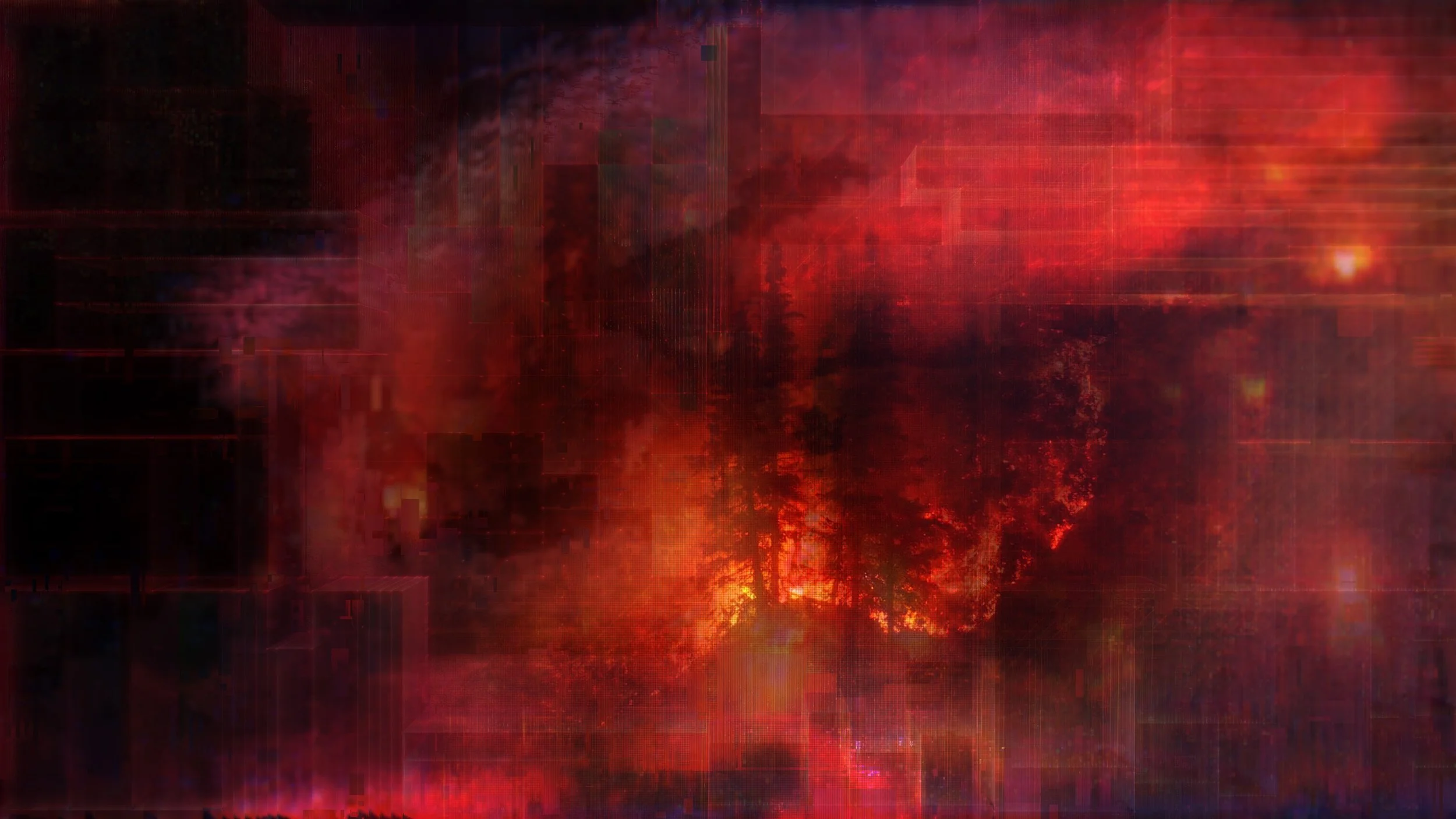
A key challenge was defining a visual language capable of containing this breadth of material without collapsing into noise. After exploring multiple treatments (expanded upon in Part 2), the system converged on voxel-based containers—three-dimensional, holographic grids that organize content across layers of transparency. These voxels allow movement through depth, with each block revealing new information as the camera passes through successive planes.
THE BALTIC FIRES
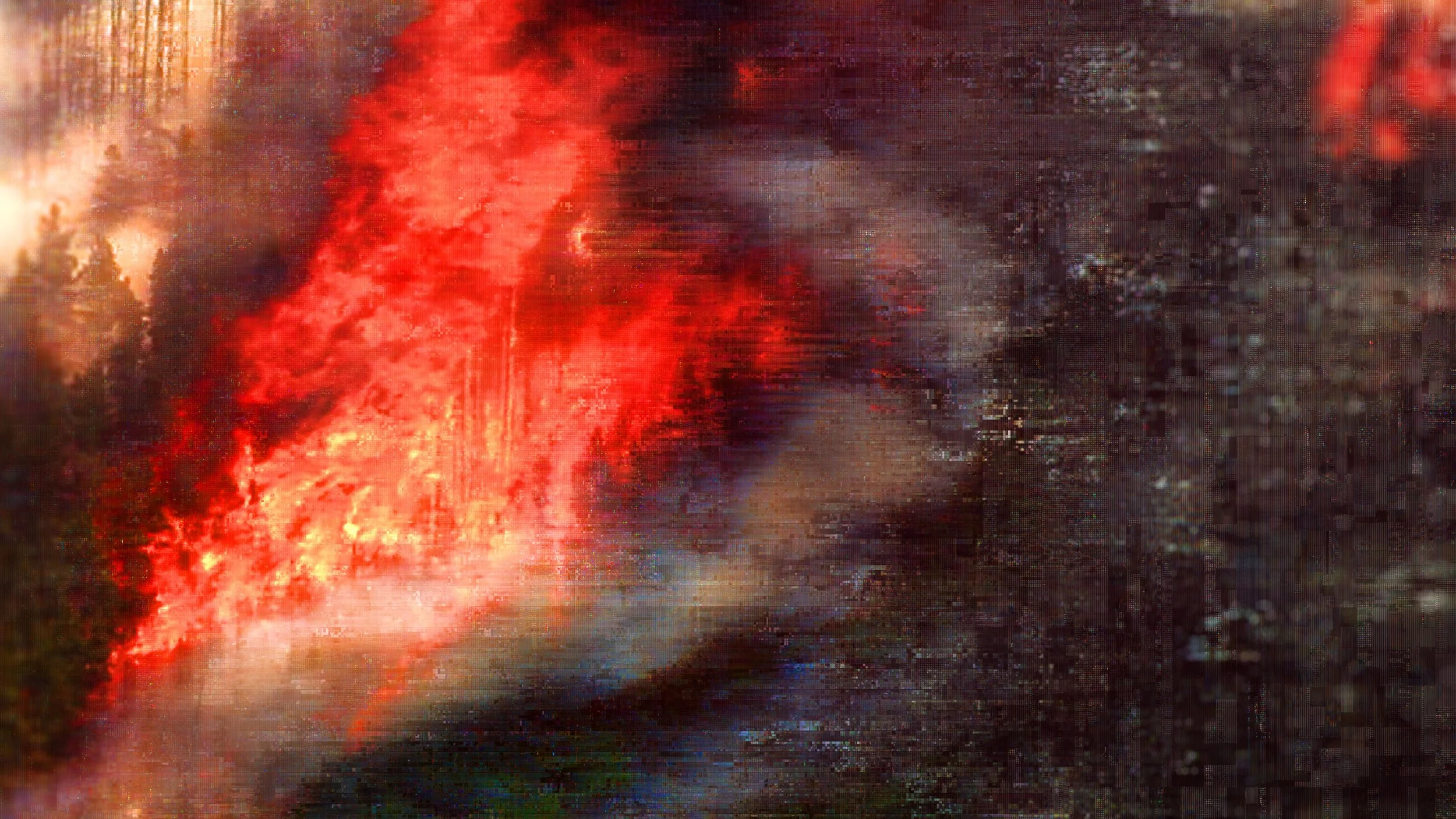
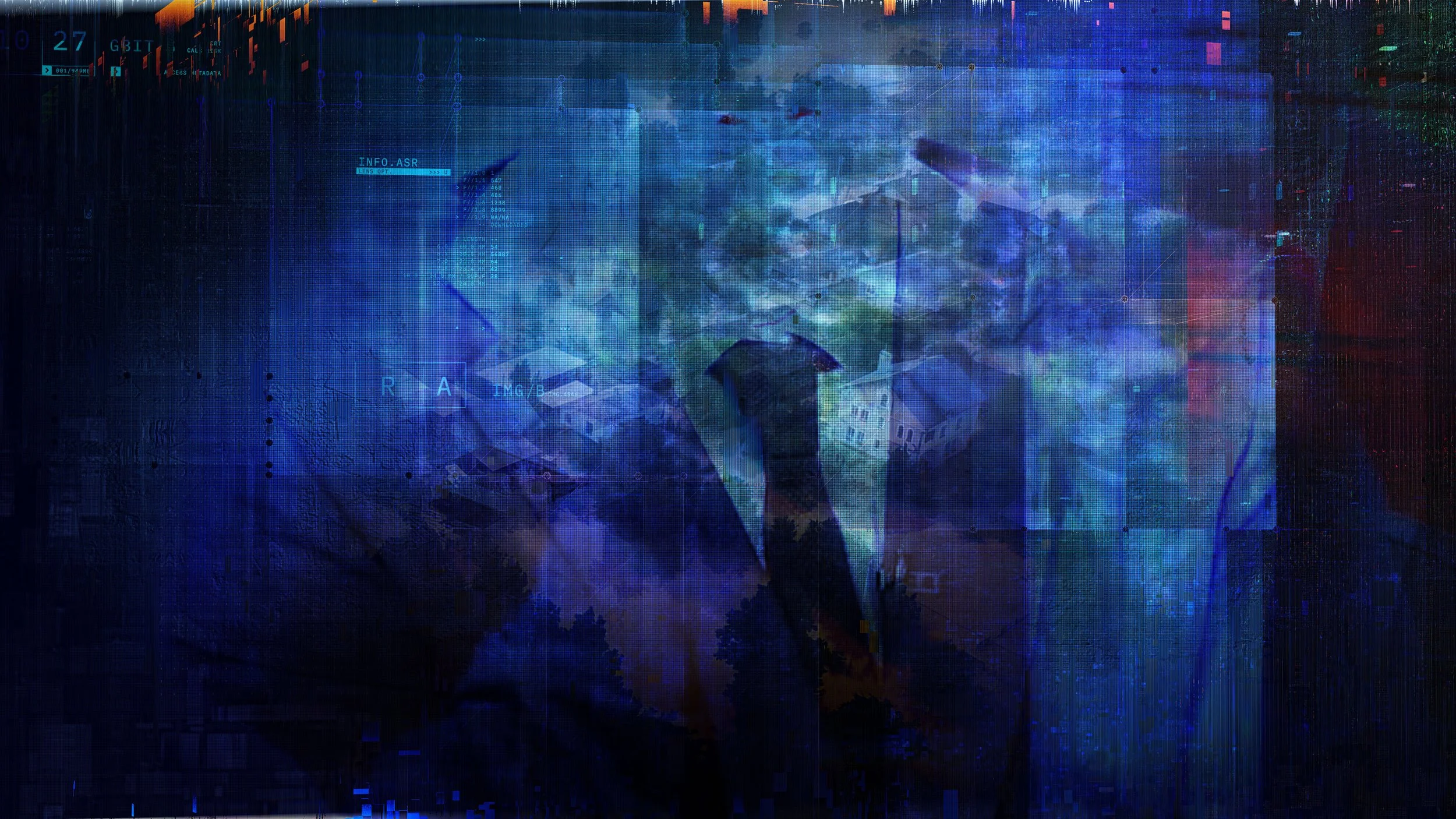
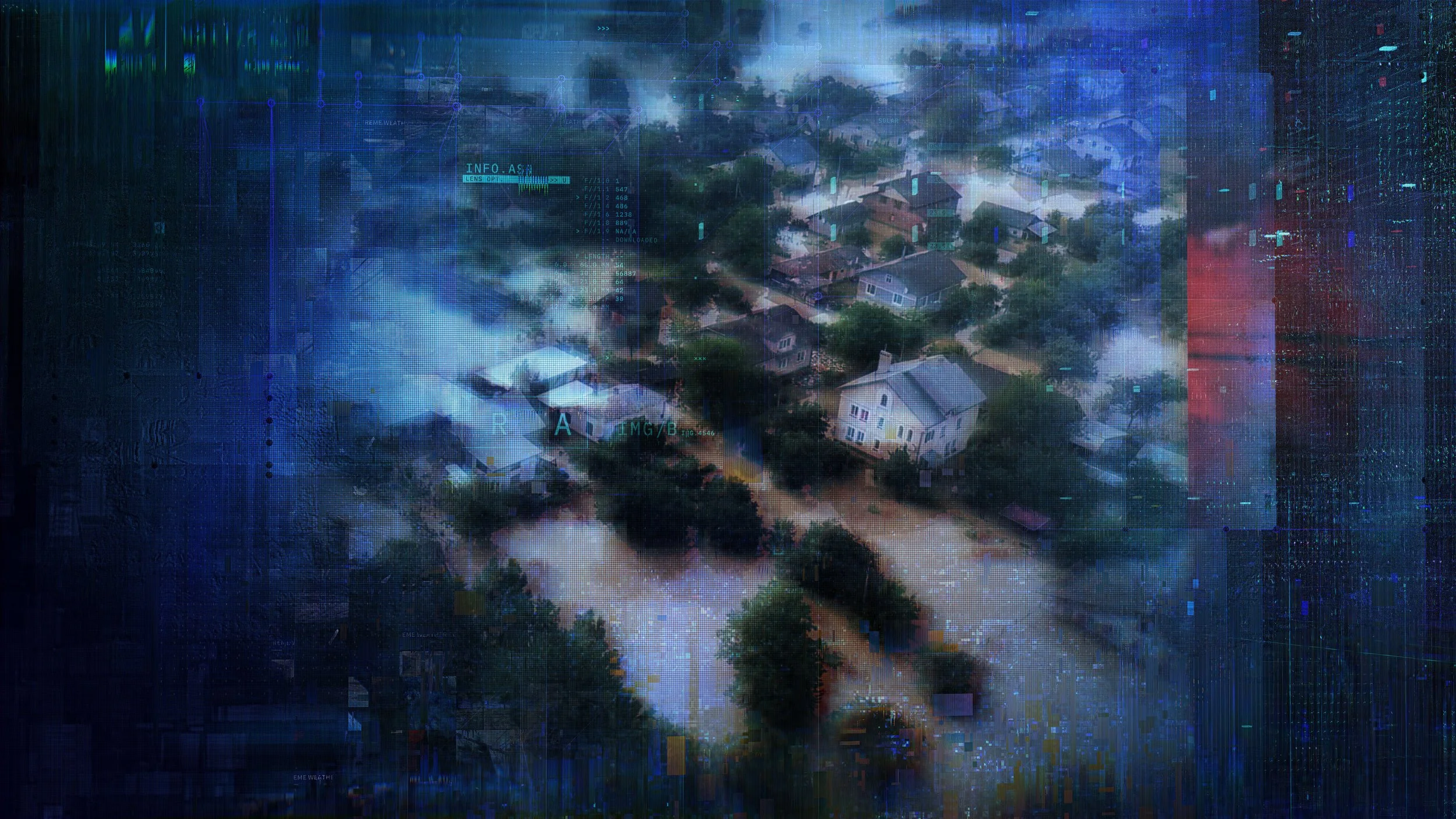
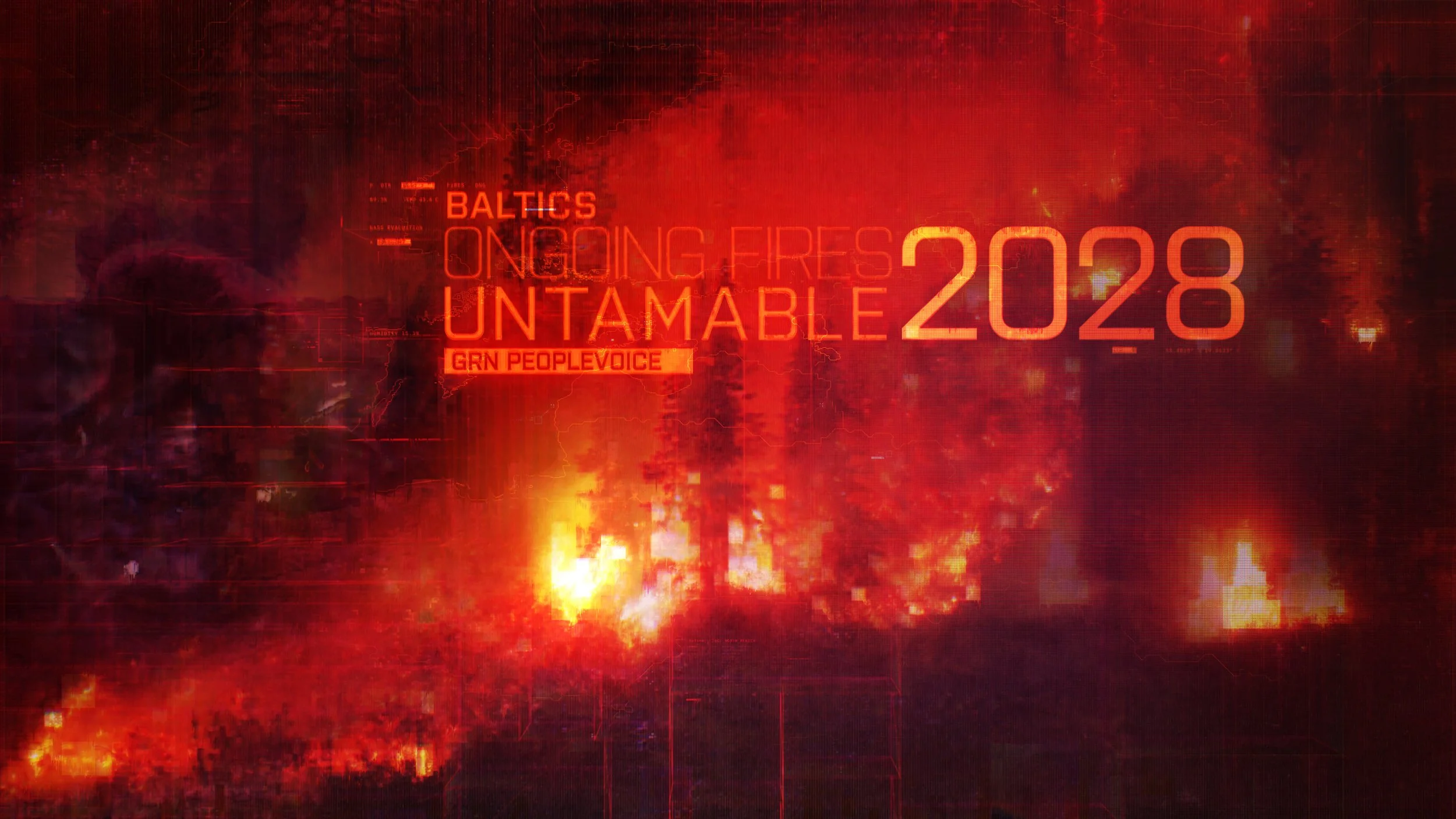
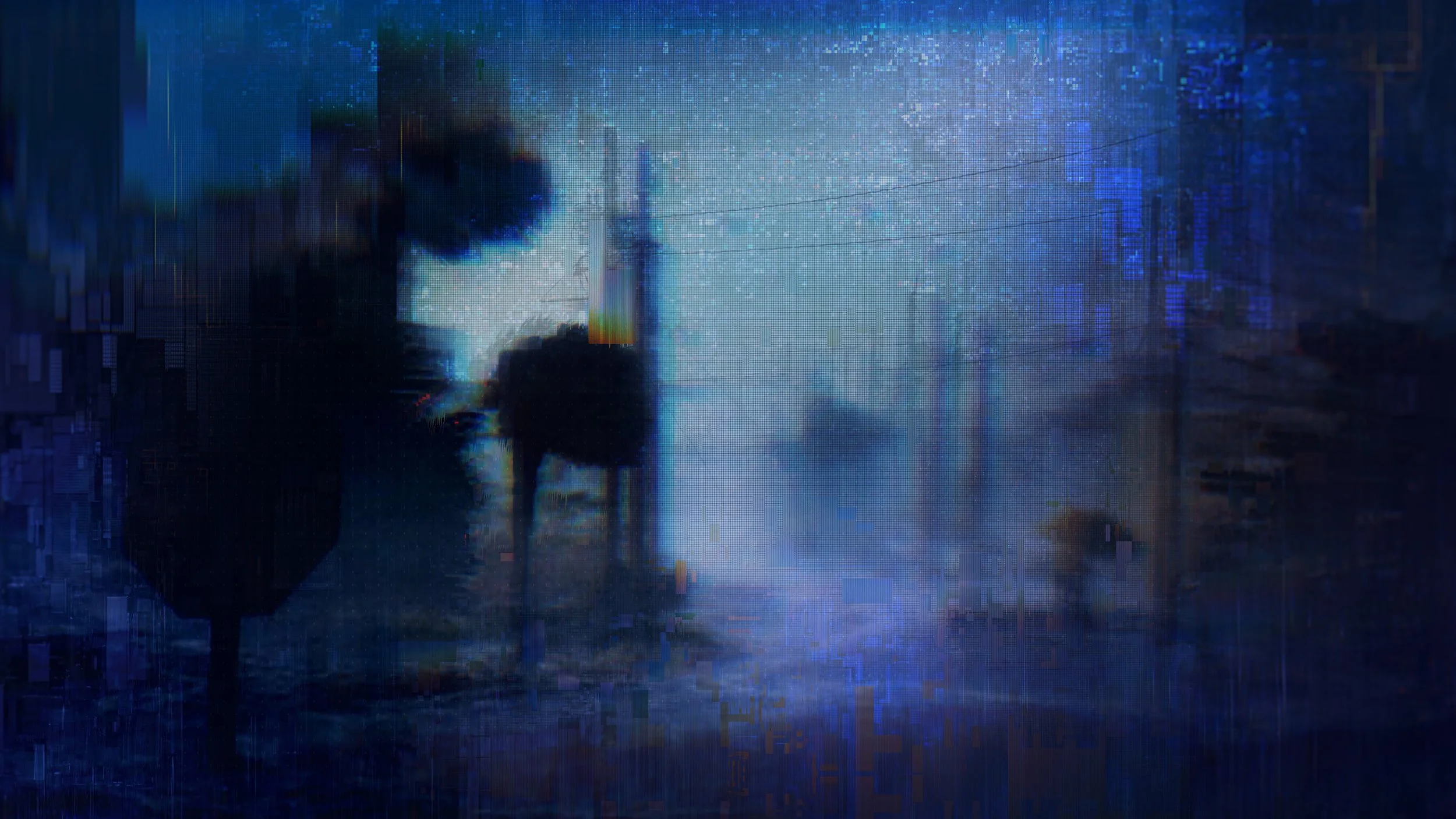
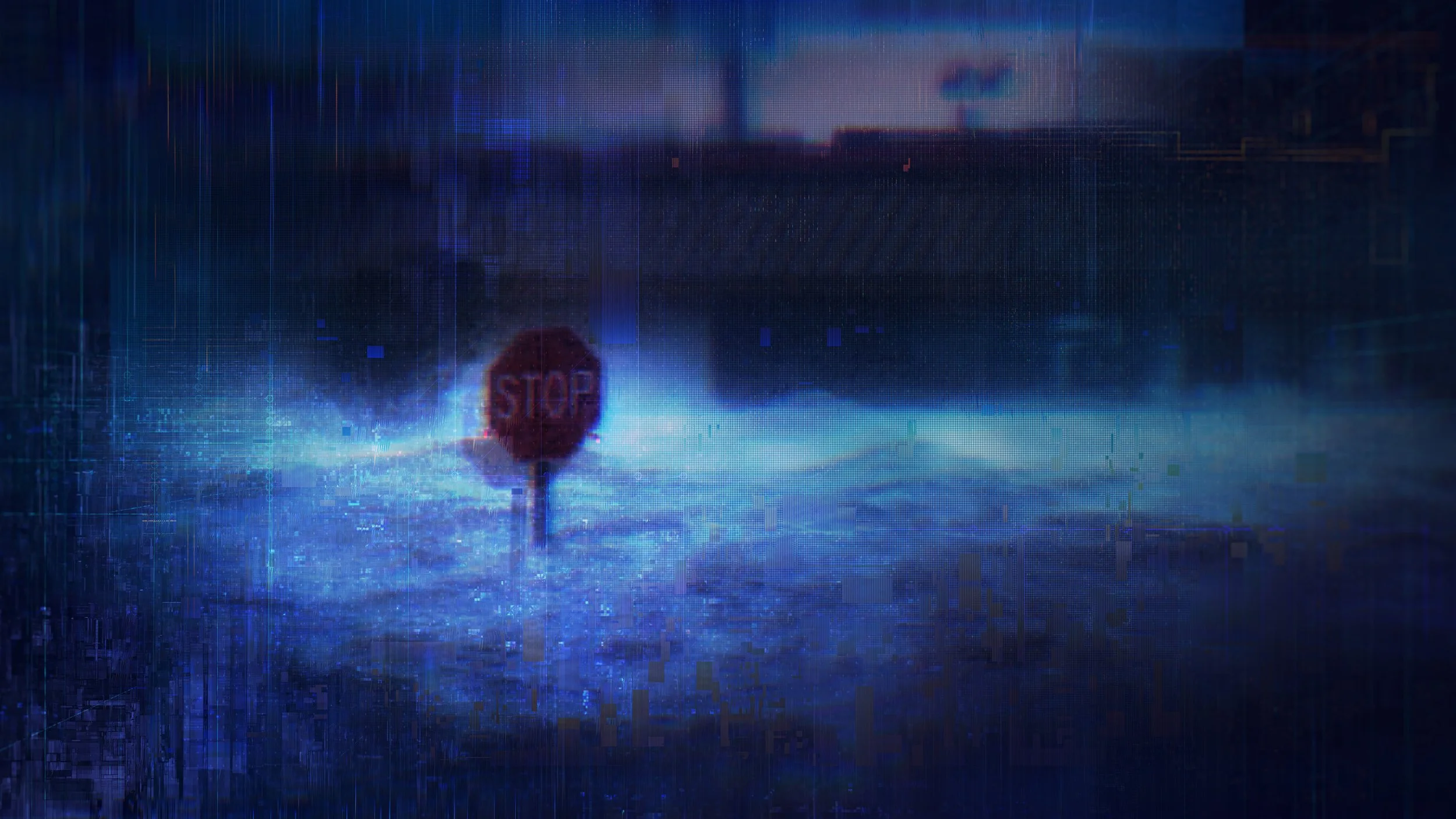
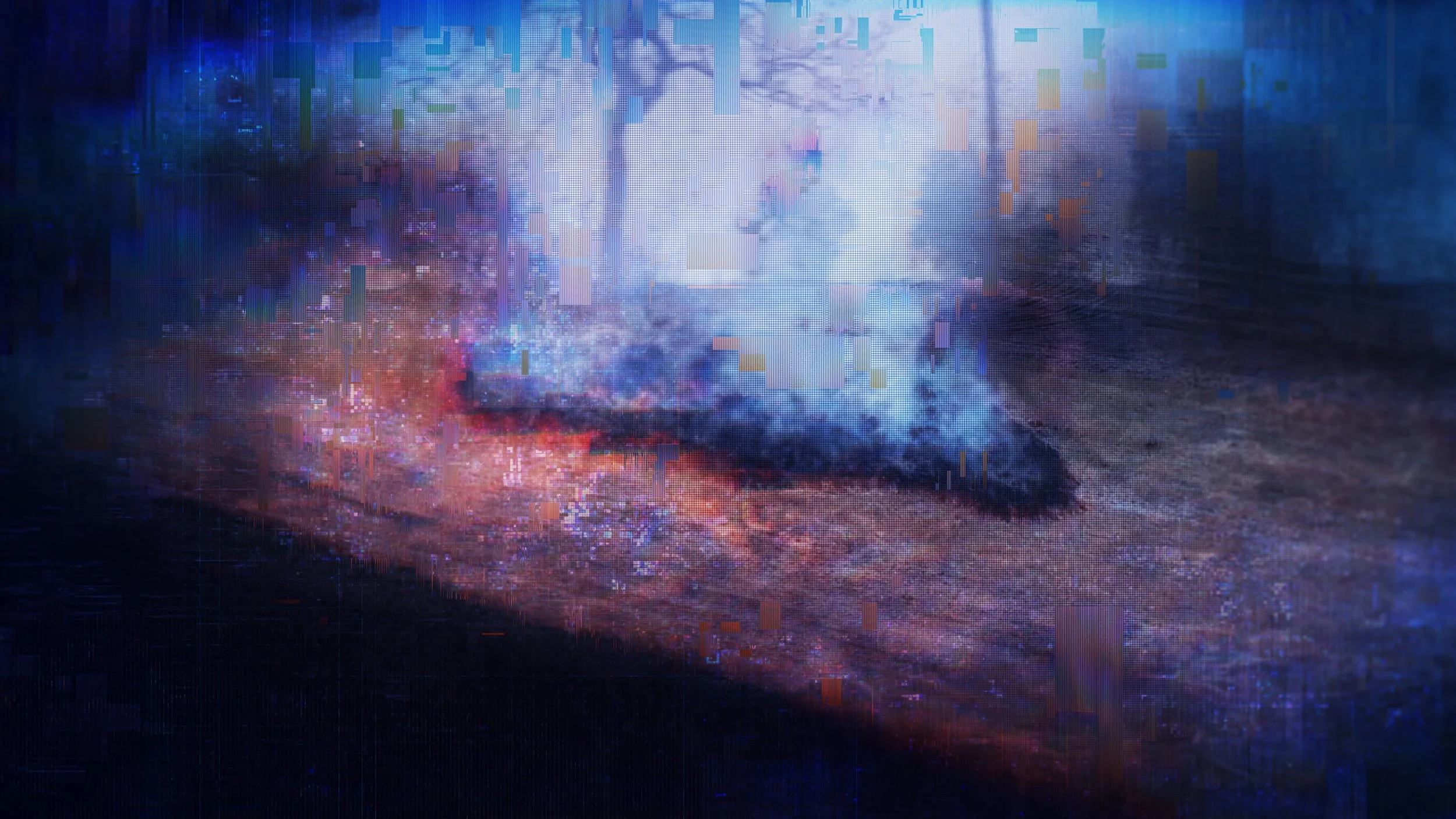
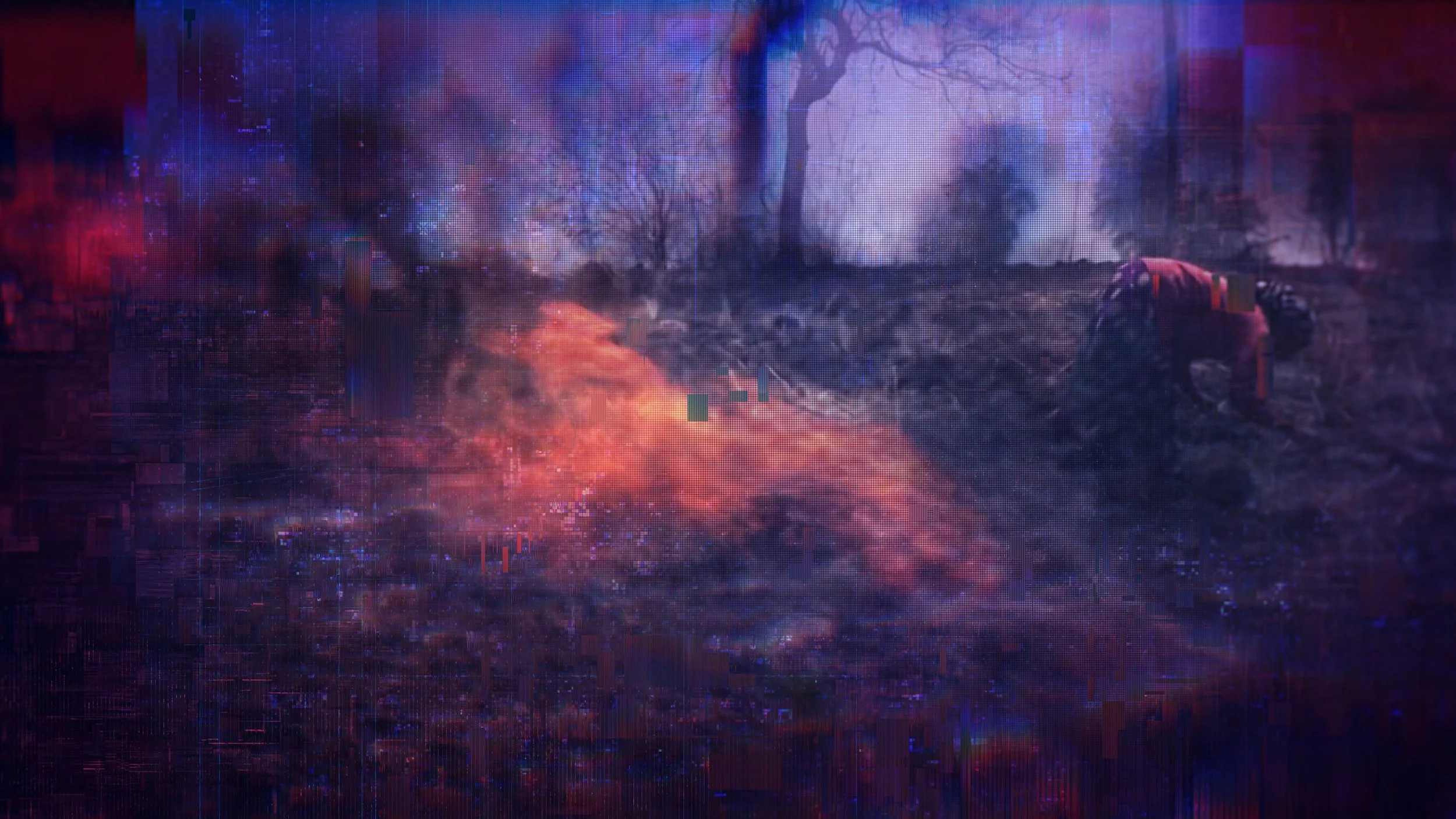
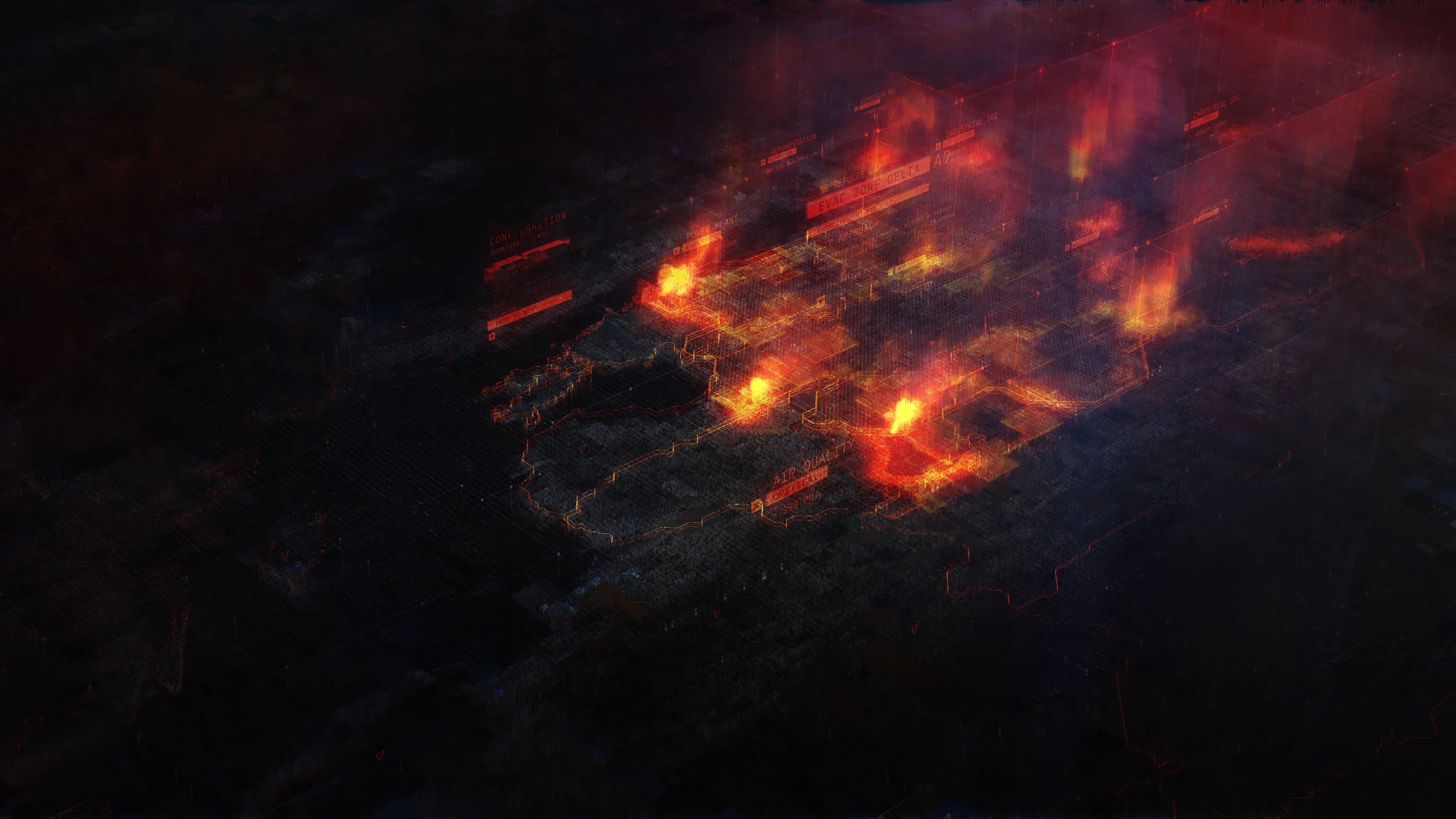
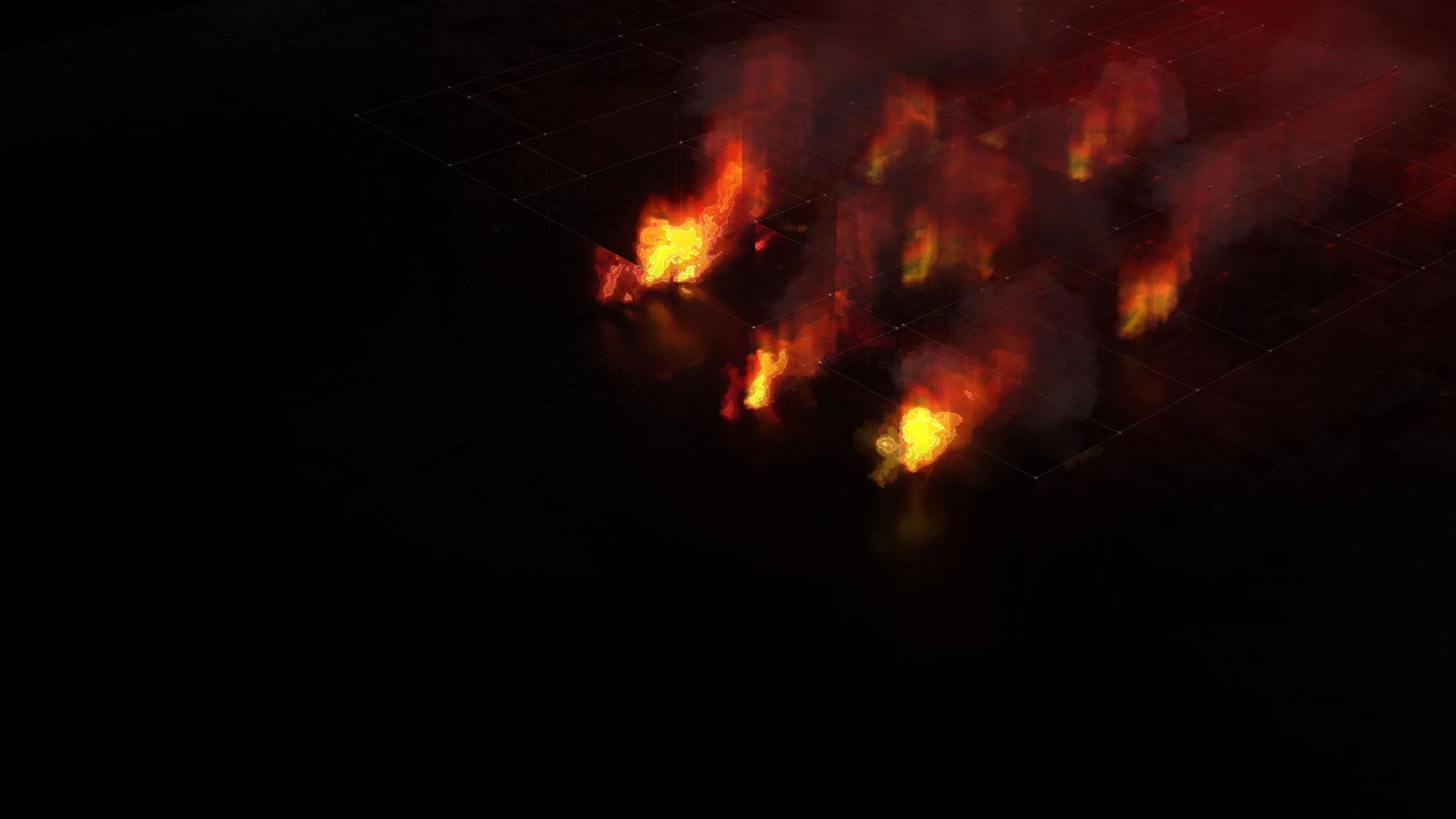
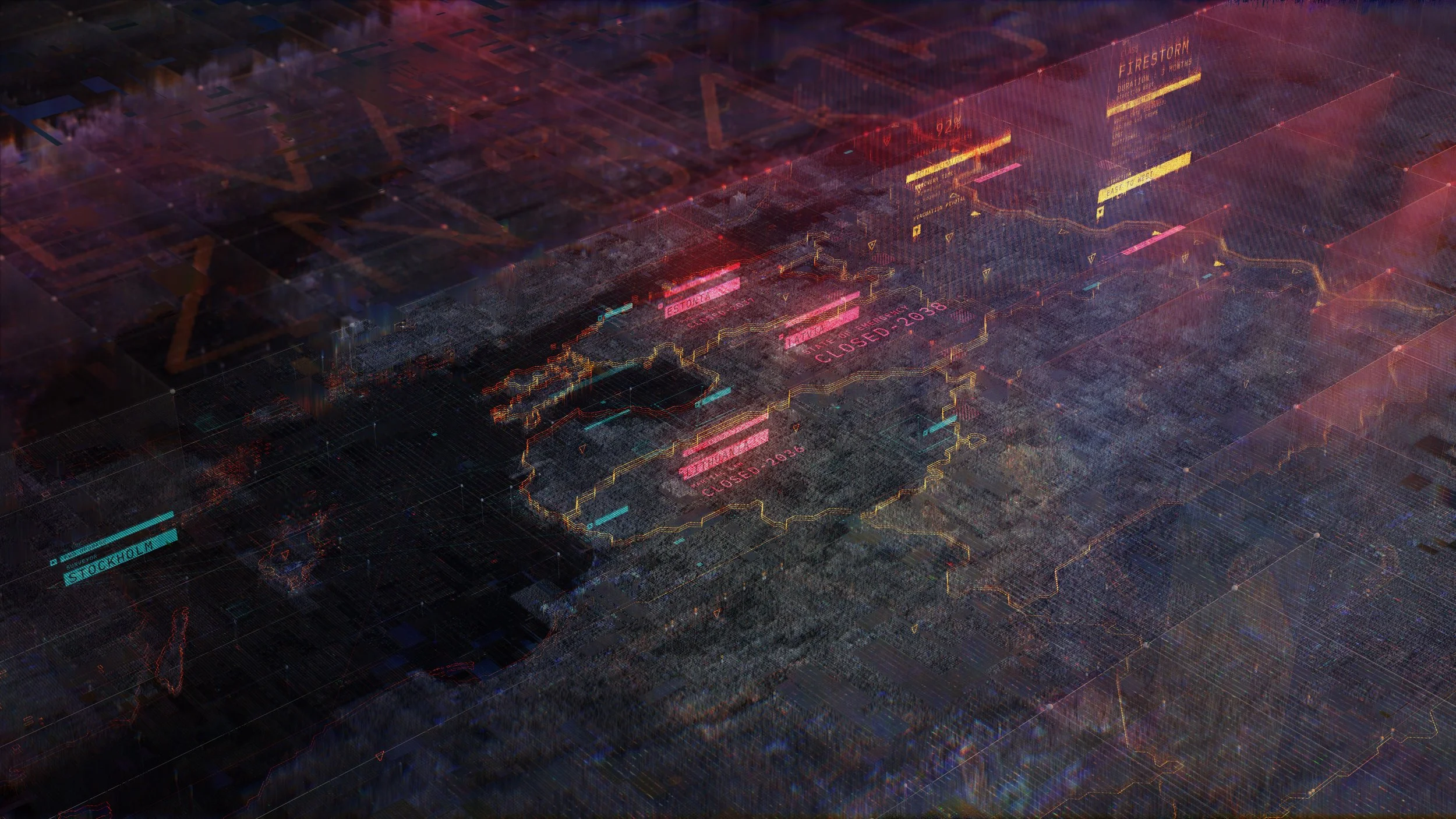
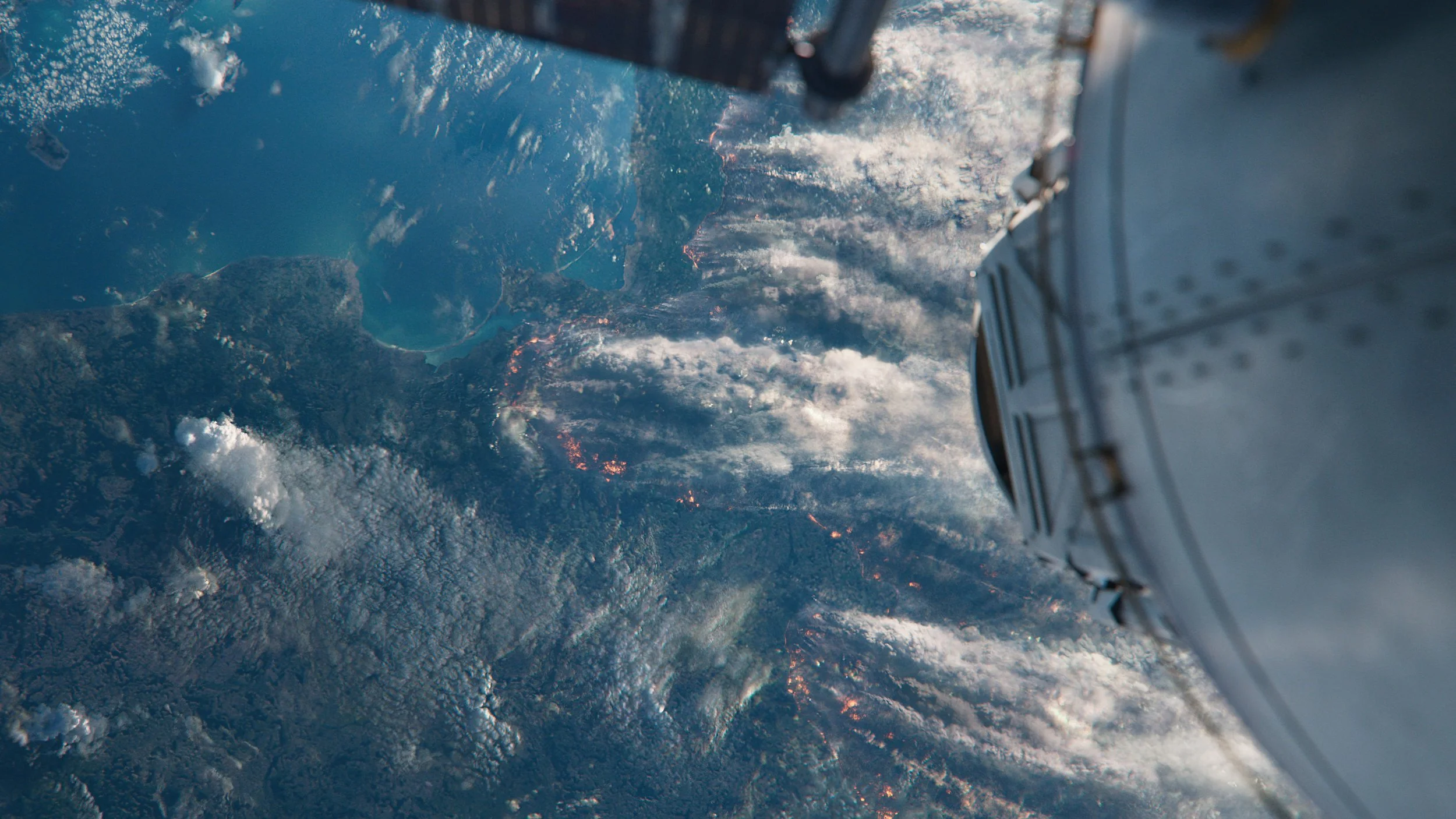
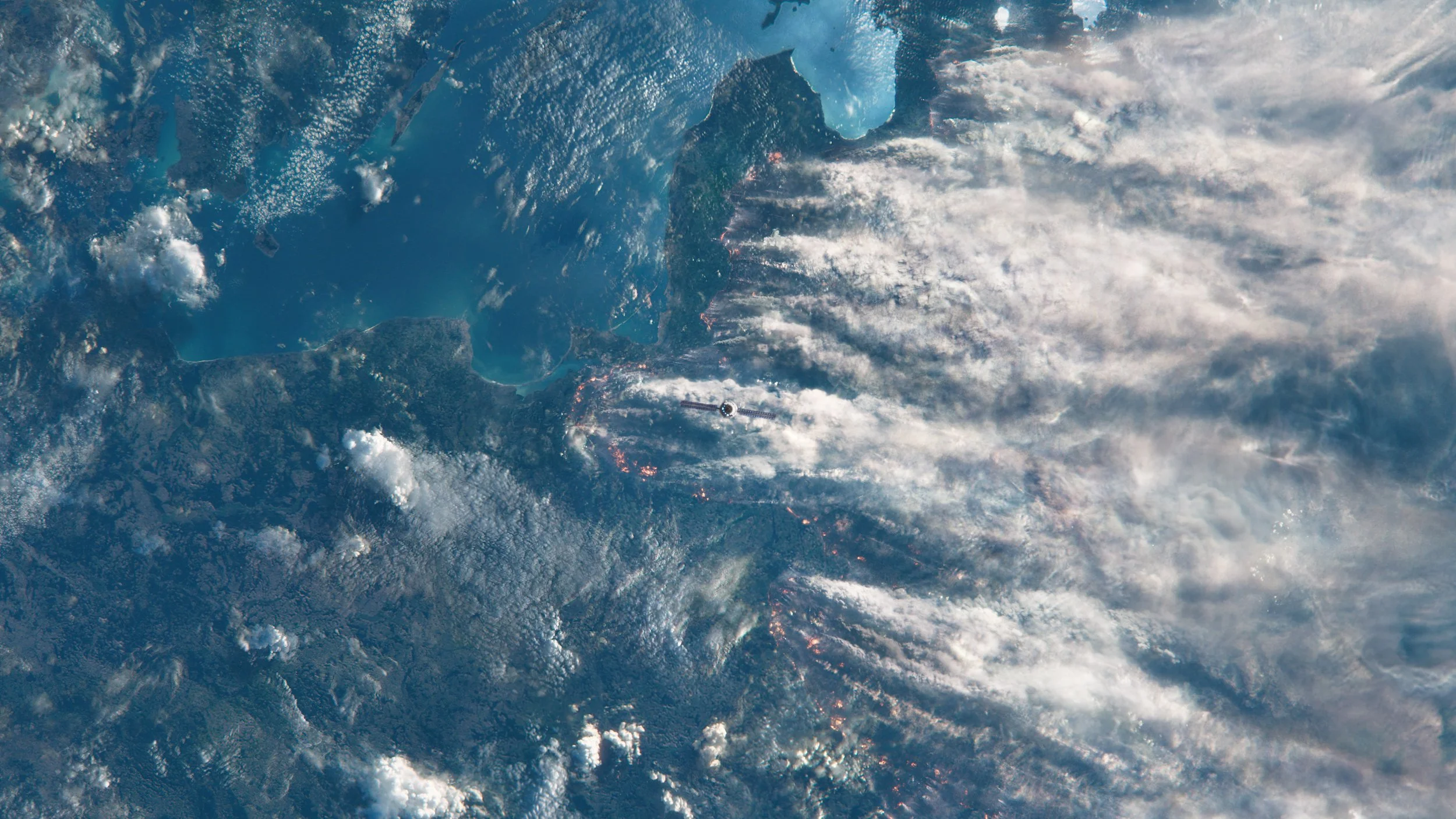
One of the earliest major events presented in the Network is the Baltic Fires, a large-scale climate disaster that devastates Eastern Europe. Skies darken, populations evacuate, and entire regions are displaced.
To communicate the scale of this event quickly, the sequence introduces a series of maps designed to operate alongside video footage. These maps combine three-dimensional geography with animated interface elements, visualizing the spread and intensity of the fires across national boundaries. The Baltic Fires map establishes a template that recurs throughout the film as a method for conveying magnitude and consequence.
01.3 THE WORLD HAS CHANGED
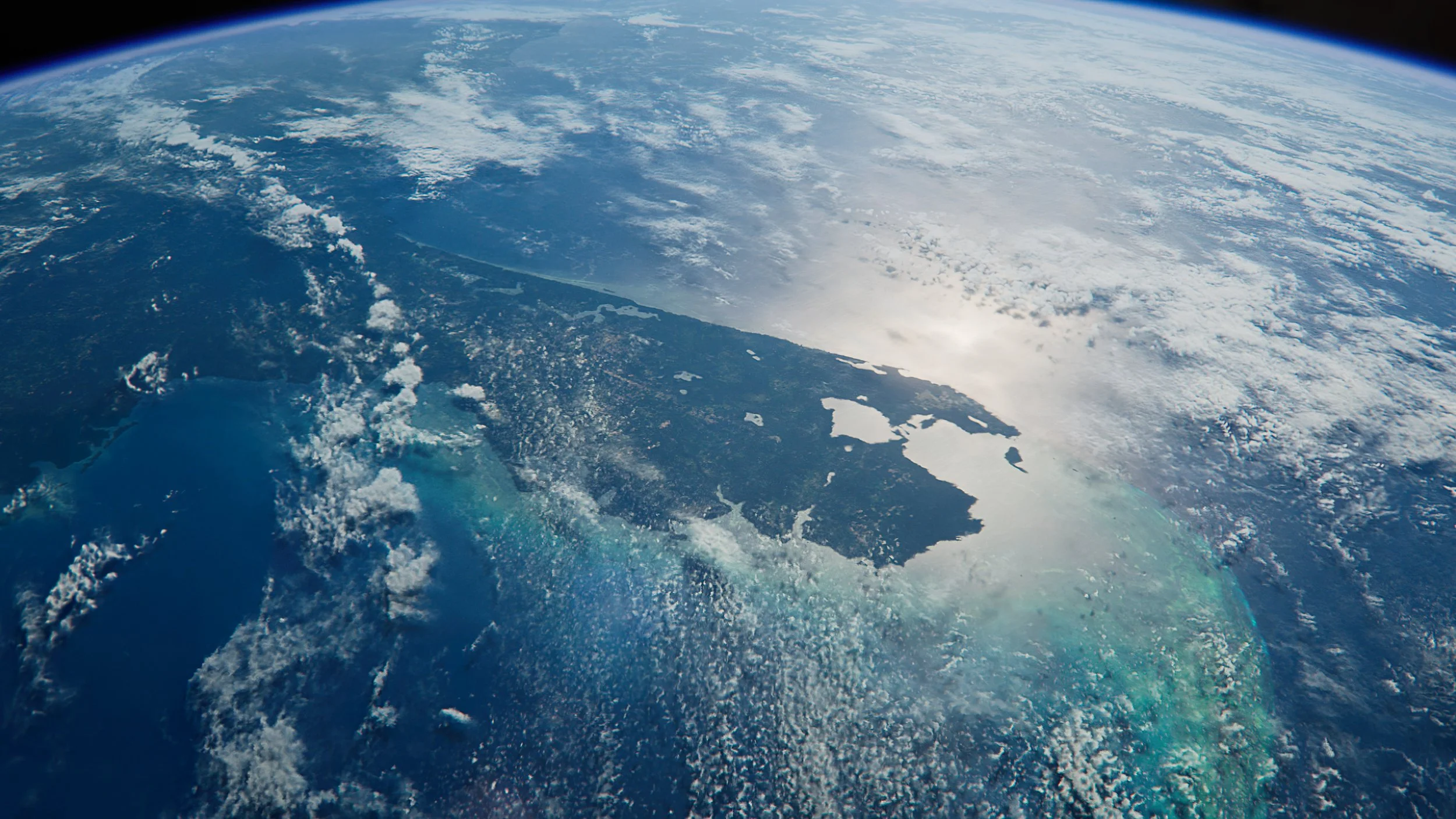
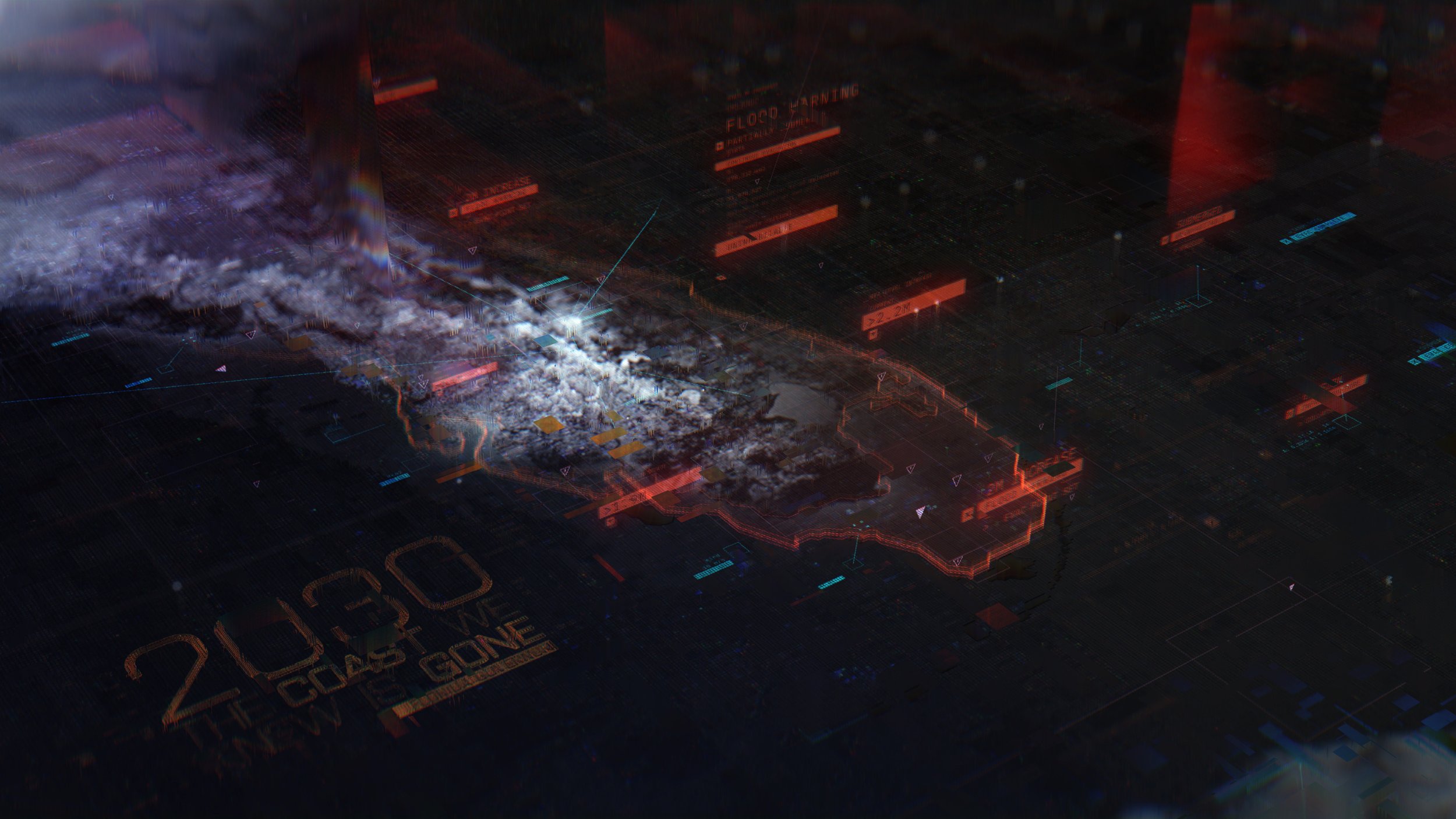
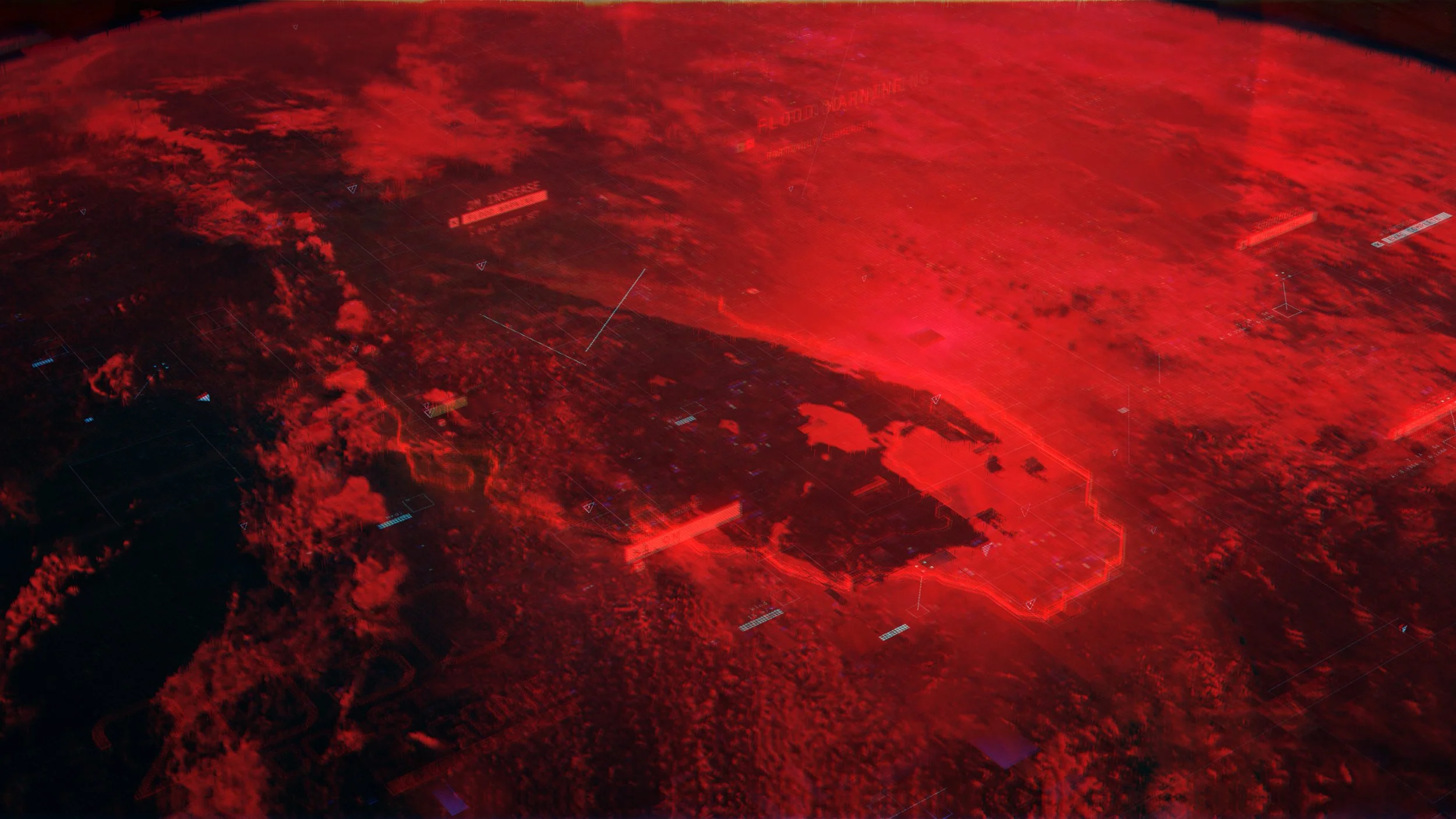
As the sequence progresses, the effects of climate instability expand beyond a single region. From orbit, the planet reveals patterns of disruption occurring simultaneously across continents. While fires consume parts of Europe, storm surges inundate coastlines elsewhere.
This section juxtaposes Network-based visualization with more literal representations of the Earth’s surface. High-resolution planetary textures, climate projections, 3D renders, Houdini simulations, and digital matte painting were combined to construct images that register both scale and severity without relying on a single visual mode.
01.4 DISASTER SPARKS CONFLICT
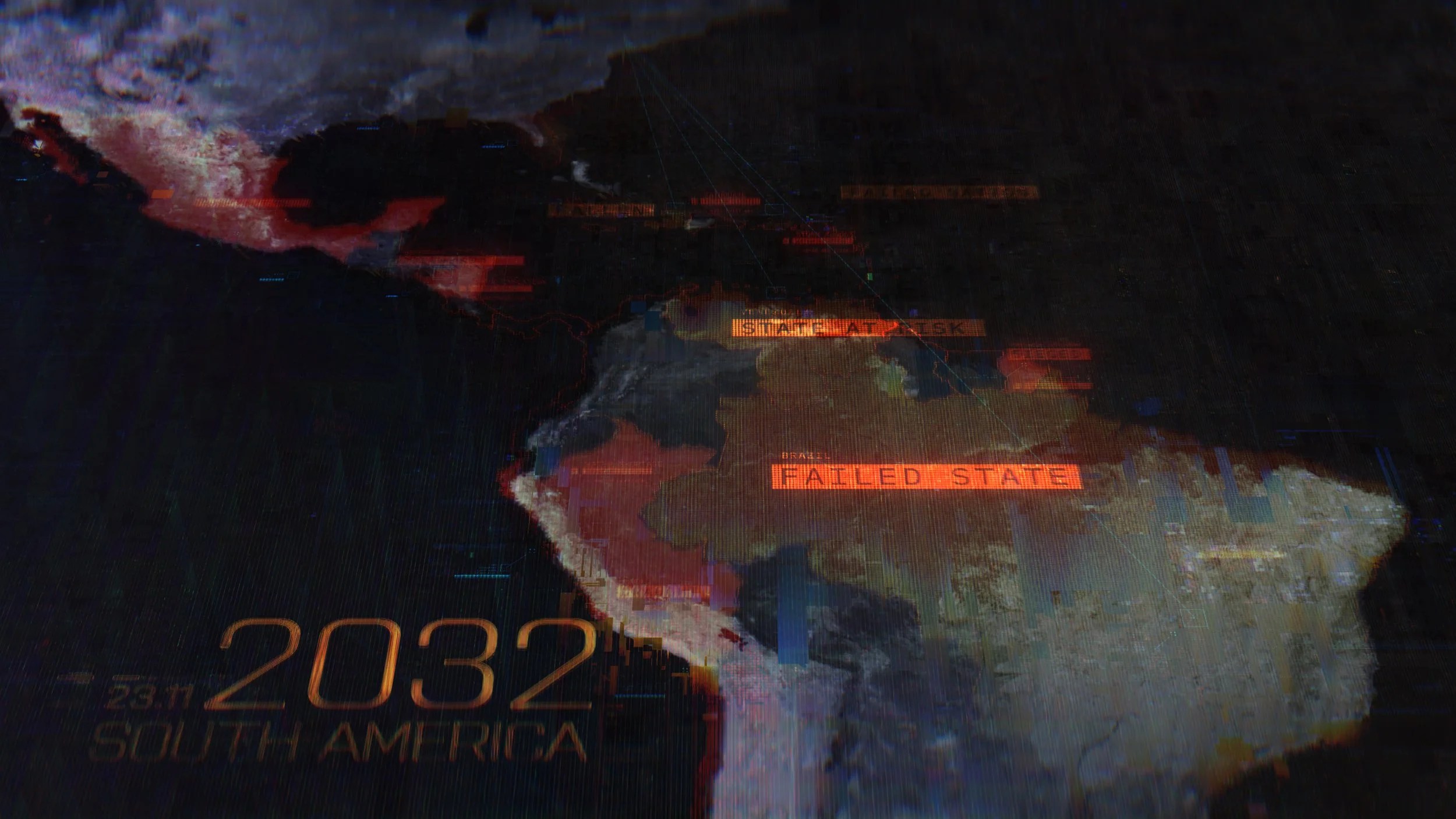
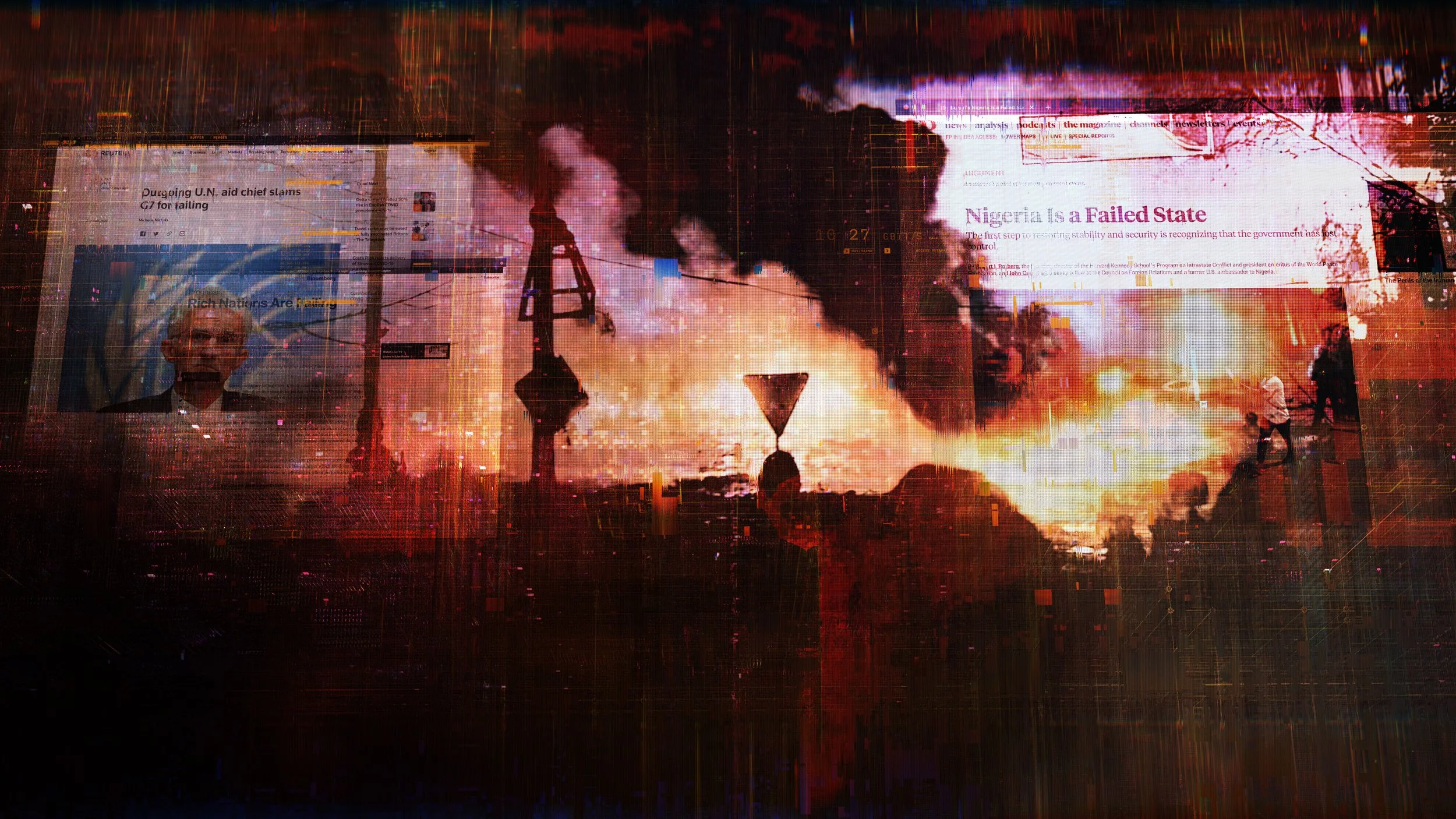
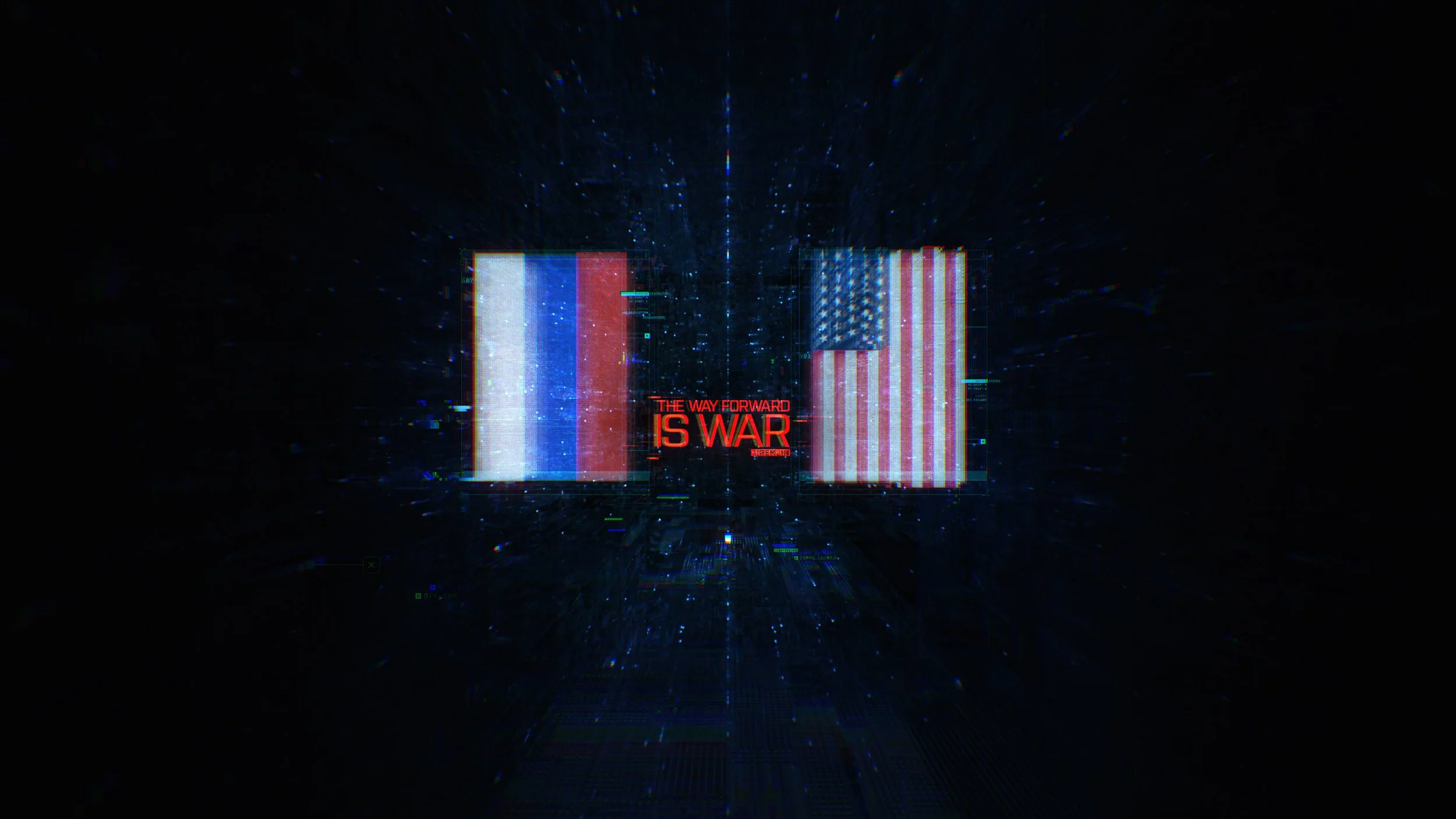
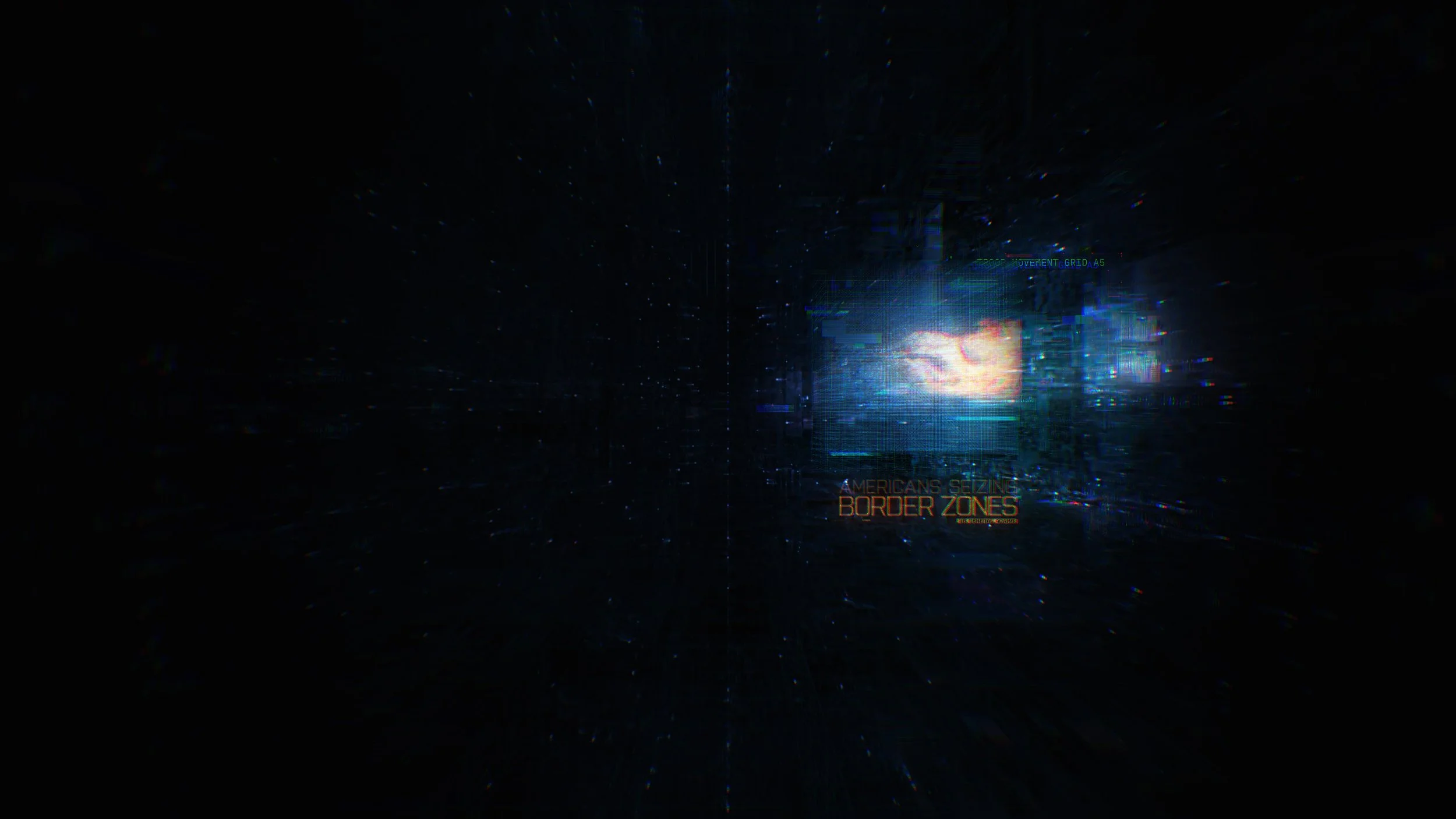
Environmental collapse destabilizes governments and economies worldwide. Markets falter, fragile states fail, and power vacuums emerge. Amid this instability, the United States and Russia move to secure strategically valuable locations, accelerating global tension.
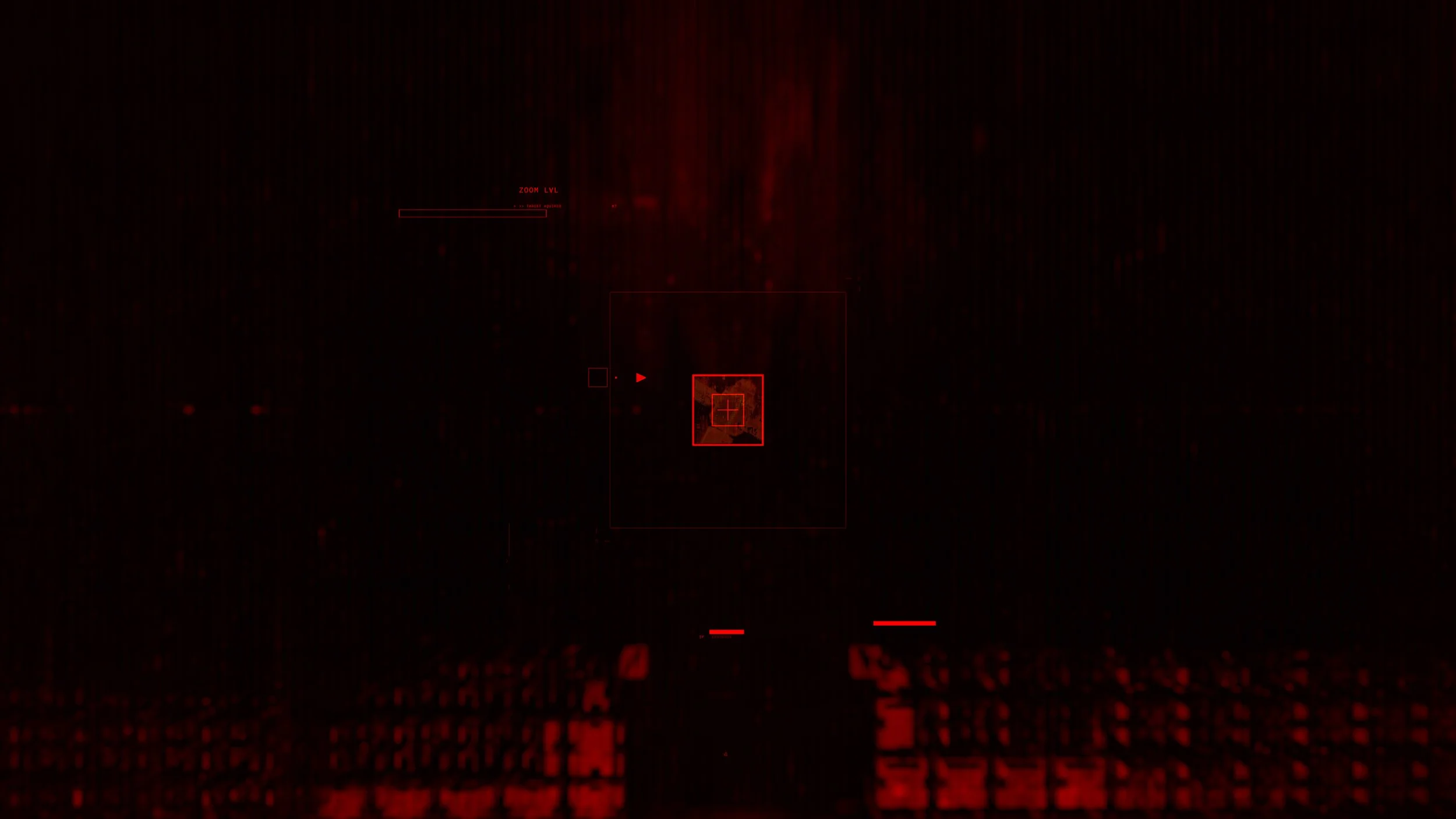
The film returns to the Network to depict these shifts. Beginning close to a map interface focused on Central and South America, the camera gradually reveals an expanding lattice of voxels that build upward from the geography. These structures encase the surface, becoming containers for news articles and headlines that multiply and surround the viewer.
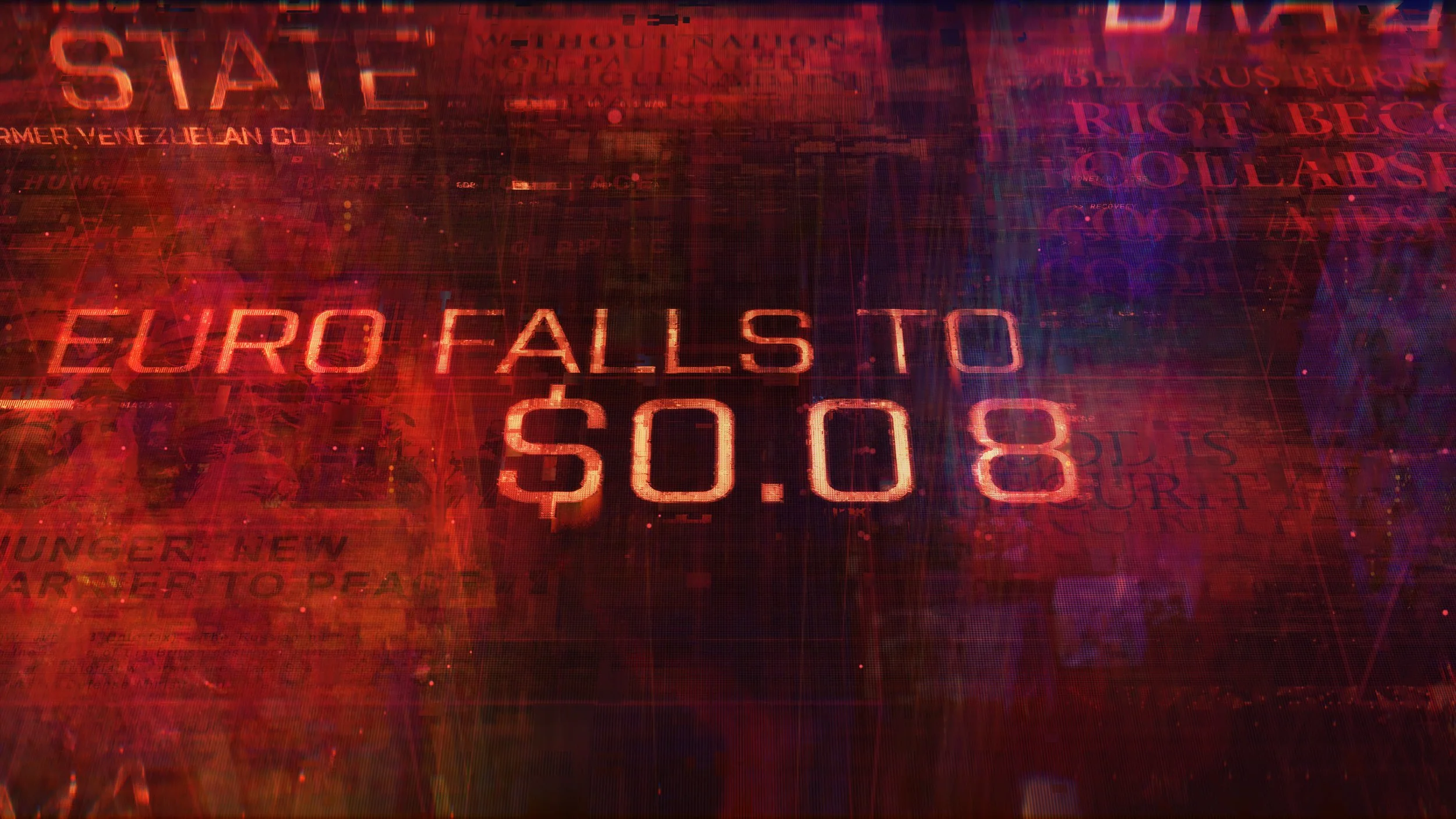
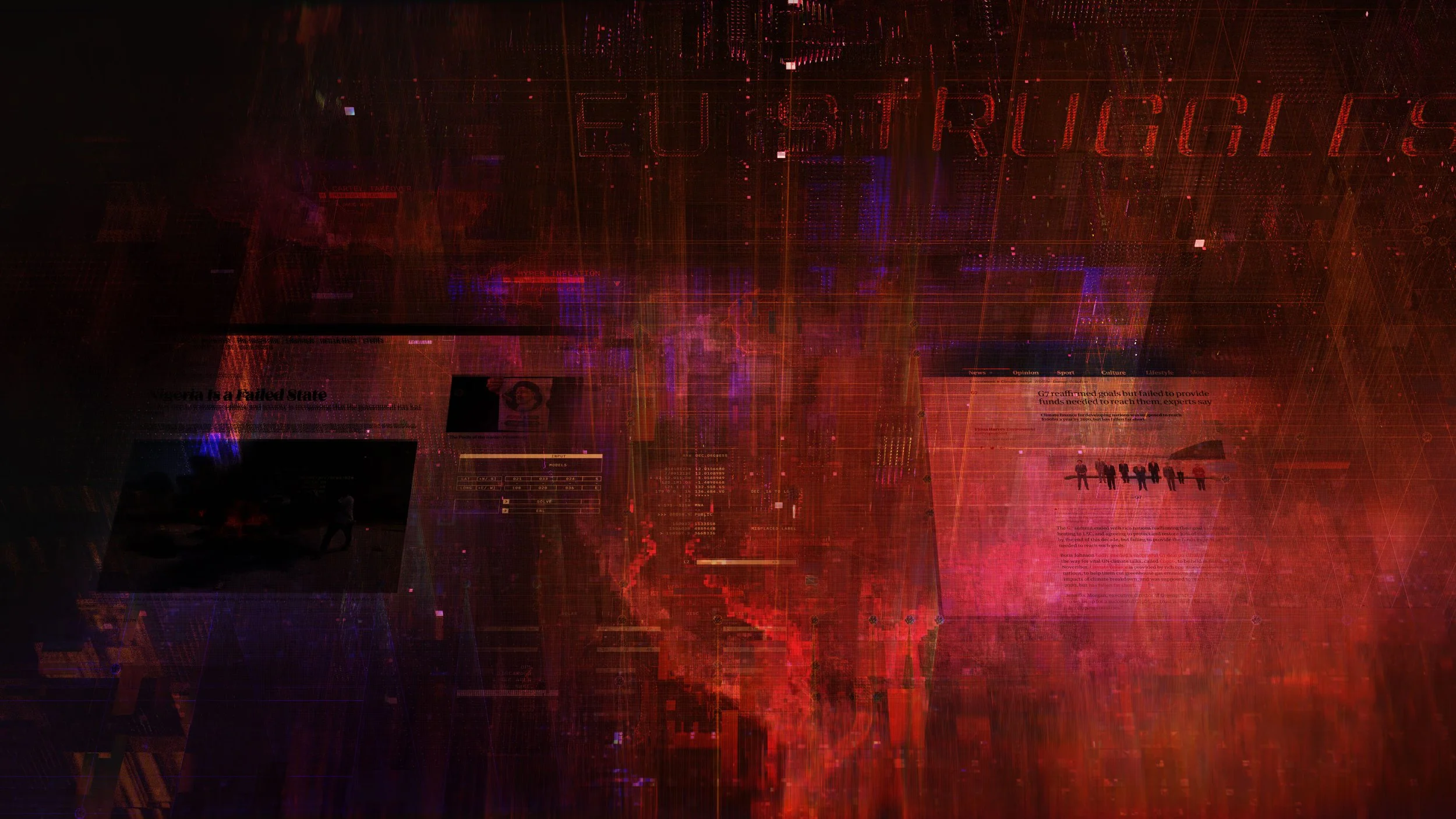
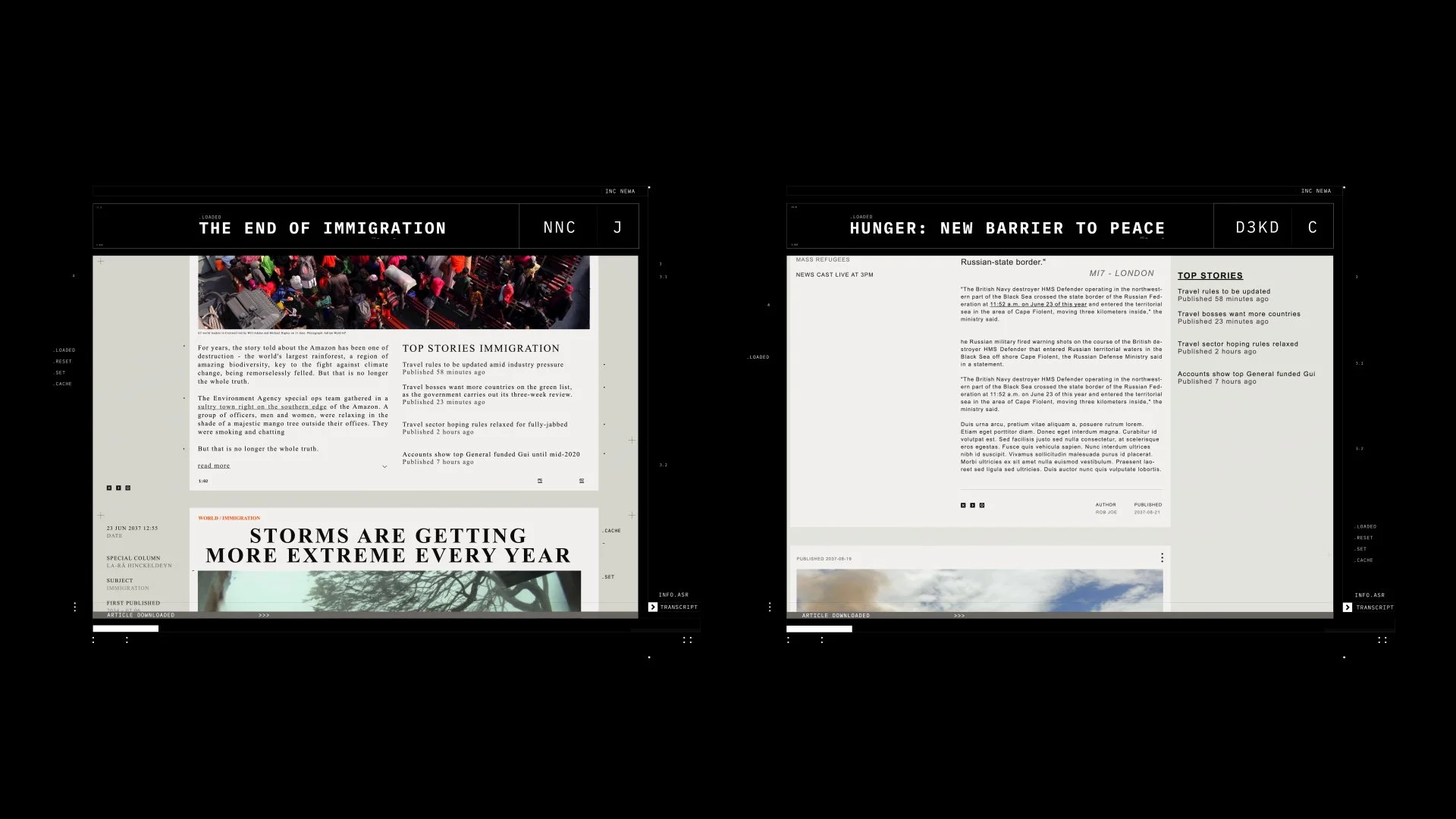
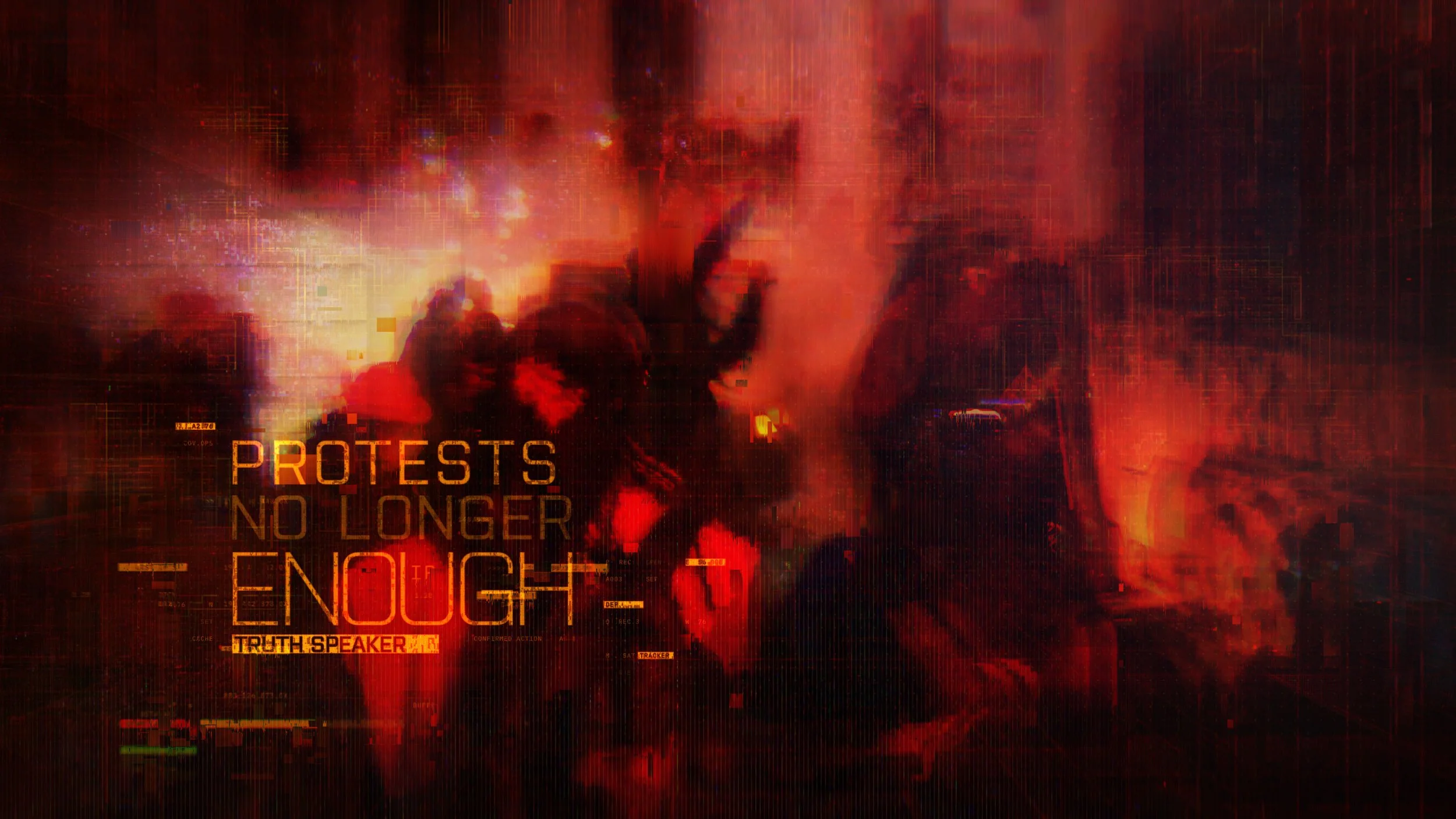
A HUMANITARIAN CRISIS
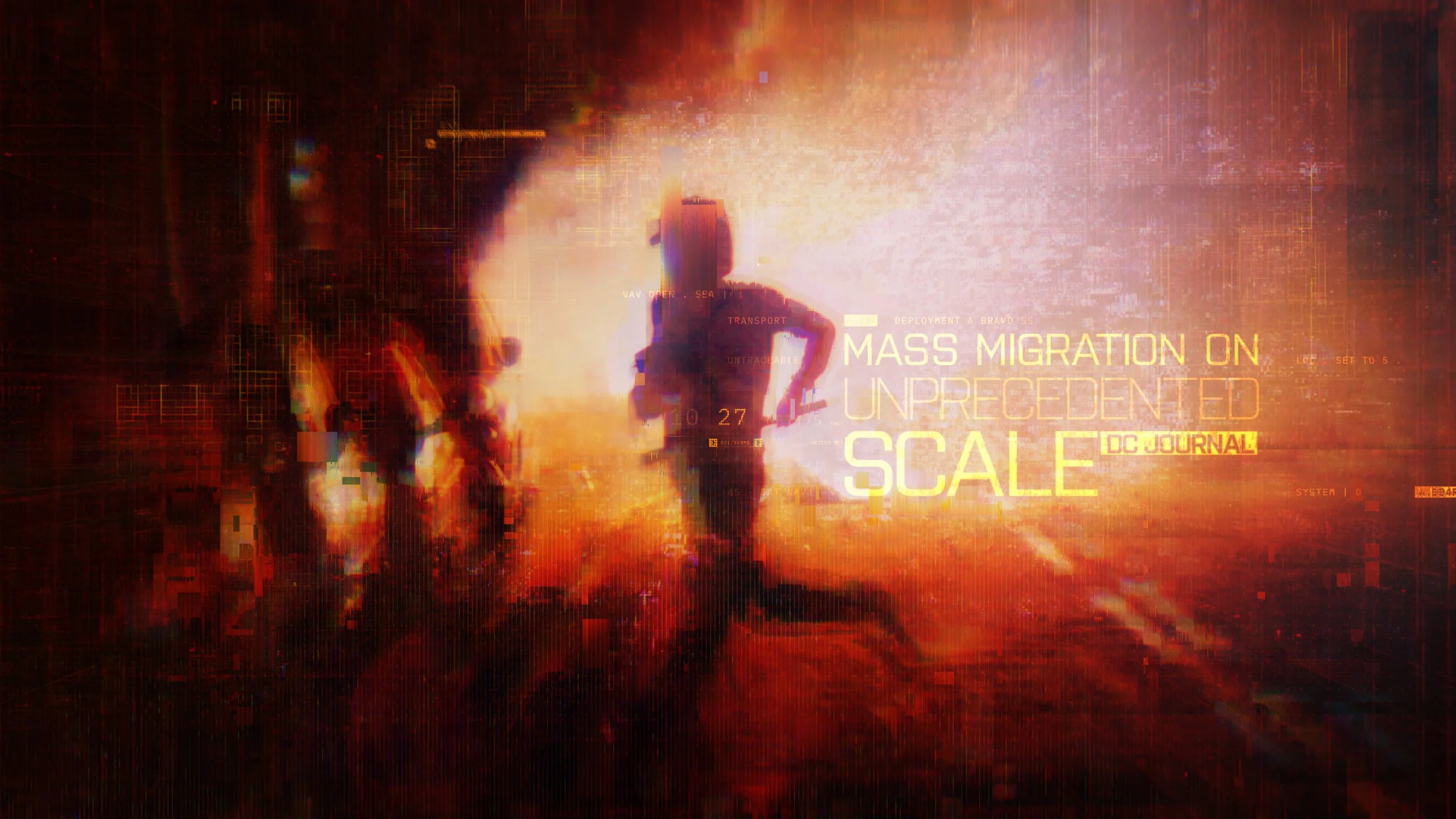
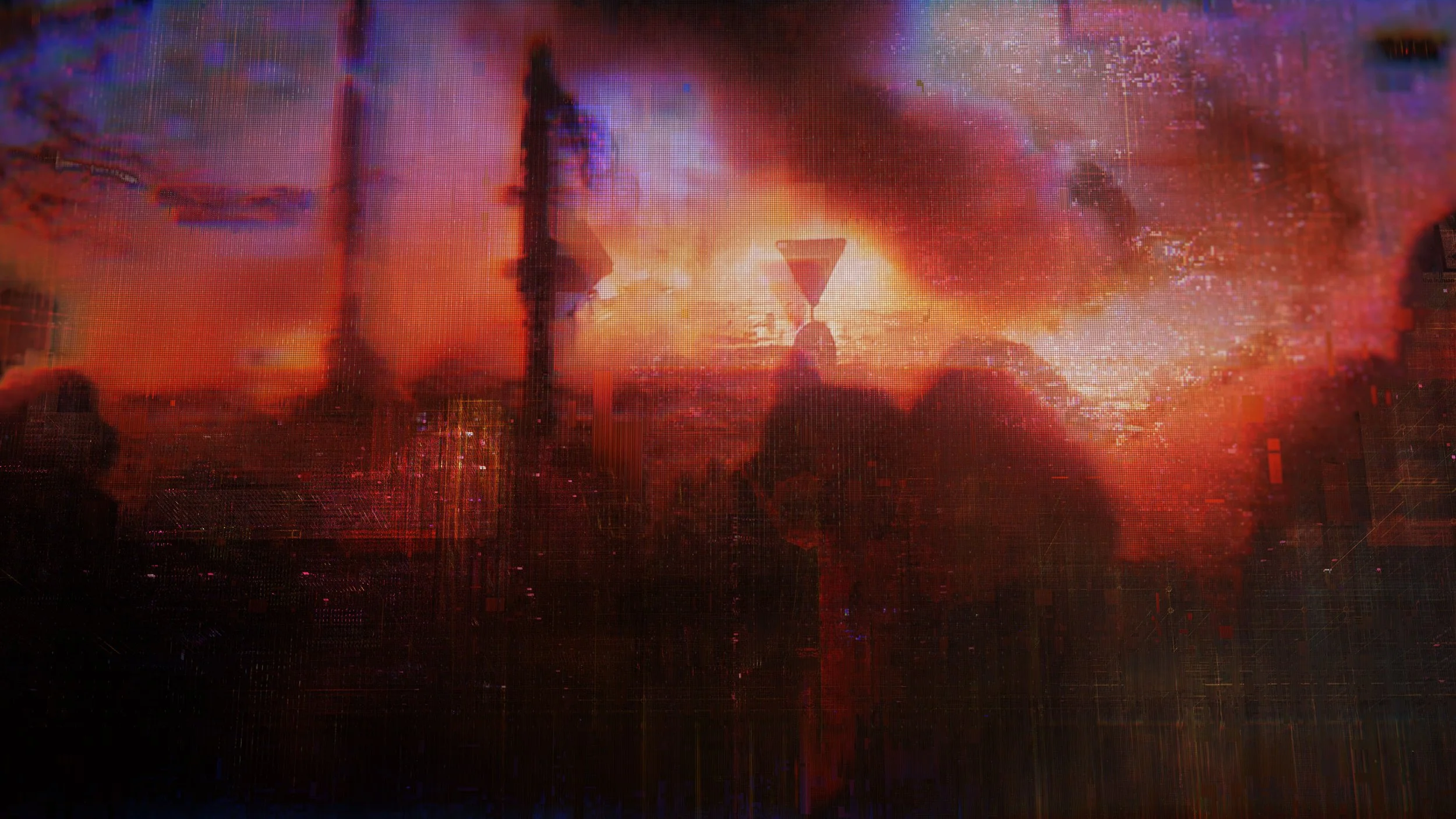
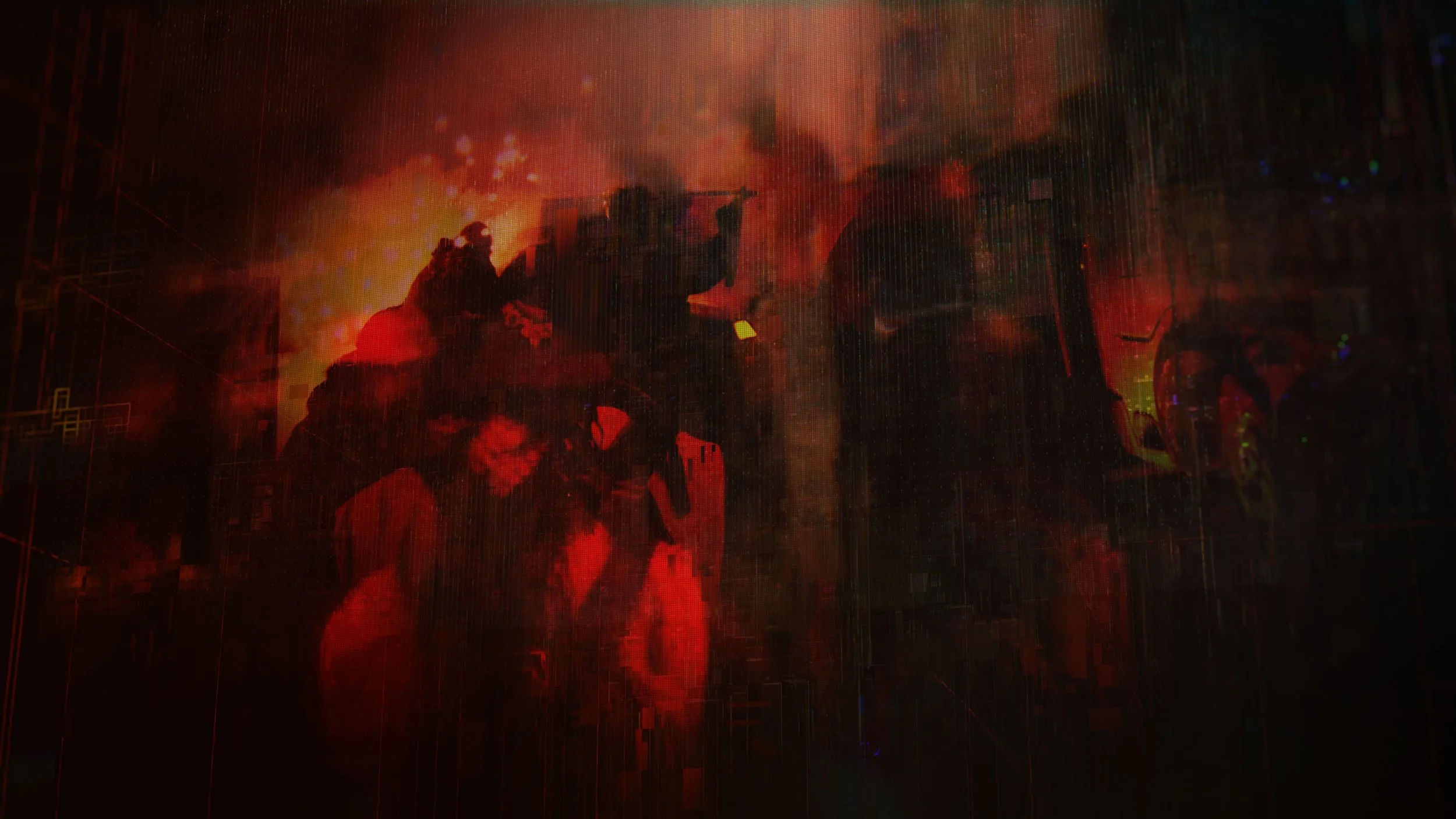
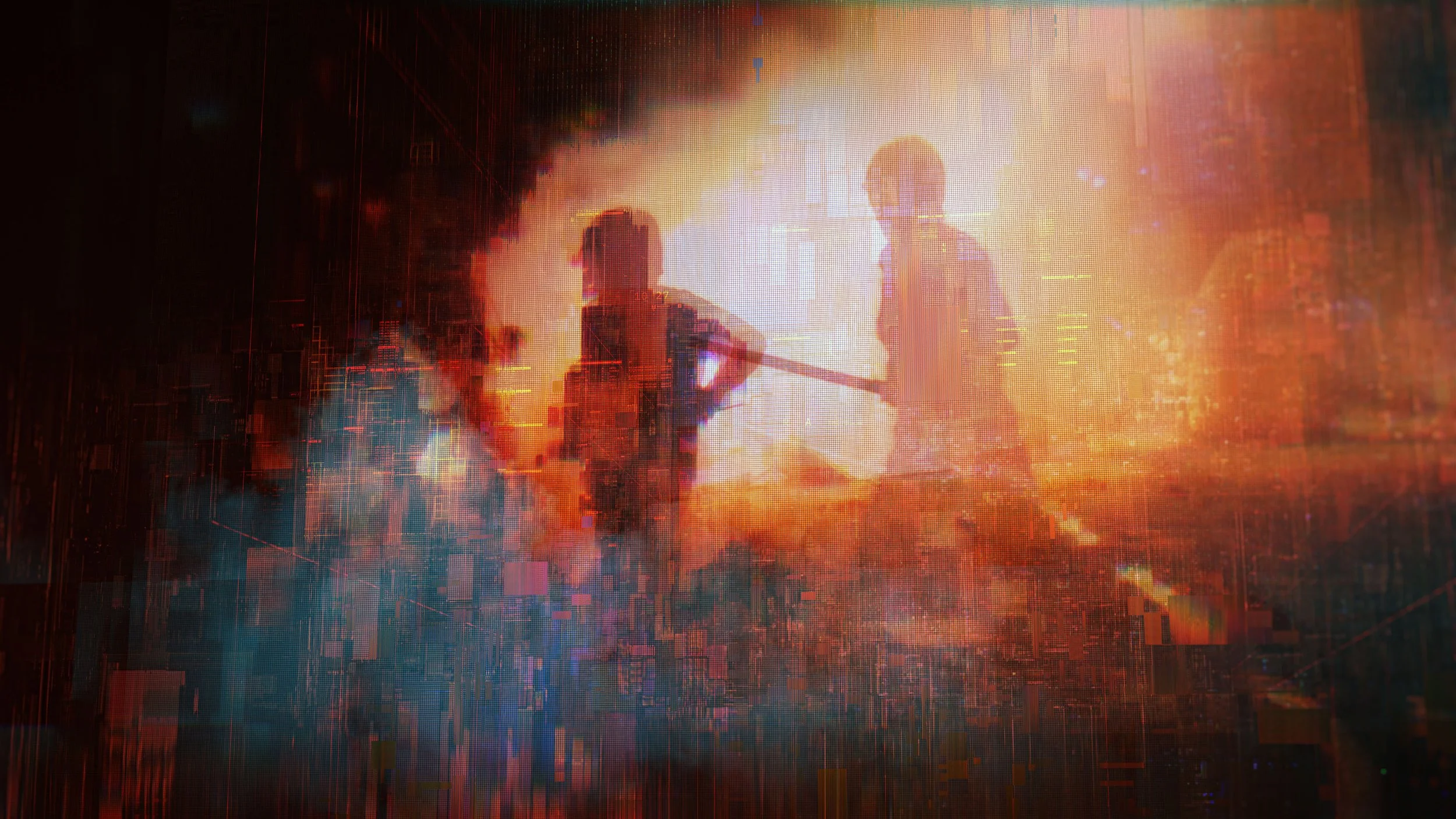
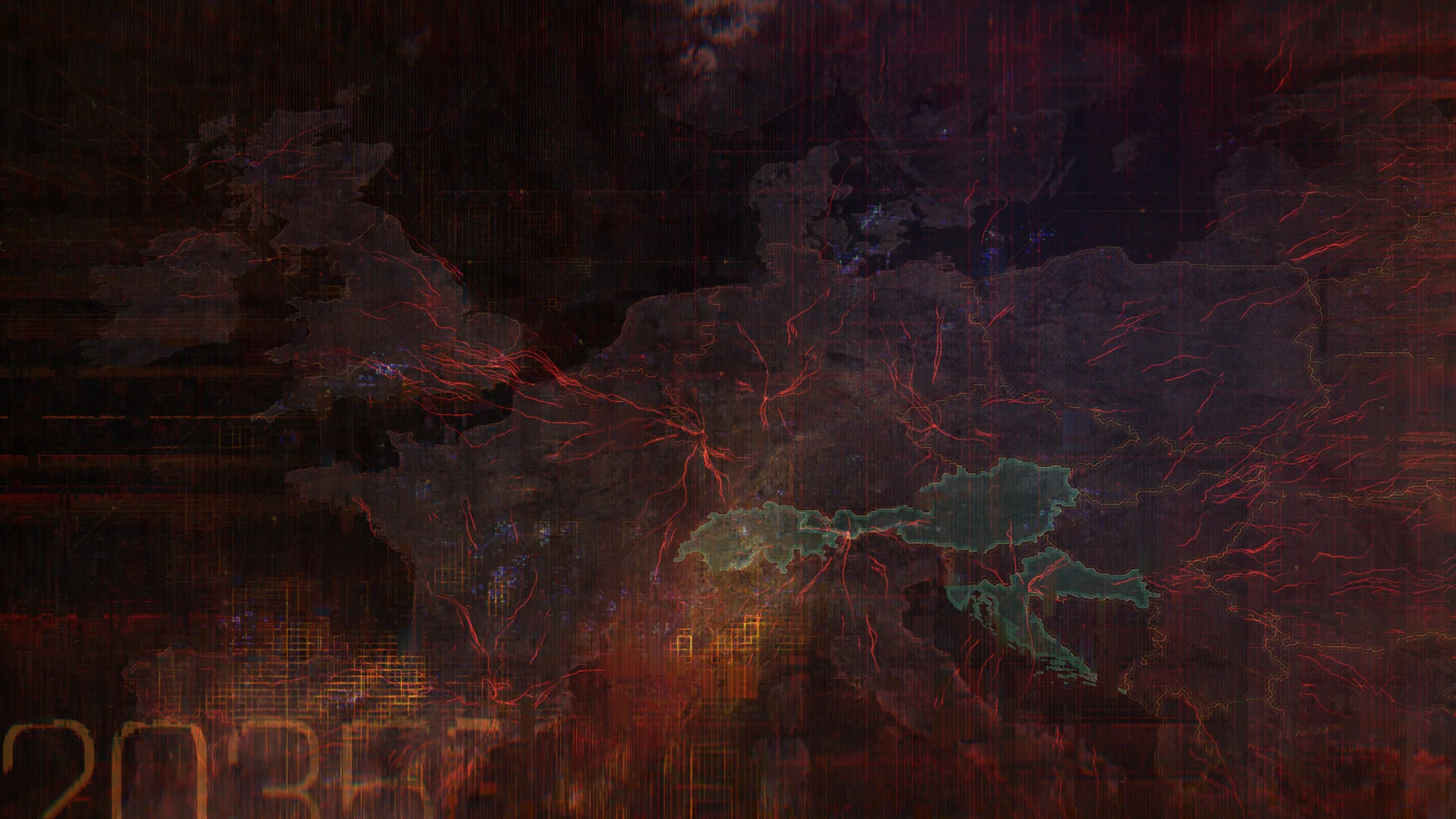
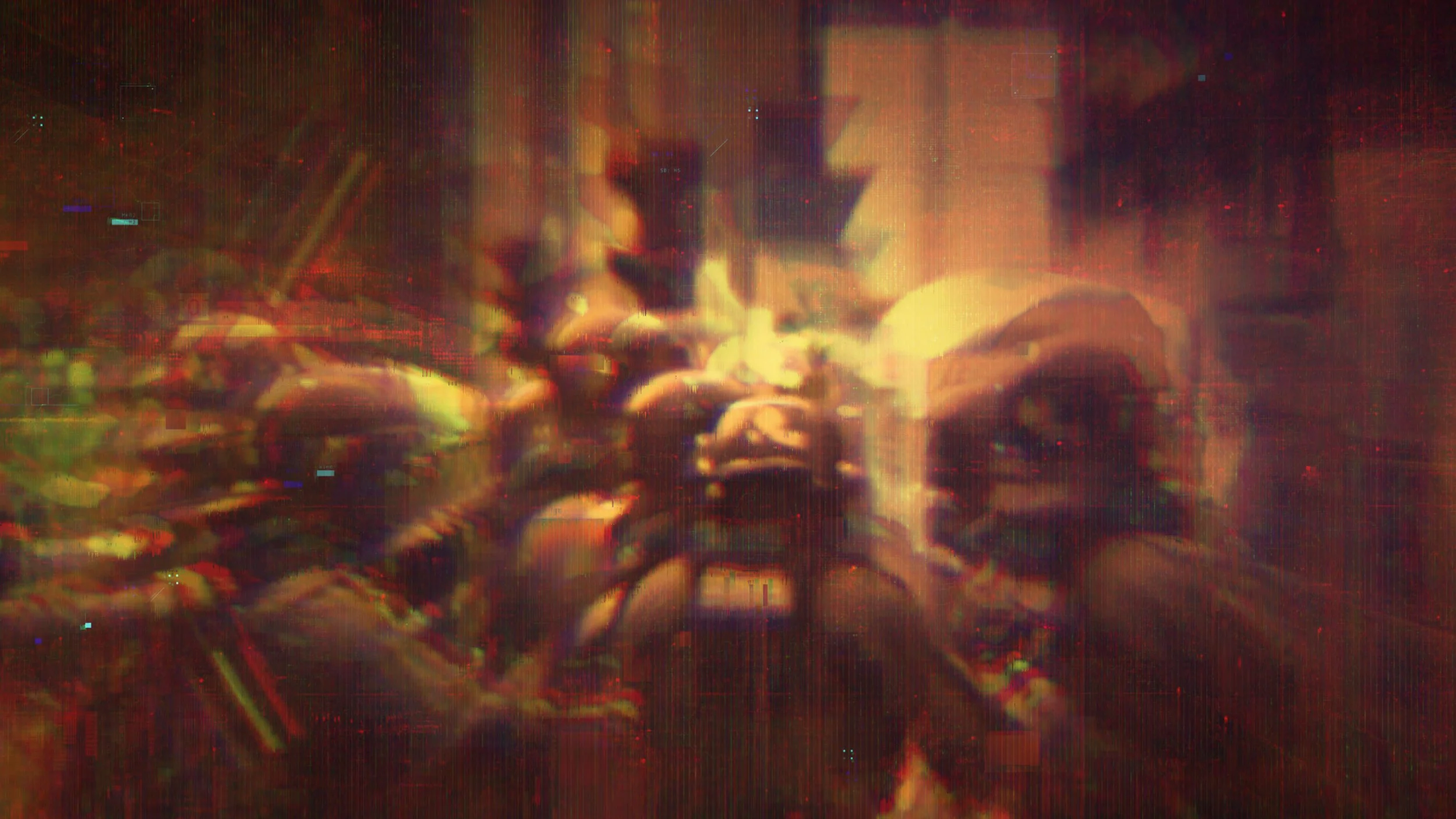
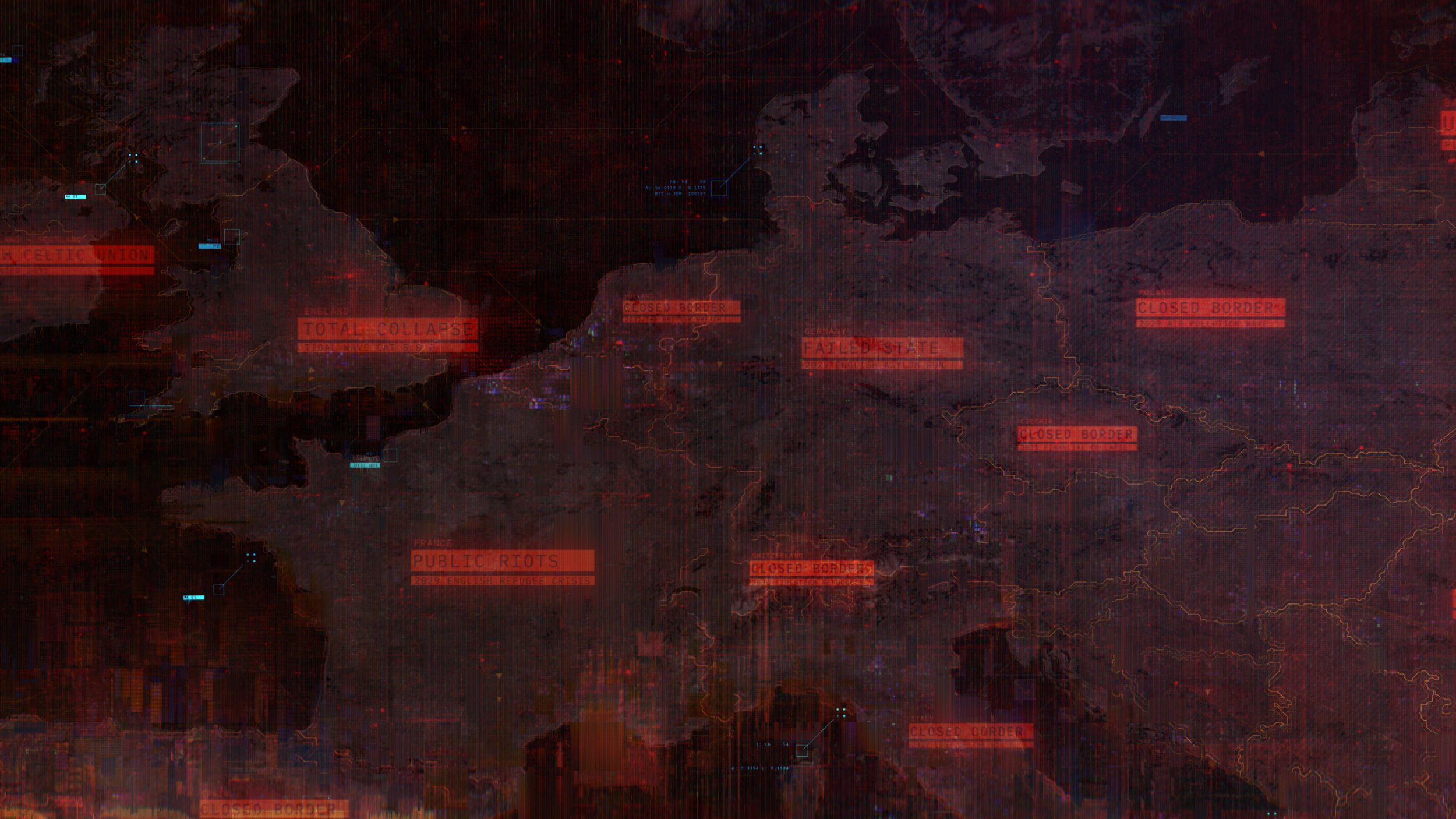
As governments collapse, civilian populations bear the consequences. Food shortages, extreme weather, and civil unrest lead to widespread displacement. Riot footage transitions into migration maps that trace the movement of refugees across borders, emphasizing the human cost of systemic failure.
01.5 THE NON-PATRIATED
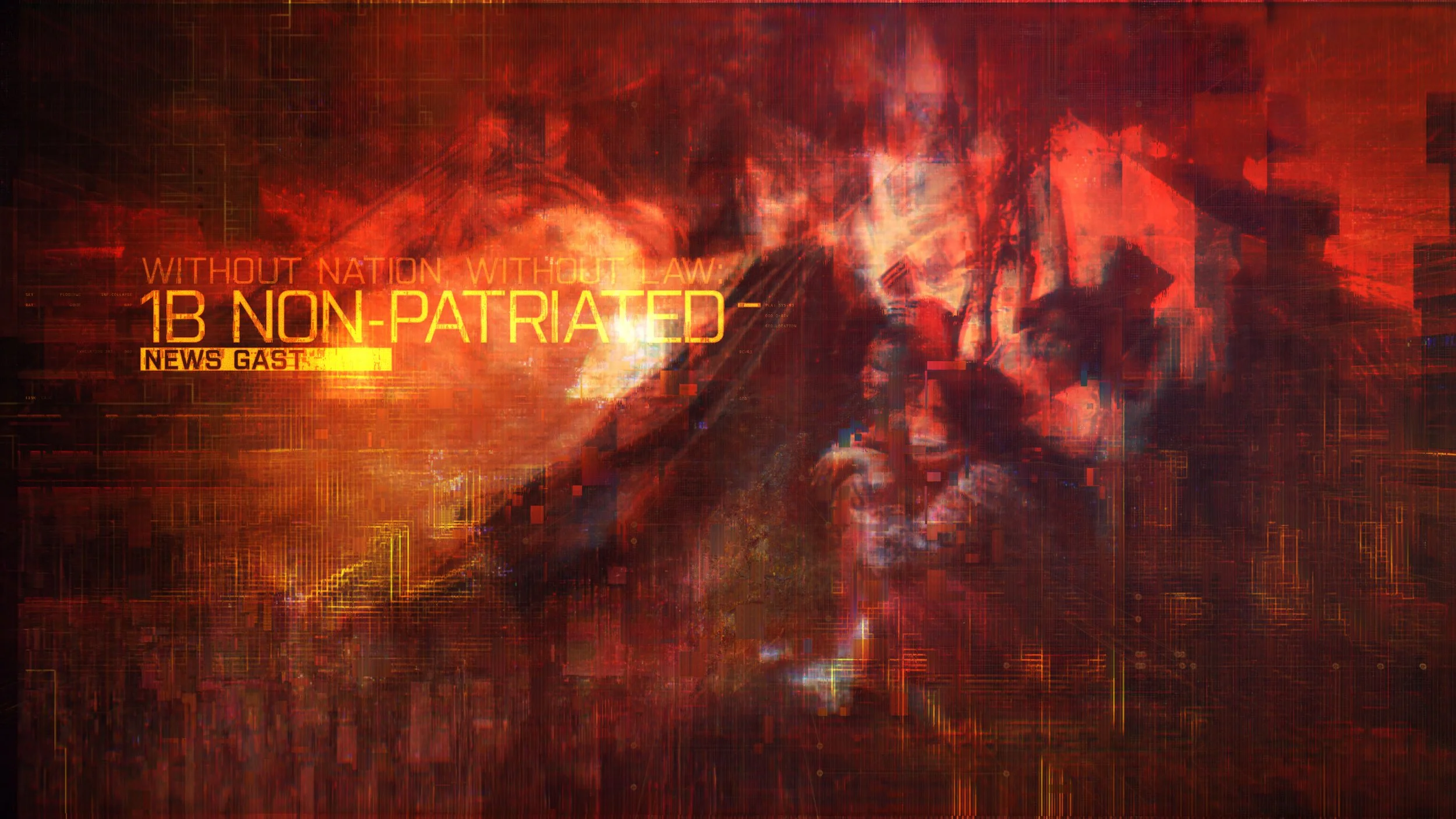
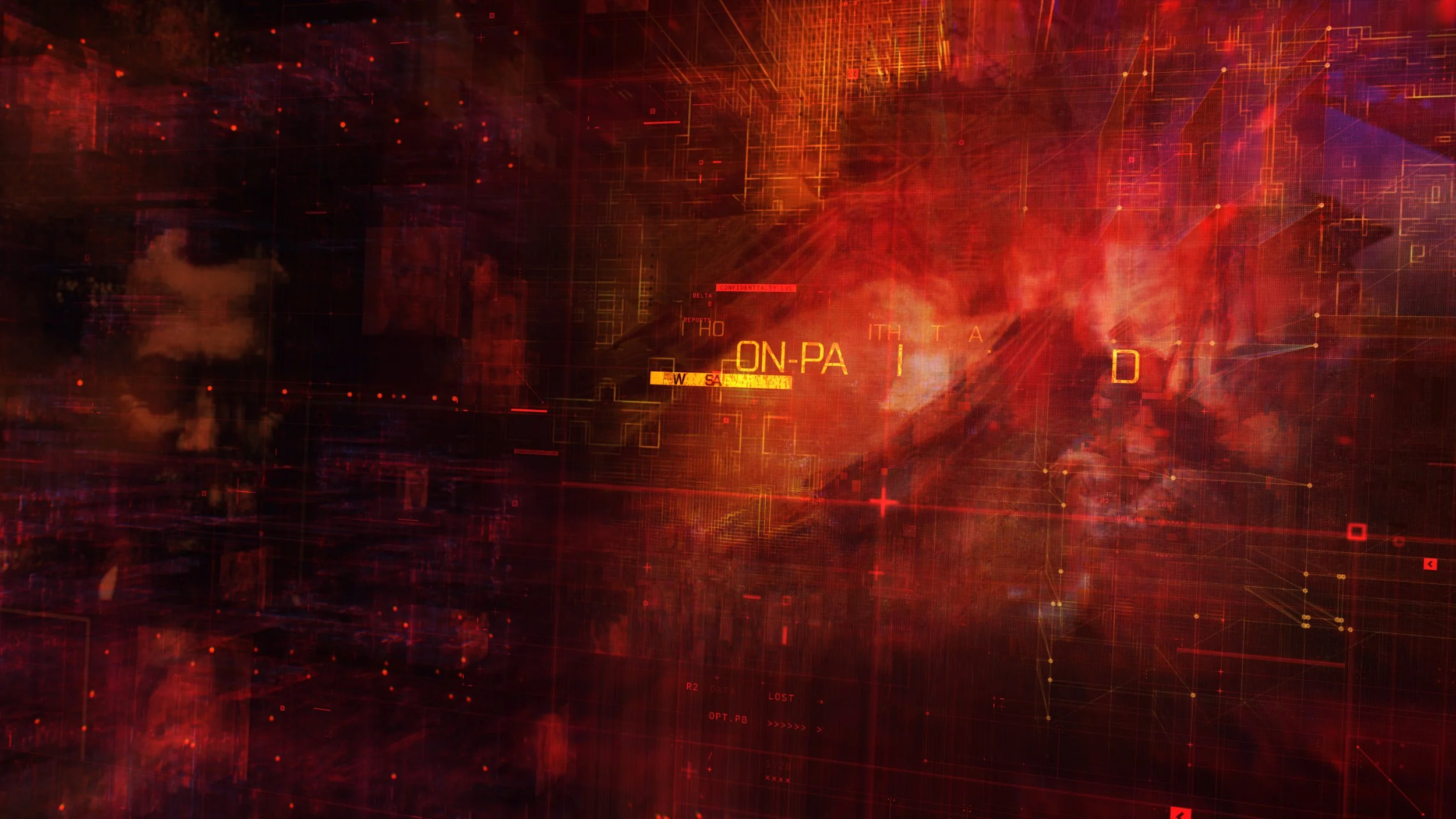
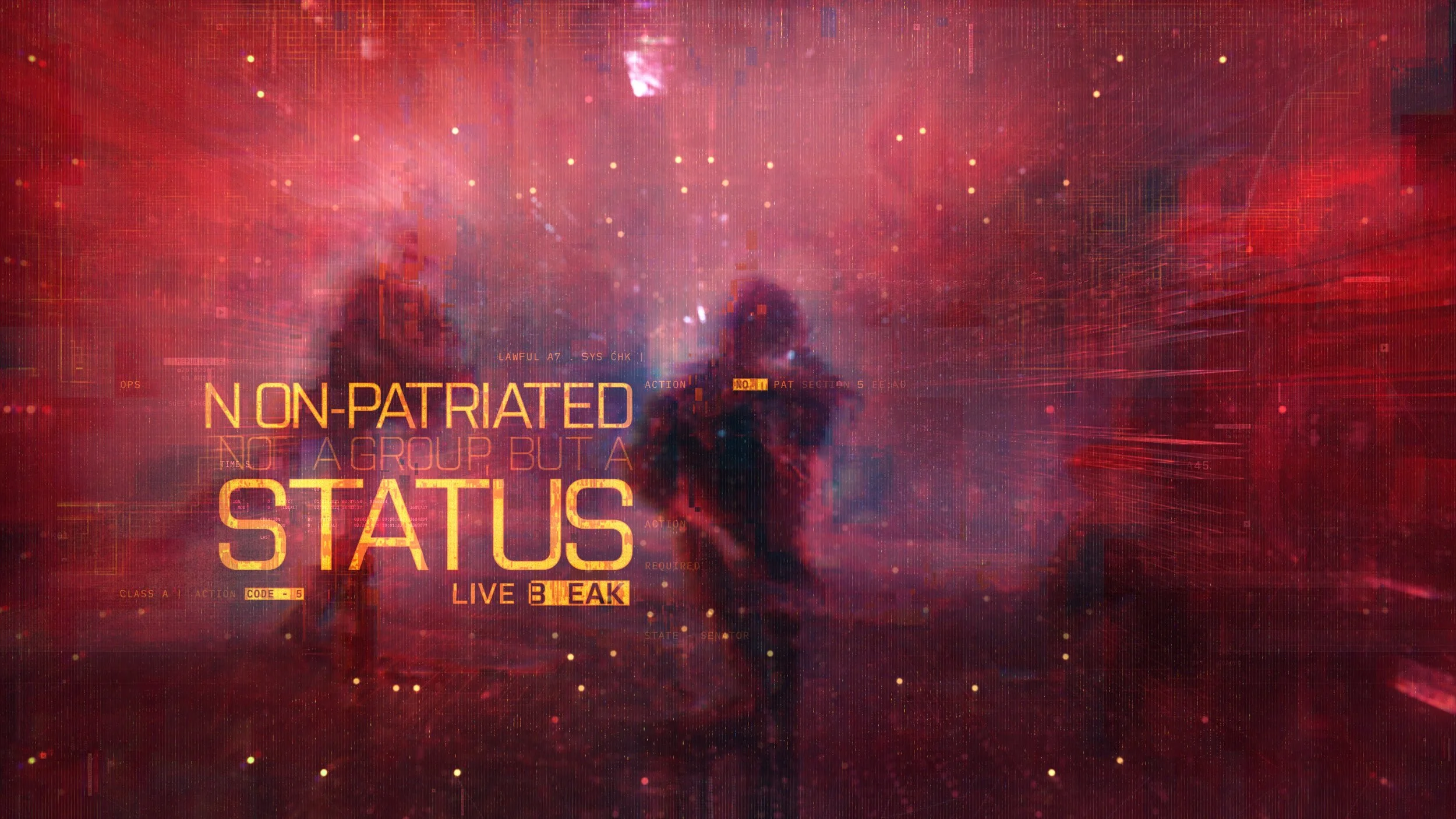
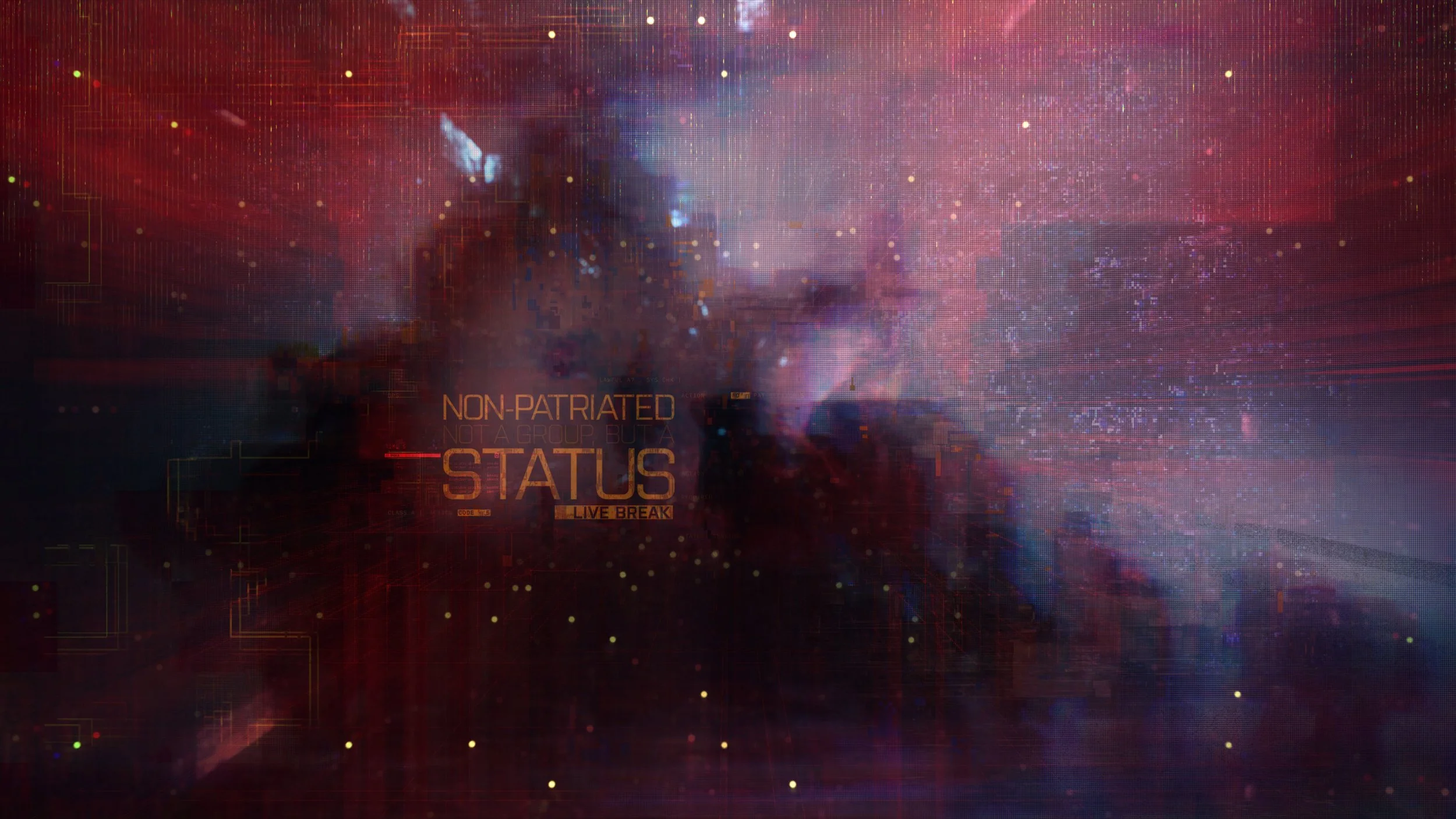
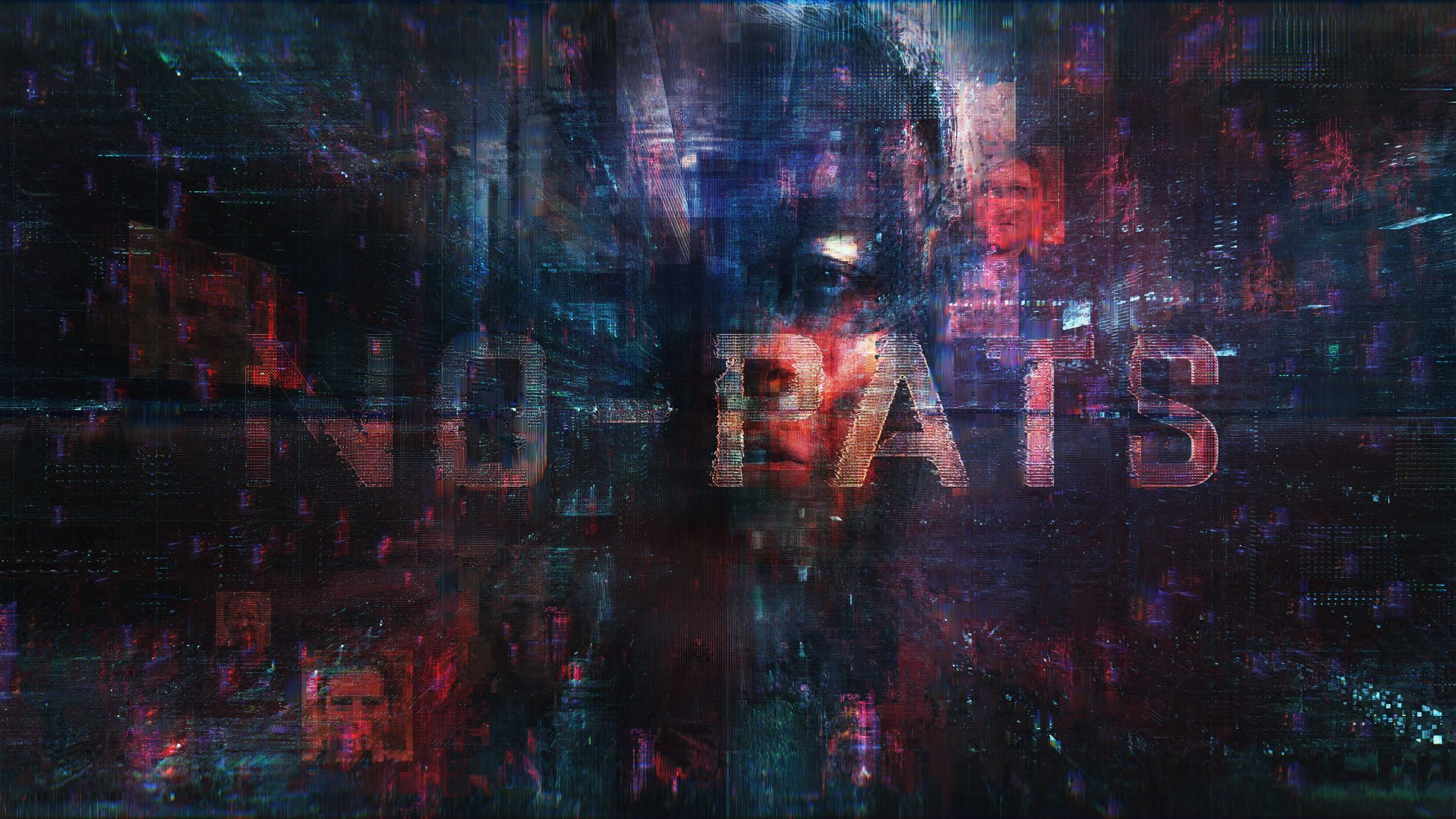
By this stage of the narrative, over a billion people have lost their homes. With borders closing and nations retreating inward, massive populations of non-patriated individuals begin to form. Among them are highly trained fighters with no national allegiance—the No-Pats.
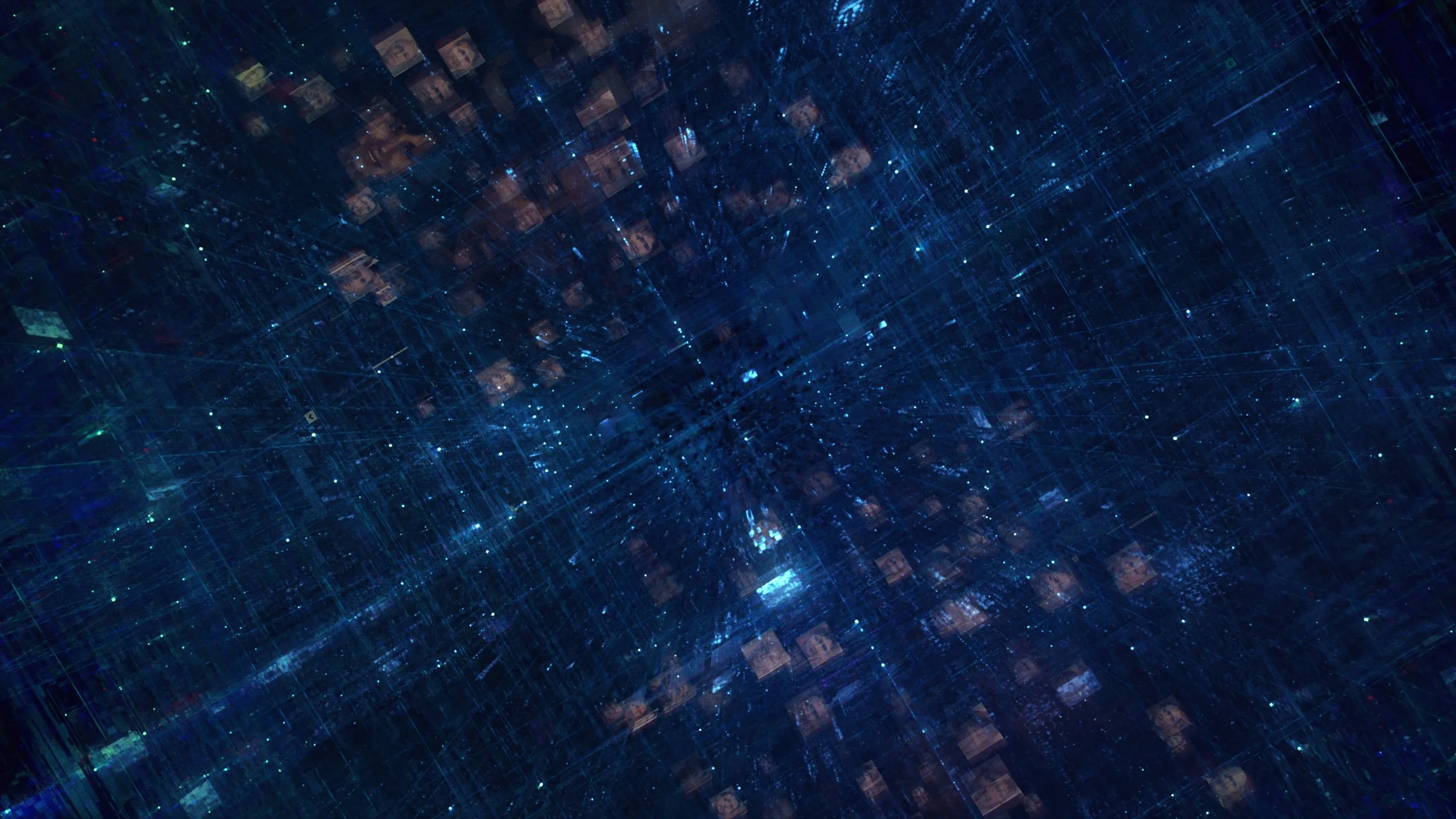
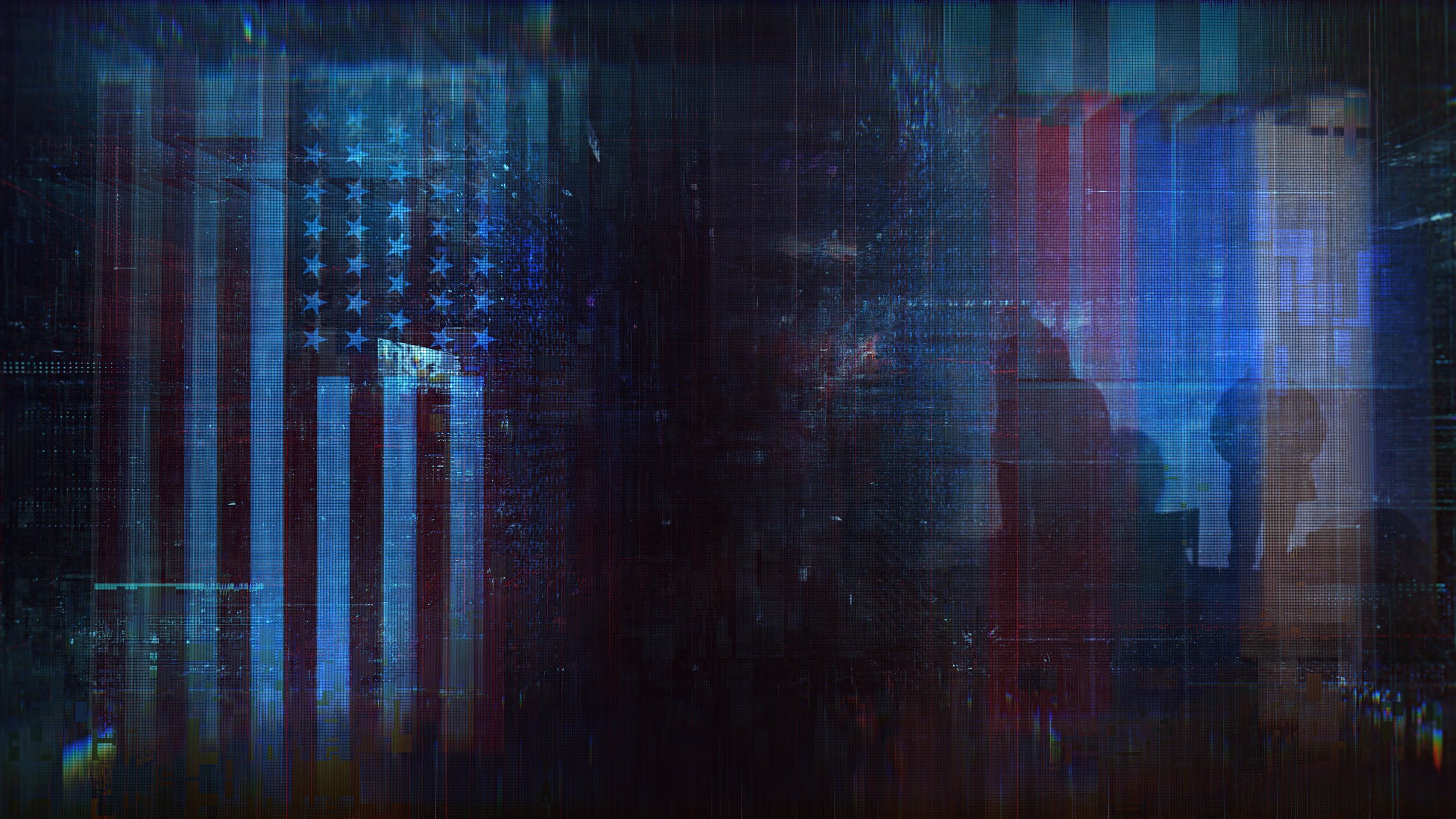
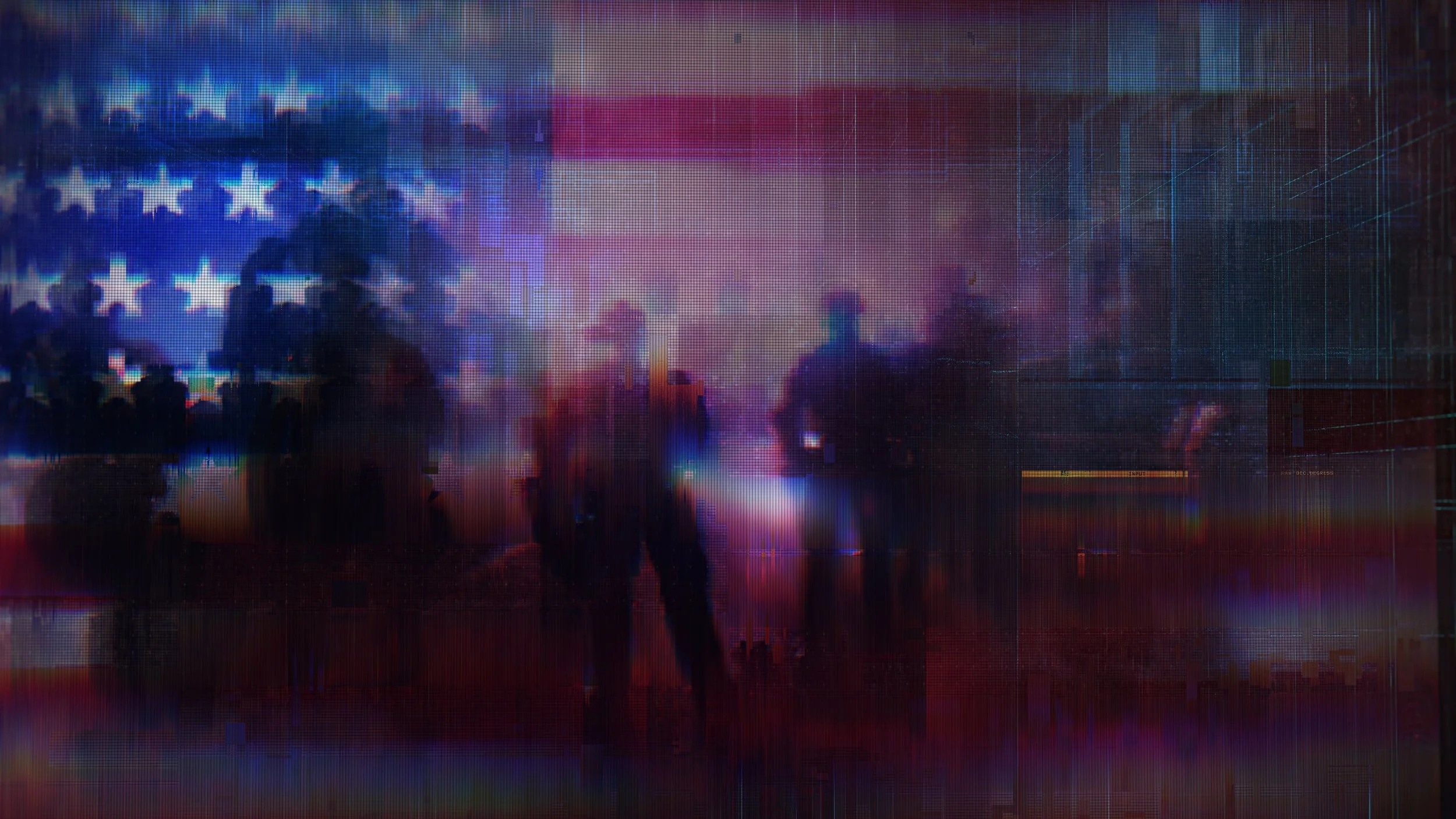
To convey scale, the film emerges once more from footage into the Network. Faces generated through AI form an expanding population, growing in number until individual identity gives way to mass. National flags appear throughout the space, gradually degrading and fragmenting as the concept of nationhood erodes.
01.6 A GLOBAL BLACKOUT
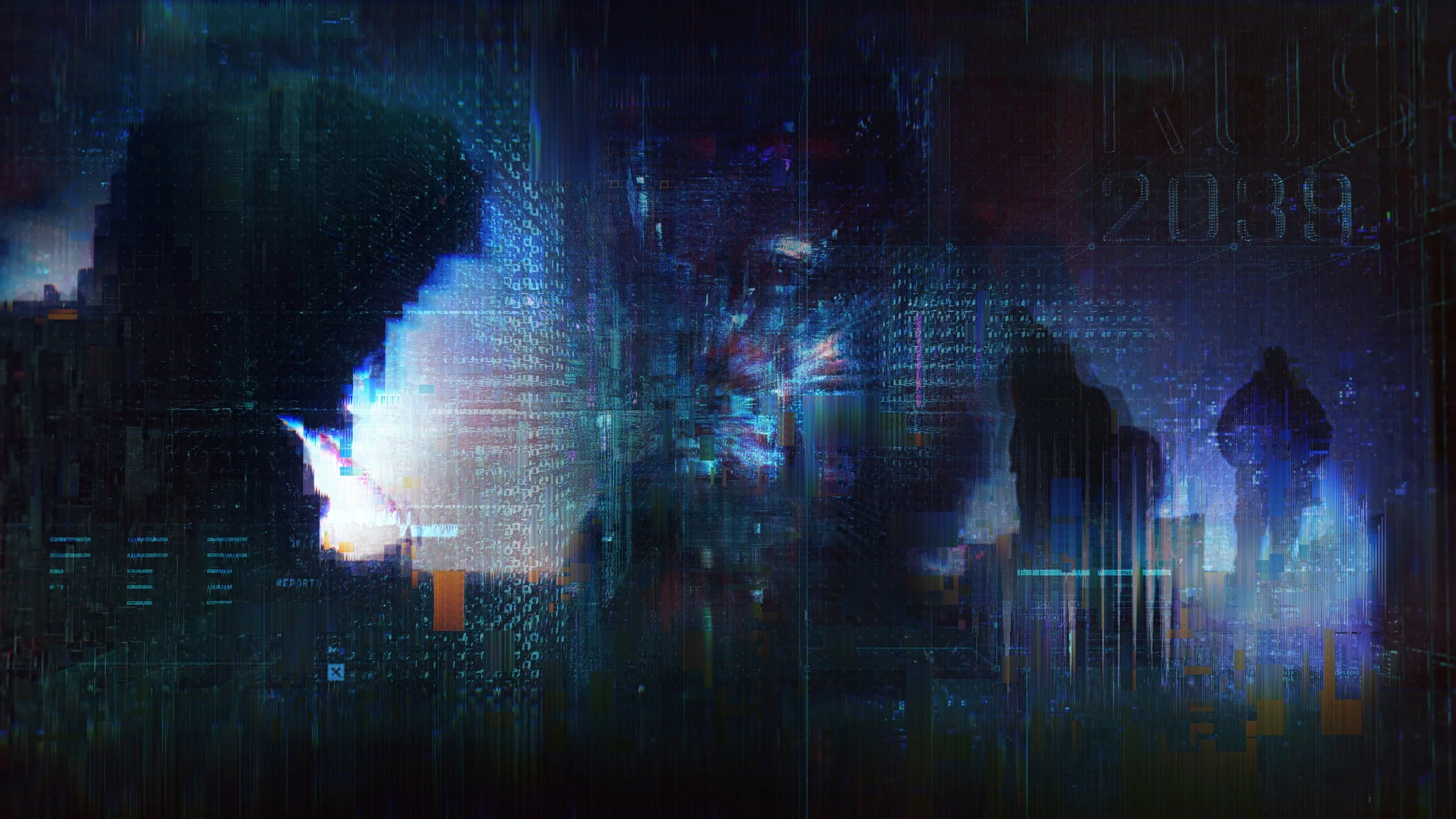
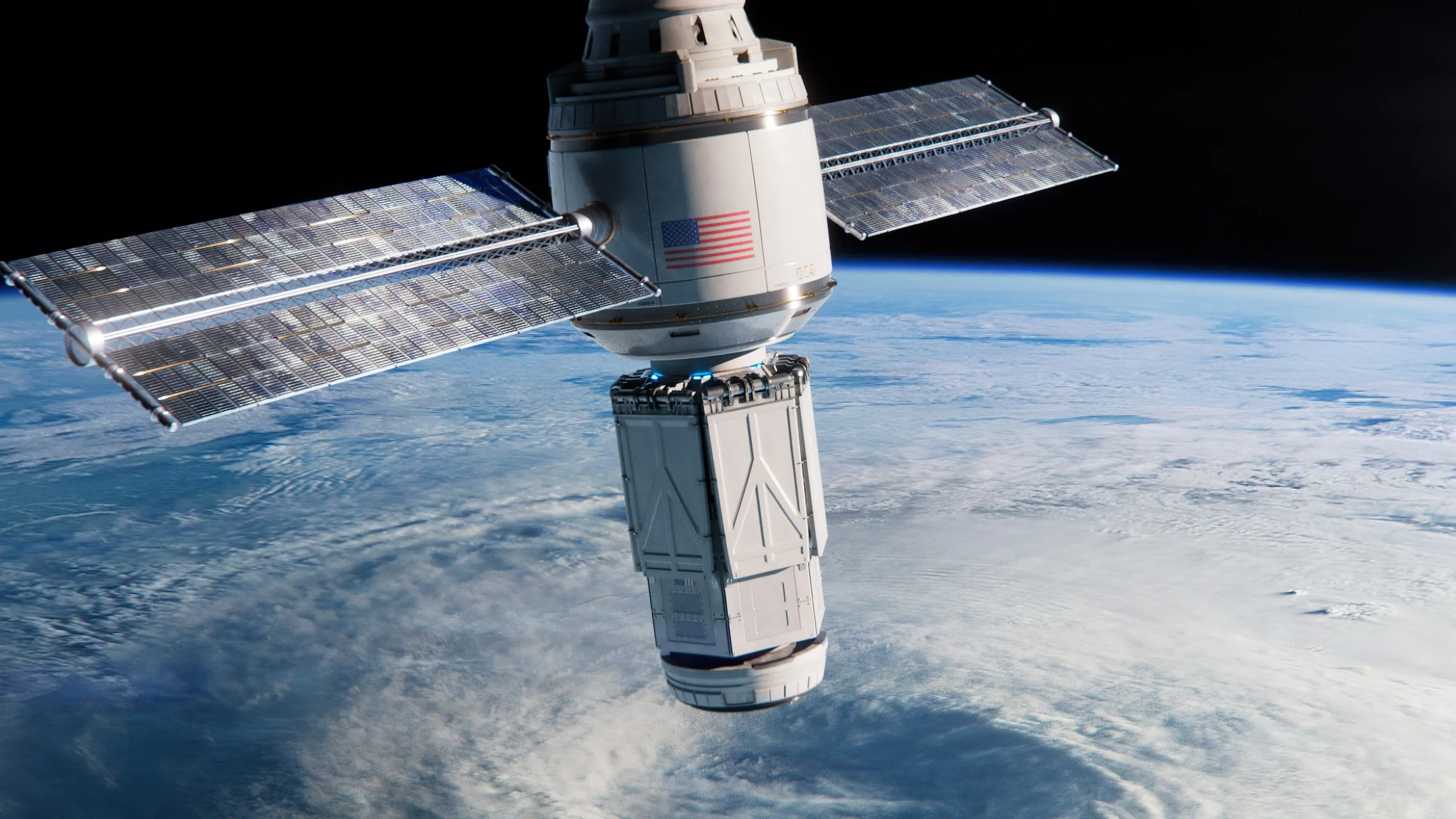
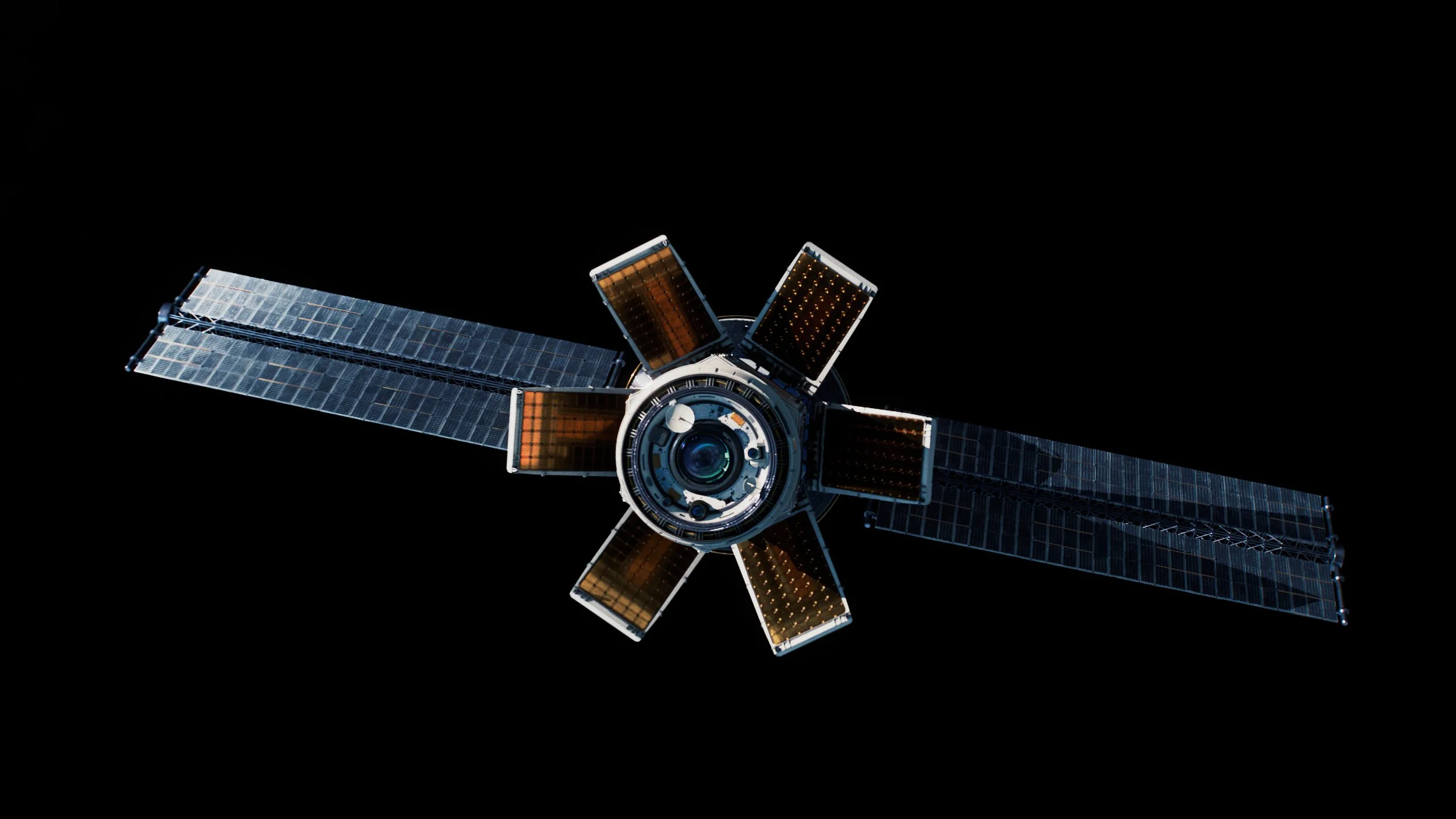
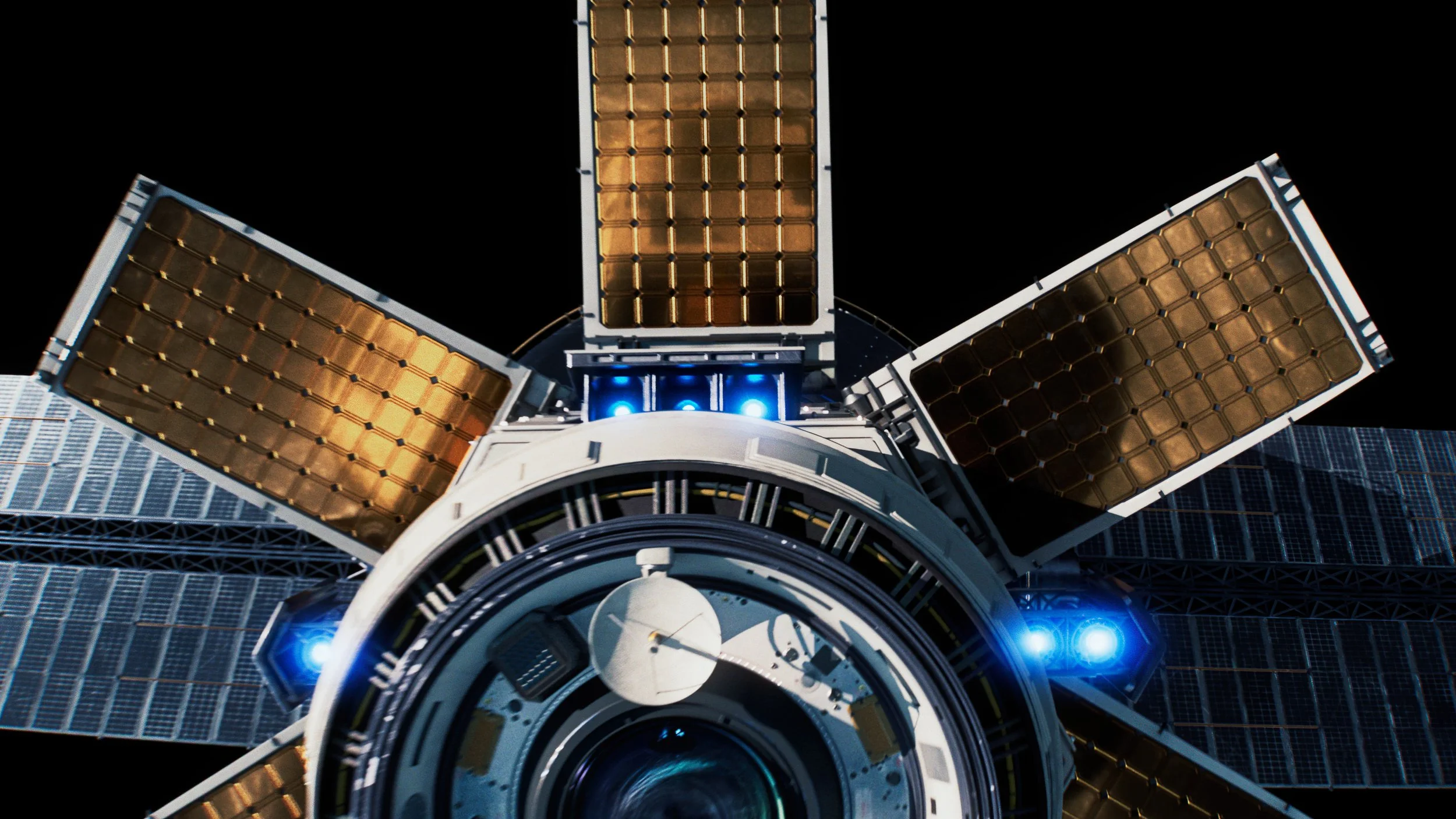
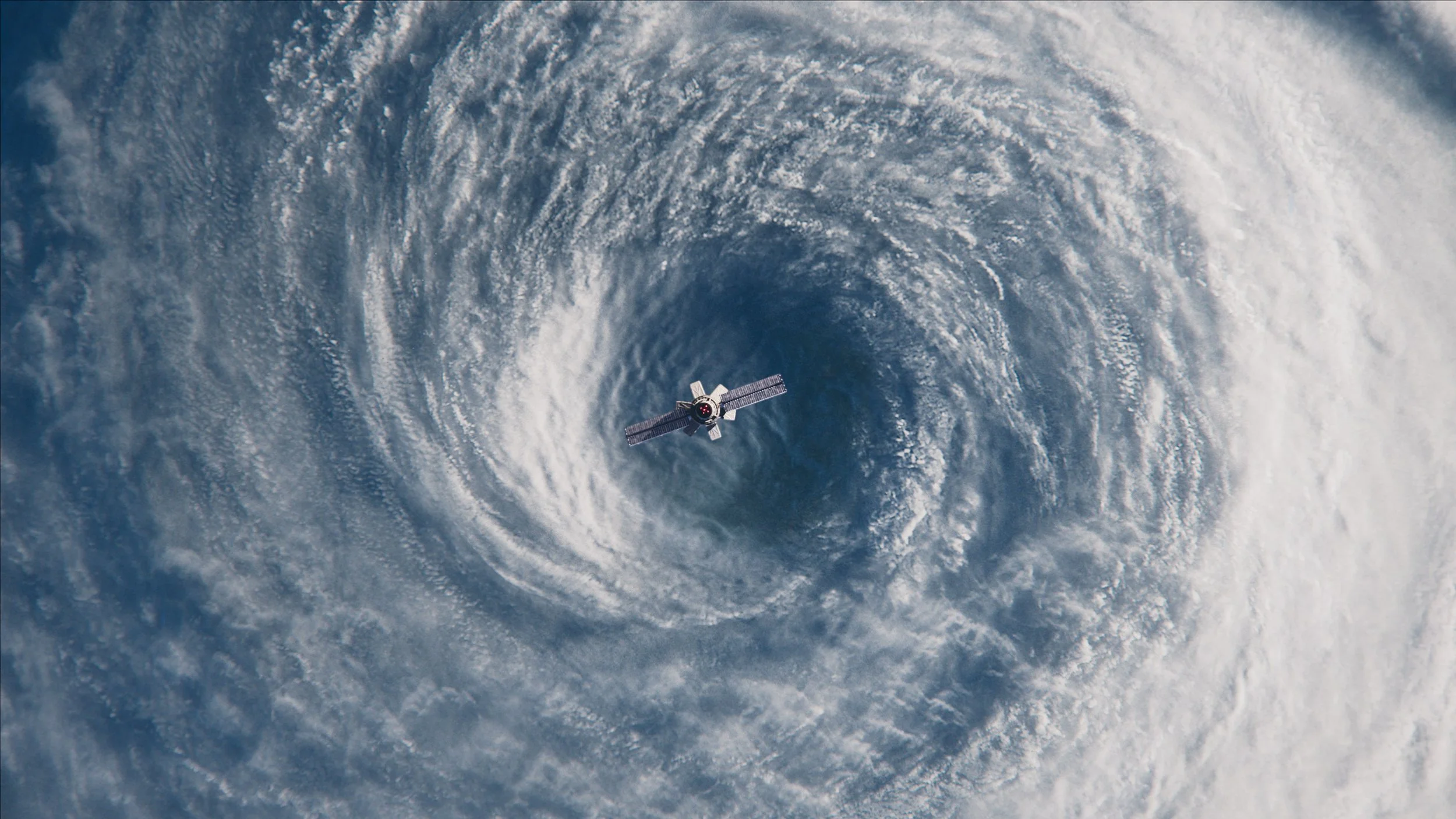
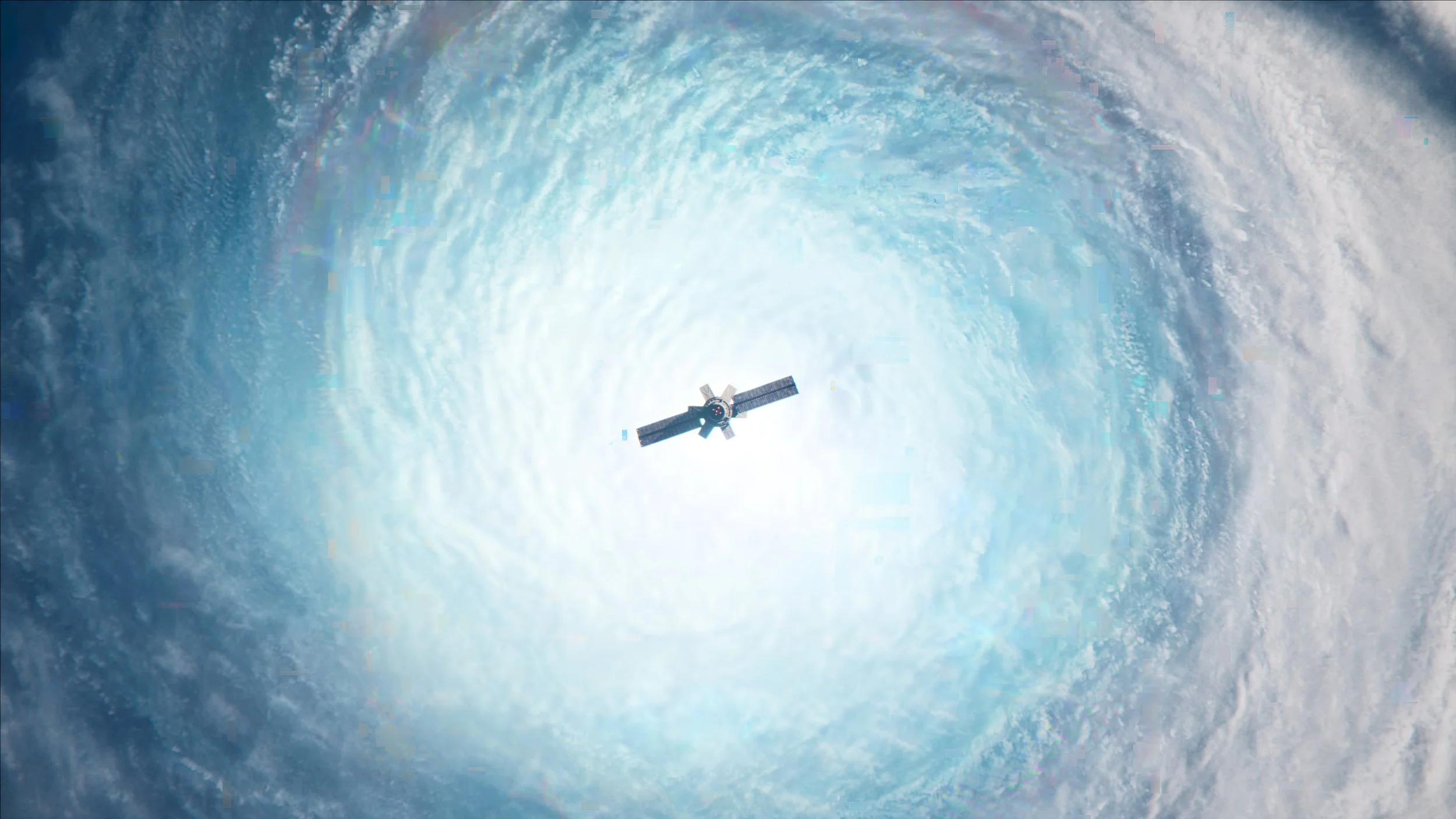
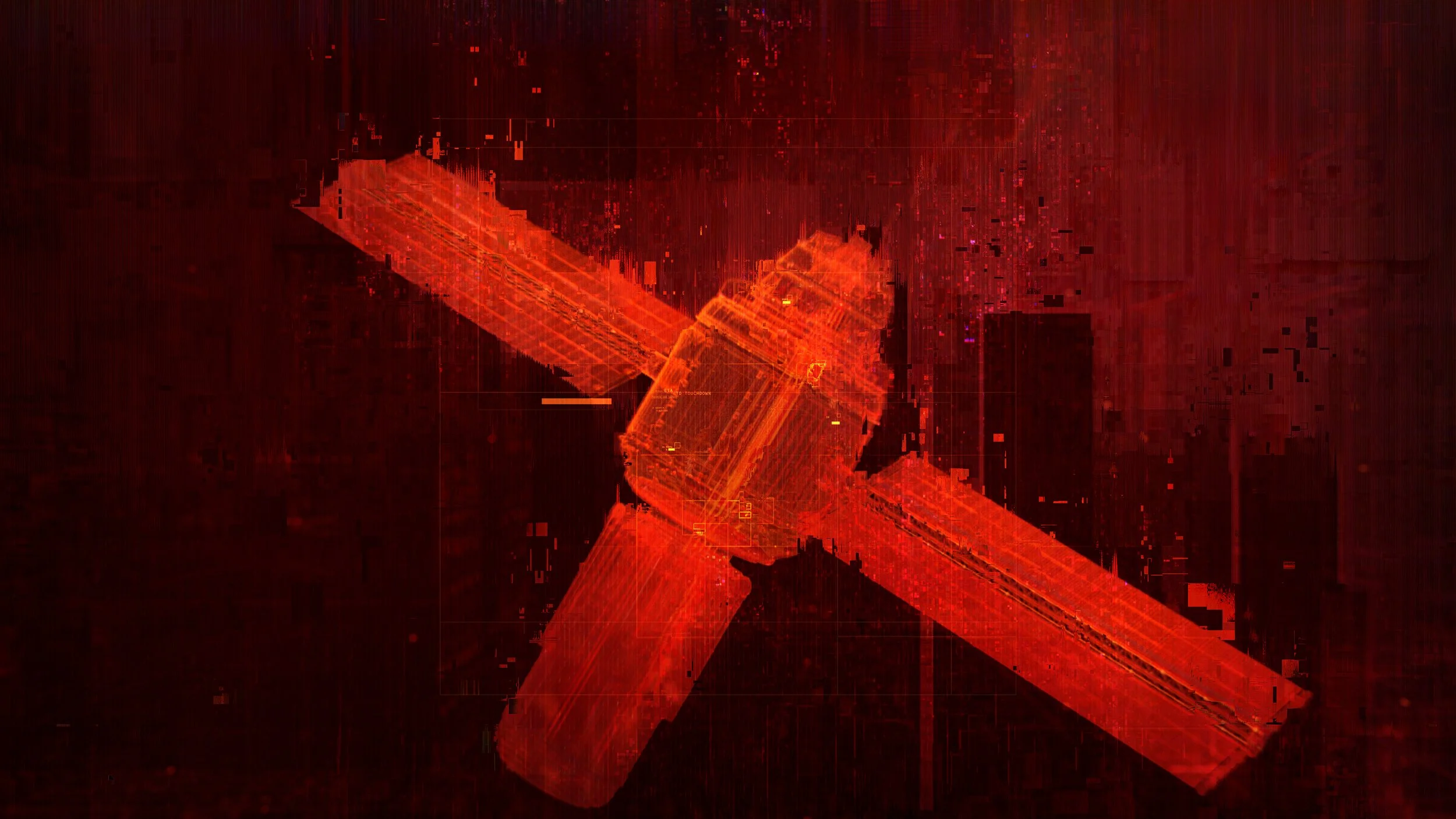
The satellite re-enters focus as it drifts toward a massive hurricane off the eastern coast of the United States. As it approaches the storm’s eye, the satellite begins to transform, revealing a concealed internal mechanism. A malfunction triggers a powerful electronic discharge, abruptly severing the image. The satellite’s function and origin are intentionally left unresolved, to be expanded upon in future narrative releases.
01.7 NETWORK OFFLINE
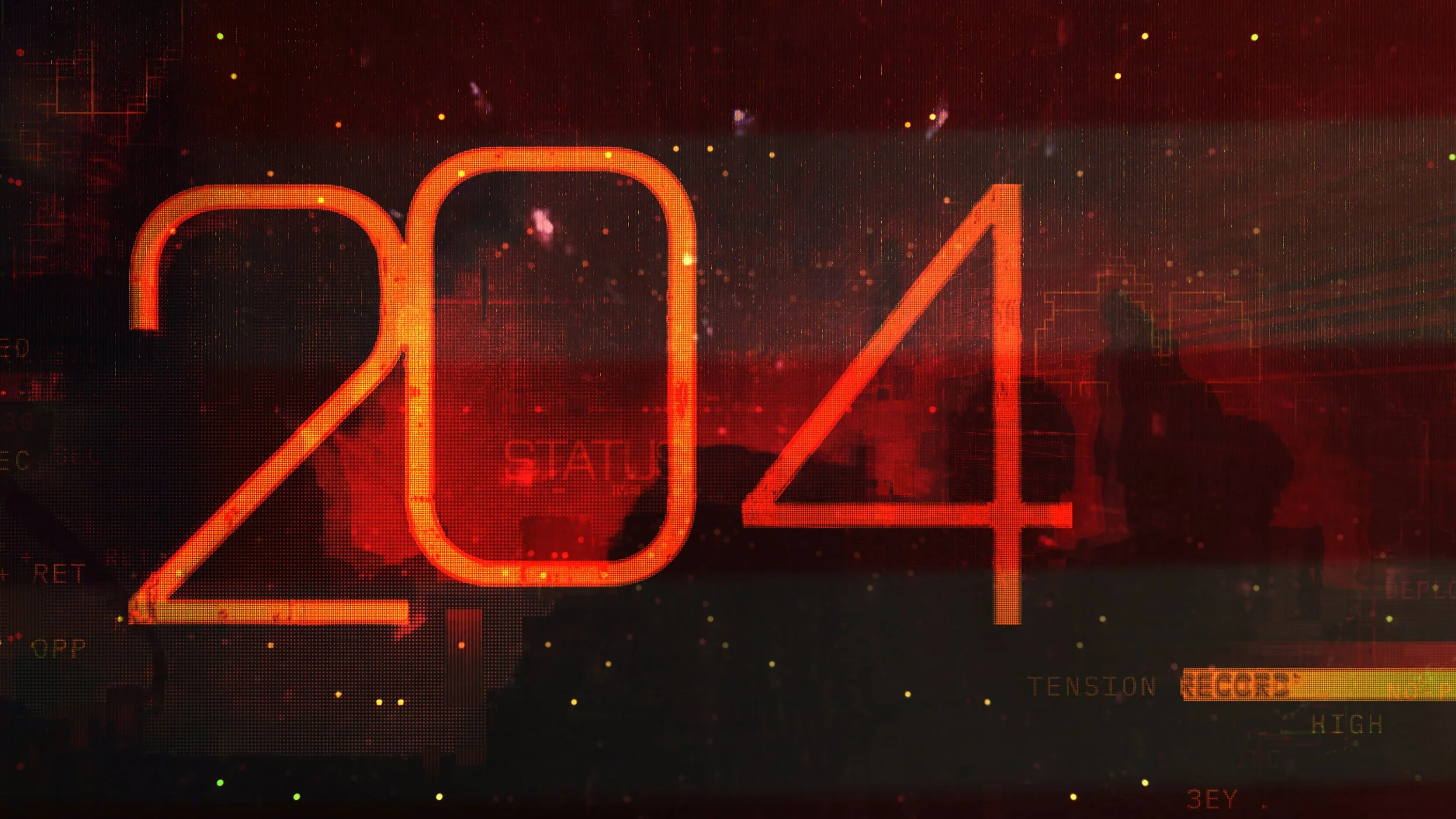
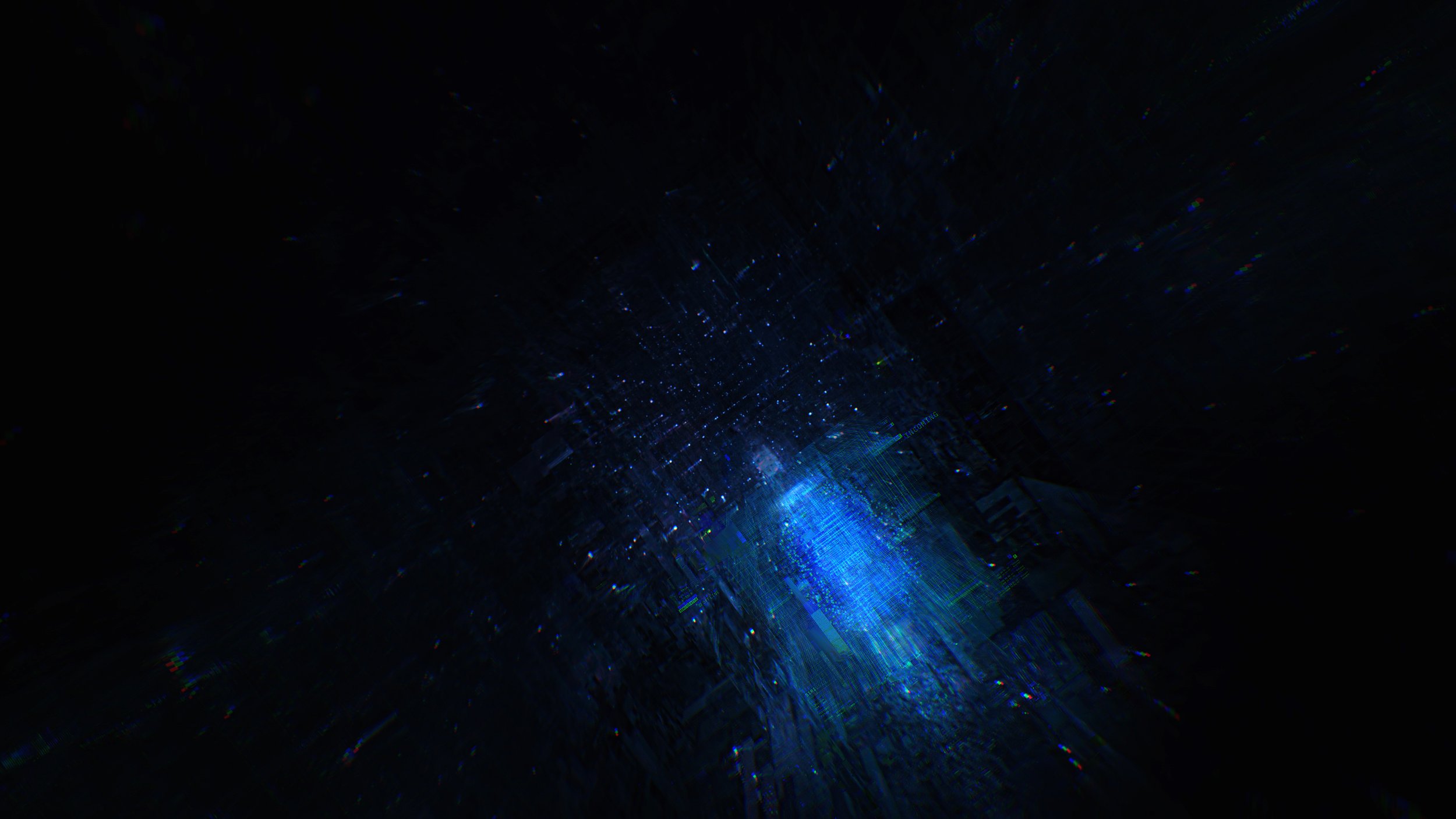
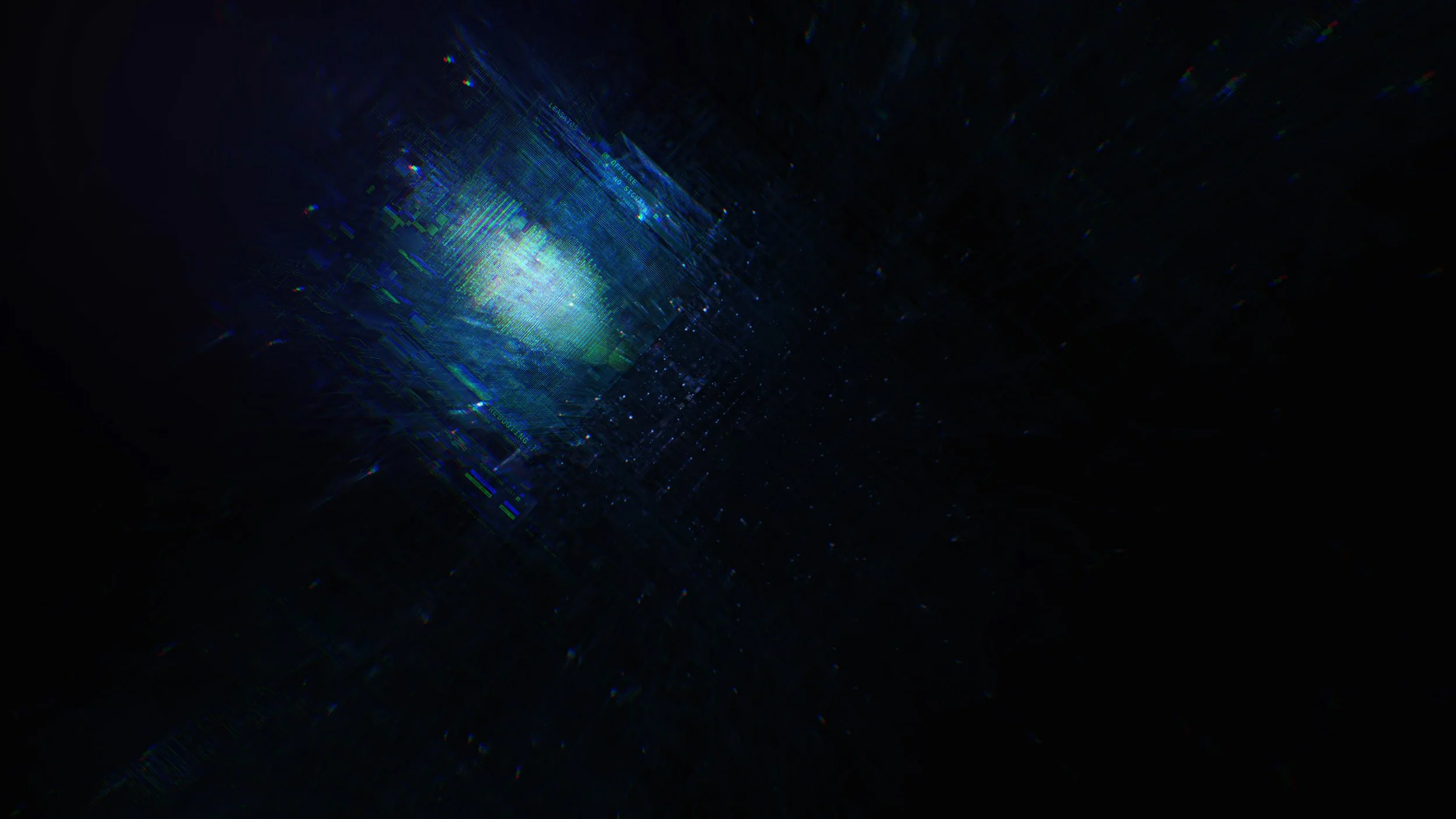
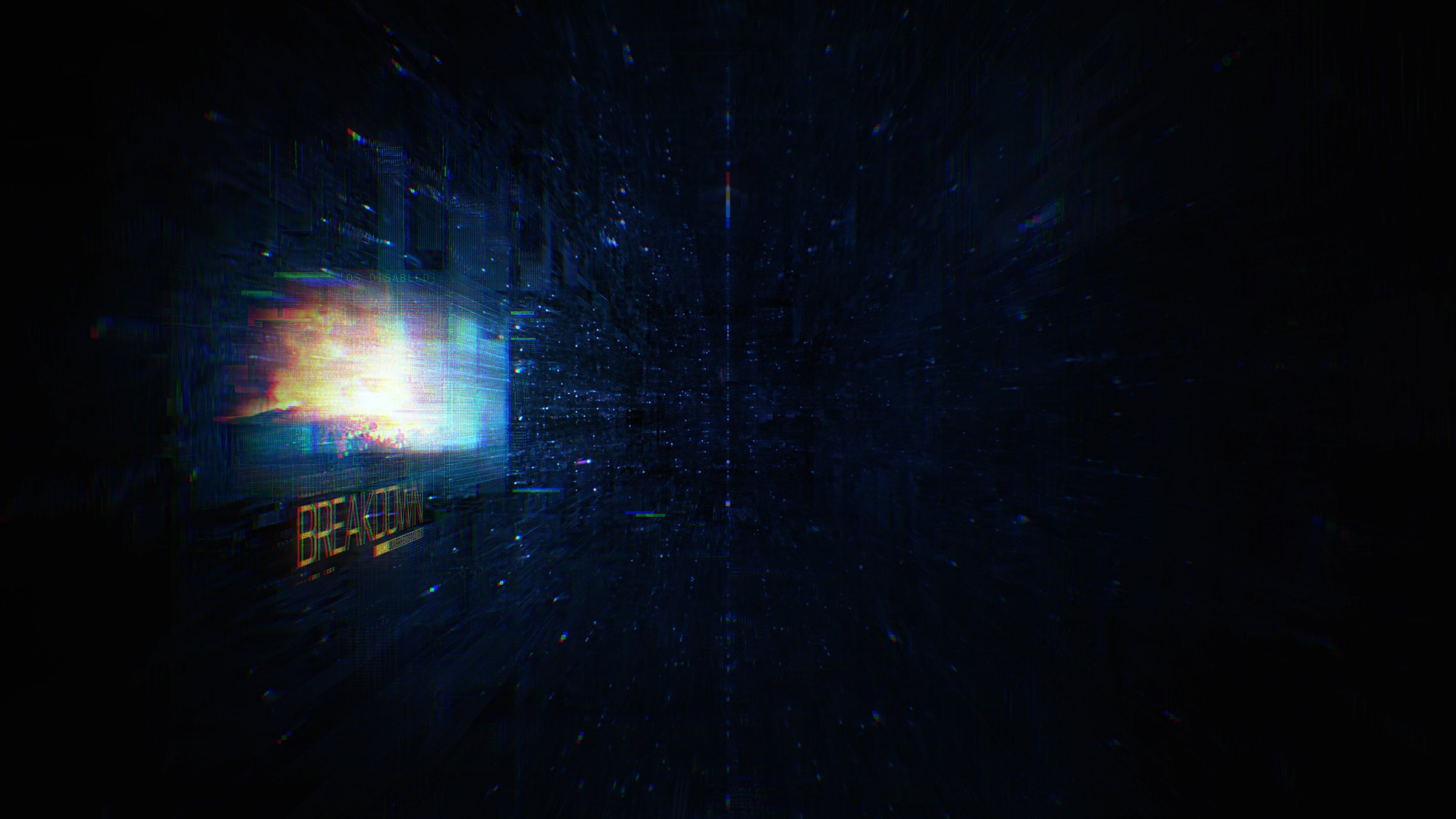
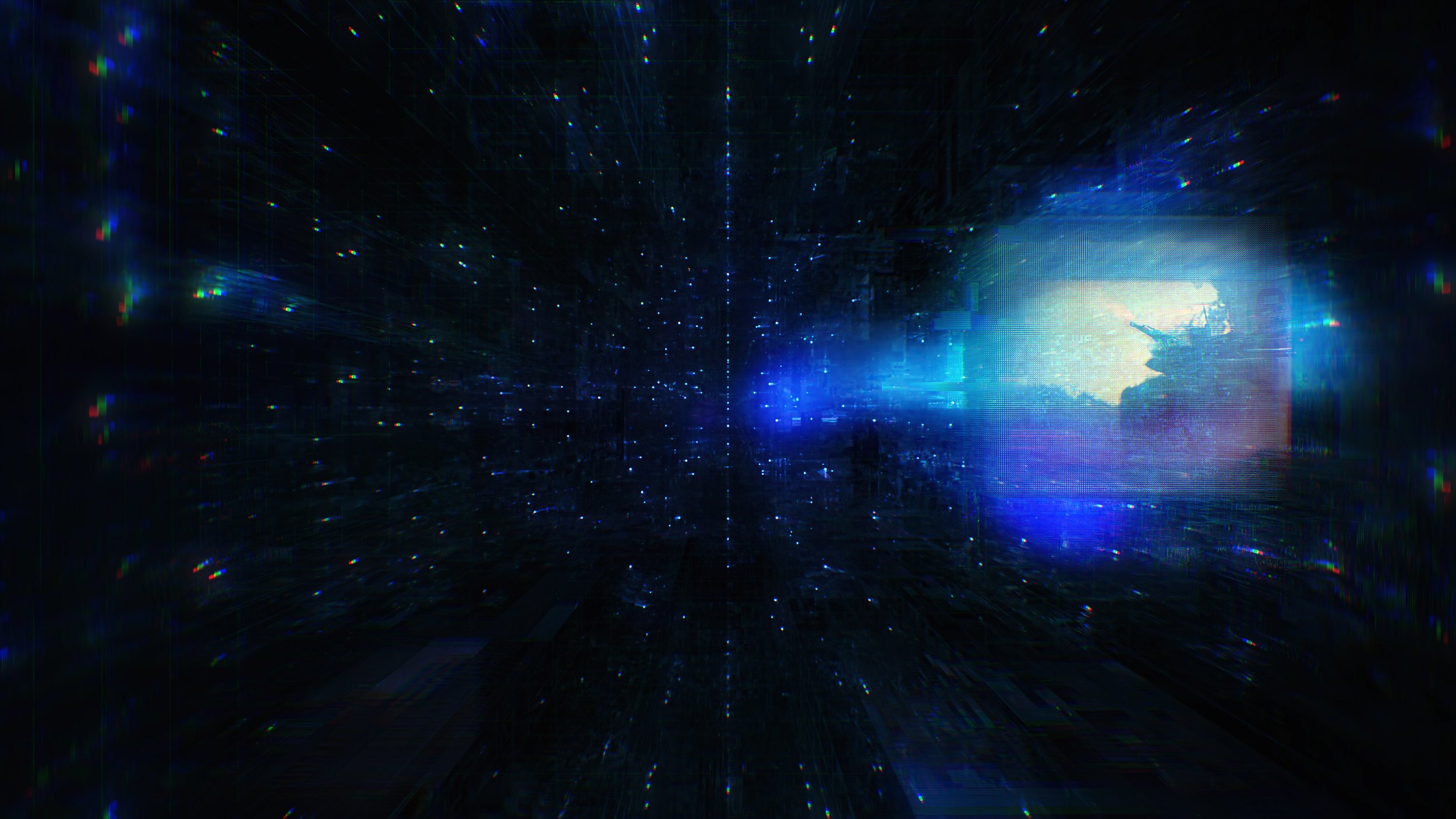
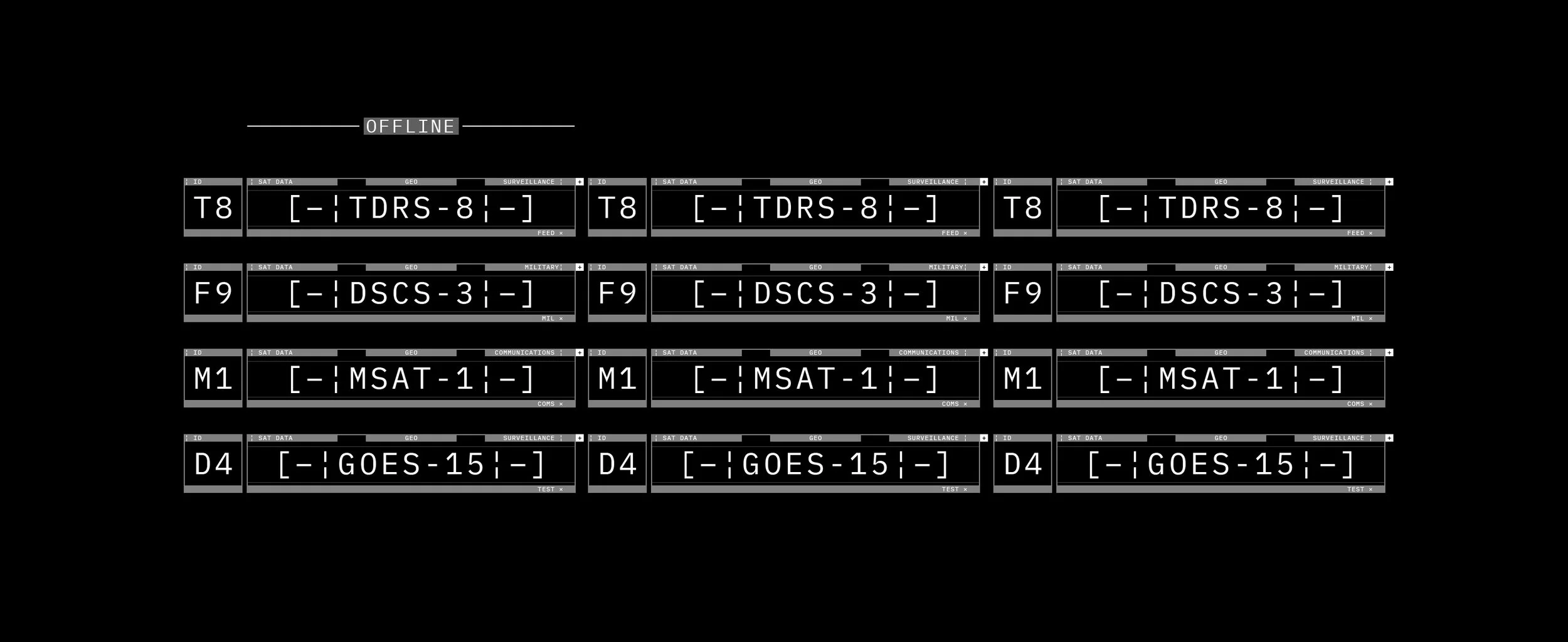
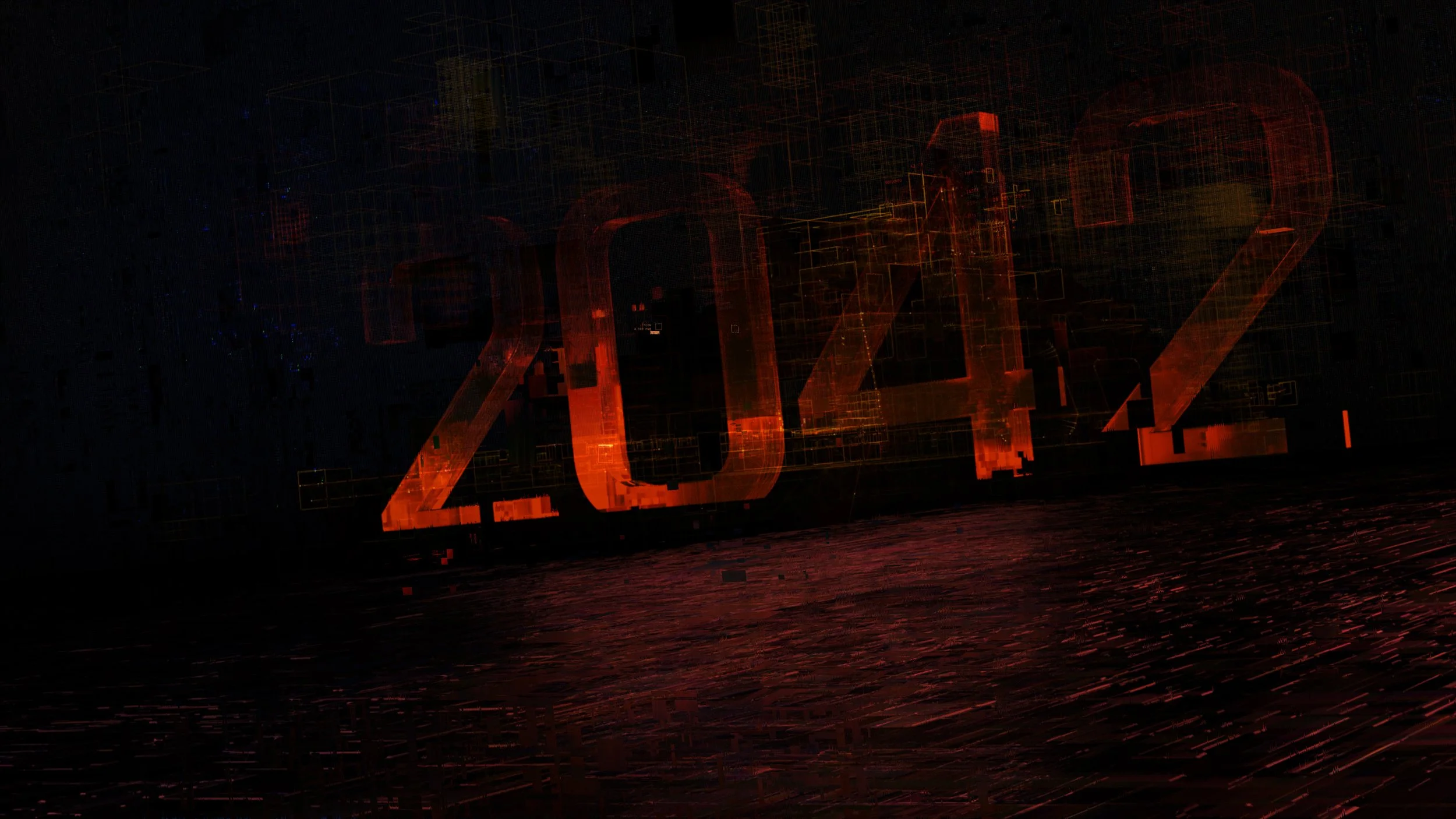
Within minutes, the majority of Earth’s satellites are lost. Communication collapses, and the global information infrastructure goes dark. In the absence of visibility, geopolitical tension escalates rapidly as the remaining superpowers act on incomplete information.
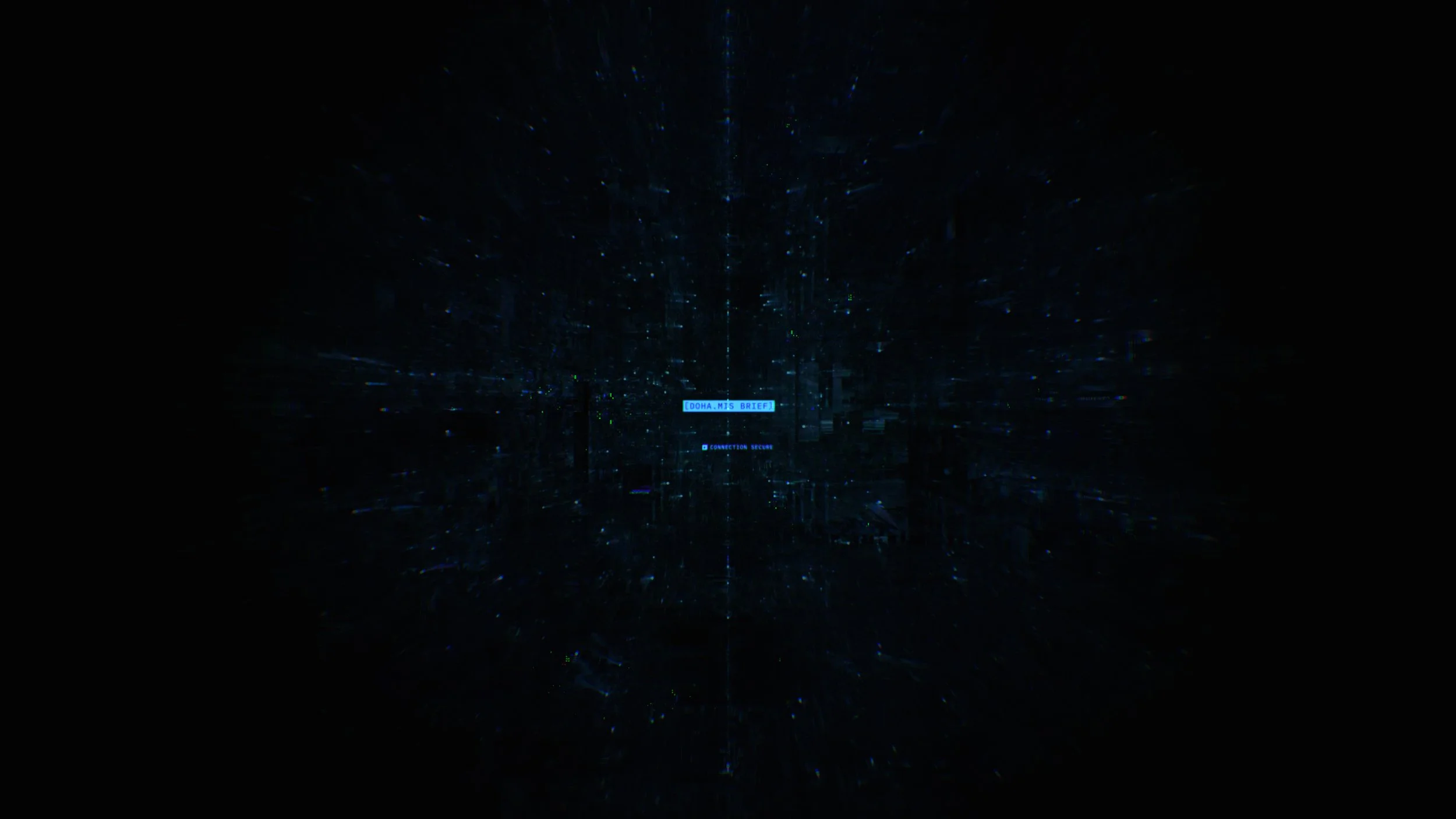
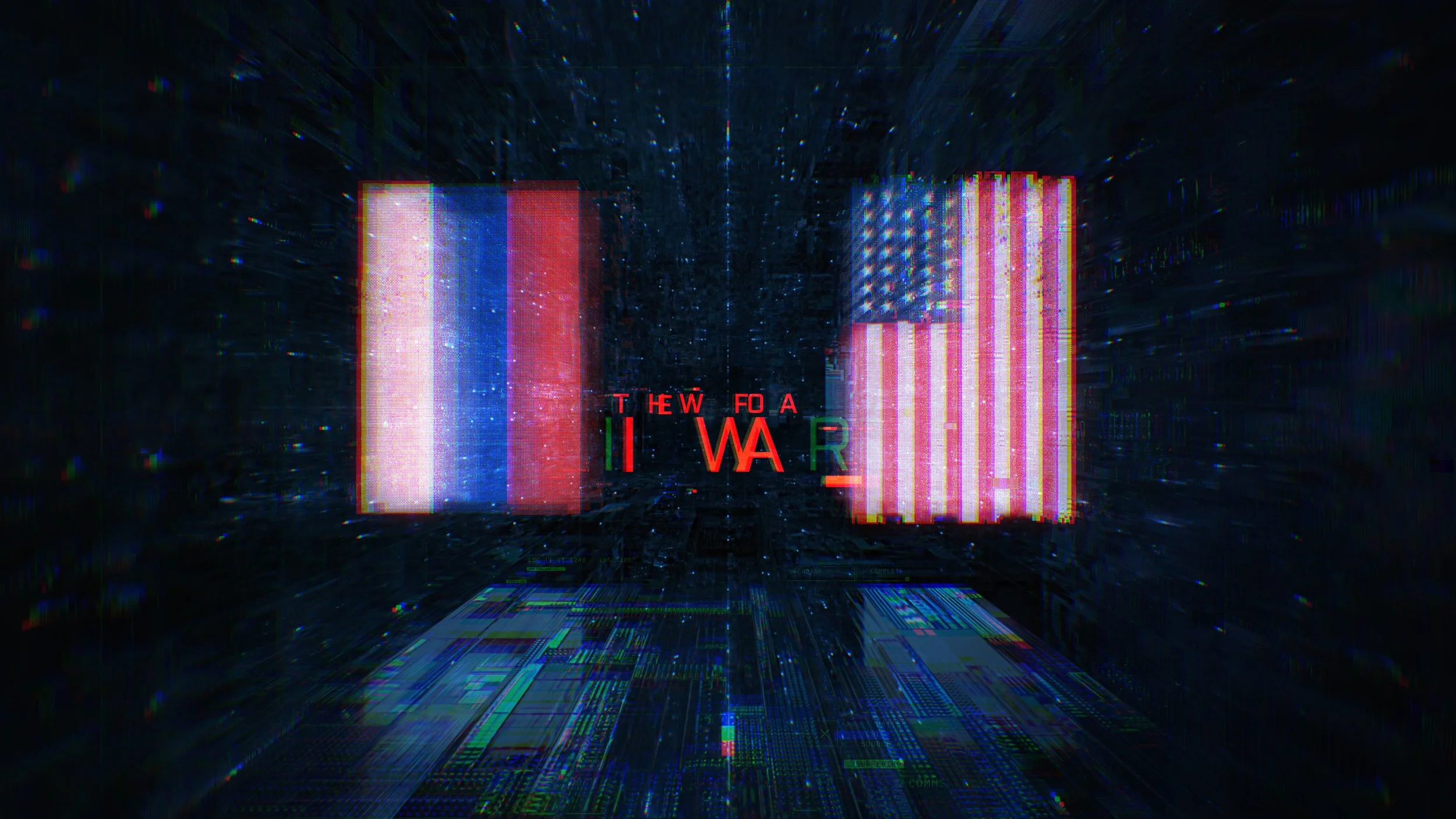
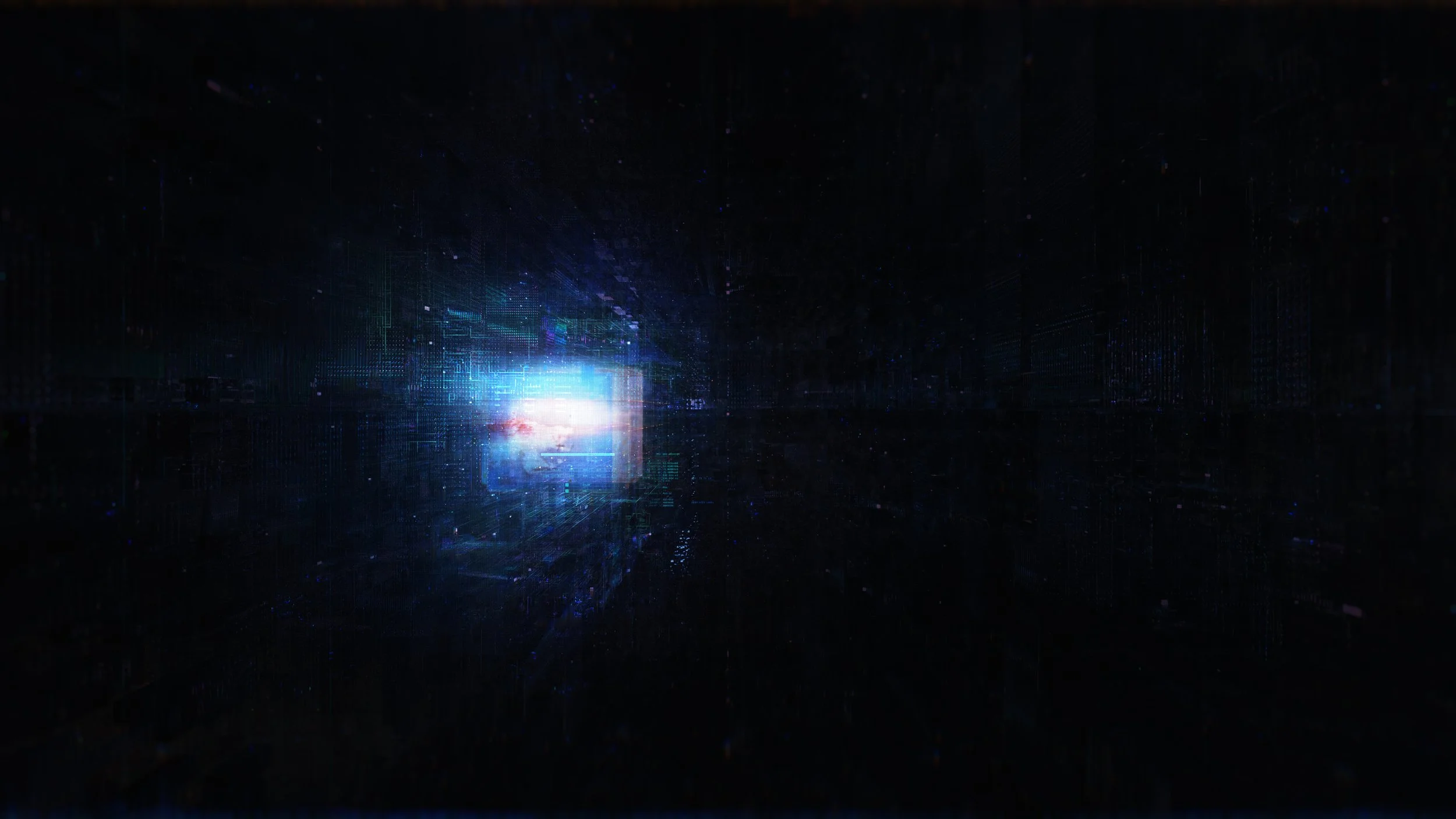
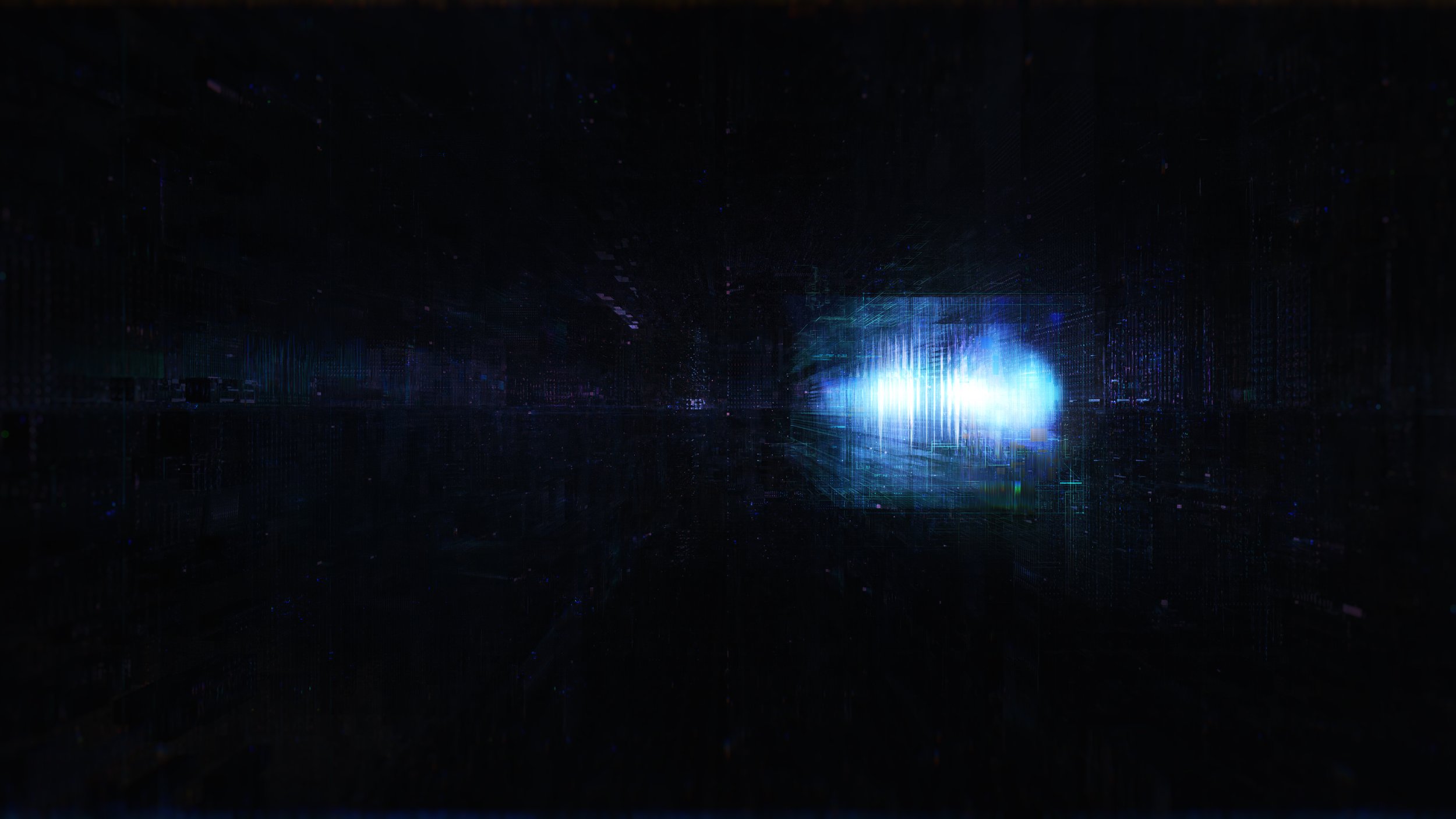
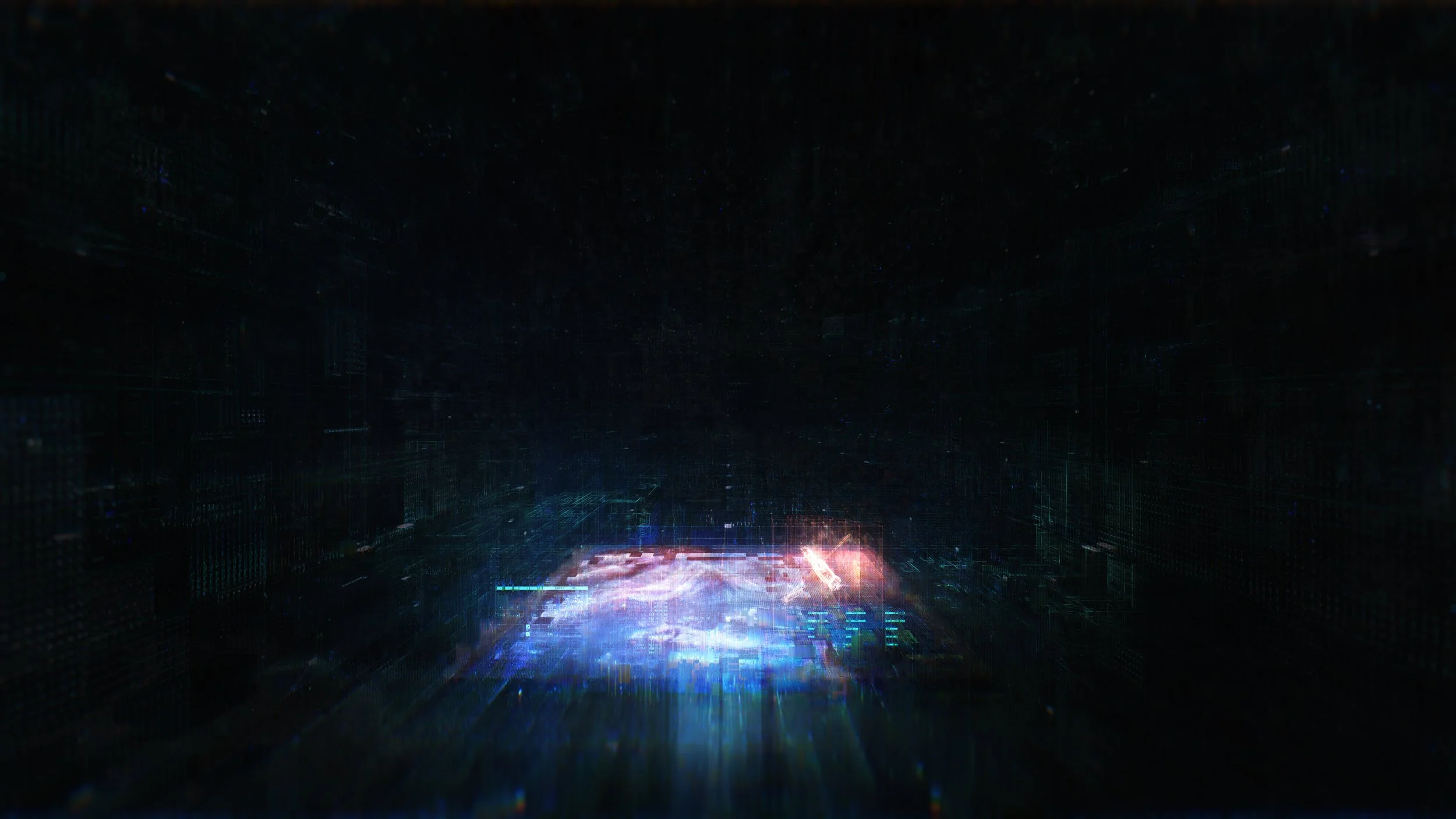
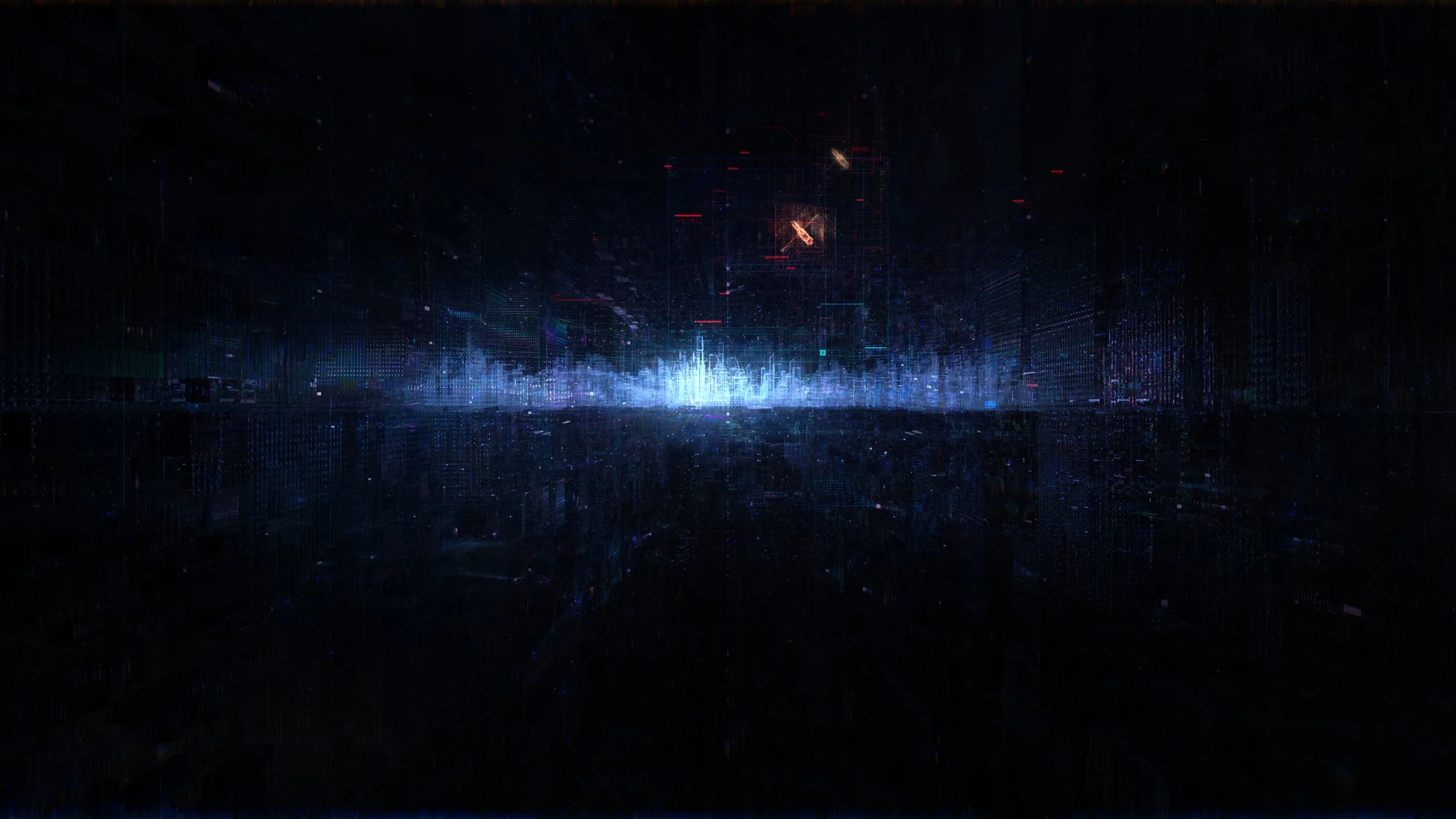
The Network returns in darkness. As it attempts to restart, individual voxels flicker back to life in isolation, synchronized with fragmented news audio that outlines the scale of the catastrophe. The camera advances through the void as conflict between the United States and Russia begins to surface.
01.8 MISSION BRIEFING
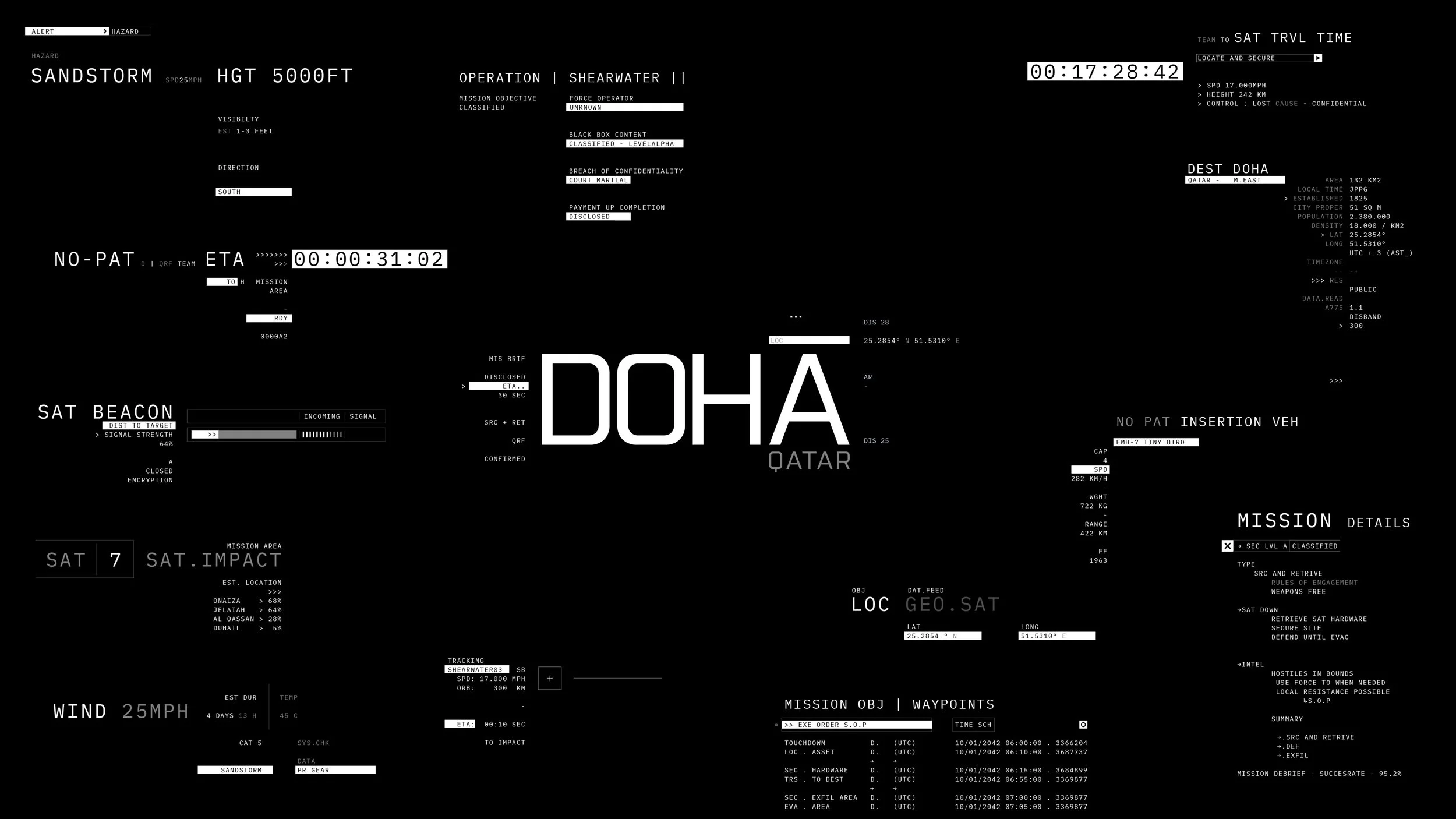
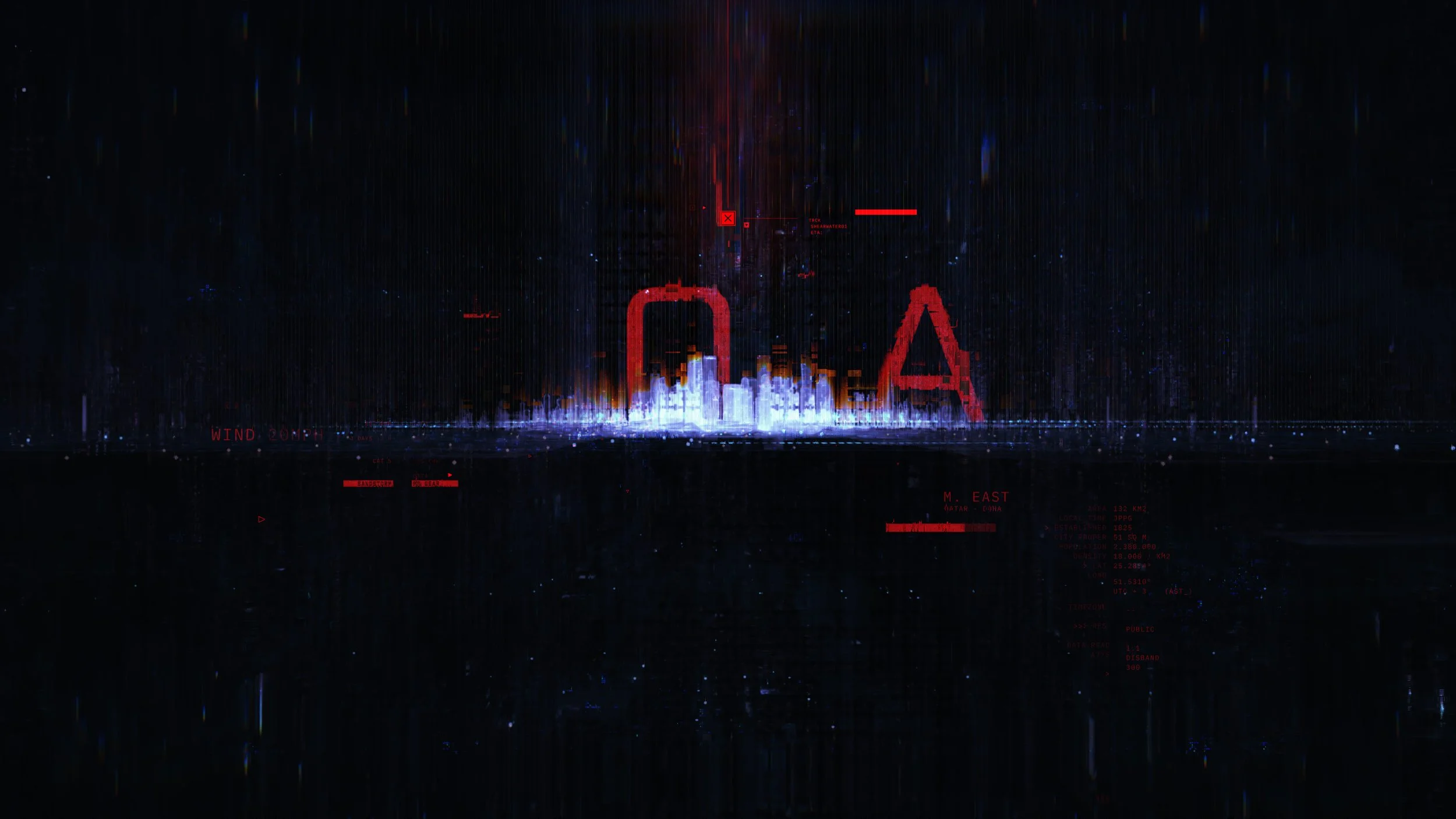
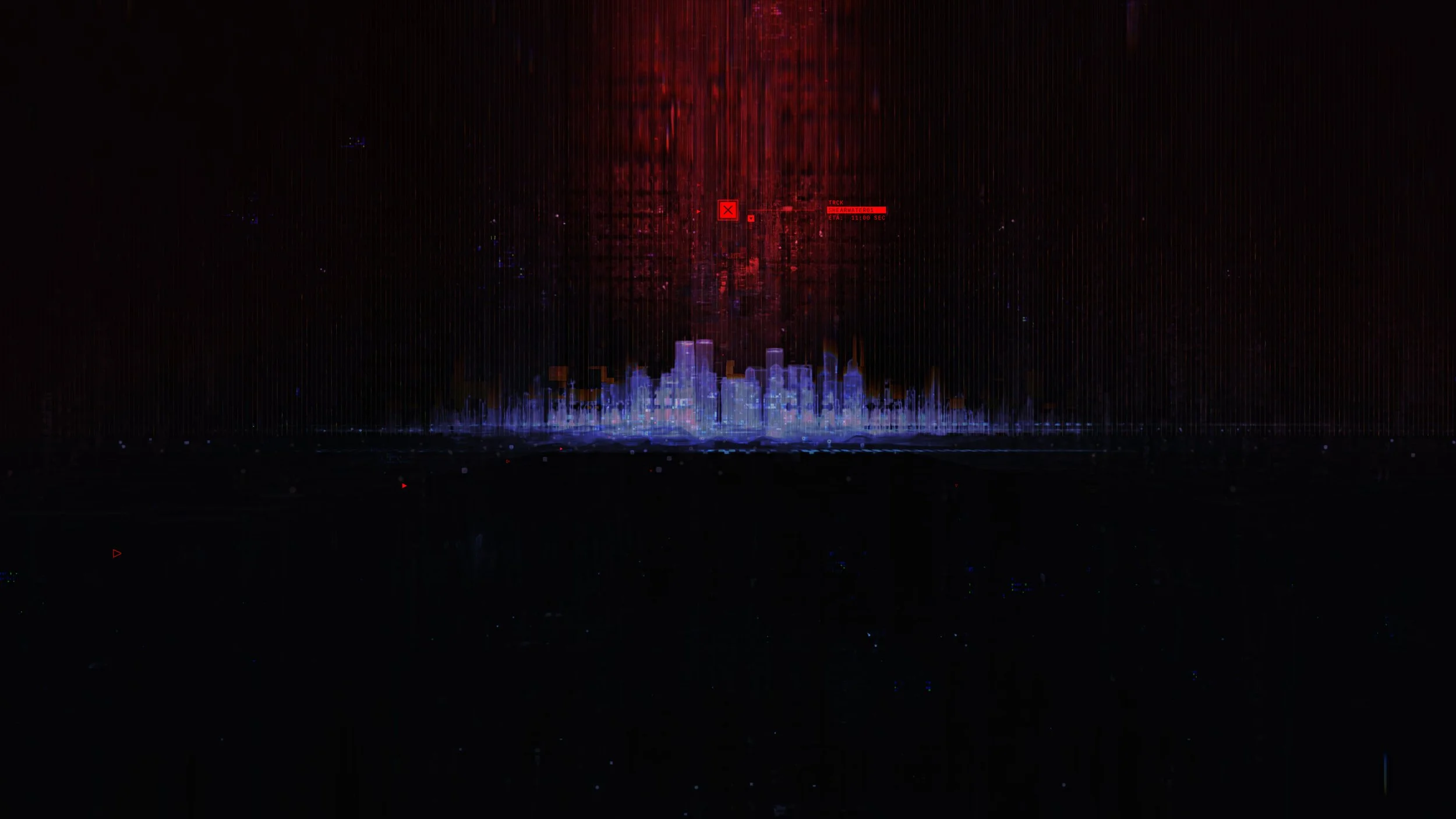
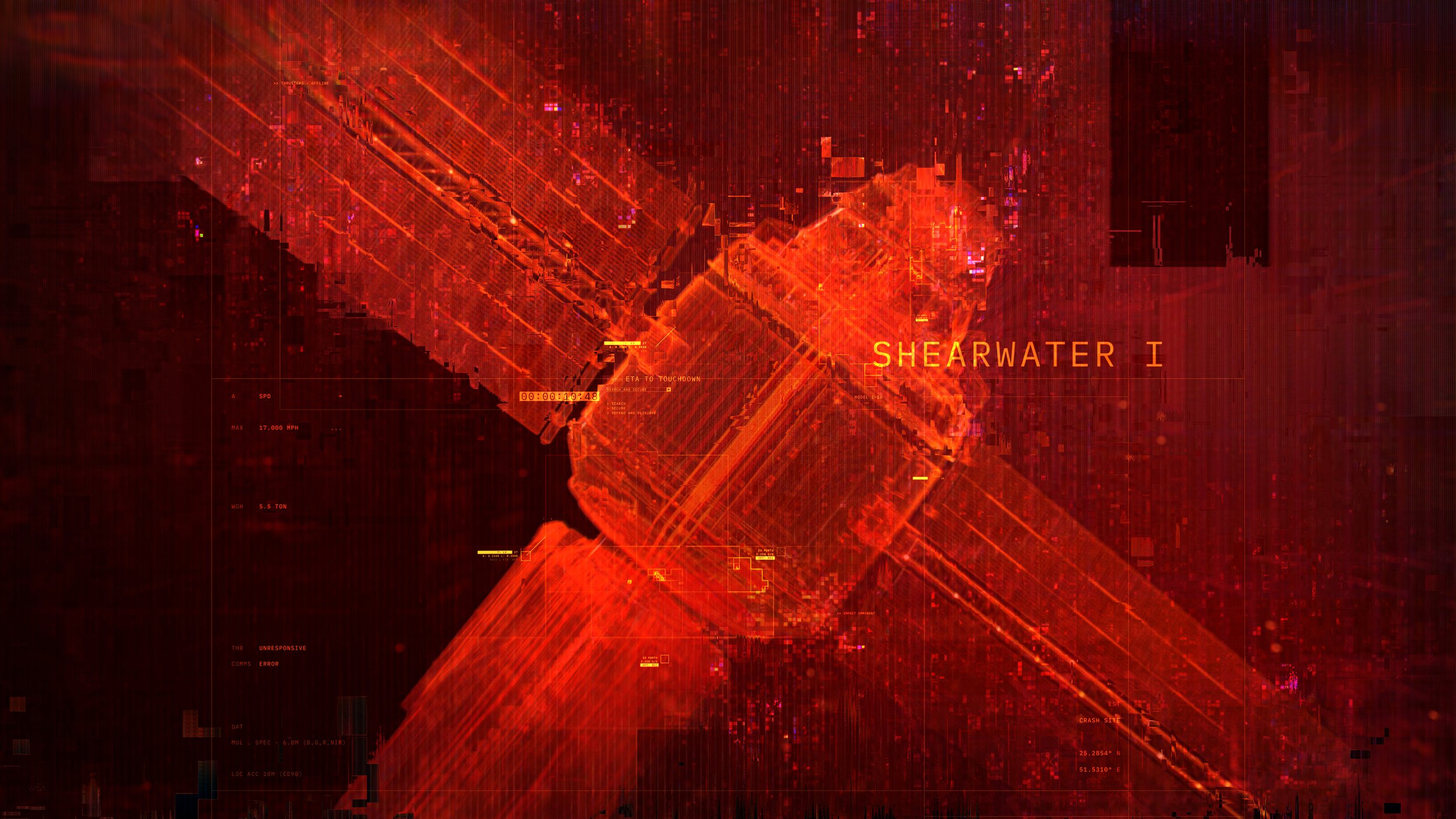
The narrative resolves into a focused objective. The satellite responsible for the blackout is identified as a critical asset and is projected to crash into Doha. If recovered by Russian forces, it could serve as the catalyst for open war.
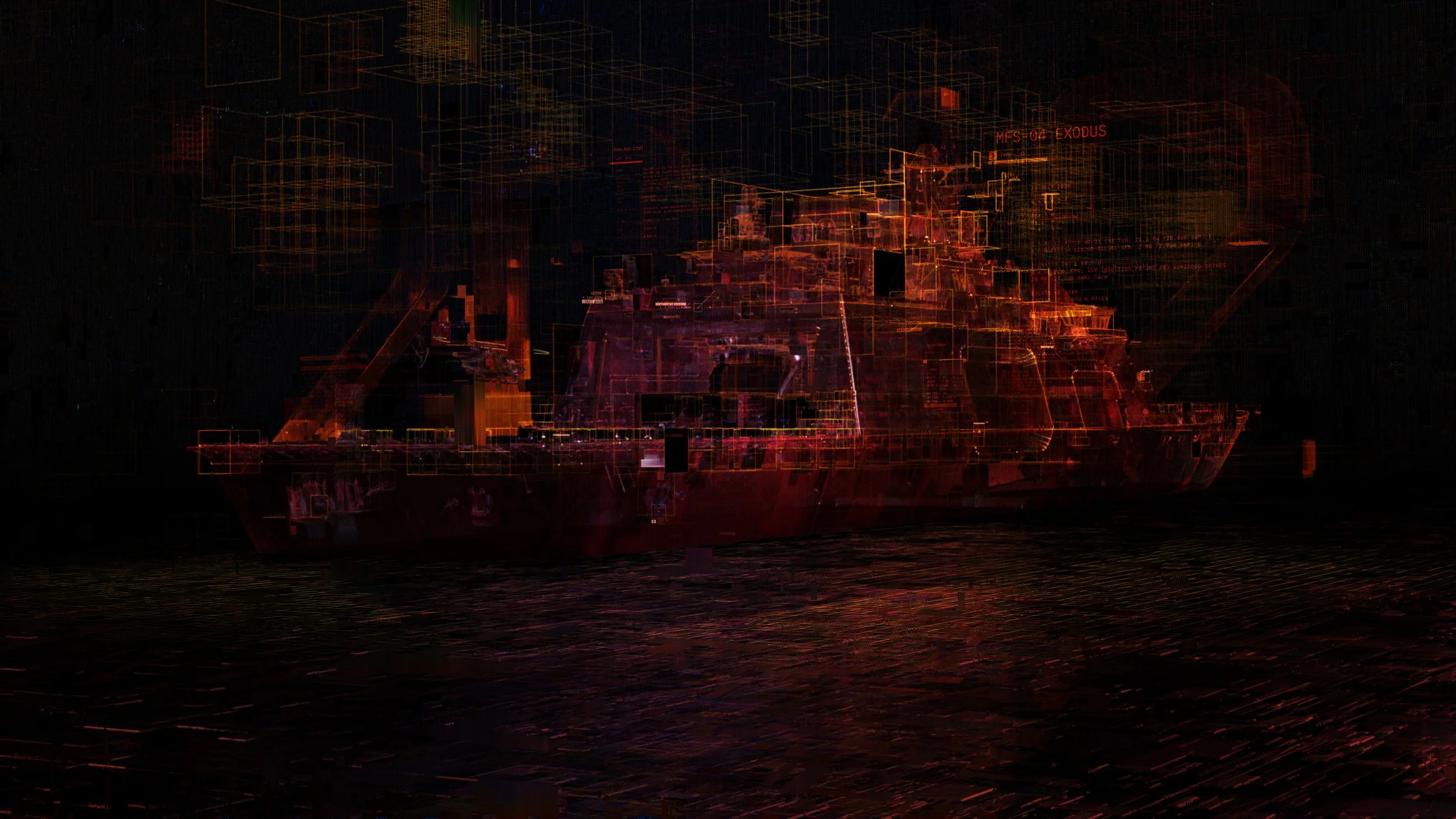
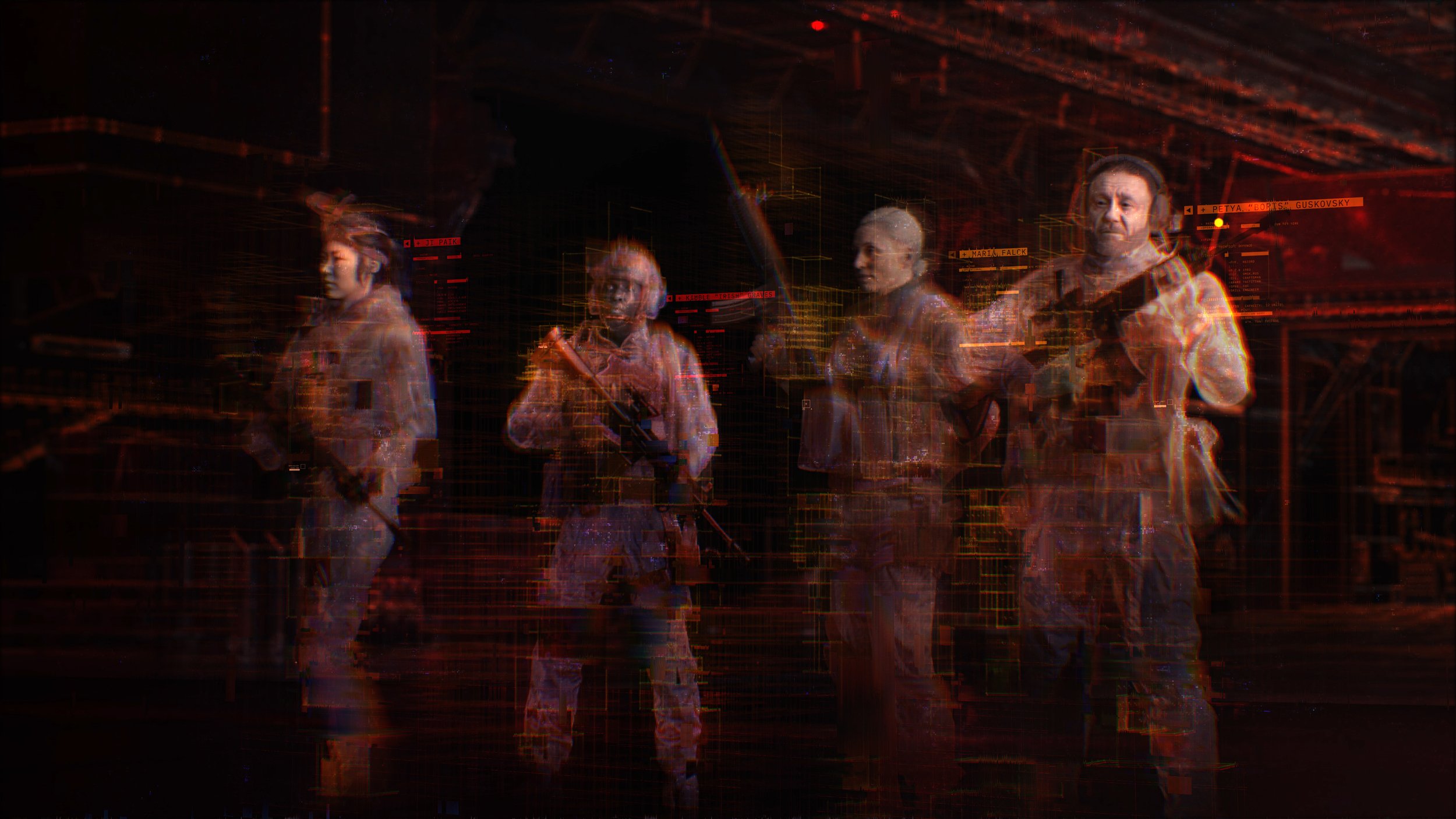
The sequence concludes with the introduction of Irish and his No-Pat crew, en route to intercept the satellite. A holographic ship appears, followed by a wide shot of the four protagonists. Warm color tones replace the cooler palette of earlier sequences, signaling urgency and momentum. Established voxel language and interface elements are overlaid onto their figures, carrying the visual system forward into the playable world.
Credits
MICHAEL RIGLEY: Art Direction, Lead Design, Lead Animation, 2021
client
Electronic Arts | DICE Stockholm | Criterion London
CREDITS | PRODUCTION
Production: Goodbye Kansas
Executive Producer: Anton Söderhäll
Producer: La-Rå Hinckeldeyn
Score: Hildur Guðnadóttir & Sam Slater
Sound Design: UHORT
Credits: GBK Graphics Team
CREDITS | MOTION GRAPHICS
Director: Will Adams
Art Director | Lead Design: Michael Rigley
Producer: La-Rå Hinckeldeyn
Lead UI Design: Steven Bussey
3D Animation: Michael Rigley, Will Adams
2D Animation: Michael Rigley, Guilherme Ferreirinha, Marcus Melin
UI Animation: Steven Bussey
Lead Glitch Animation: Guilherme Ferreirinha