D/GTL
TENDRIL DESIGN + ANIMATION, 2020
CONCEPT ART | PRODUCTION
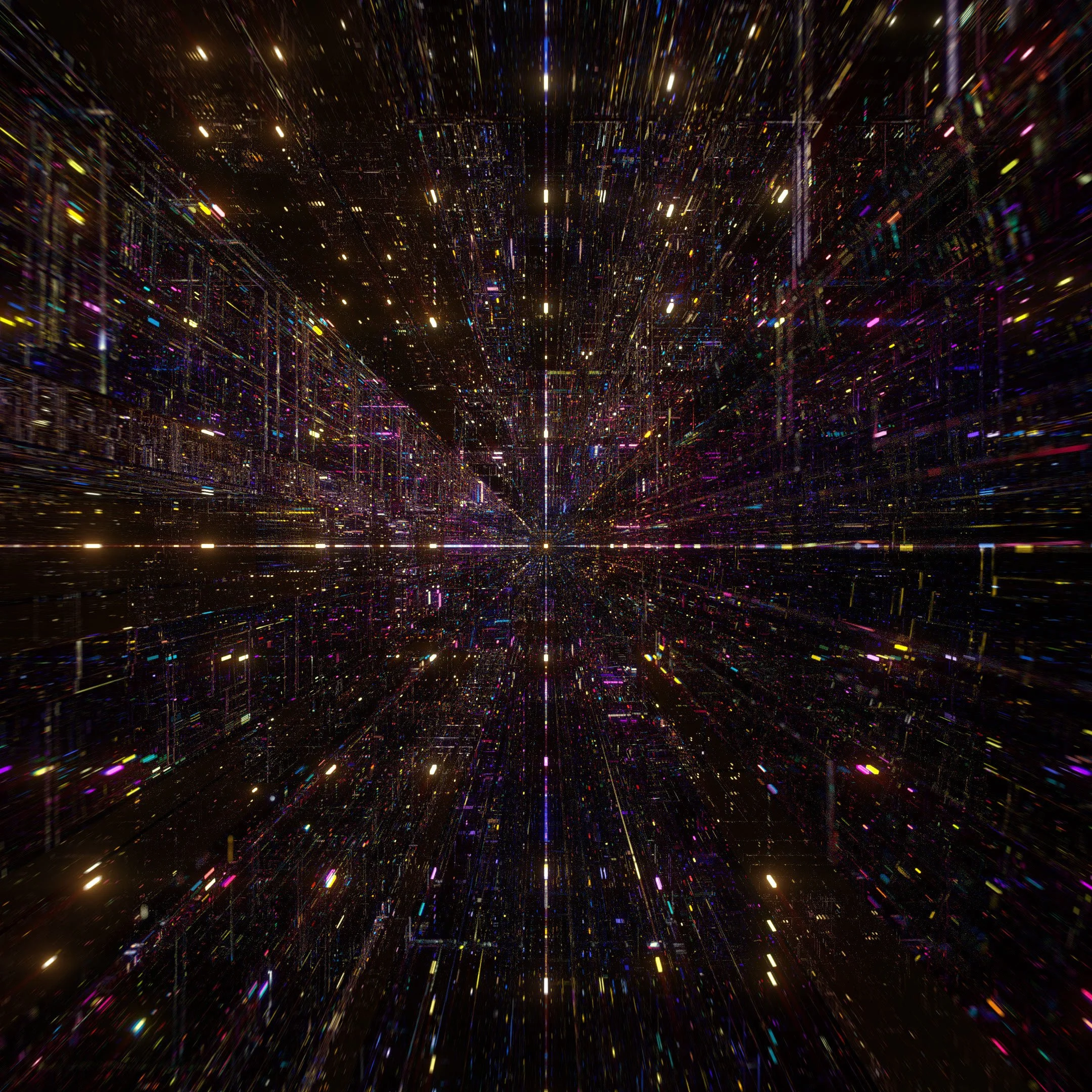
Created in 2020, this project centers on the design of a digital environment used to visualize an expanding, networked reality. The work focused on constructing the world behind the screen—treating digital infrastructure and user presence as spatial material for constructing the digital worlds.
A central challenge was representing the scale of global participation while preserving individual identity. The visual language needed to operate across multiple registers: readable at macro scale as a field of interconnected users, and at closer range as a carrier of specific graphic content and messaging. Throughout the project, emphasis was placed on balancing singular points of presence against the broader system that binds them together.
01.1 an infinite landscape
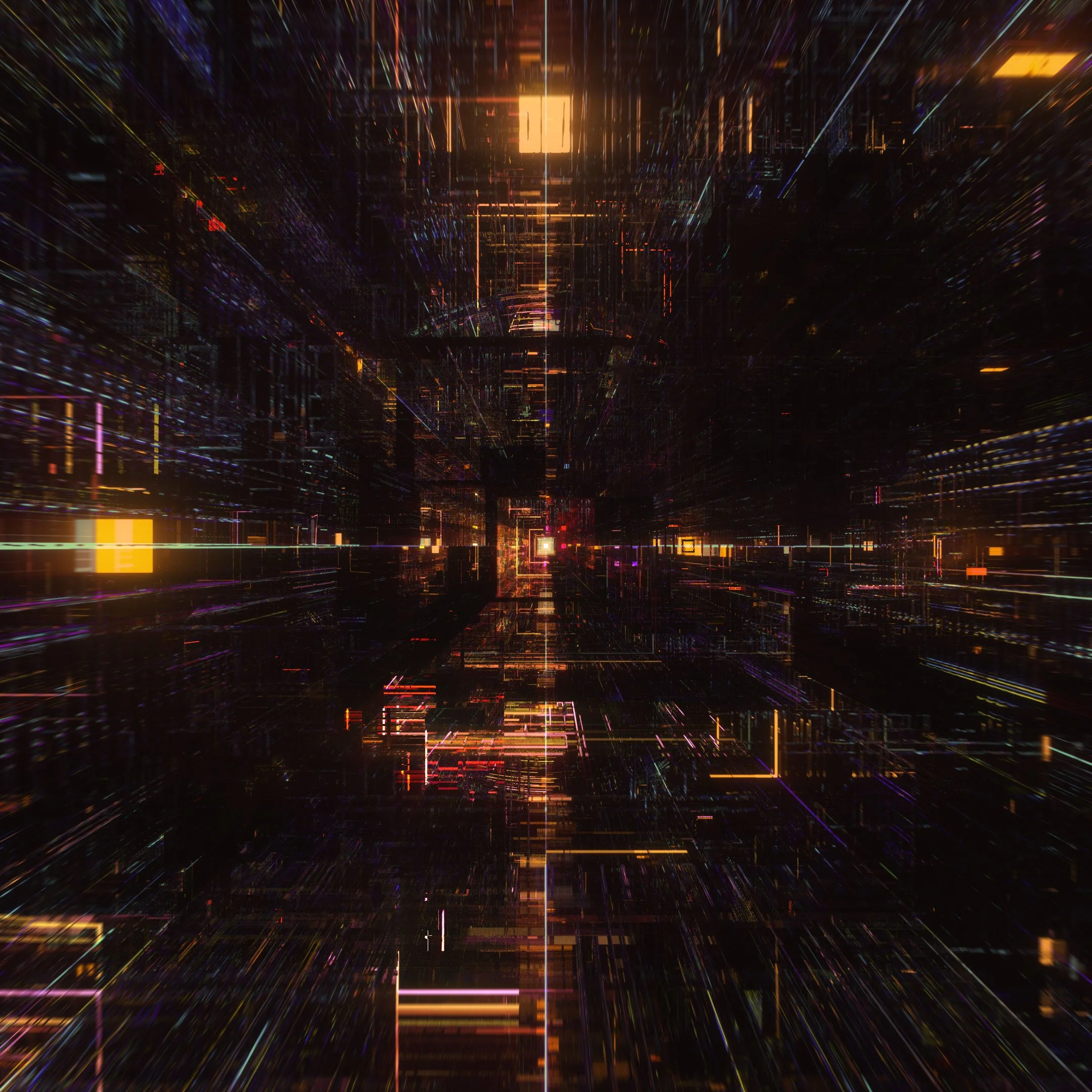
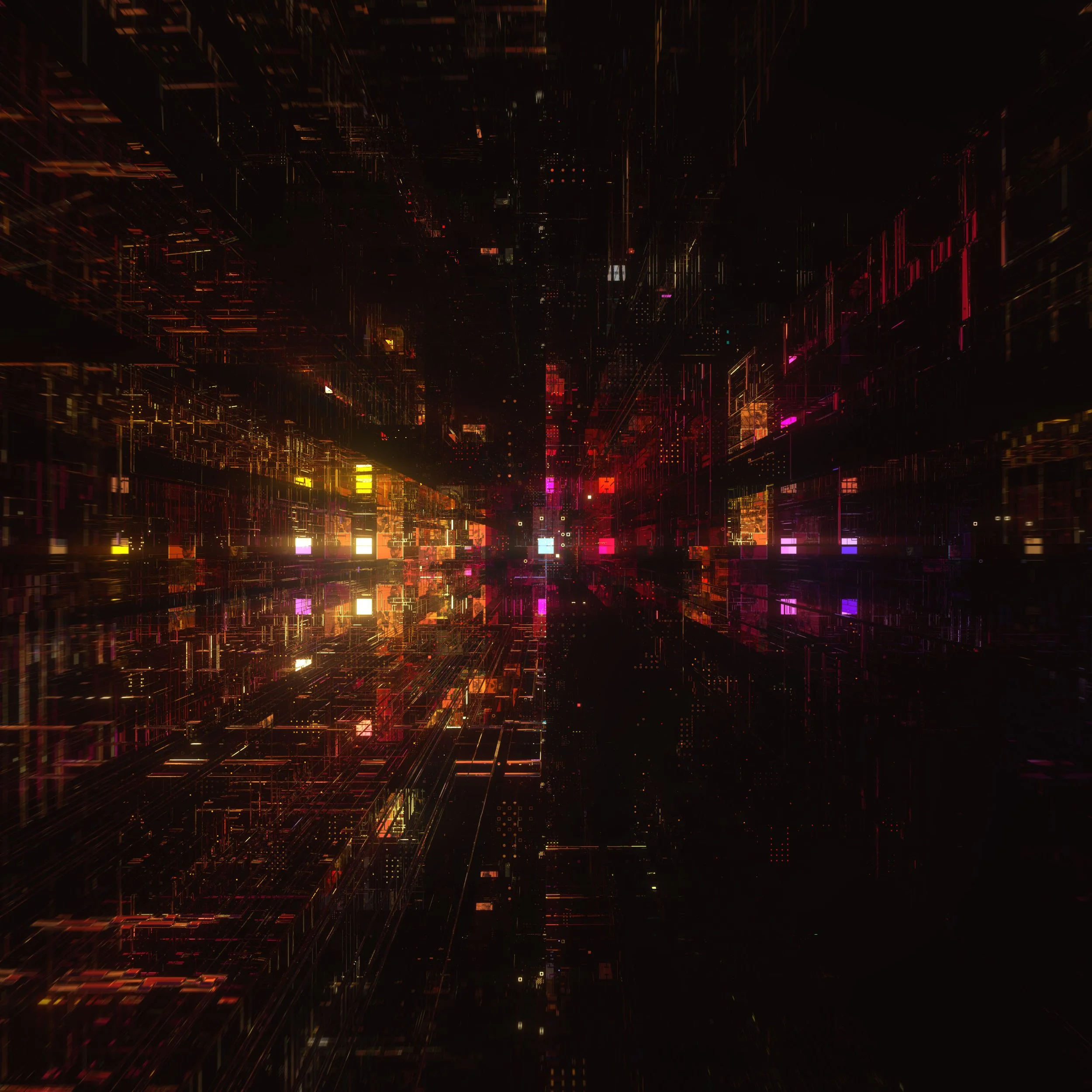
At key moments, the environment needed to accommodate specific informational content. These elements were introduced as holographic images embedded within the refractive system, allowing them to coexist with the surrounding field without breaking visual continuity. Anatomical illustrations and geographic references were treated as objects within the space, subject to the same optical rules as the environment itself.
CONTENT
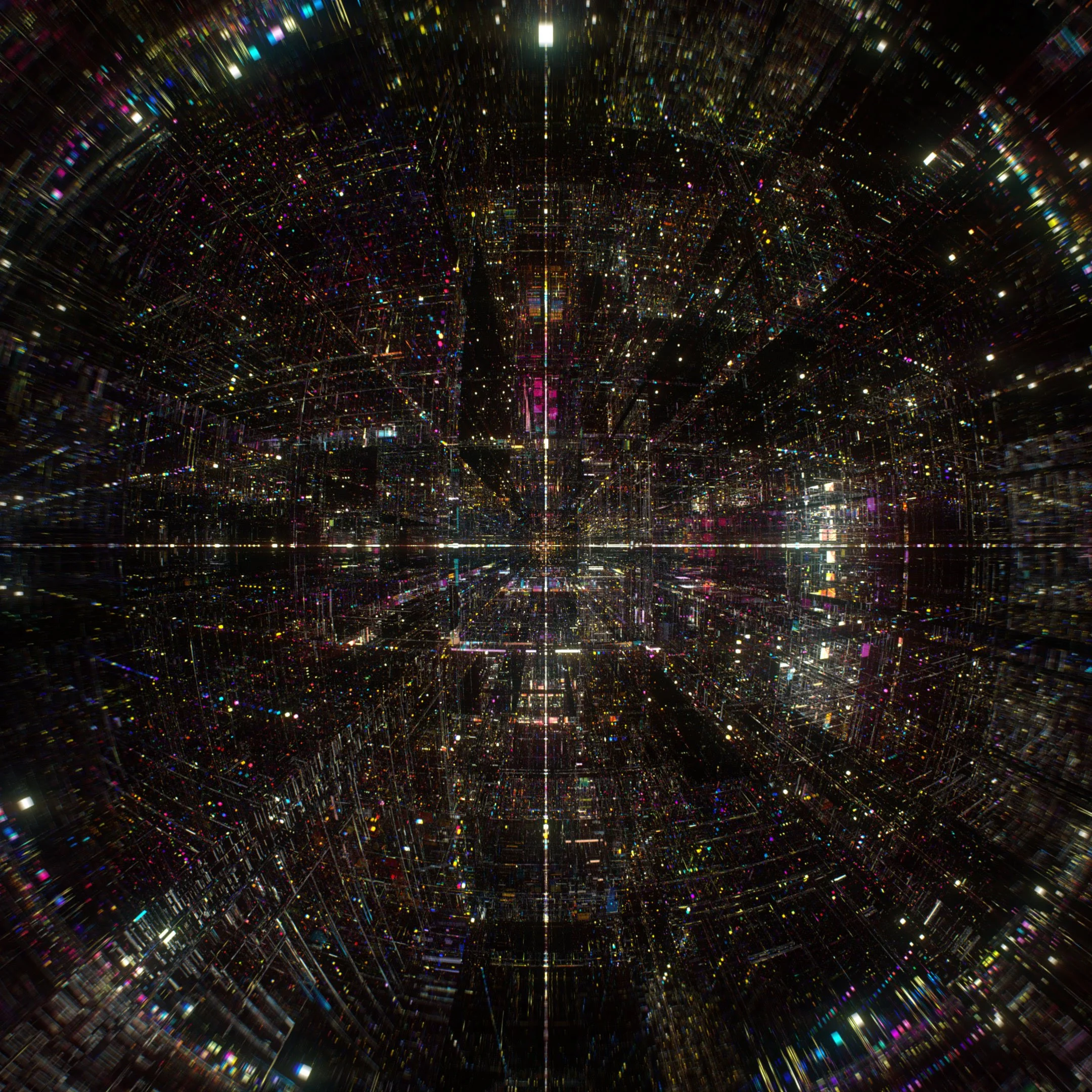
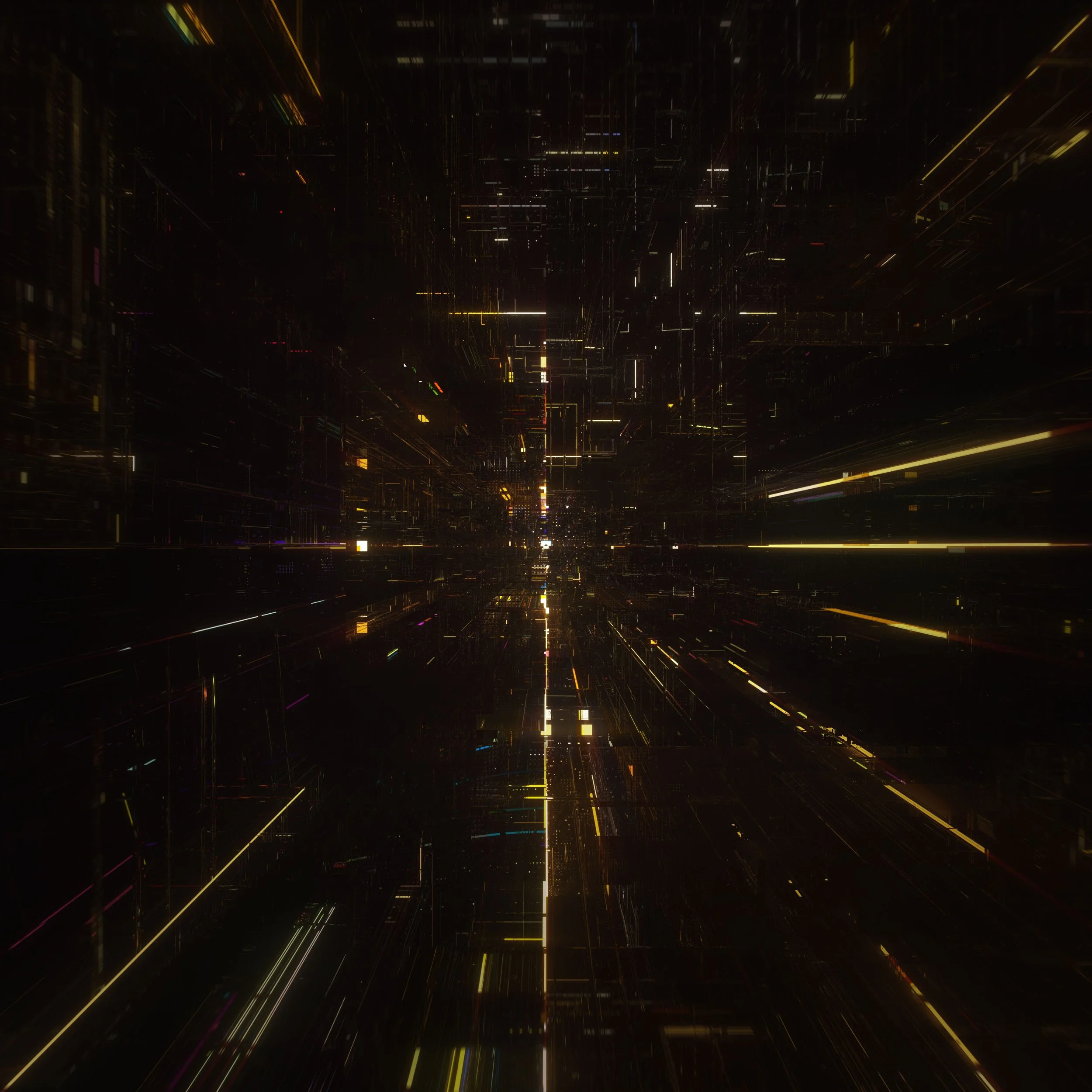
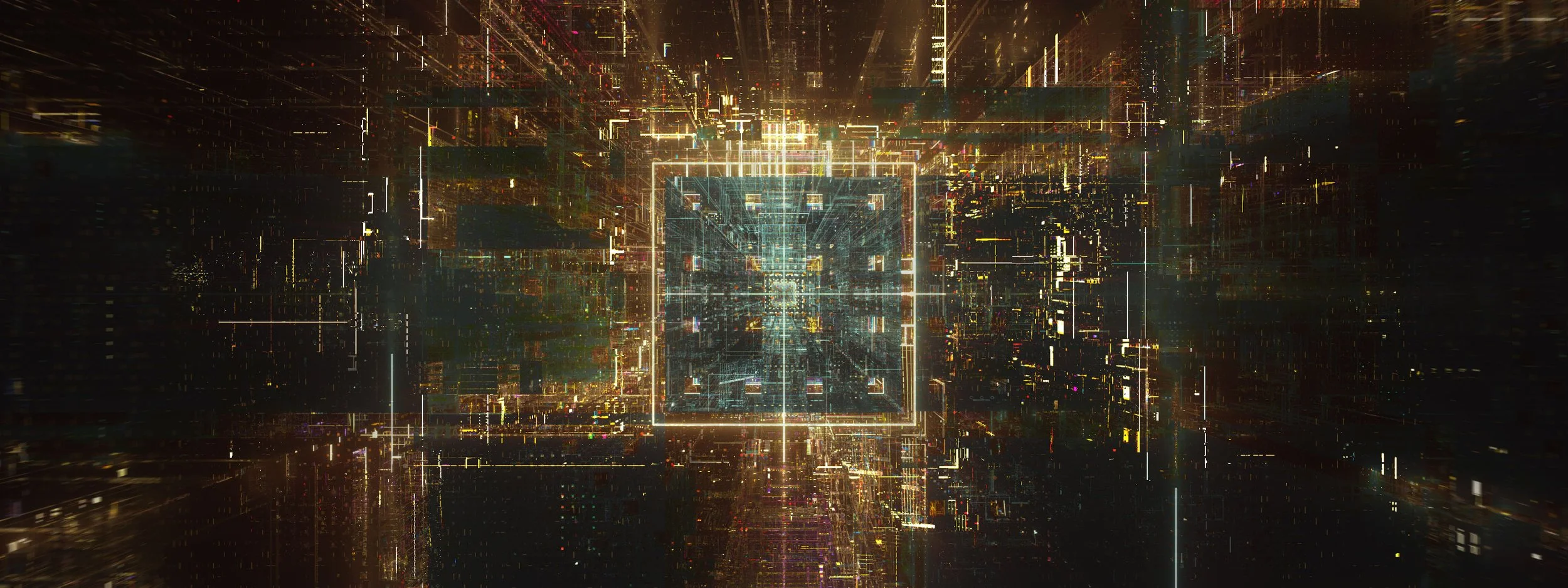
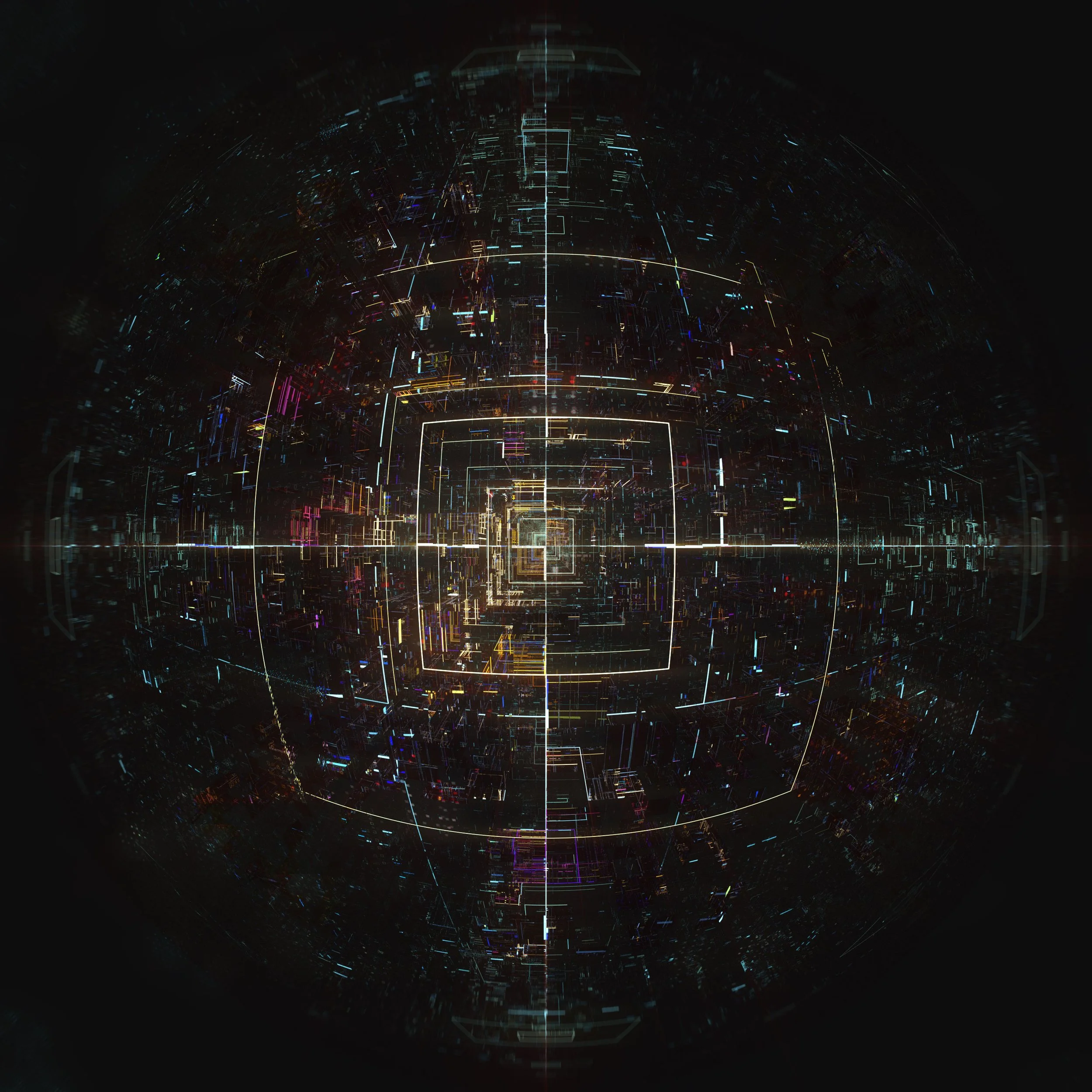
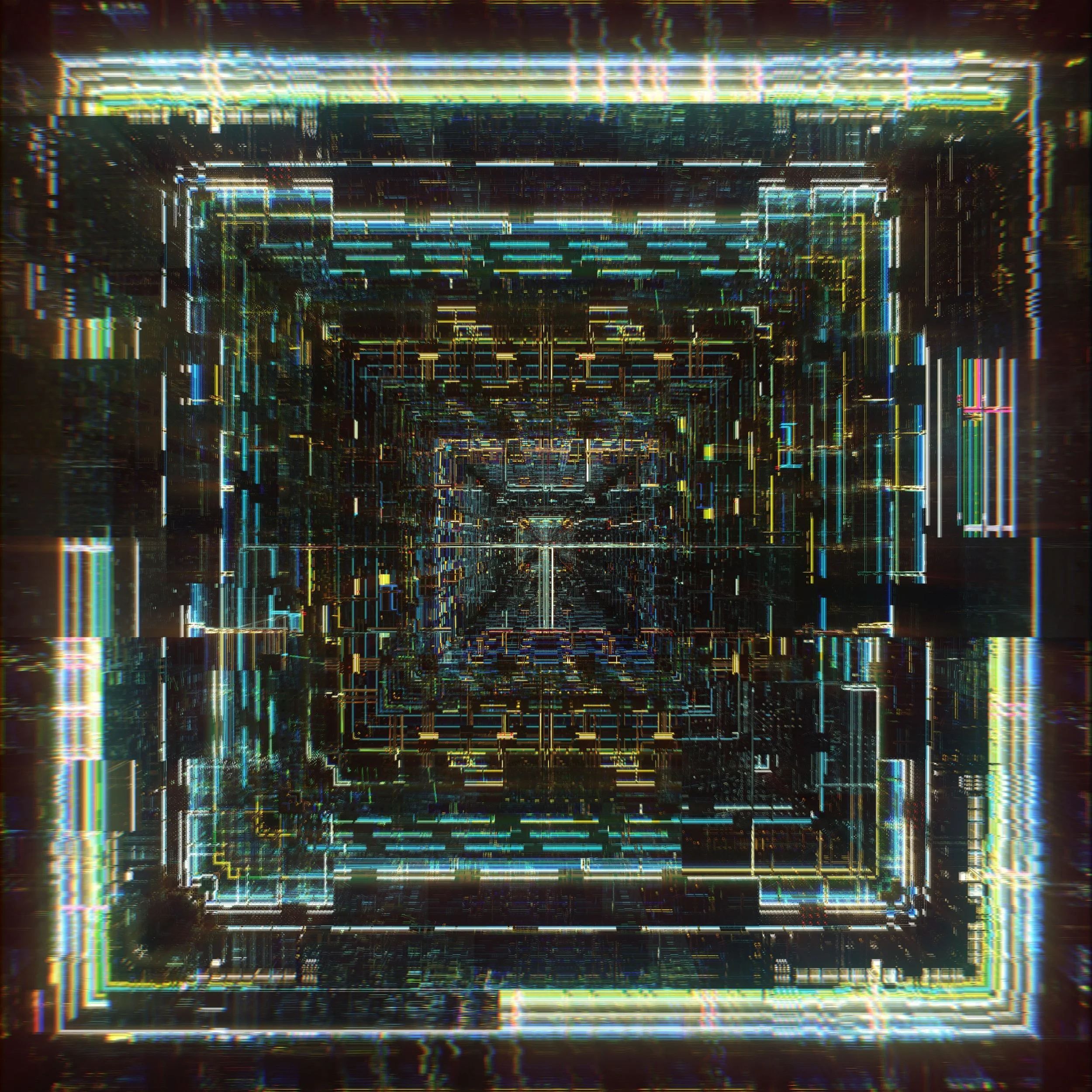
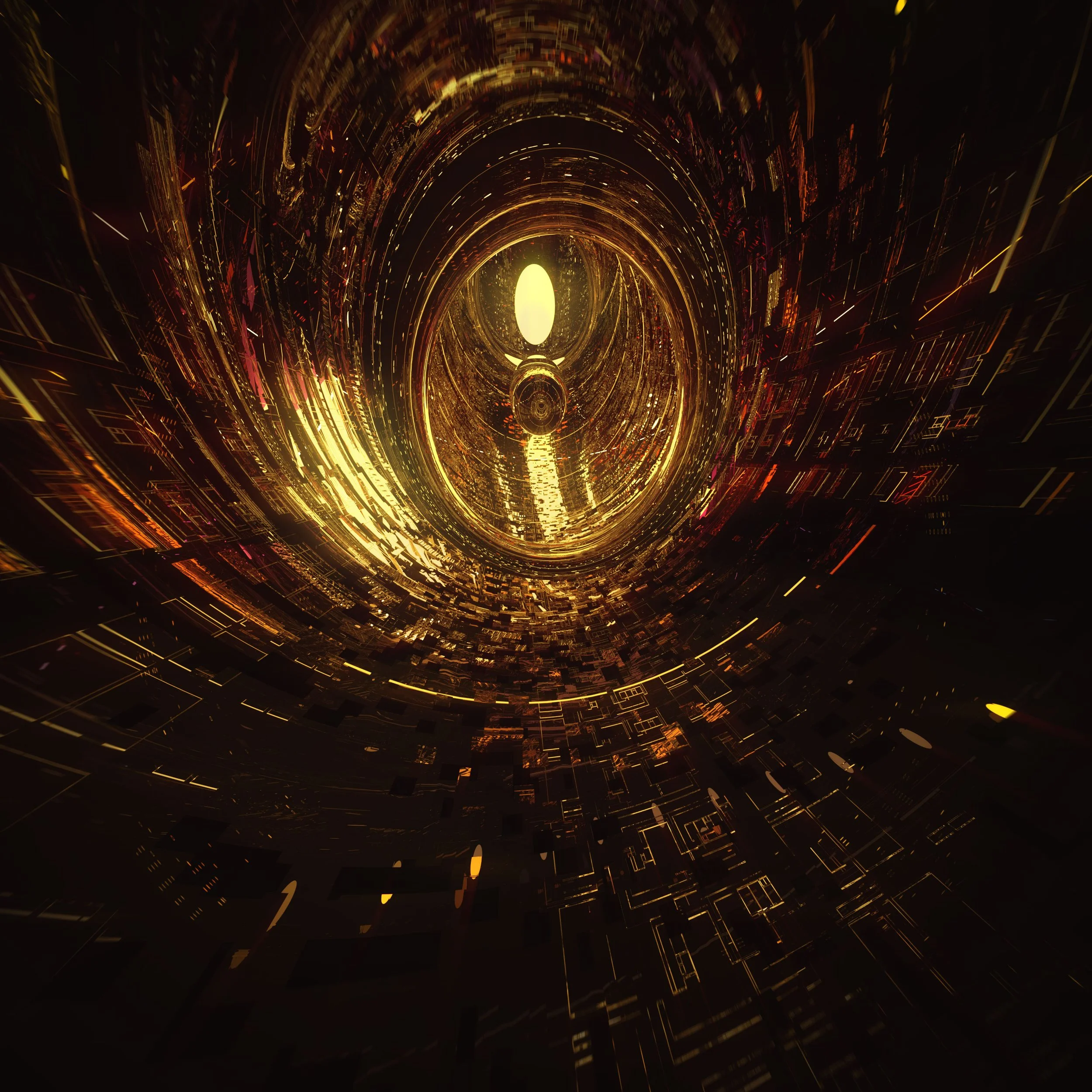
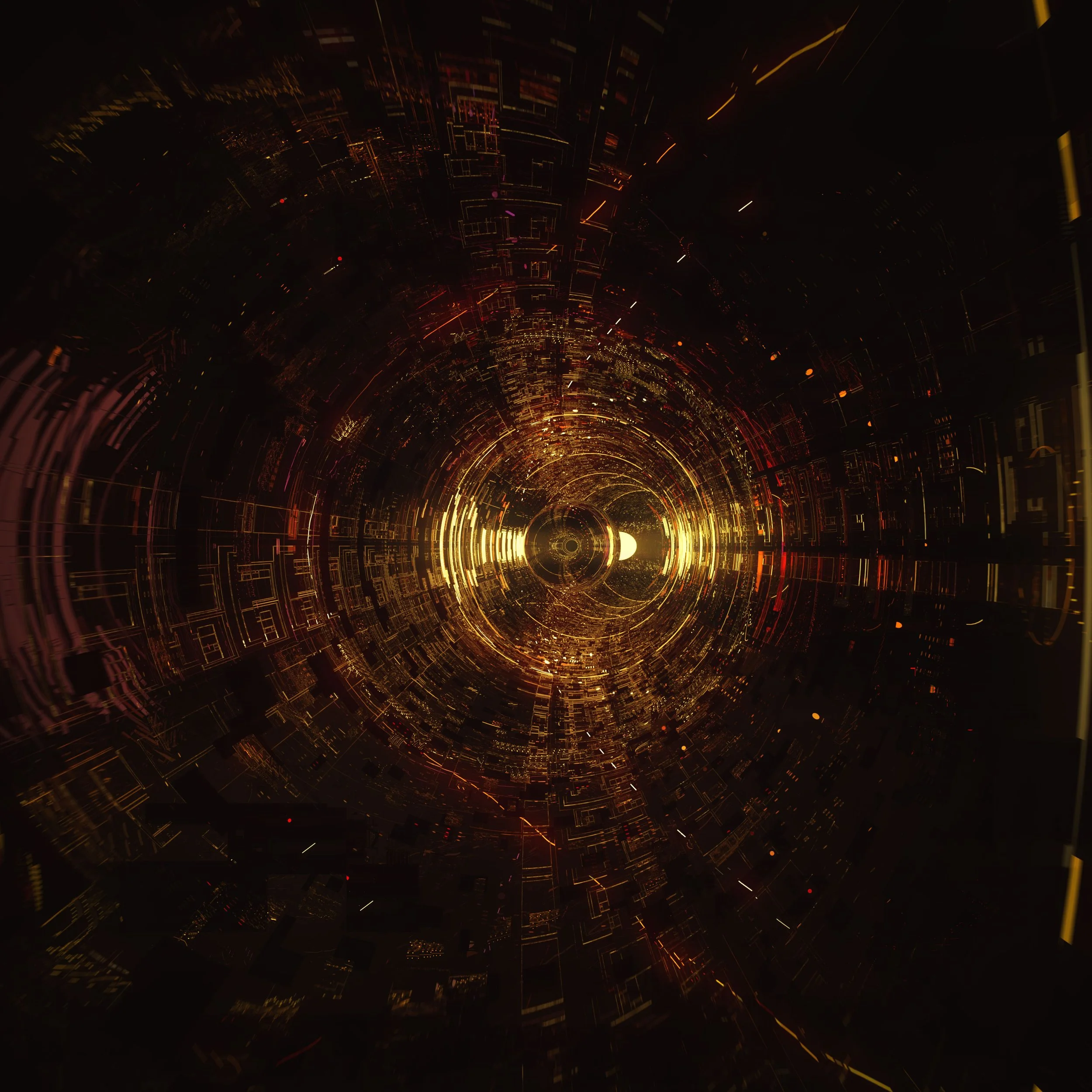
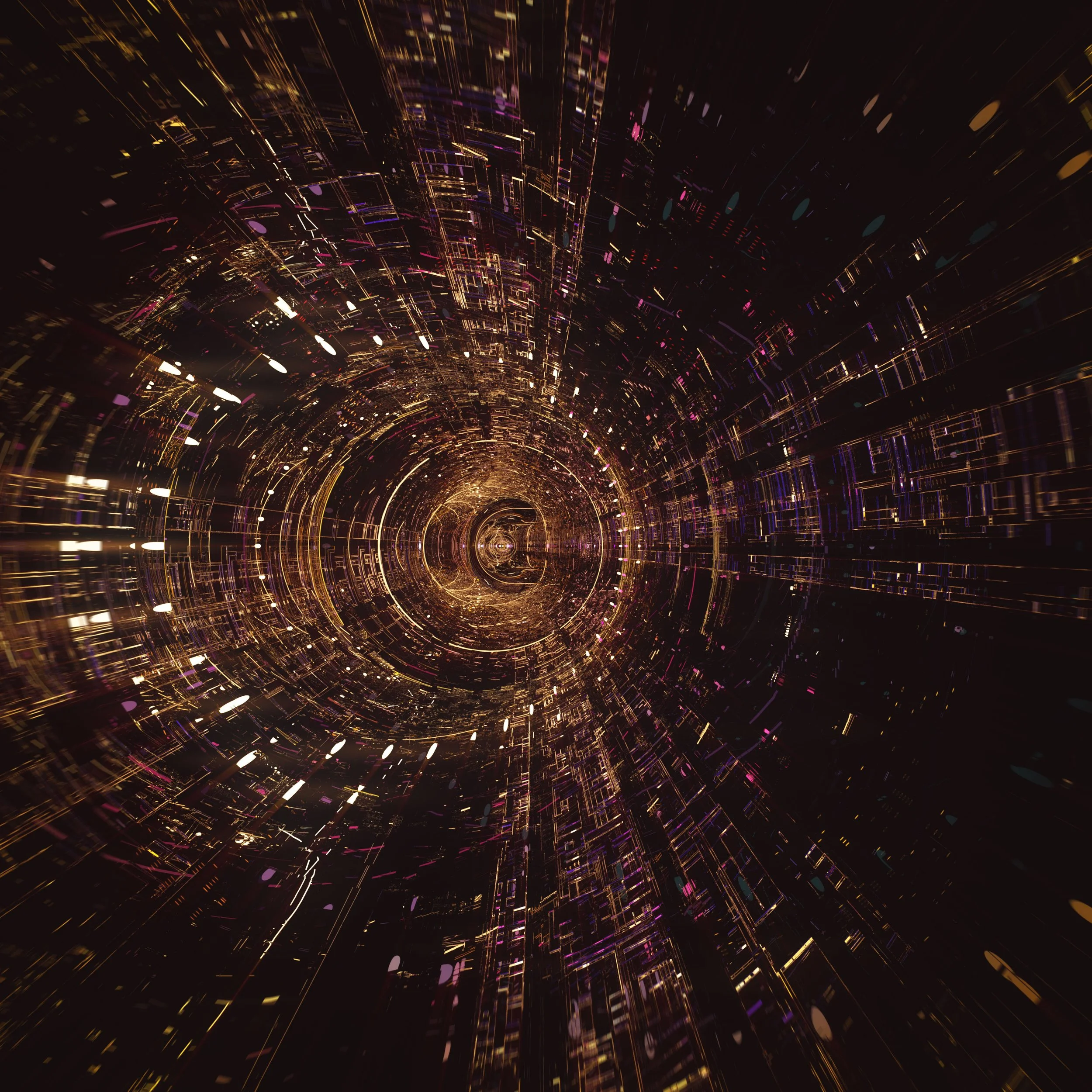
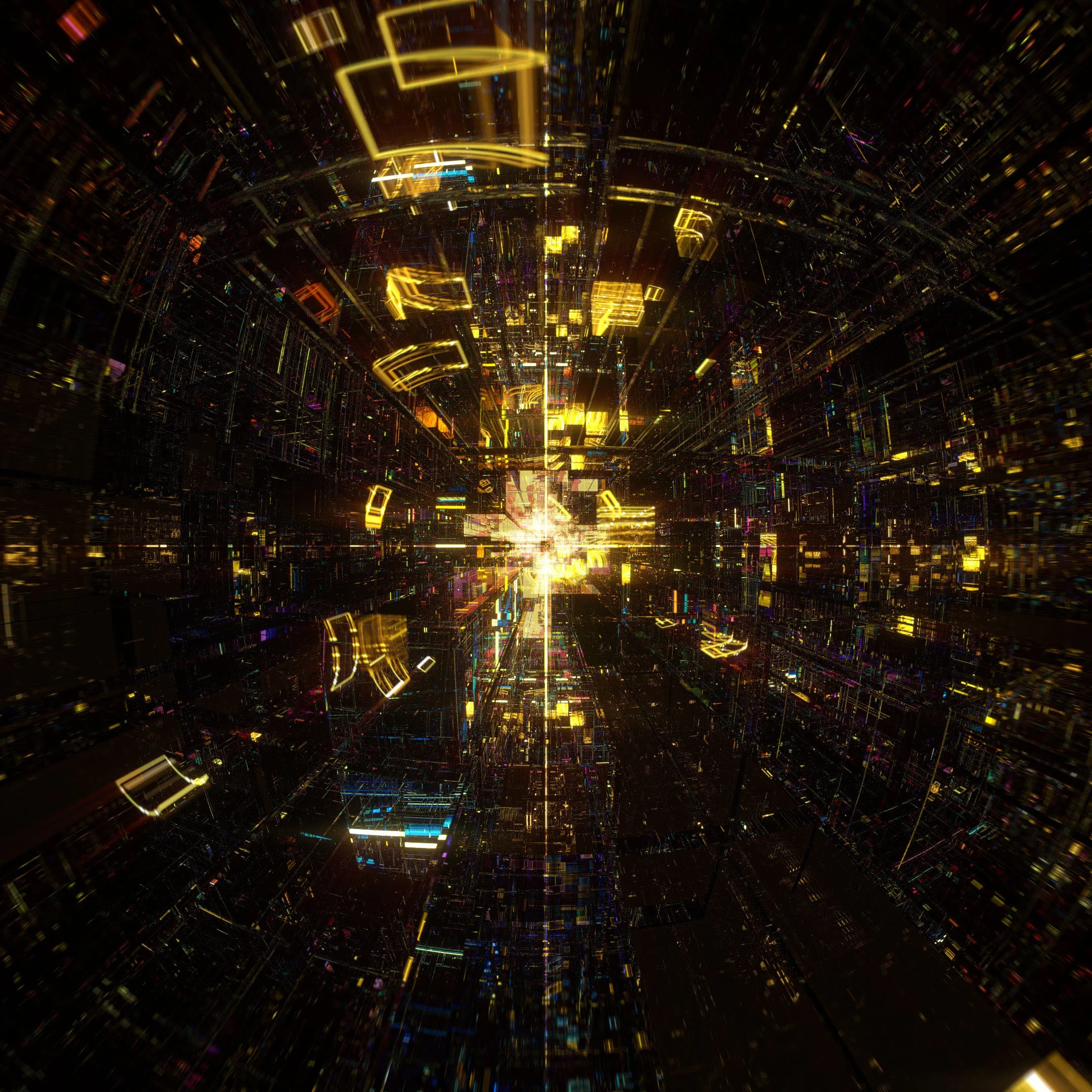
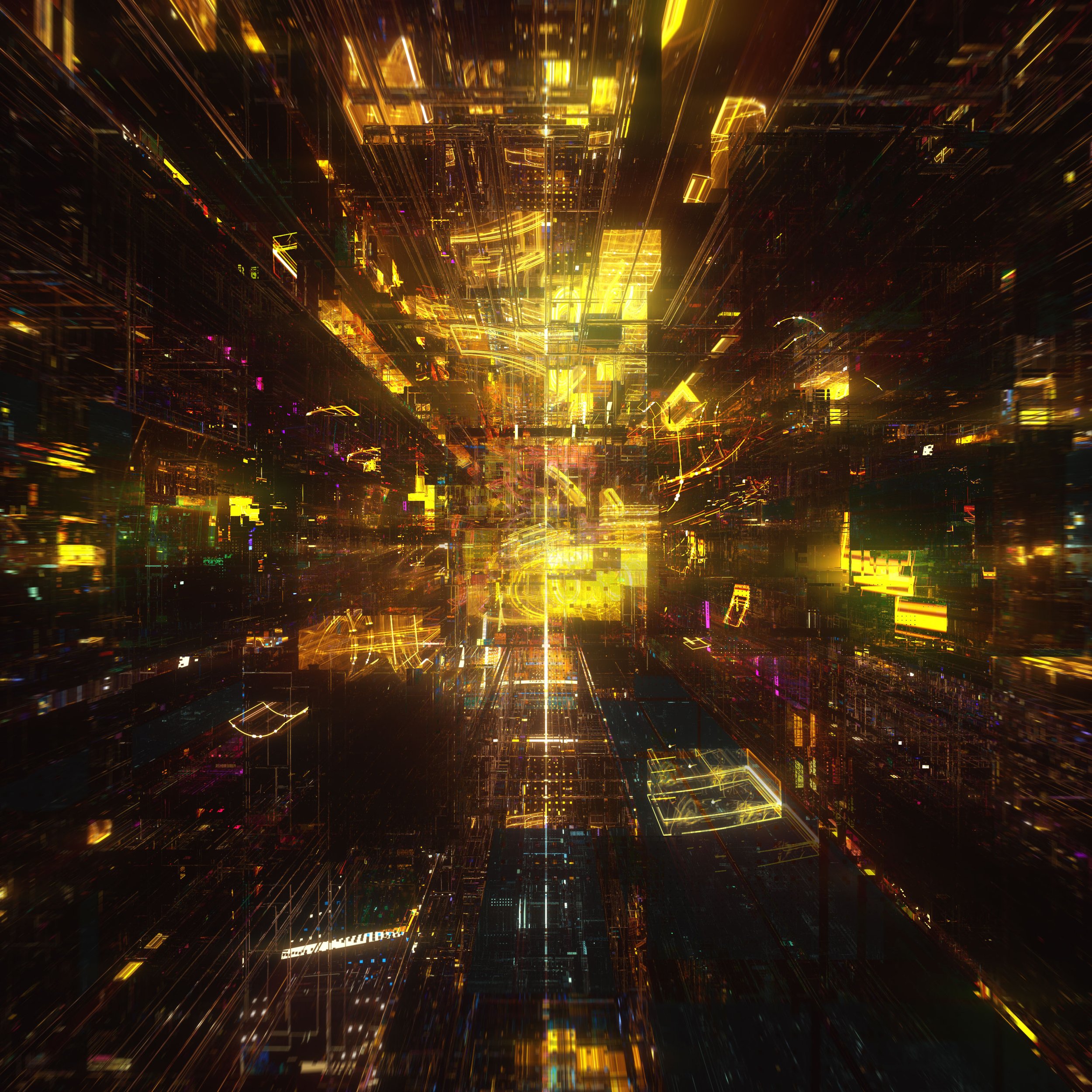
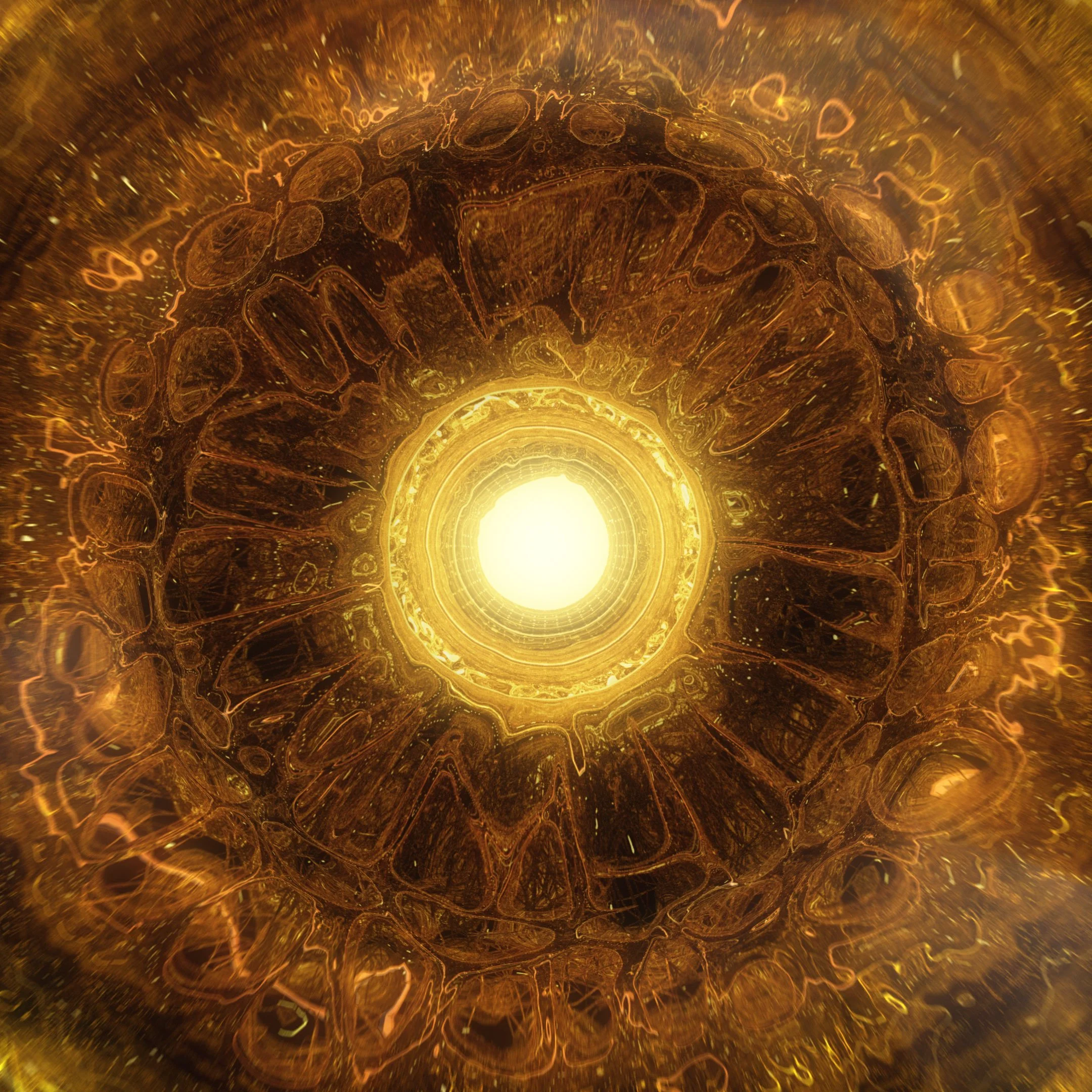
Visually we explored the use of refractive tunnels and physical lighting to create an infinitely expanding and shimmering world of reflections.
Each point of light represents an individual user. By scattering them through specular materials of mirror and glass, we create a sense that the space is unending, constantly expanding and also nested within something greater, unable to discern a beginning or end.
Flickering lights on and off allowed us to represent the experience of users entering and exiting the network.
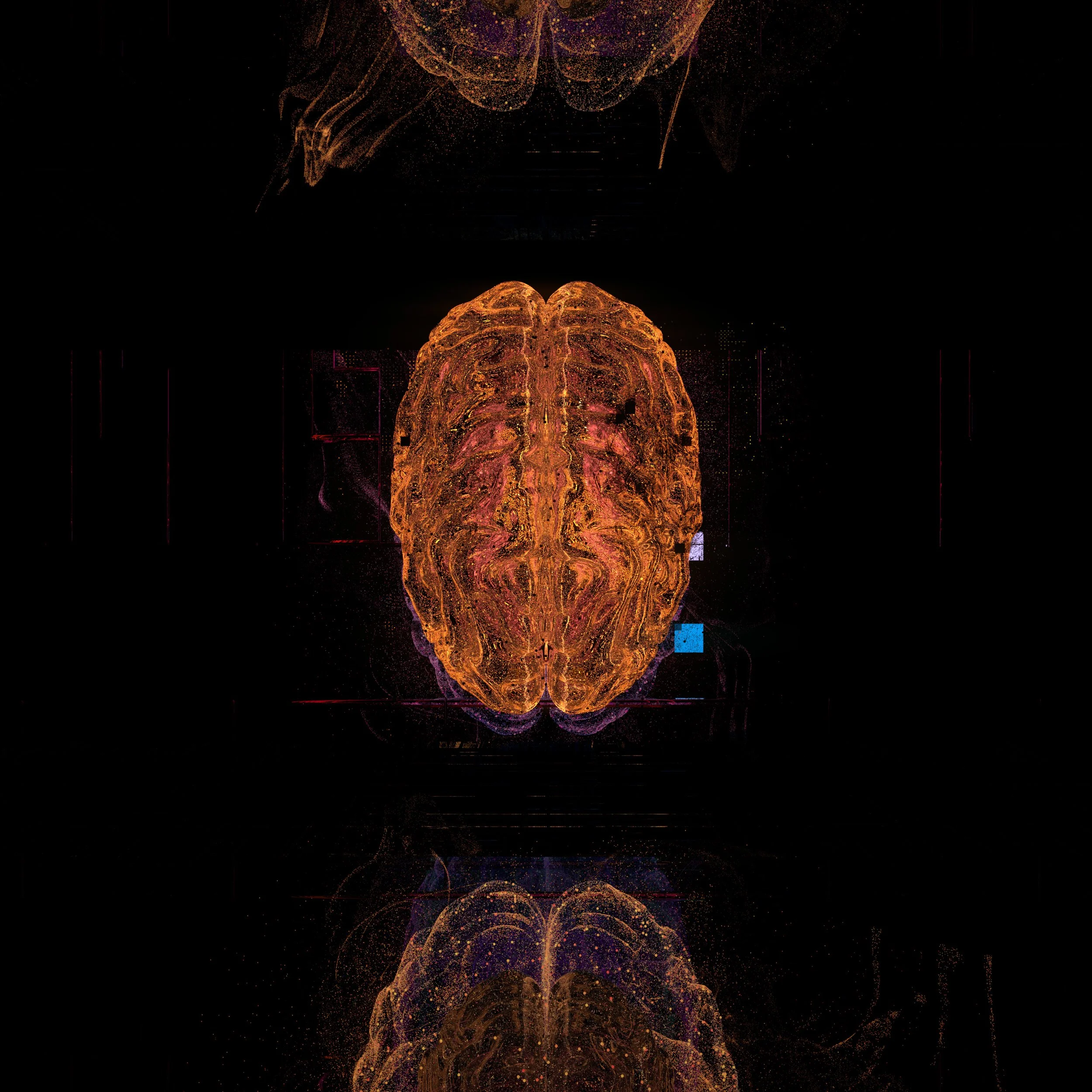
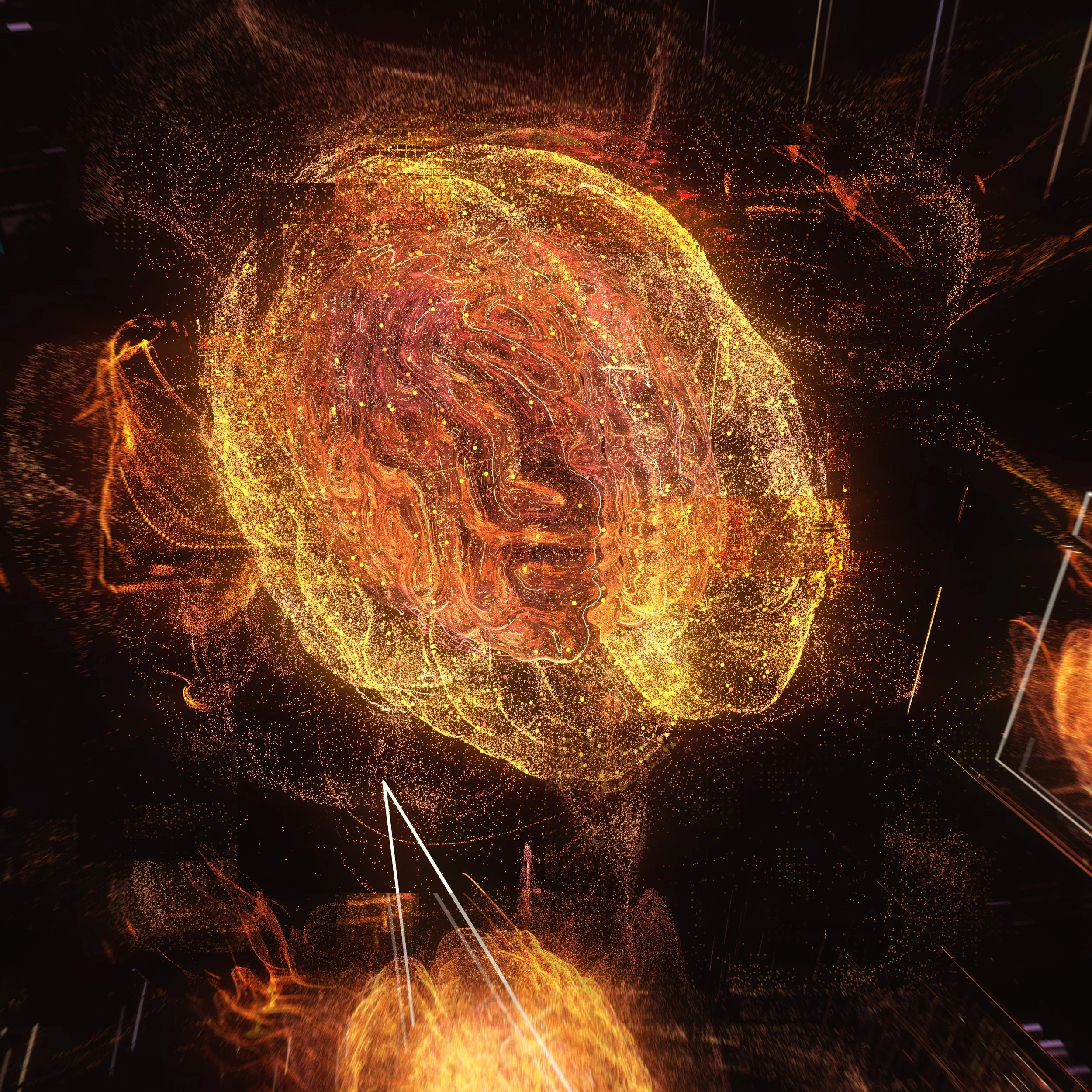
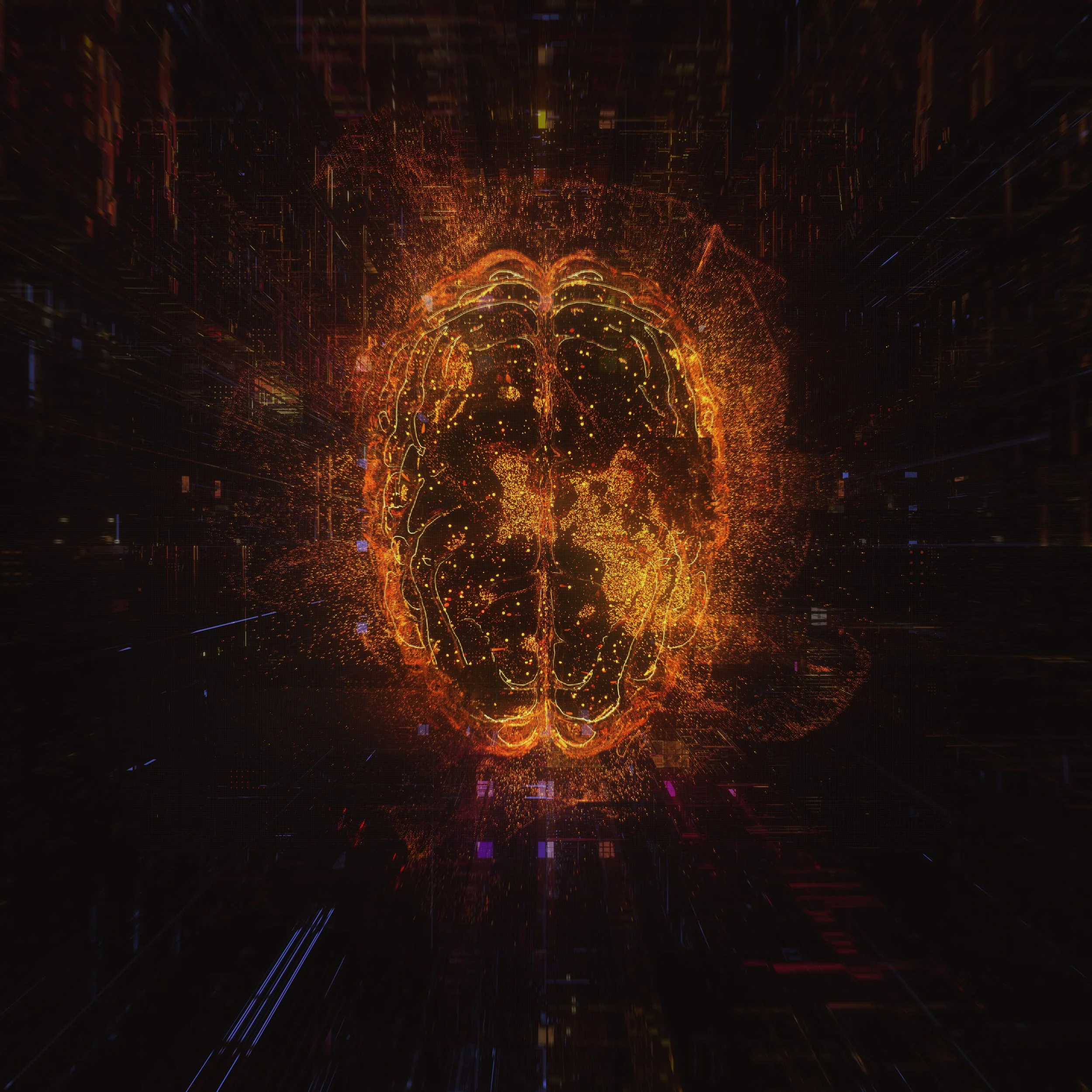
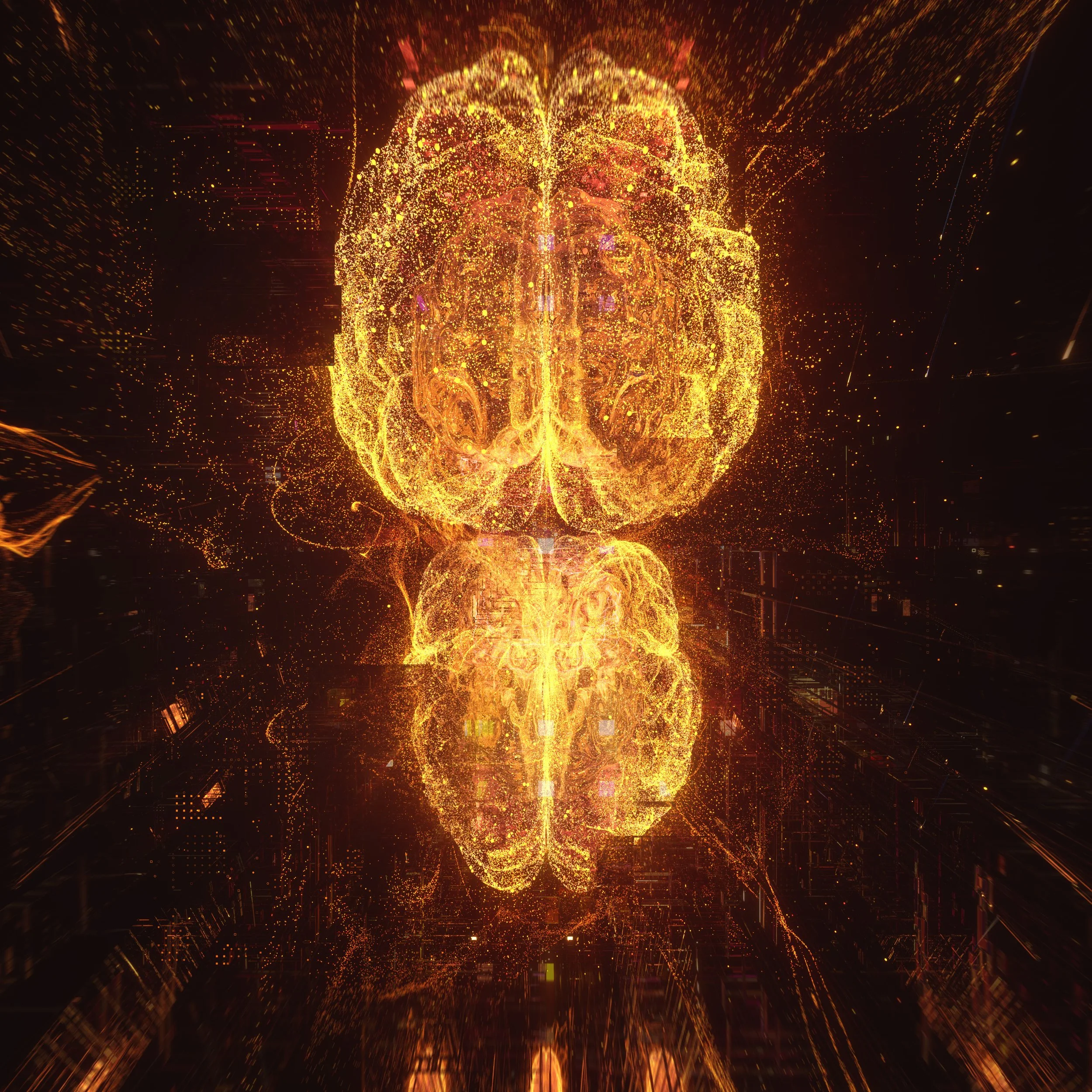
Holographic content
At key moments, the environment needed to accommodate specific informational content. These elements were introduced as holographic images embedded within the refractive system, allowing them to coexist with the surrounding field without breaking visual continuity. Anatomical illustrations and geographic references were treated as objects within the space, subject to the same optical rules as the environment itself.
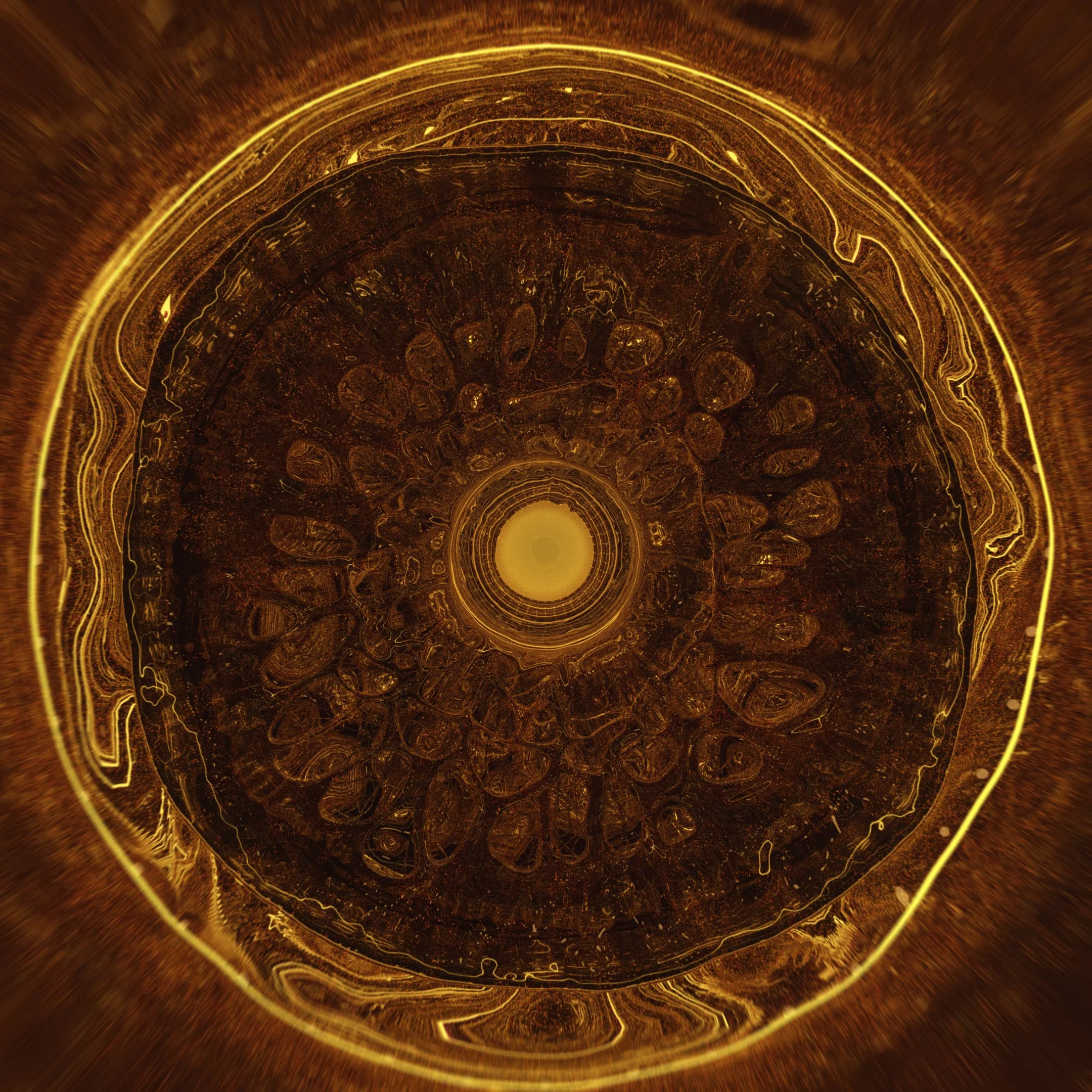
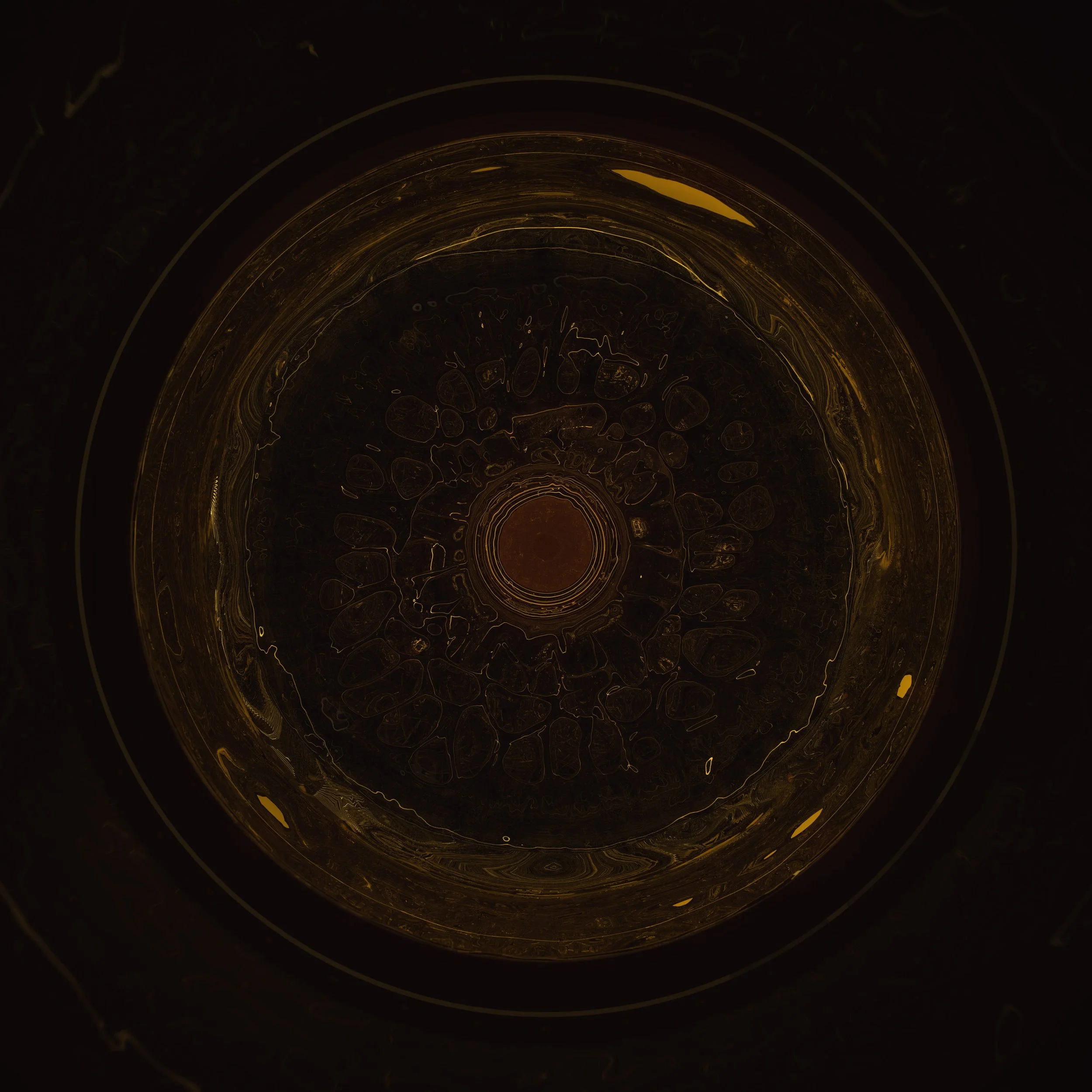
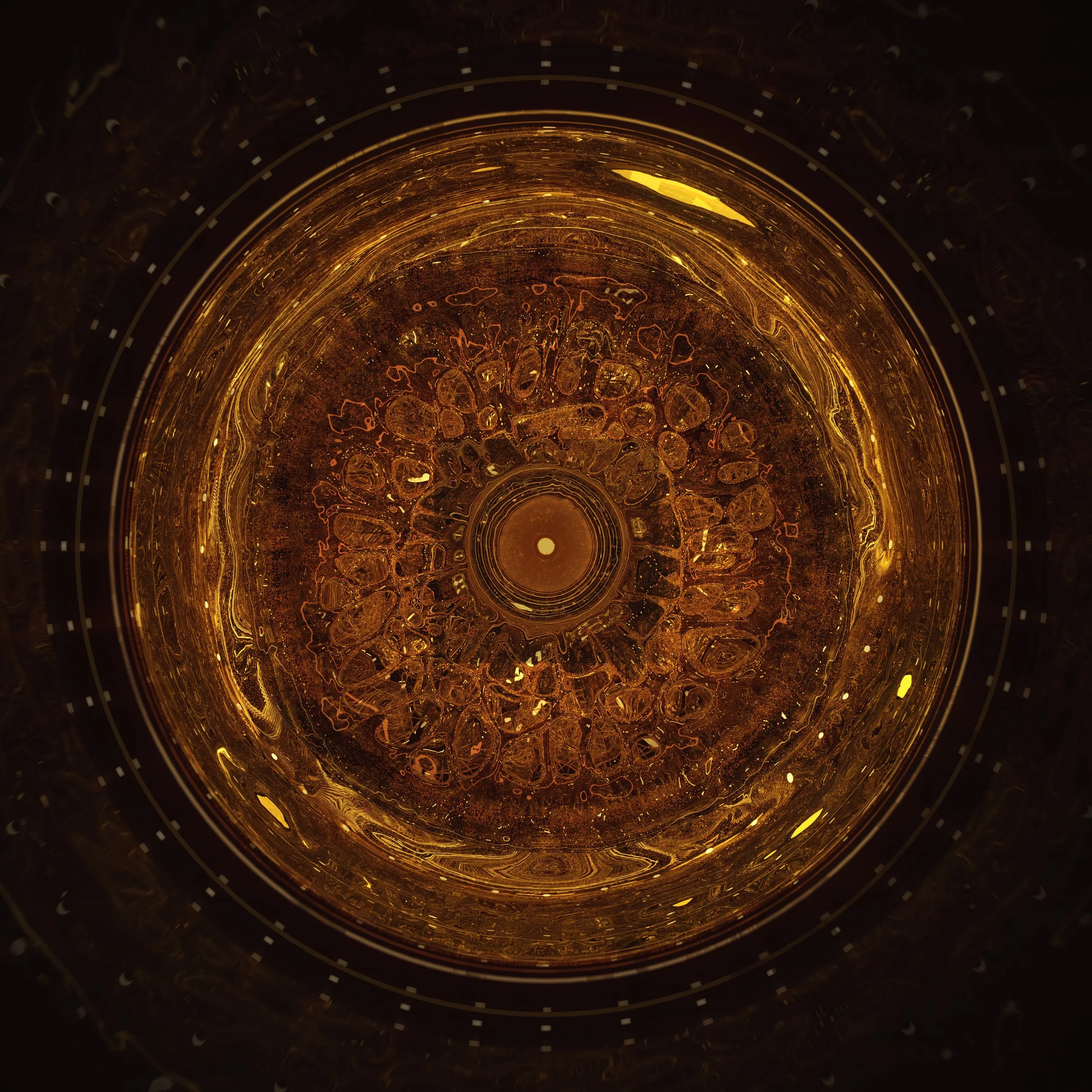
MAPS
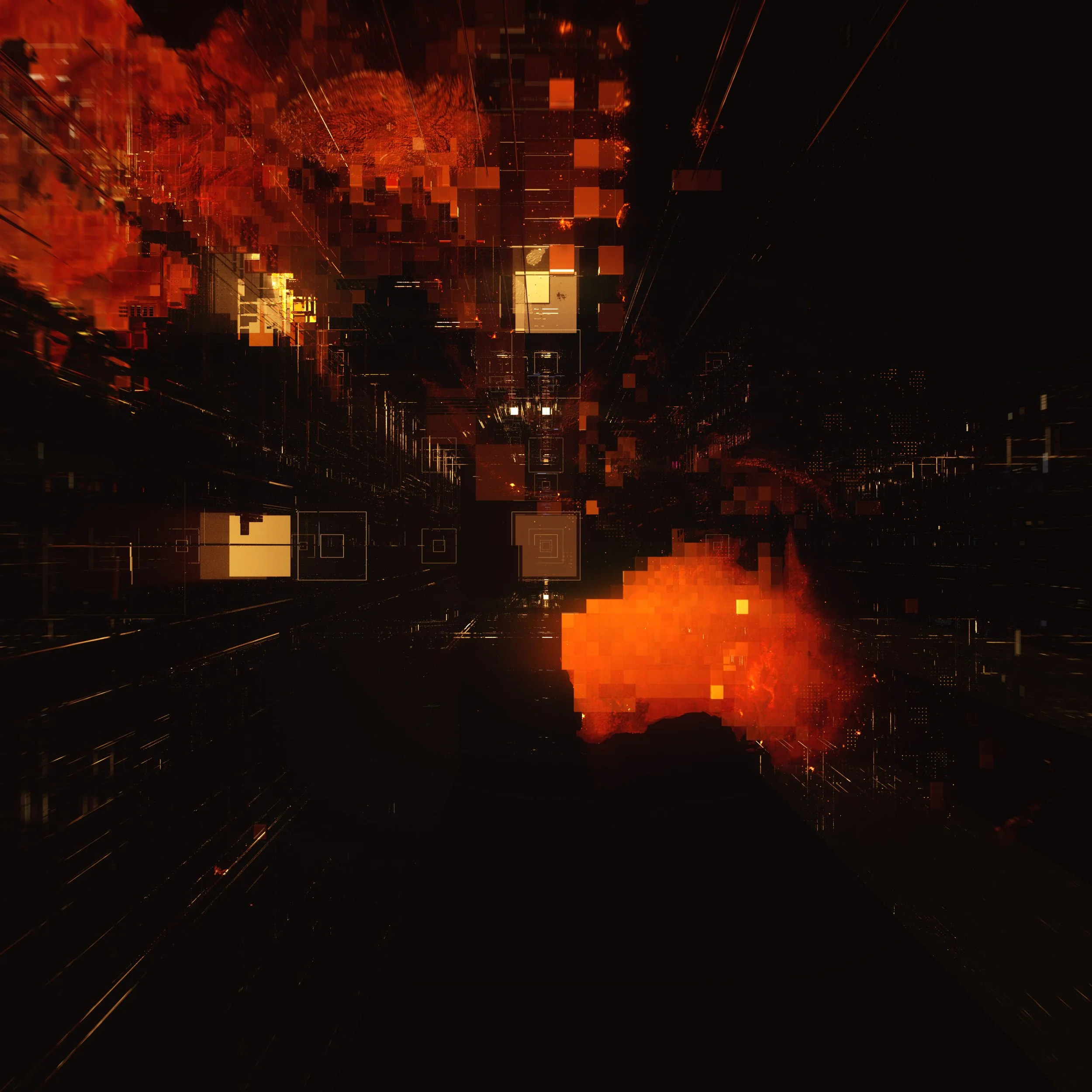
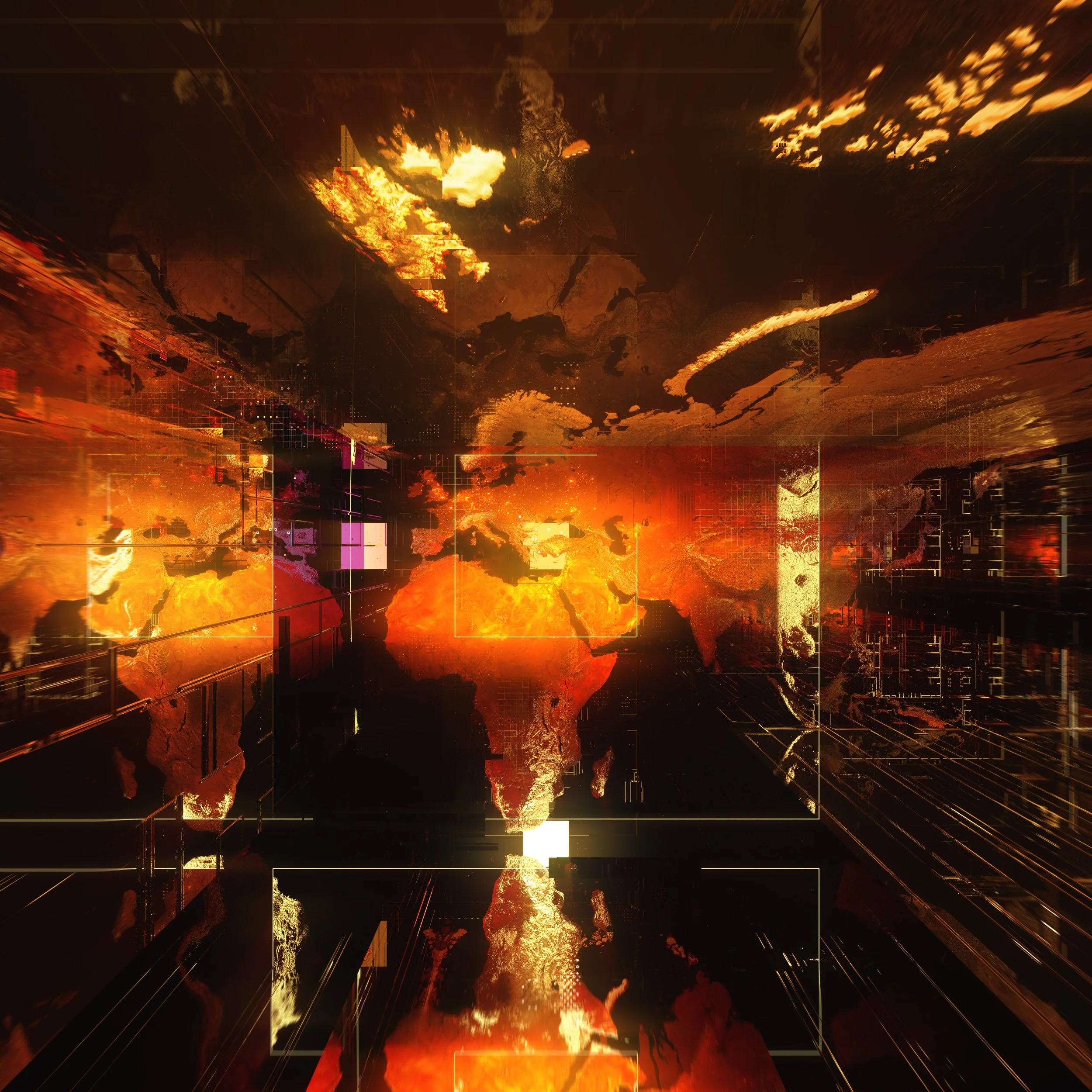
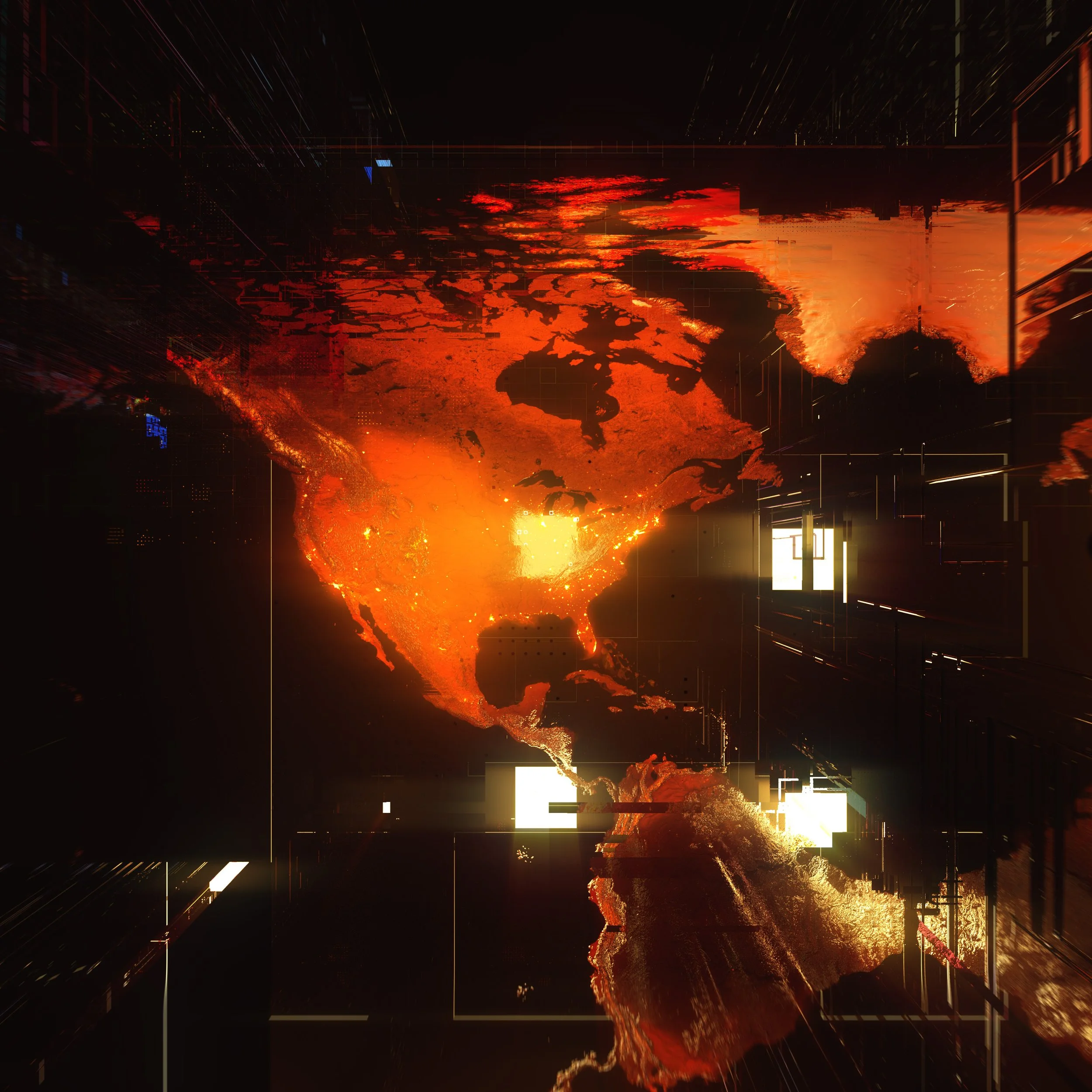
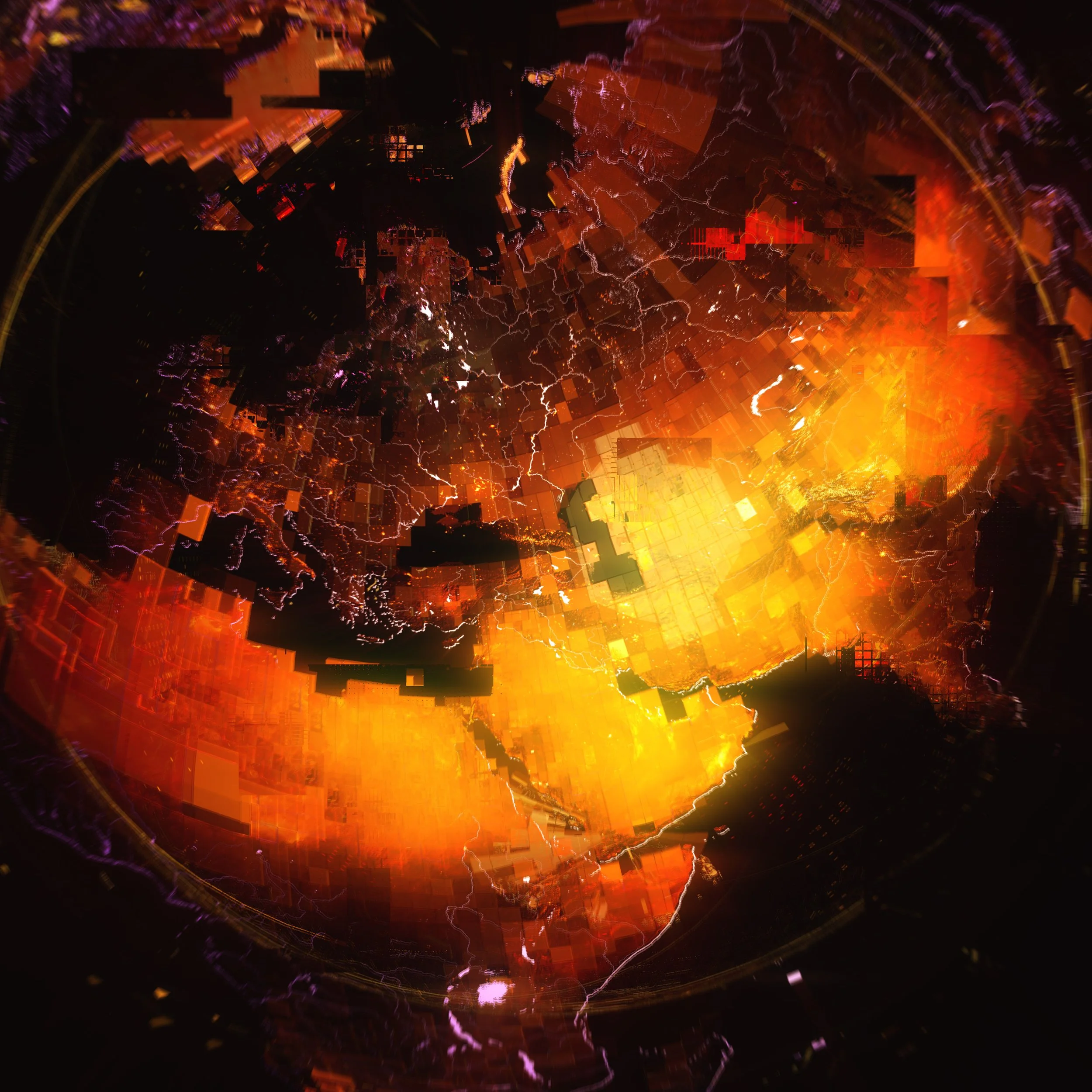
Geographic representation posed a particular challenge due to the inherent expectations of legibility and familiarity. Rather than presenting maps as flat overlays, geographic forms were passed through the same refractive grid used elsewhere in the project.
As a result, regions appear briefly resolved when centered in frame, then distort and dissolve as they move toward the periphery. This behavior aligns maps with the broader system logic, positioning them as part of the environment rather than external annotations, while maintaining enough clarity to support legibility.