
BATTLEFIELD 2042 | PART 04
NETWORK
GOODBYE KANSAS, 2021
ART DIRECTION | CONCEPT DESIGN | PRODUCTION
This case study documents the development of the Network, a foundational system introduced in the project’s initial treatment. The Network functioned as both a narrative device and a structural framework, providing the visual and spatial logic through which the world of 2042 could be revealed.
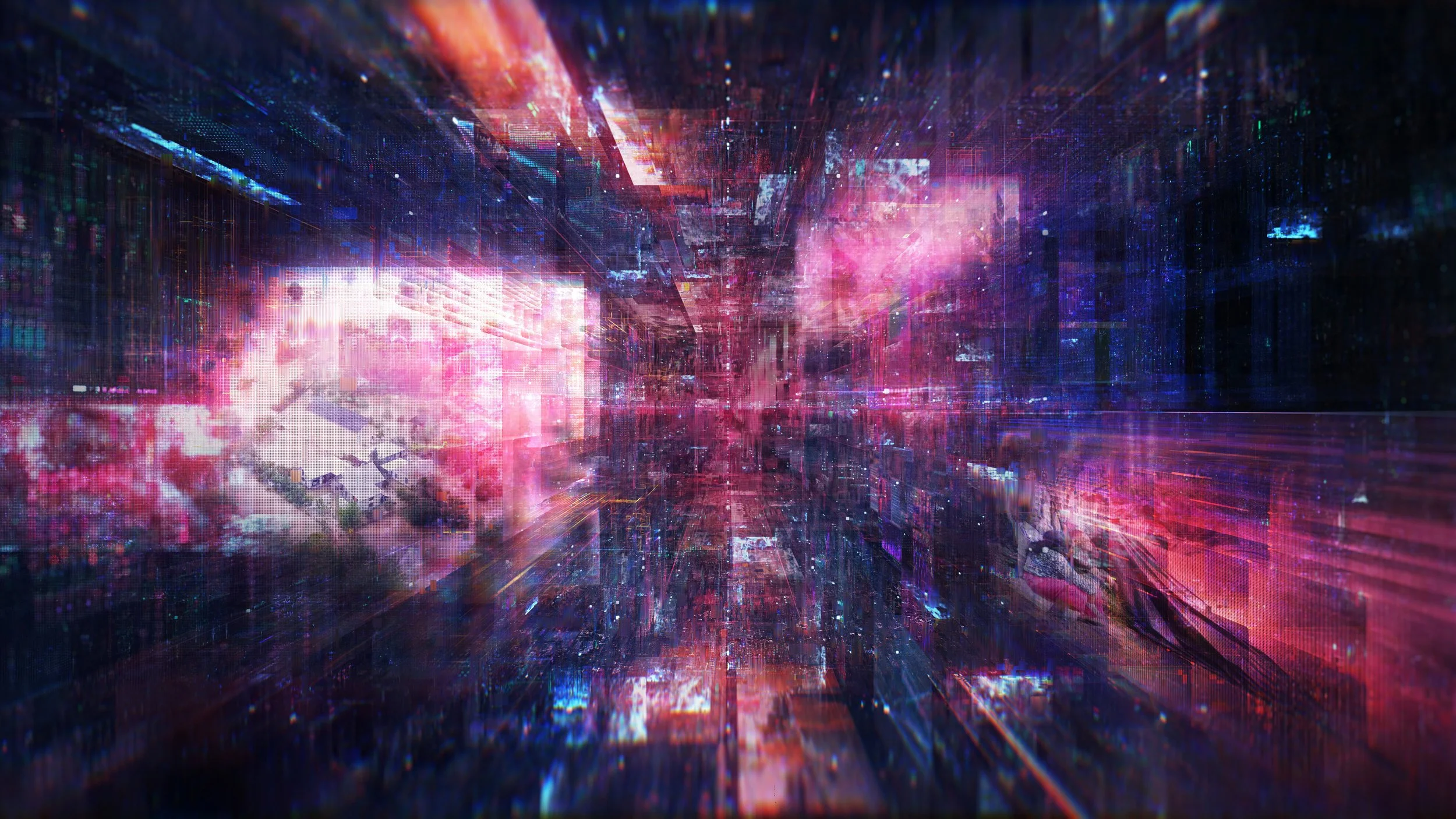
Conceived as a dense field of interconnected data, the Network draws from the idea of a large-scale intelligence system aggregating global information. It needed to register as sophisticated while retaining a sense of instability—populated by artifacts, fragmentation, and signal noise that would intensify as communication infrastructure across the world began to fail. The material presented here focuses on the earliest explorations that defined the Network’s form, behavior, and capacity.
04.0 Visual Development
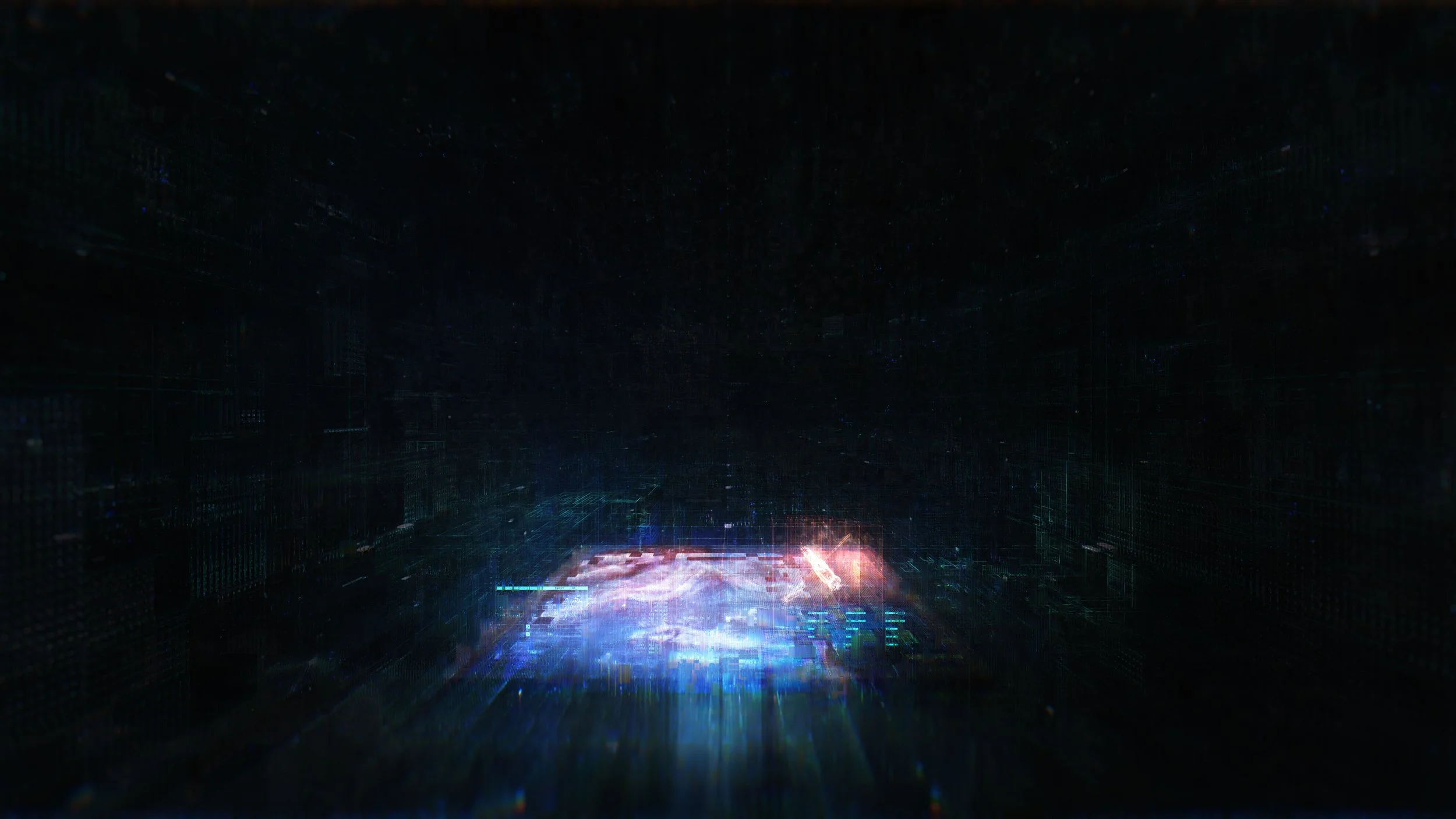
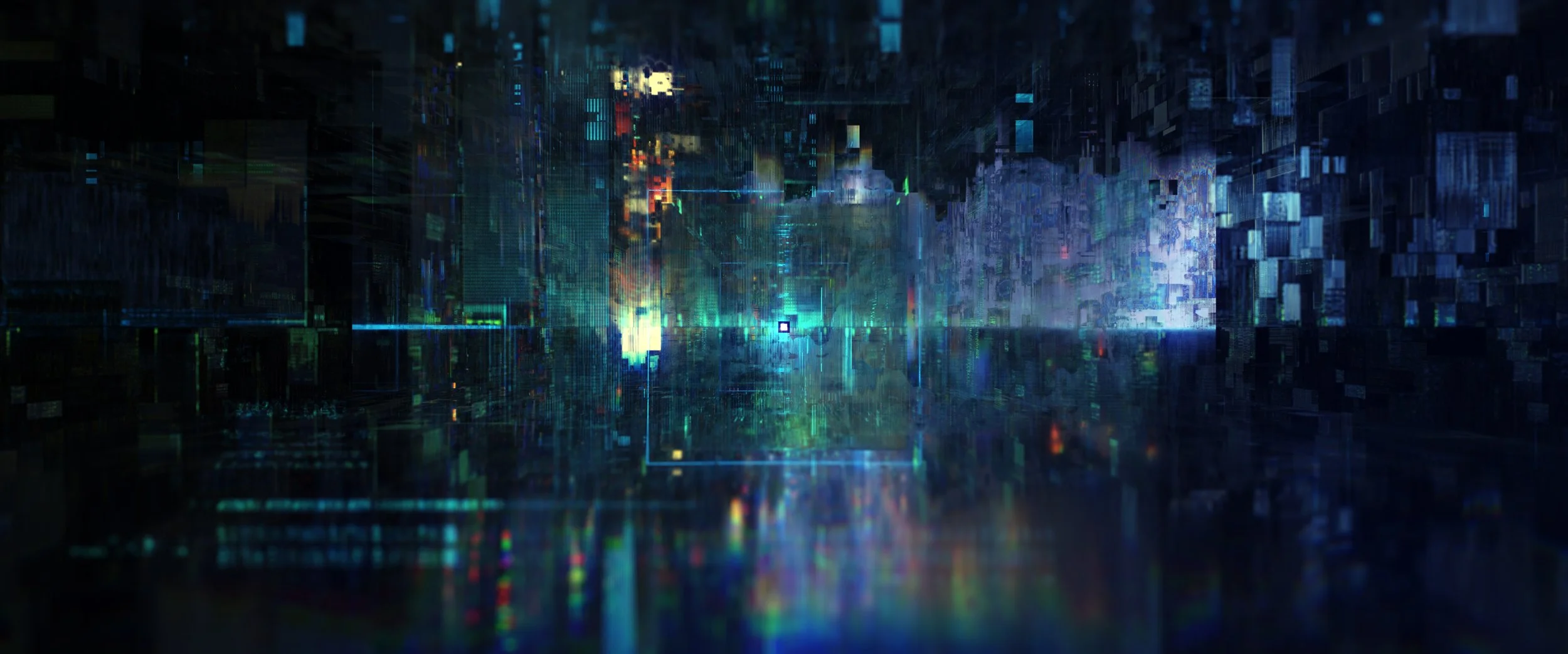
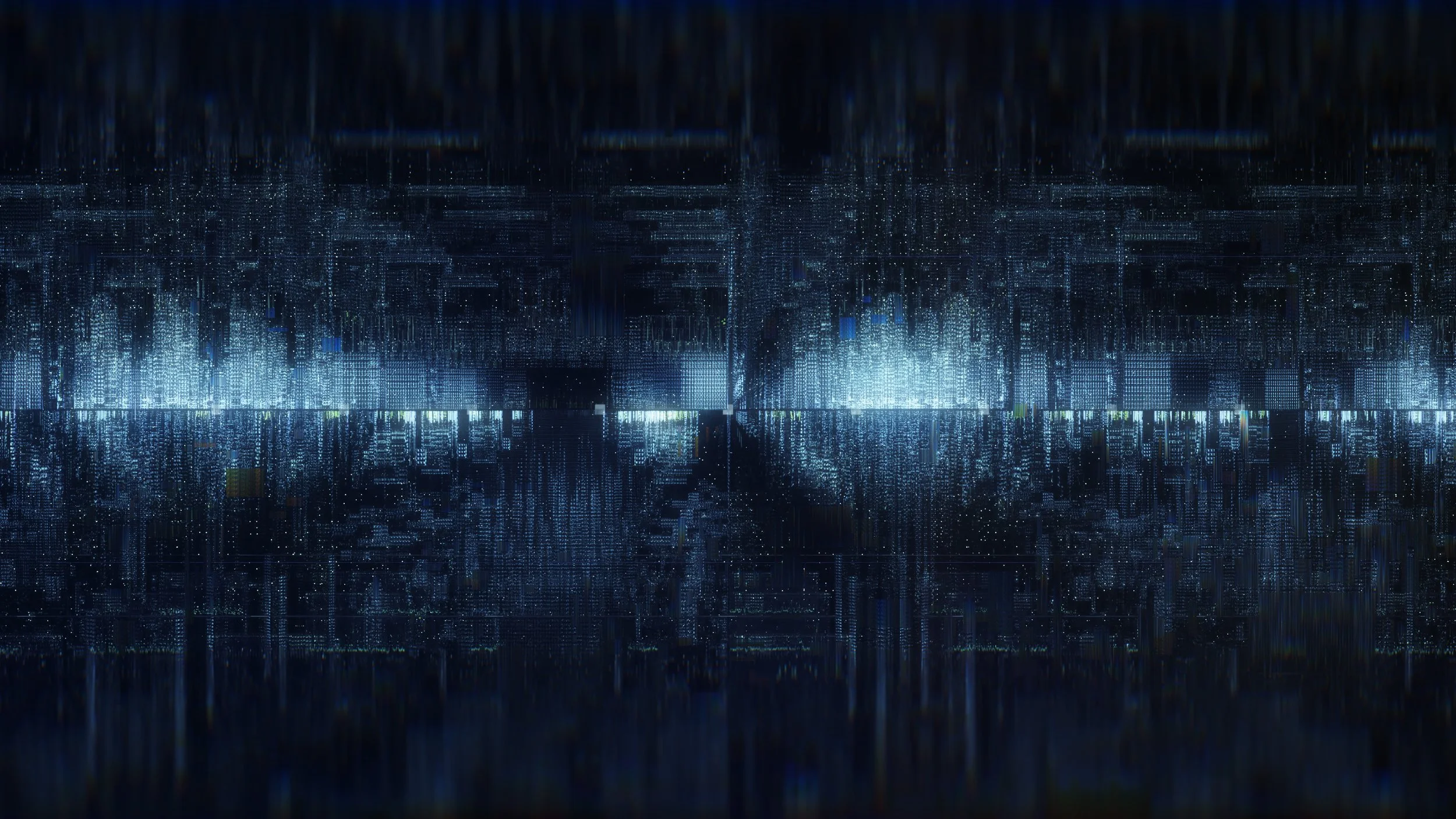
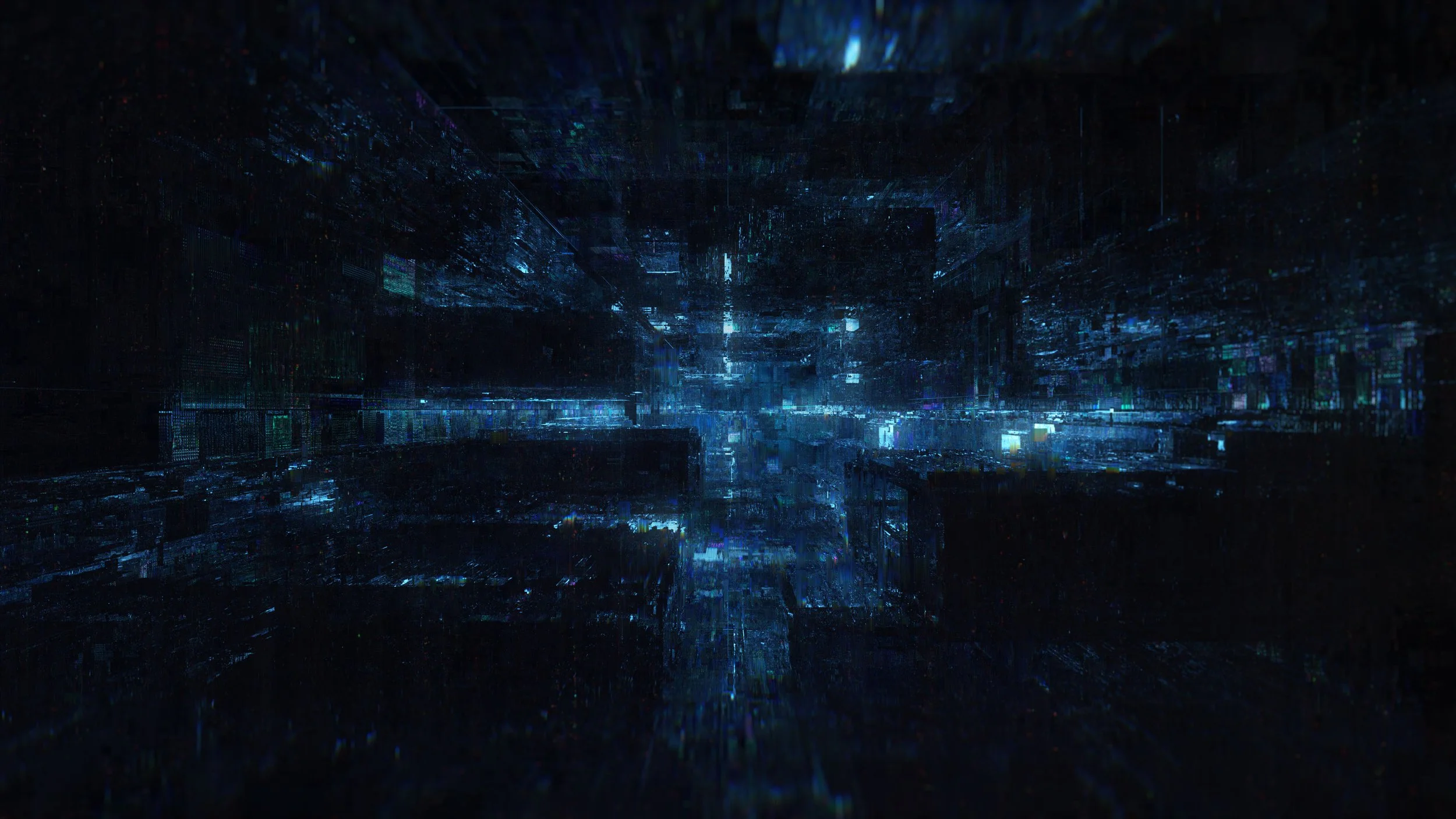
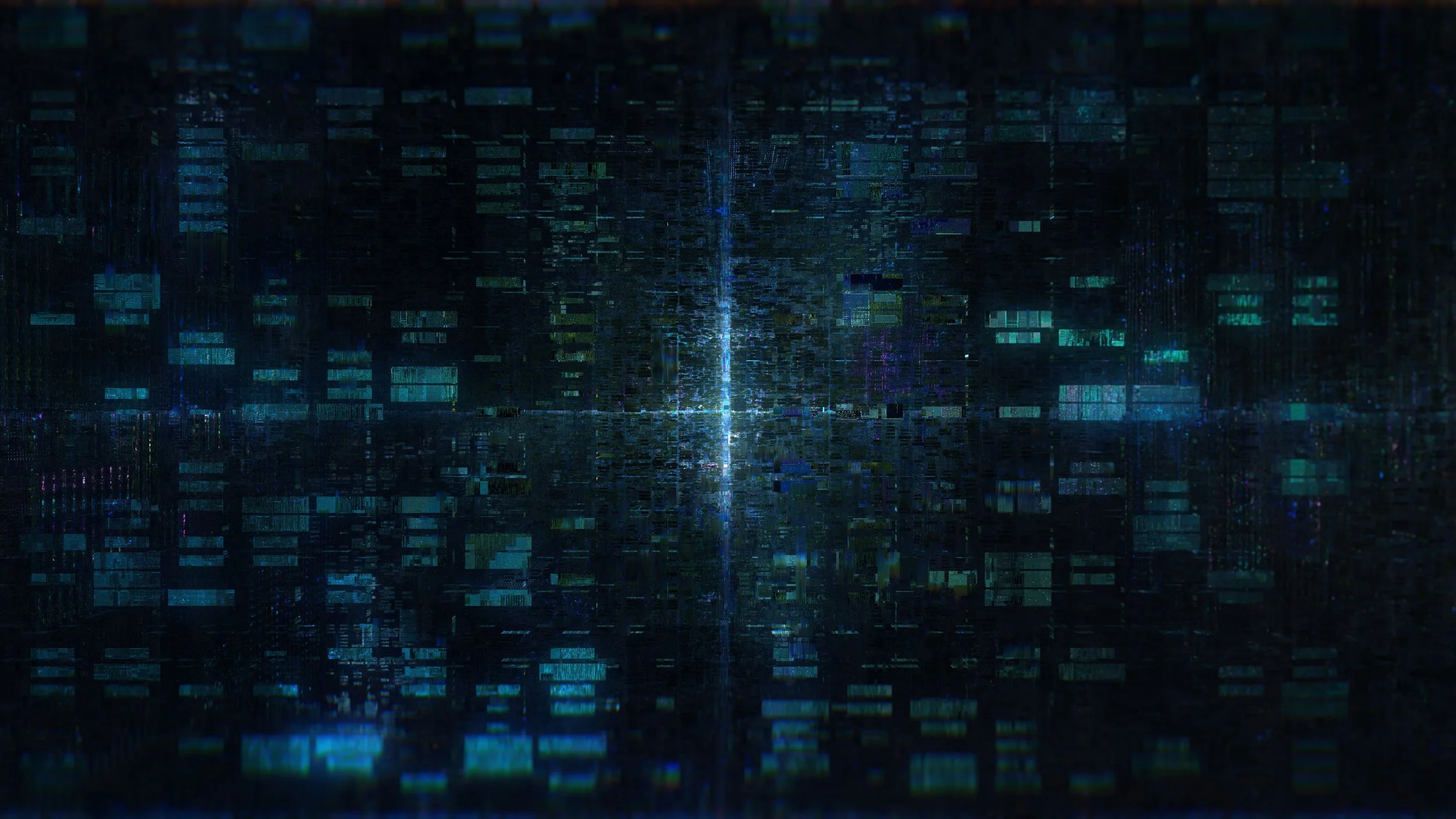
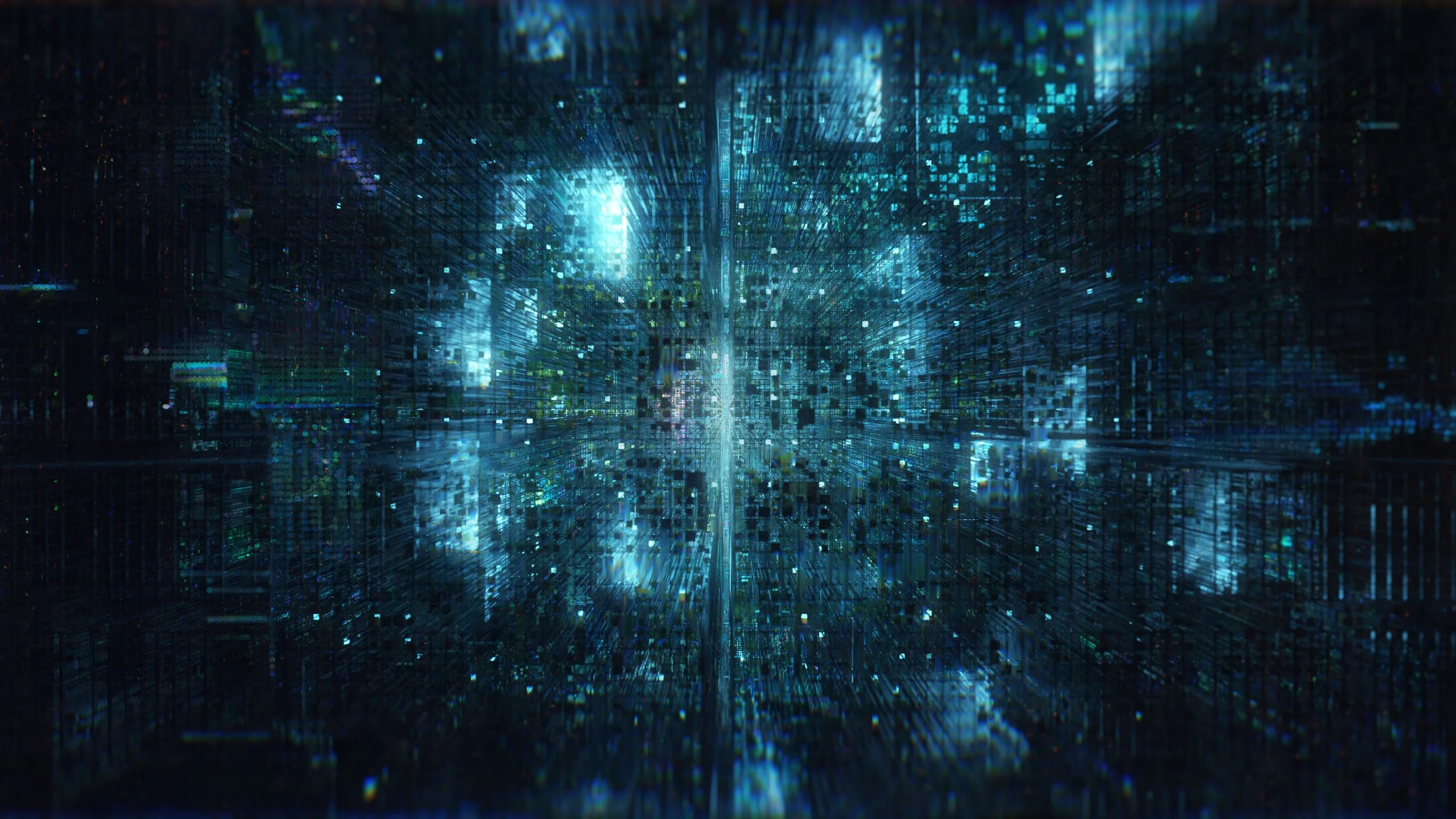
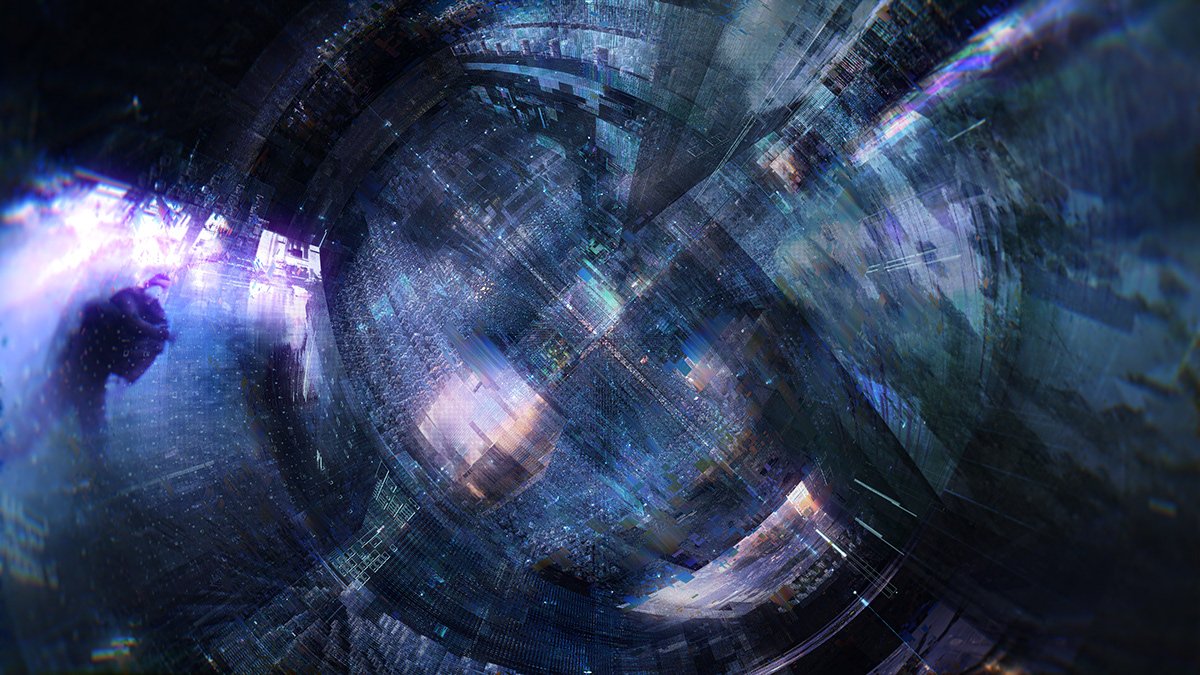
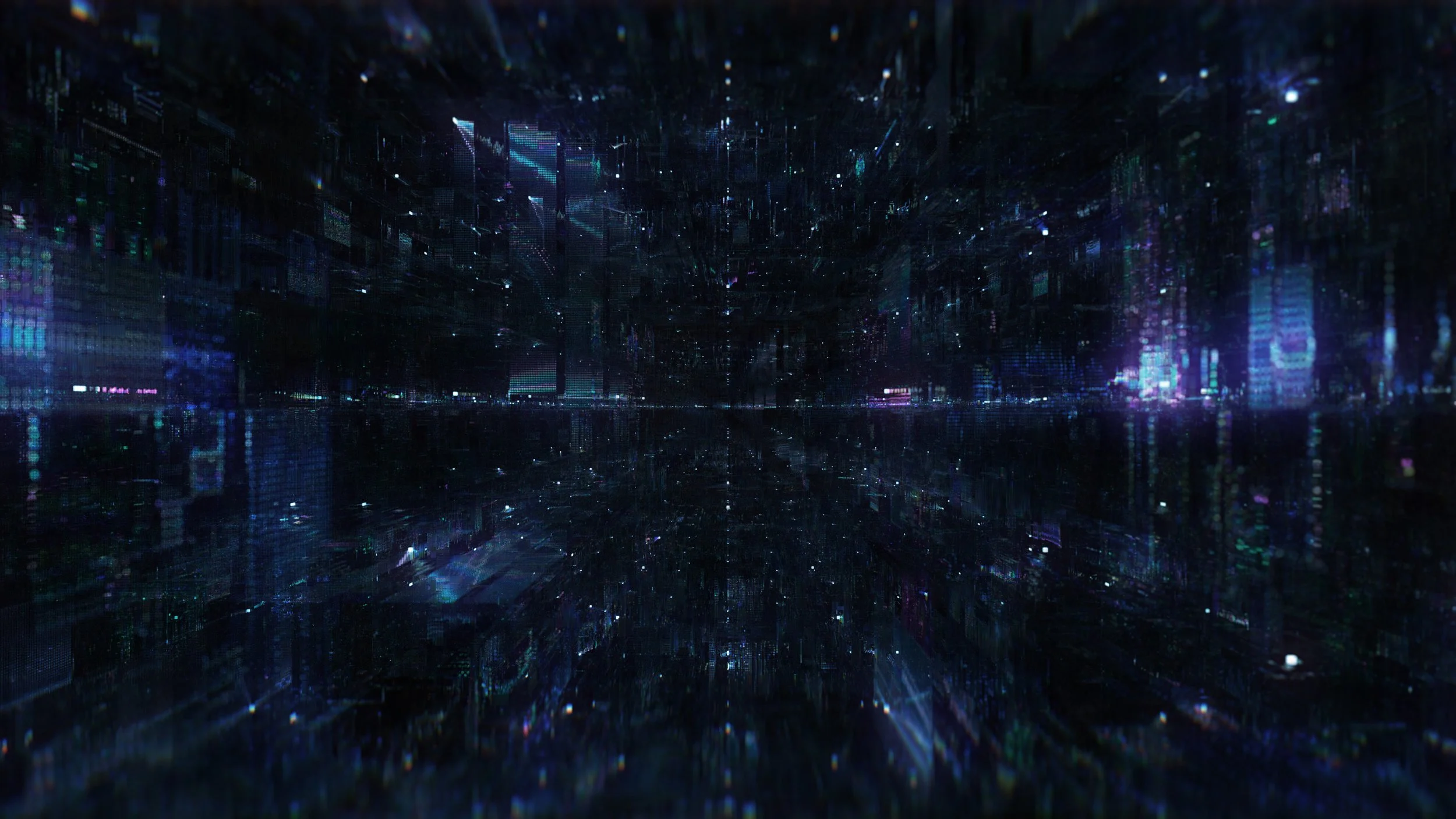
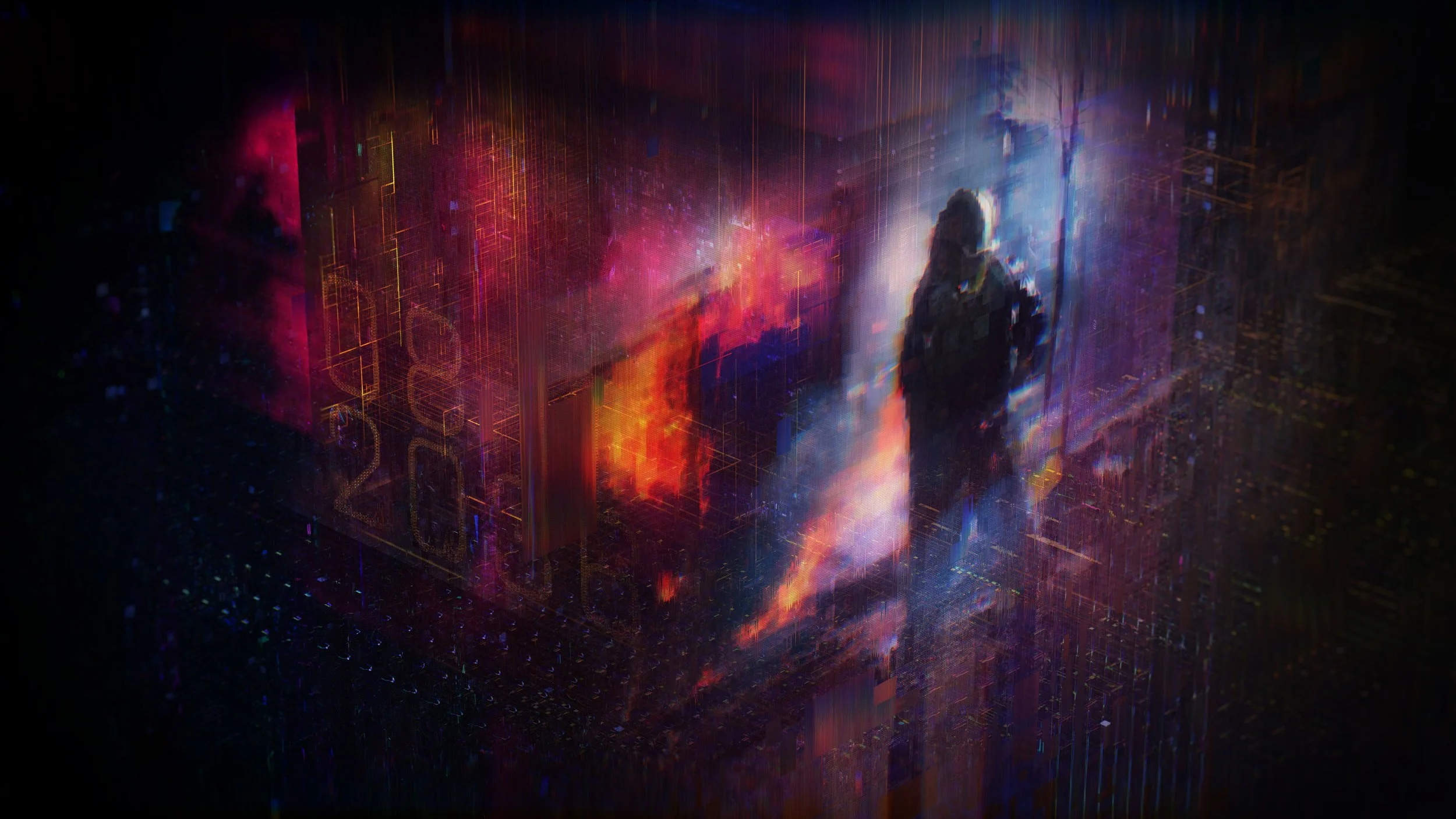
Early visual development focused on establishing the dimensional character of the Network. These studies explored depth, scale, and spatial density, testing how information could be distributed across a volumetric field without collapsing into uniformity. At this stage, the focus was on orientation—understanding how the space could be read, navigated, and structured without becoming unreadable.
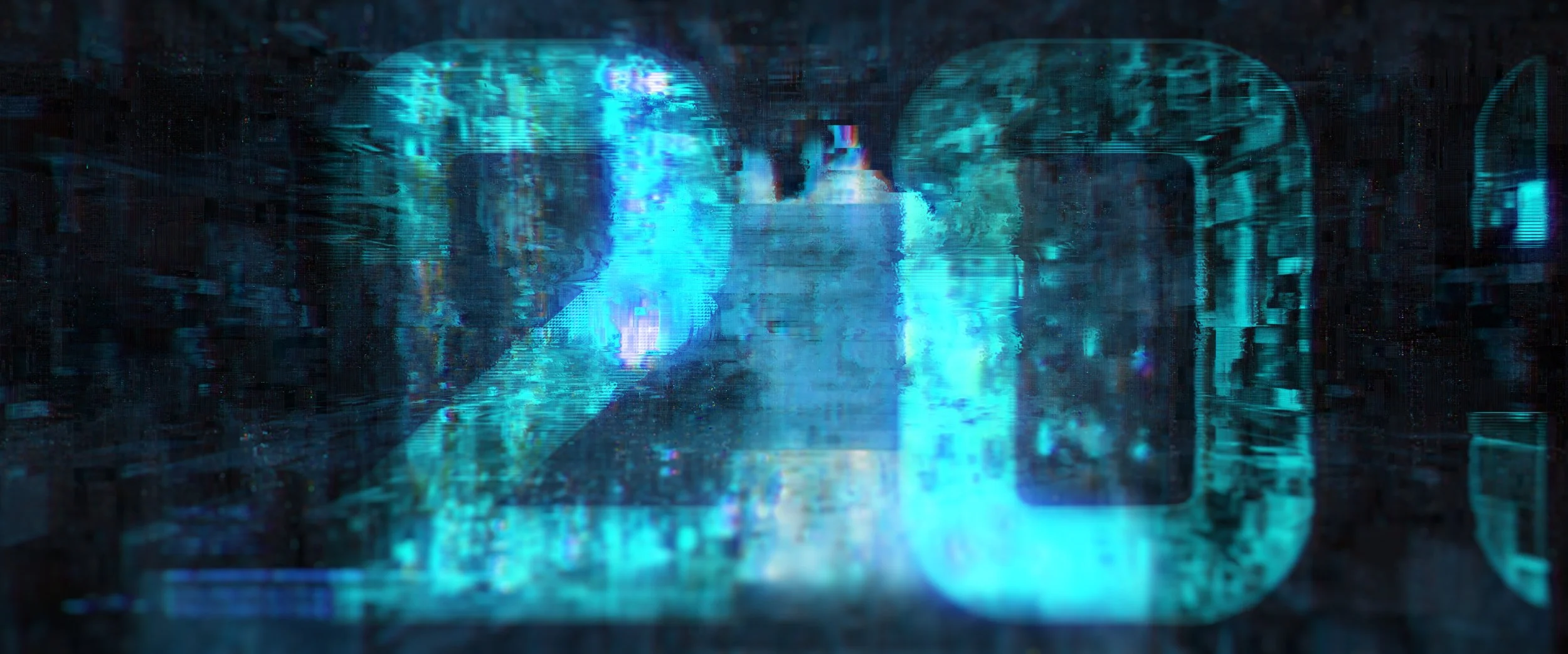
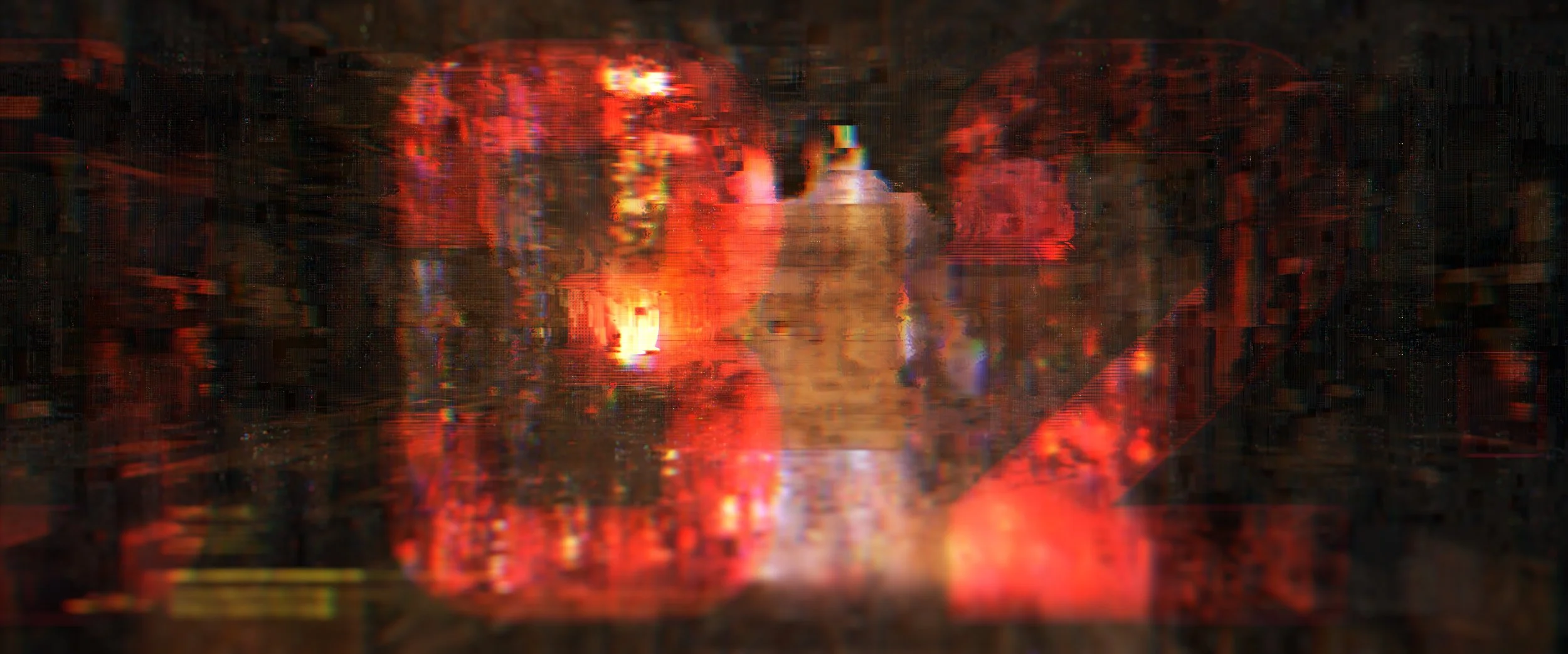
04.1 Voxel Tools
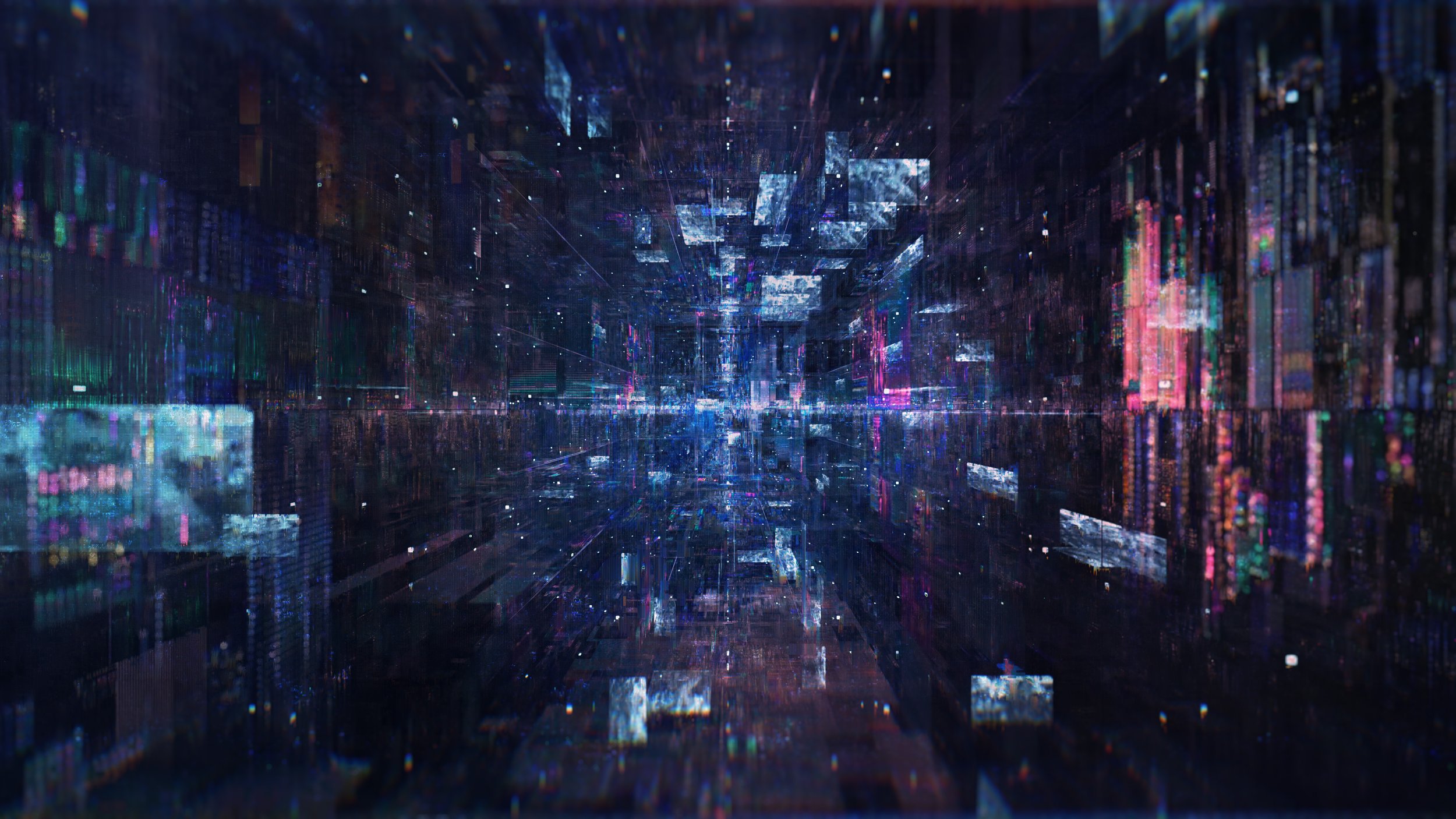
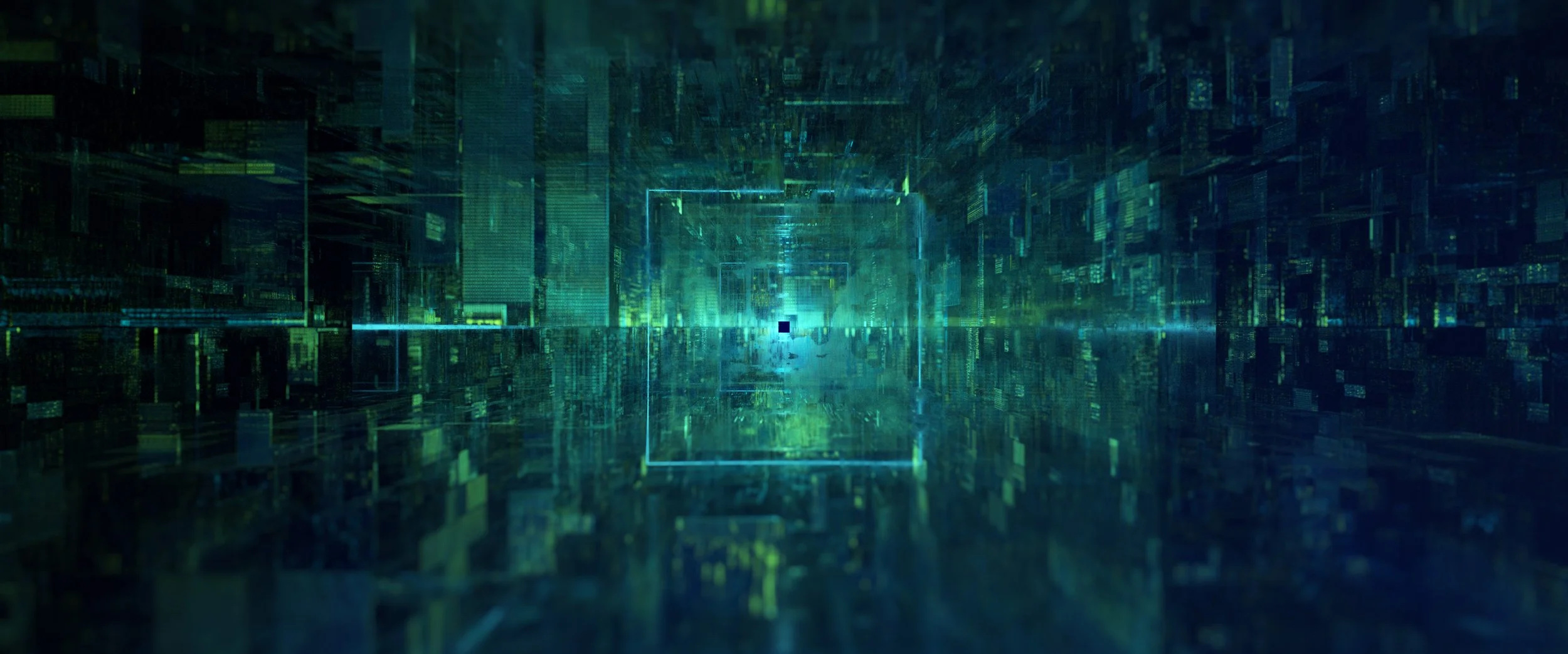
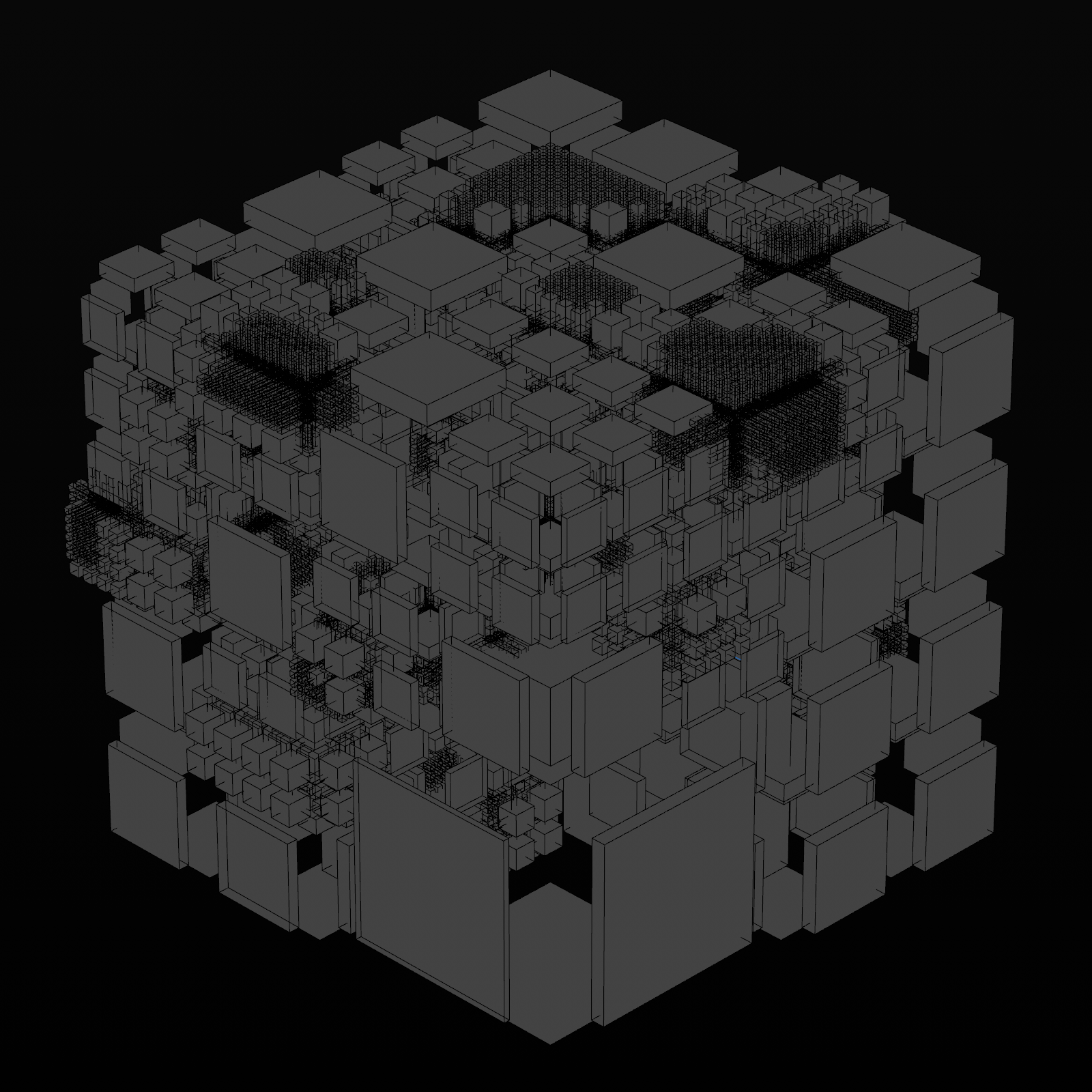
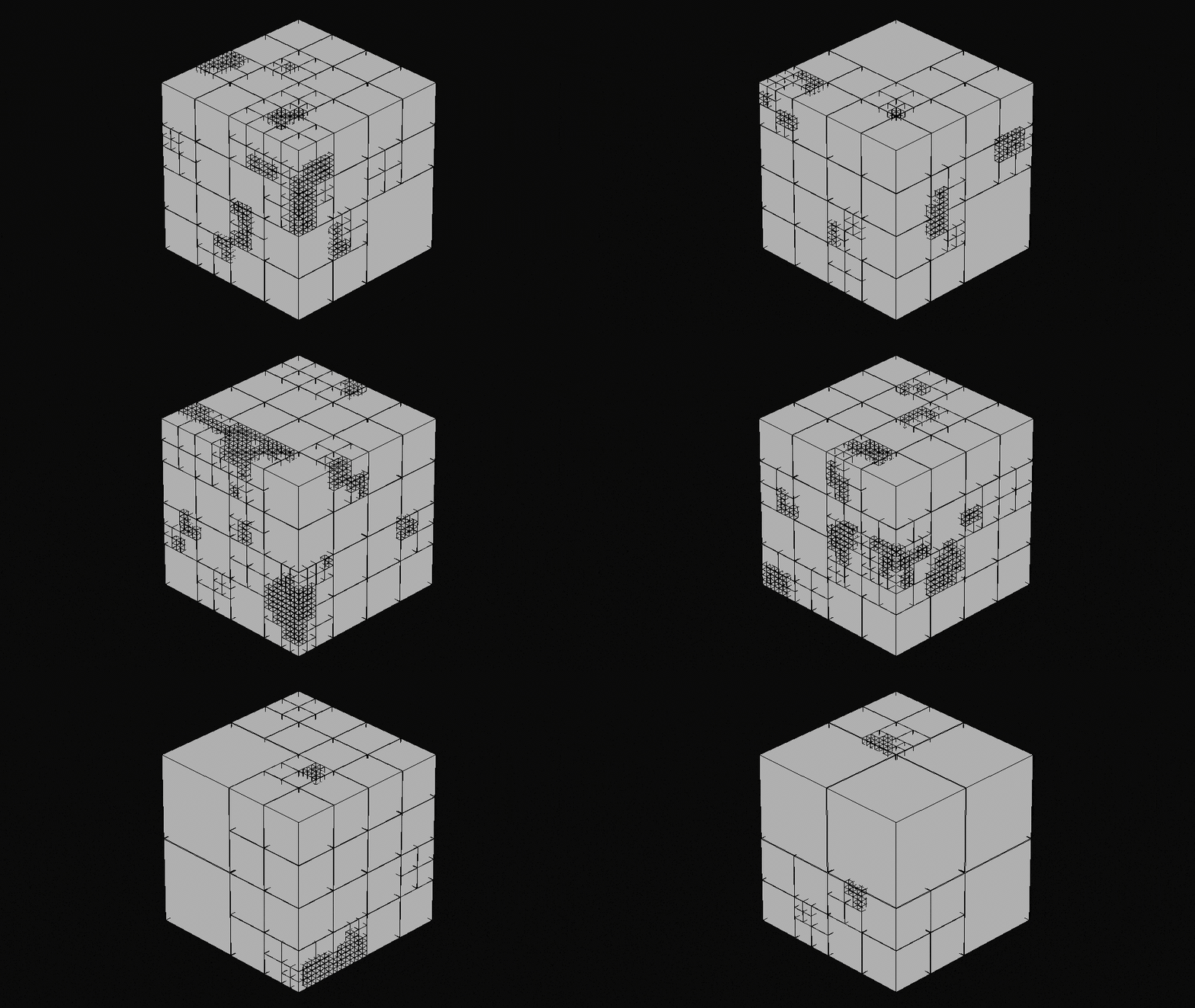
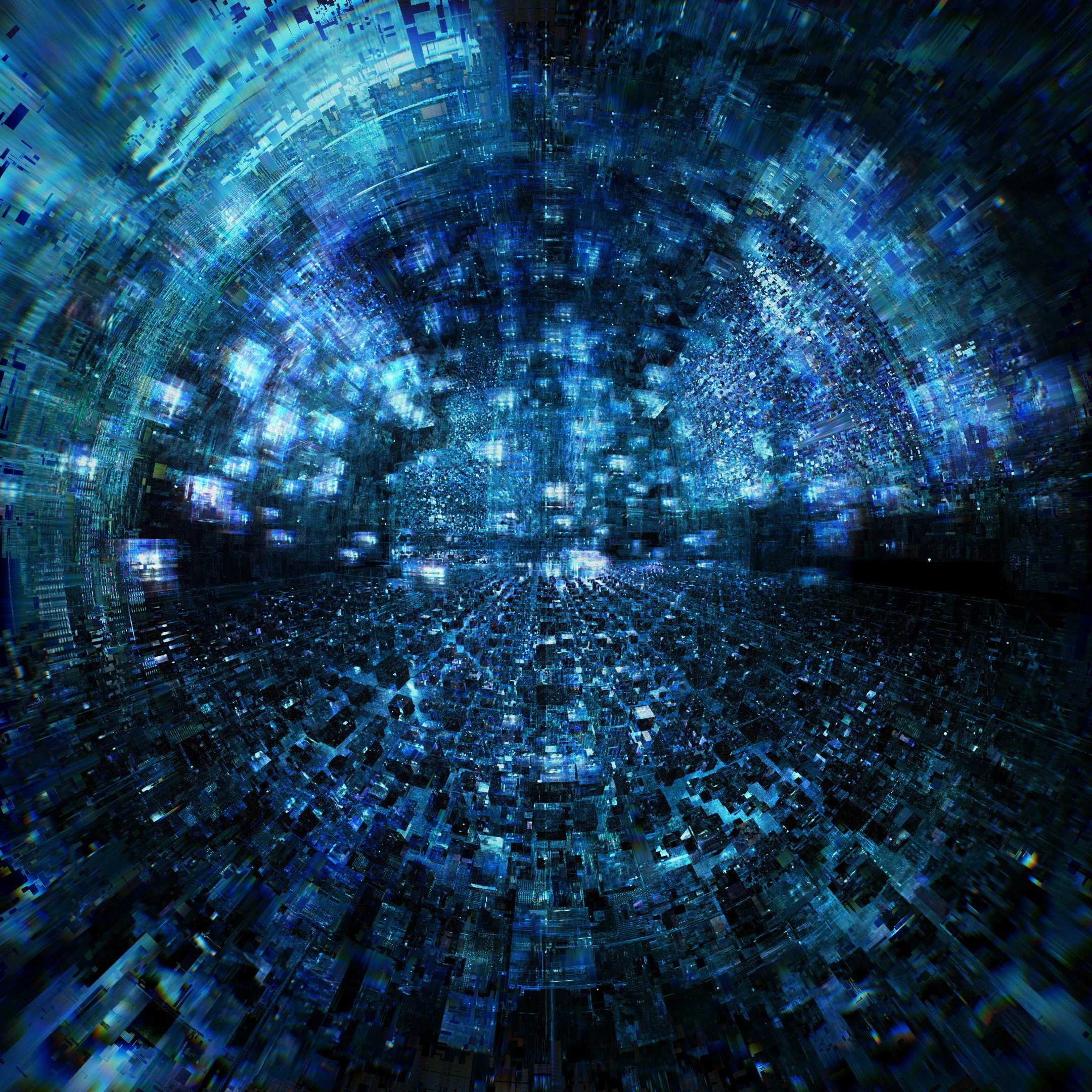
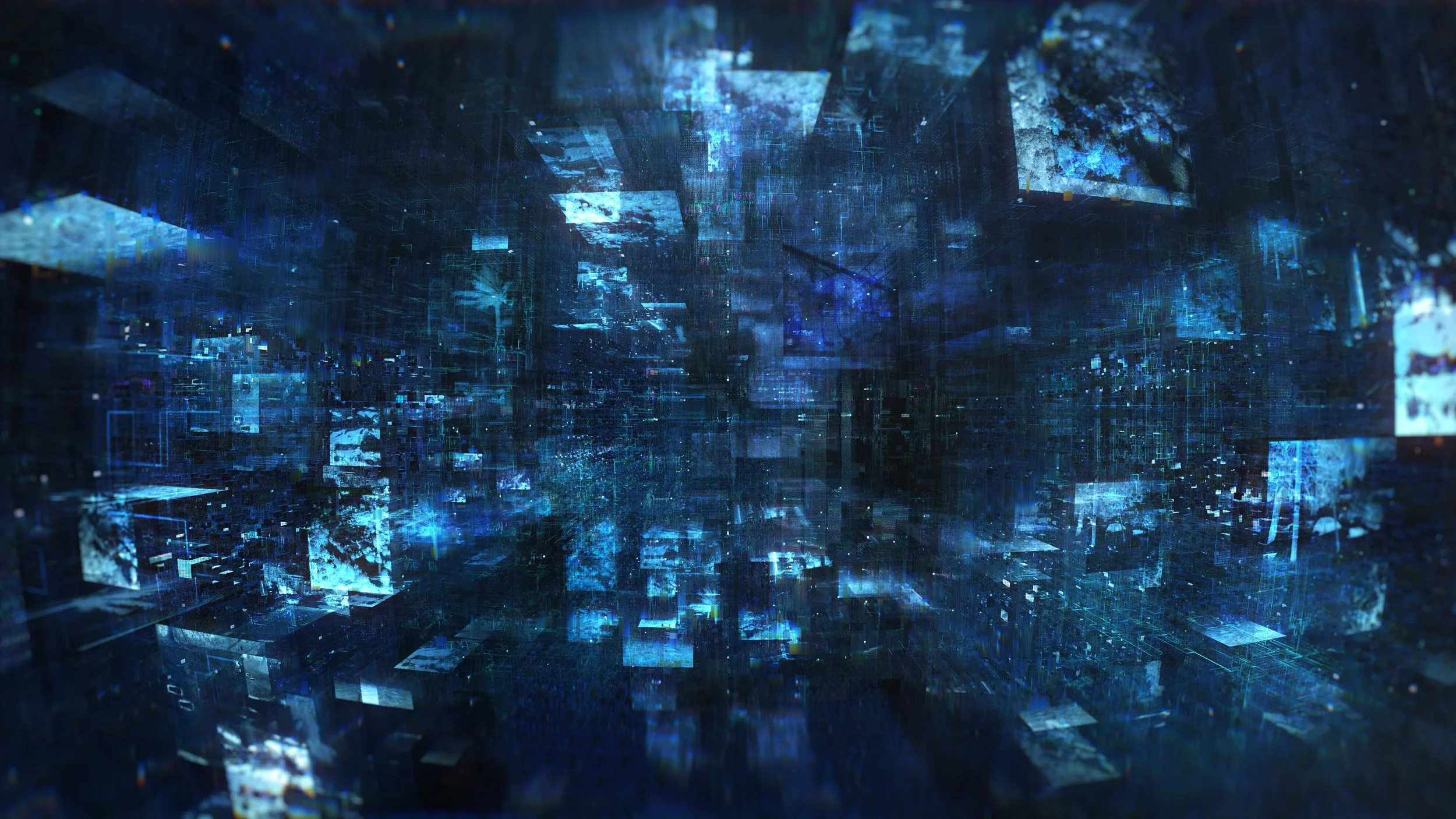
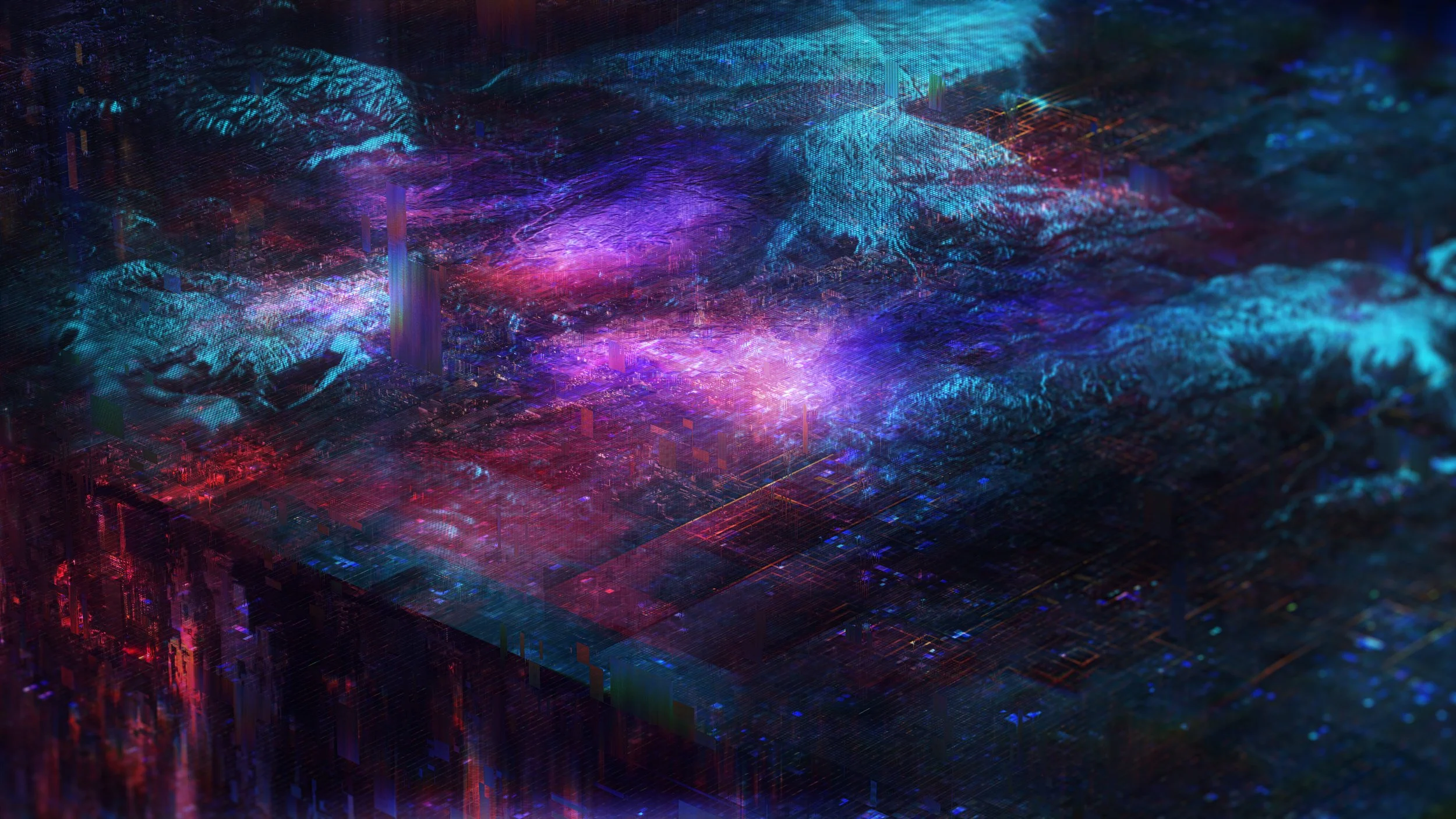
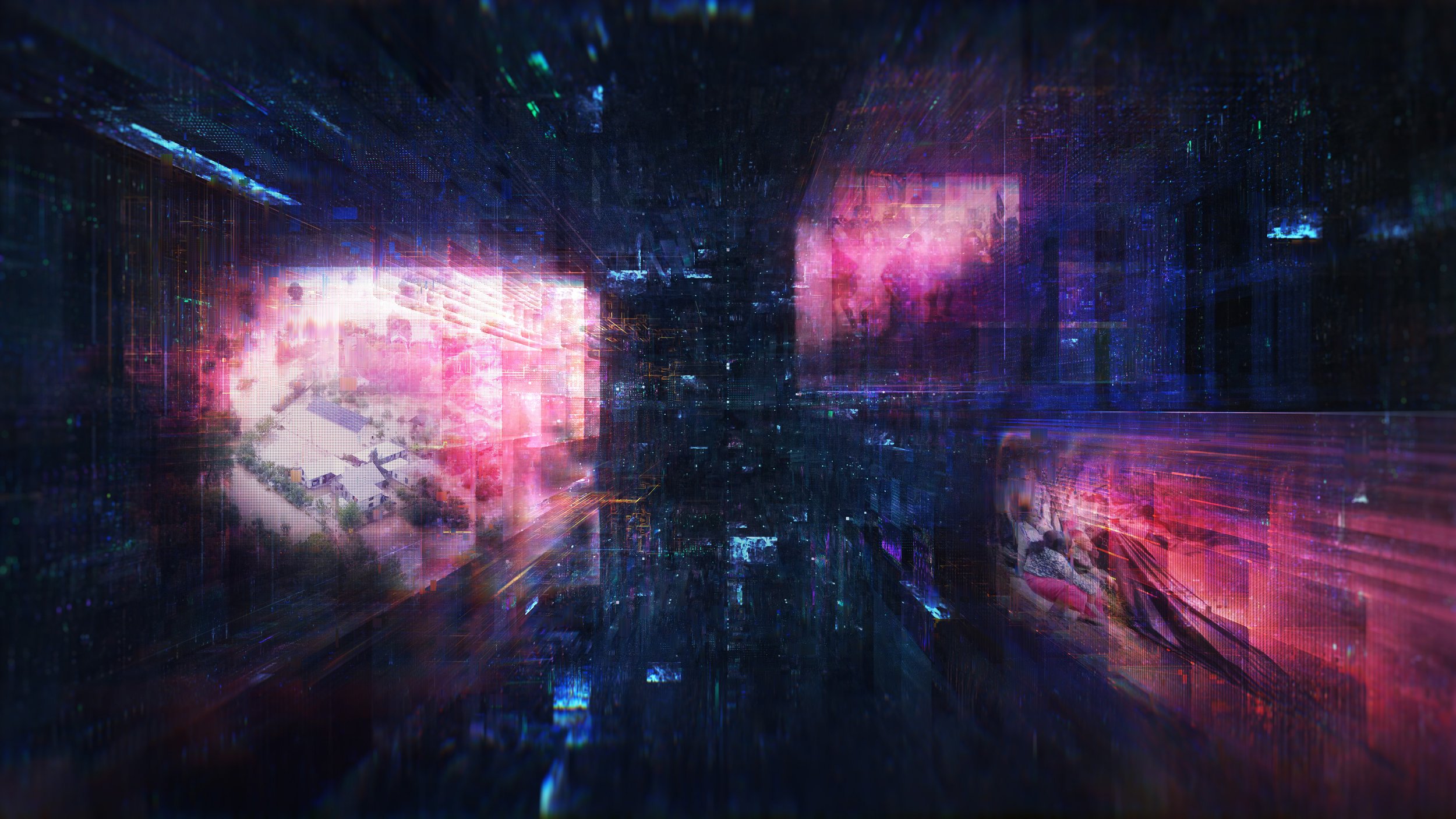
As the design evolved, the Network resolved into a voxel-based structure informed by visual models of data storage and access in solid-state drives. This approach provided a scalable grid capable of supporting an expanding range of content types while maintaining a consistent spatial logic.
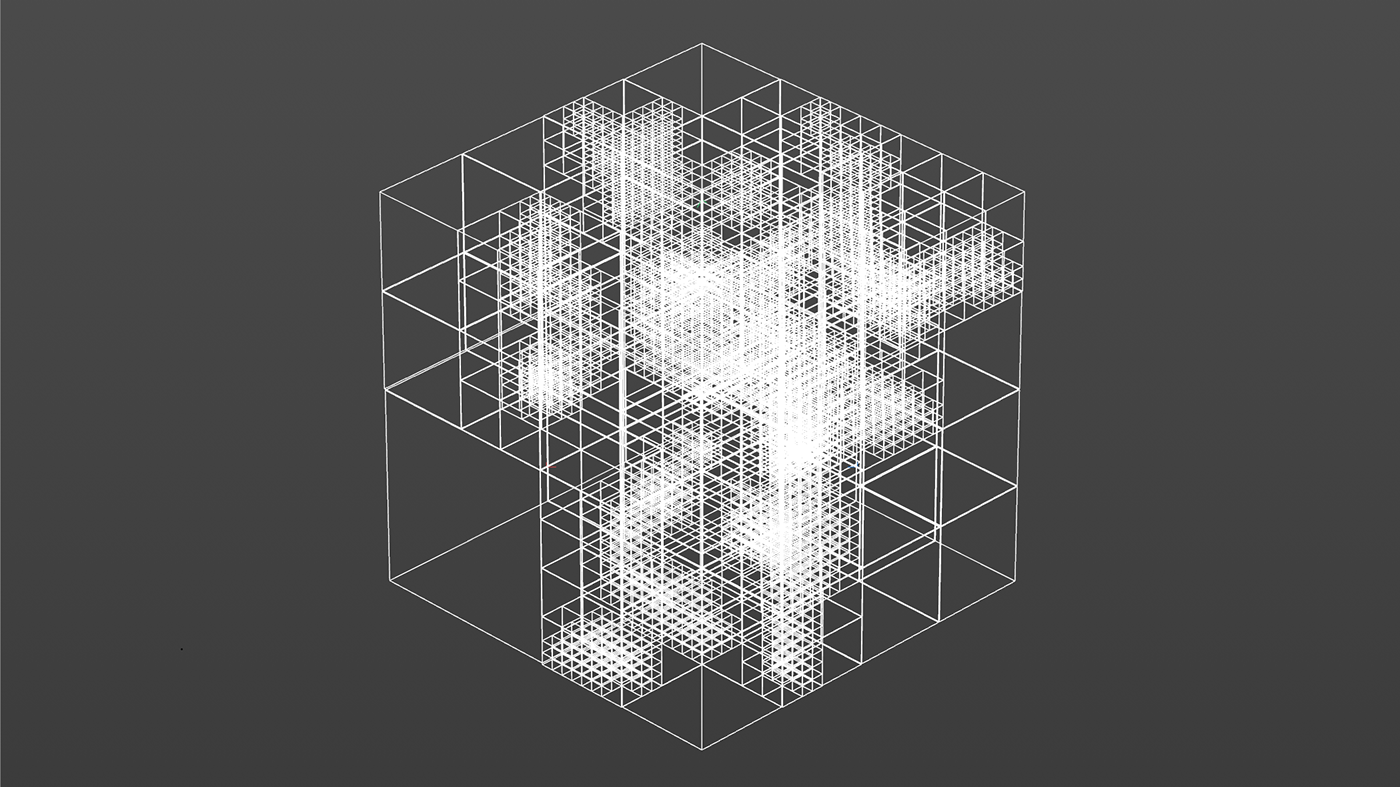
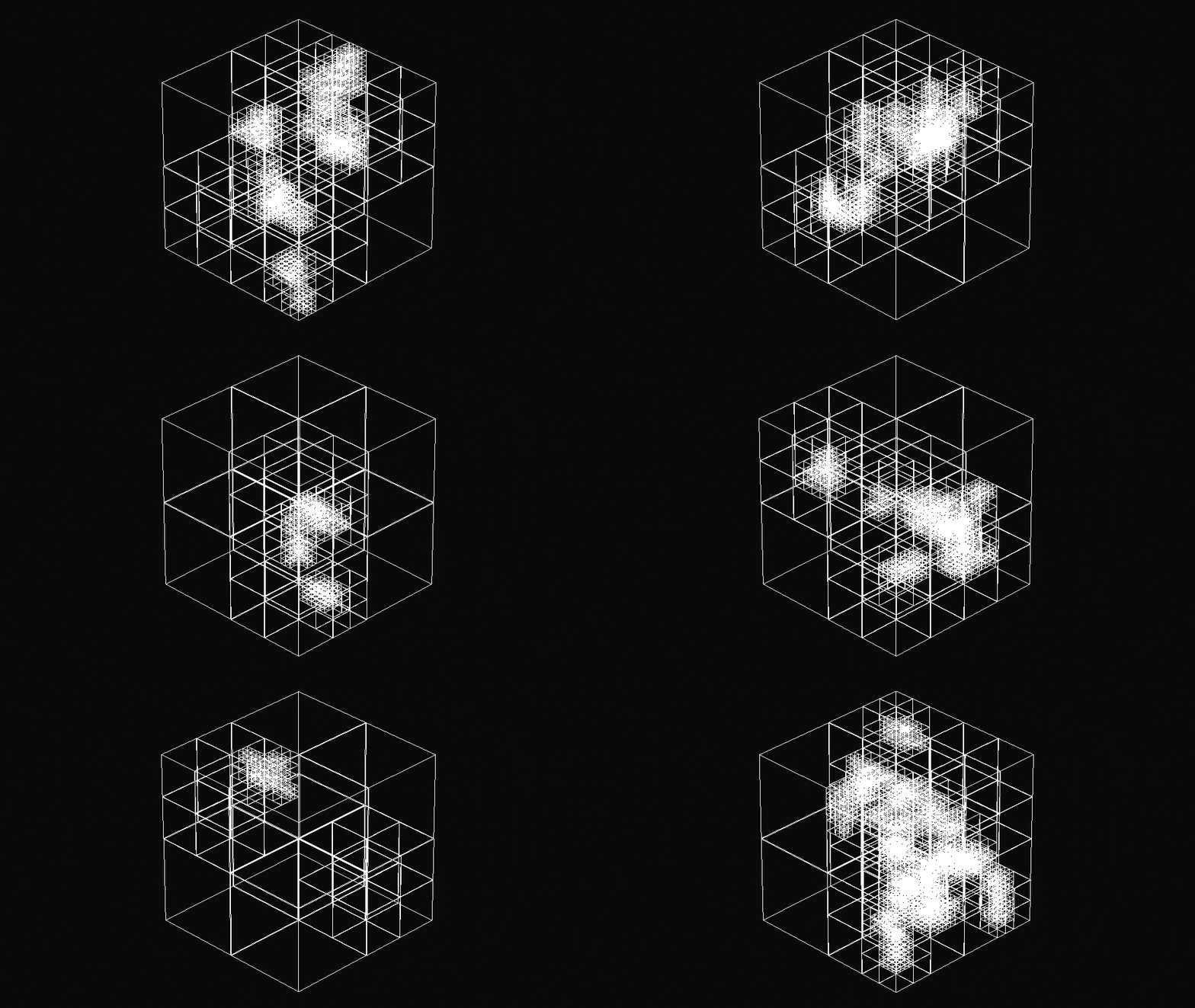
To support iteration, a custom Python tool was developed in Cinema 4D to generate recursive volumetric grids driven by three-dimensional noise. Grid dimensions were defined through User Data, with noise values sampled and clamped into color ranges. Voxels meeting defined thresholds were subdivided recursively, producing nested cube structures across multiple levels of density.
04.2 Organized Chaos
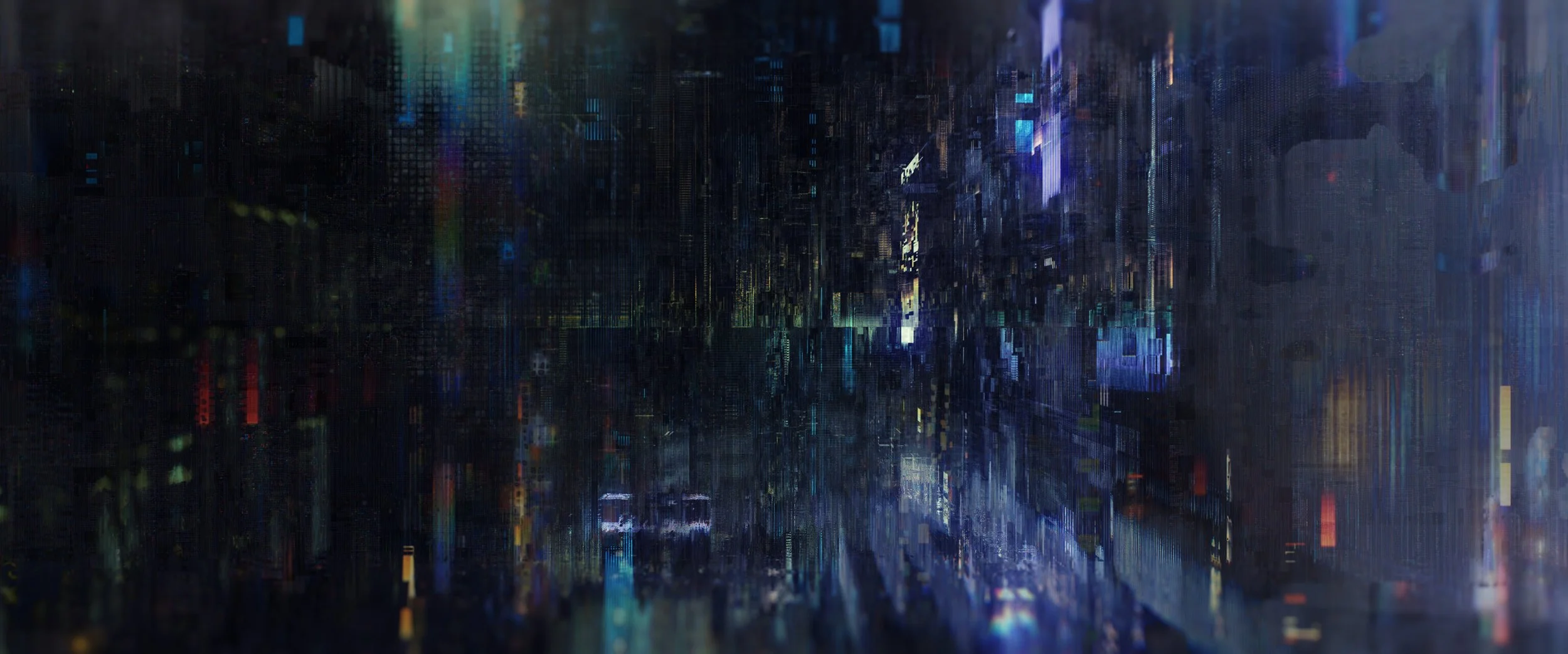
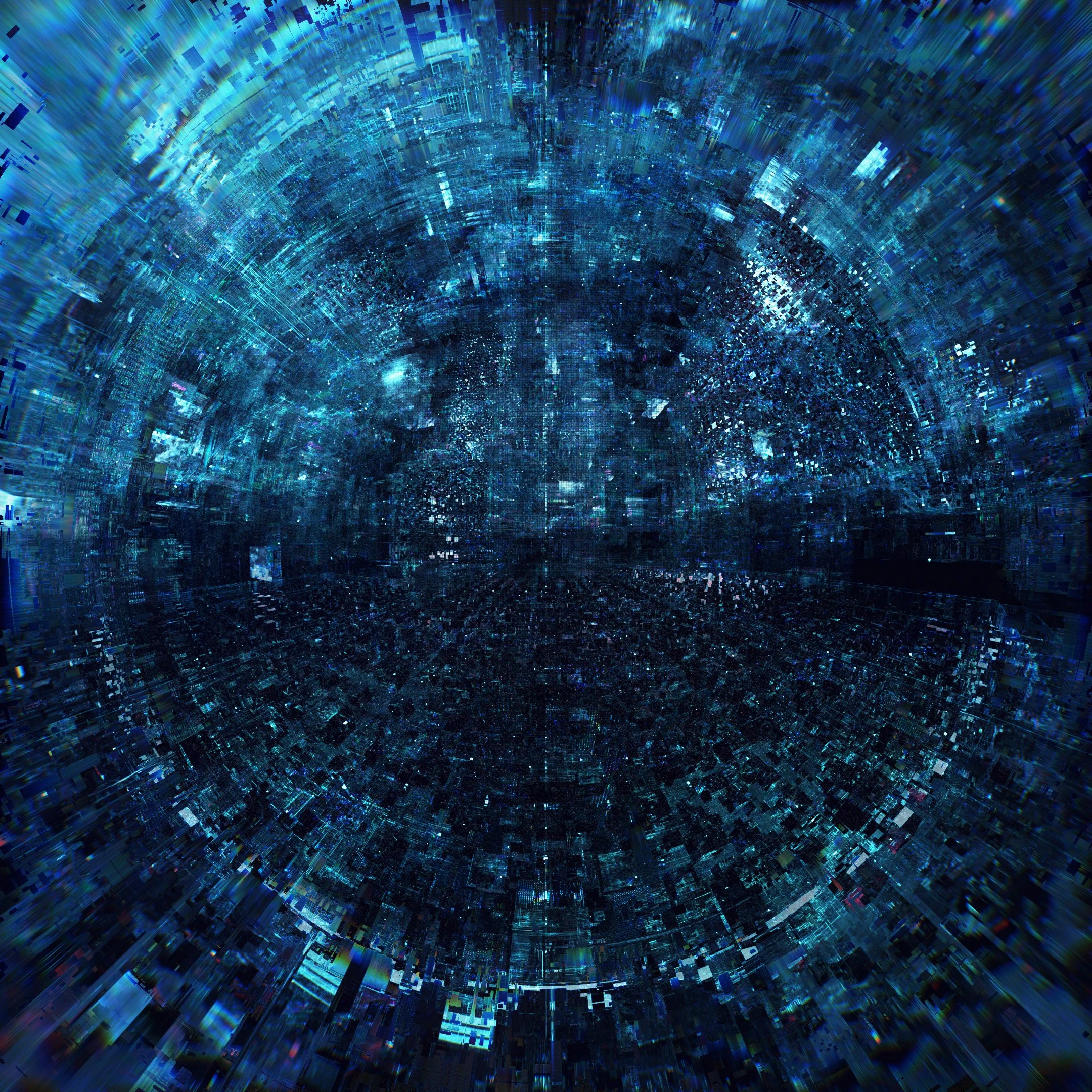
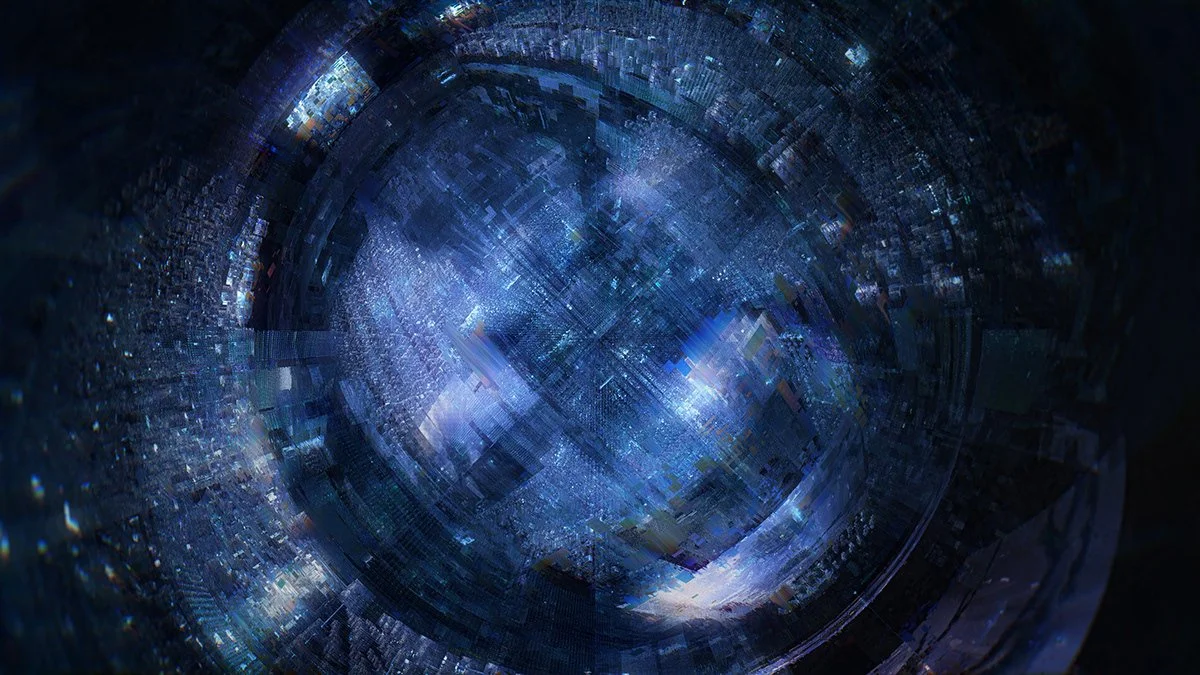
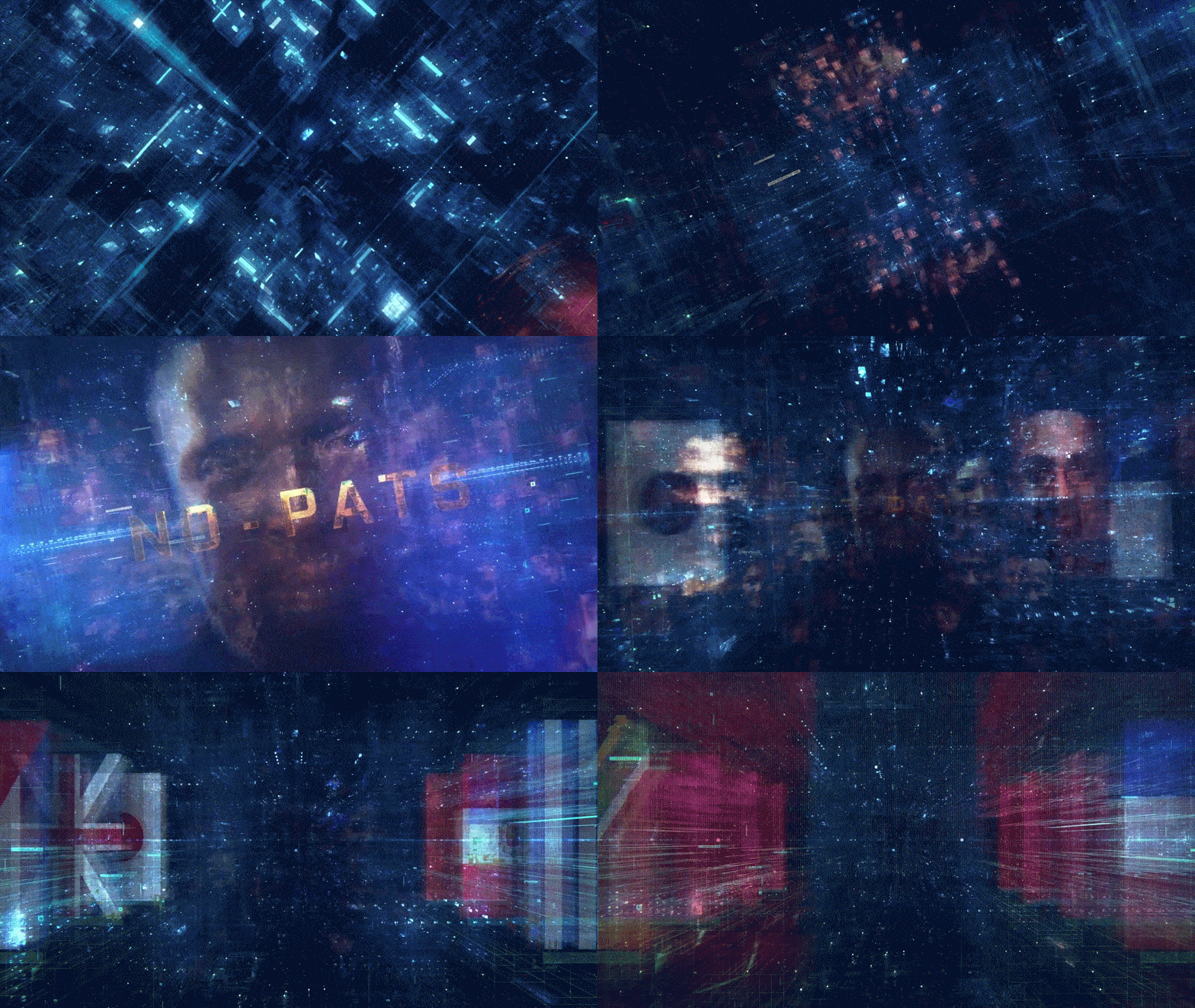
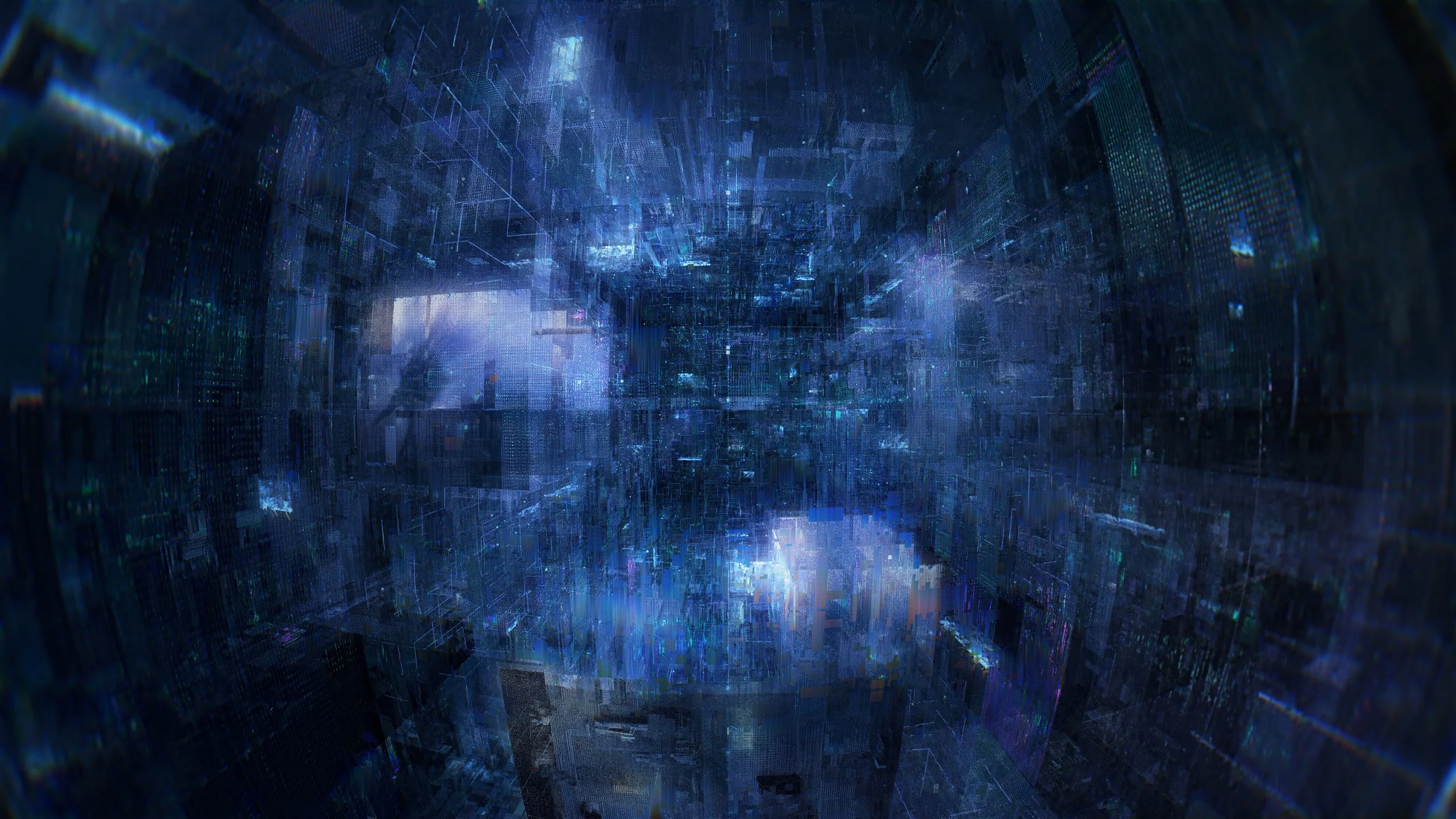
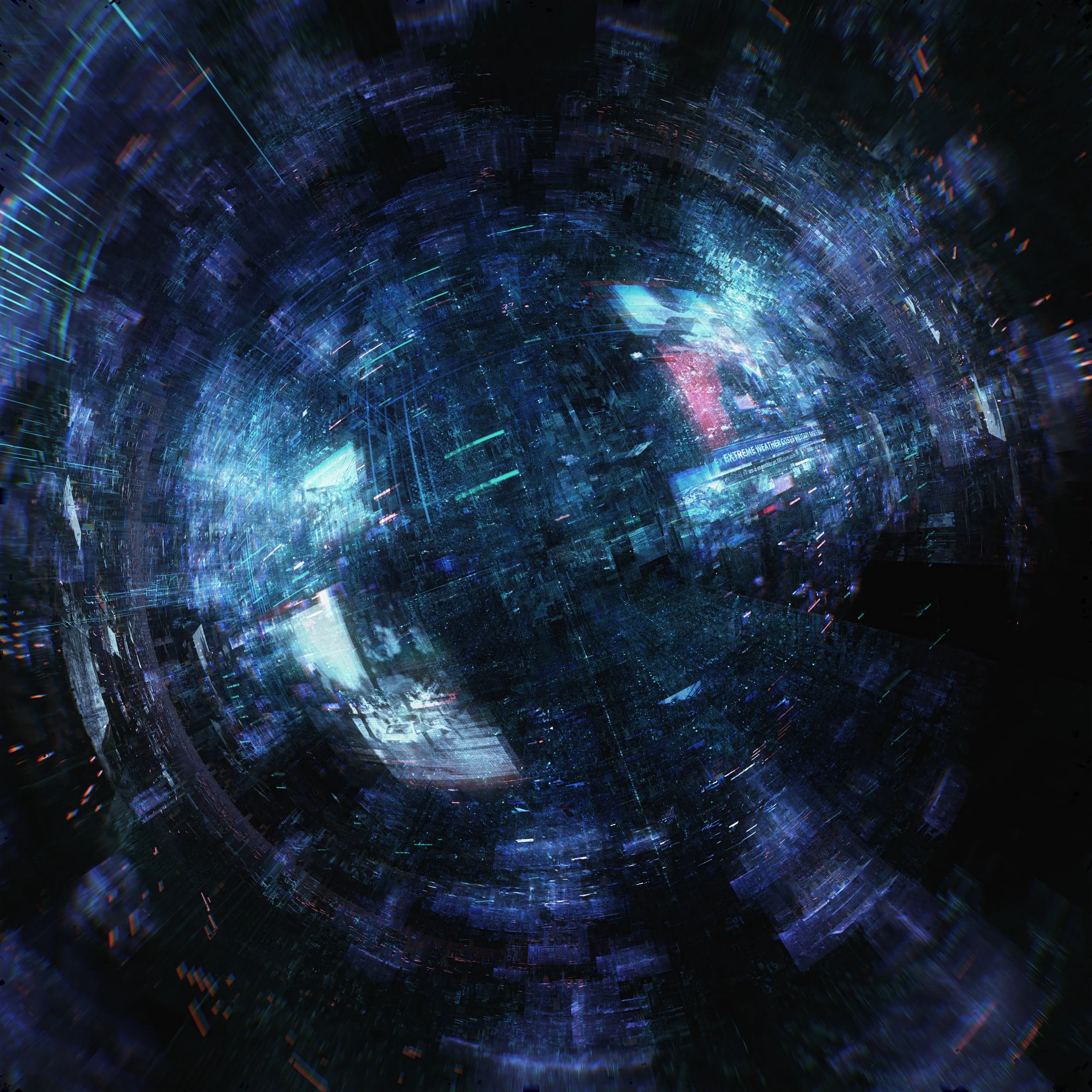
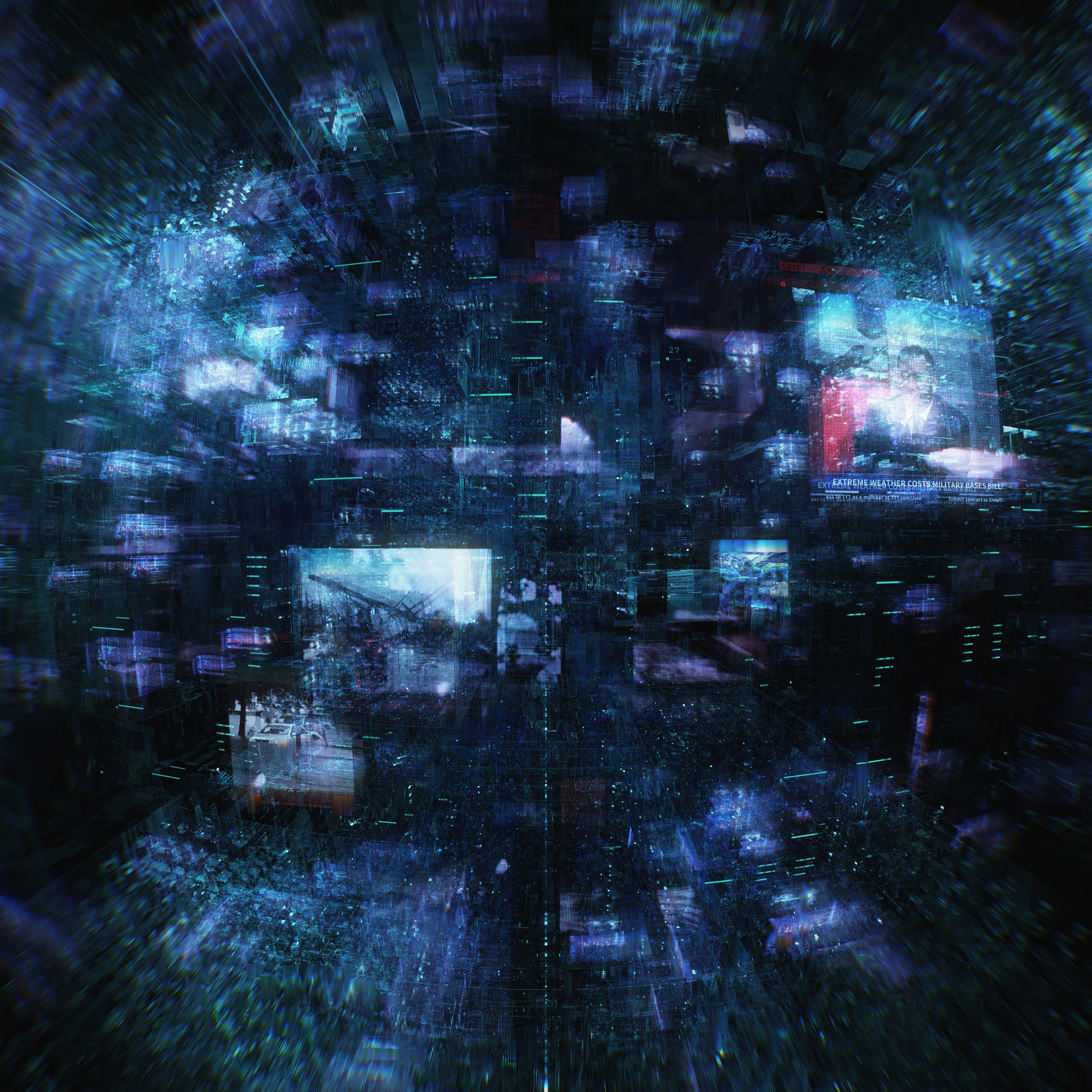
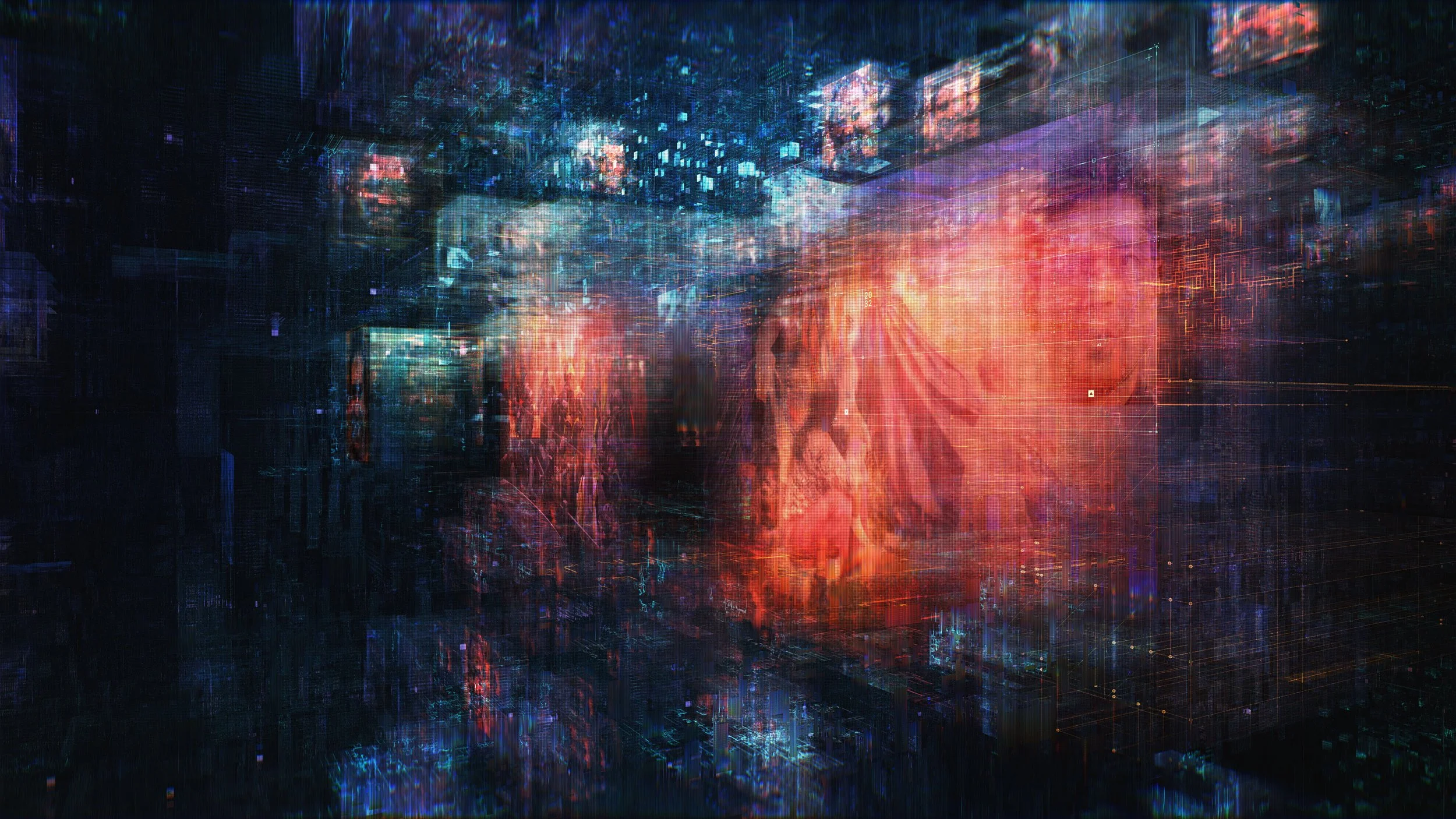
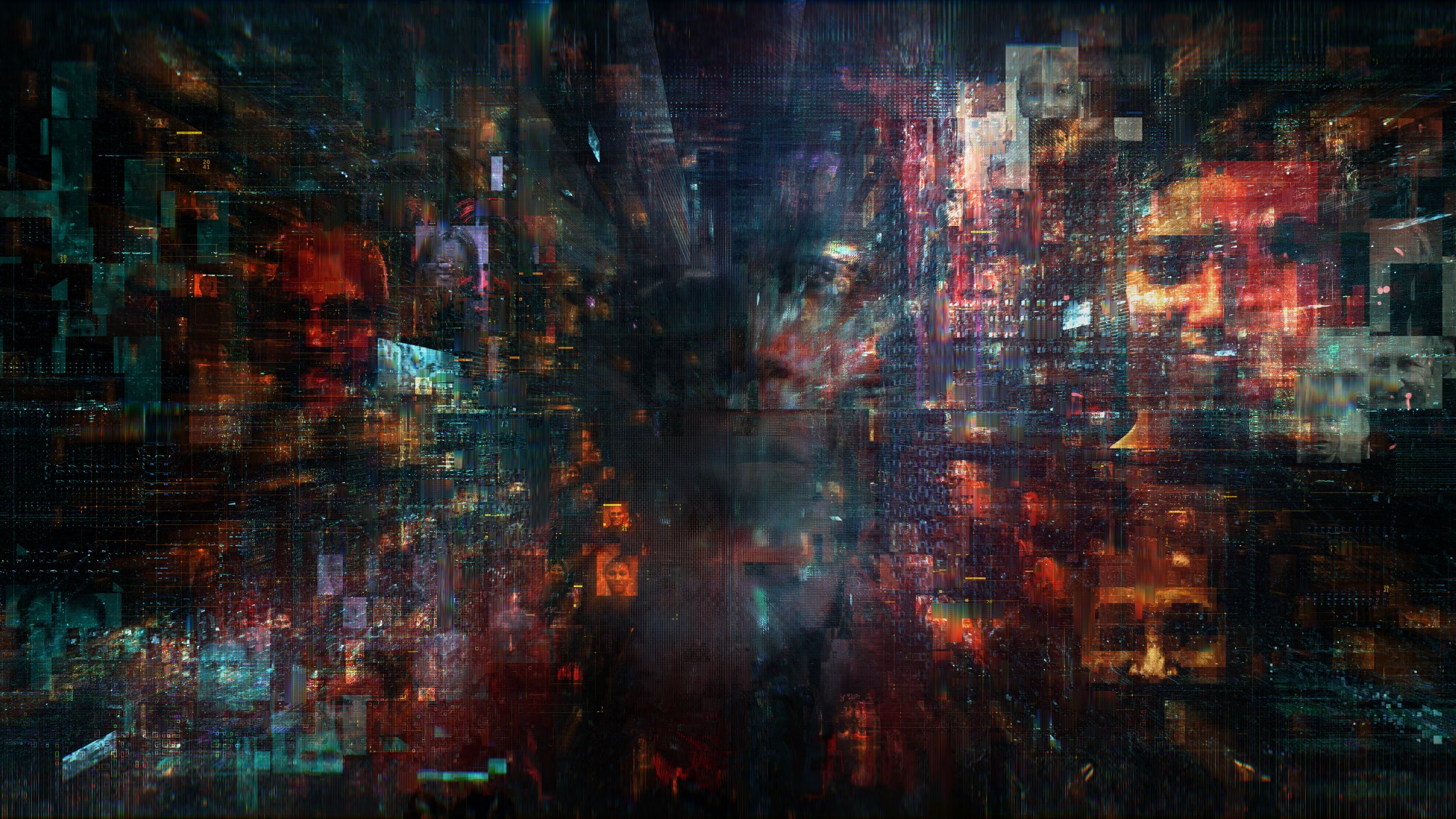
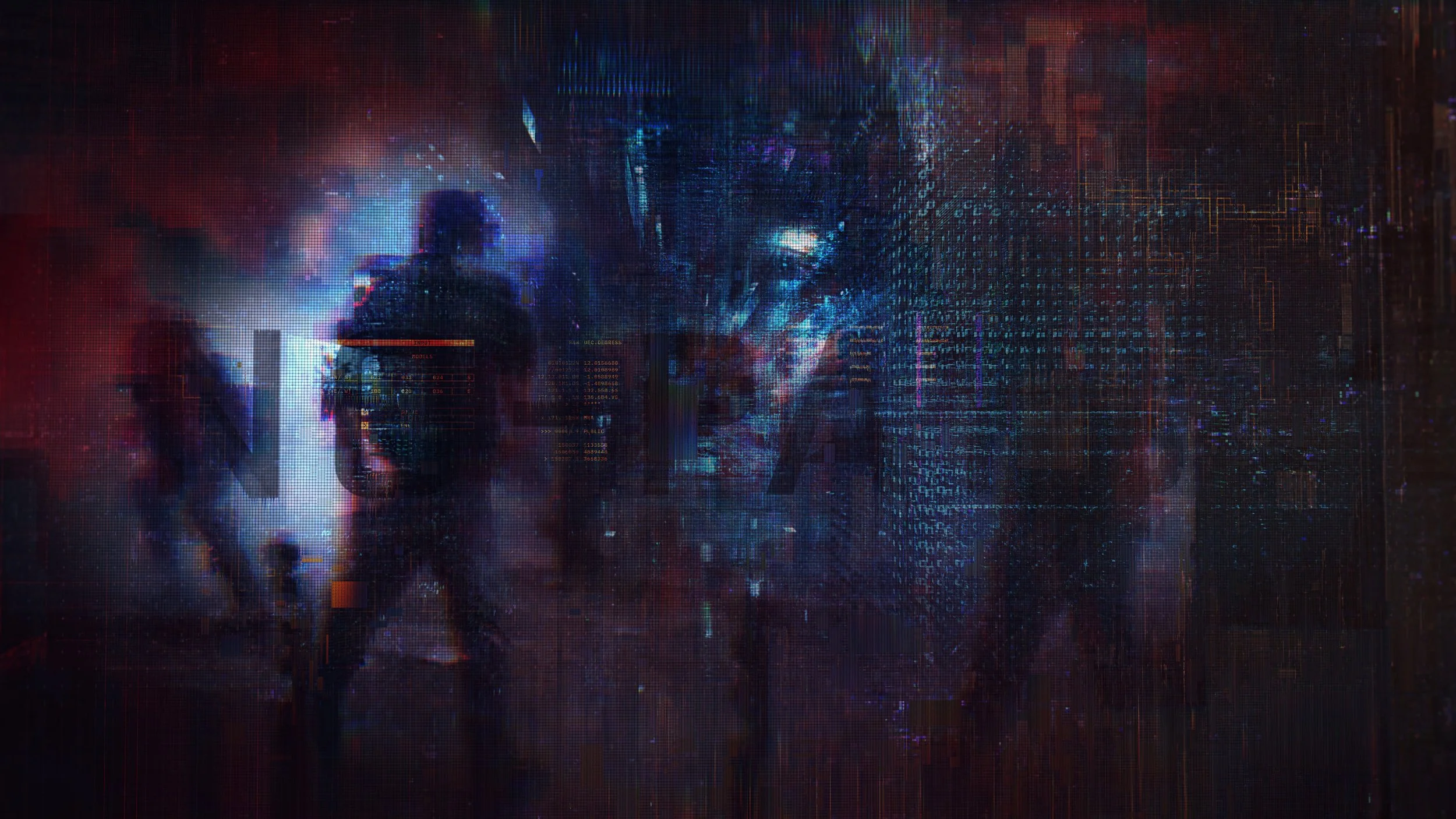
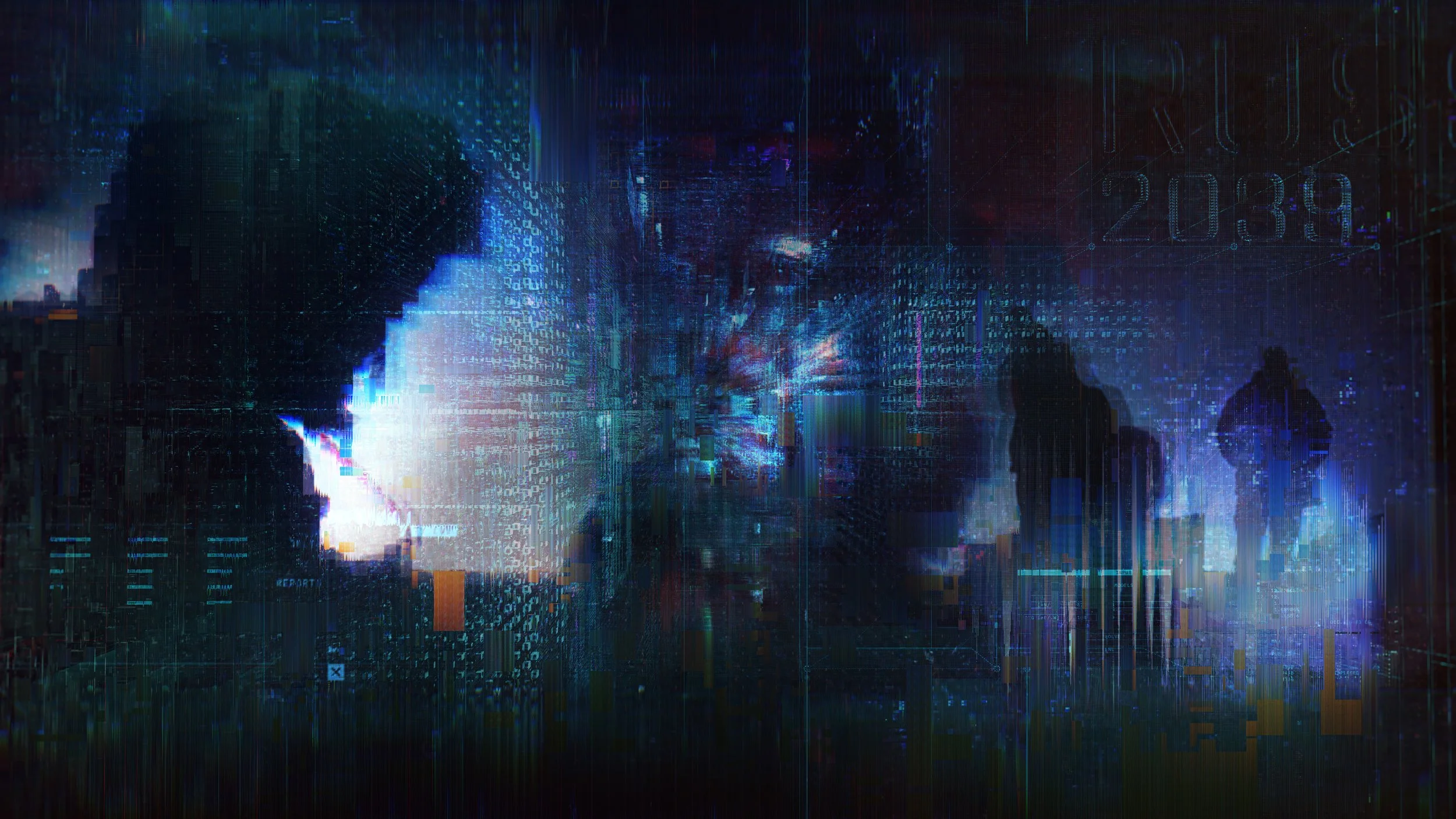
The Network ultimately became a flexible container for a wide range of content encountered throughout the timeline. As the narrative expanded, the system needed to accommodate text, imagery, video, audio, maps, three-dimensional assets, and LIDAR data within a shared environment.
Despite this breadth, the structure maintained an underlying order. Grid alignment and repetition provided visual cohesion, while variation in density, scale, and degradation introduced complexity. The result was a space capable of holding disparate media without flattening hierarchy or losing readability.
04.3 The Shutdown
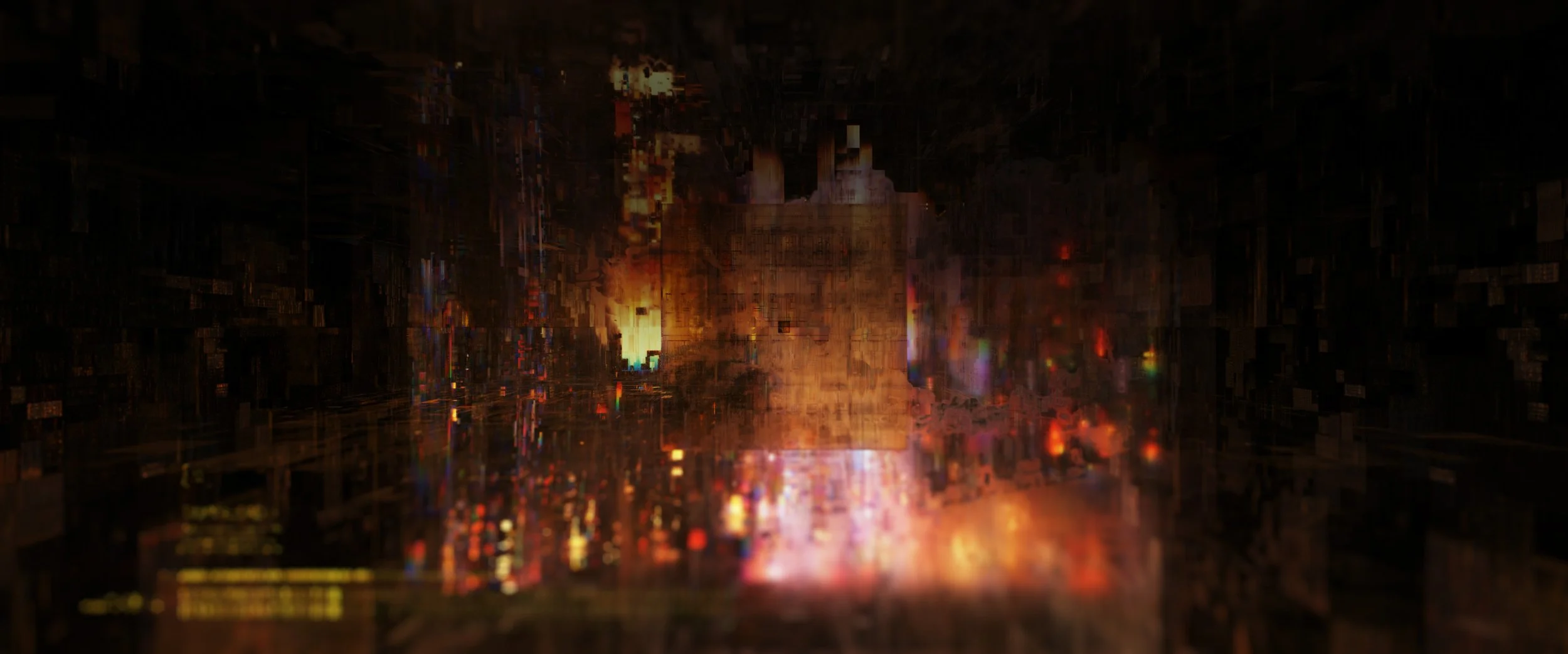
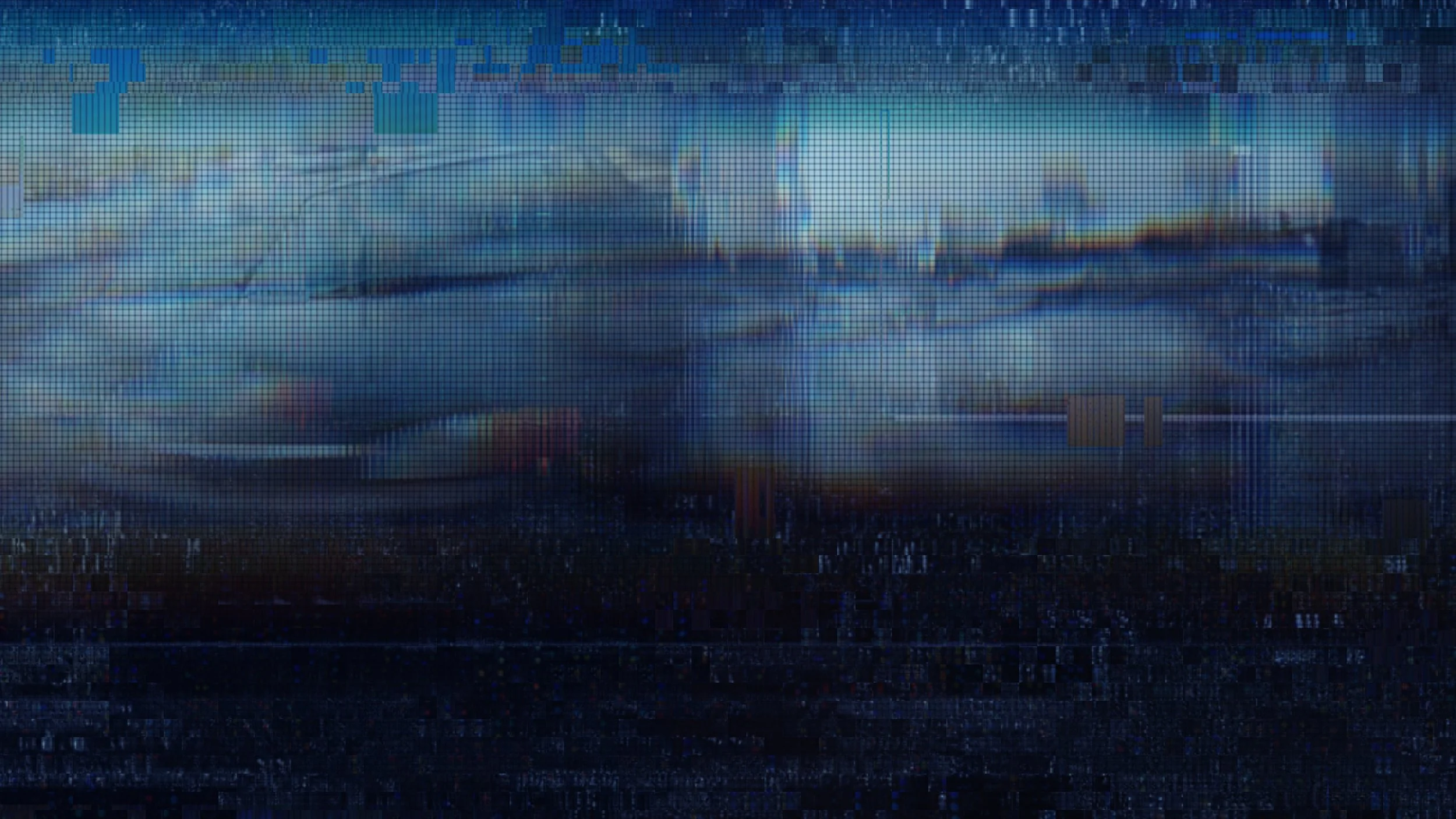
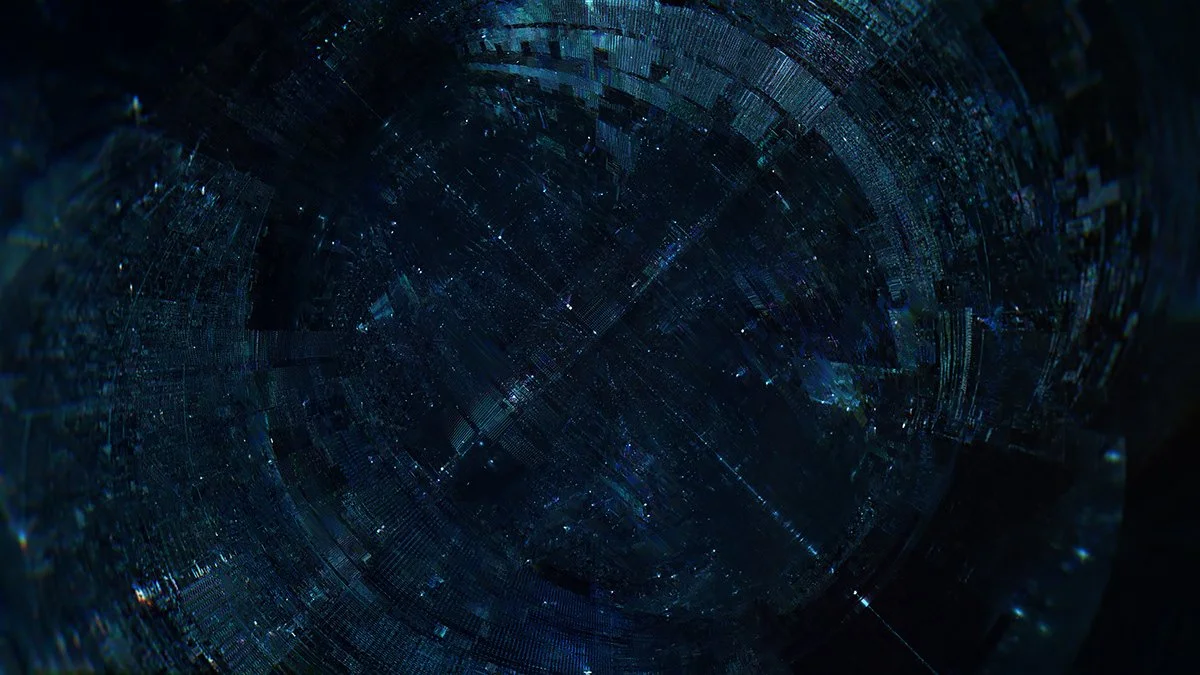
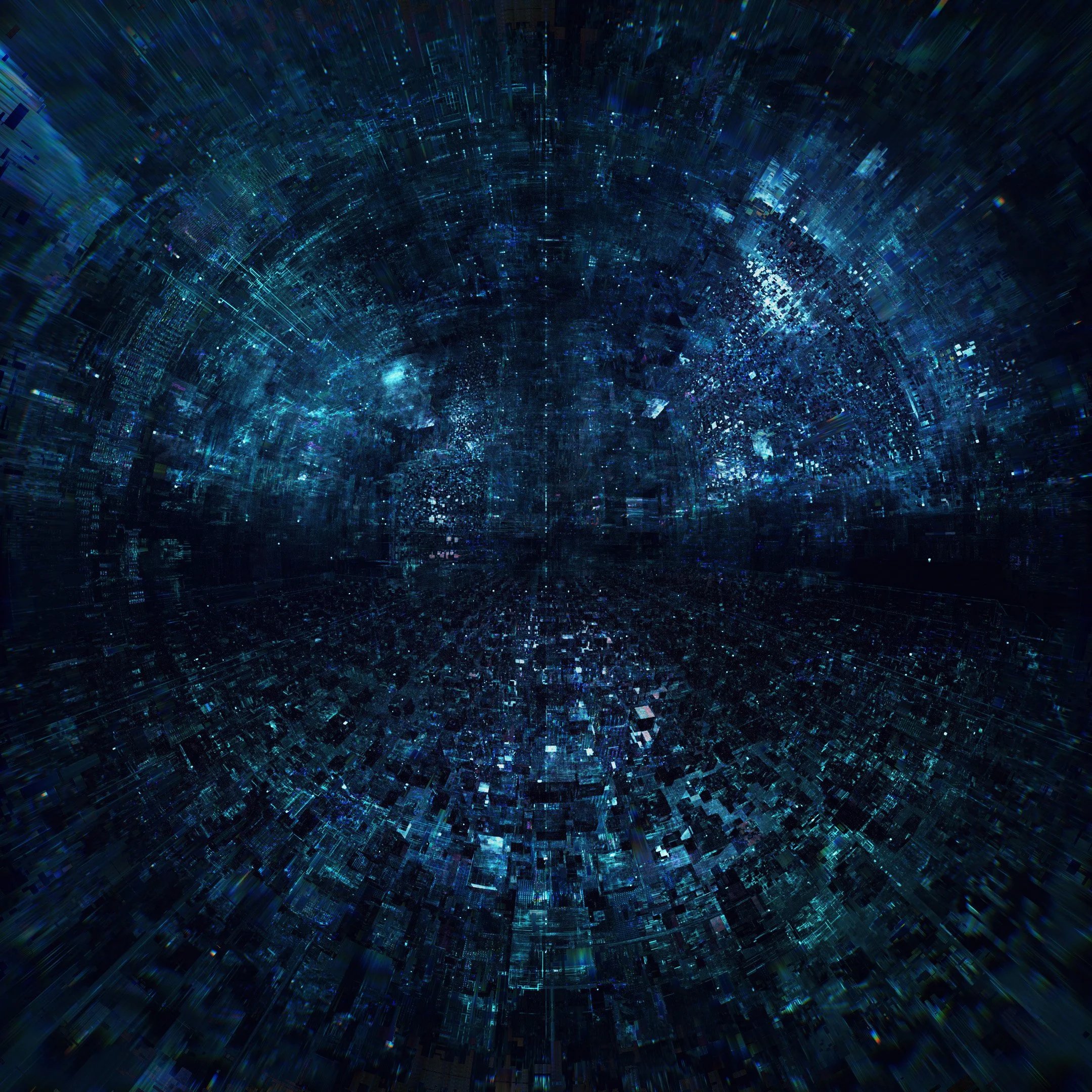
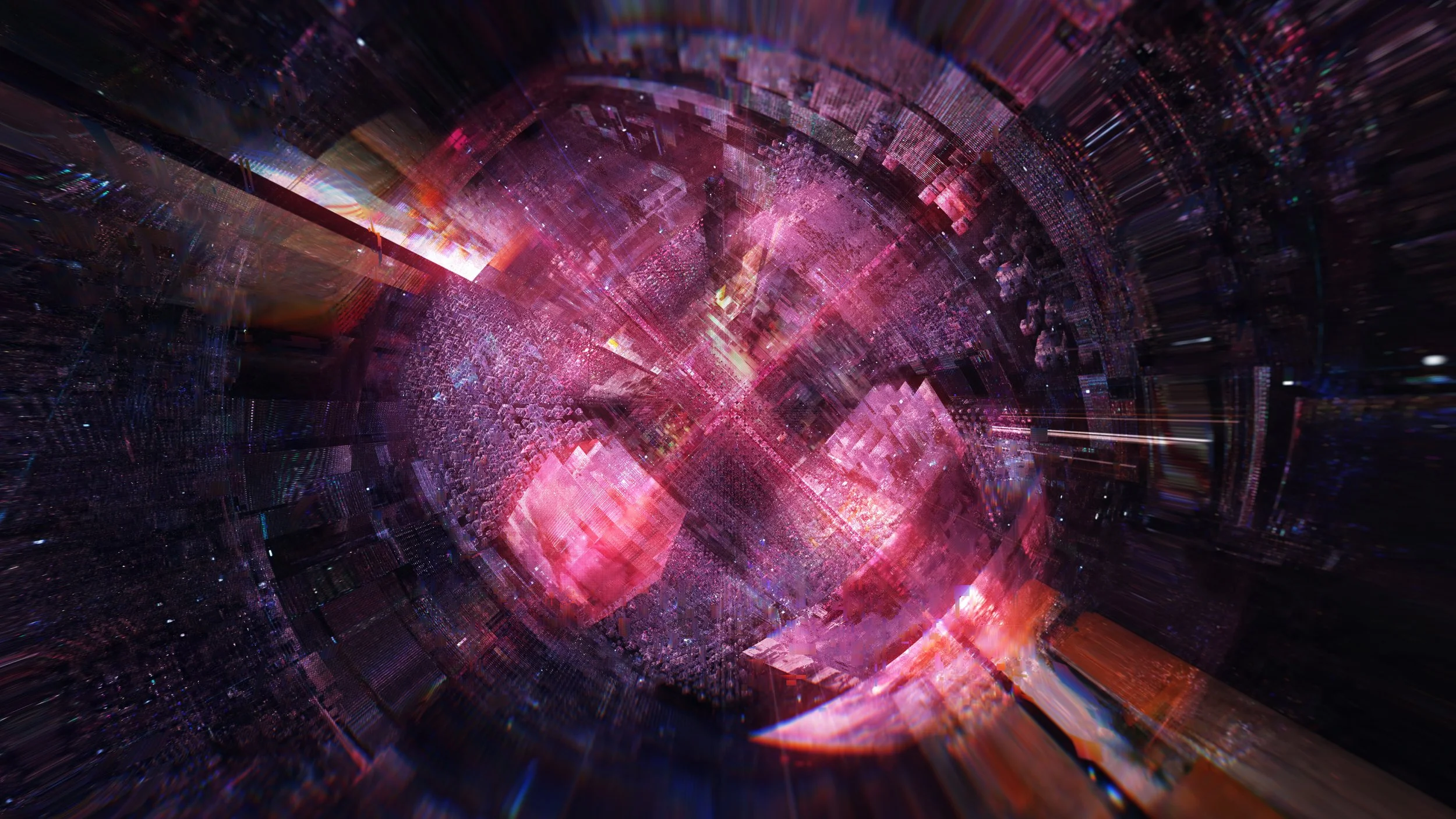
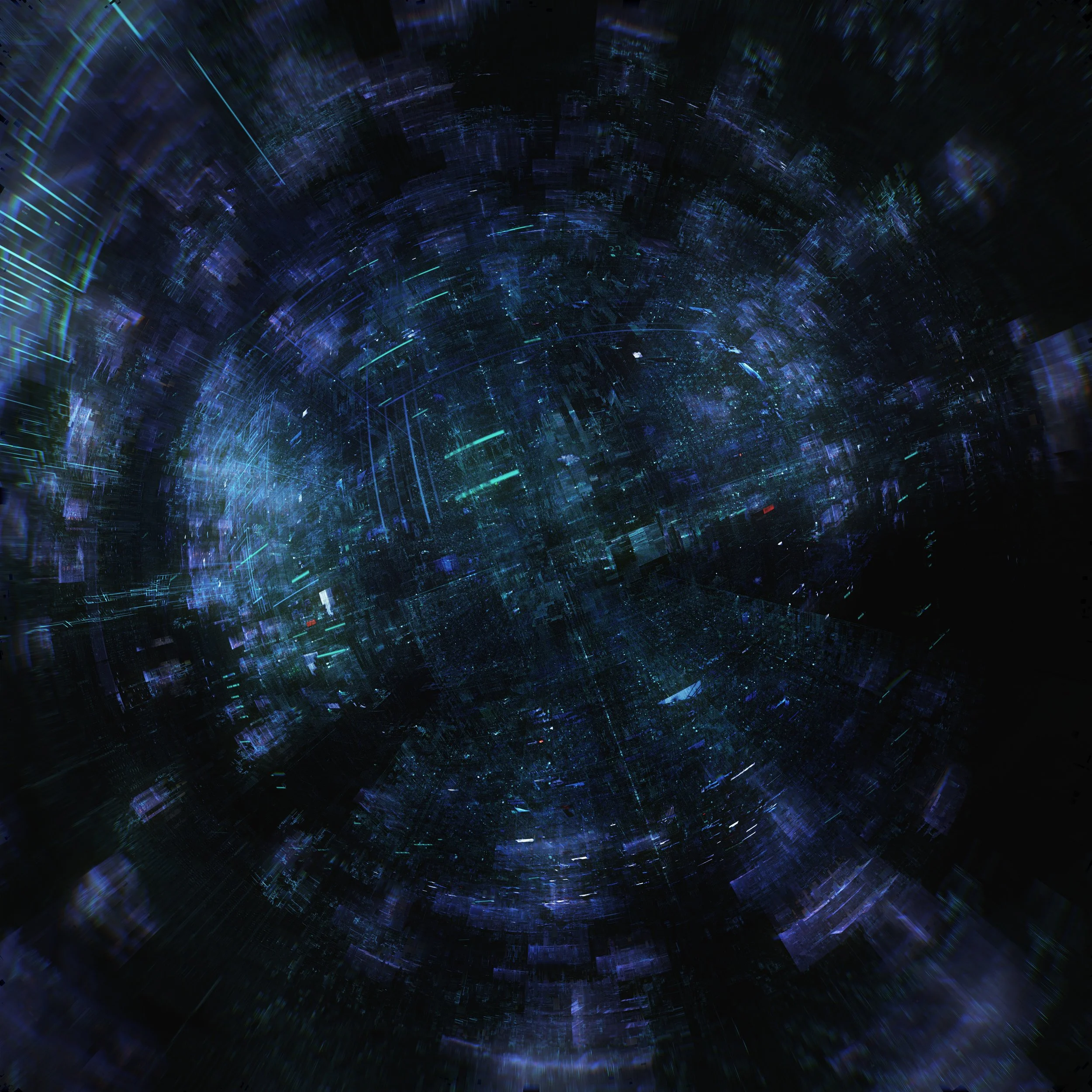
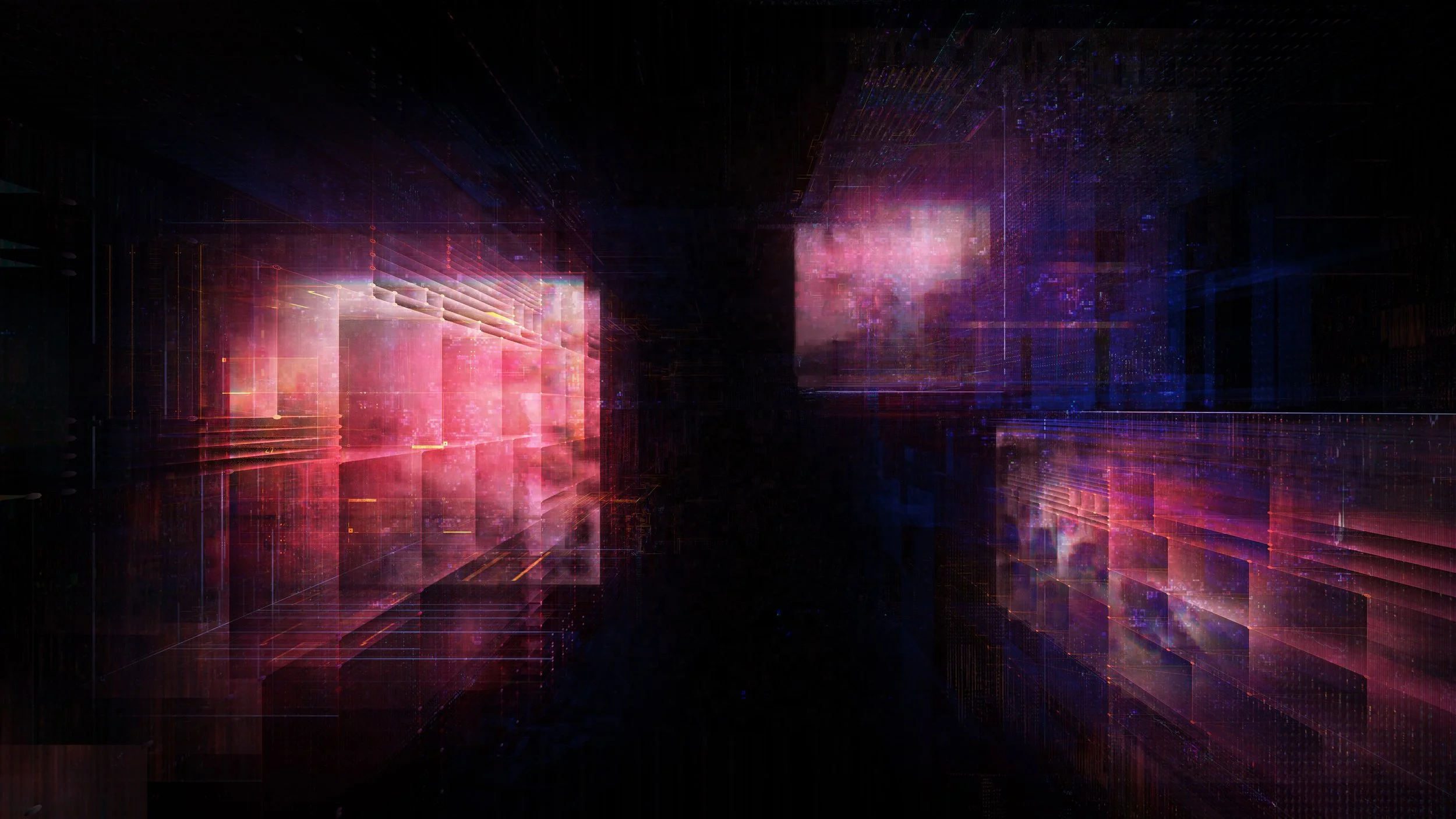
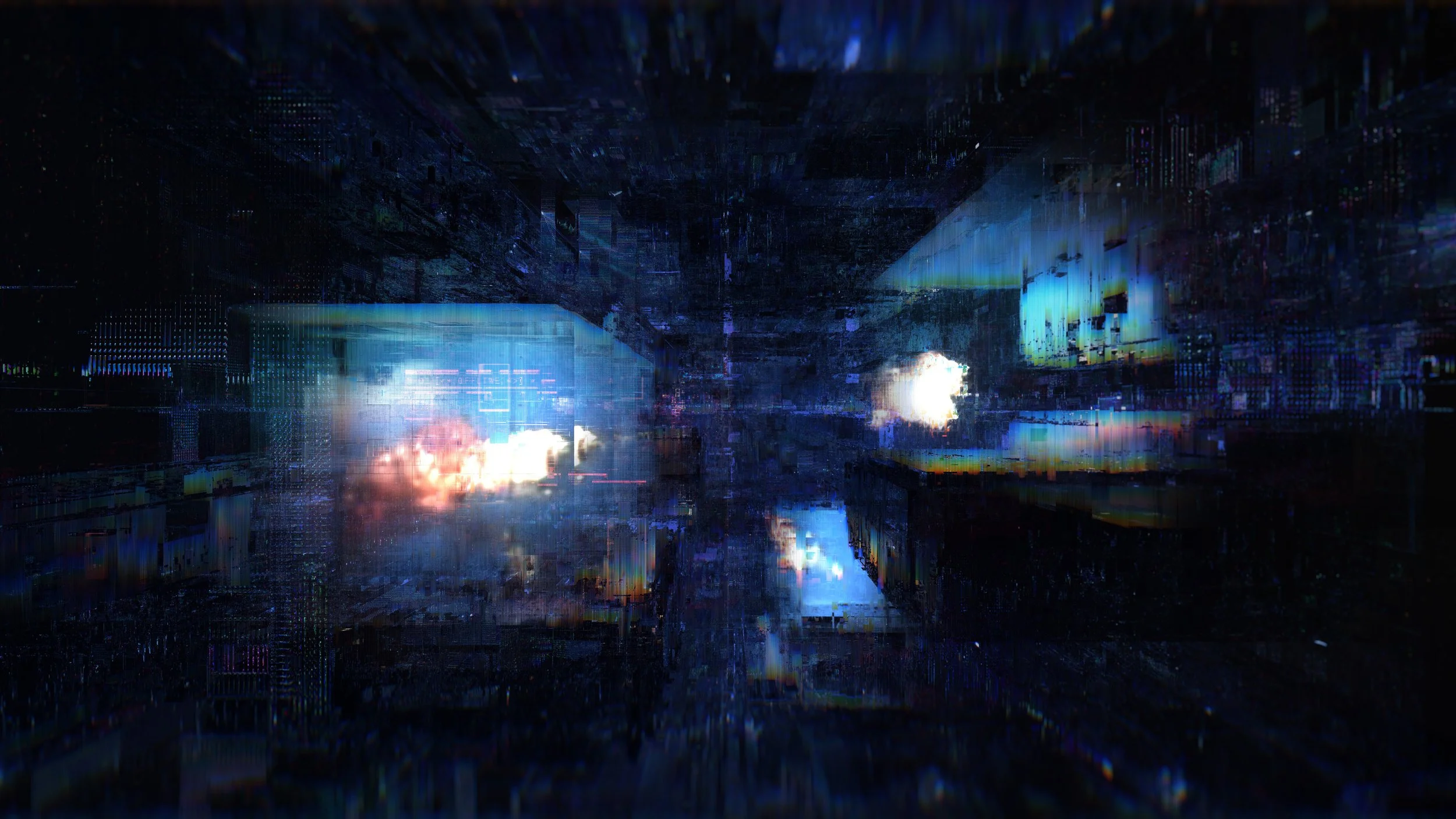
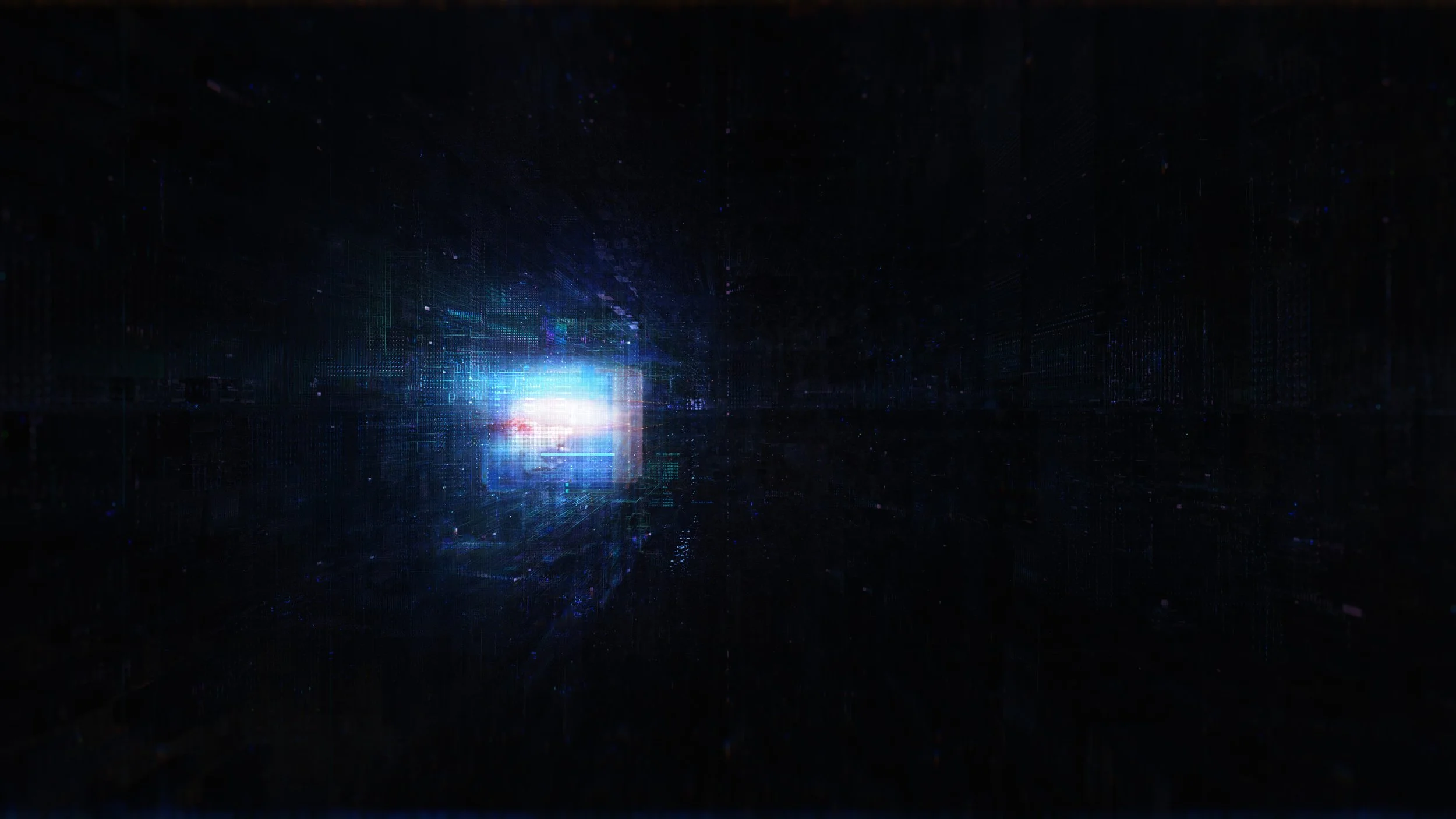
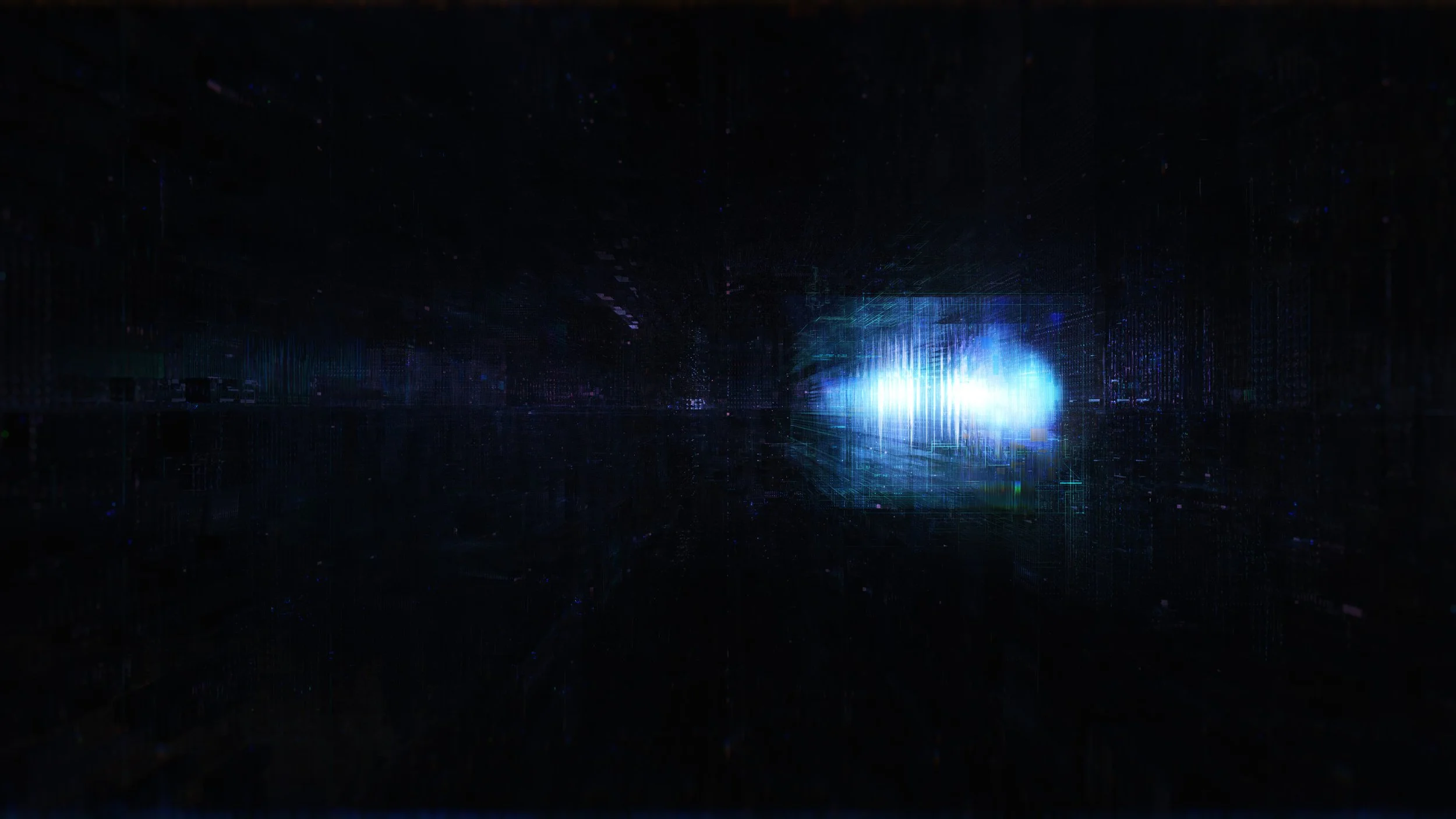
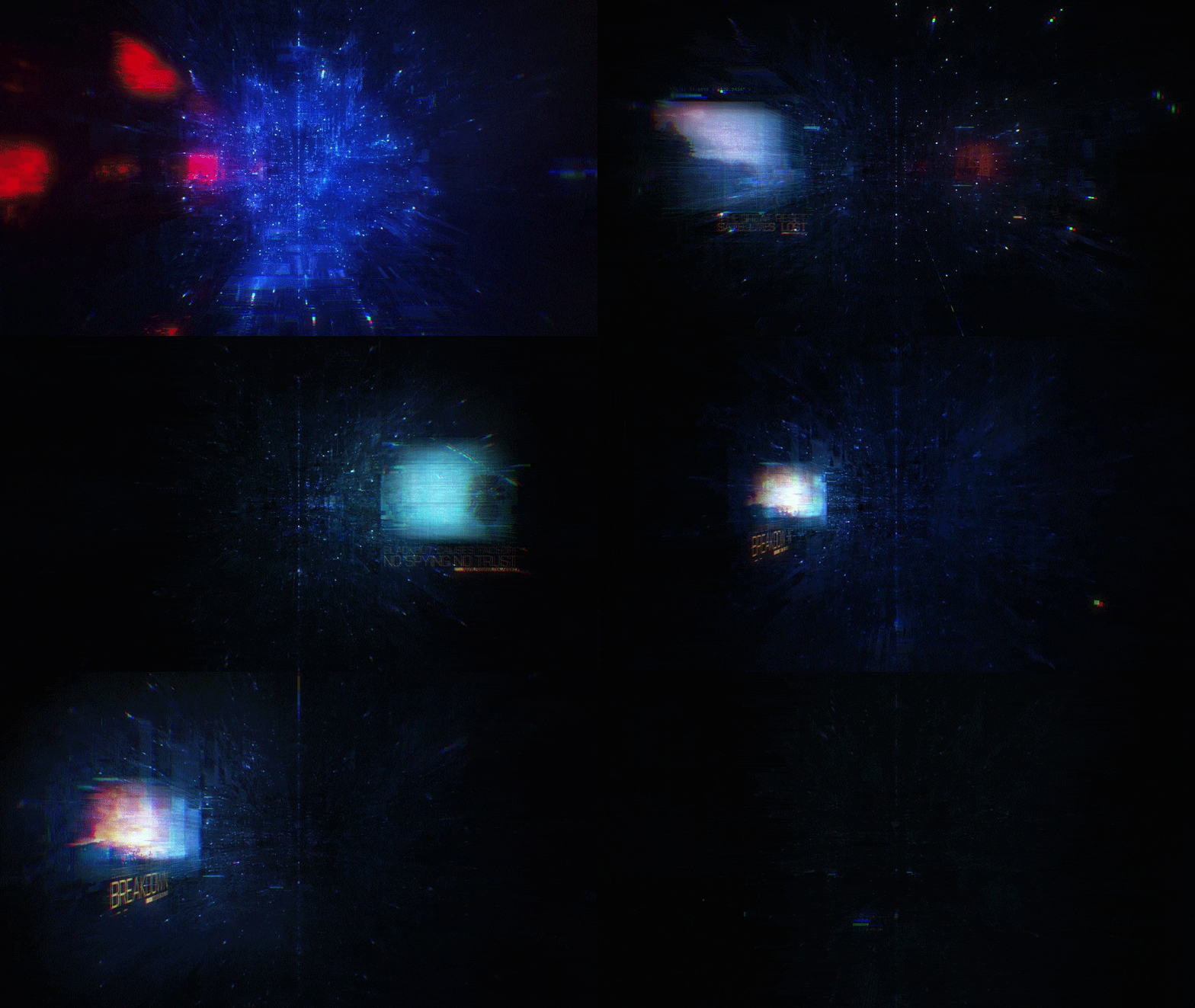
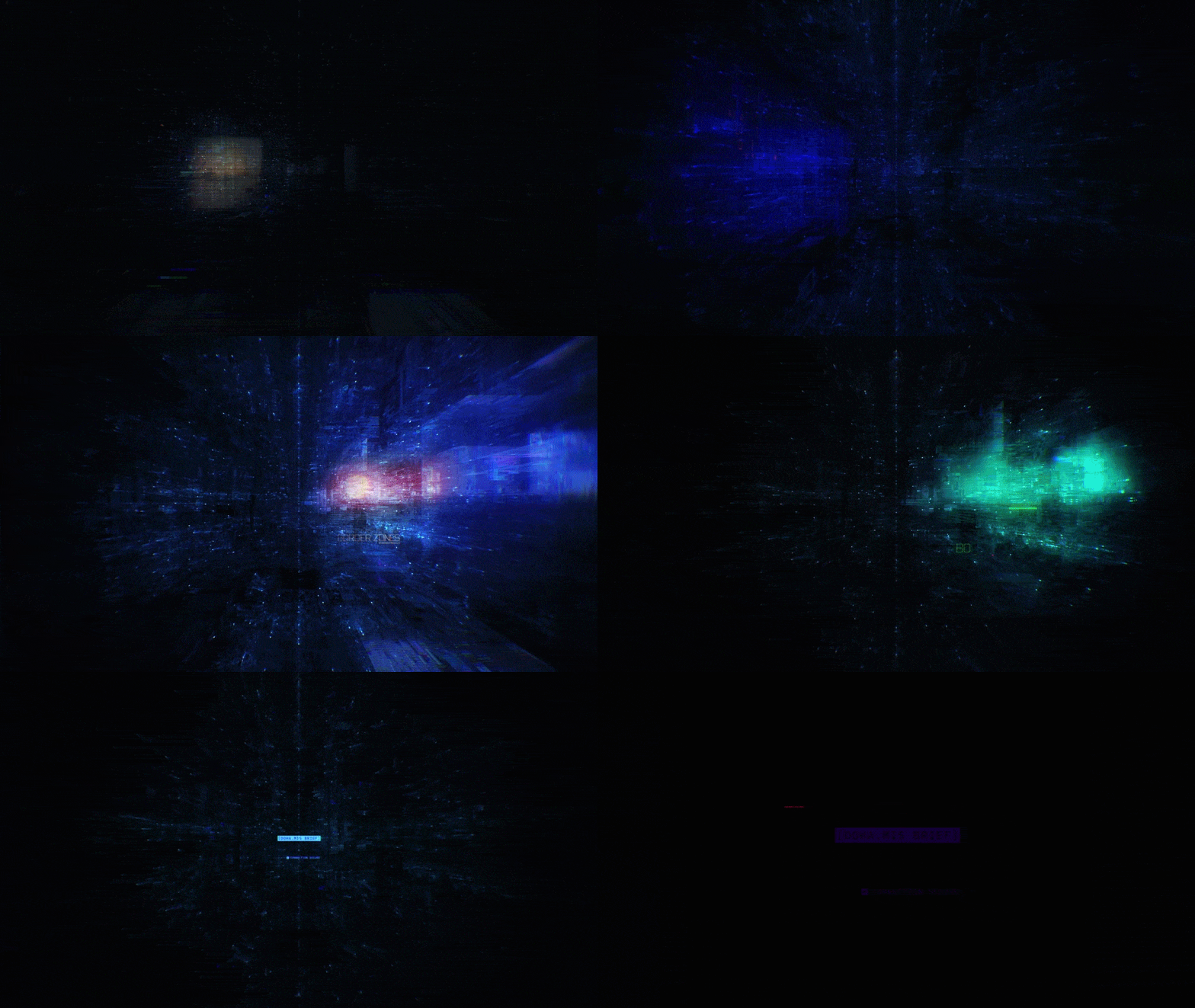
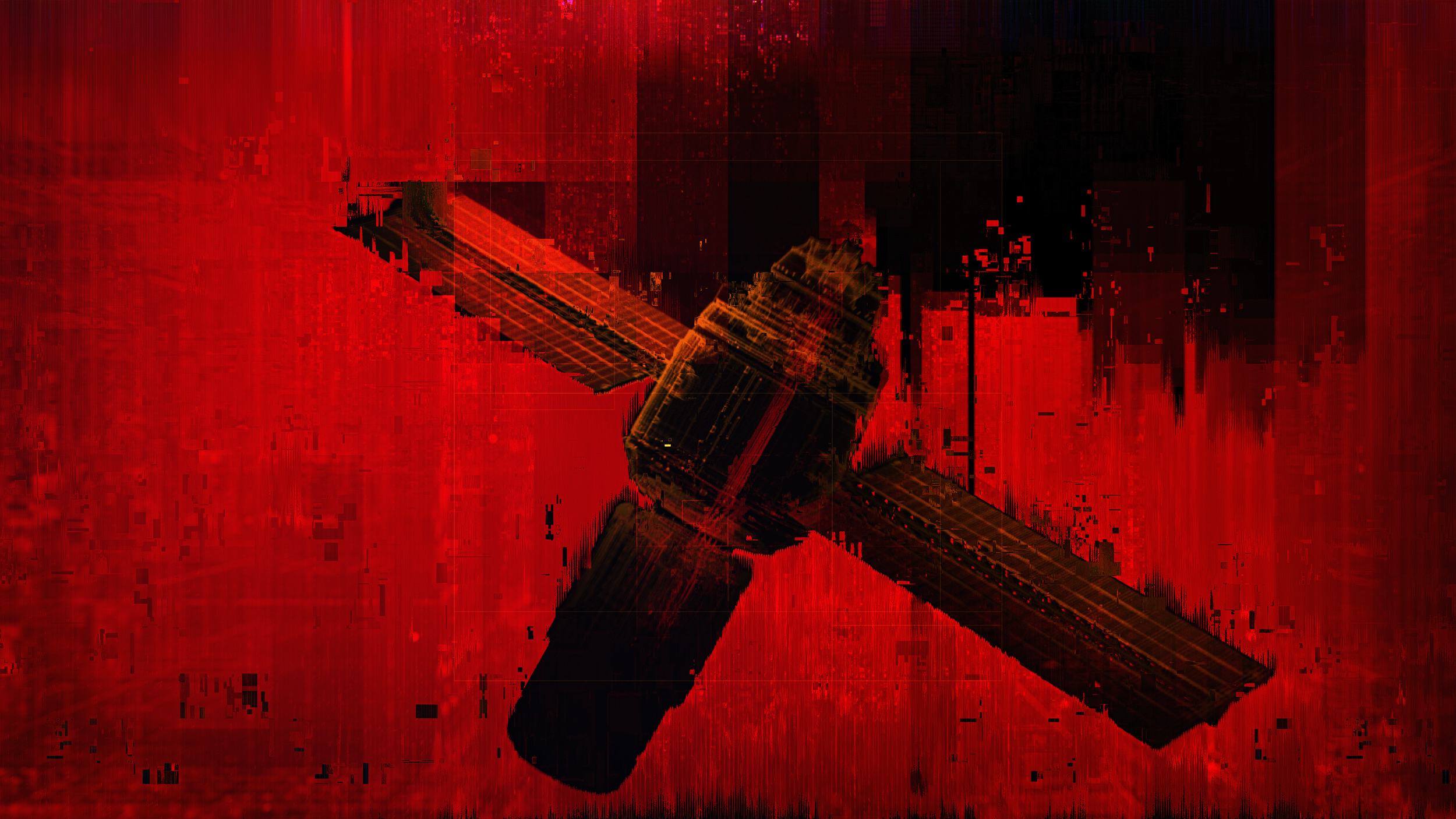
Following the global communication failure depicted in the film, the Network transitions into a degraded, offline state. The structural framework remains intact, but data is replaced with connection errors, empty nodes, and signal loss.
This phase was designed to introduce absence as a visual condition. As systems begin to recover, content reappears in fragments—flickering within the darkened grid and stabilizing gradually over time. The progression mirrors the narrative shift toward the mission briefing, using restoration of signal as a pacing mechanism.
04.4 Transition to Gameplay
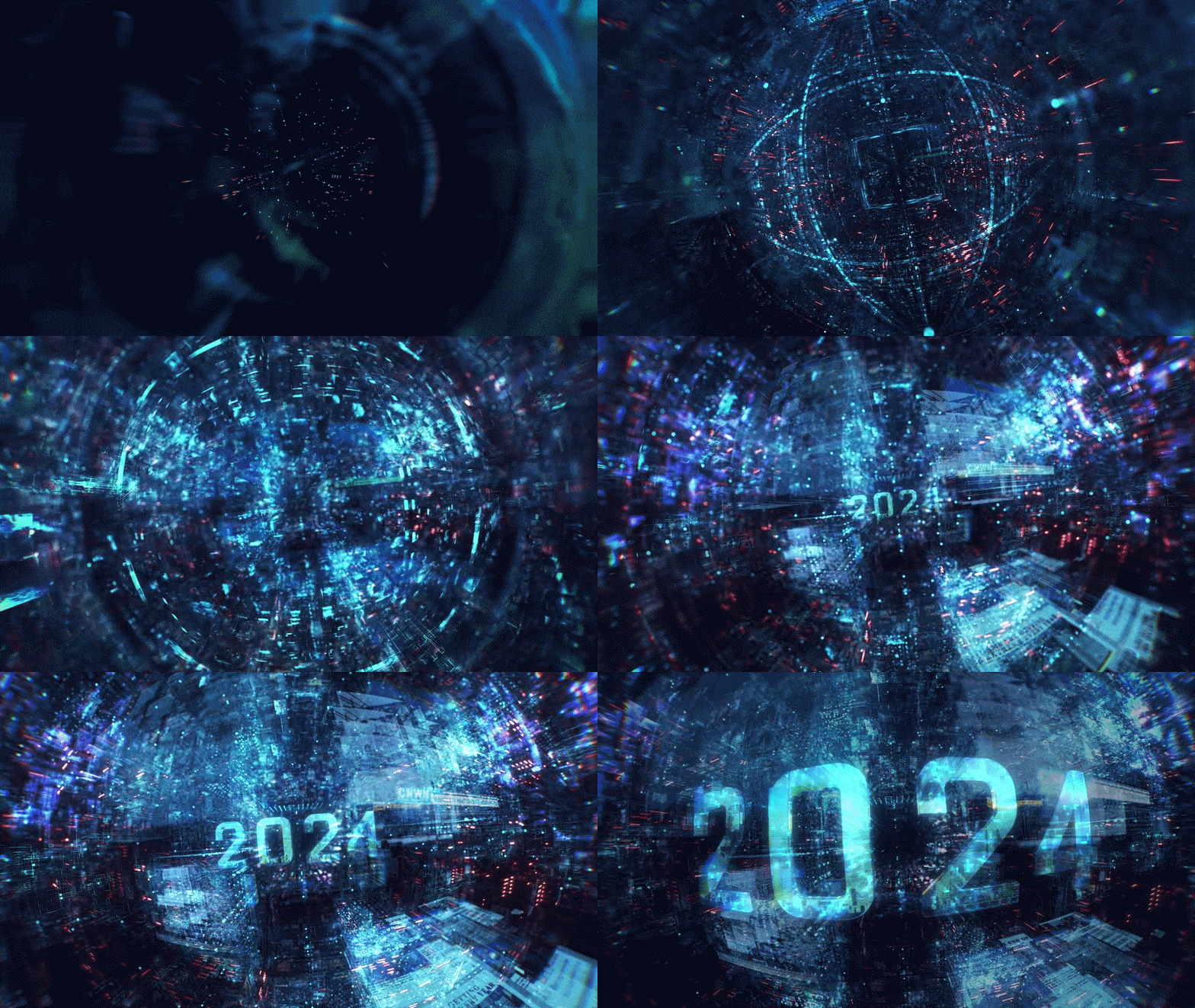
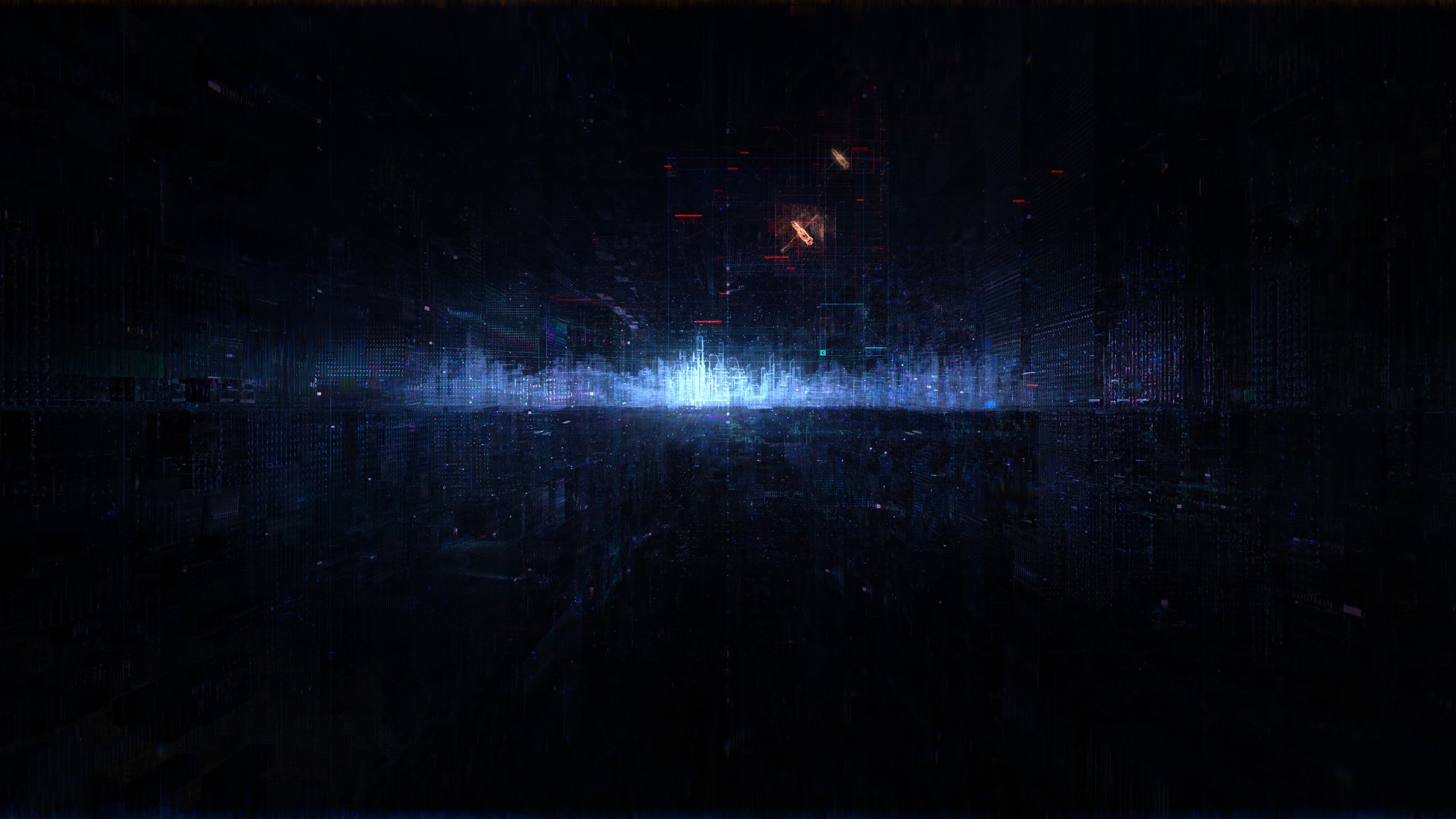
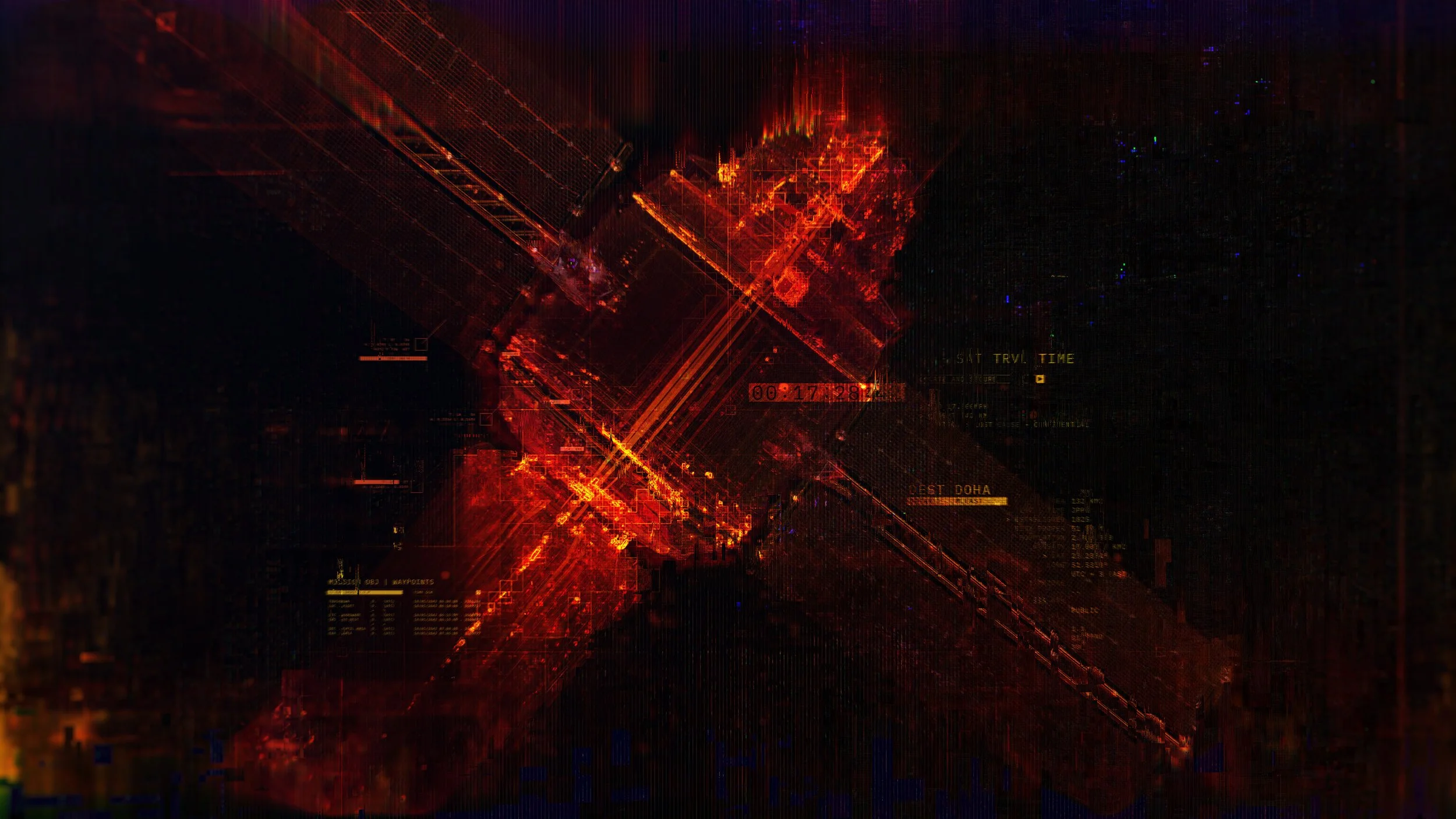
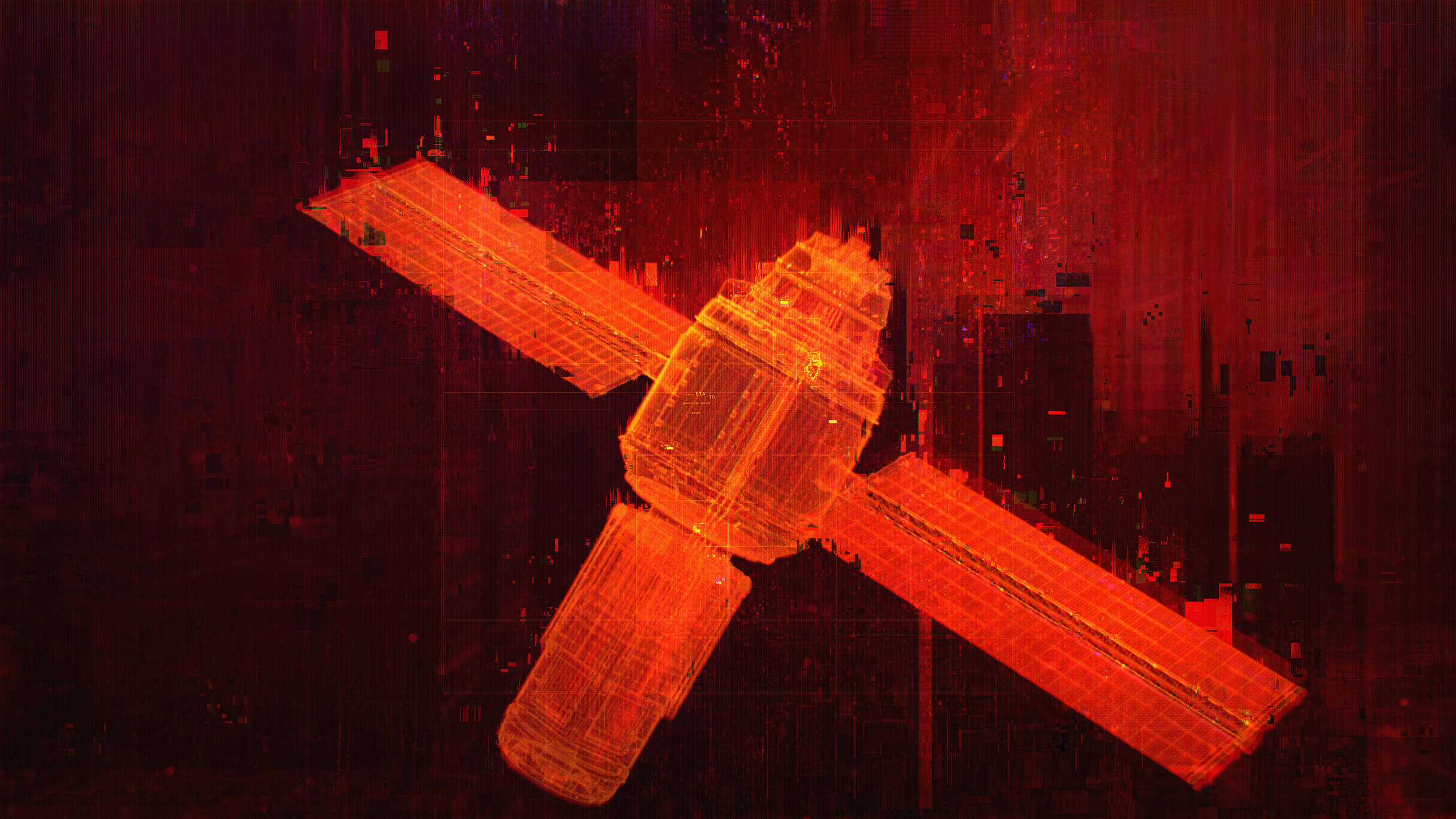
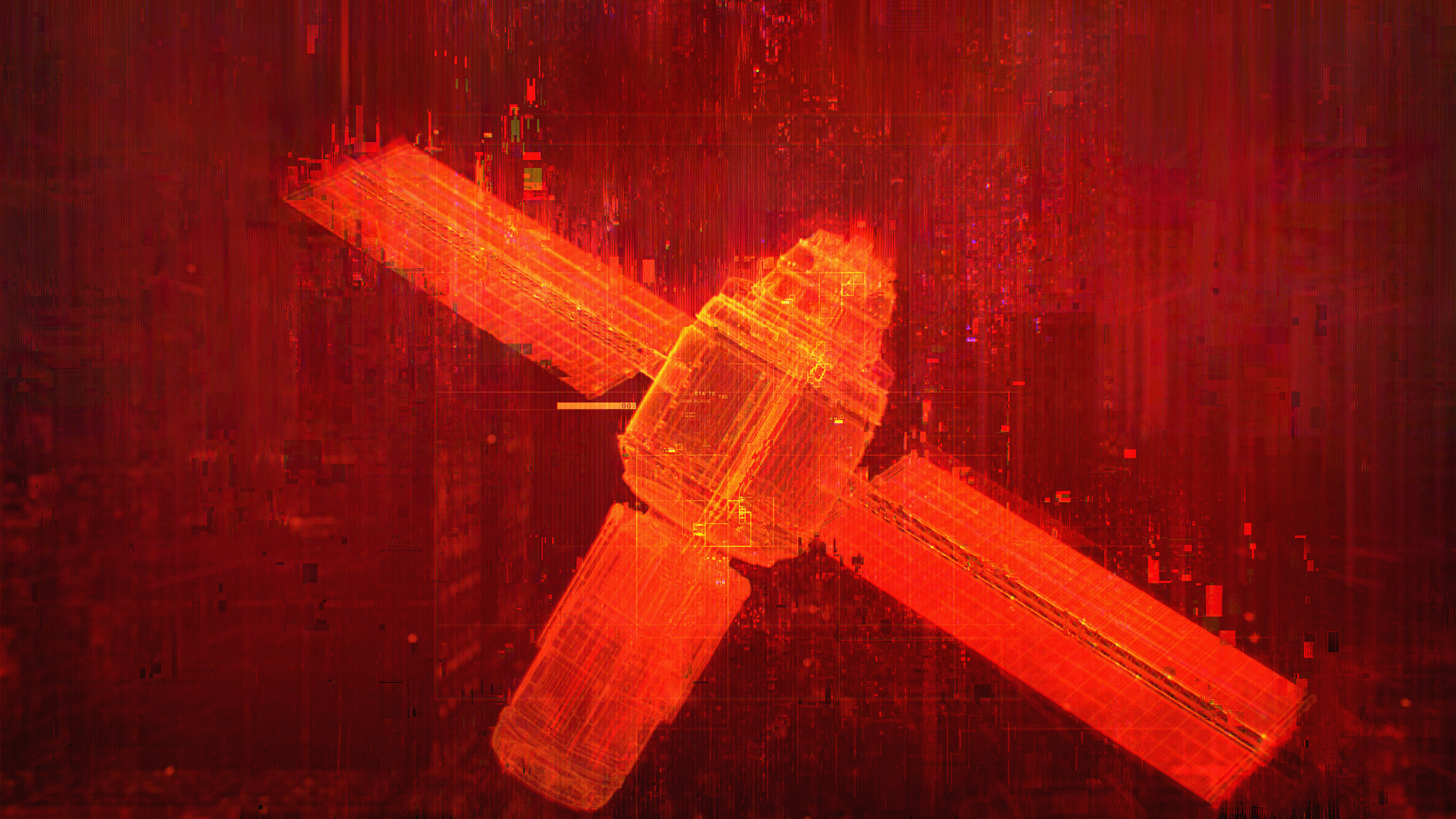
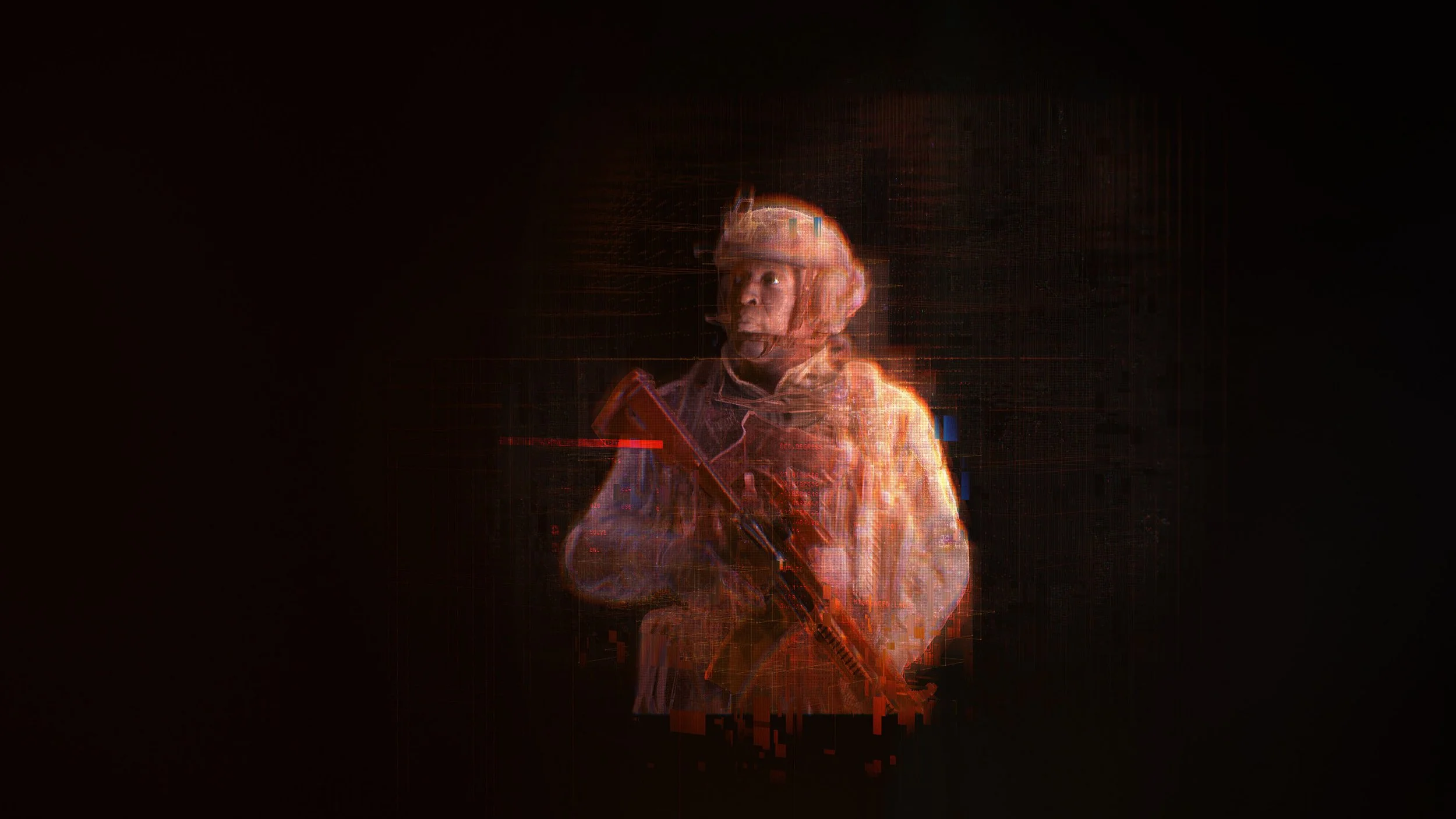
As the cinematic reaches its conclusion, the Network begins to absorb elements from the playable world. Game assets are introduced incrementally, beginning with the Doha skyline and extending to the MFS-Exodus and Irish’s crew.
These models were treated using the same visual logic established within the Network, adopting glitch-driven coloration and holographic behavior. This continuity allowed the film to move toward gameplay without a hard visual break, positioning the Network as a bridge between narrative introduction and player agency.
Credits
MICHAEL RIGLEY: Art Direction, Lead Design, Lead Animation, 2021
CREDITS | PRODUCTION
Client: Electronic Arts | DICE Stockholm | Criterion London
Production: Goodbye Kansas
Executive Producer: Anton Söderhäll
Producer: La-Rå Hinckeldeyn
Score: Hildur Guðnadóttir & Sam Slater
Sound Design: UHORT
Credits: GBK Graphics Team
CREDITS | MOTION GRAPHICS
Director: Will Adams
Art Director | Lead Design: Michael Rigley
Producer: La-Rå Hinckeldeyn
Lead UI Design: Steven Bussey
3D Animation: Michael Rigley, Will Adams
2D Animation: Michael Rigley, Guilherme Ferreirinha, Marcus Melin
UI Animation: Steven Bussey
Lead Glitch Animation: Guilherme Ferreirinha