Alienware
TRIZZ STUDIOS, 2023
CONCEPT ART | LOOK DEVELOPMENT
DESIGN CONTEXT
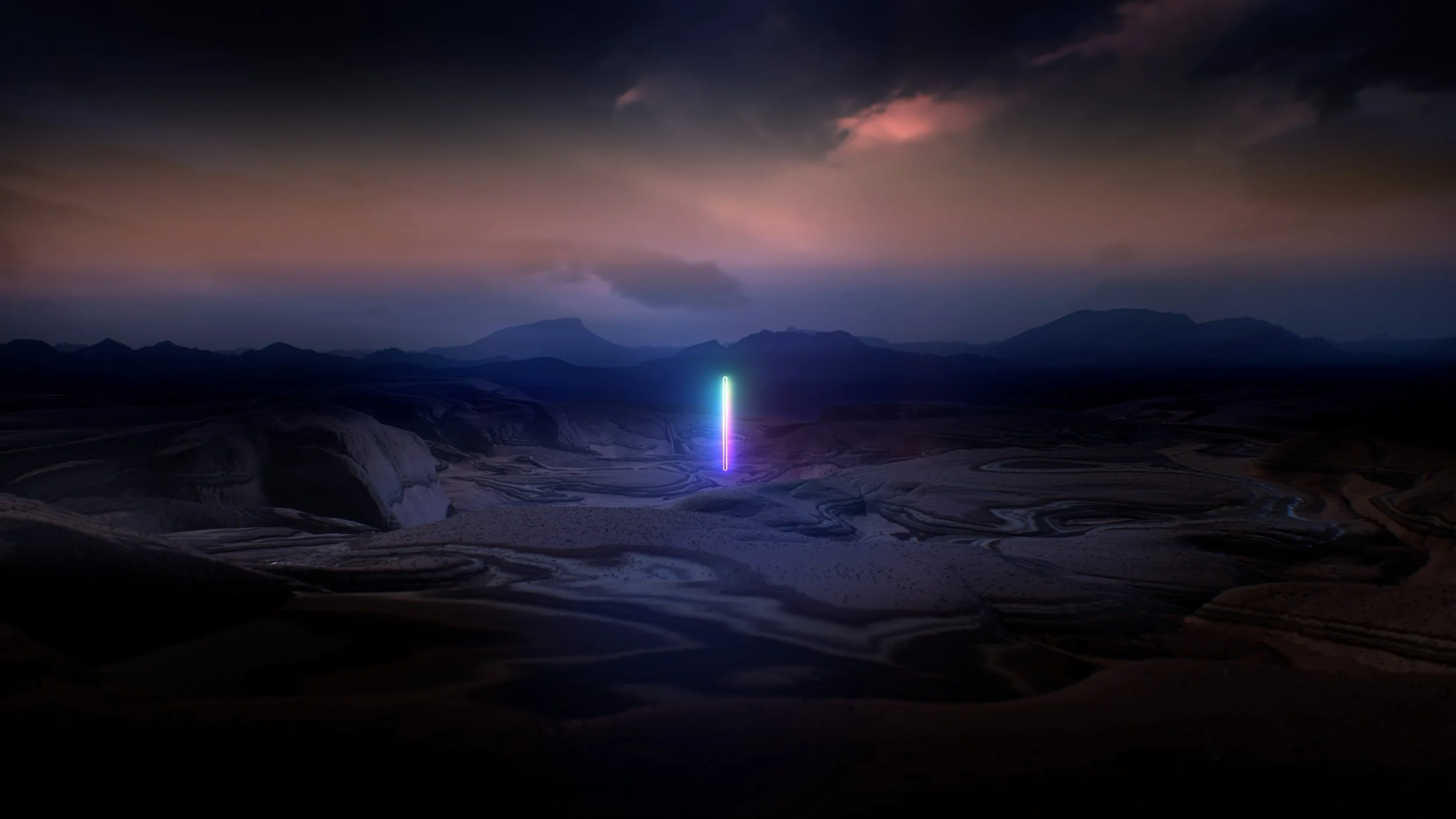
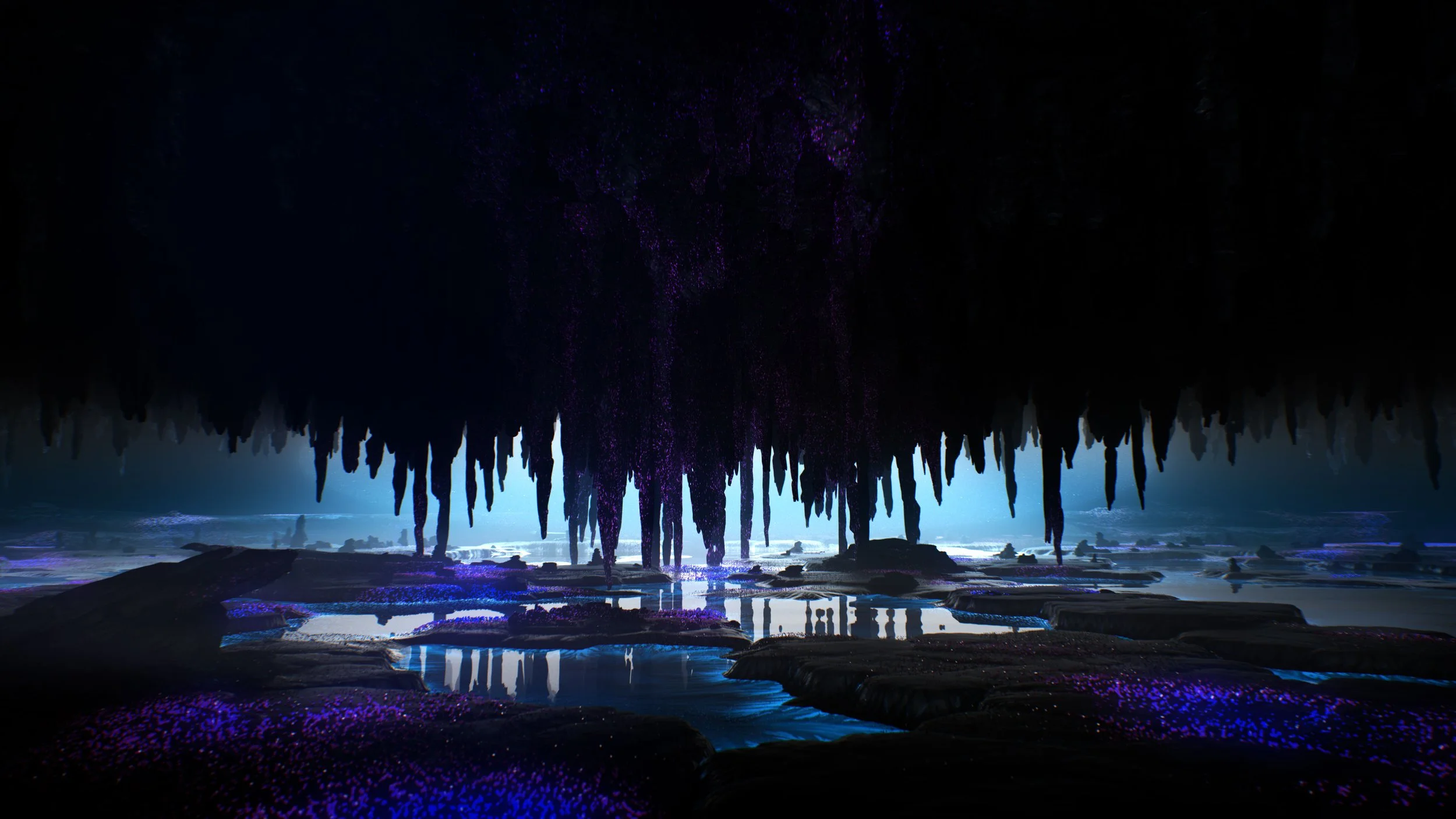
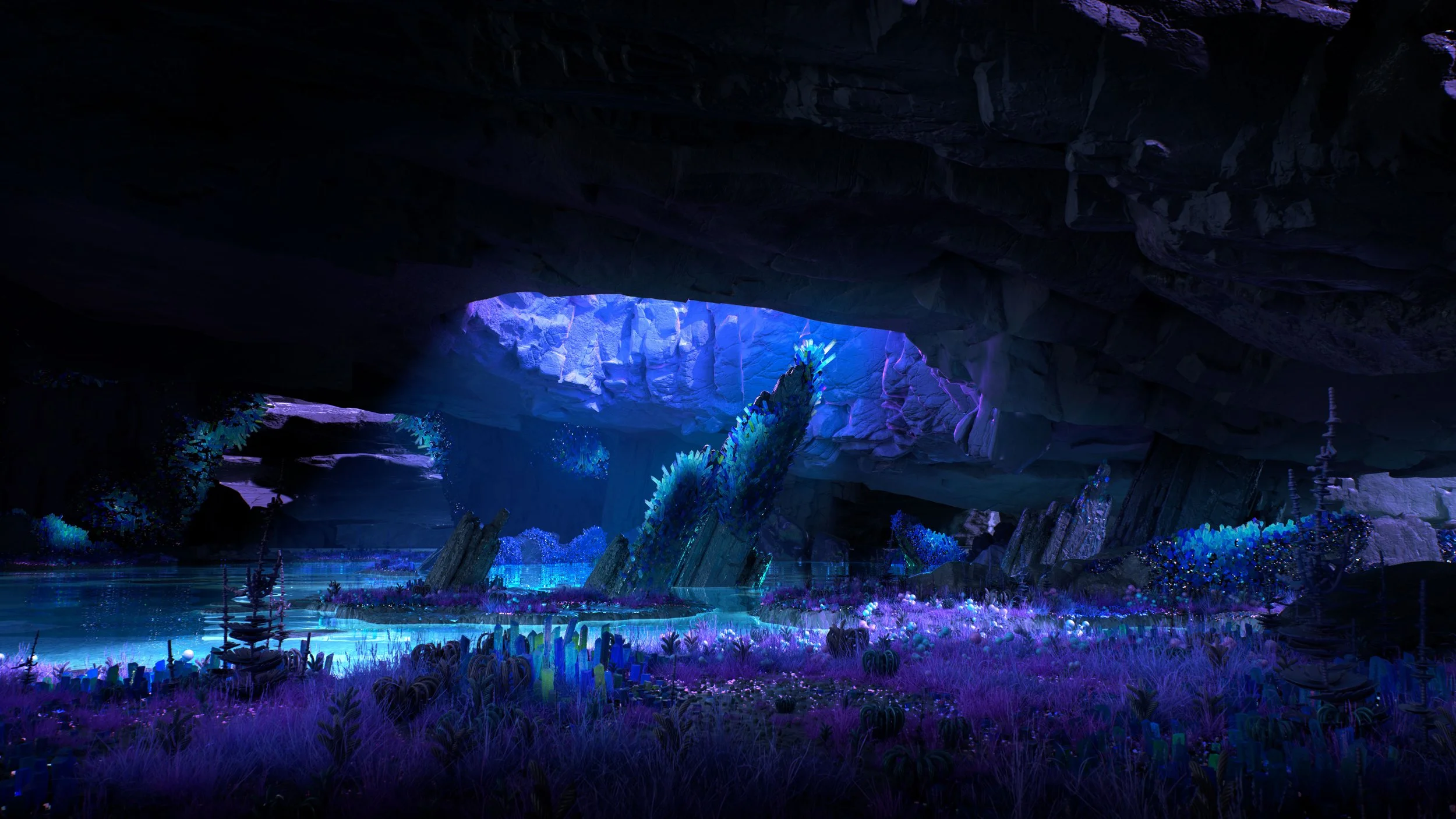
Developed in 2023, this project consisted of concept art and visual studies for an upcoming product film for Alienware, produced in collaboration with Trizz Studios. The work focused on early-stage look development, exploring how form, light, and environment could be used to frame the product within a speculative visual narrative.
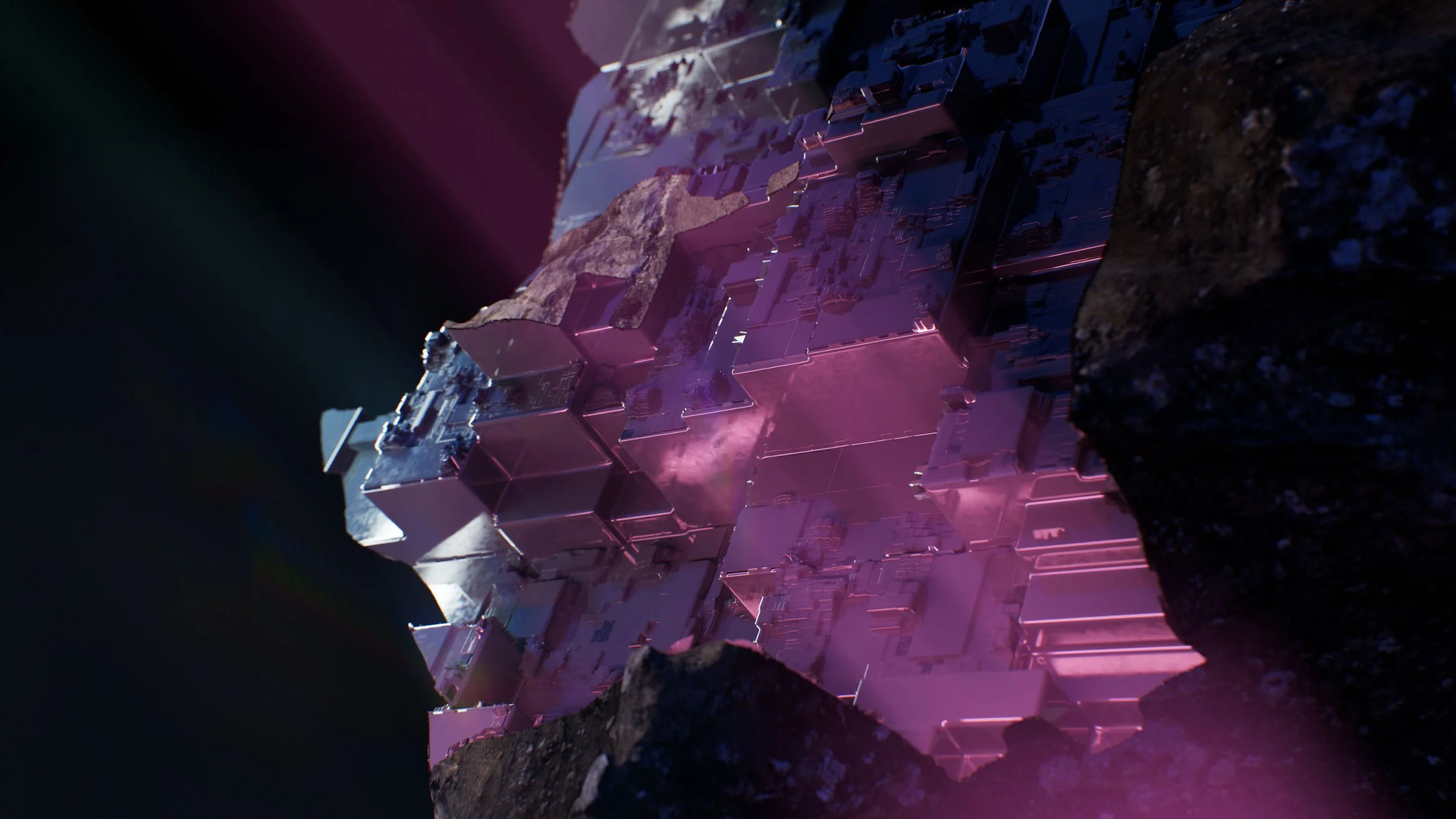
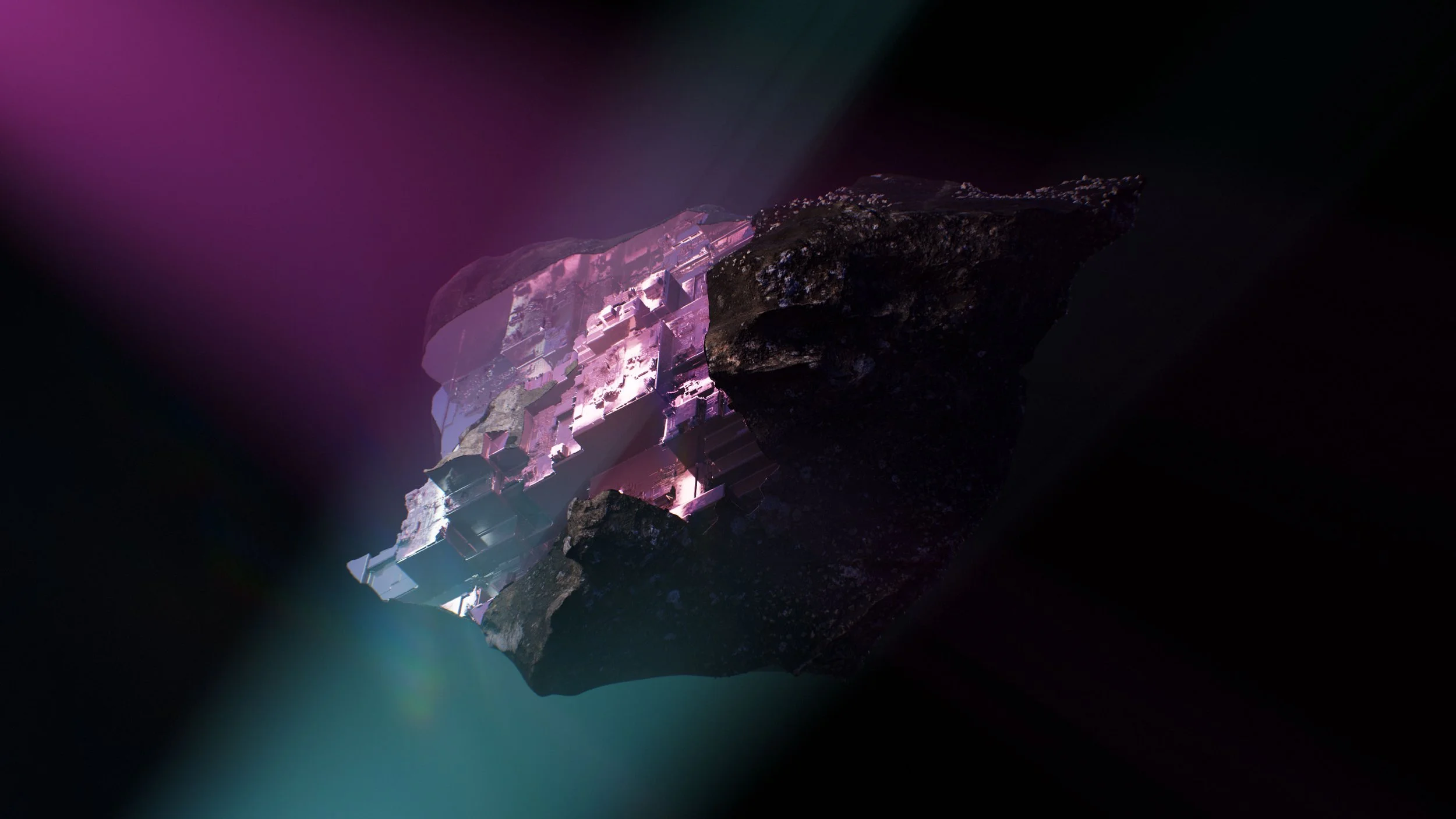
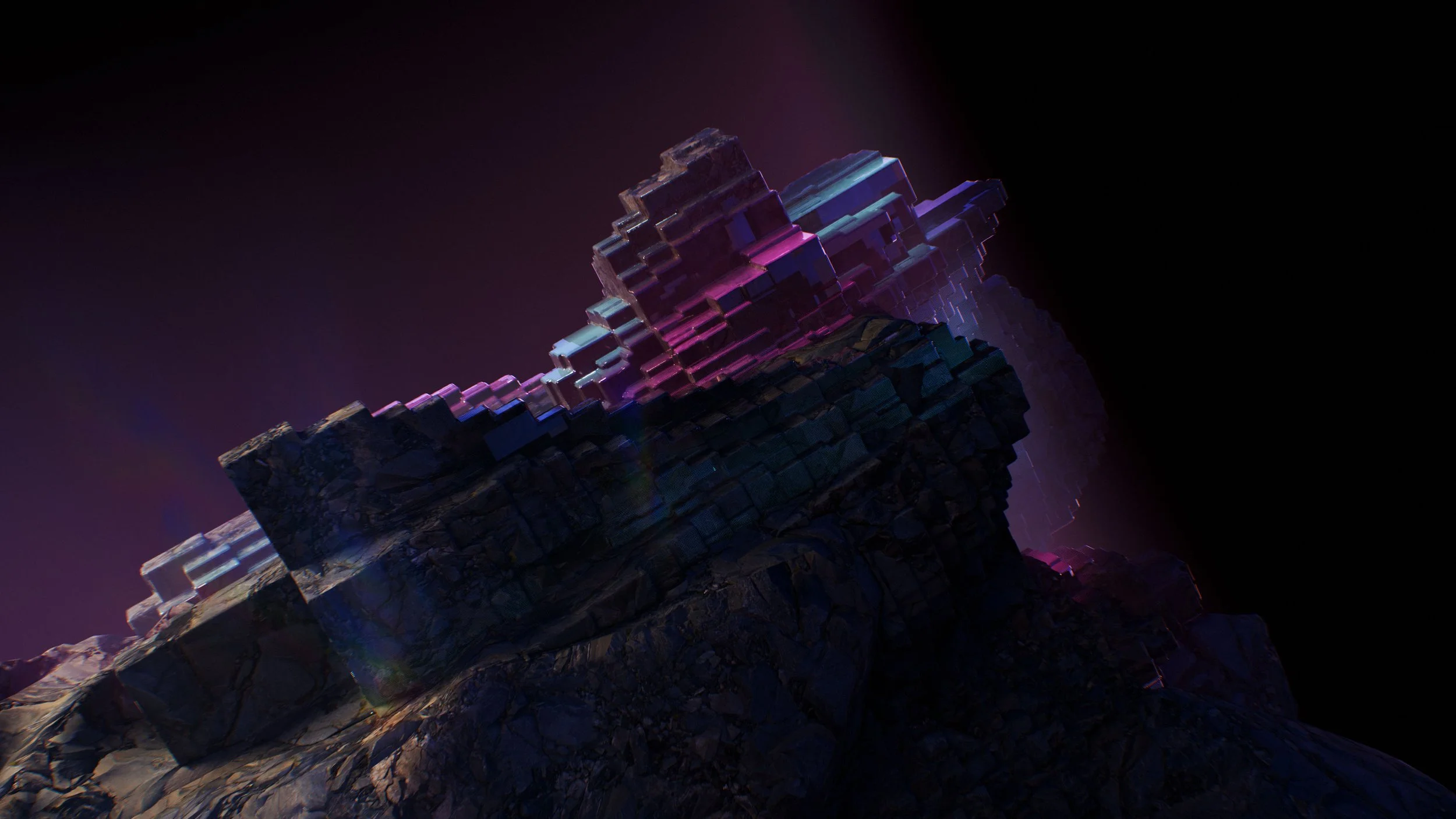
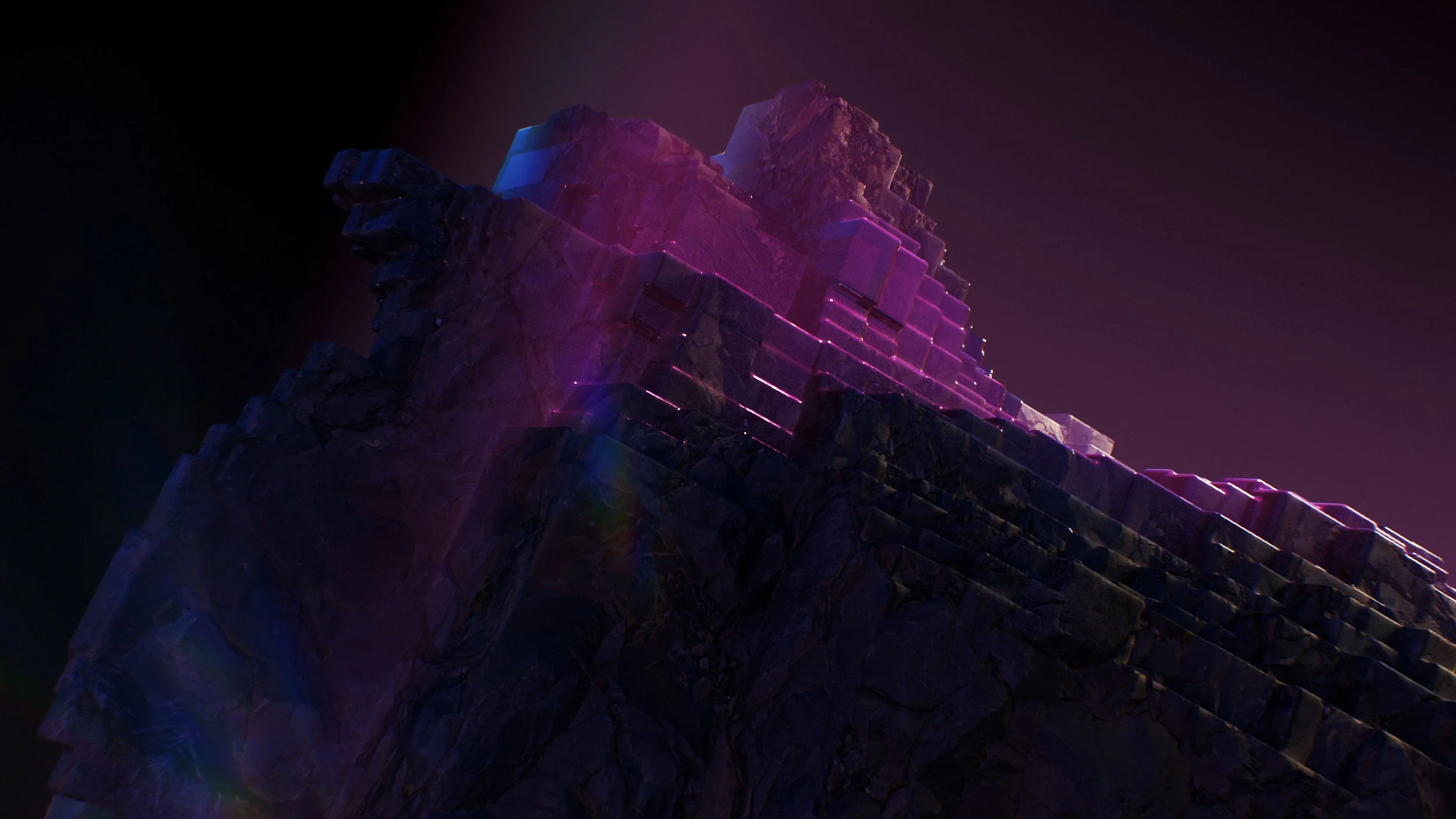
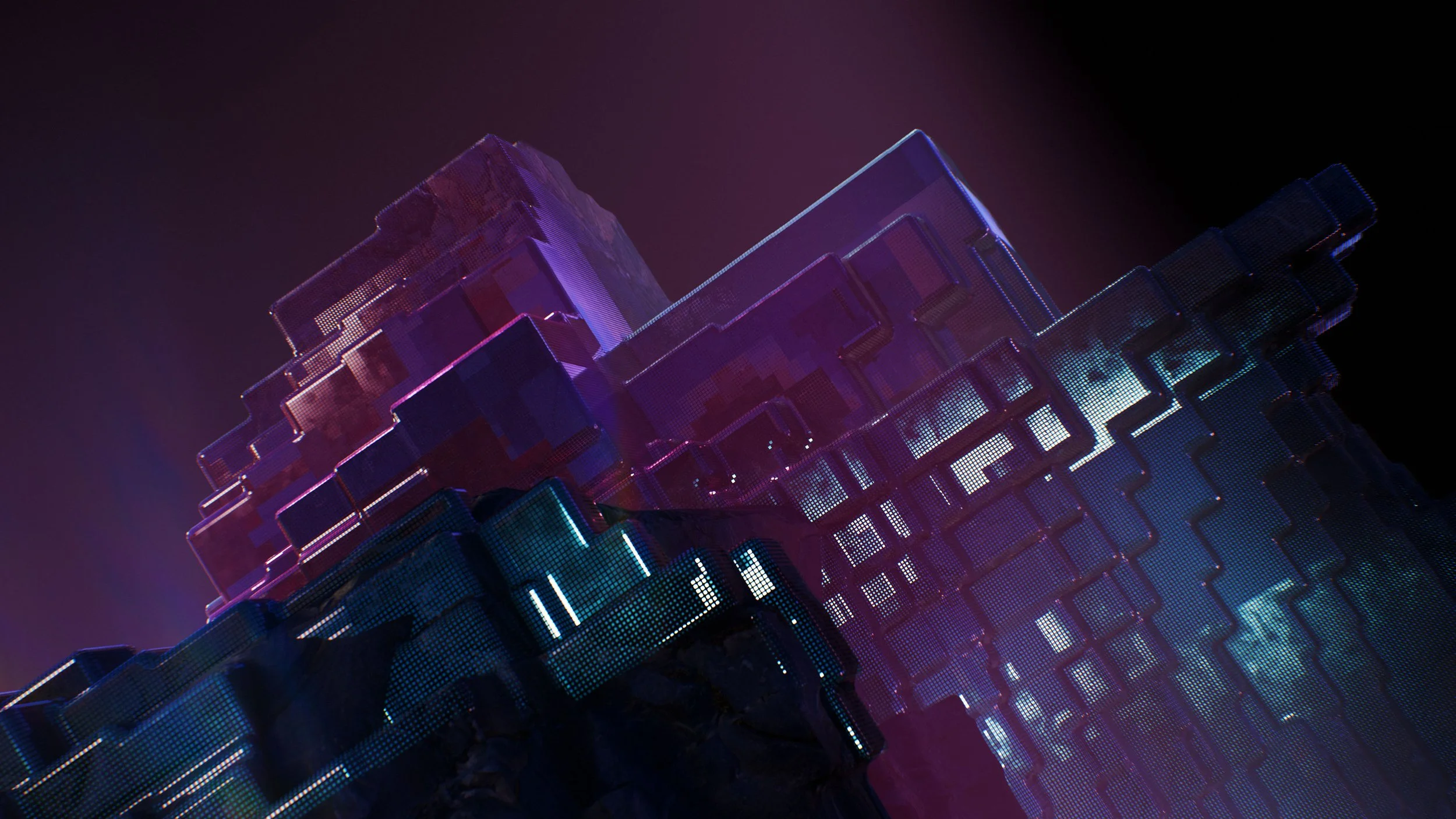
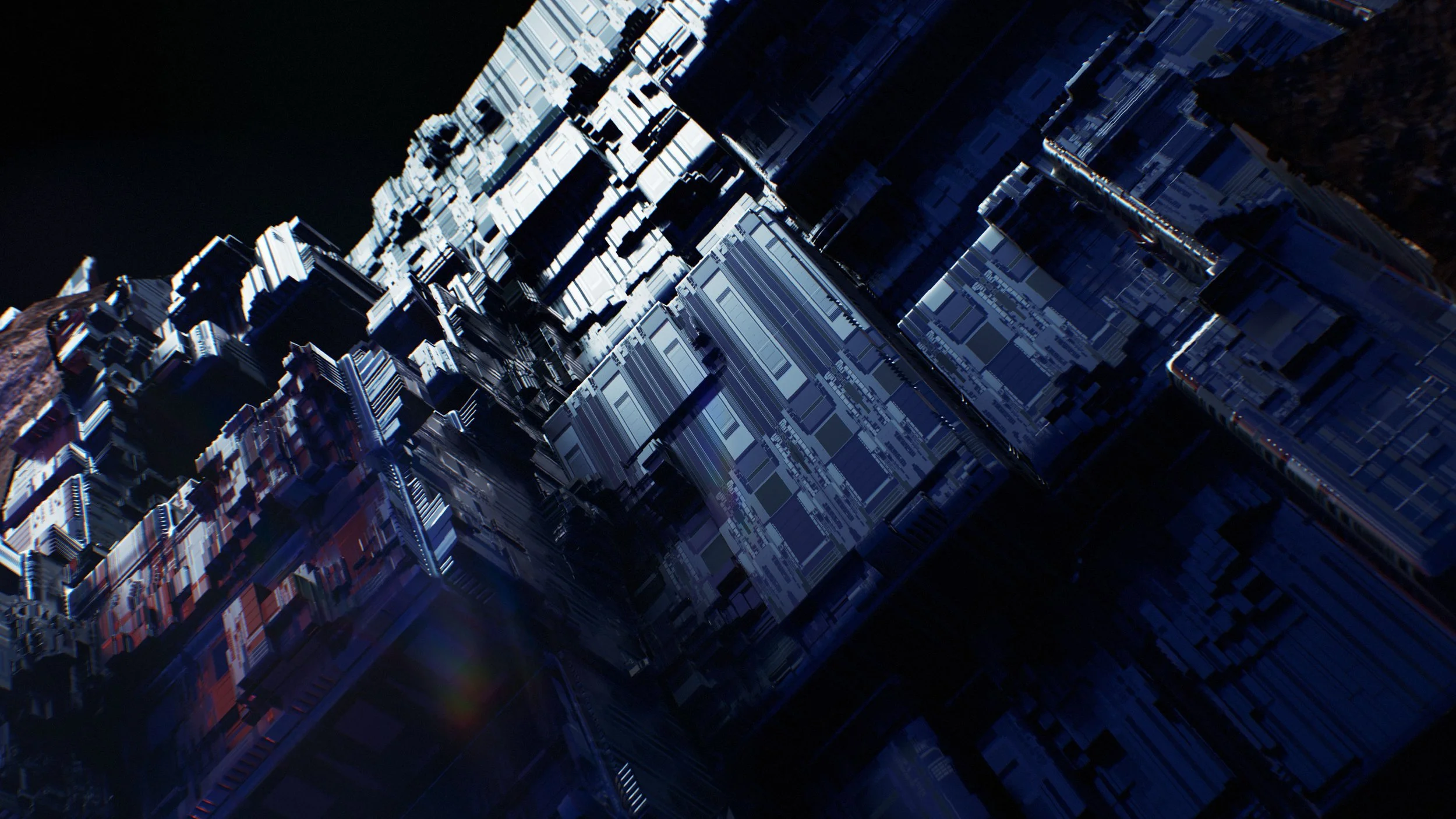
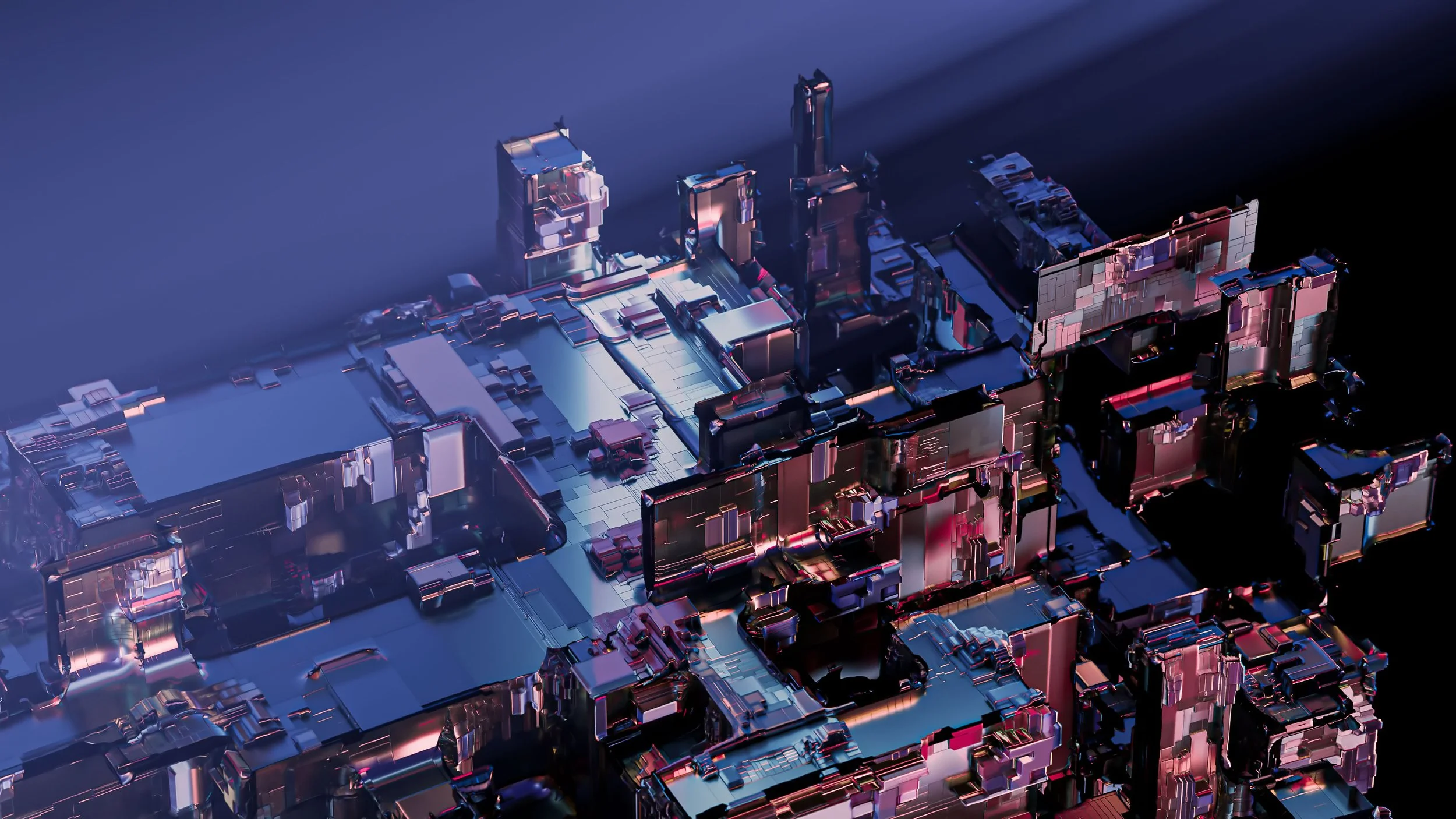
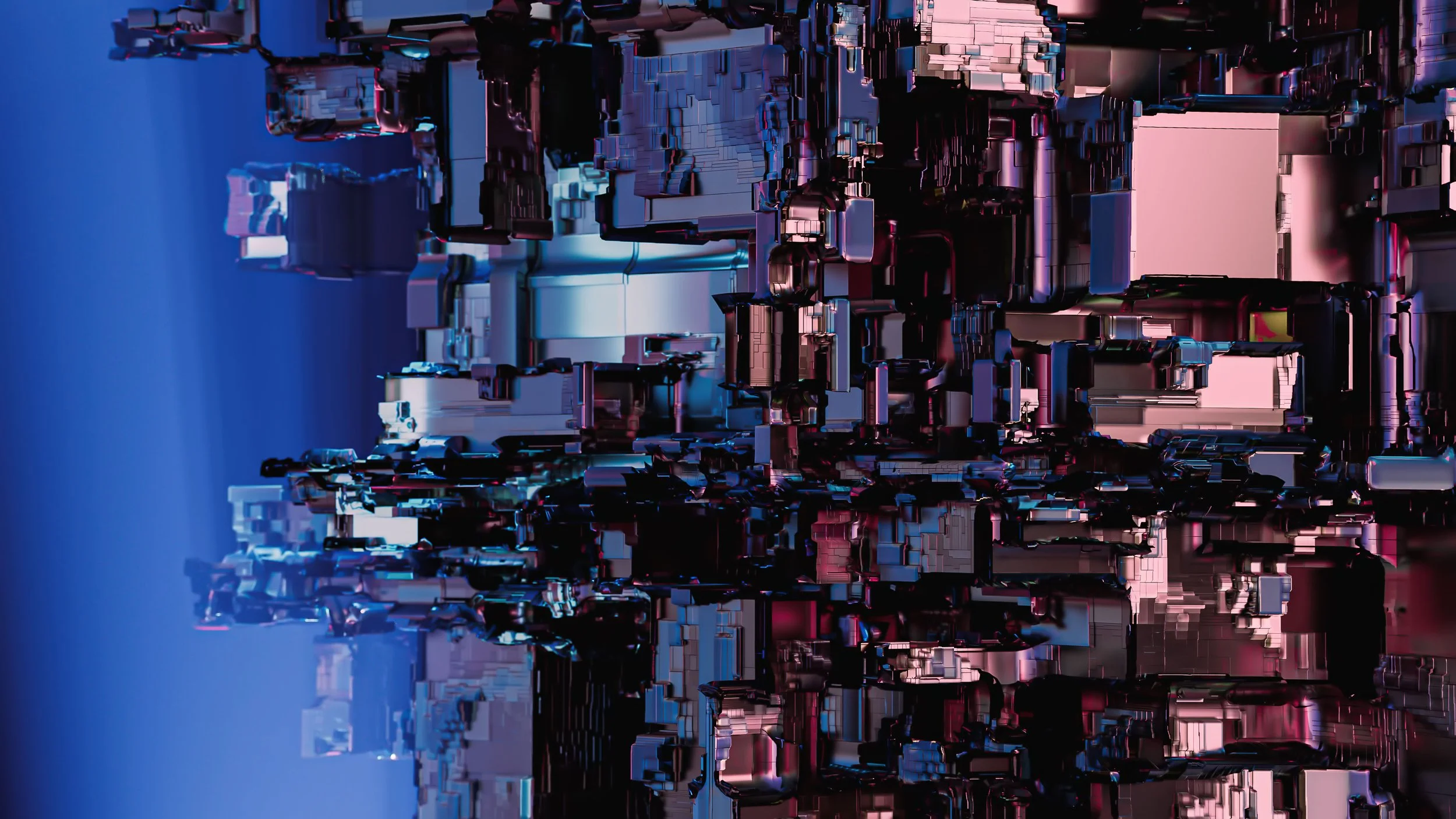
The conceptual foundation of the project was metamorphosis. This idea informed both the visual language and the structural logic of the work, framing the product as an object in transition rather than a static artifact. Transformation was explored across two parallel axes: the evolution of organic surface structures into technical hard-surface geometry, and the use of light as a spatial mechanism capable of shifting environments.
SURFACE TRANSFORMATIONS
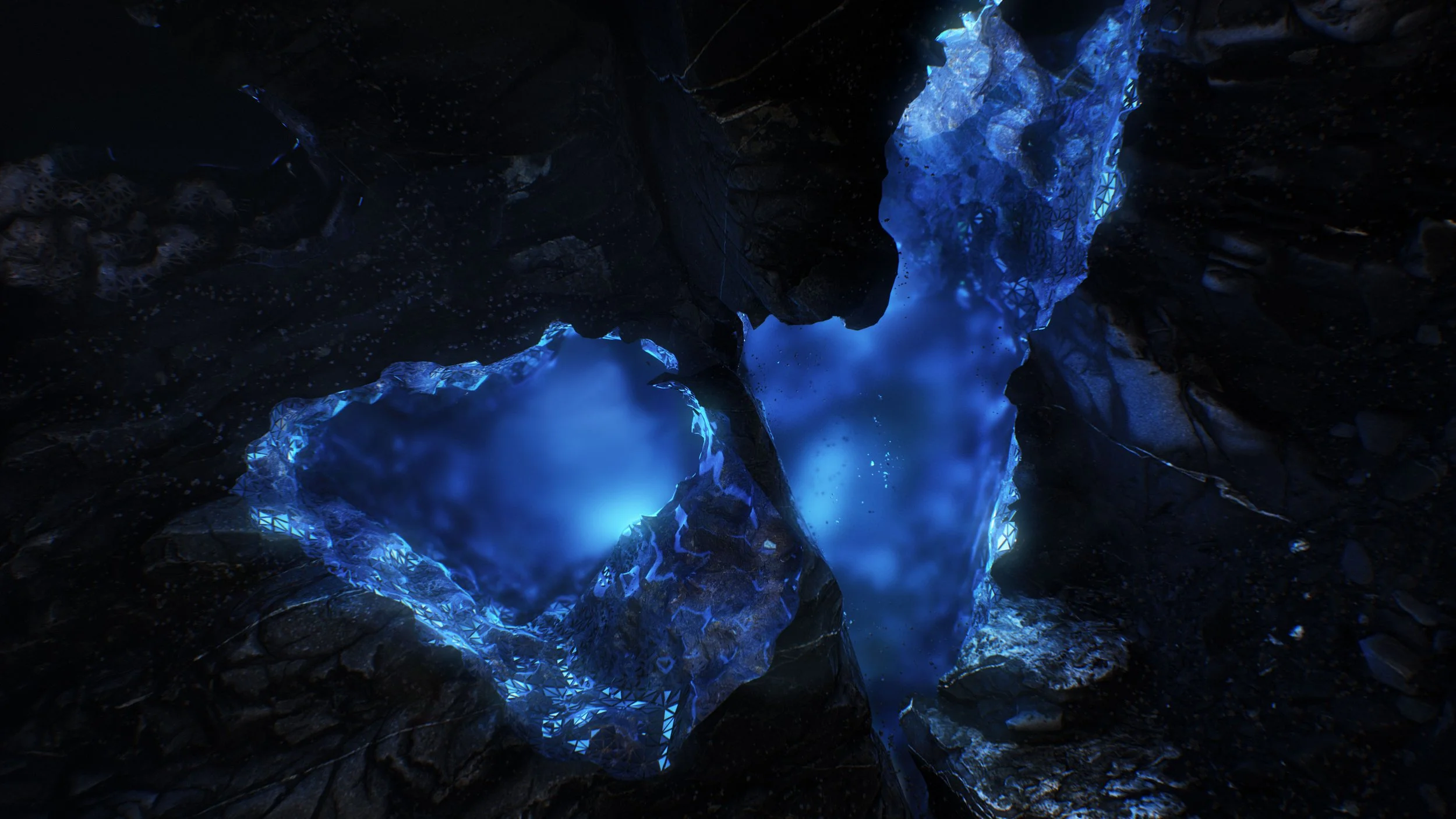
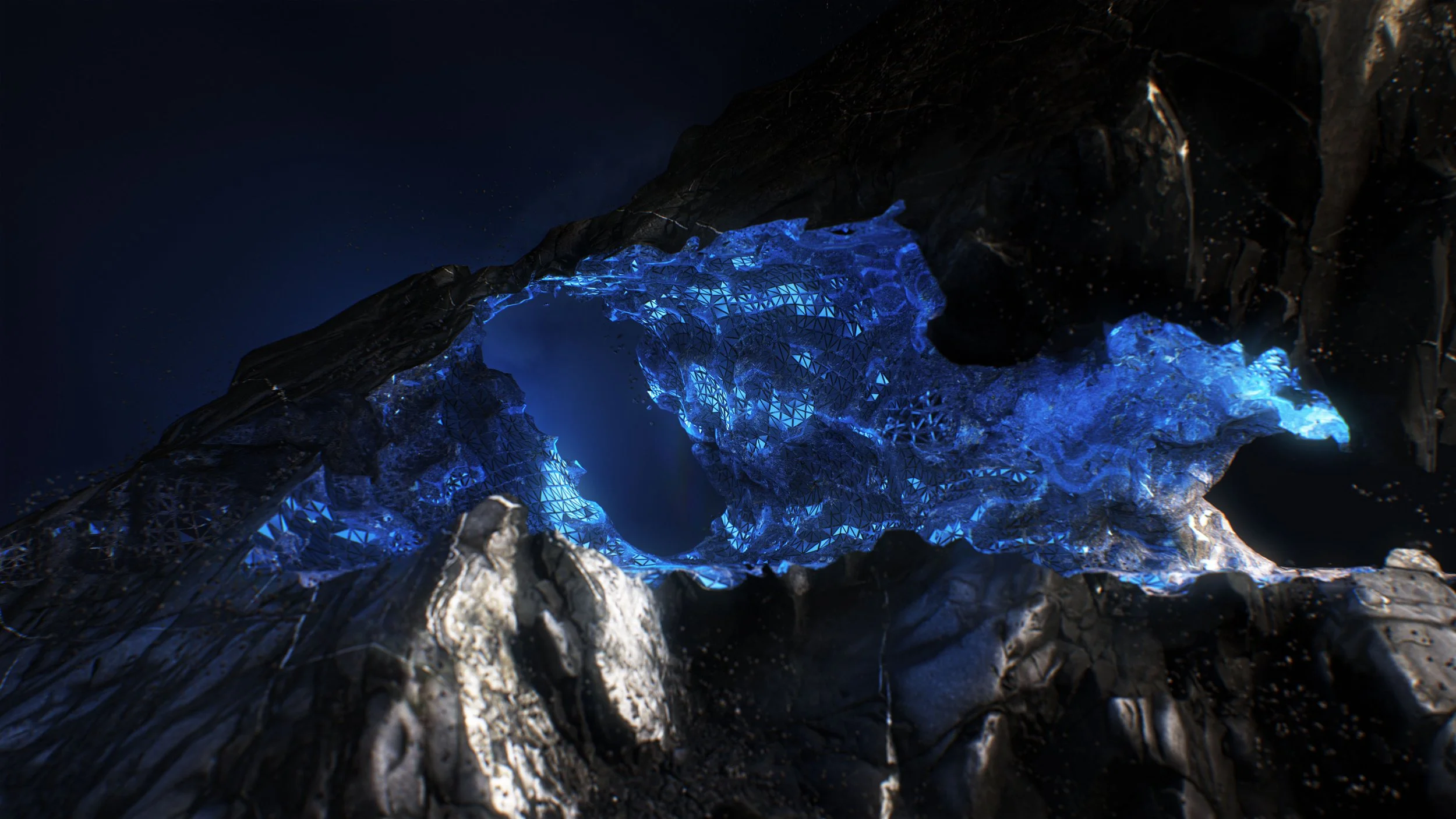
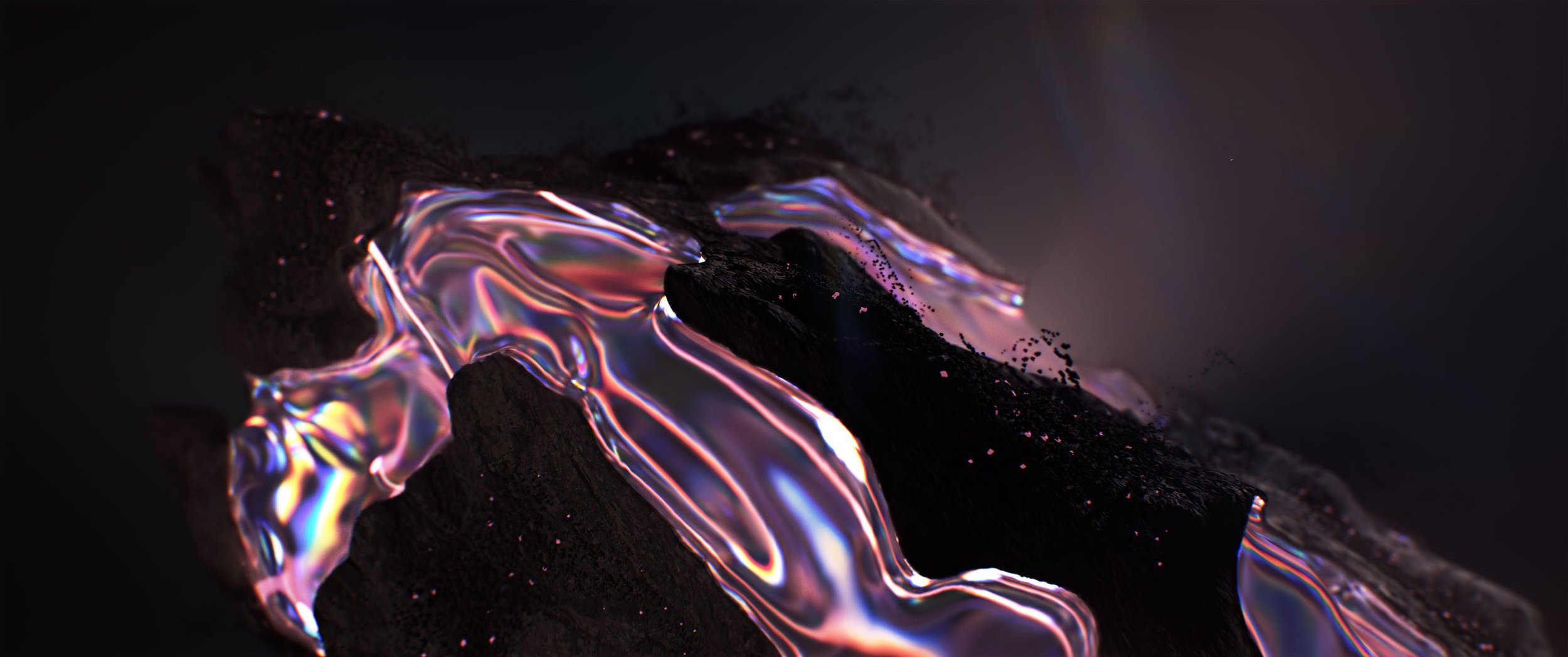
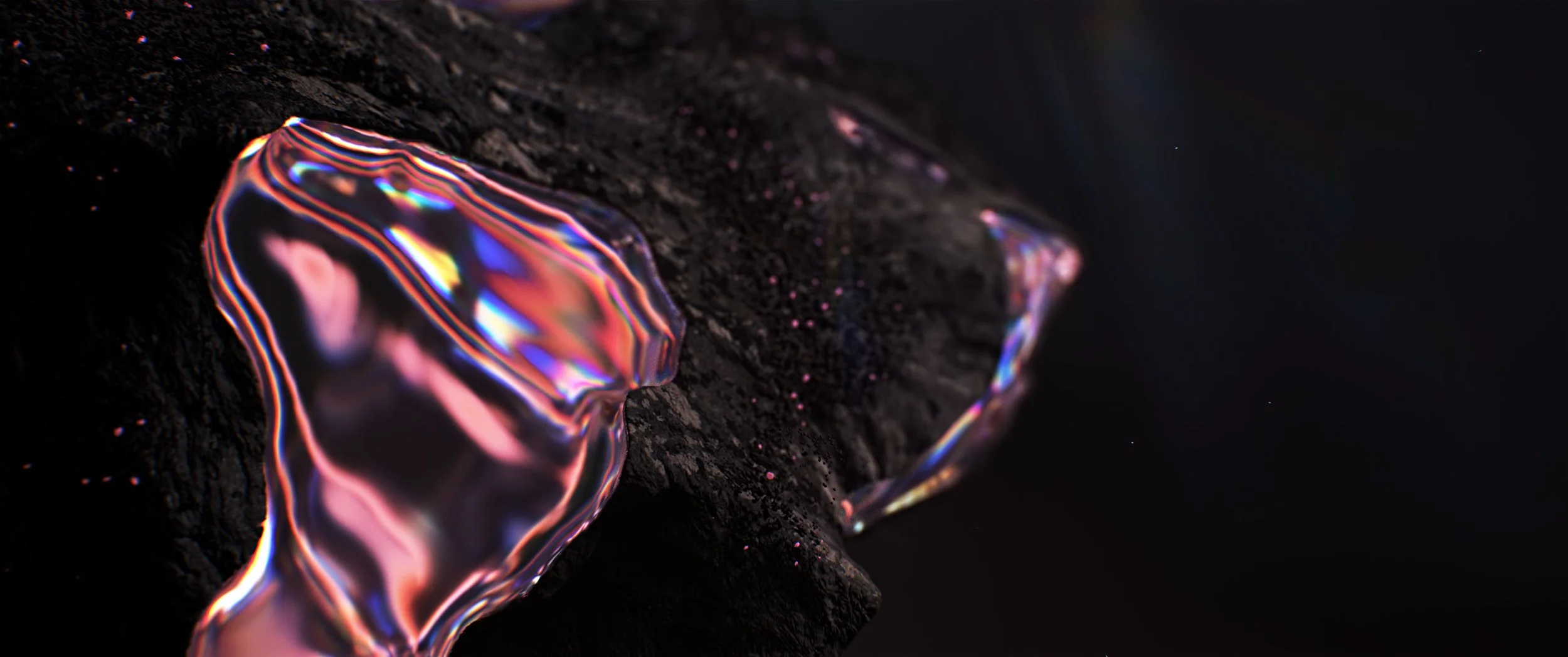
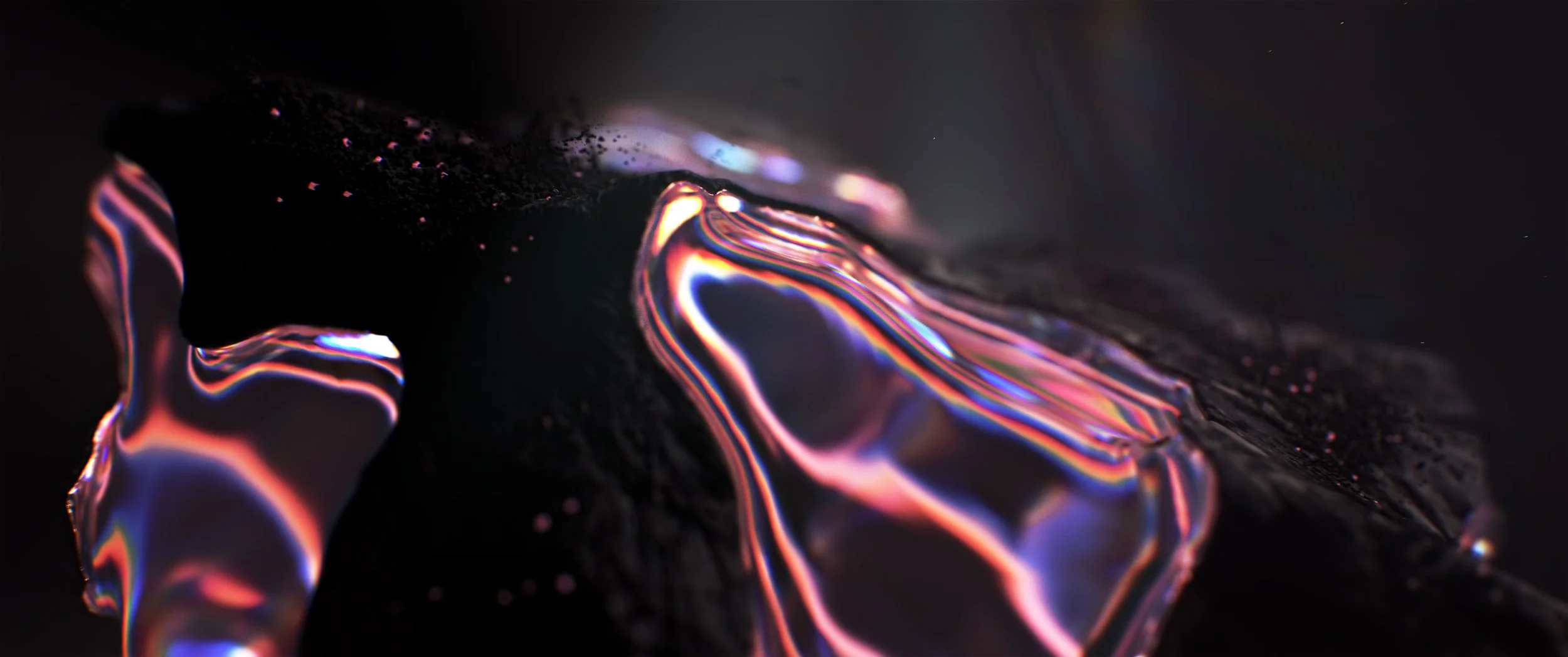
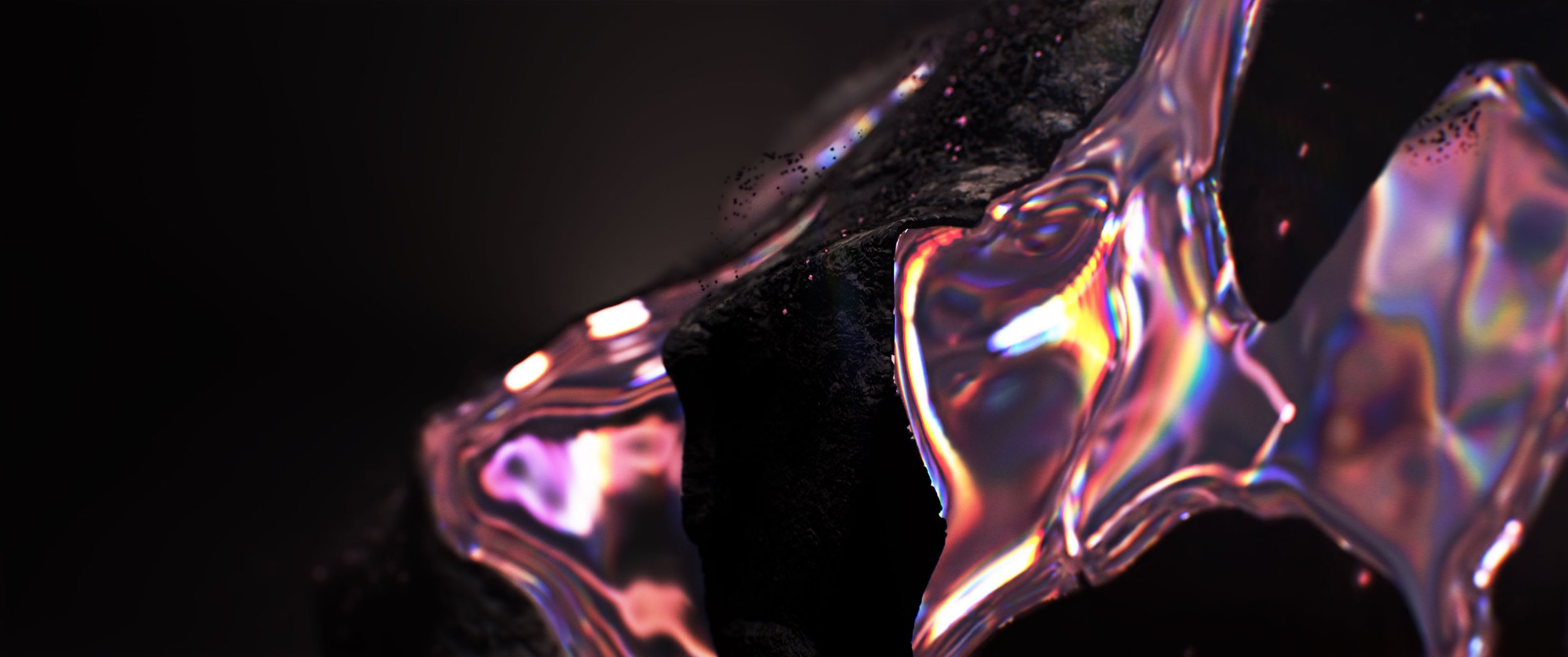
A significant portion of the project was dedicated to research and development, with an emphasis on testing surface behavior across a range of material states. These studies examined how organic forms could progressively reorganize into ordered, mechanical structures, maintaining continuity while shifting underlying logic. The R+D phase functioned as a space for defining transformation rules rather than producing finalized assets, allowing material language and structural rhythm to emerge through iteration.
Surface transitions were treated as procedural events rather than decorative effects. Geometry, texture, and lighting were developed together to support the idea of controlled evolution—where complexity gives way to precision without a clear point of rupture.

ENVIRONMENT + PACkshot
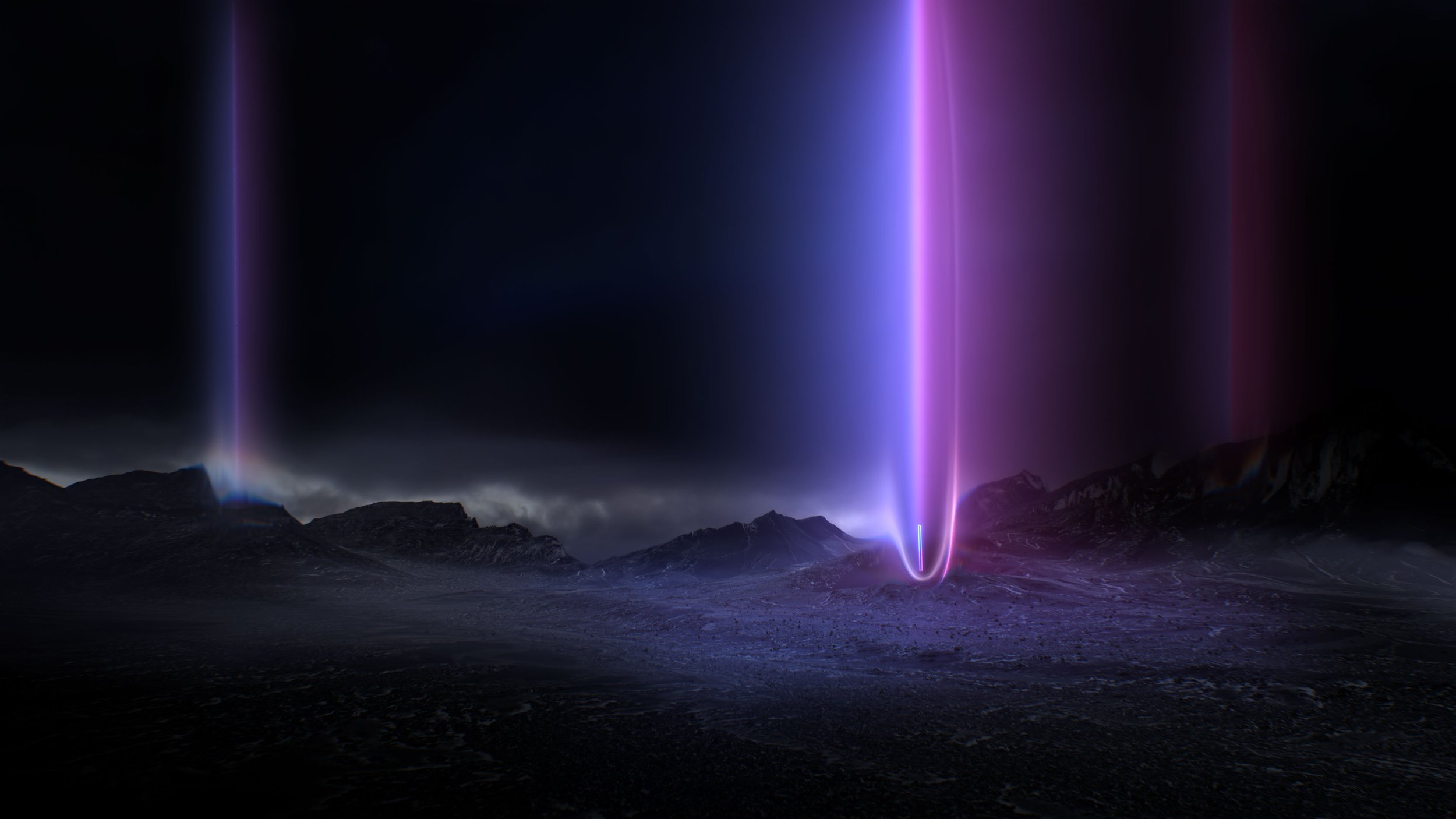
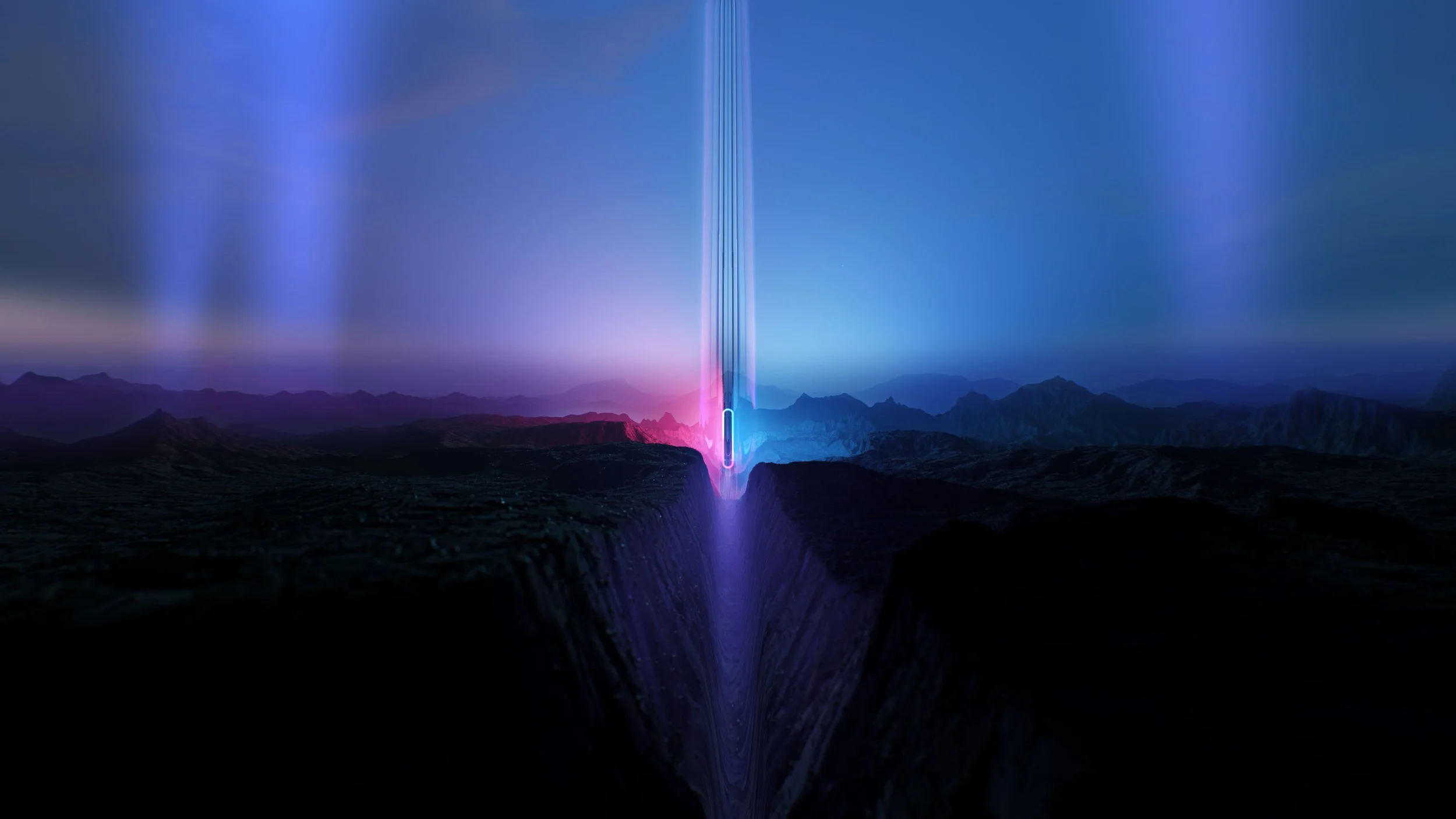
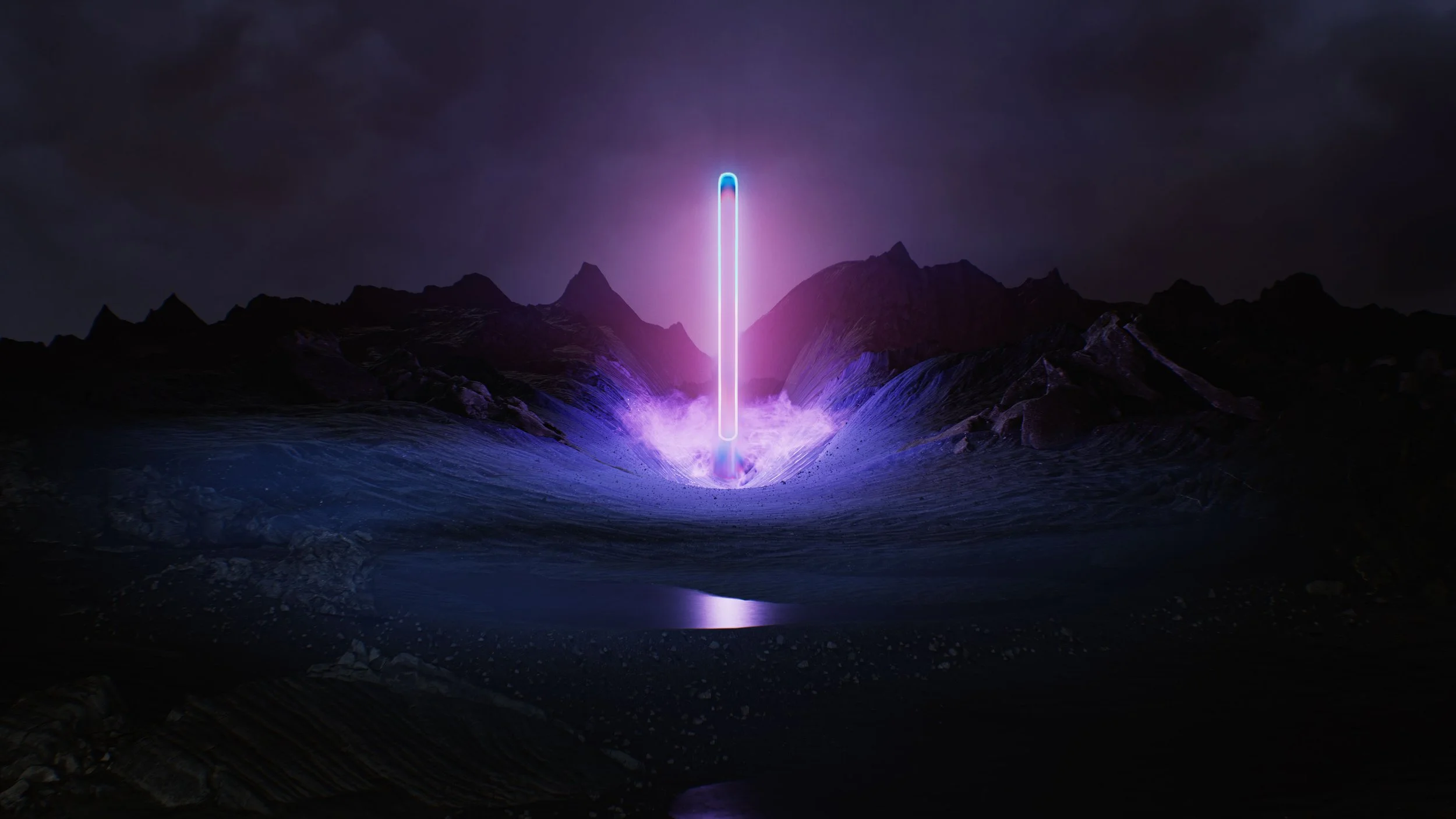
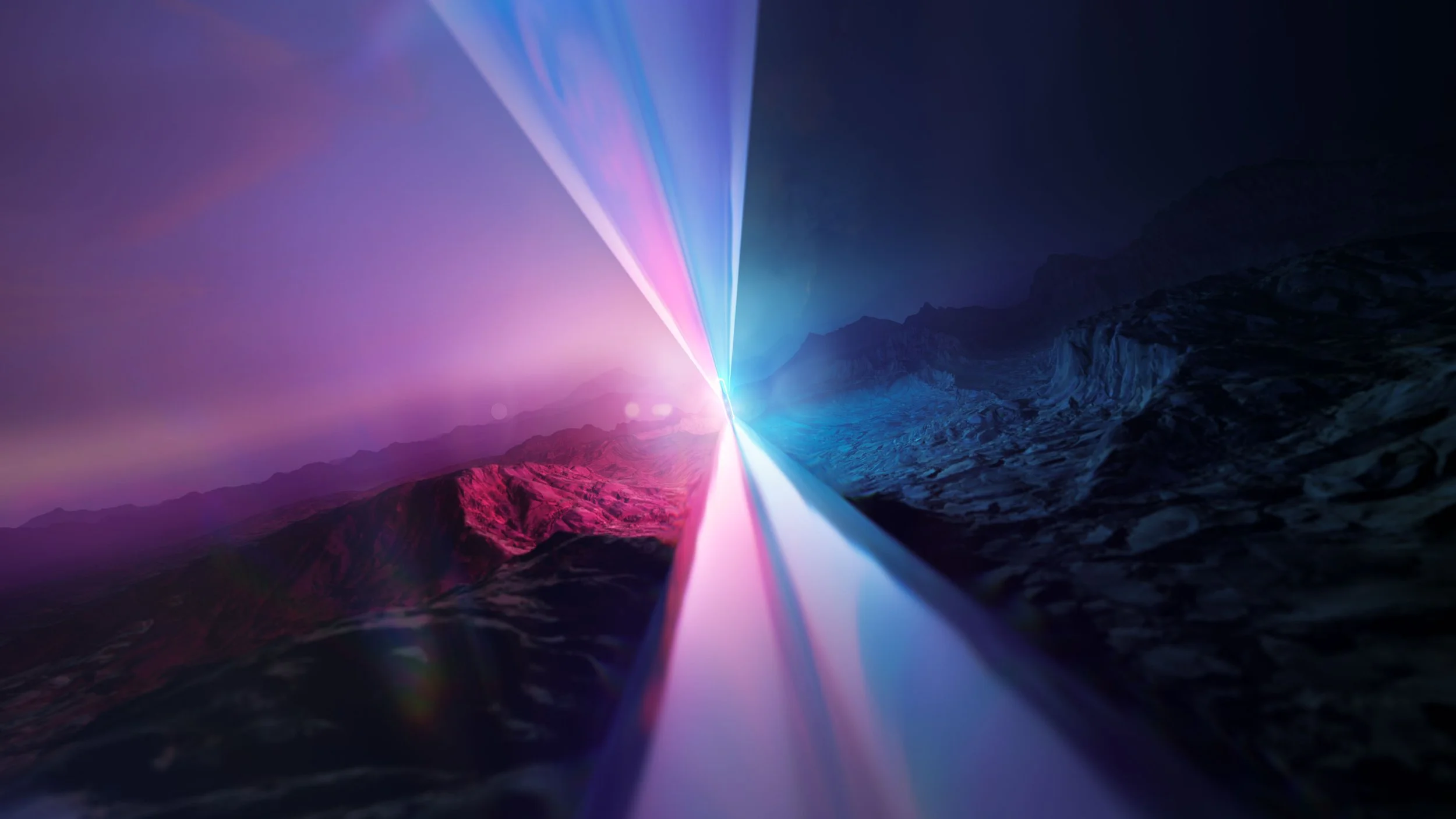
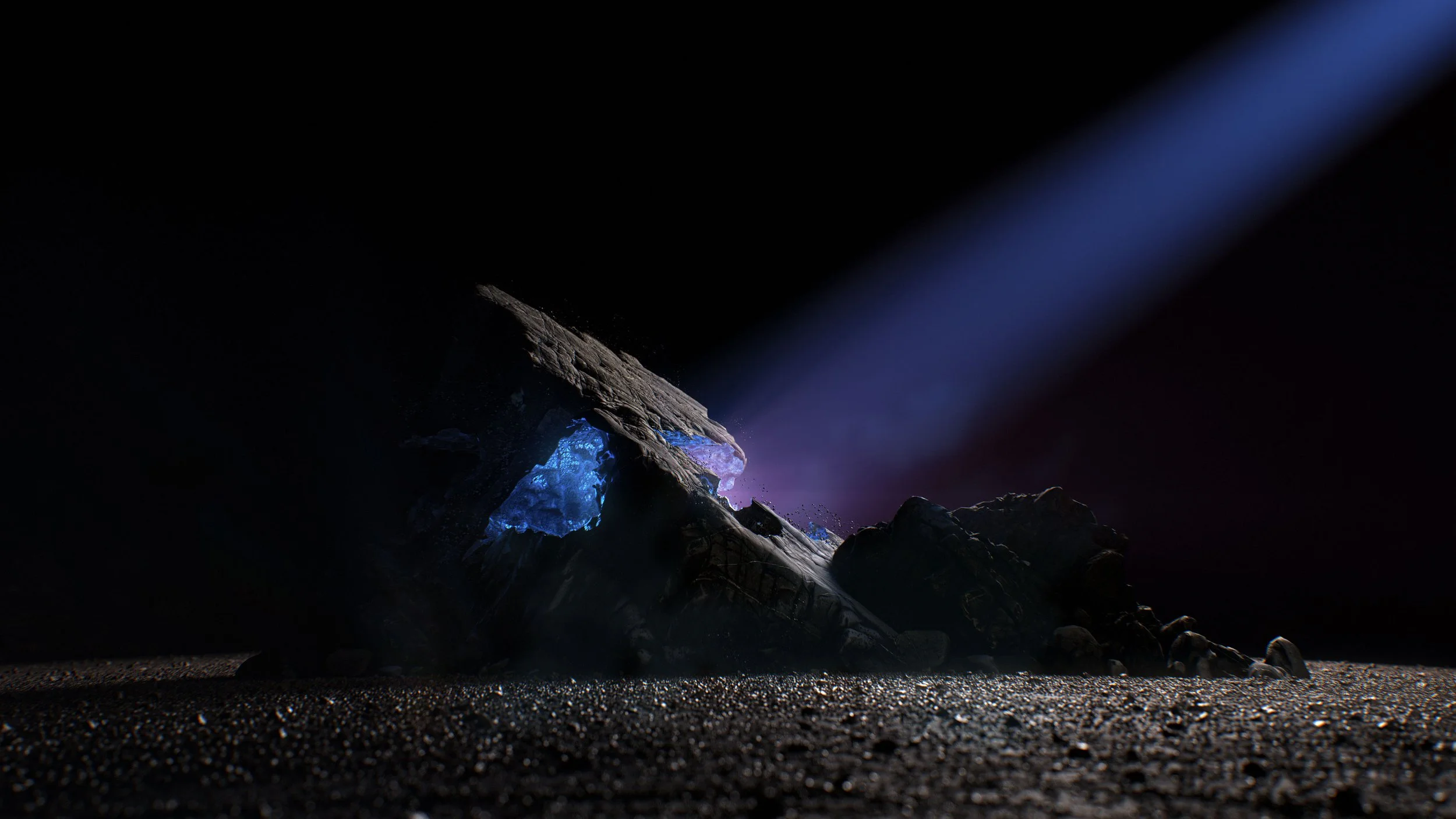
Environmental design focused on the use of light portals as transitional devices. These portals were conceptually linked to the product’s rear light bar, extending a functional design feature into a spatial and narrative role. Light was treated as both illumination and architecture, shaping environments and acting as a boundary between distinct spatial states.
Through these portals, environments were conceived as successive conditions rather than discrete locations. Each space responded to the presence of the product, reinforcing the theme of transformation at both object and environmental scale. Packshot compositions were developed within this framework, positioning the product as the constant element moving through shifting visual systems.