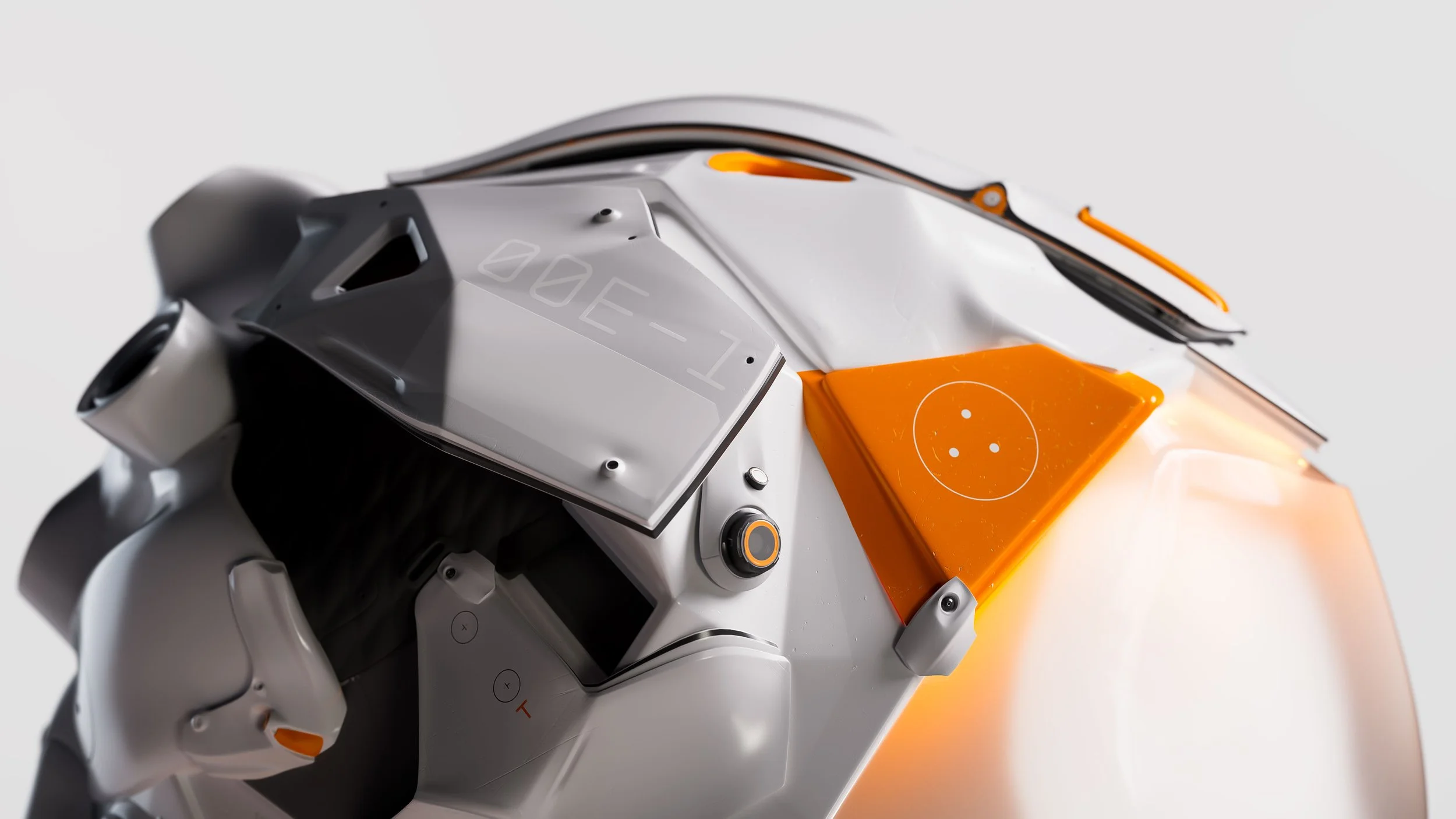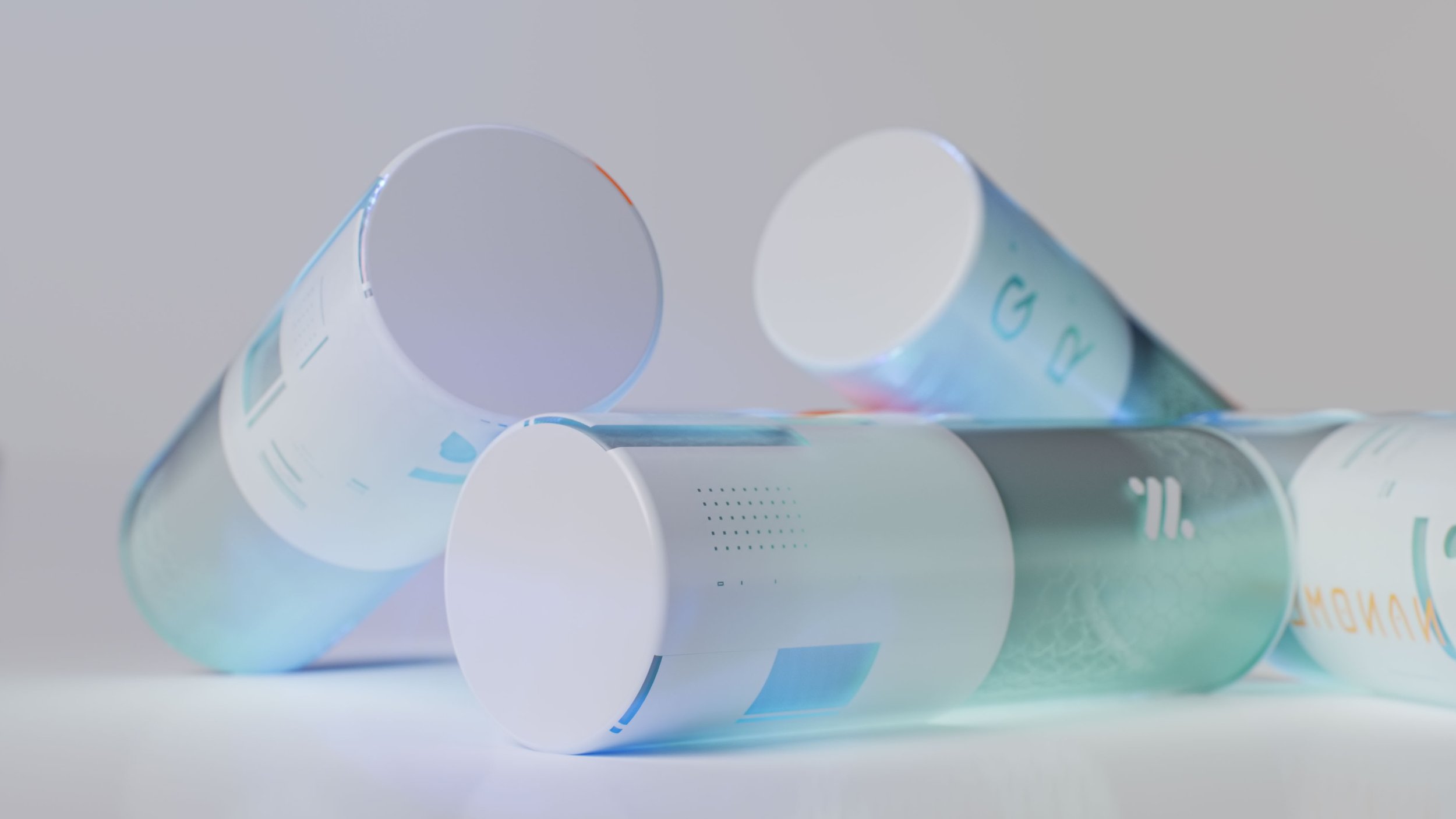
Interstellar Arc | PART 01
GRAPHIC SYSTEMS
MFR CREATIVE STUDIO x FELIX & PAUL STUDIOS, 2025
ART DIRECTION | CONCEPT DESIGN | GRAPHIC DESIGN
CONTEXT
Interstellar Arc is a large-scale immersive VR experience positioned between narrative cinema, interactive exhibition, and theme park ride. Set aboard a multi-generational starship traveling toward an exoplanet, the experience unfolds as a continuous environment shaped by systems, interfaces, and the accumulated history of the journey.
The work presented here focuses on defining the visual and structural language of that world. Graphic systems, holographic constructs, fictional technologies, and three-dimensional assets were designed to operate across multiple scales—from intimate wearable interfaces to architectural and volumetric elements encountered throughout the environment.
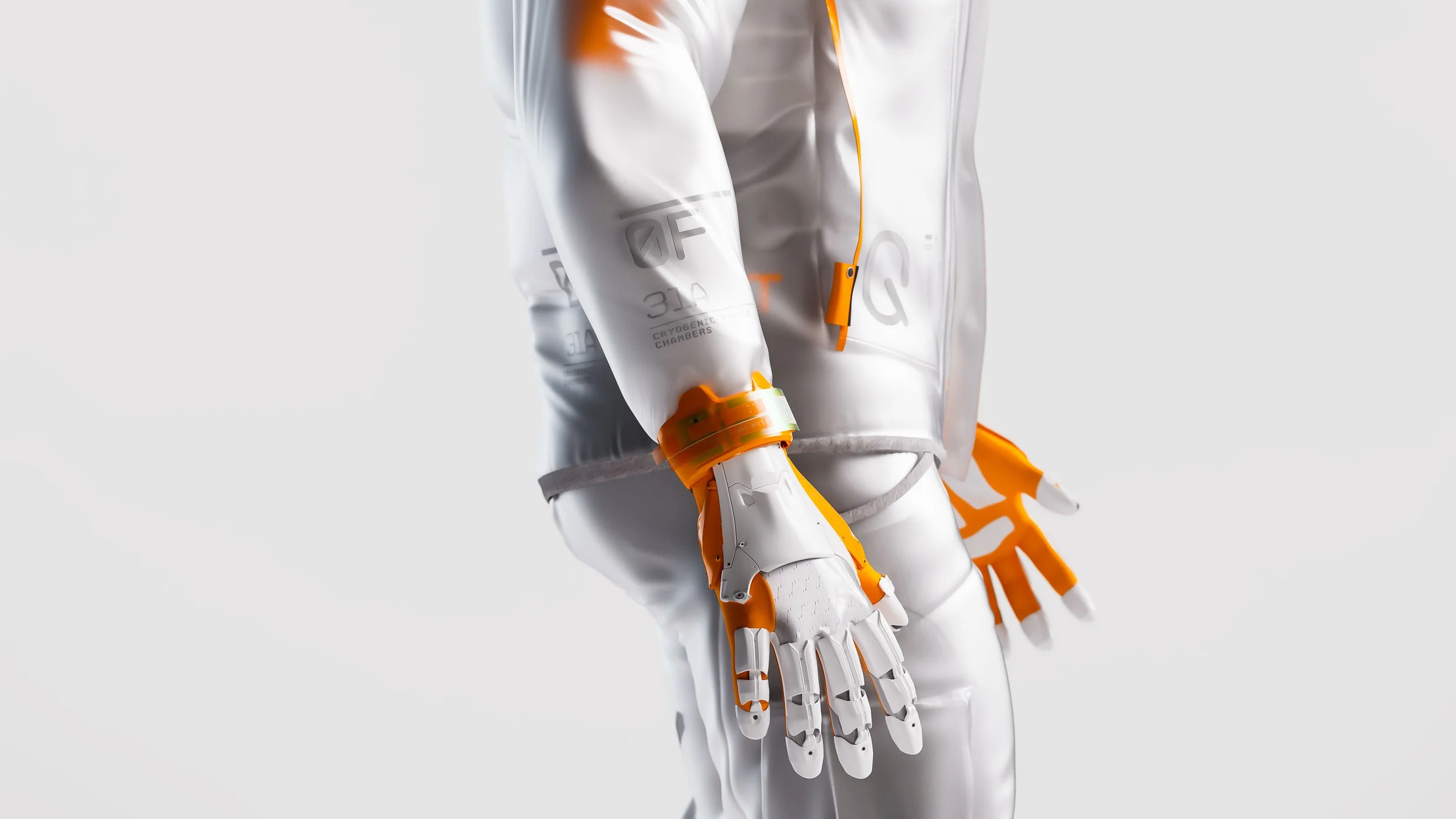
01.0 GRAPHIC SYSTEMS
The graphic systems were developed as a layered framework, with foundational elements—grid systems, typography, and logos—establishing the principles that govern the project as a whole. These early decisions define hierarchy, legibility, and structure, extending across every component of the experience. Holographic elements, three-dimensional design, and spatial systems all originate from this foundation, carrying its logic into more complex forms.
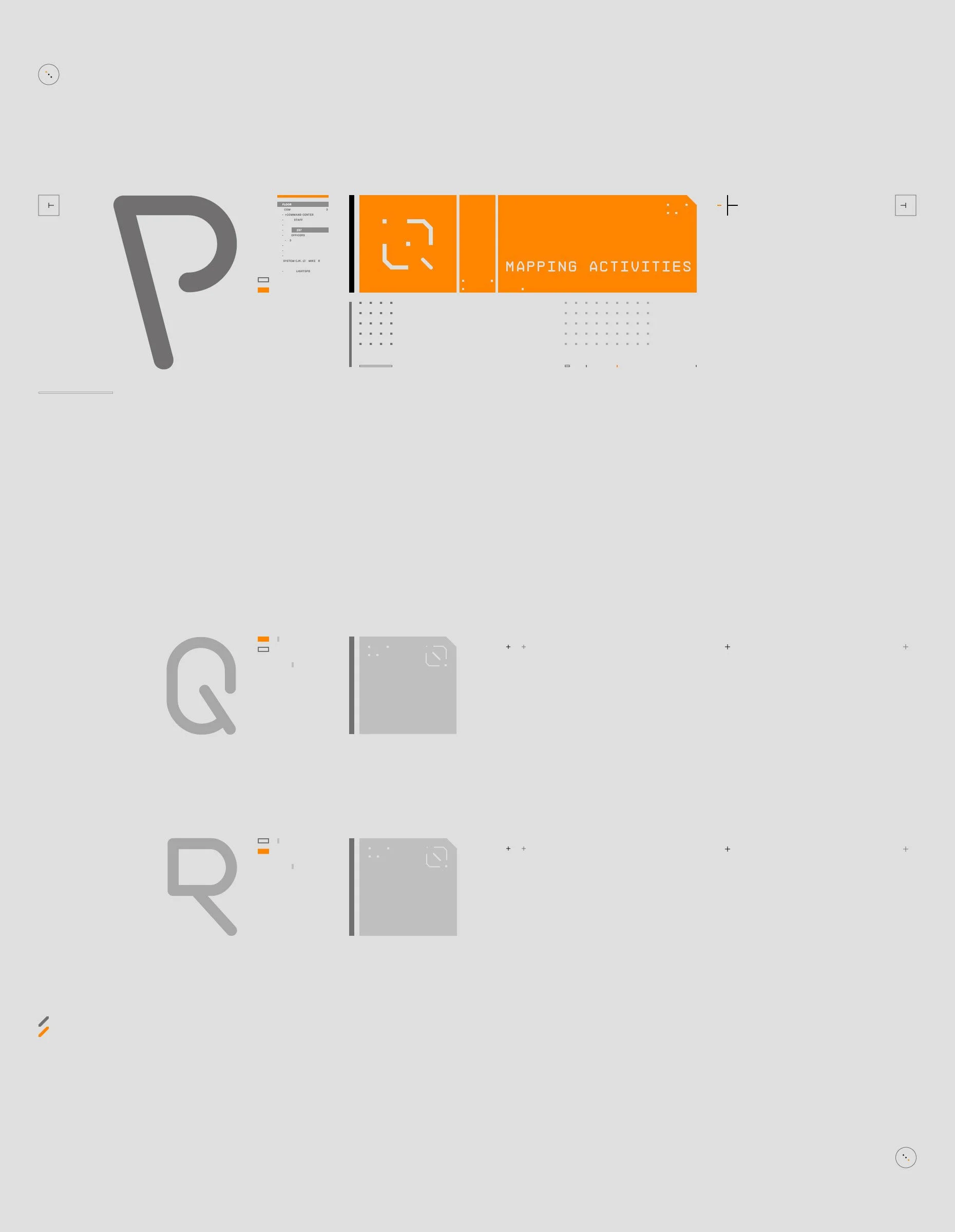
01.1 DESIGN OVERVIEW + APPROACH
The approach began with defining a set of influences and identifying the design components that structure them. The world reflects a distant future shaped by civilian life and long-duration travel, establishing a visual language grounded in clarity, familiarity, and use.
The work is guided by a core design ethos that brings together utilitarian graphic design and advanced visualization systems, prioritizing function while supporting a forward-looking visual language. This approach is defined through four key components: a stylized utilitarian foundation, influence from product and decal graphics, the use of full-spectrum color in volumetric systems, and a layered approach to complexity that scales across the experience.
Grid systems, typography, and branding establish the structural base of the work. These elements extend across interfaces, holograms, and three-dimensional design, maintaining continuity as the system expands in scale and application.

01.2 IDENTITY
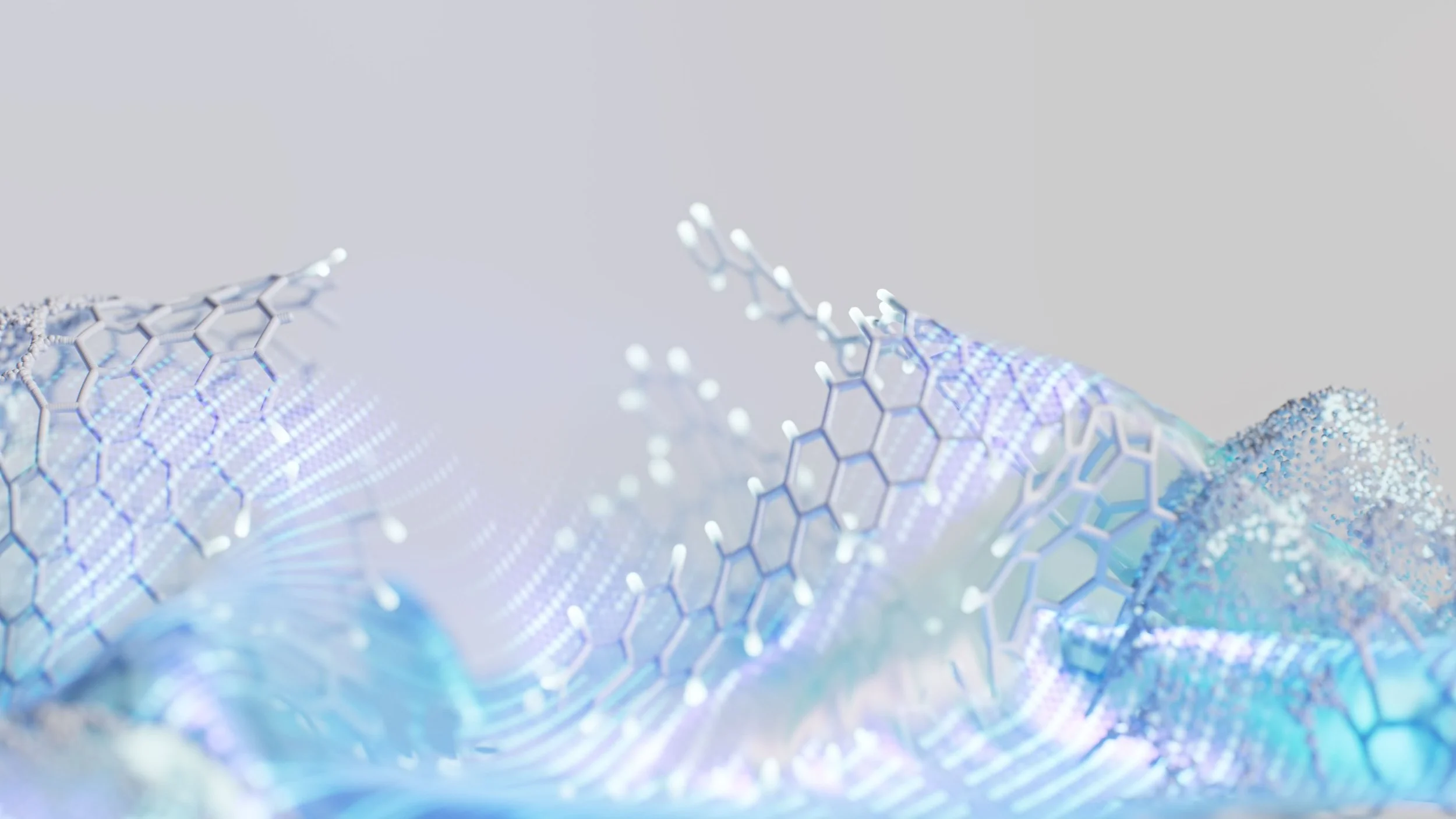
Identity development was not a primary objective, but it played an important role in establishing the broader design language. A system of branding elements, fictional corporations, and technologies was introduced to support the graphic framework and extend the world beyond the immediate experience.
These identity systems provide authority and context, allowing graphic elements to register as part of an operational environment. Some brands appear directly within the narrative, while others are implied through the design of advanced technologies and infrastructure.
The process also informed the underlying logic of the world—defining the organizations responsible for key systems, the technologies they produce, and how those systems function within the environment.

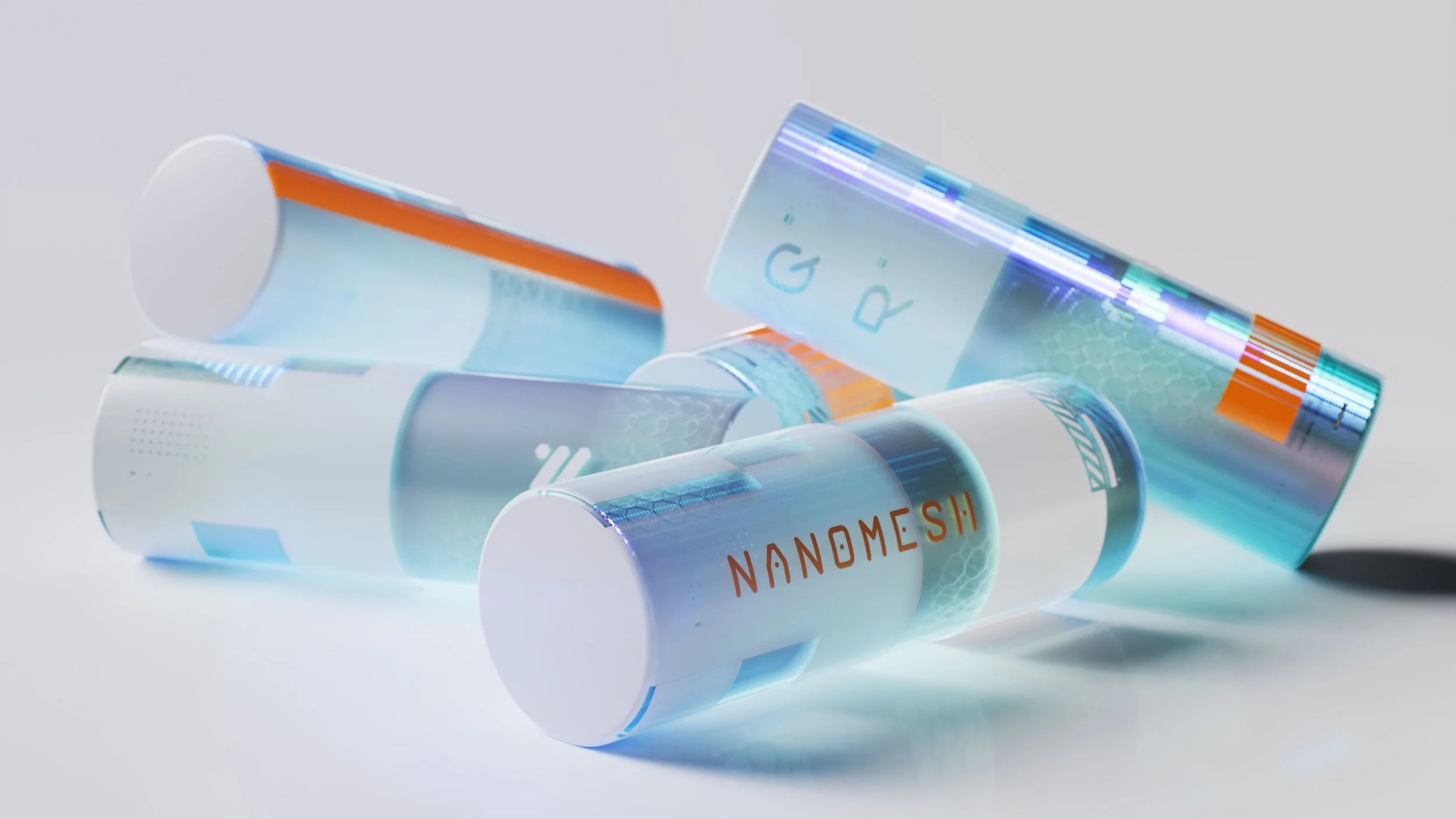

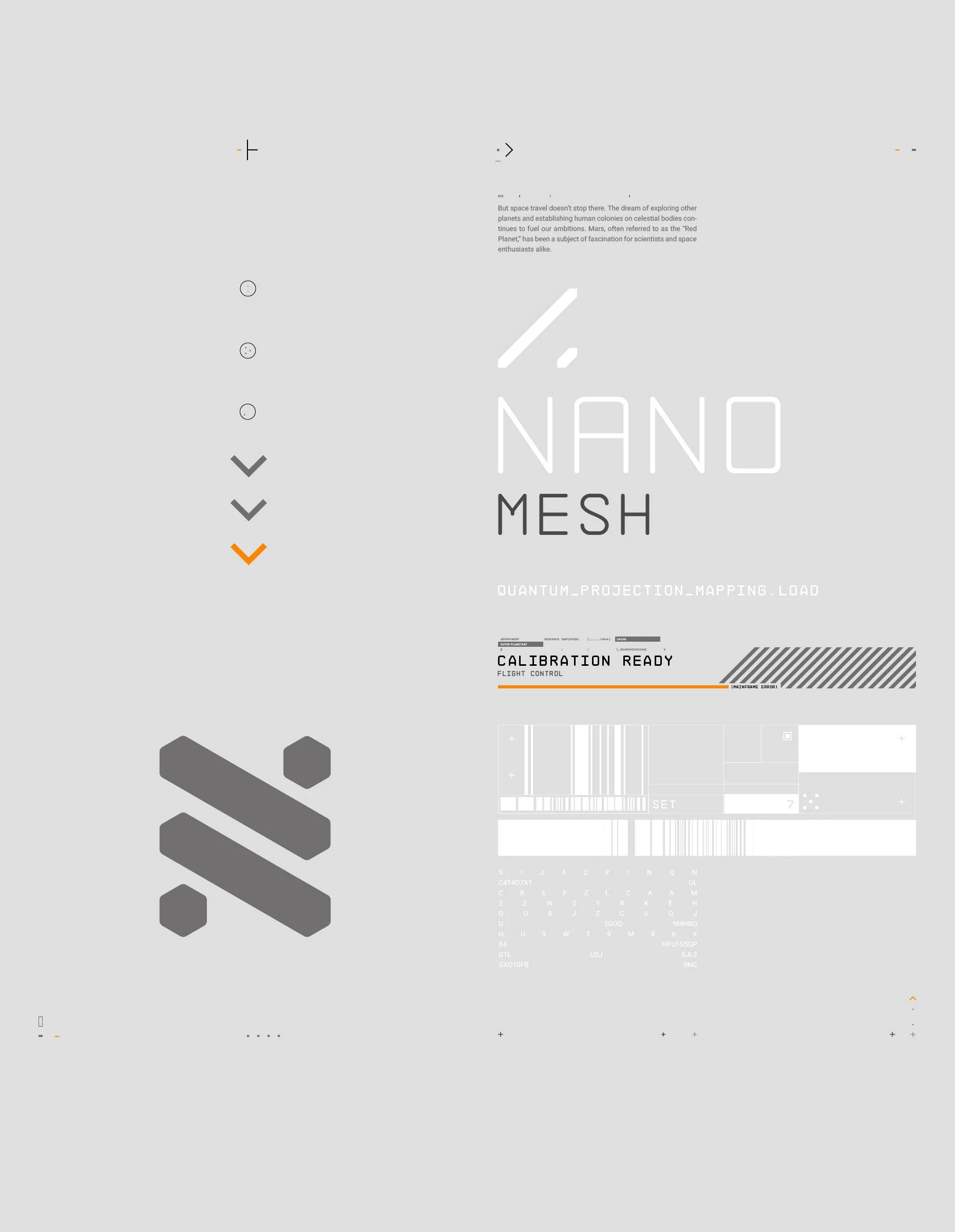
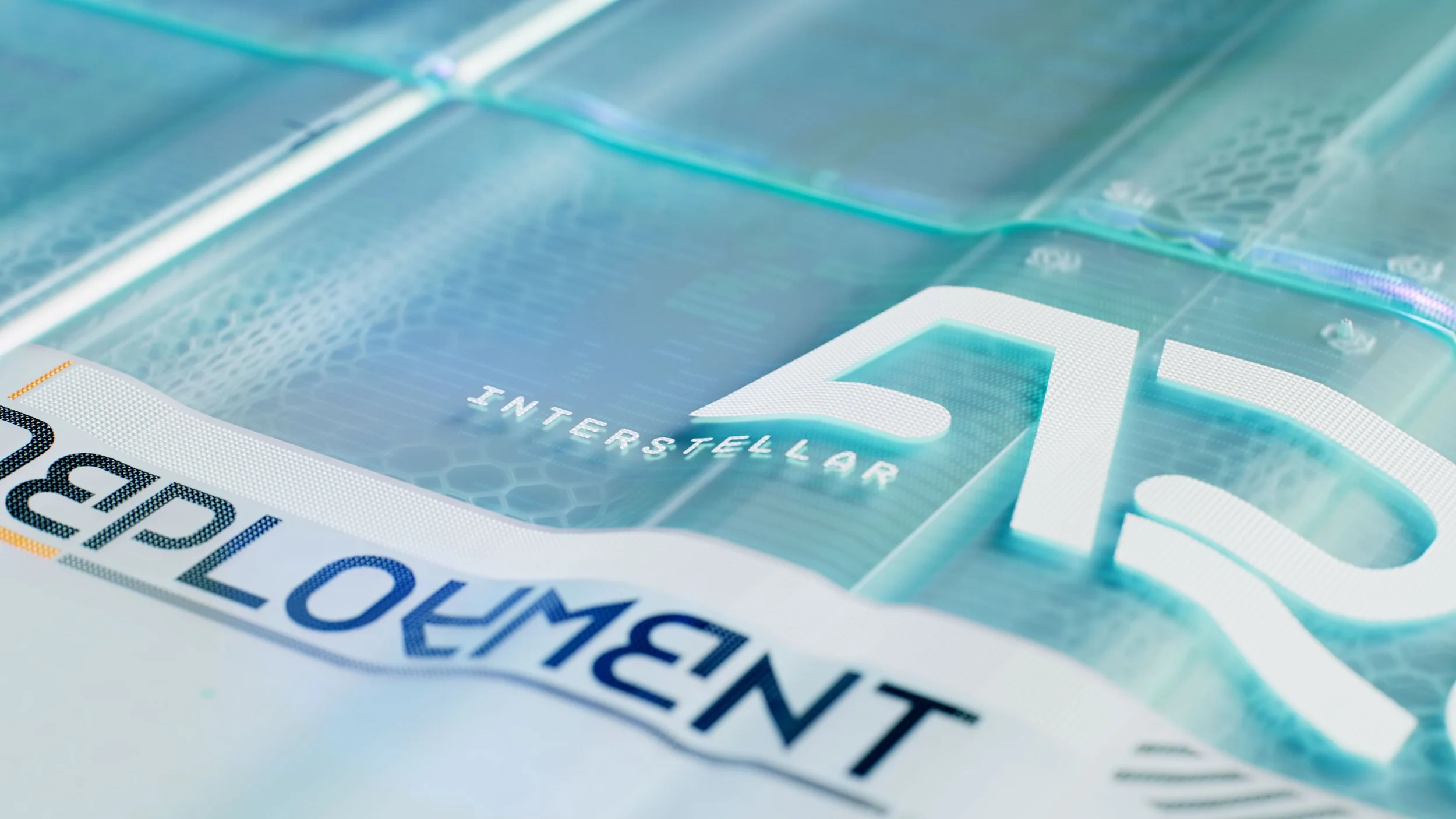
The Diplomat + Nanomesh branding in context

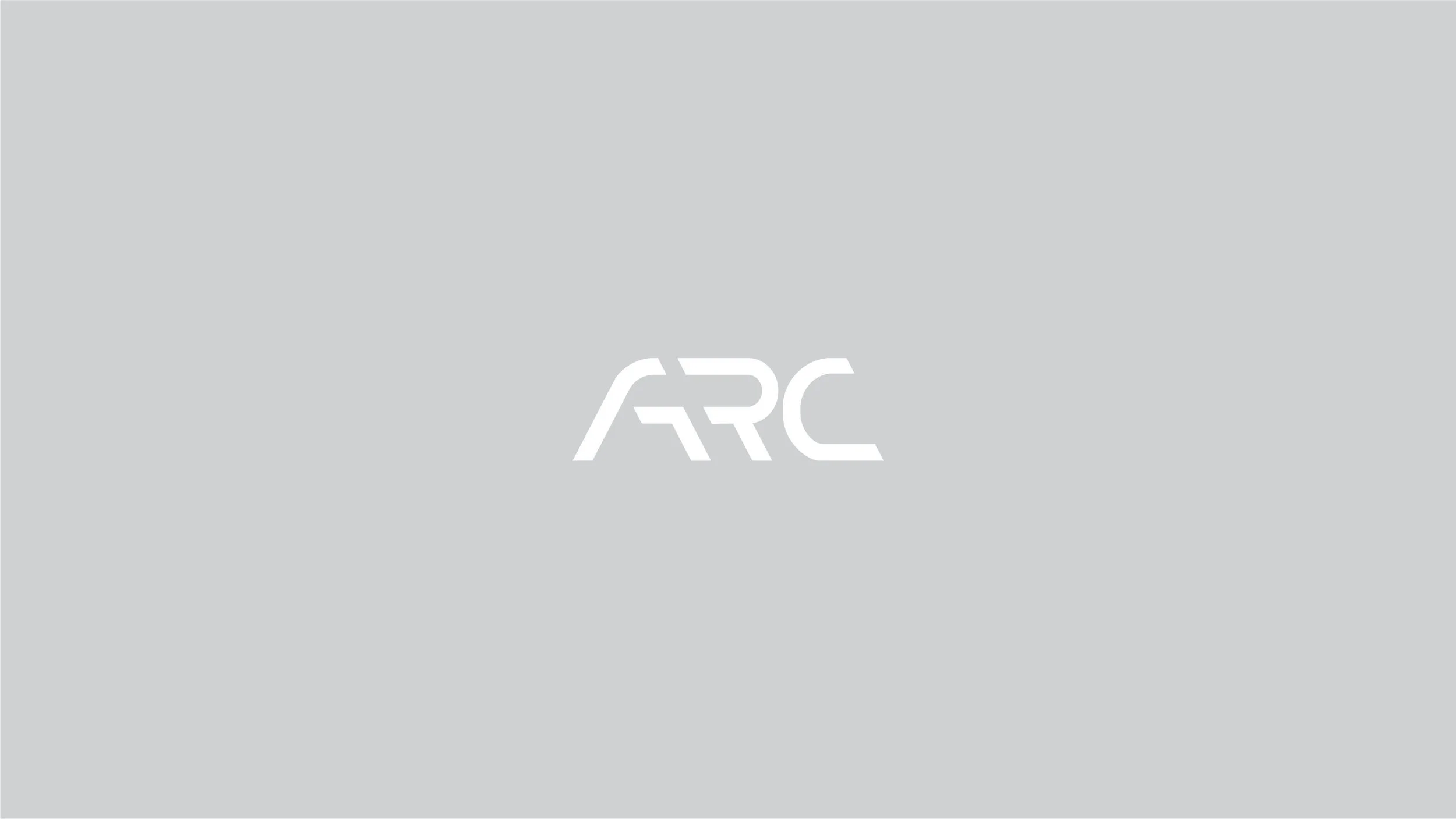
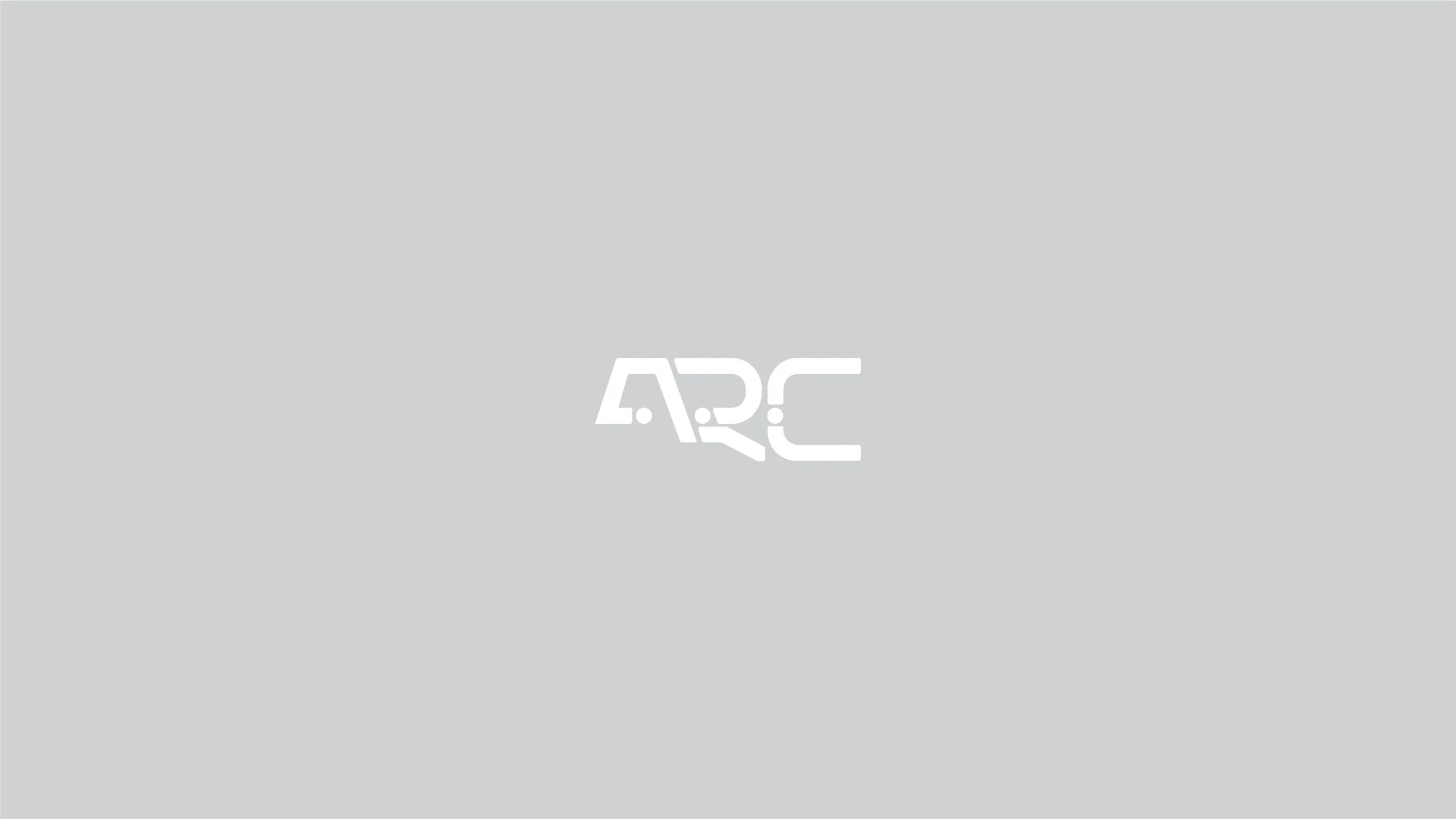
INTERSTELLAR ARC LOGO EXPLORATION
01.3 tYPOGRAPHY
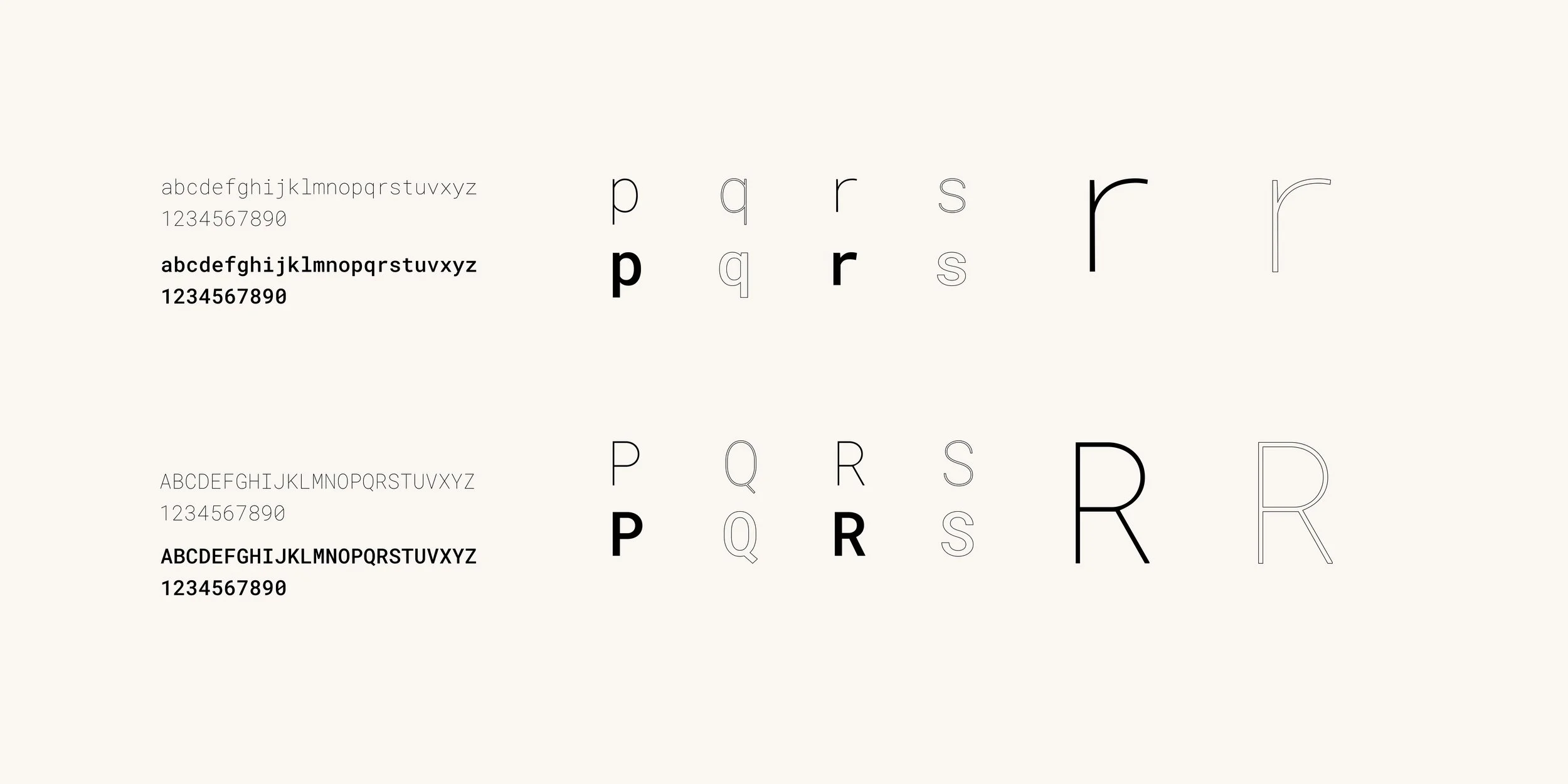
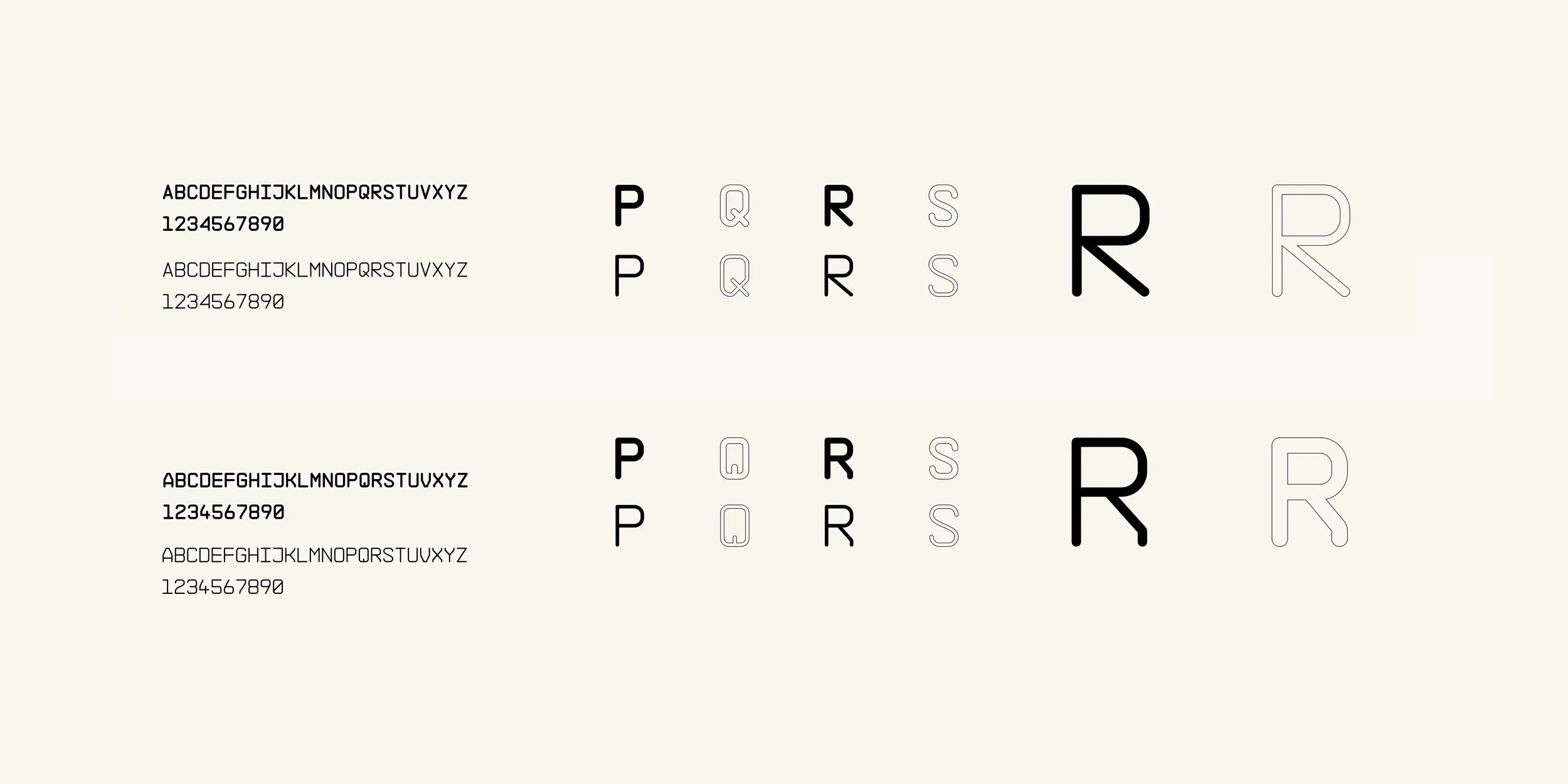
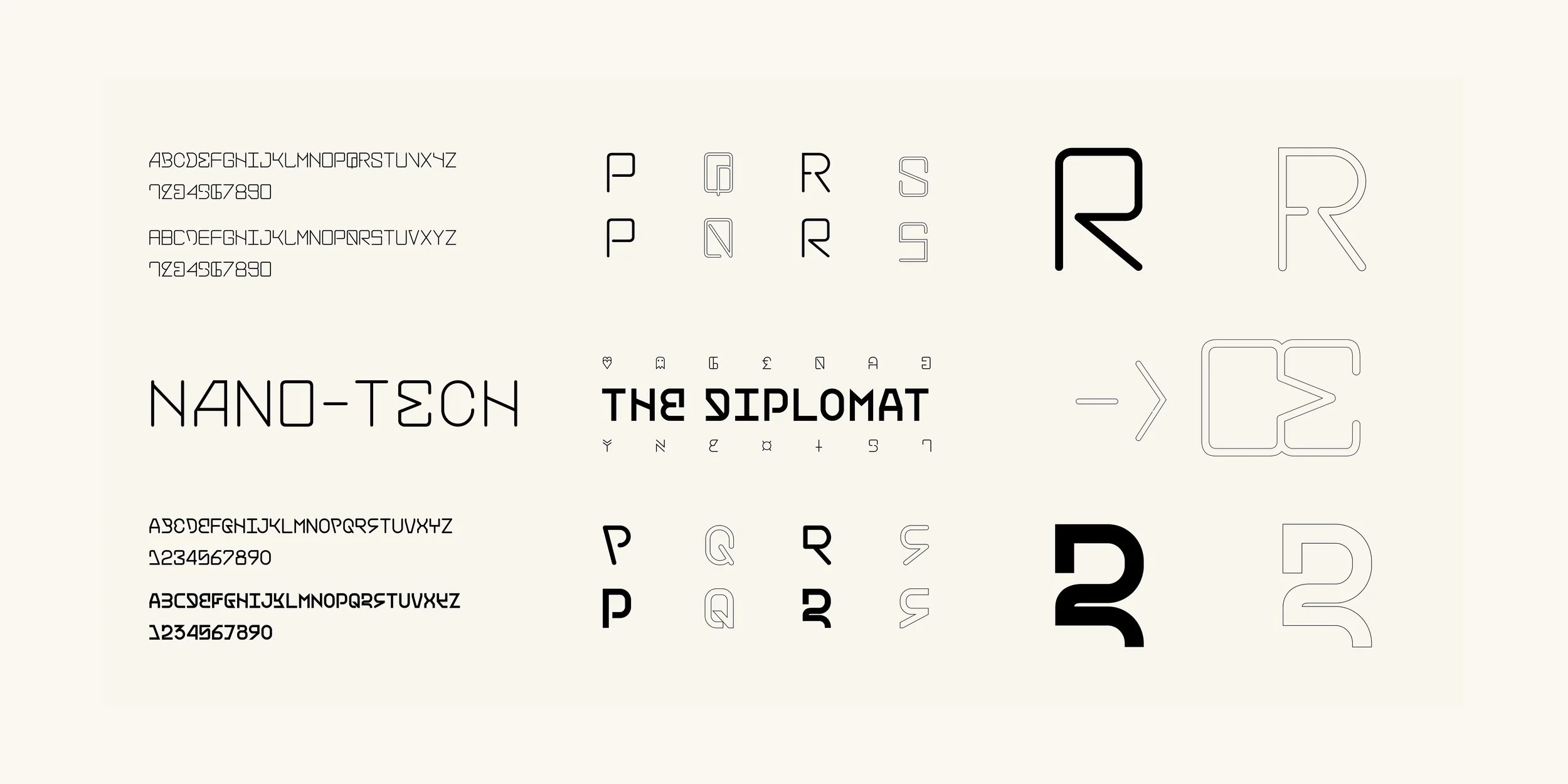
Typography and grid development established the stylistic foundation of the graphic system. Built from the broader ethos of stylized utilitarian design, this language provided a base structure that could support everything from functional interface content to larger display moments and symbolic forms.
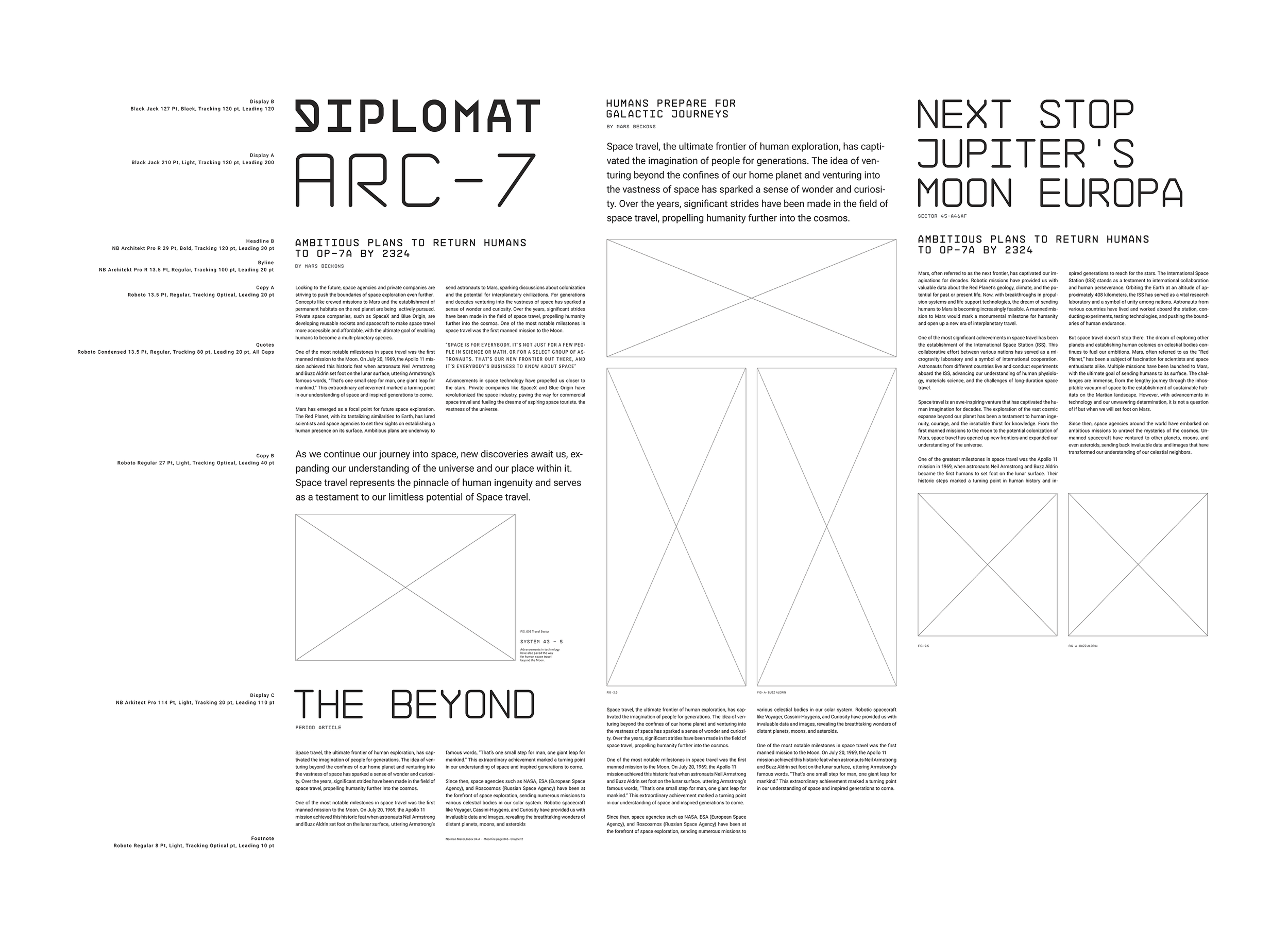
A focused set of typefaces formed the basis of the system. Roboto carried much of the informational content and smaller communication. NB Architect Pro established tone across headlines, wayfinding, and larger graphic applications. Blackjack introduced a distinct visual character through symbols, display elements, and accent forms.

01.4 LAYOUT
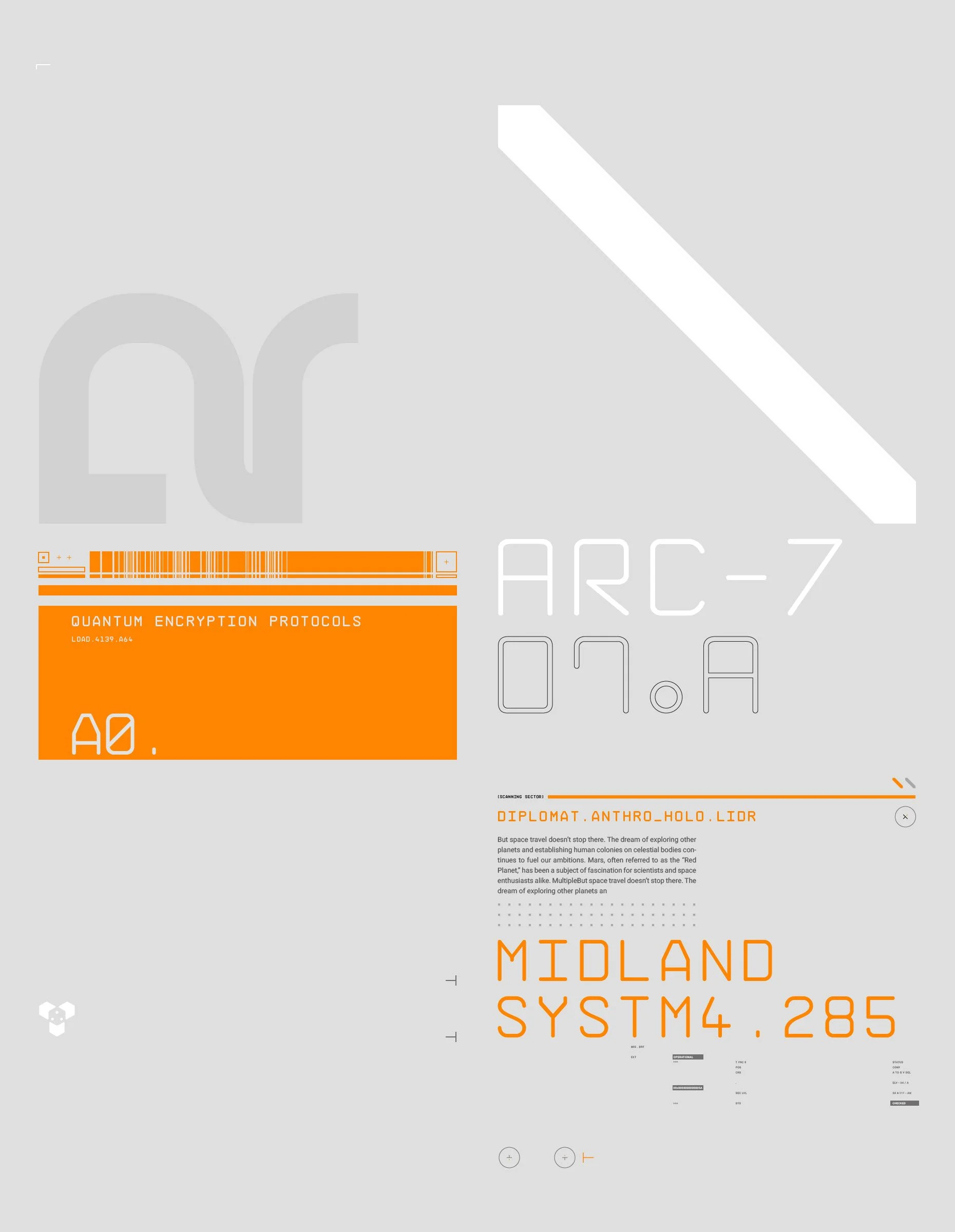
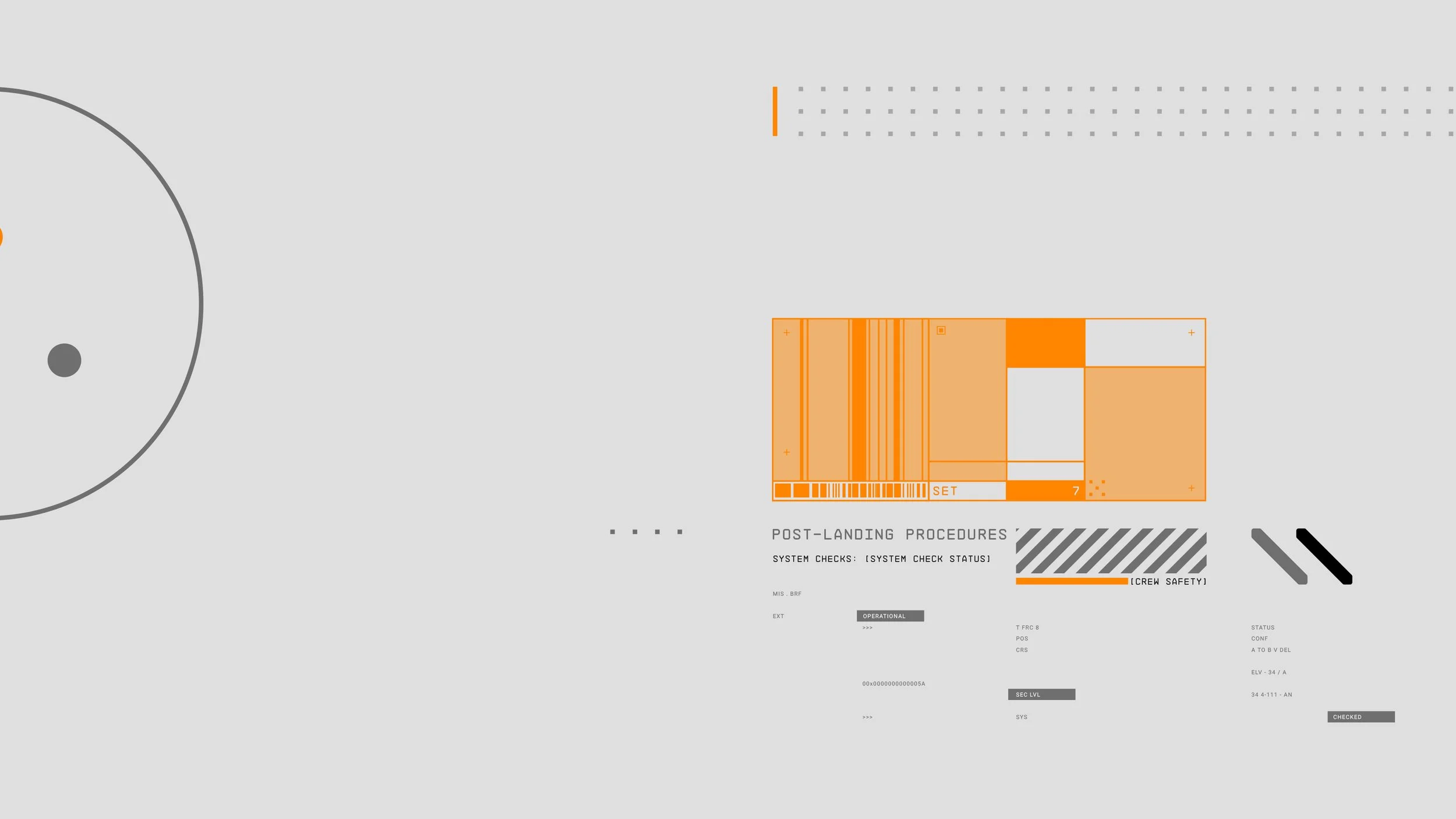
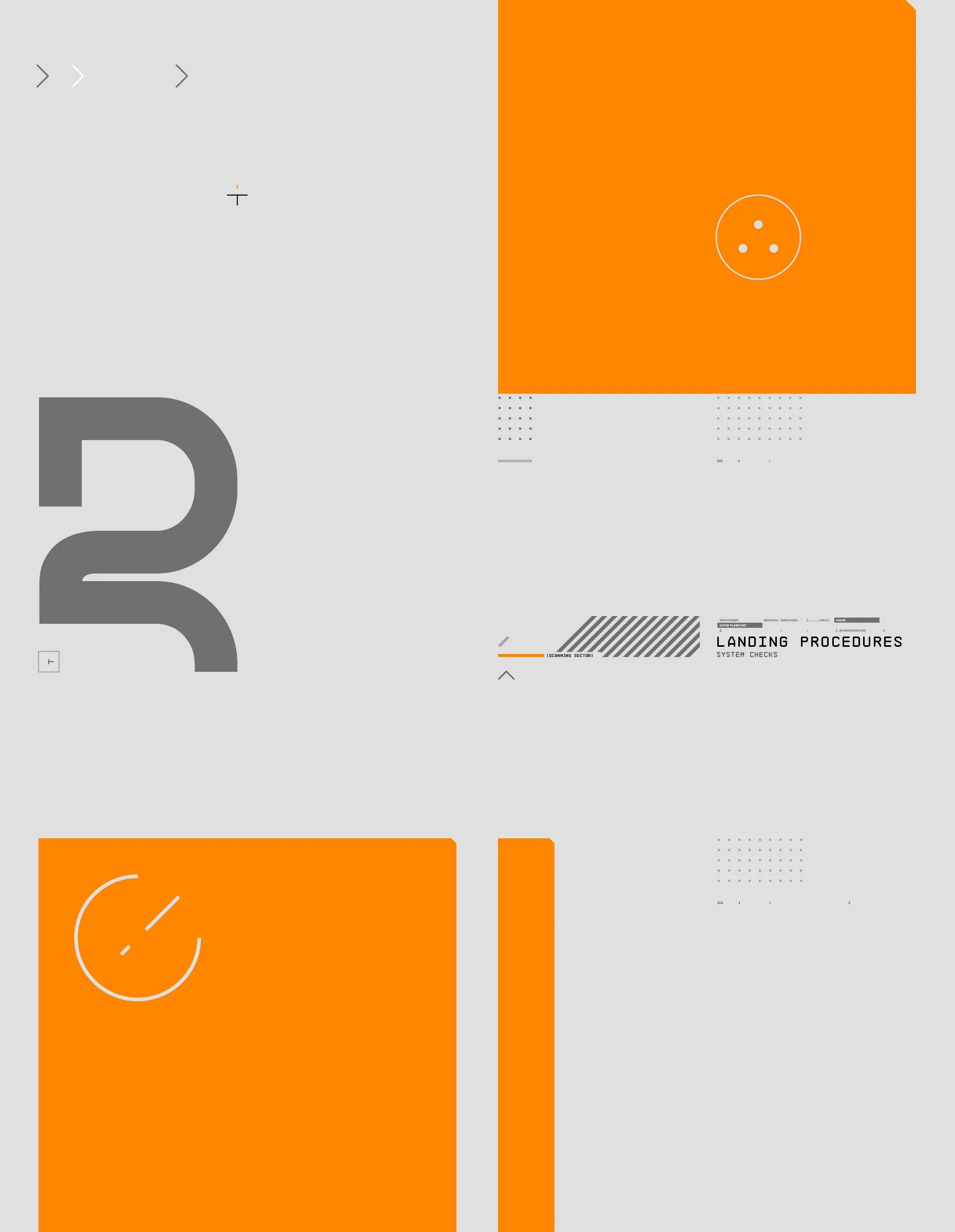
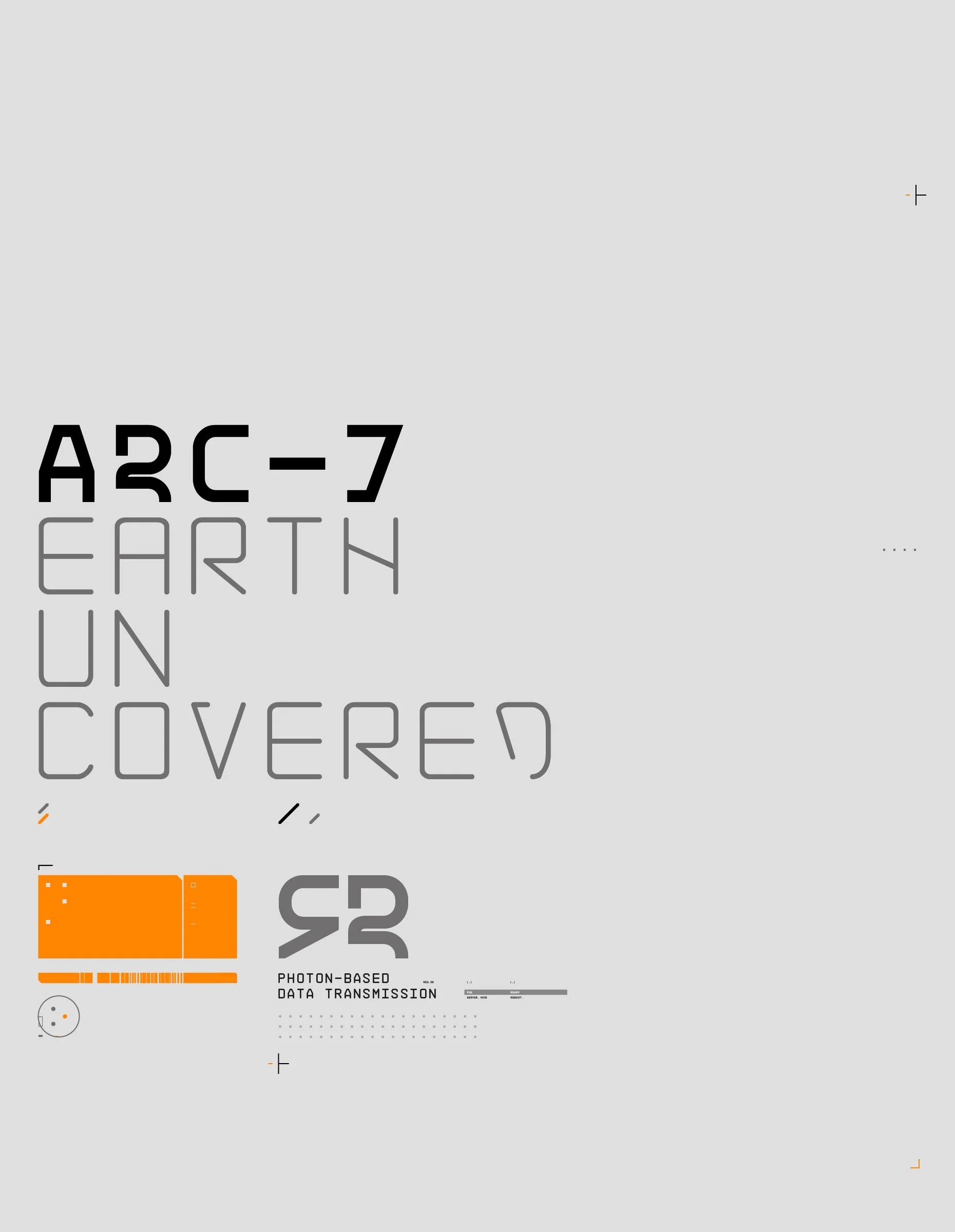
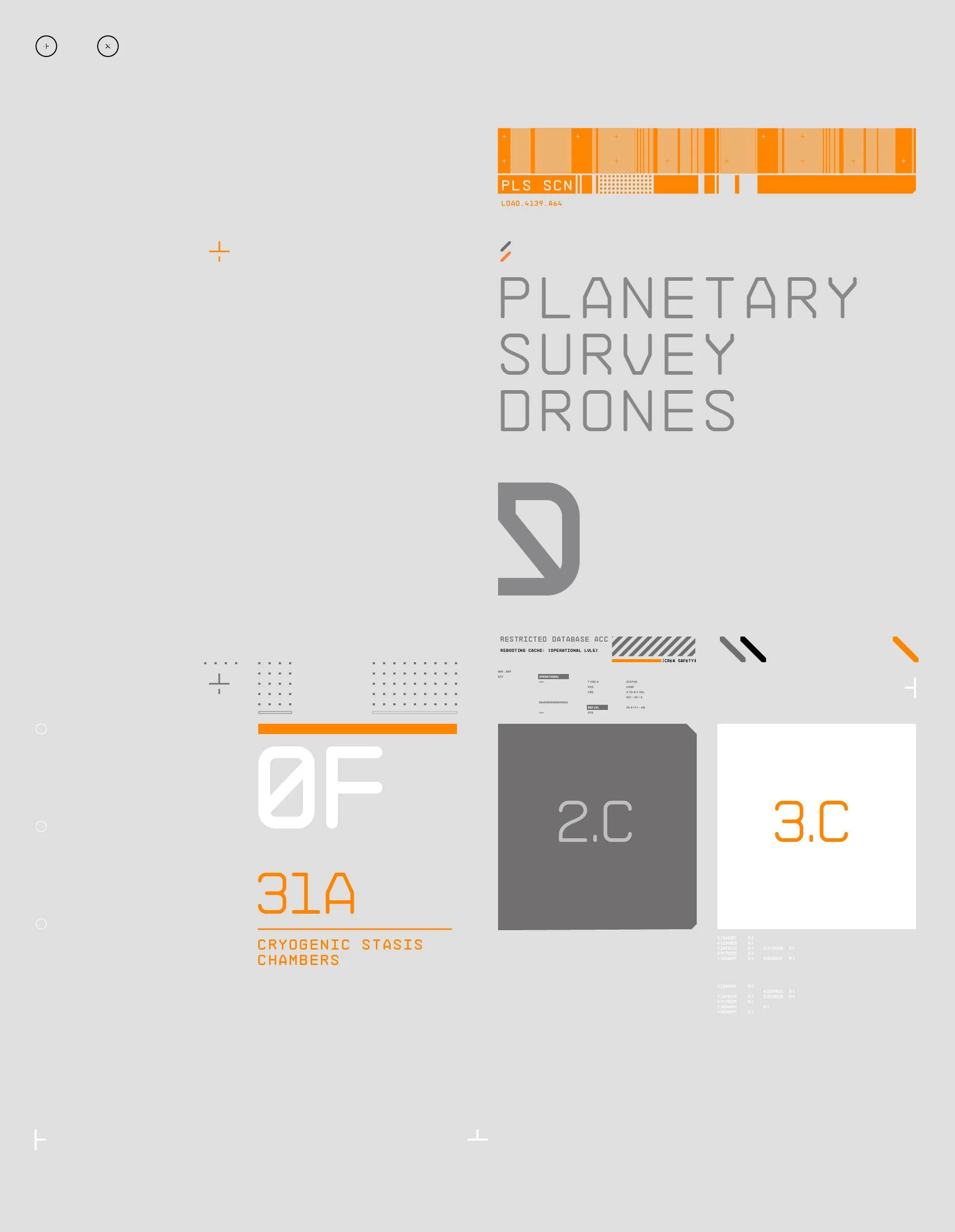
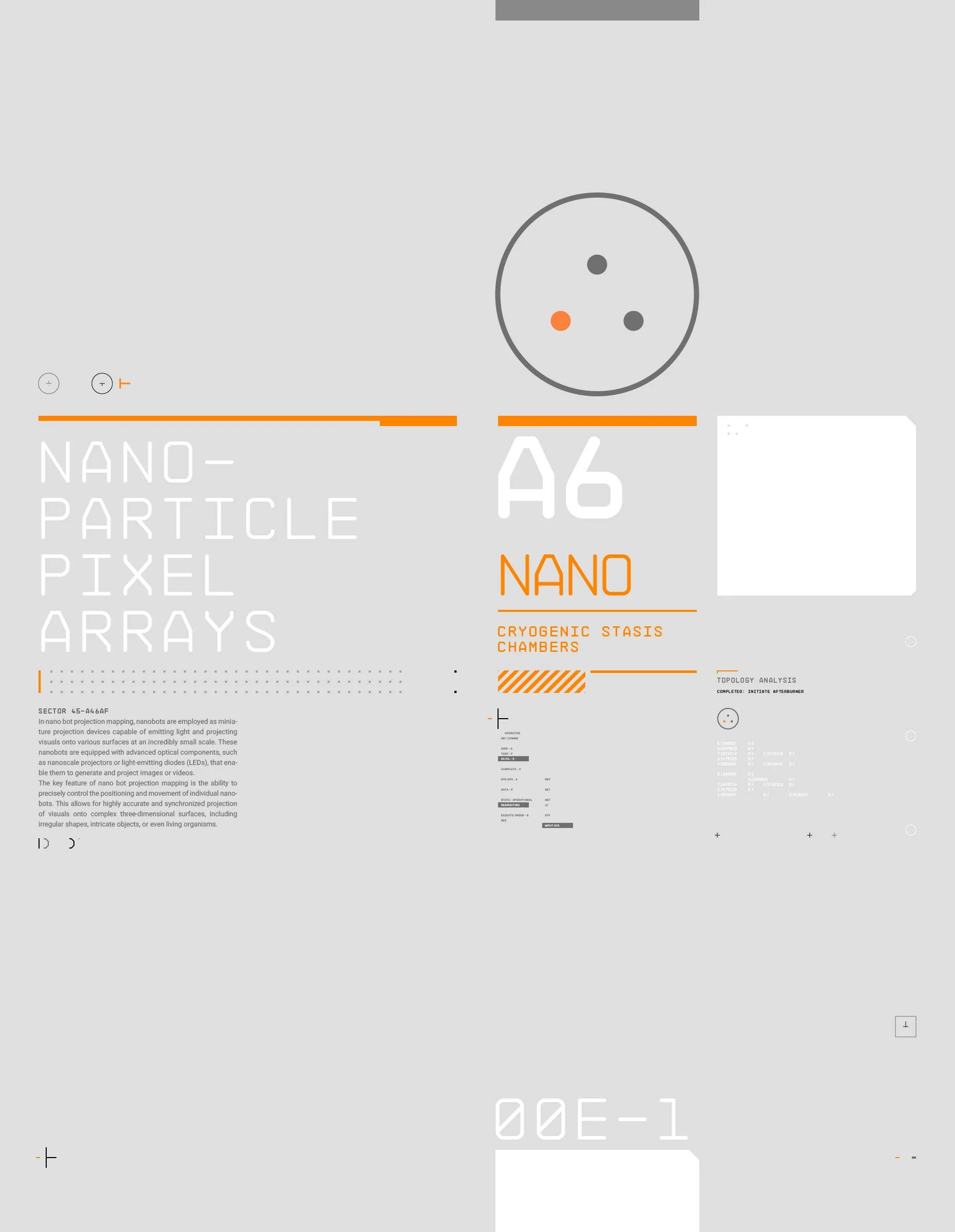
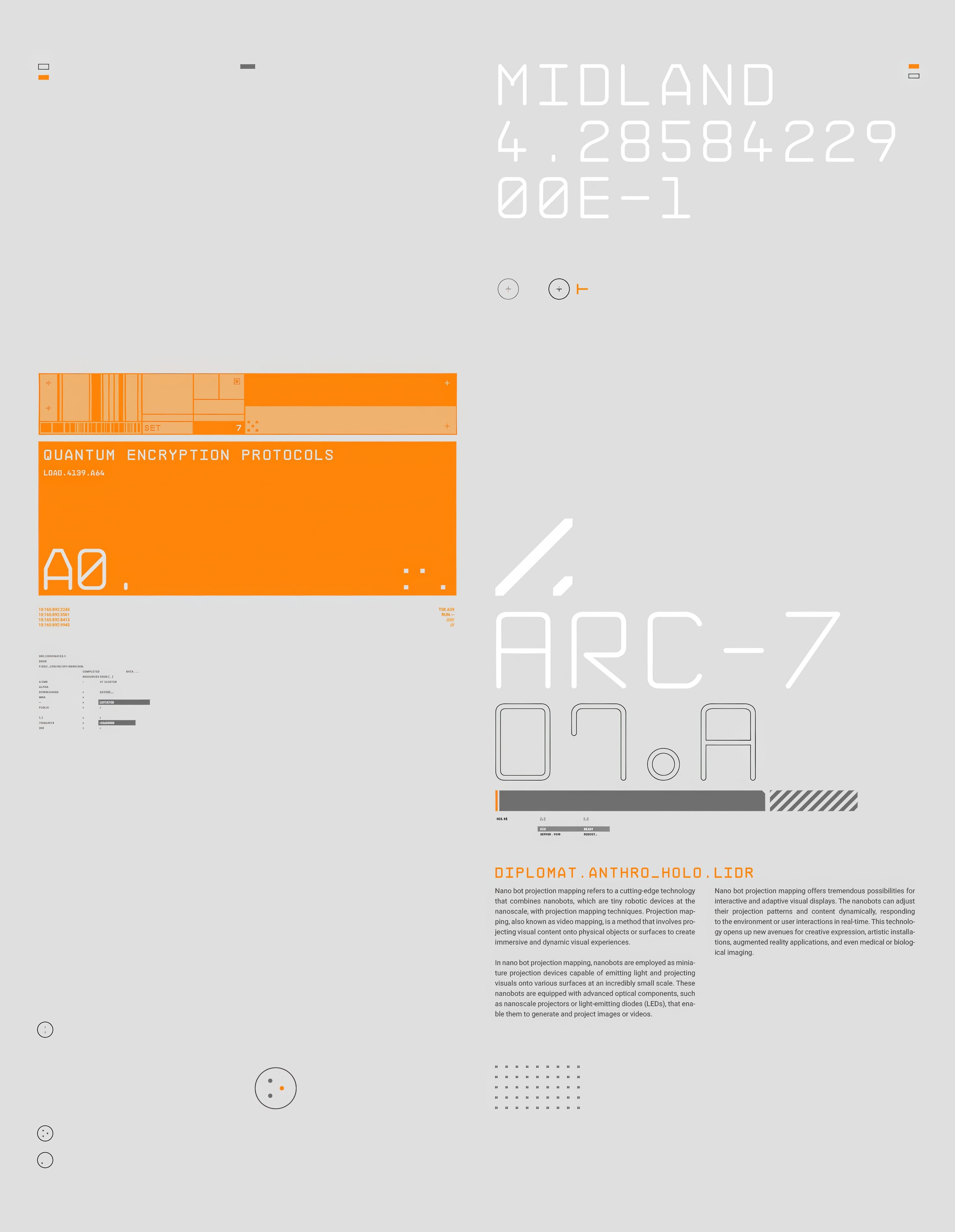
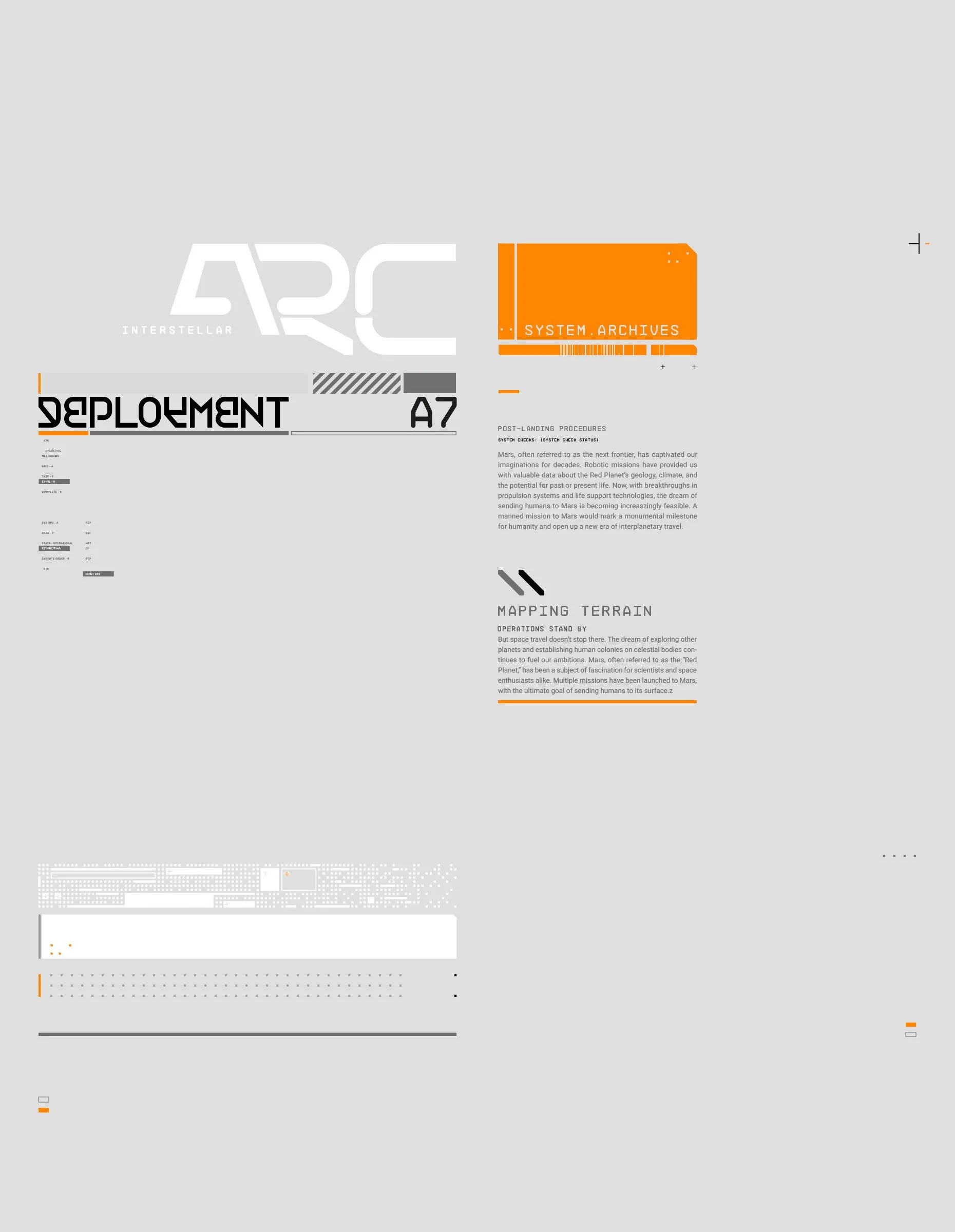
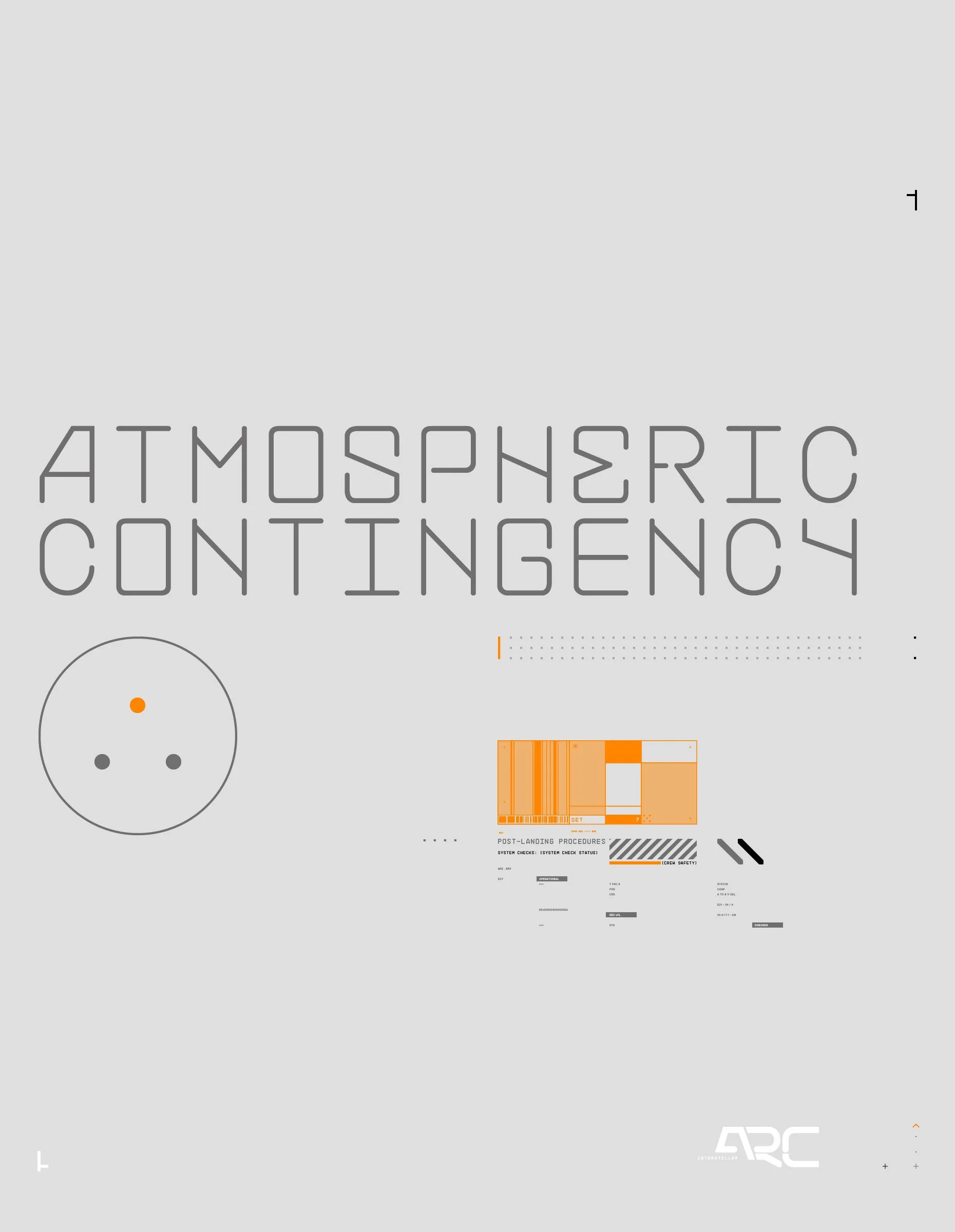
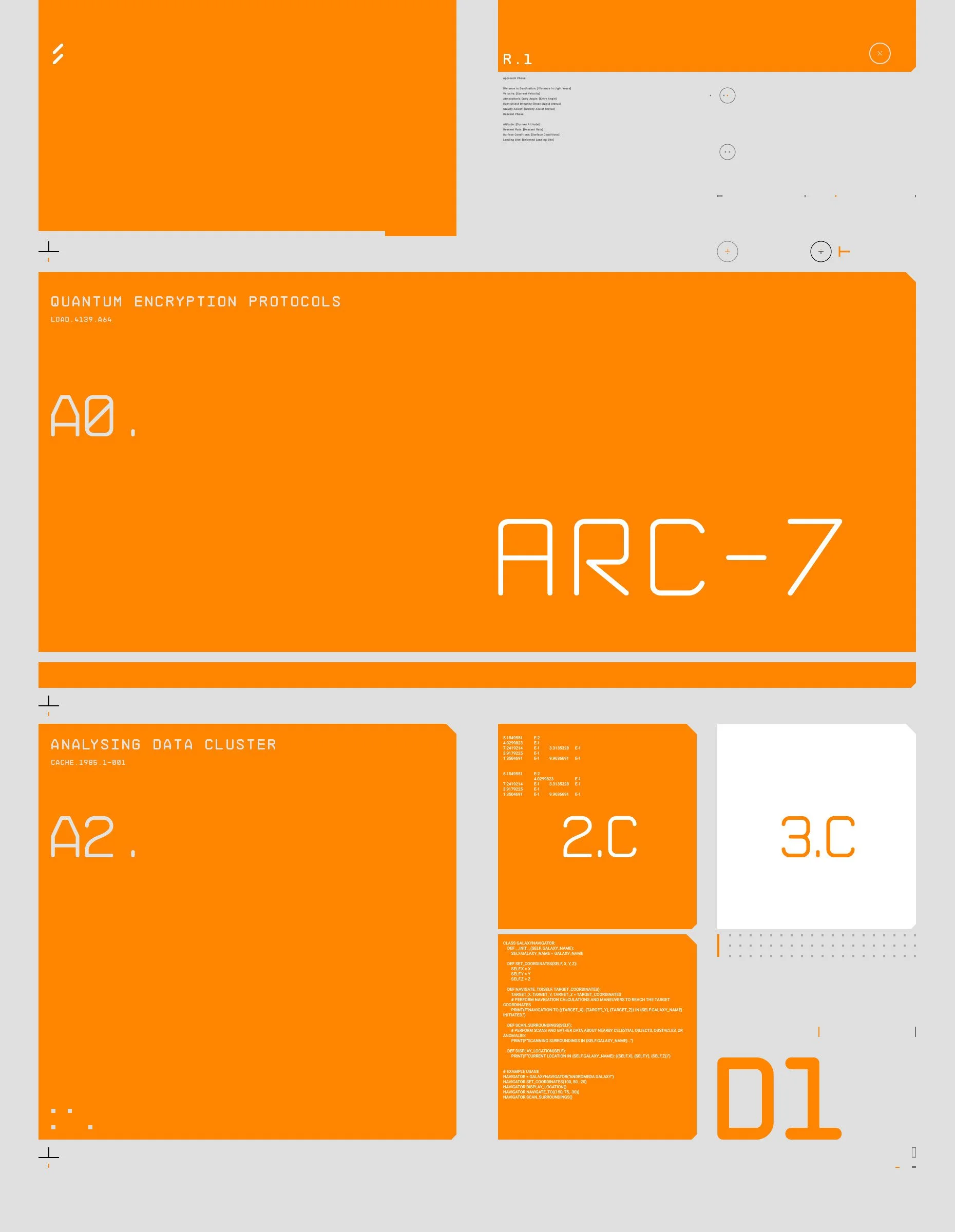
Layout development focused on applying the system in context, using the established components to define how the graphic language operates in use. These studies explore composition, density, and rhythm, helping to establish the overall character of the design while providing reference layouts for further development.
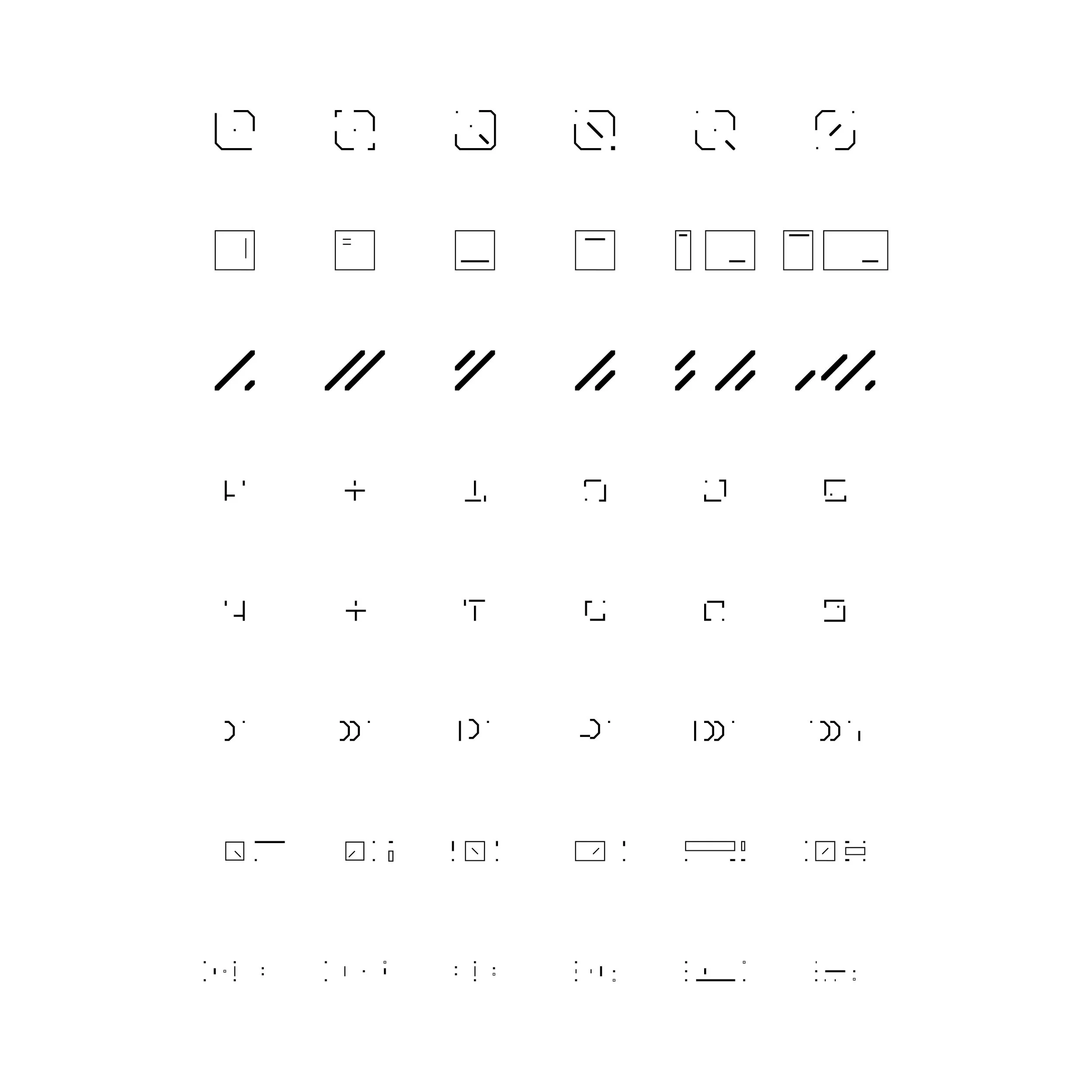
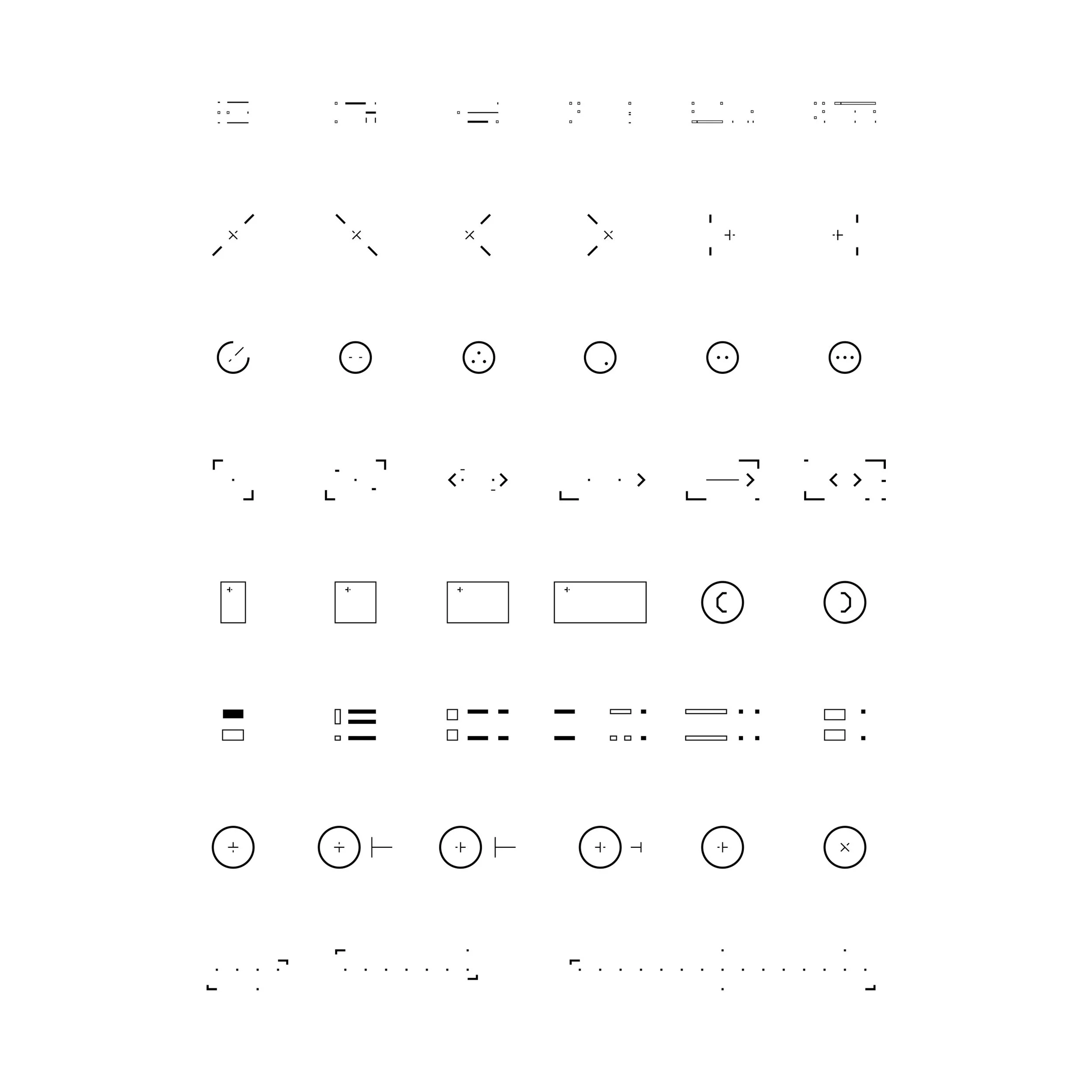
At this stage, an expanded set of supporting elements was introduced, including symbols, grid components, rules, markers, barcodes, branding and color. These elements work together within the underlying structure, allowing the system to scale in complexity while maintaining a consistent visual foundation.
The resulting layouts demonstrate how traditional graphic principles extend into more advanced applications, forming a language that feels both grounded and forward-looking.
01.5 DECALS
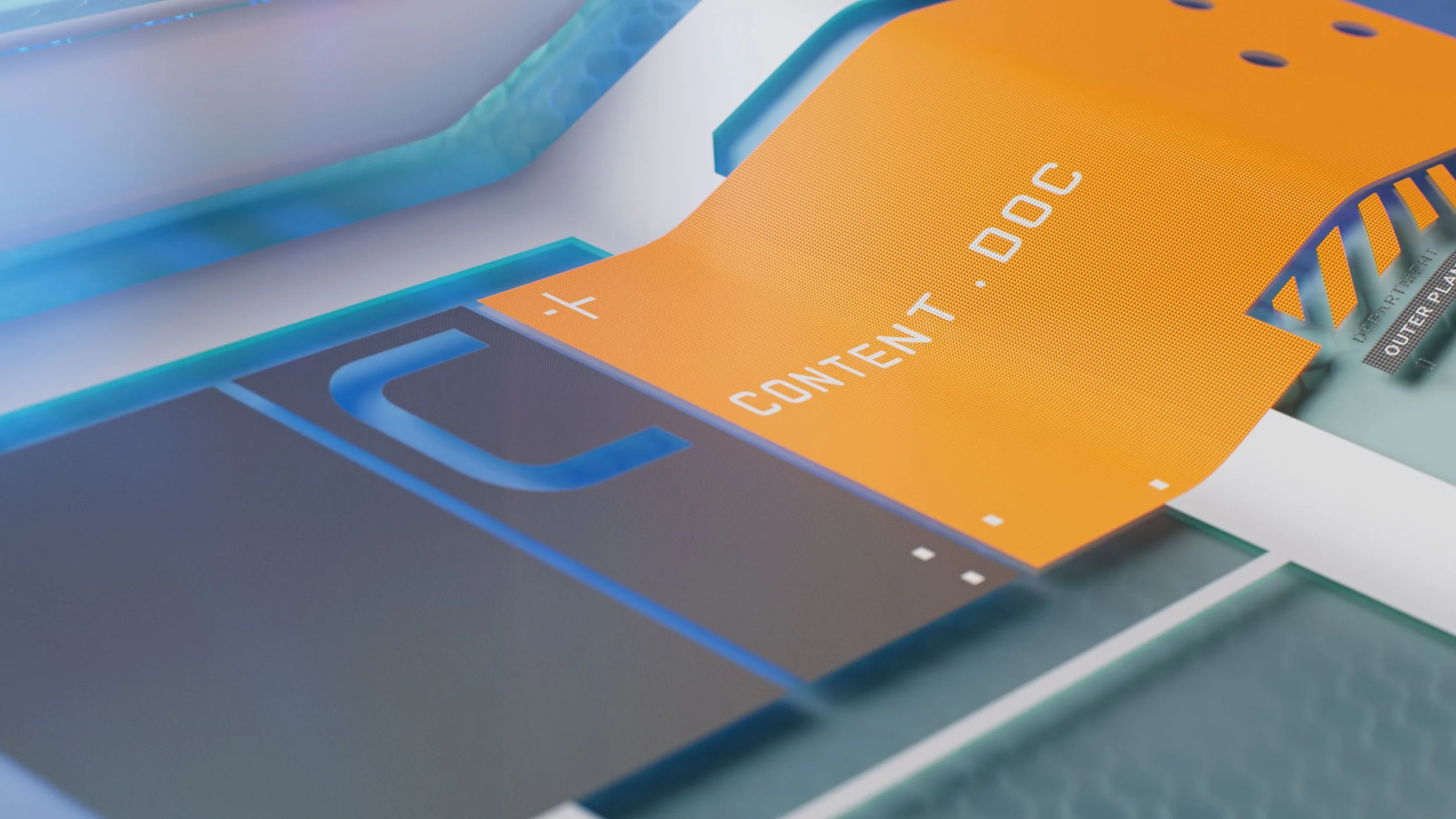
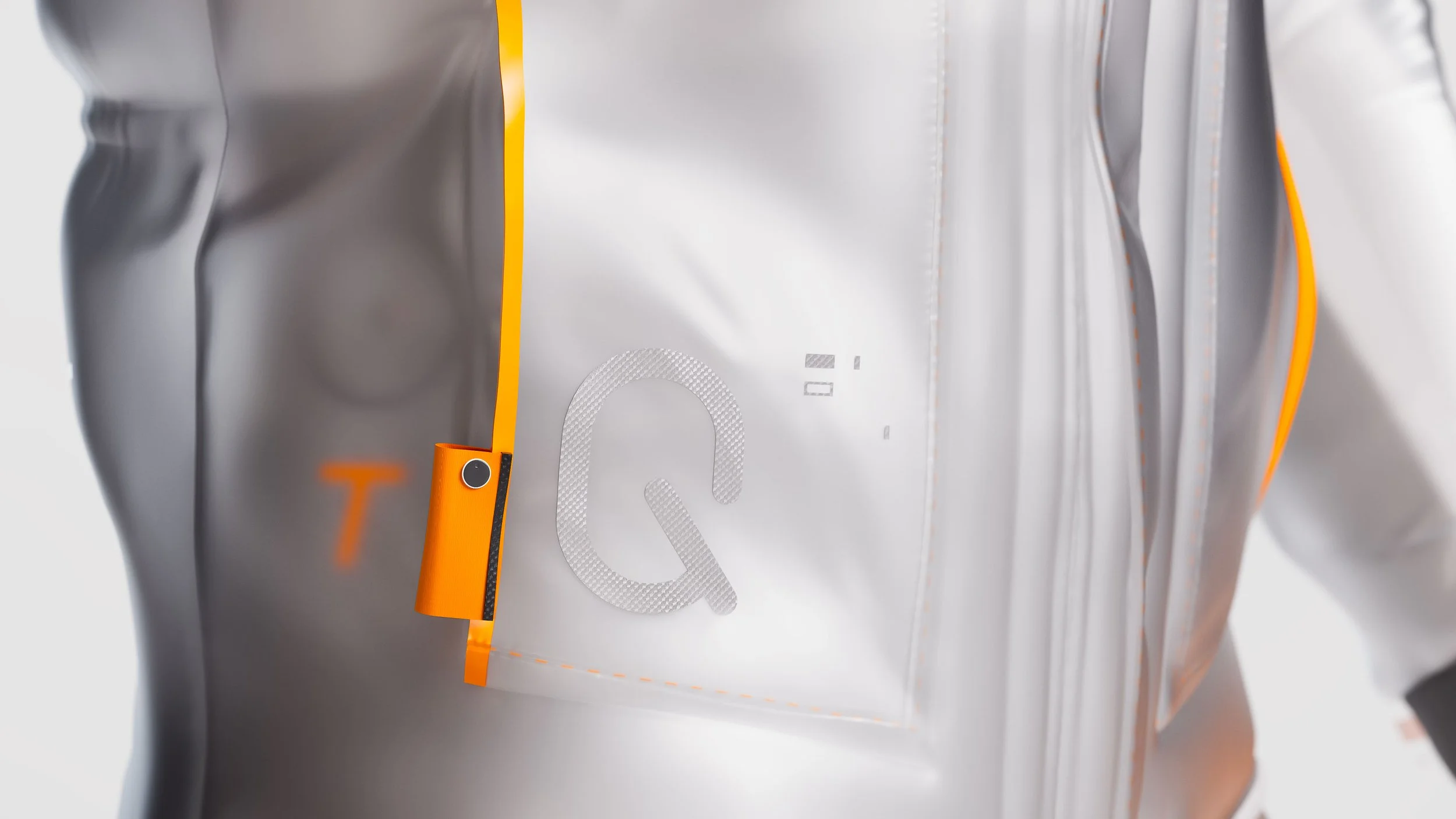
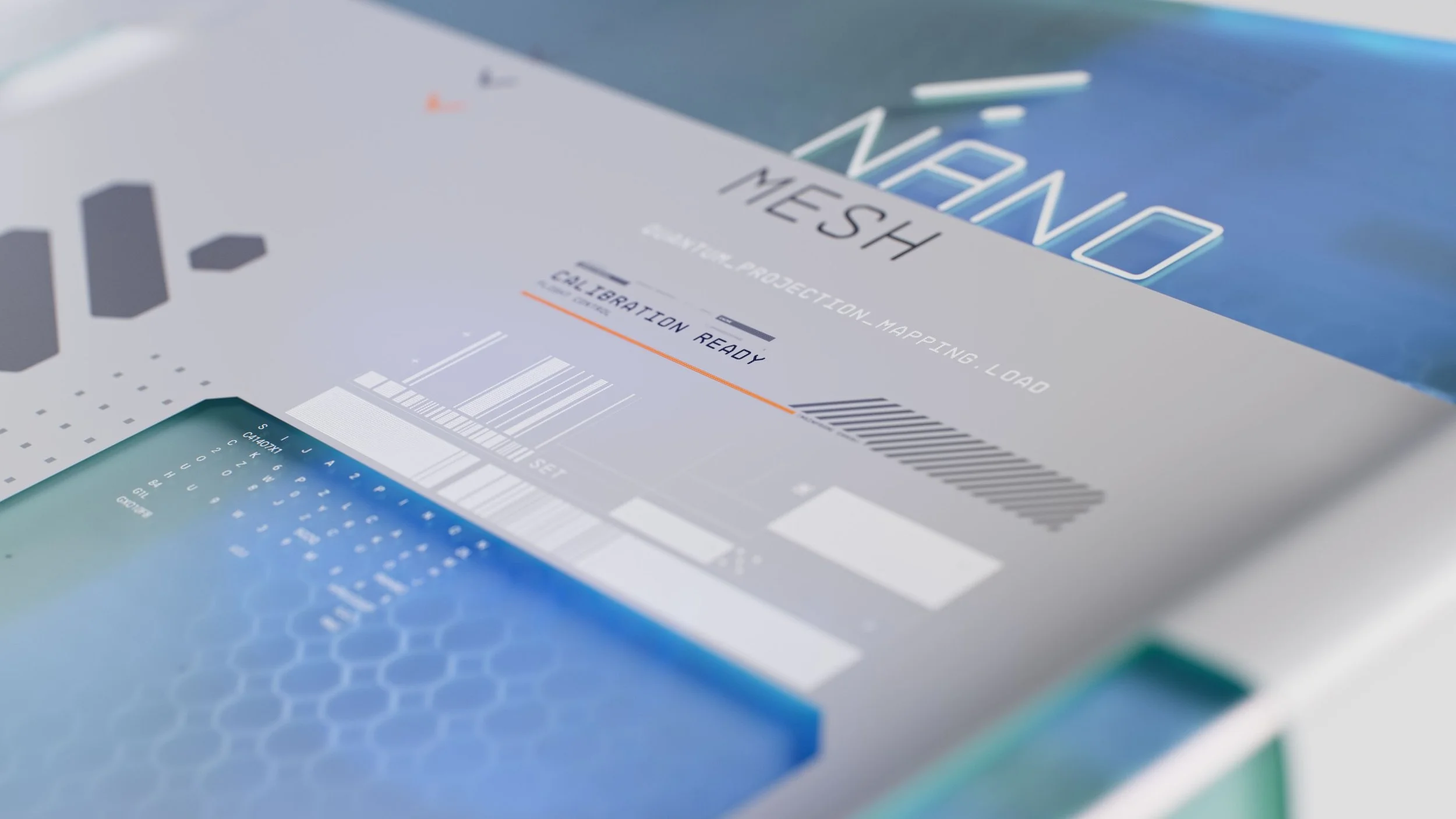
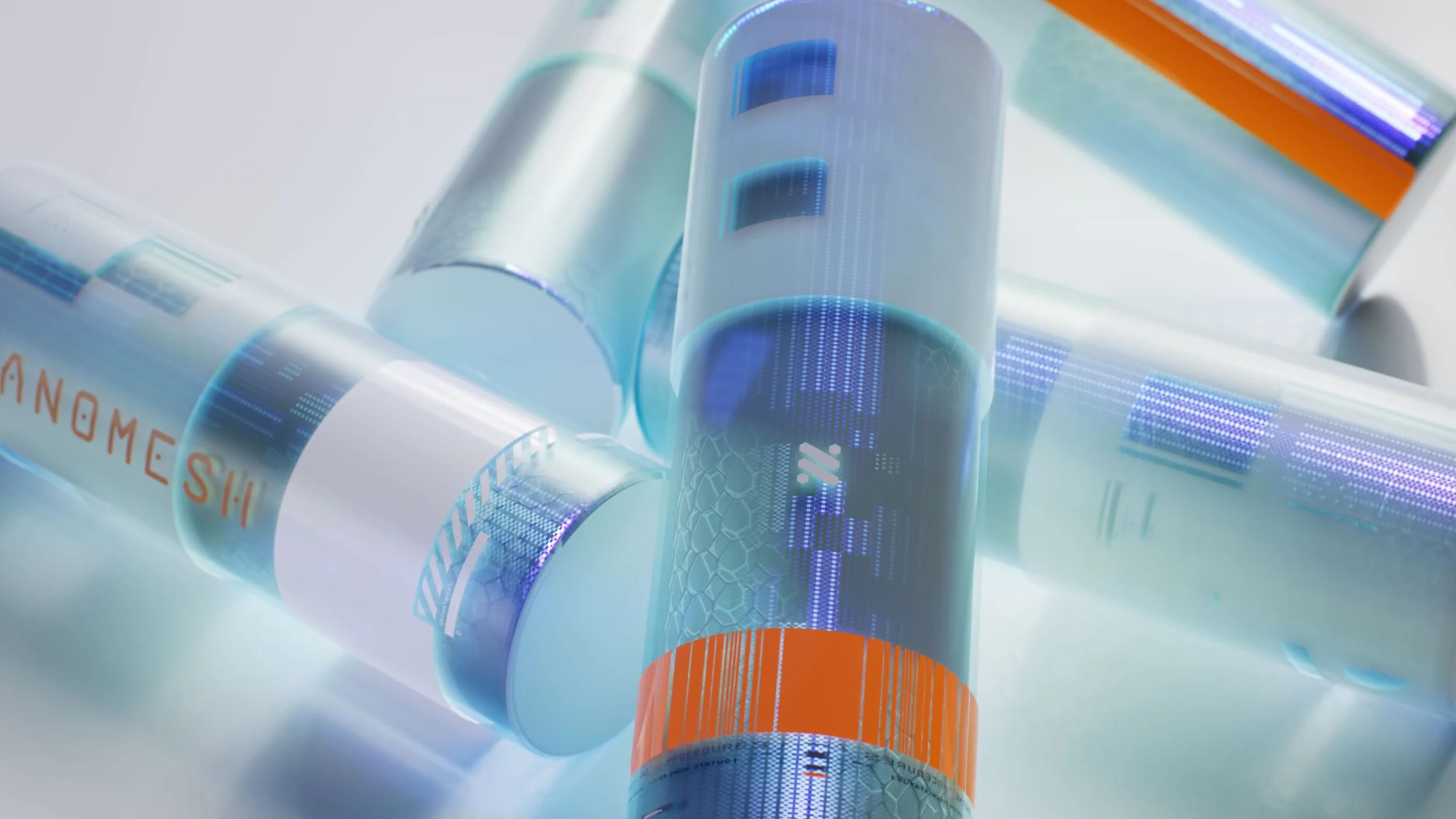
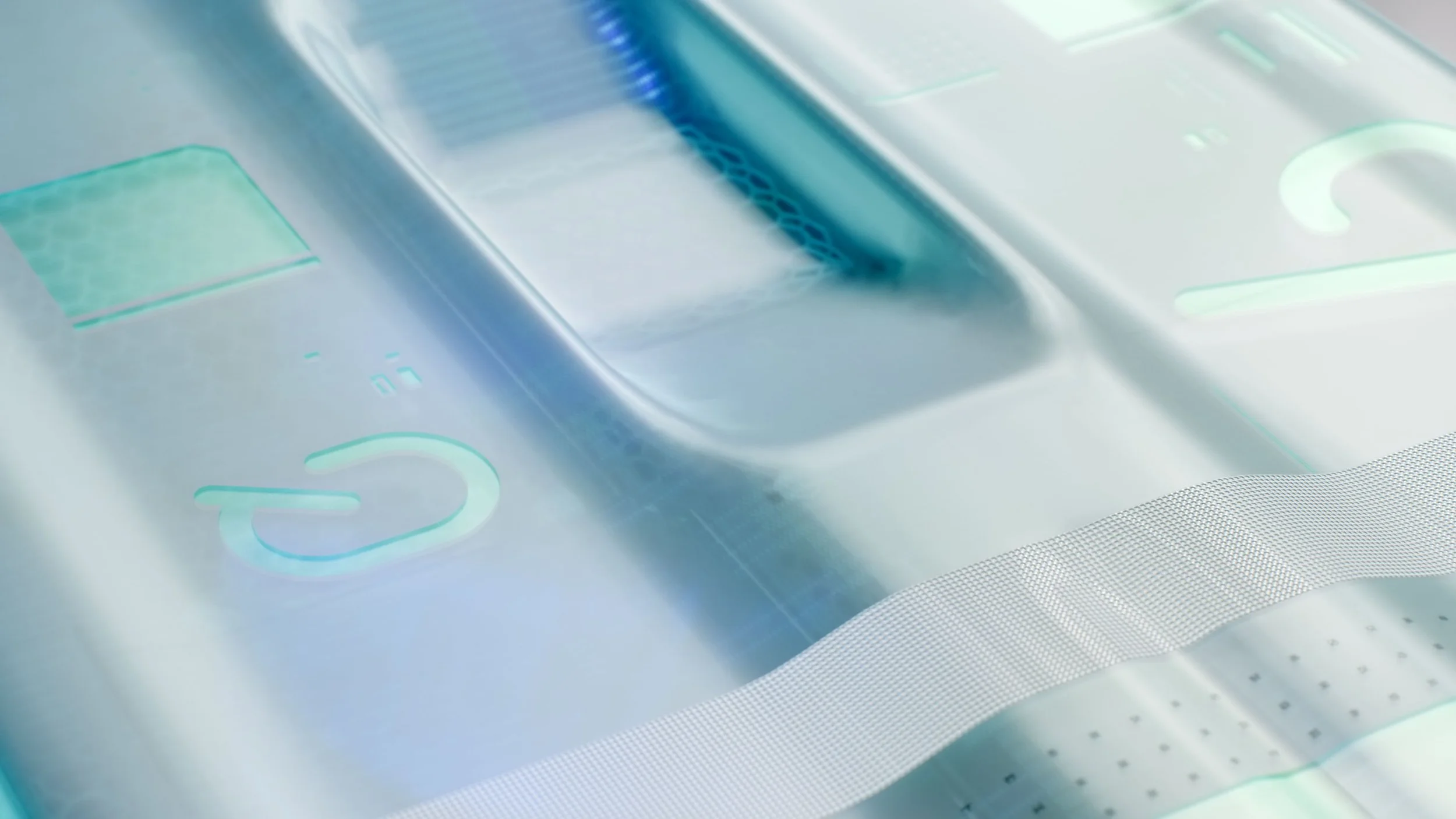
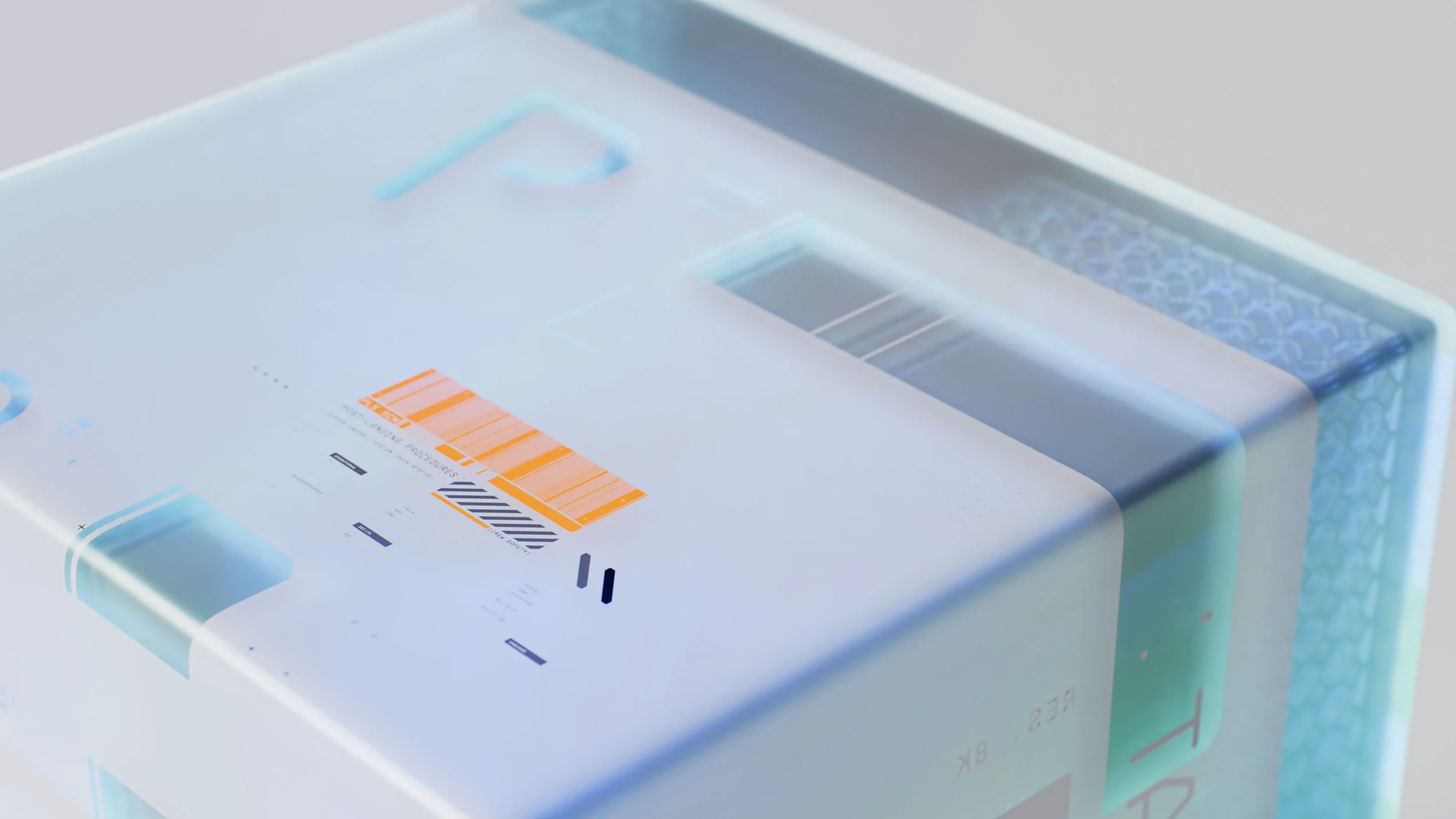
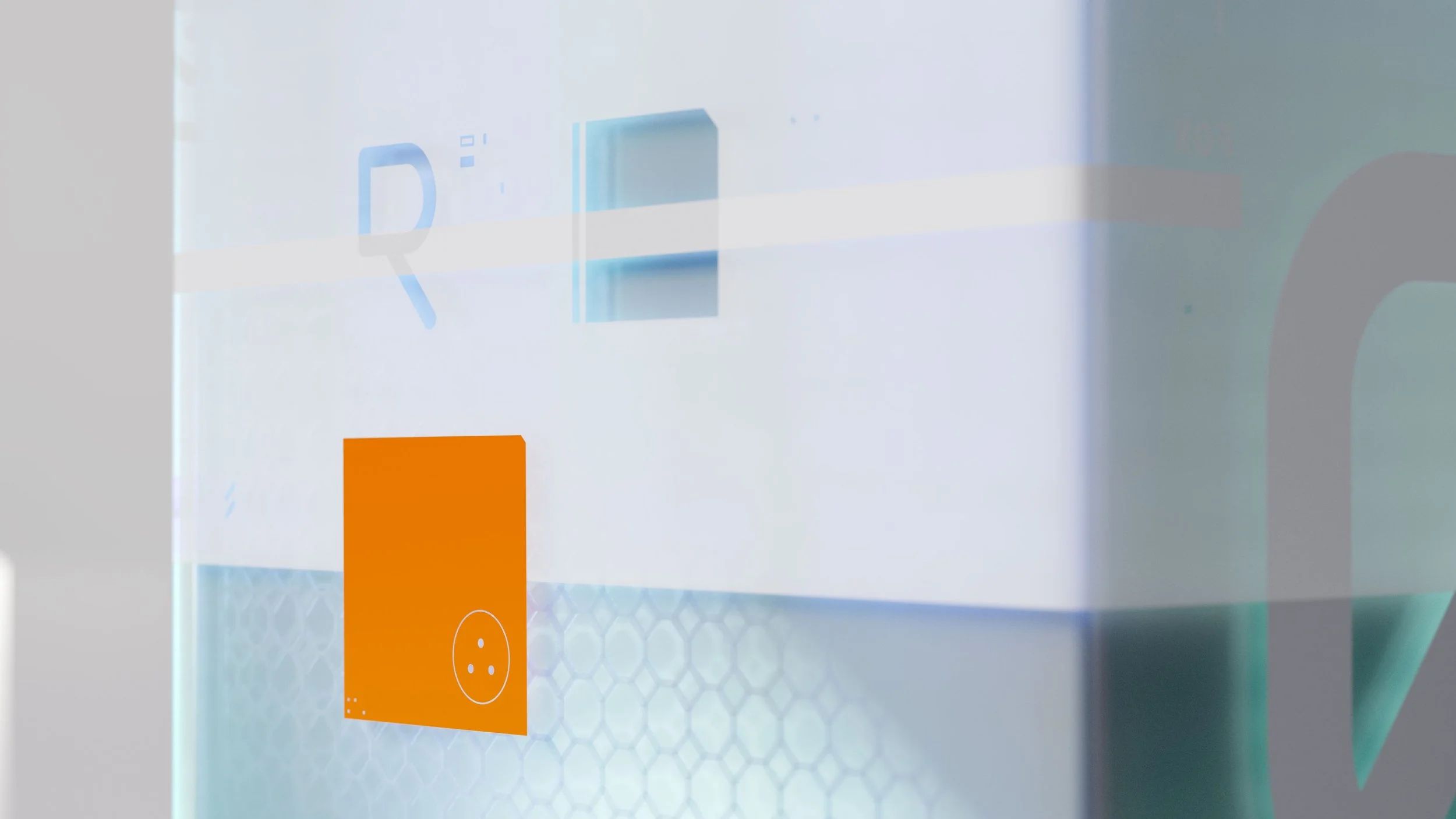
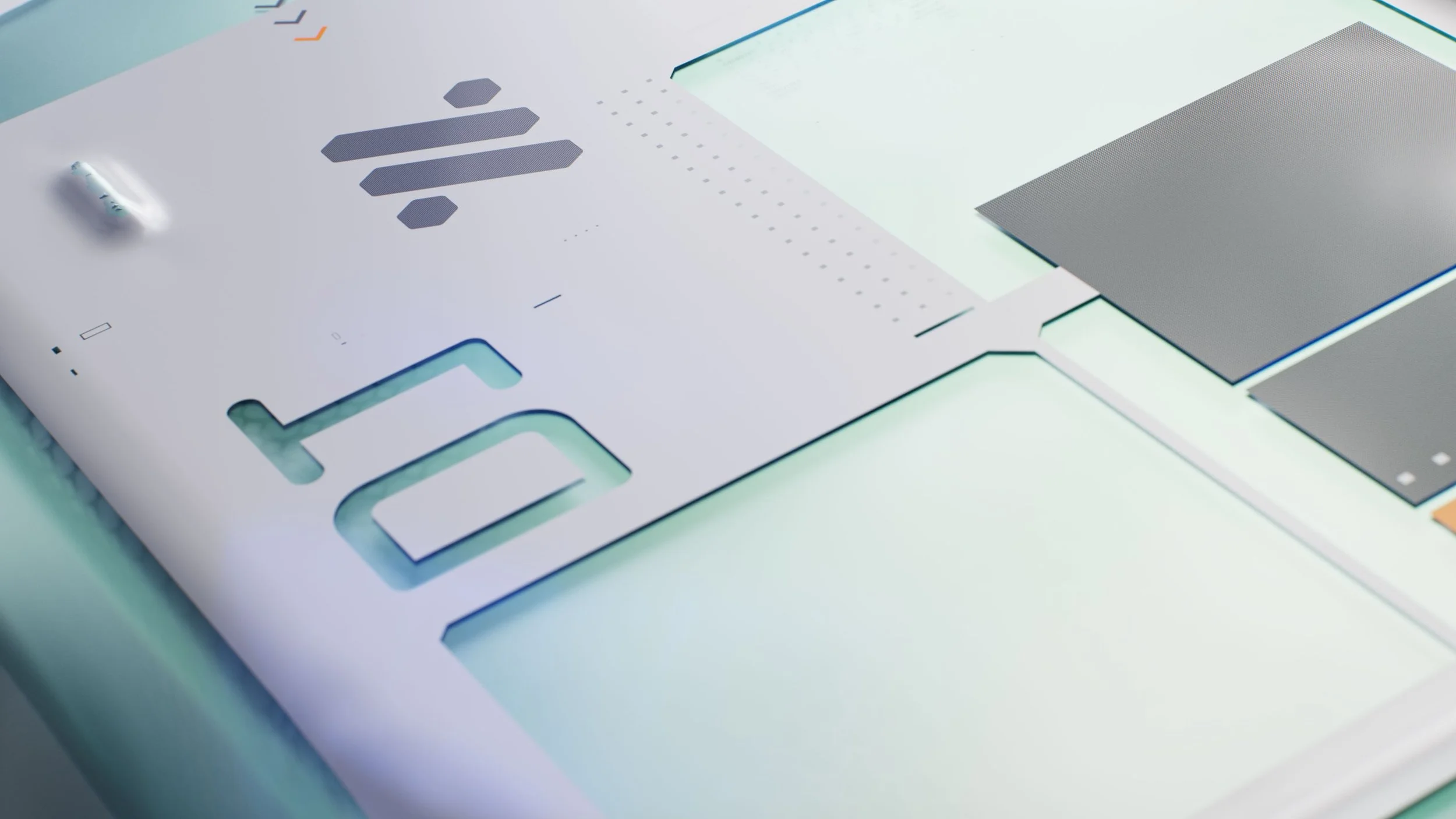
The final phase of this development focused on applying the system to three-dimensional objects. This step tested how the graphic language operates in space, extending from flat compositions to dimensional surfaces and physical forms.
The broader objective was to establish a foundation capable of supporting a wide range of applications—from wayfinding systems to holographic characters central to the narrative. These studies examine how the system adapts across scale, material, and context while maintaining continuity.
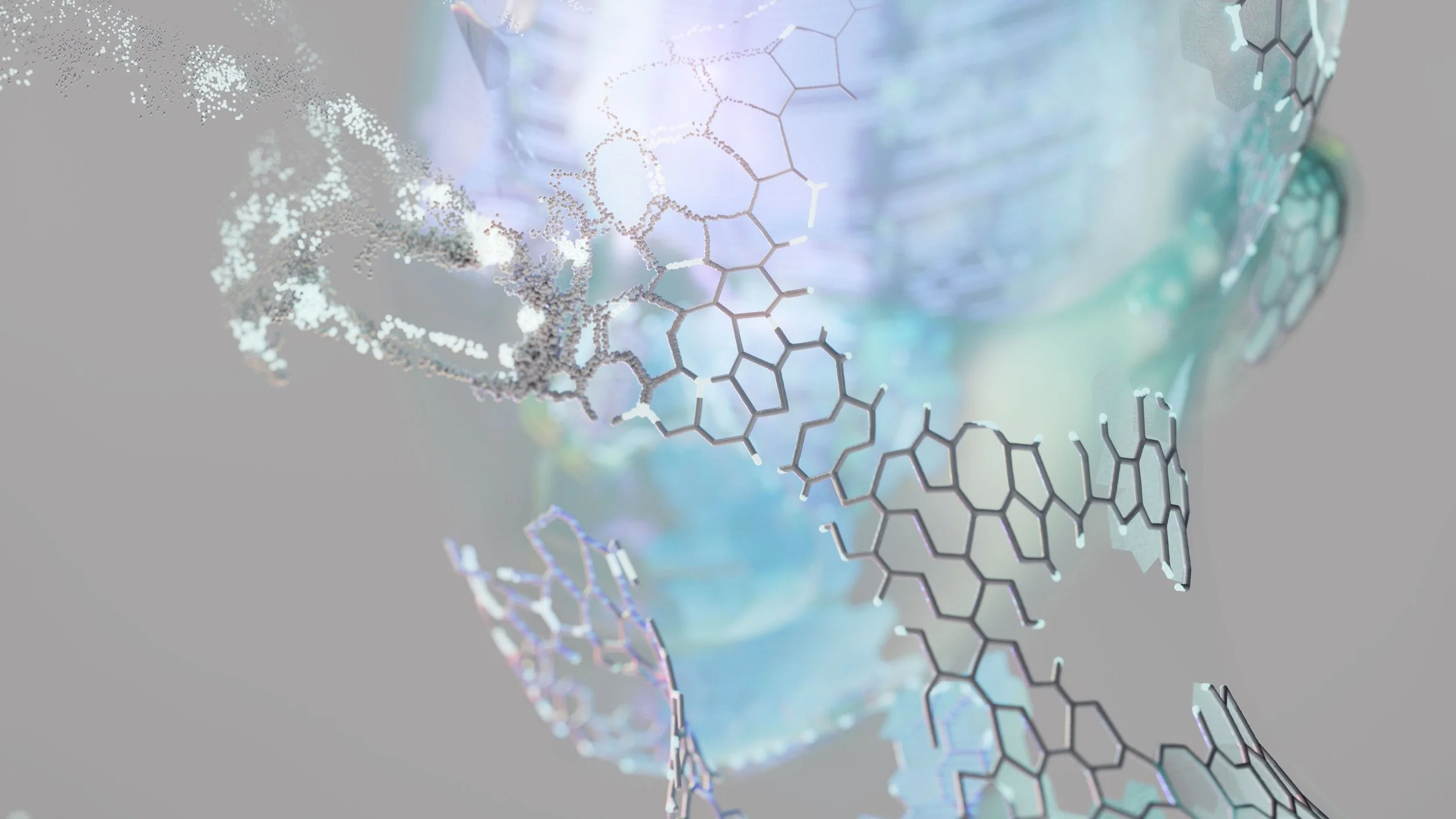
This phase also introduced early exploration into the technologies underlying the holographic systems, which are examined further in the following section.

Credits
MFR CREATIVE STUDIO, 2023
Client: Felix & Paul Studios
Art Director: Michael Rigley
Lead Graphic Designer: Steven Bussey
Lead Concept Artist: Michael Rigley
3D Sculpting: Michael Rigley
Lighting + Rendering: Michael Rigley