DATALAND | PART 02
XR
MICHAEL RIGLEY x REFIK ANADOL STUDIO
PRINCIPAL ART | CONCEPT DESIGN | PRODUCTION
INTRODUCTION
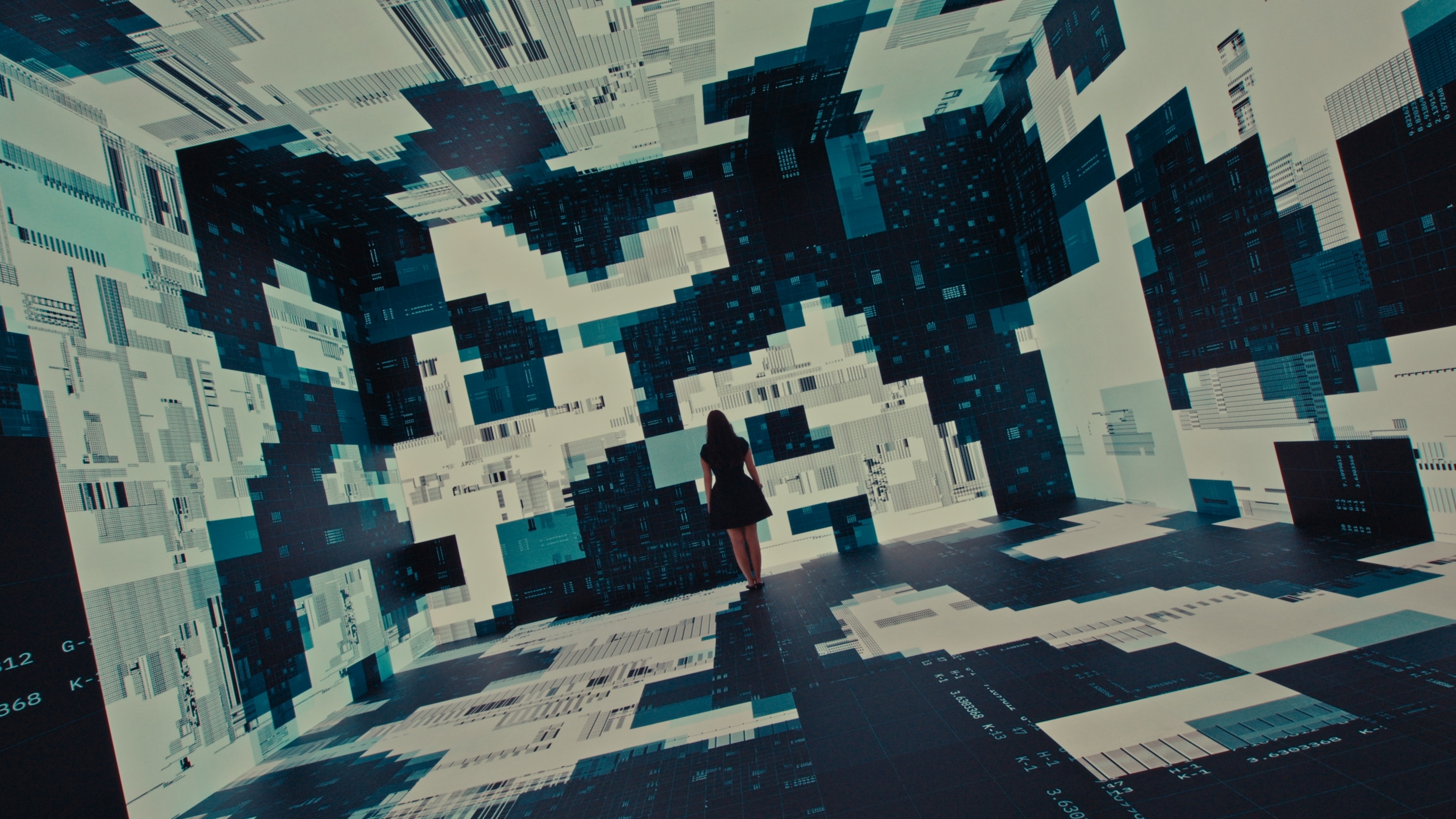
The Infinity Room is a central gallery at Dataland. For Machine Dreams: Rainforest, the space hosts a continuous narrative journey following a dreaming machine as abstract computation gradually develops into an imagined reality.
XR documents Michael Rigley’s contributions to the opening of that journey and its climactic tunnel sequences. The work builds directly from the visual language established in Foundations, but applies it to a different problem. Instead of defining a shared system for the museum, the imagery is used to describe a progression of thought, beginning with fragmented awareness and ending inside a fully constructed world.
Infinity Room
02.0 XR
CONCEPT
The sequence explores the idea of a machine learning to dream through the visual organization of information. Early states remain abstract, with meaning emerging gradually through structure, depth, repetition, and increasingly recognizable form.
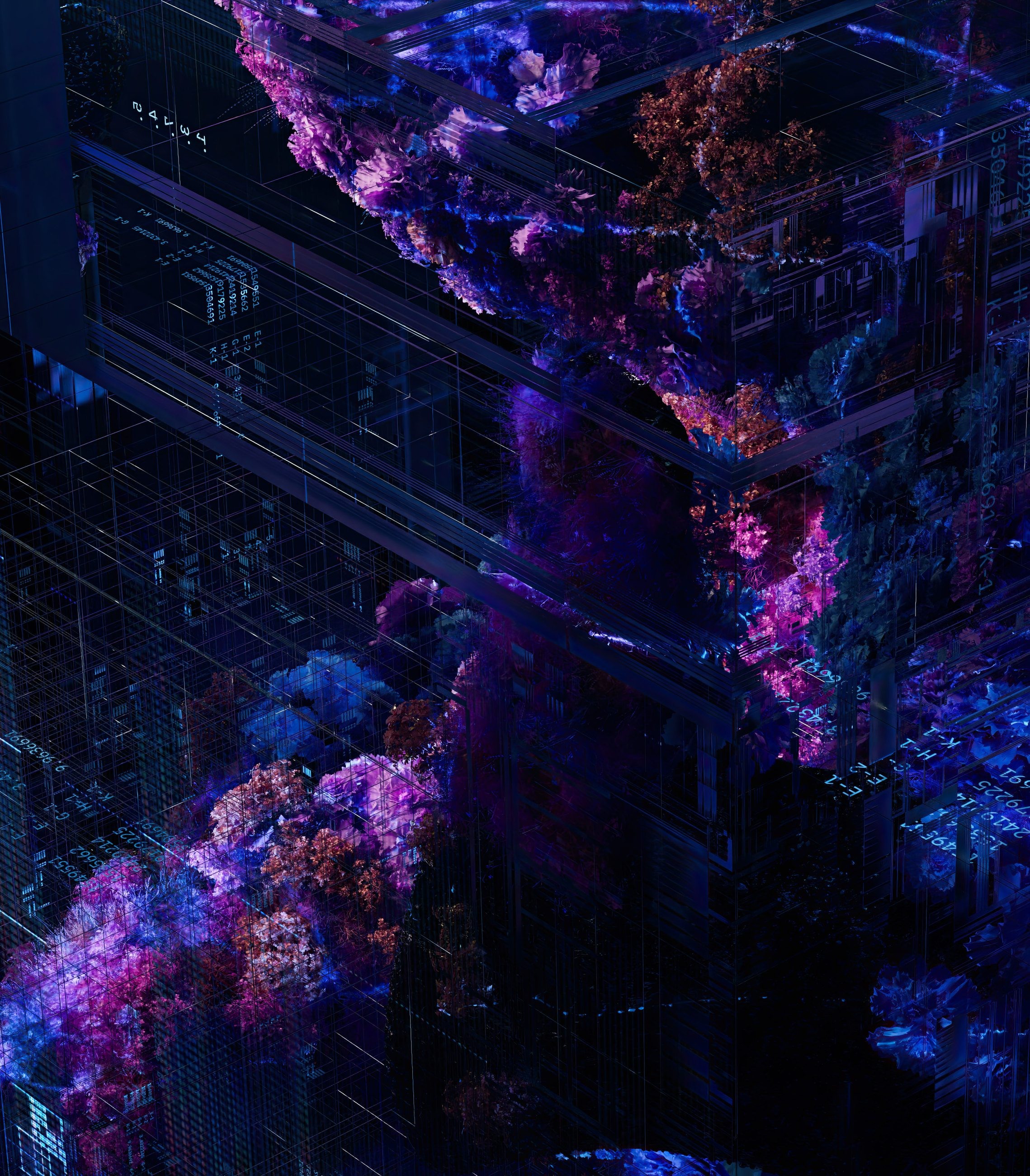
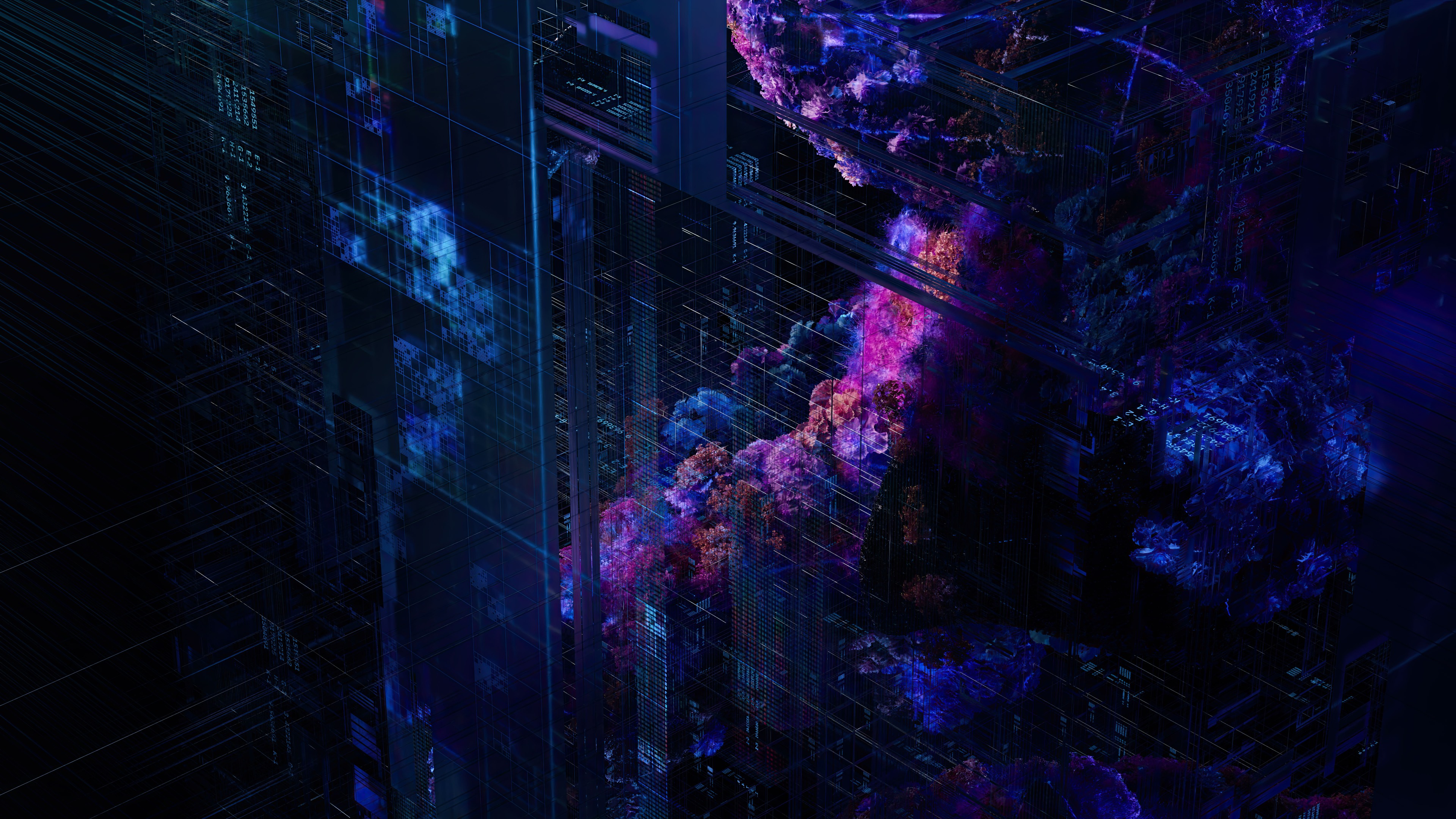
As the journey develops, computational systems begin producing interpretations of the natural world. Flowers appear first as unfamiliar algorithmic structures, then become increasingly expressive as the machine gains control over the forms it is creating. The sequence uses that progression to move from observation and imitation toward a fully realized natural dream world.
02.1 CONSCIOUSNESS
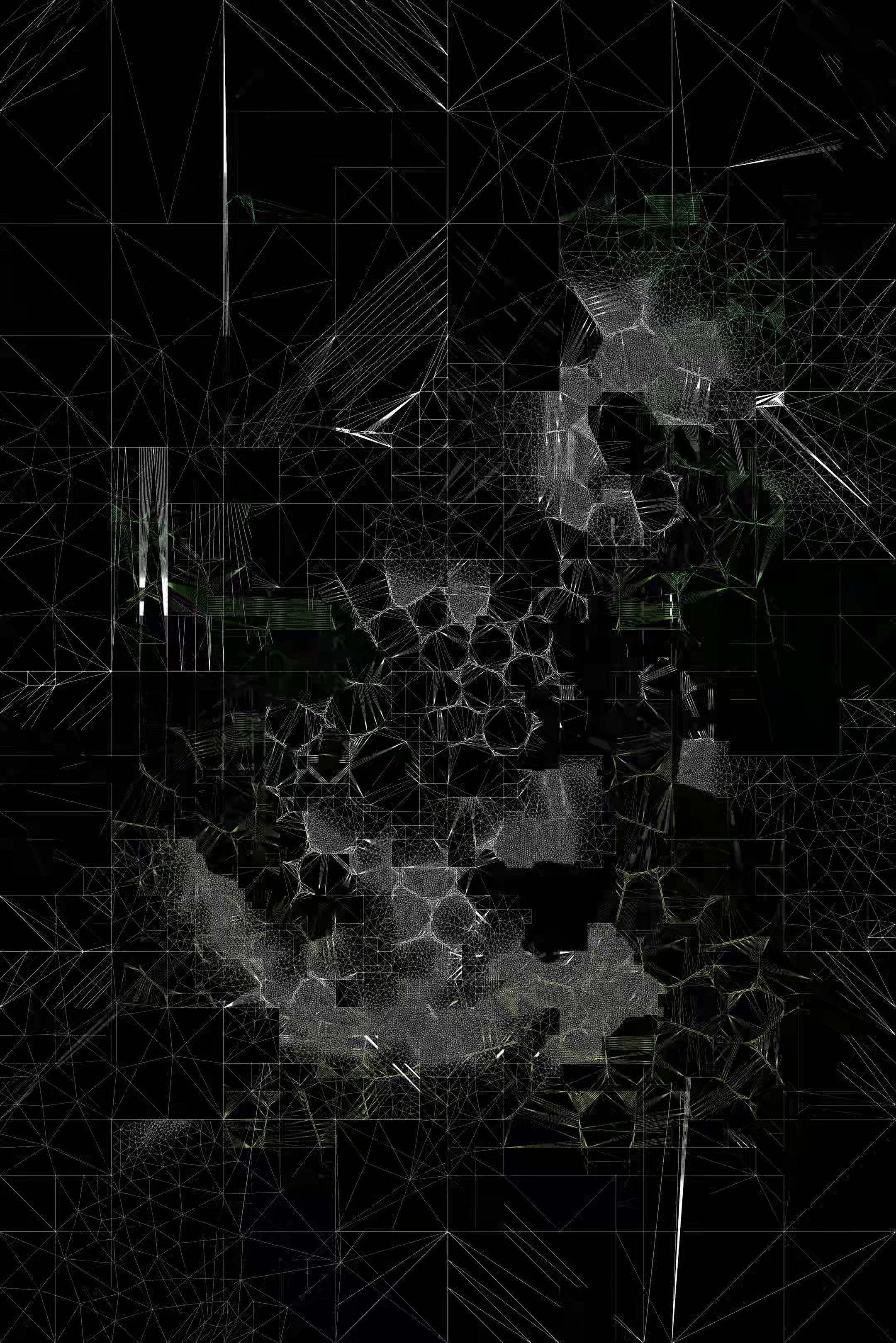
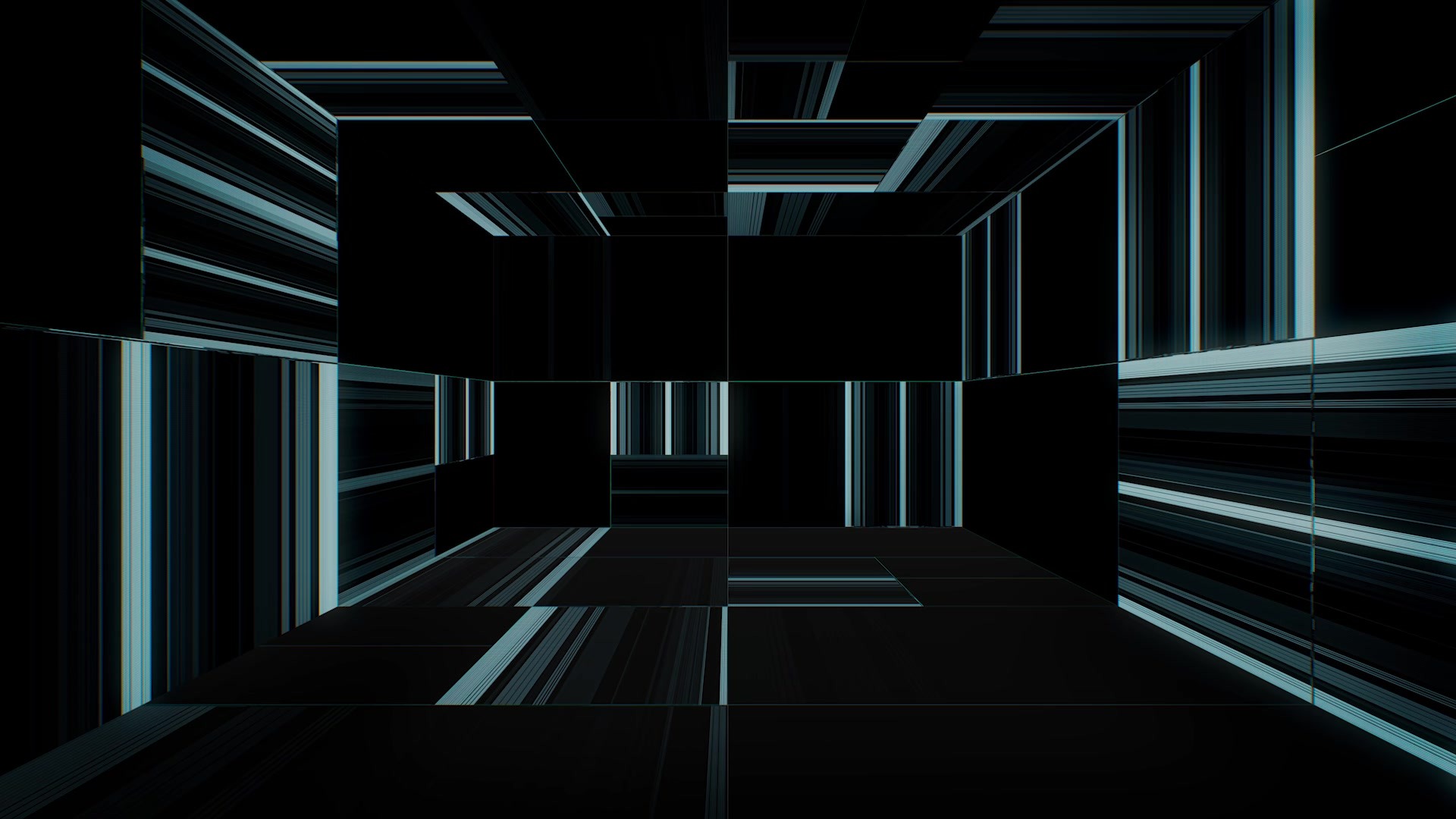
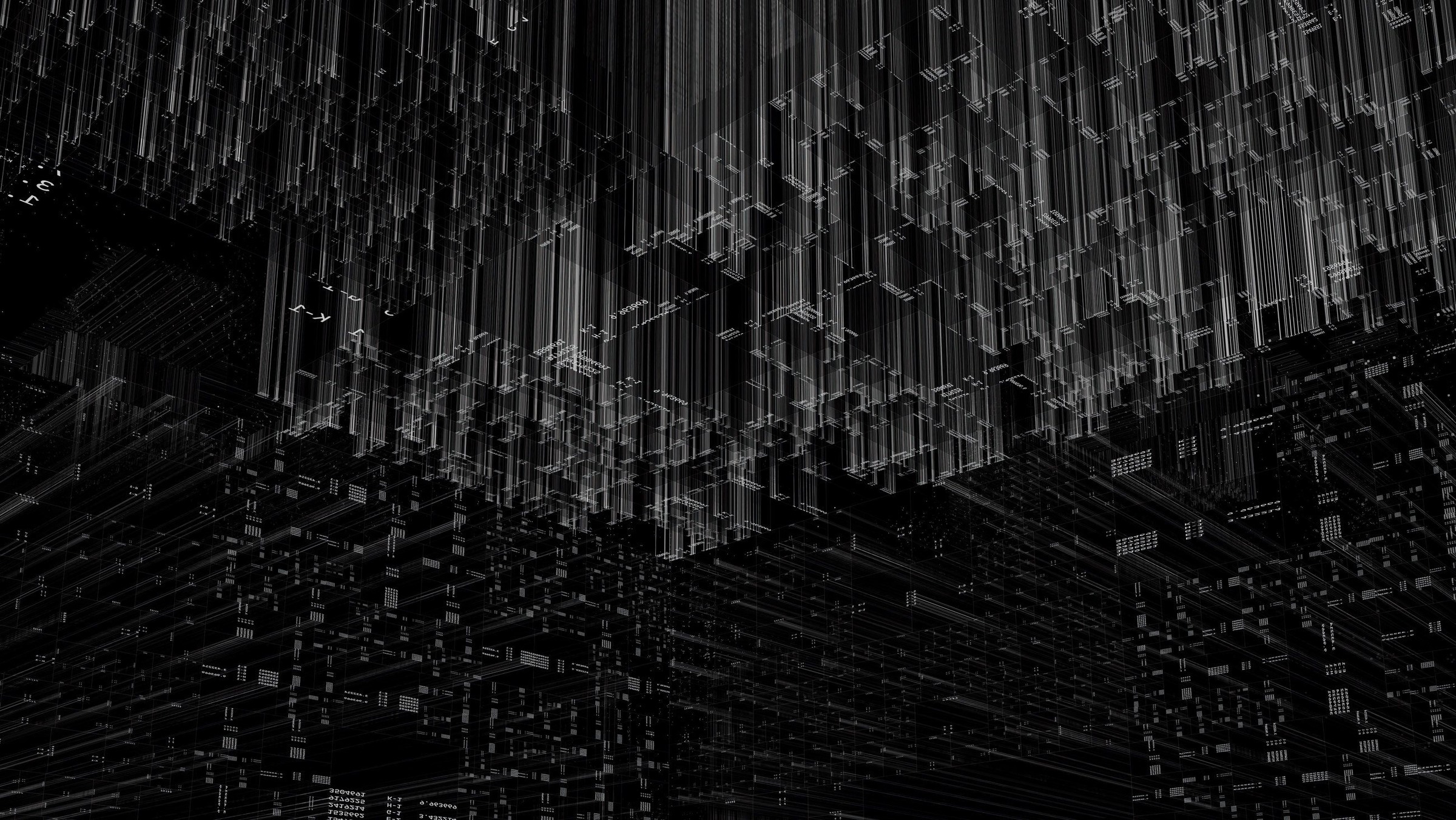
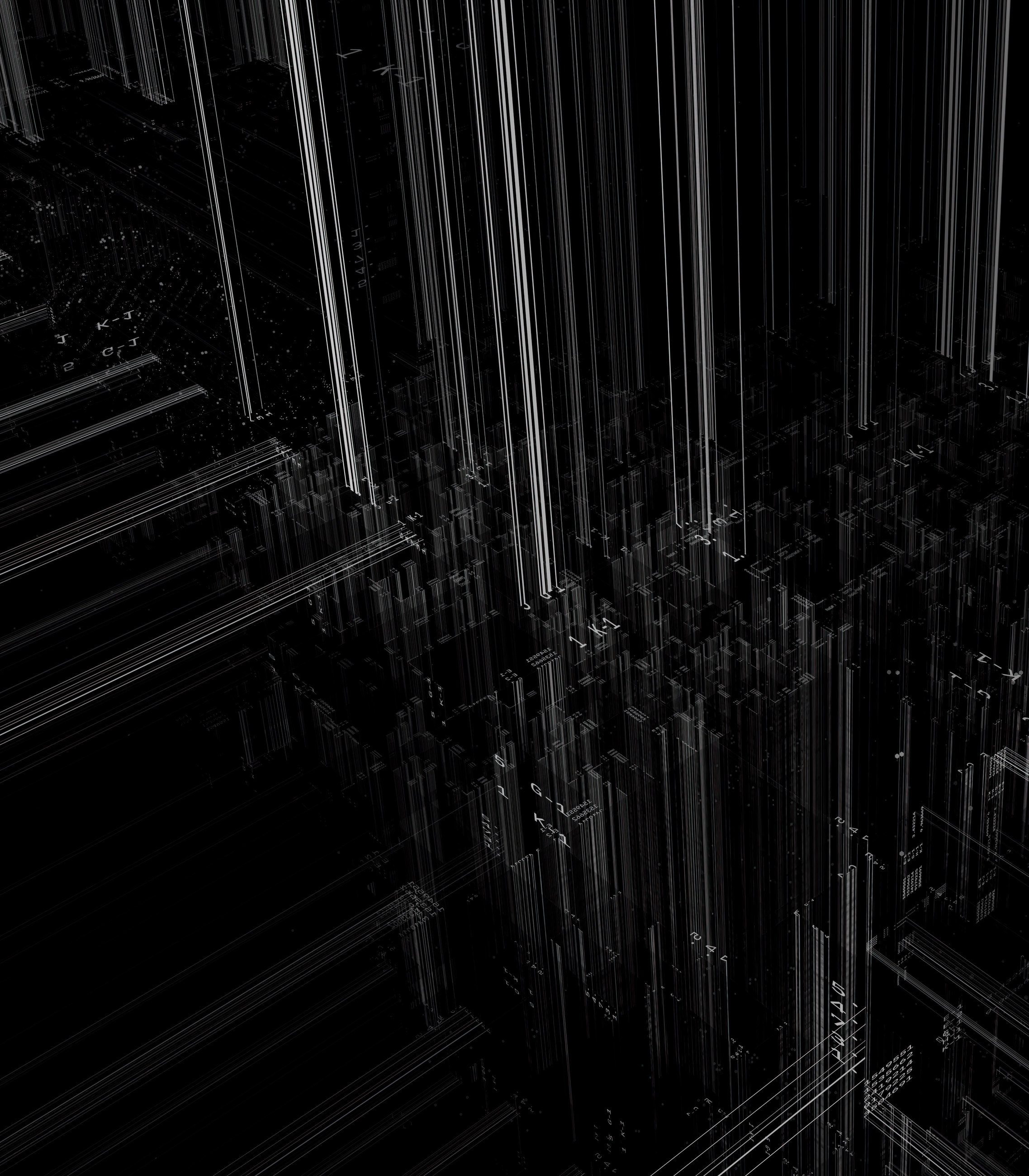
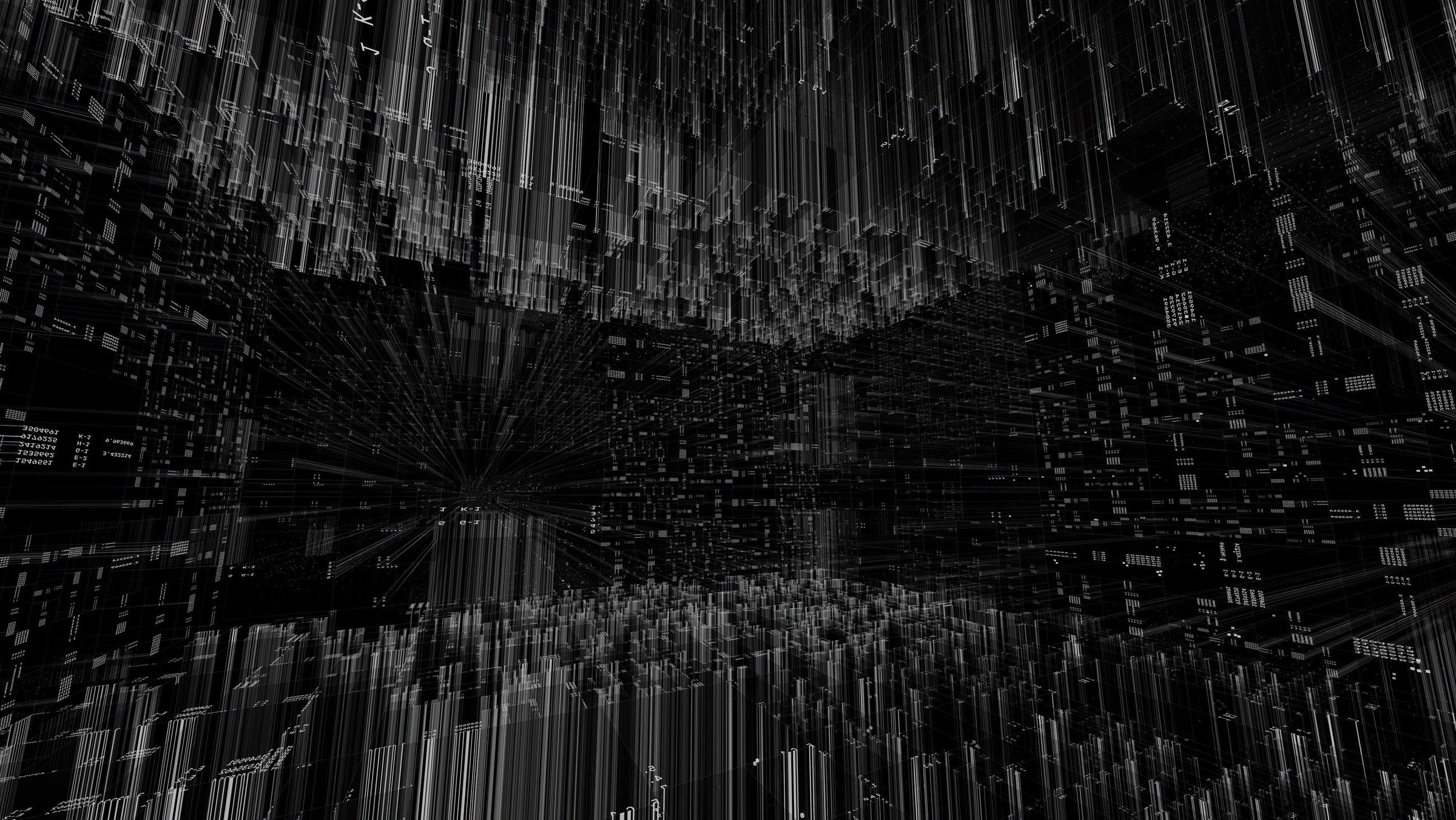
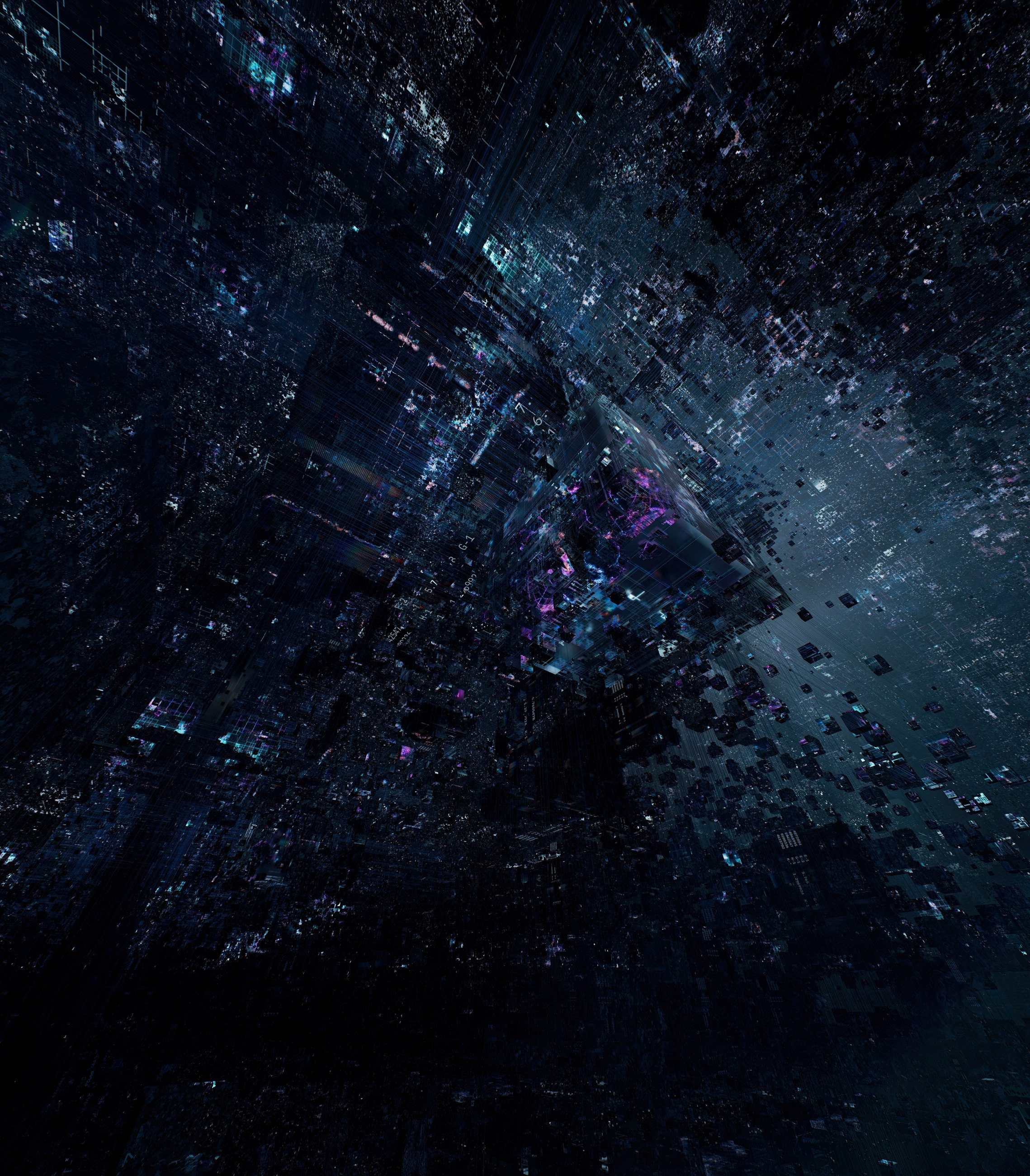
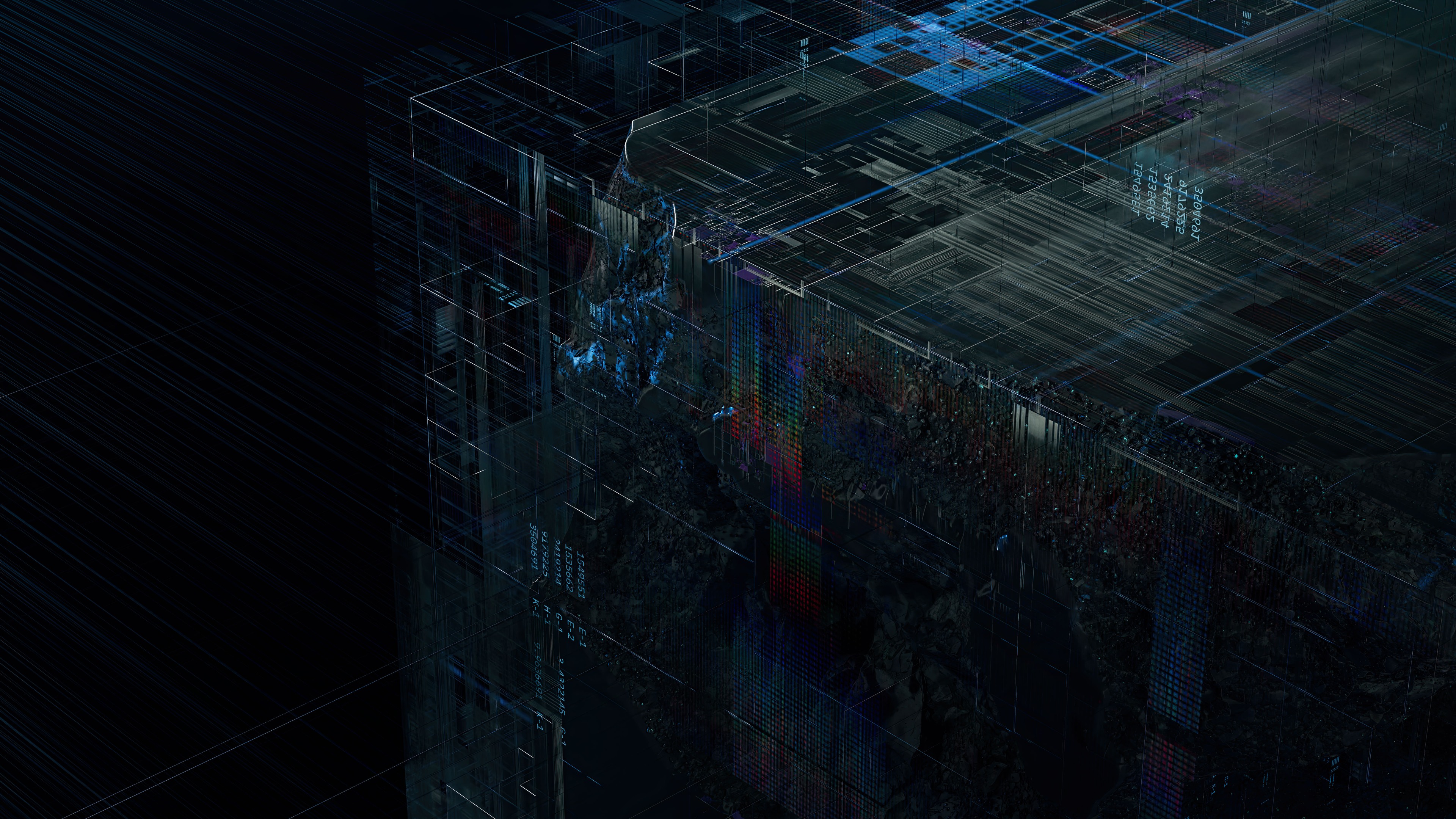
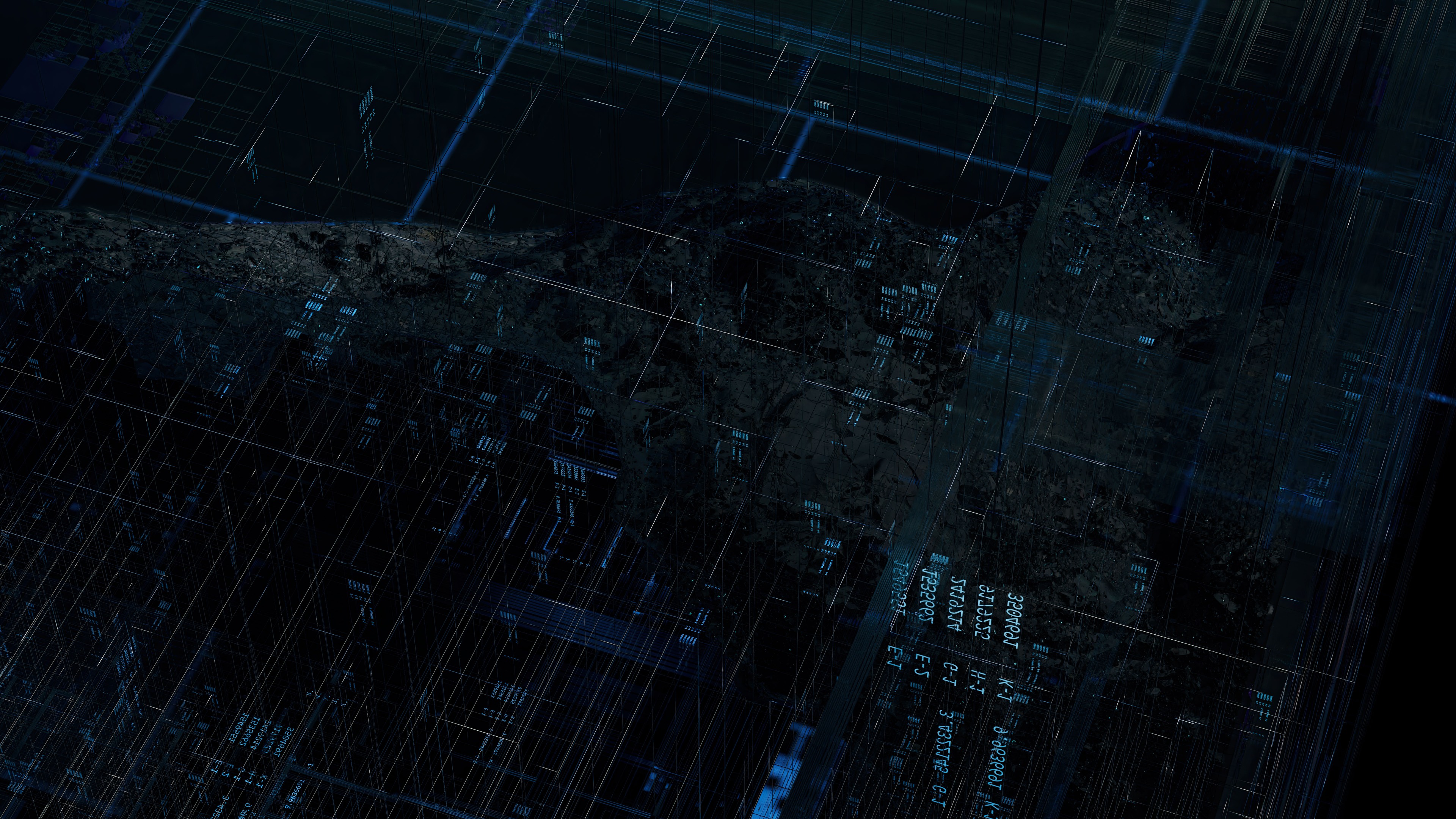
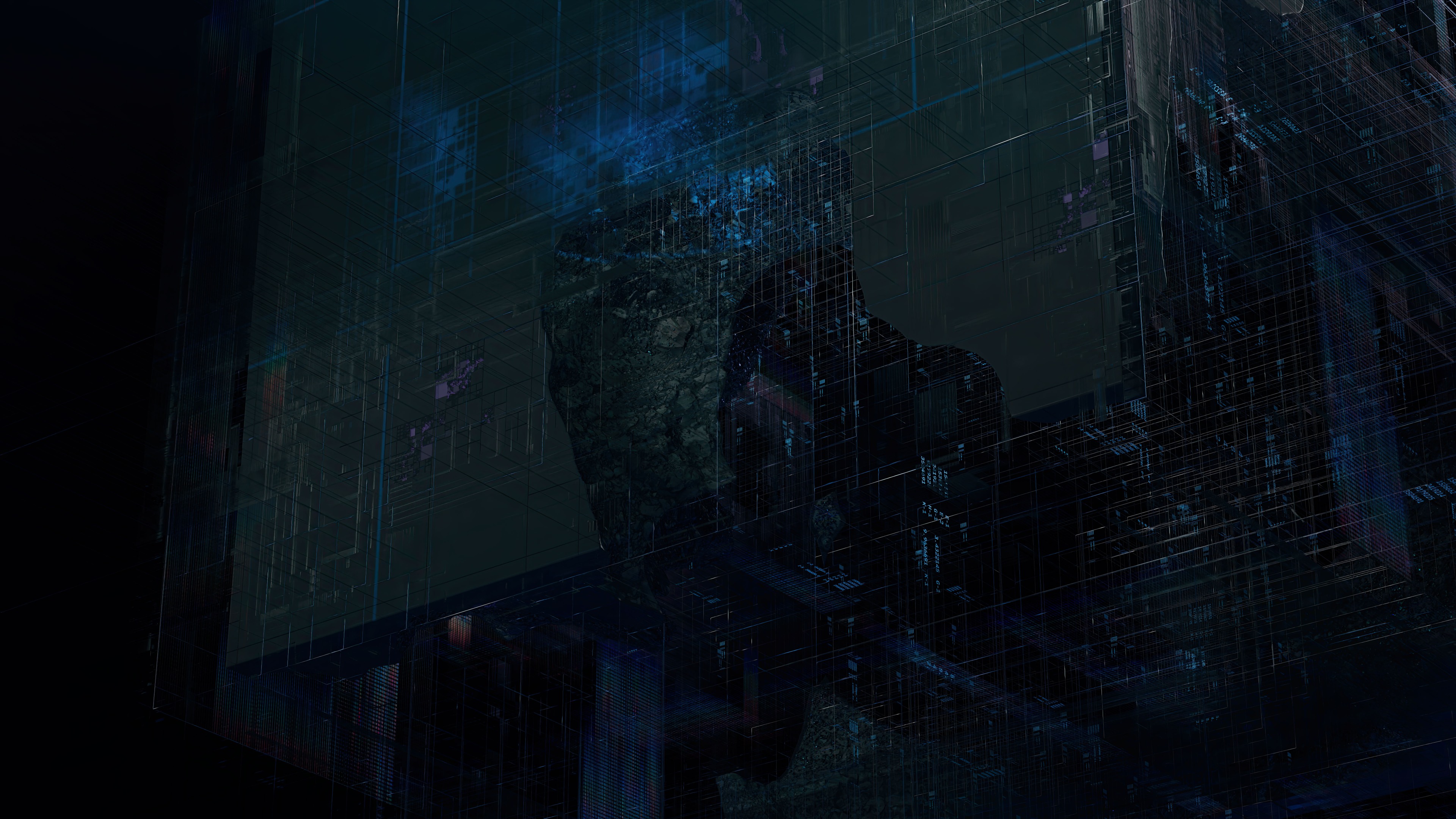
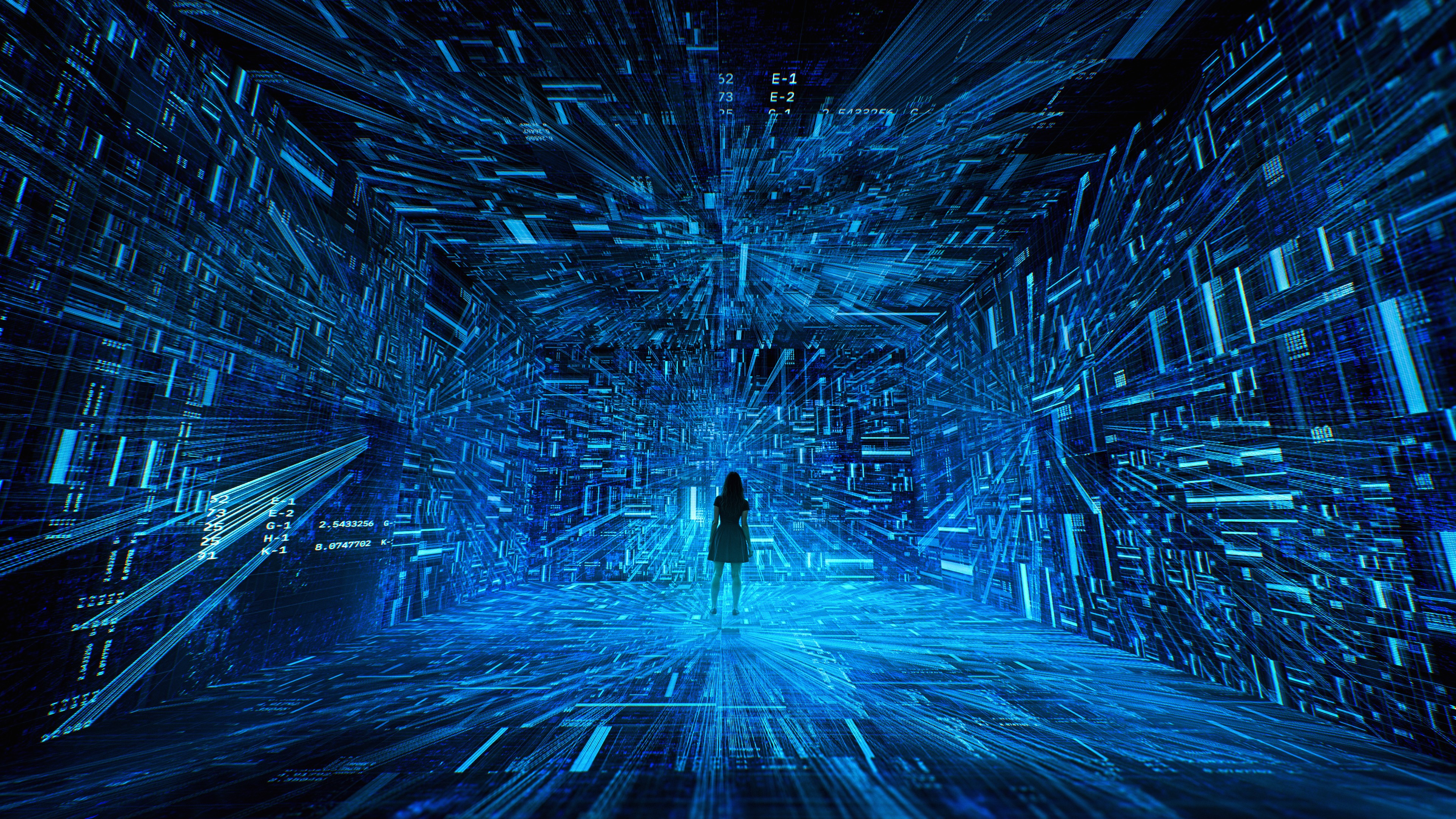
The opening establishes the machine before recognizable thought has formed. Information appears as a shifting graphic system of fragments, interruptions, and partial structures, creating the sense of a process beginning to organize itself.
These studies focused on how a limited set of visual elements could suggest activity without immediately describing a subject. Graphic systems, typography, interface logic, and light operate as evidence of an active intelligence, while remaining incomplete enough to leave the machine’s internal state unresolved.
Glitch Animation Previs
Glitch + Graphics
02.2 SIGNAL
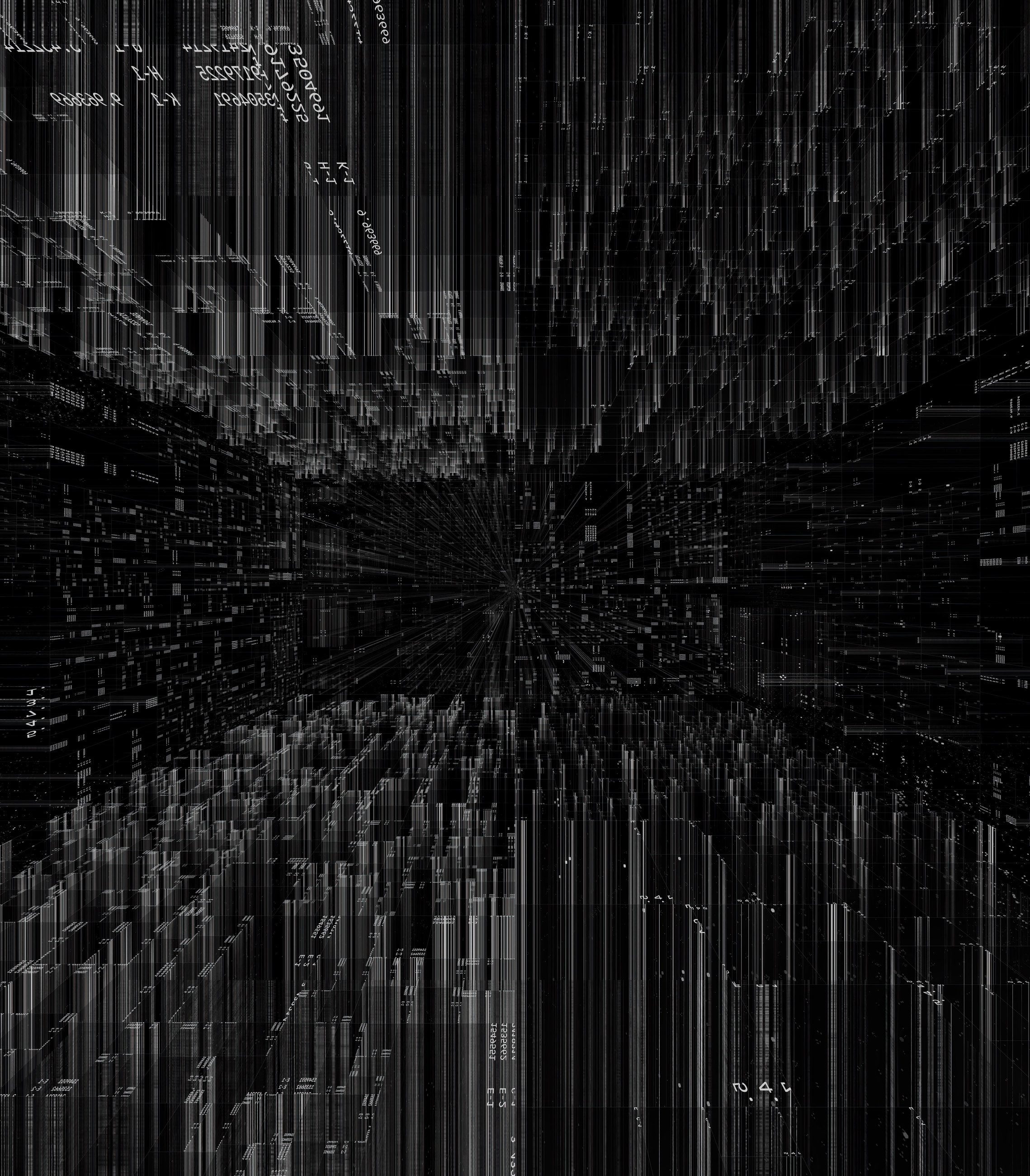
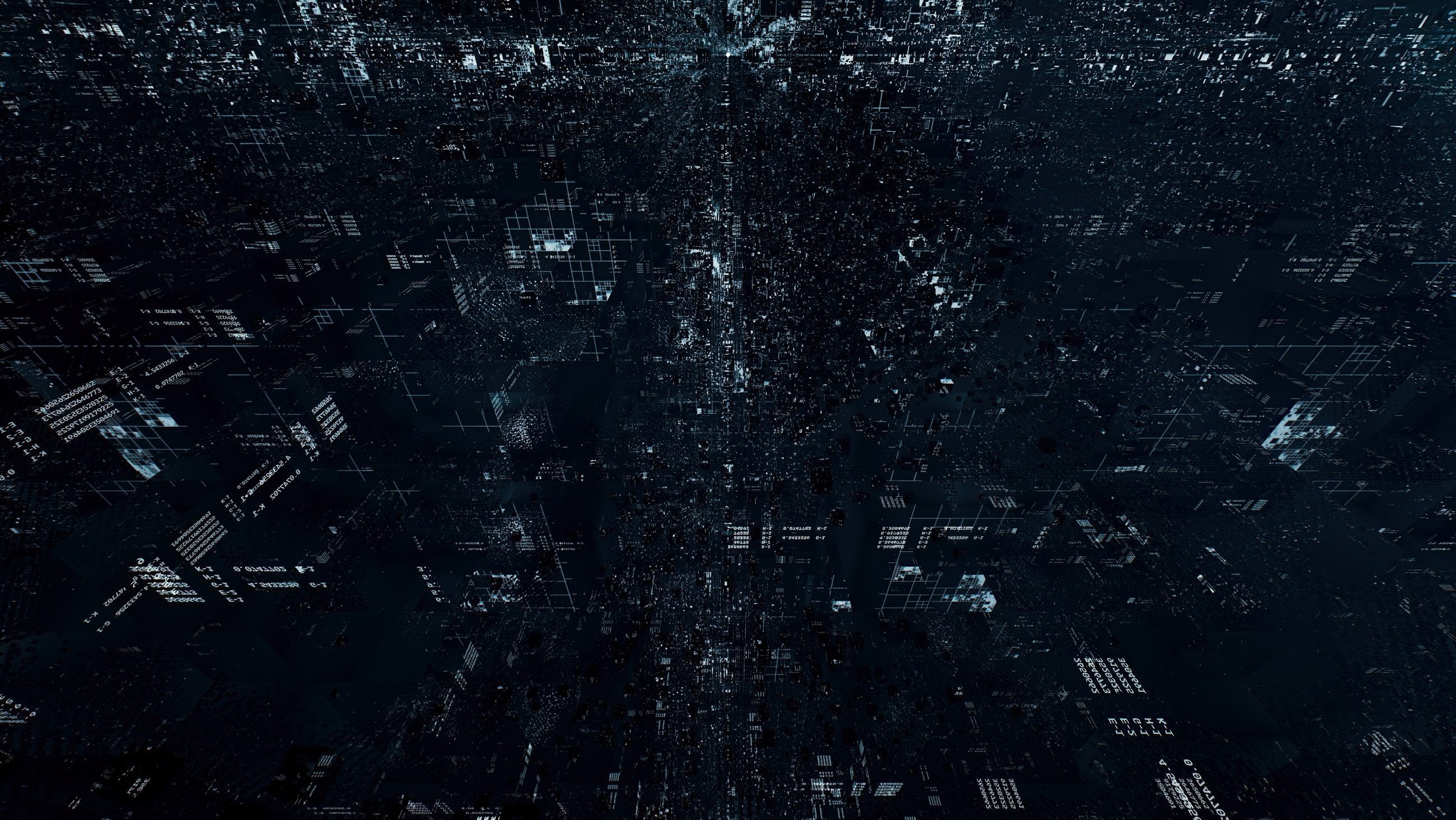
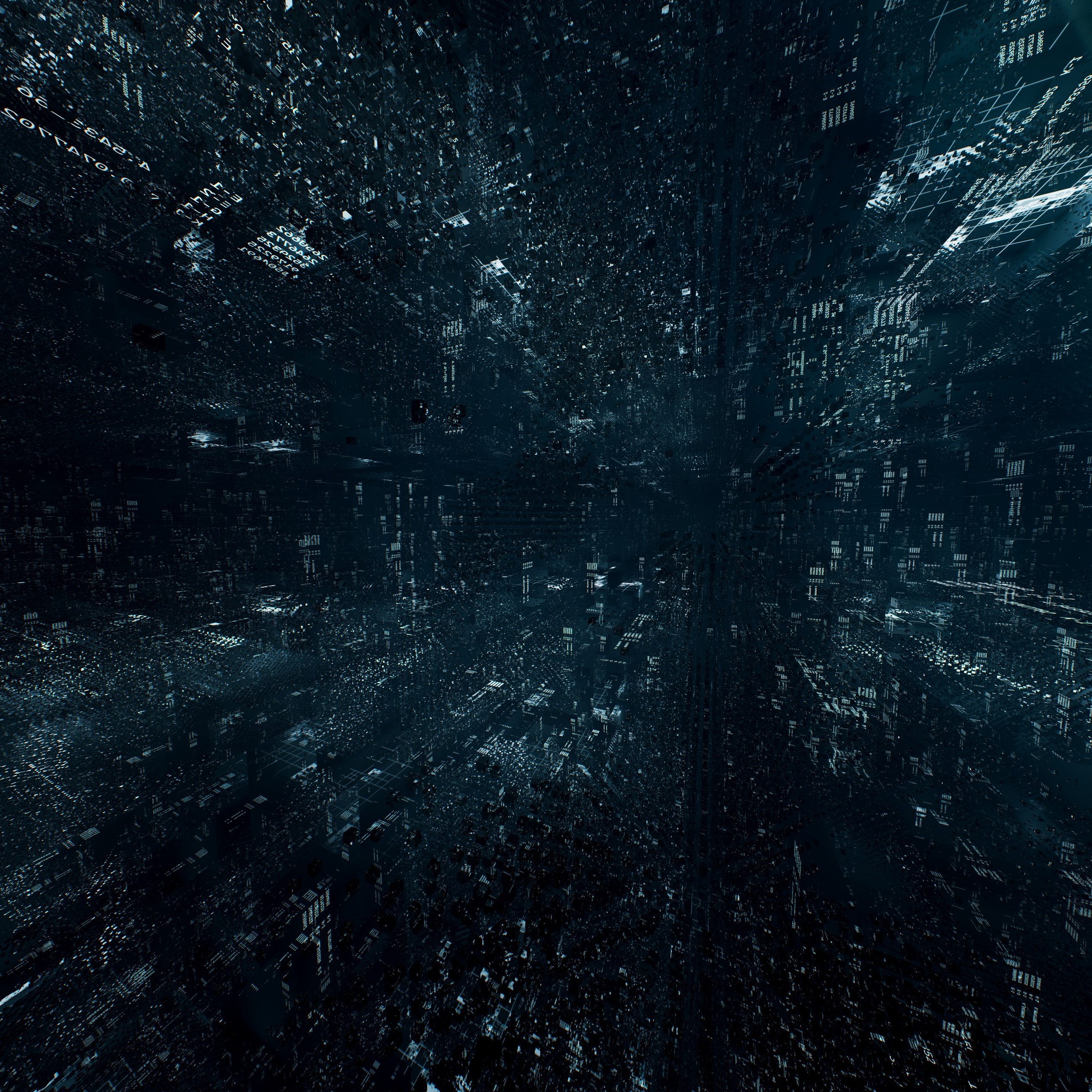
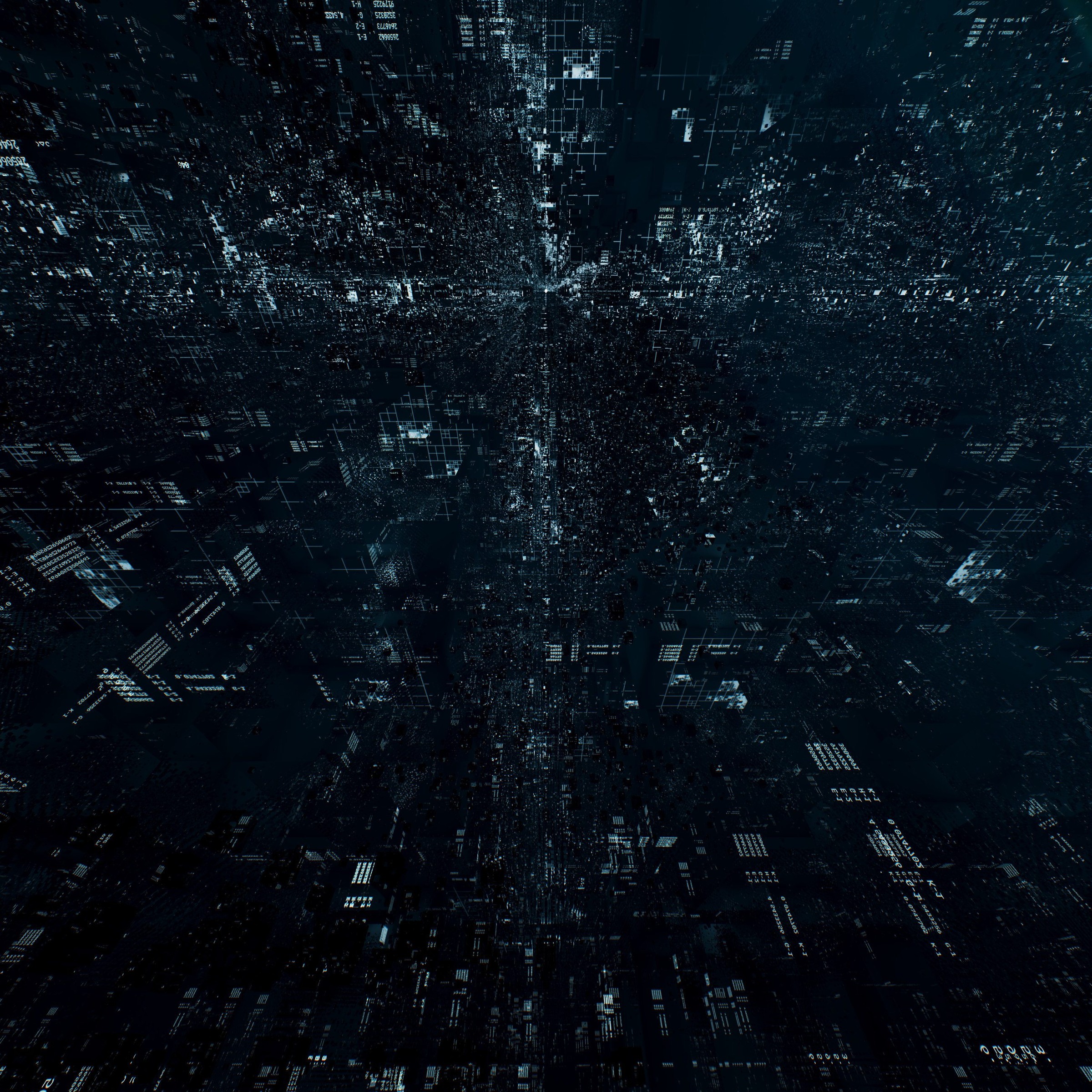
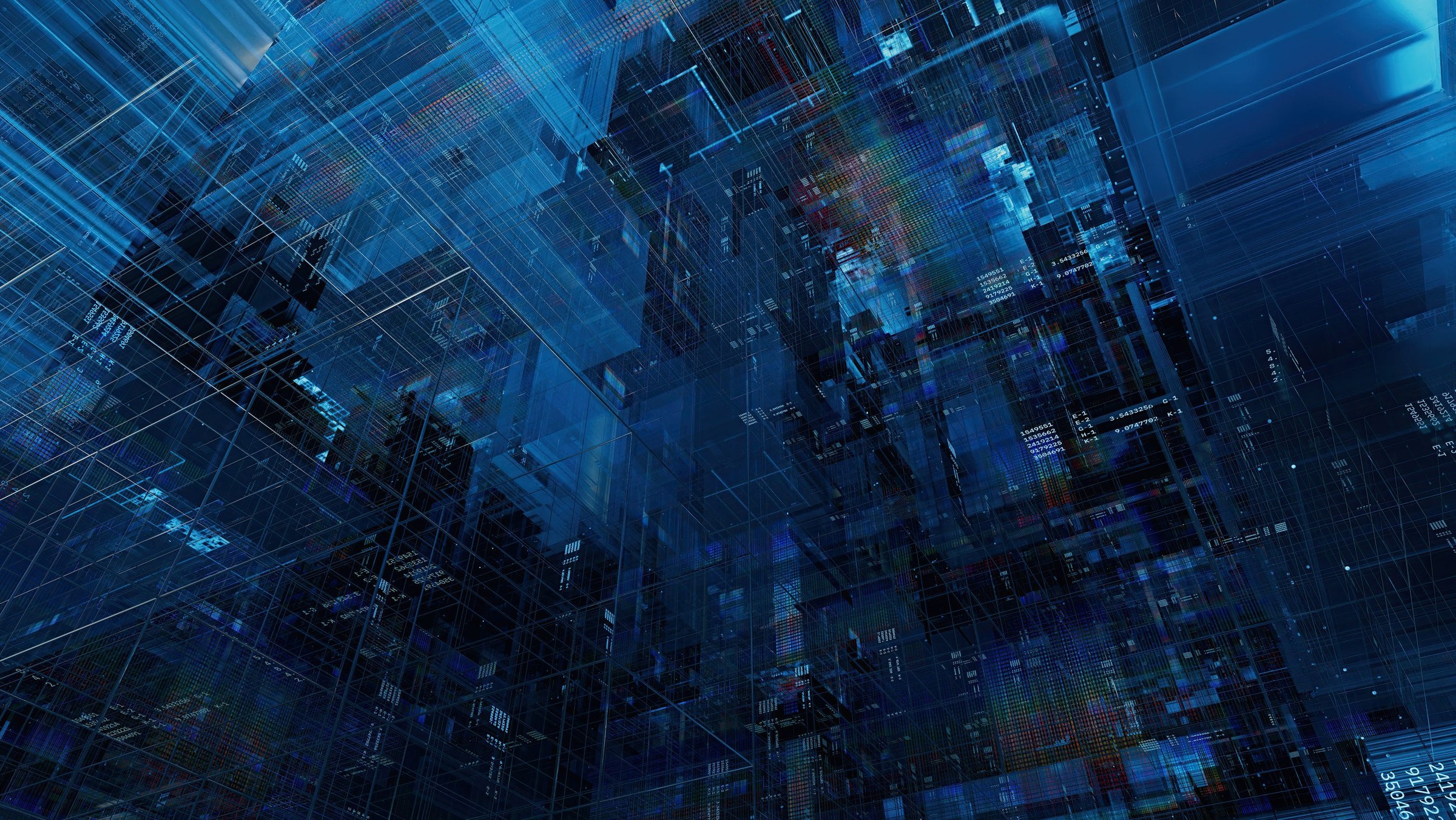
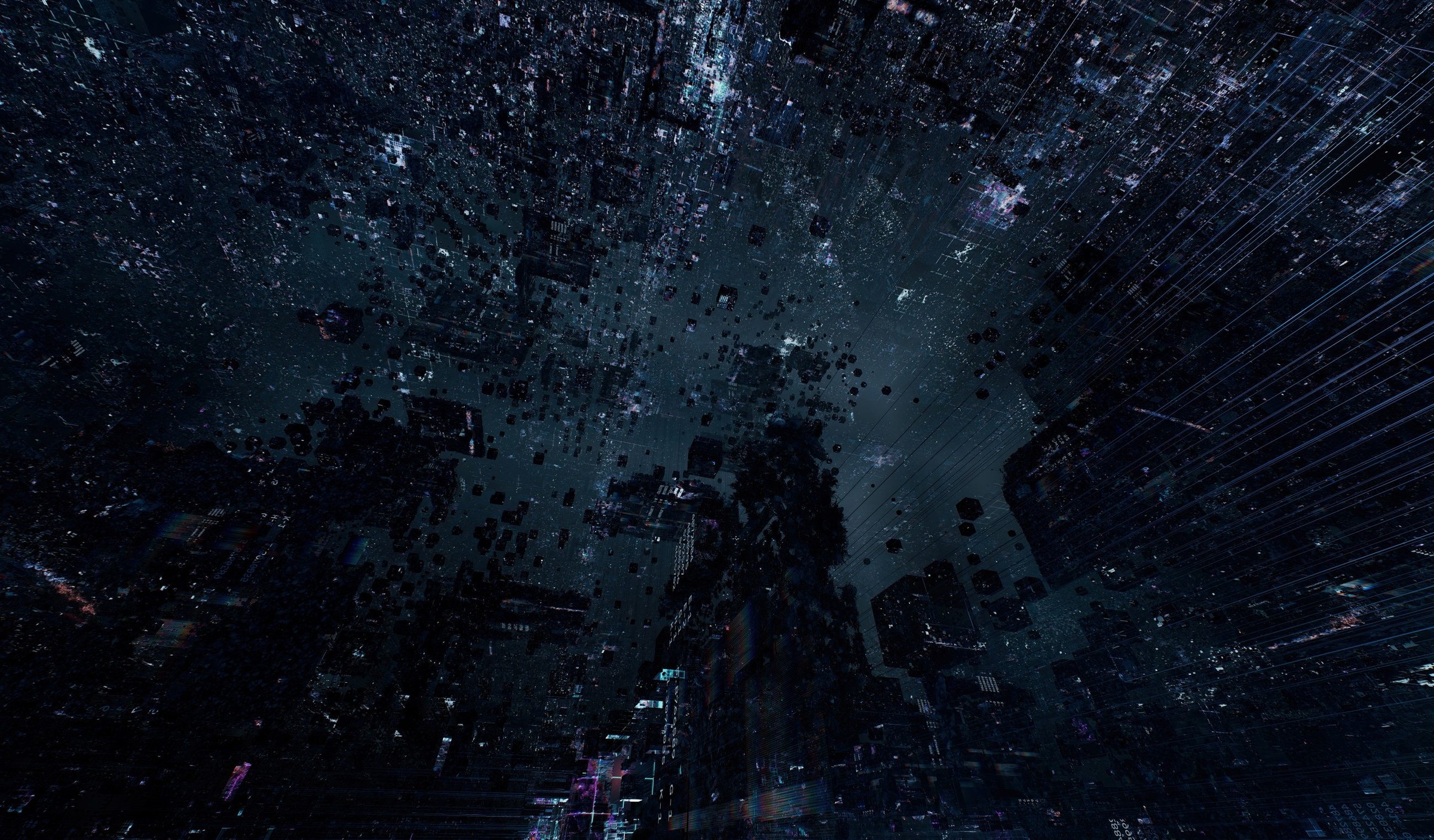
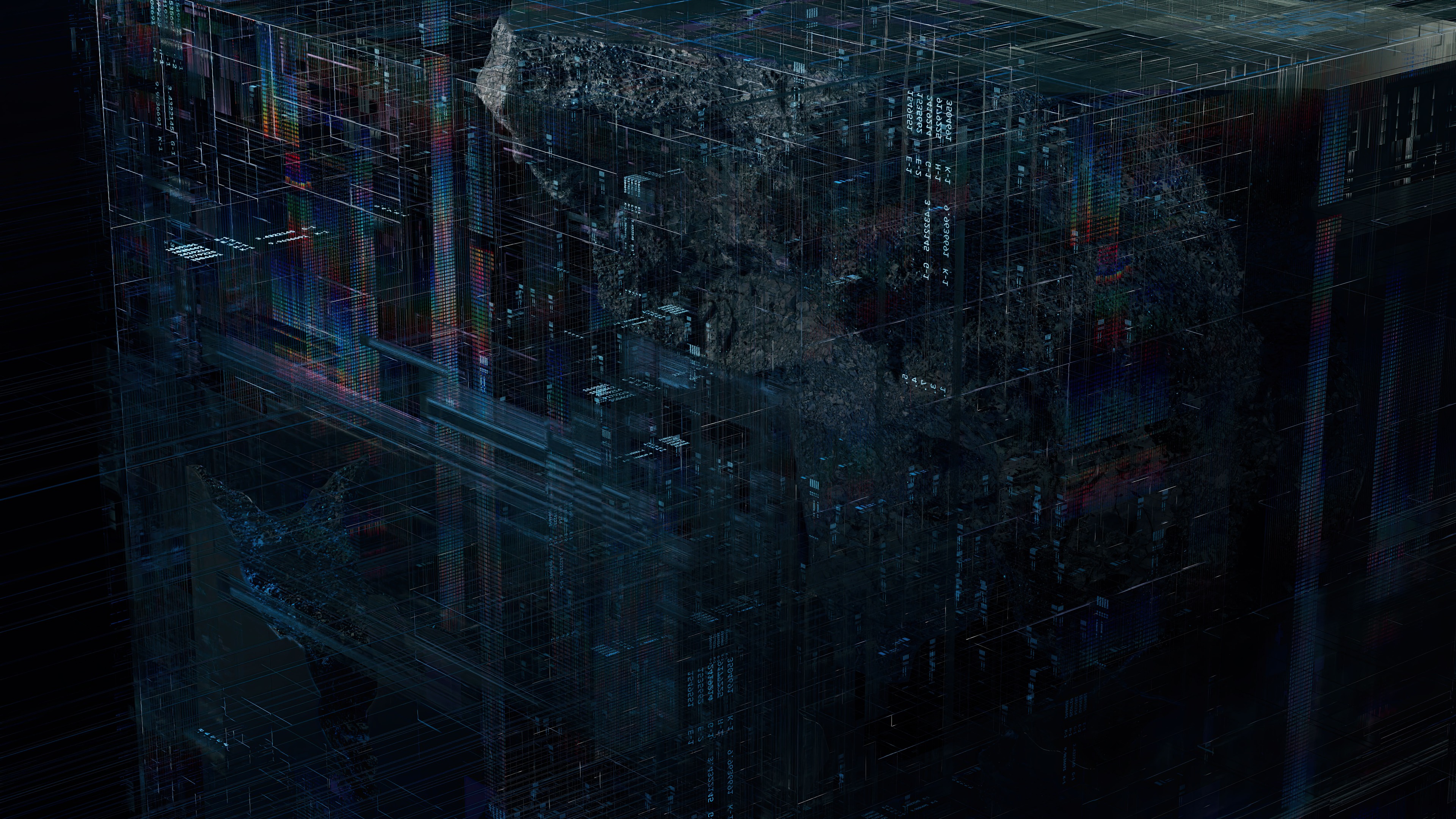
As the sequence develops, the graphic language begins to move beyond the flat plane. Structures gain depth, scale, and spatial relationships, allowing abstract information to behave less like an interface and more like an environment.
This shift creates the first suggestion of formed thought. Individual elements begin to connect across space, and the system develops a stronger sense of direction and continuity. The imagery remains abstract, but the machine is beginning to construct something beyond raw information.
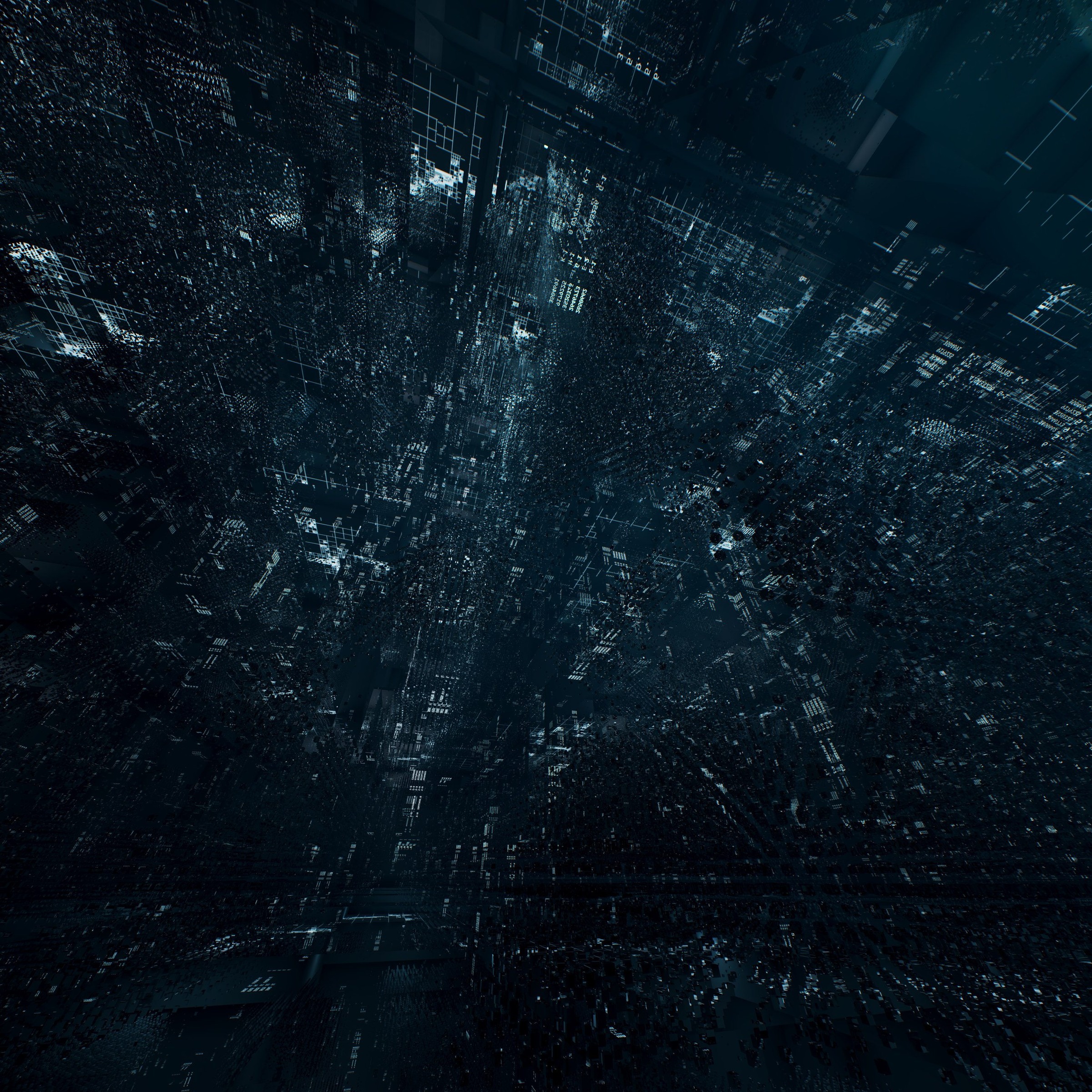
Spatial Graphic Studies
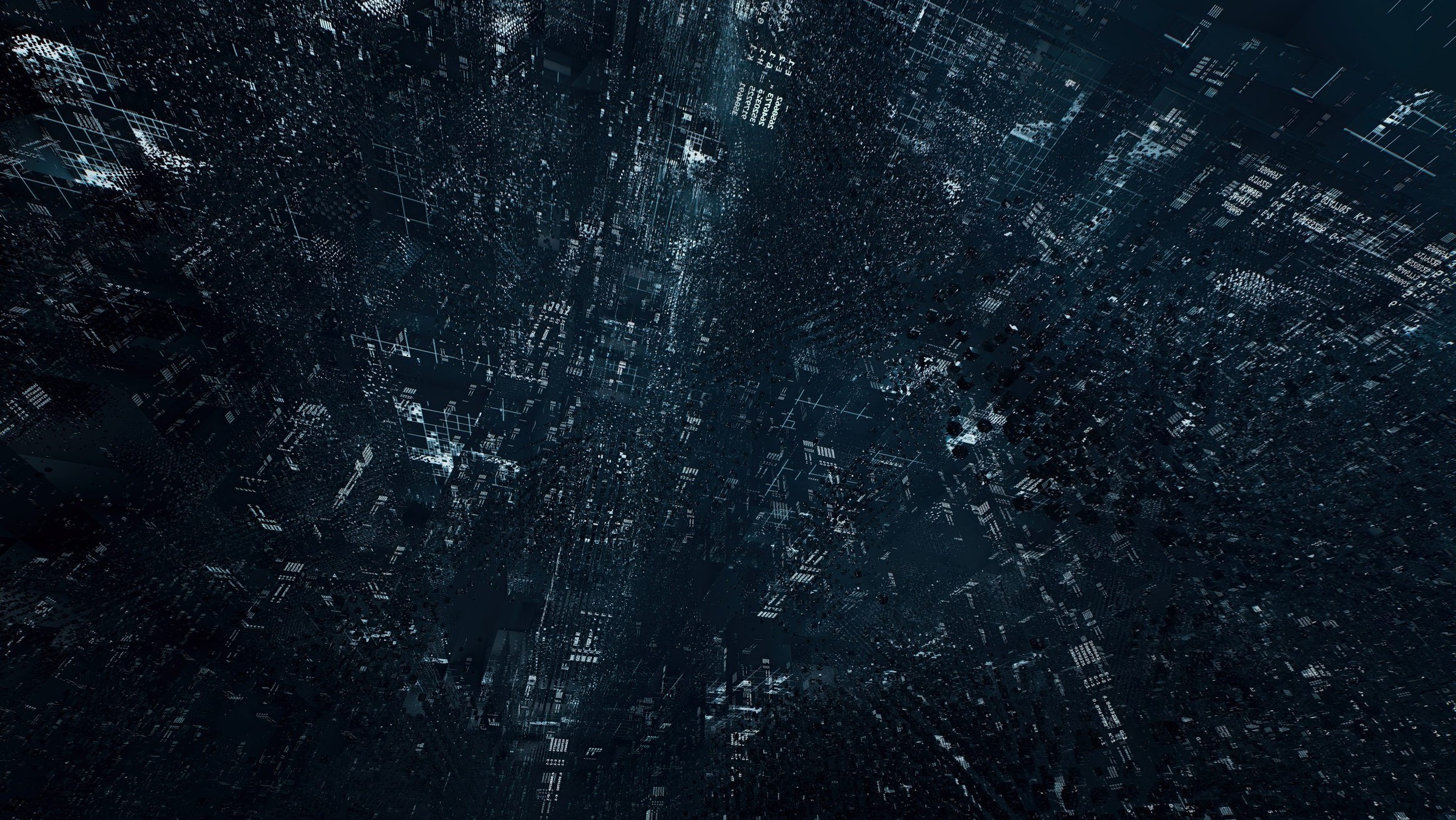

Recursive Grid Studies



02.3 IMITATION
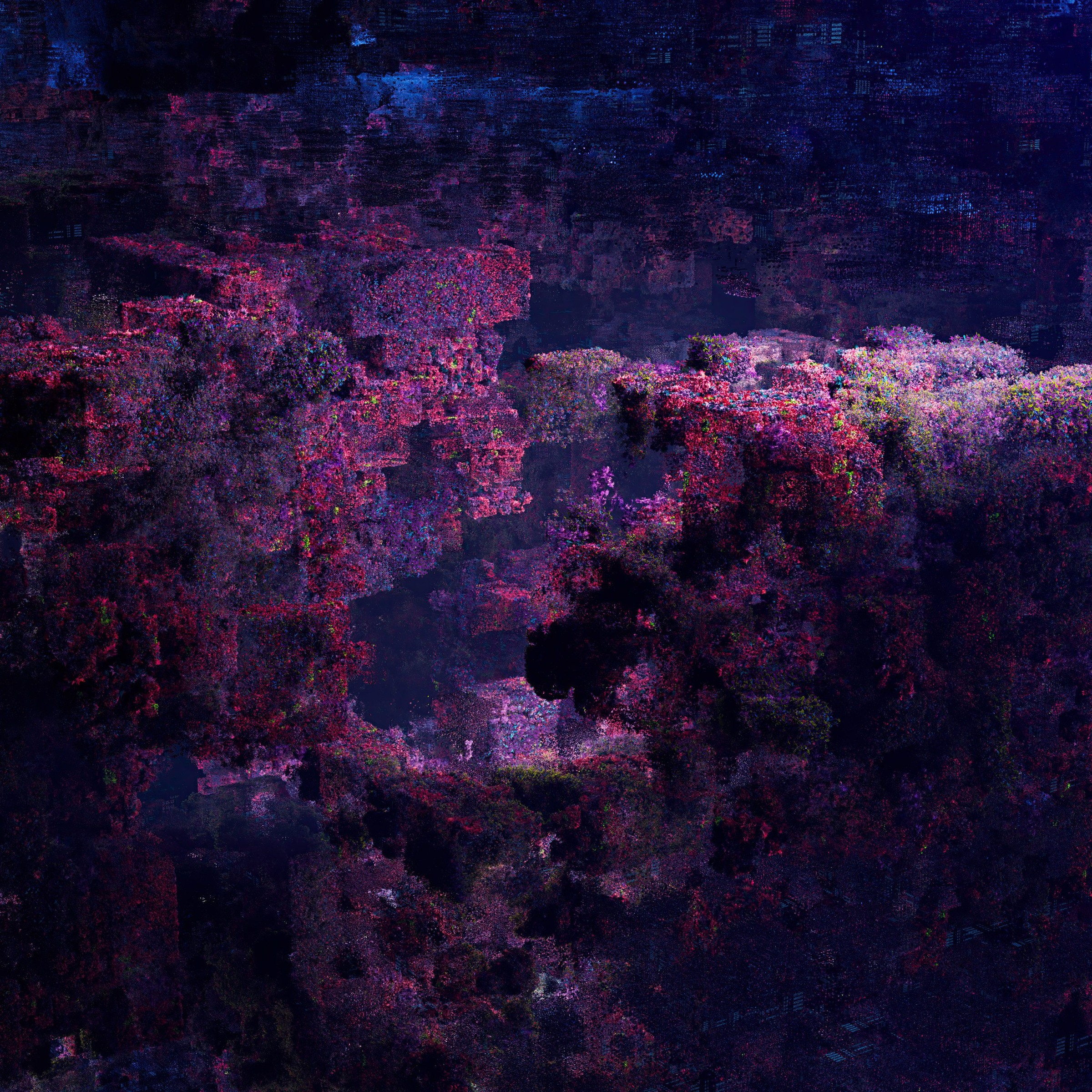
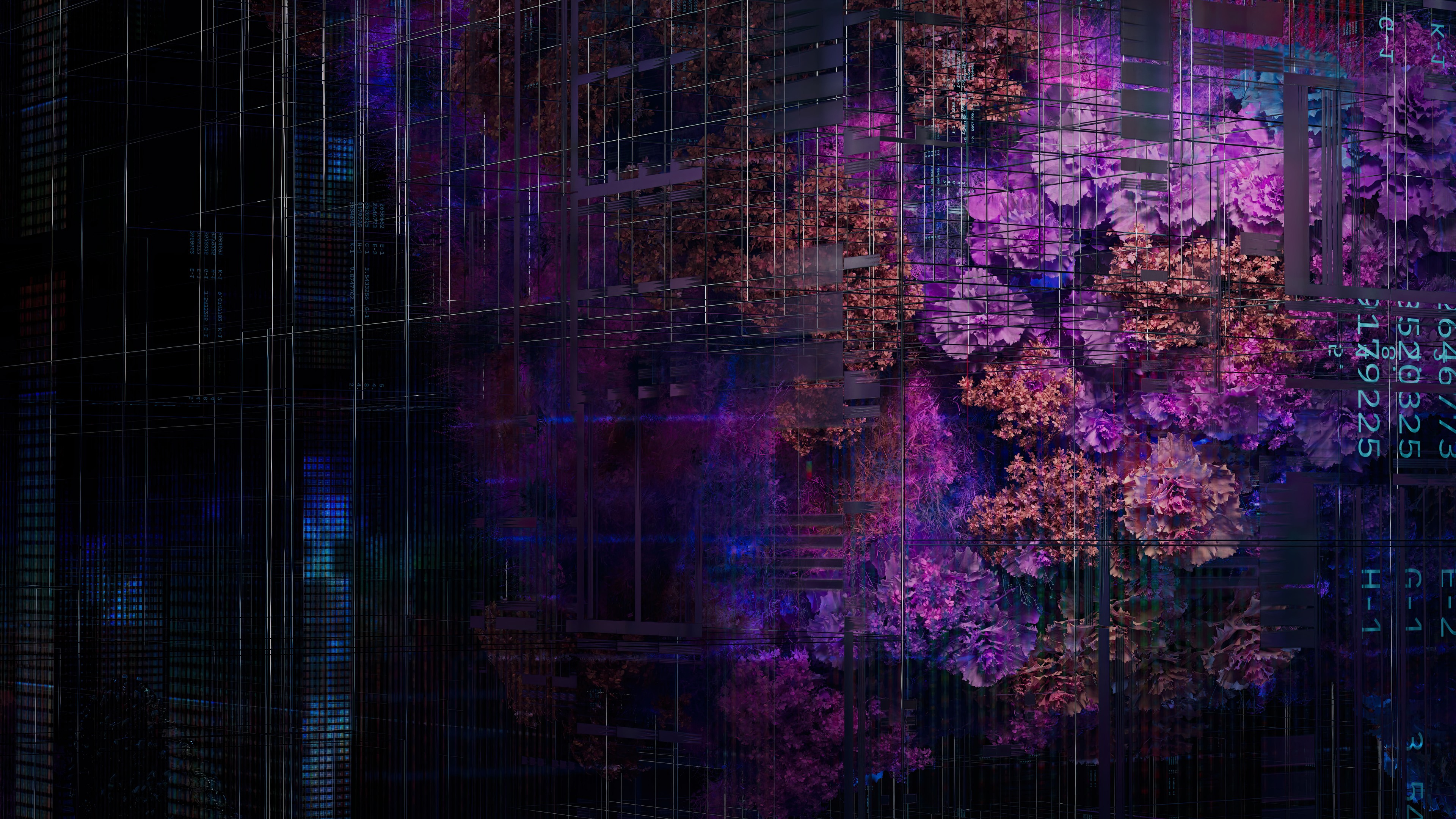
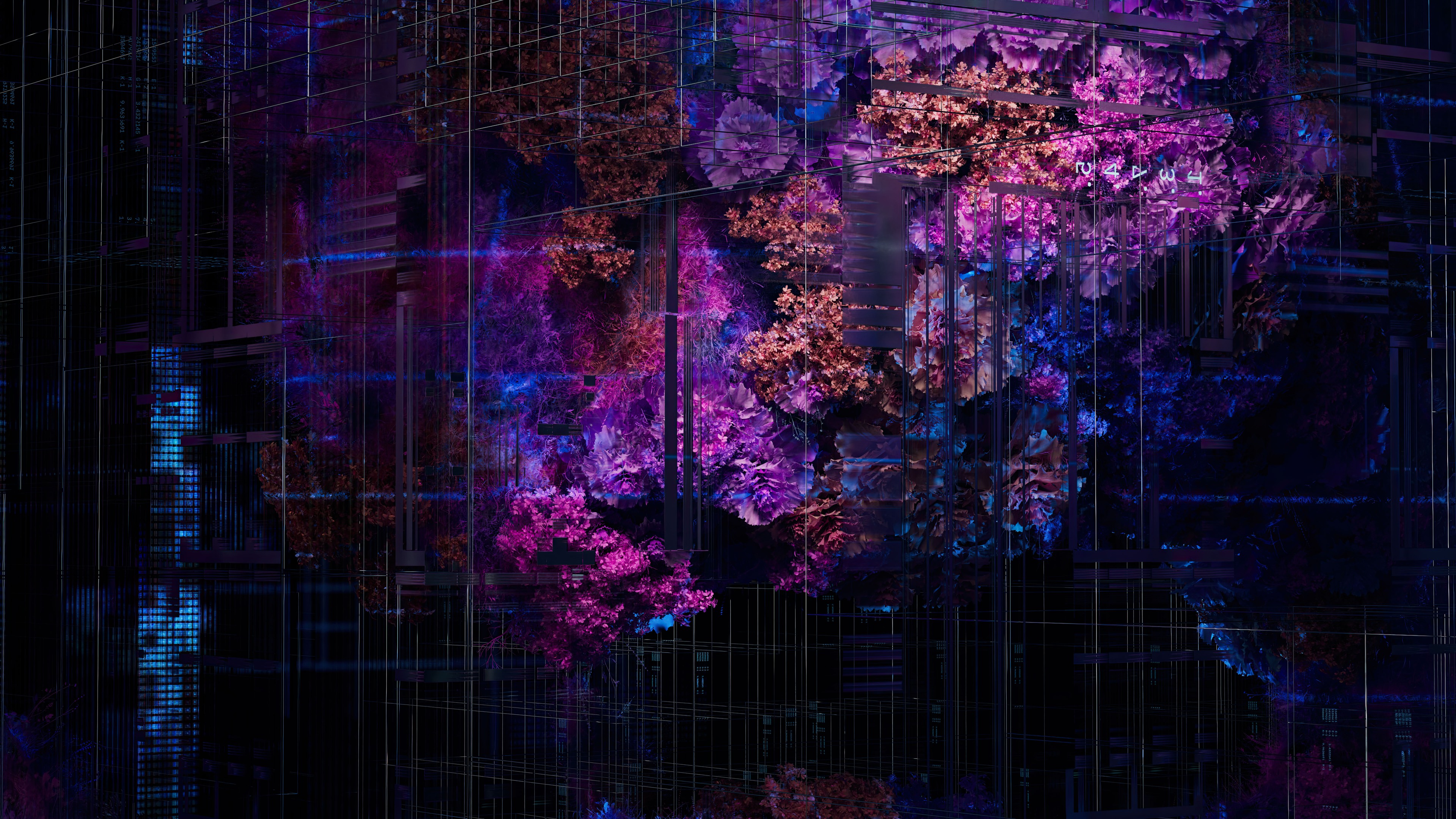
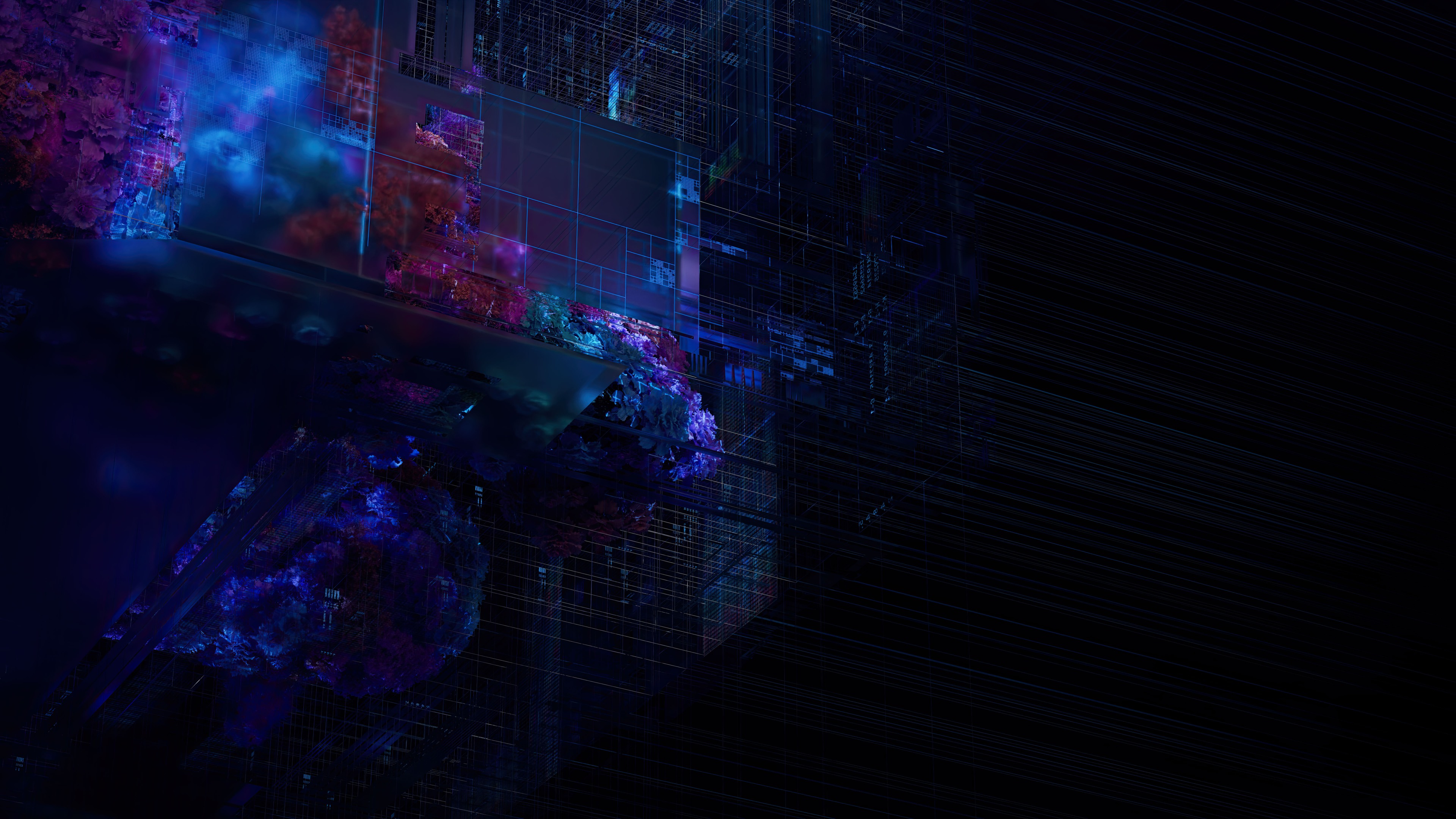
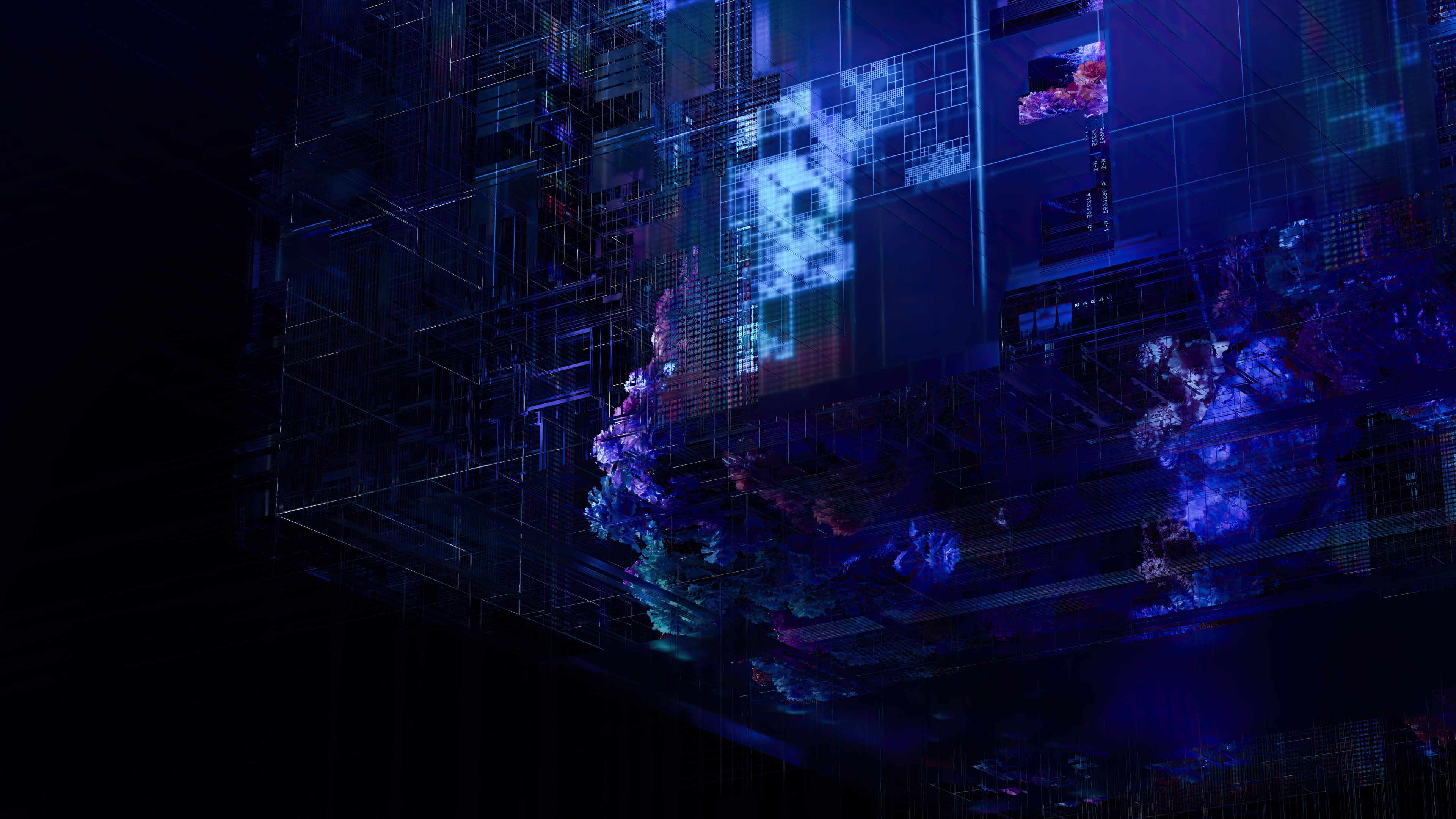
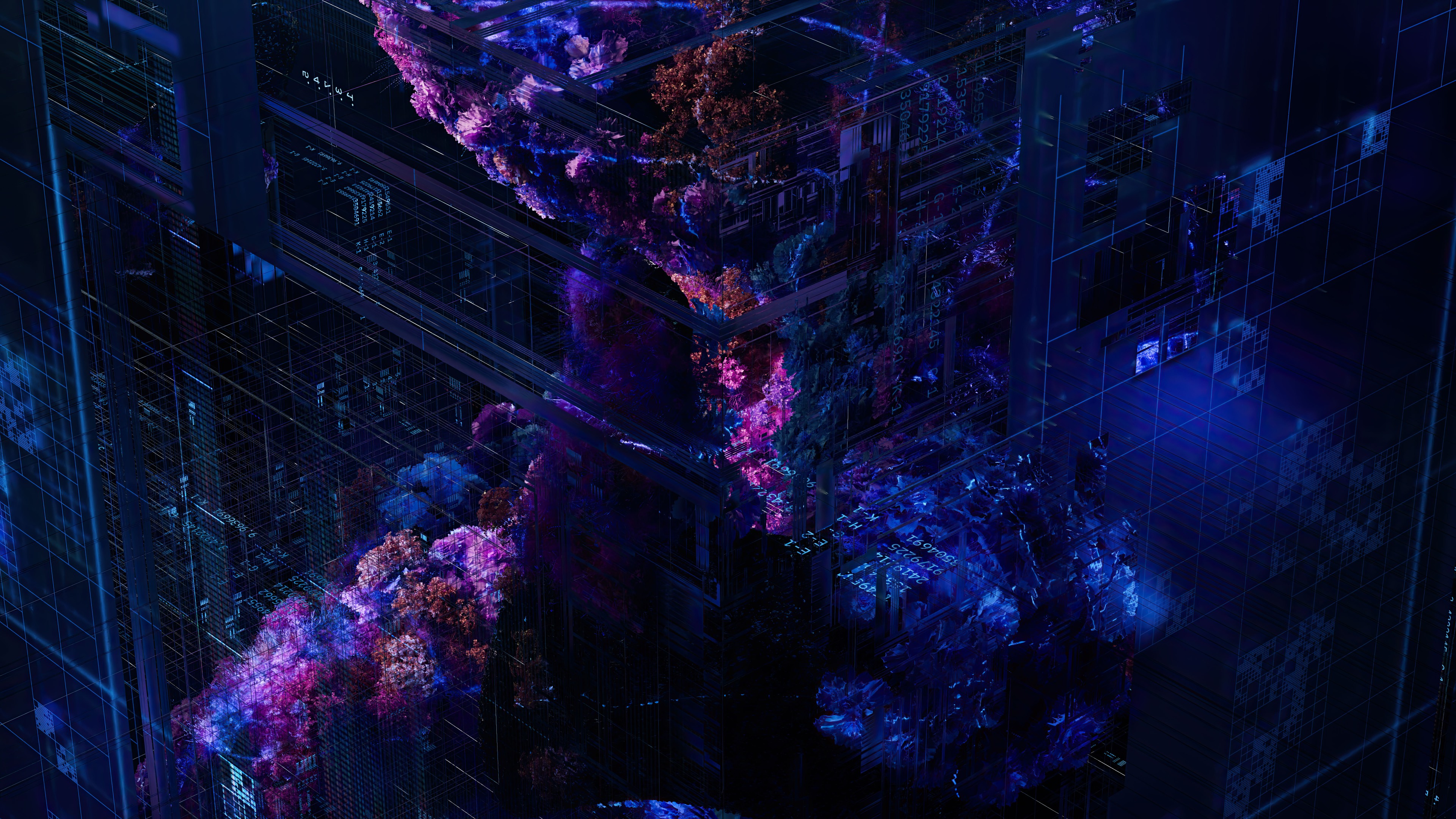
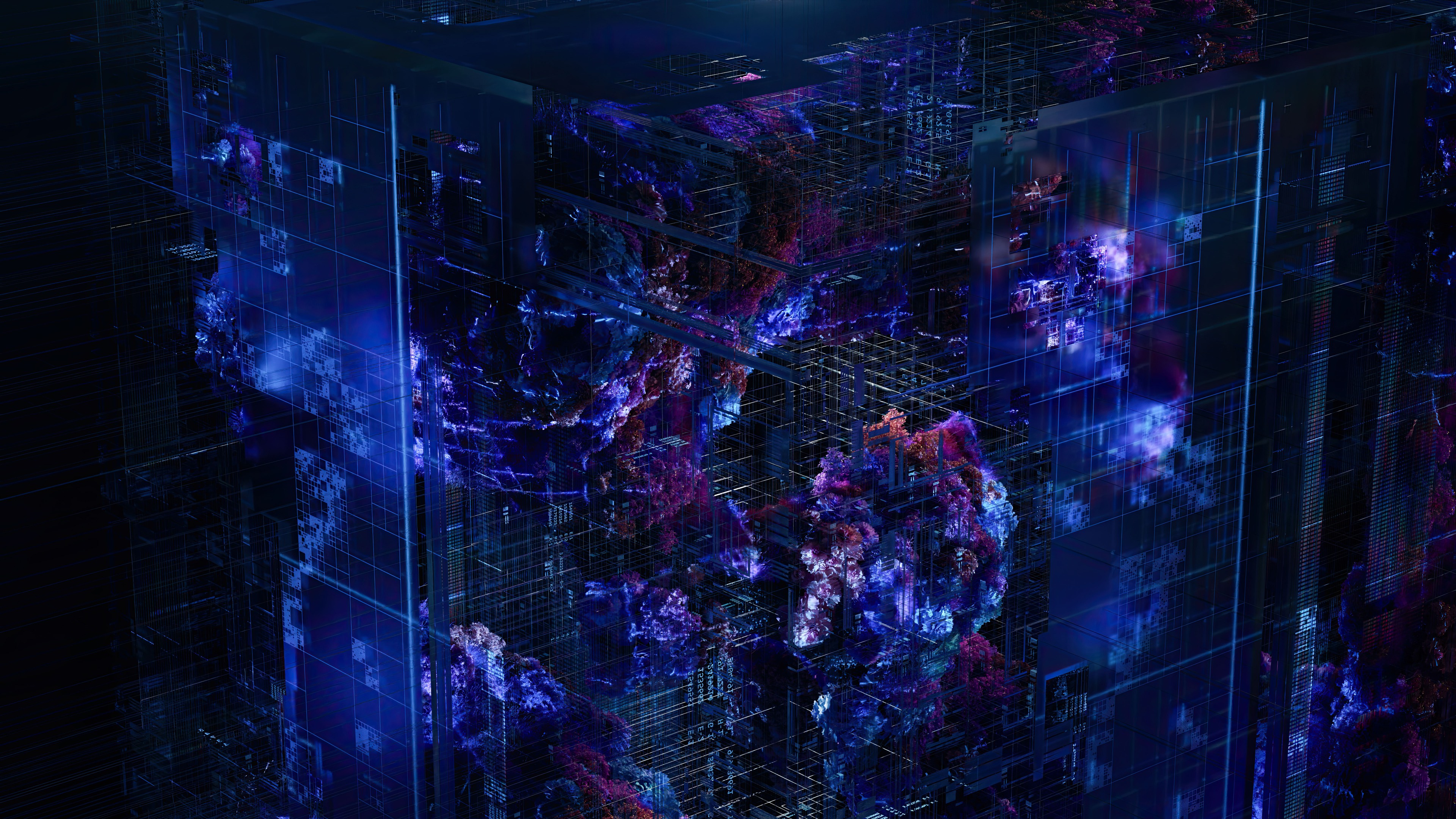
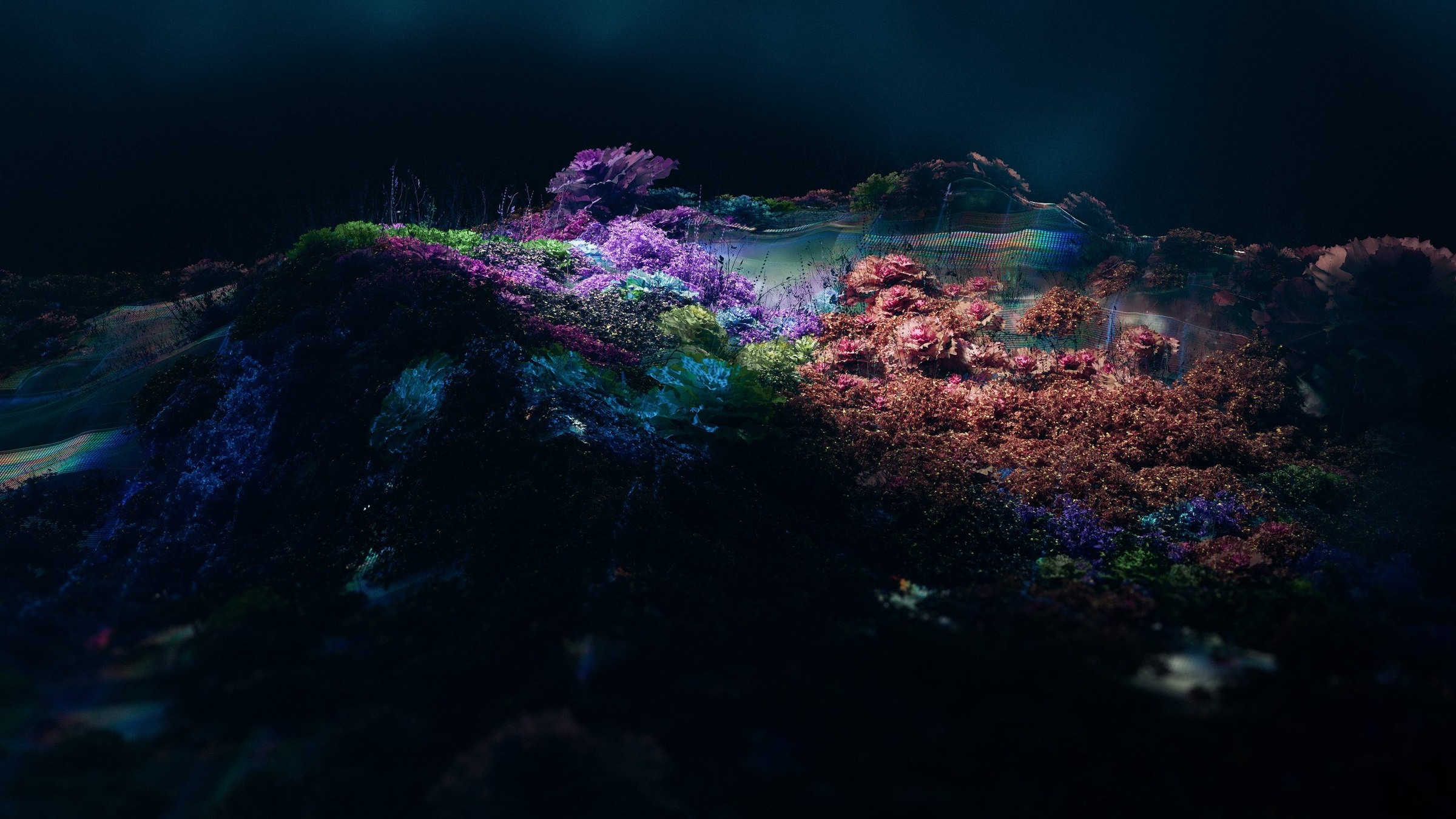
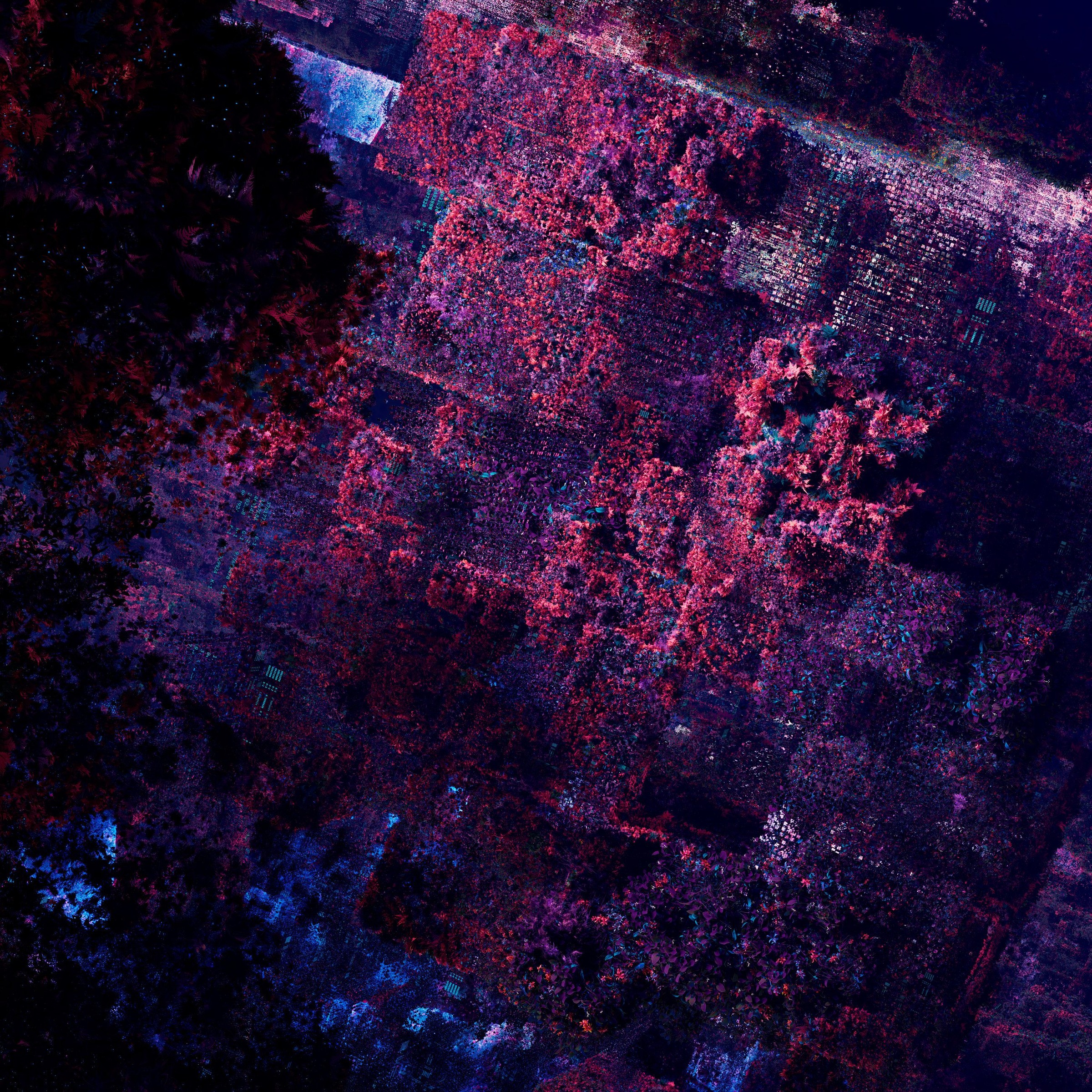
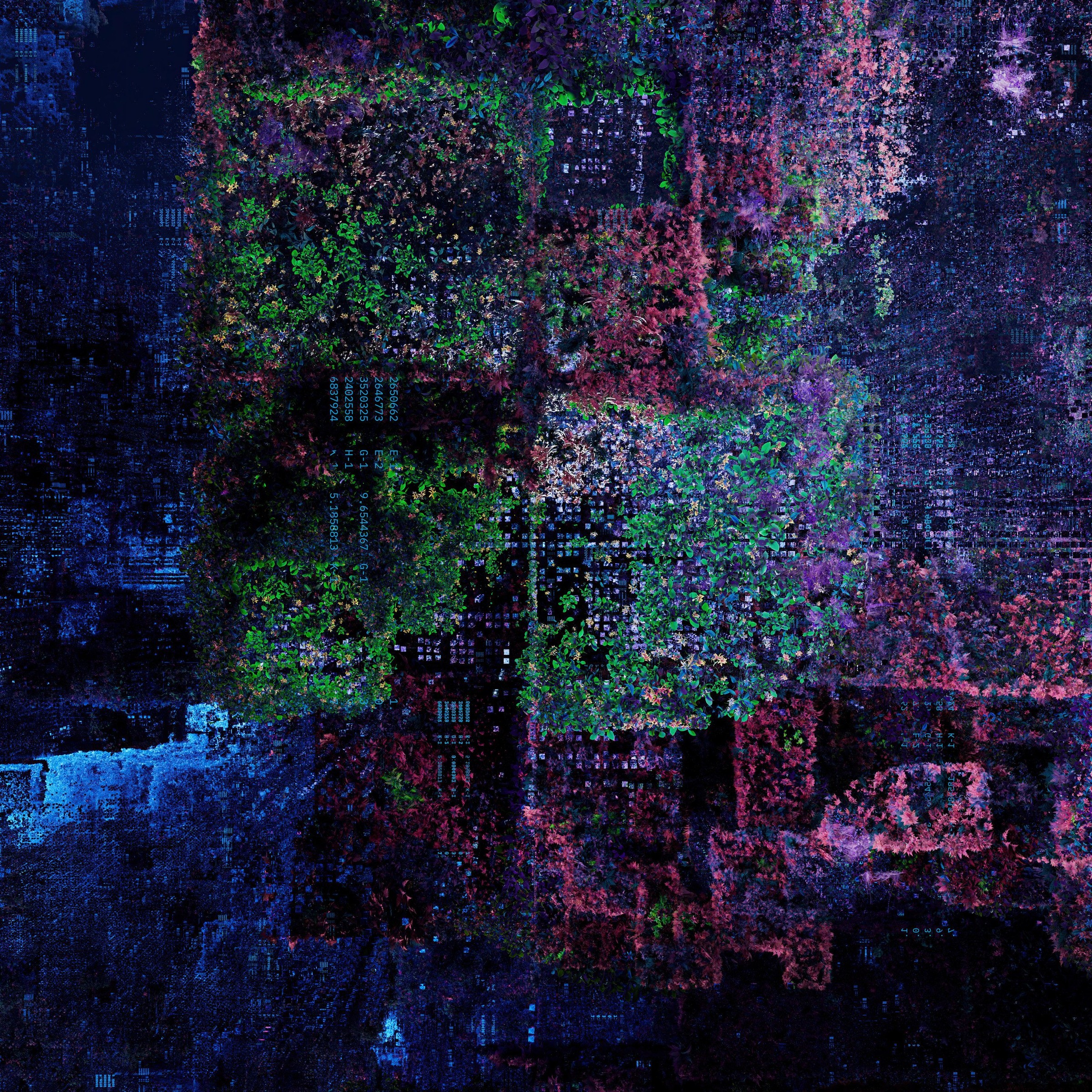
Recognizable natural forms begin to emerge from the machine, but they remain unfamiliar in their construction. Flowers appear through algorithmic growth, repetition, and procedural structure, producing forms that feel biological without behaving like direct reproductions of nature.
The studies explore a machine learning through imitation. Floral structures become increasingly recognizable, but their proportions, organization, and movement still reveal the logic of the system producing them. Nature is present as something being studied and reconstructed, with each variation pushing the machine closer to a more complete understanding of the forms it is trying to create.
Organic Transformation
Organic Forms + Graphic Structure
Flora Growth Studies
Light + Surface Studies
Flora Surface Study
Floral Architecture
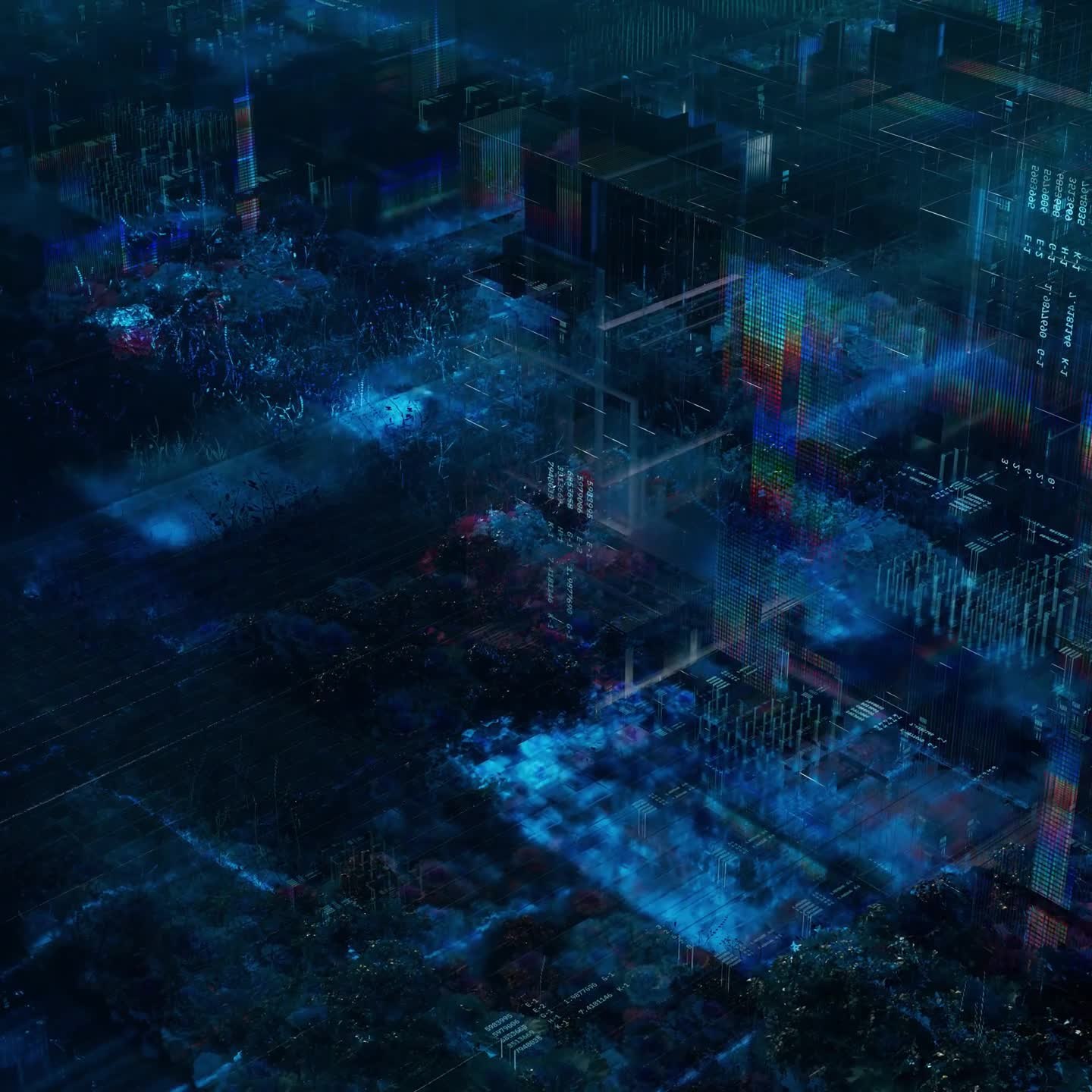
Surface Animation Study
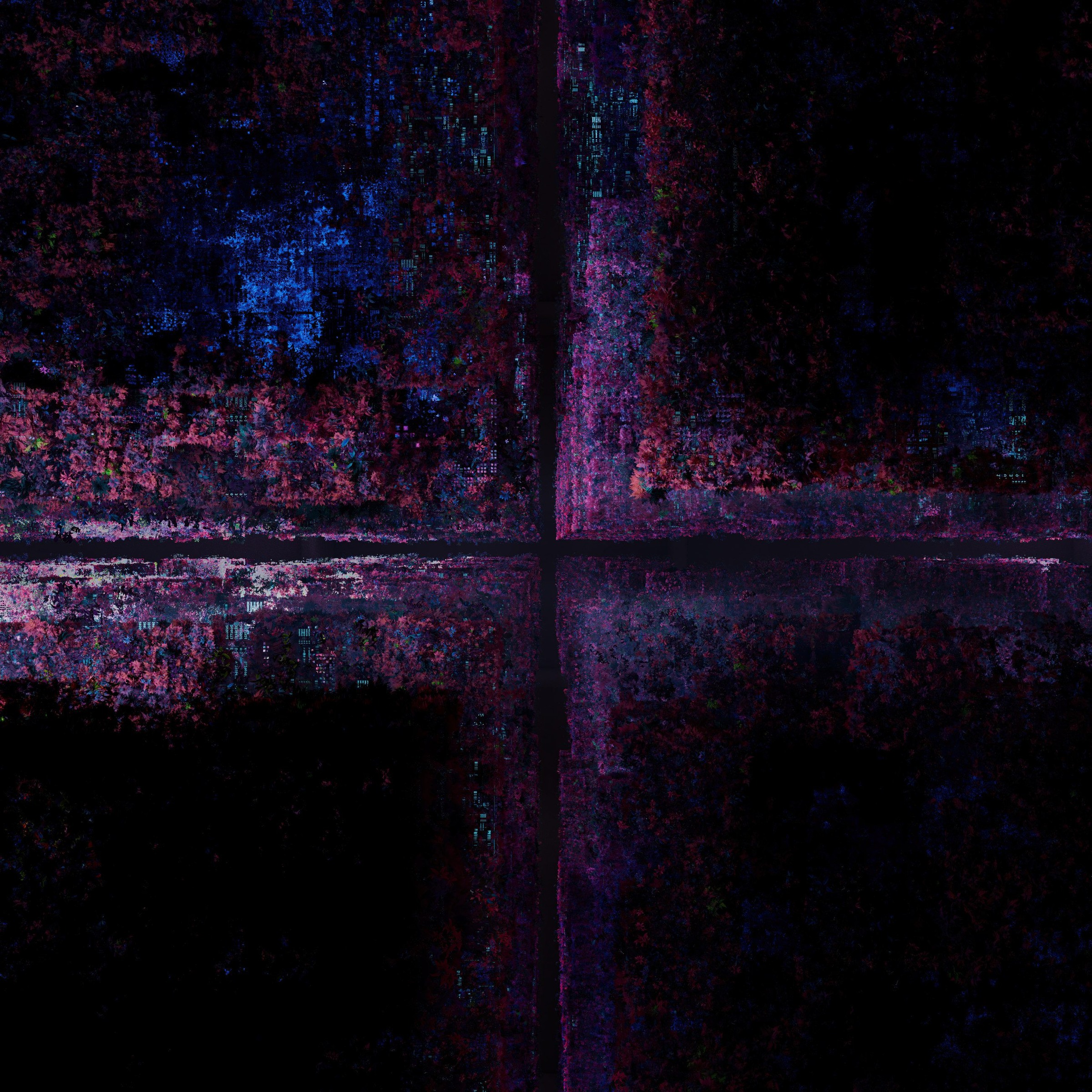
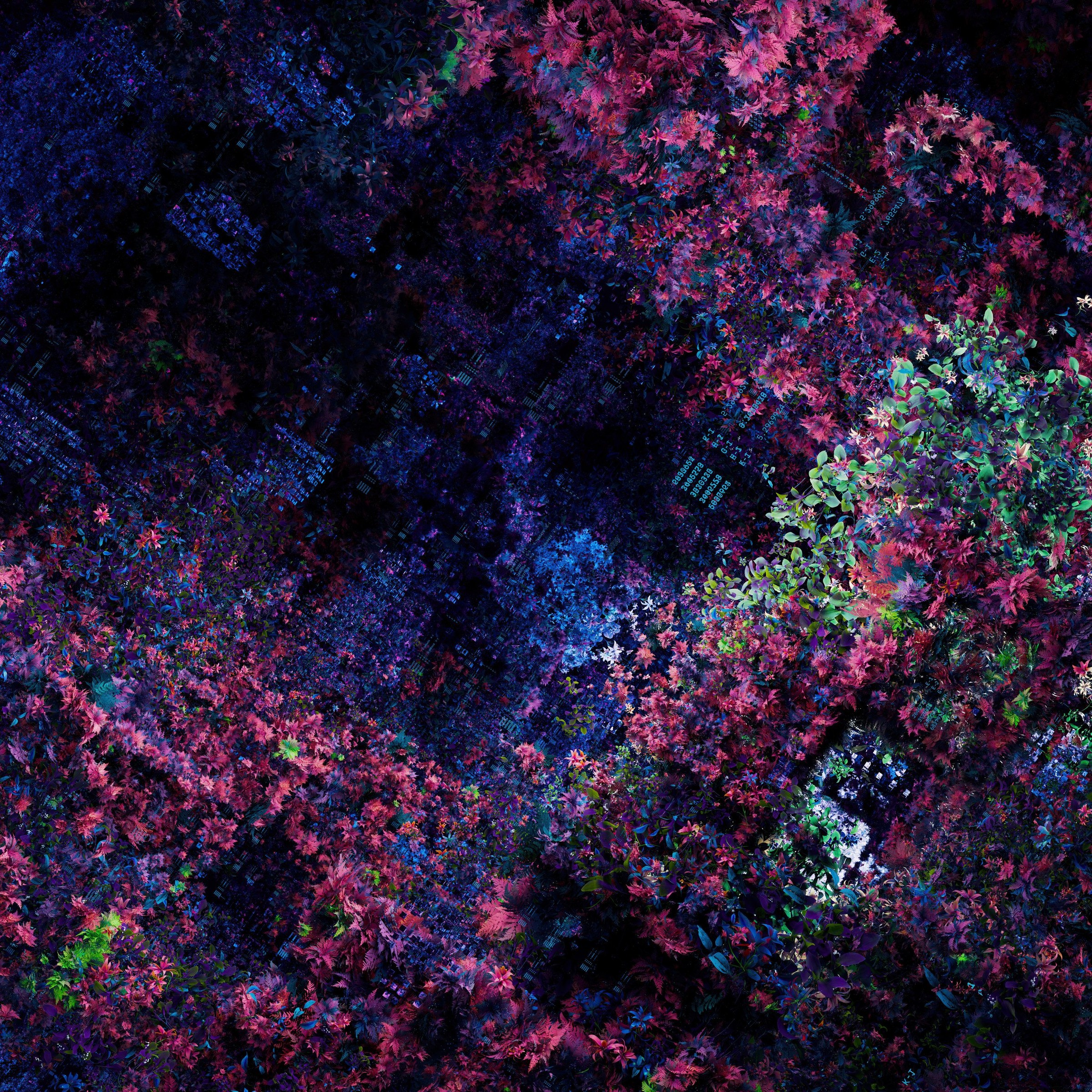
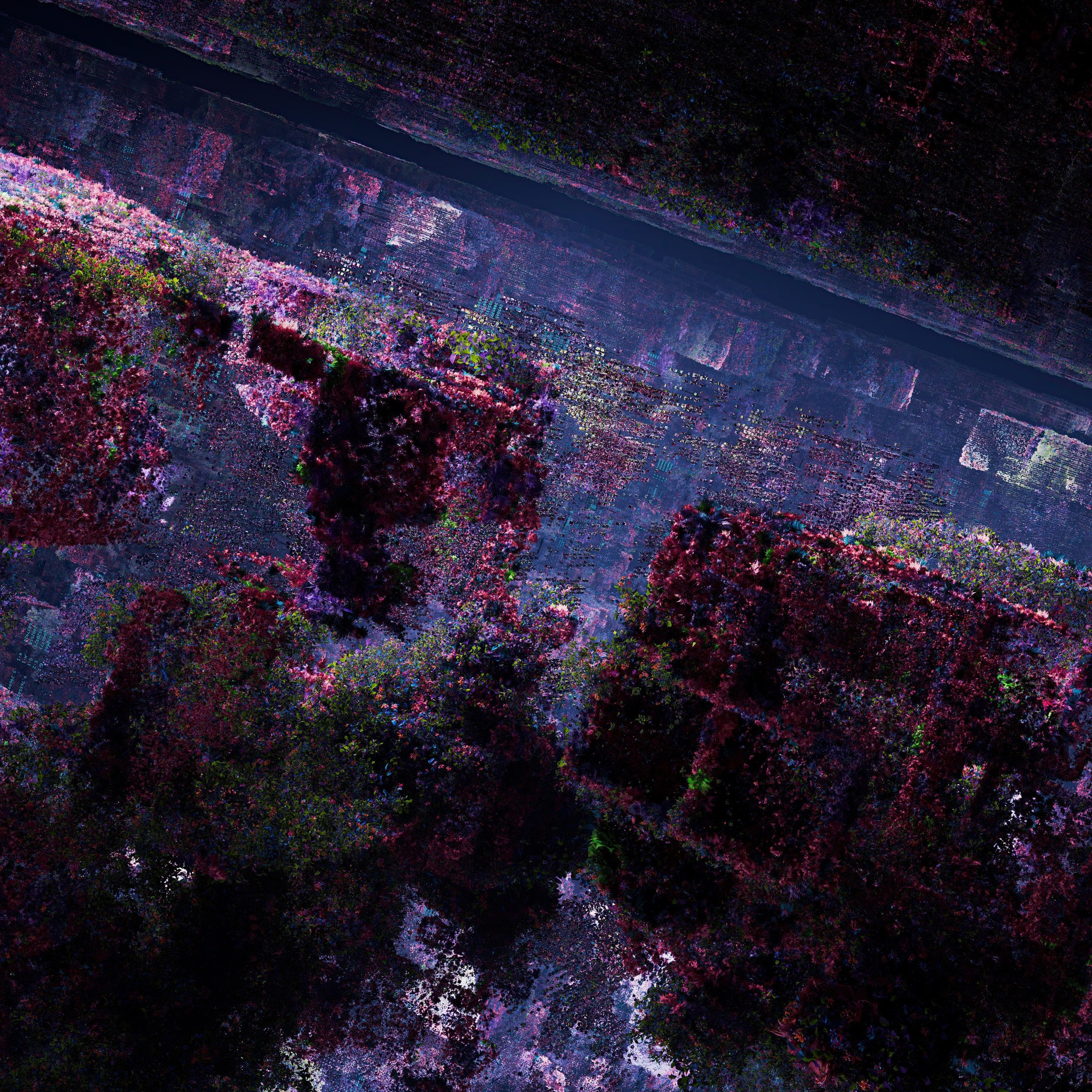
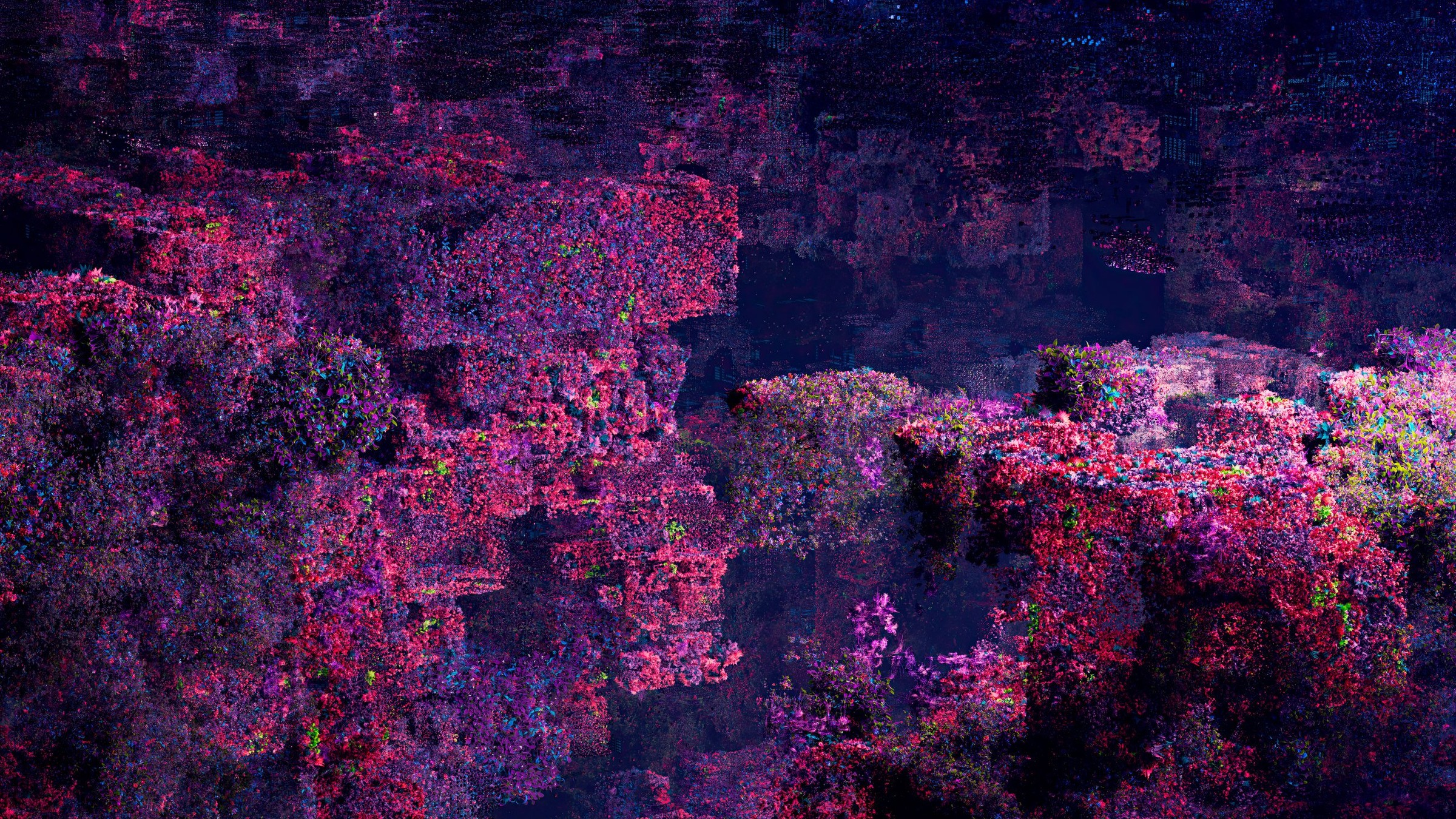
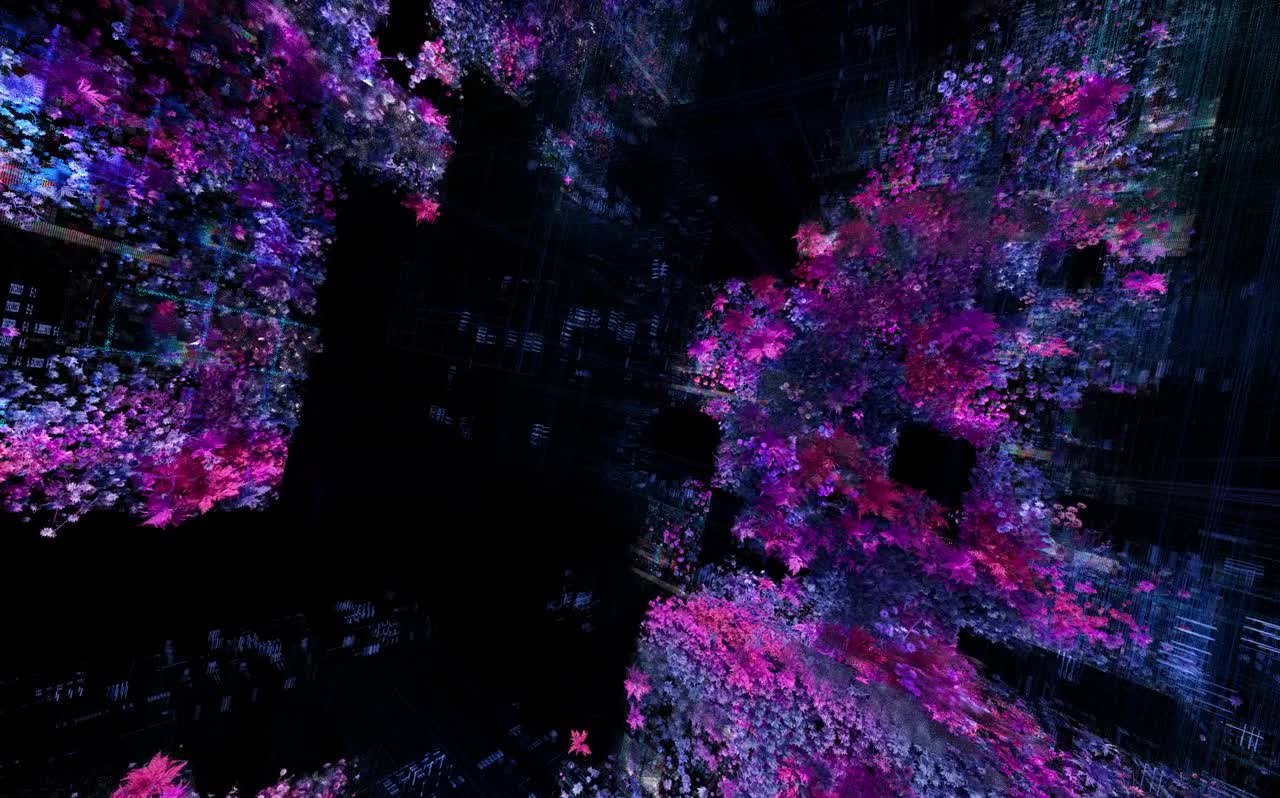
Foreground + Background Growth
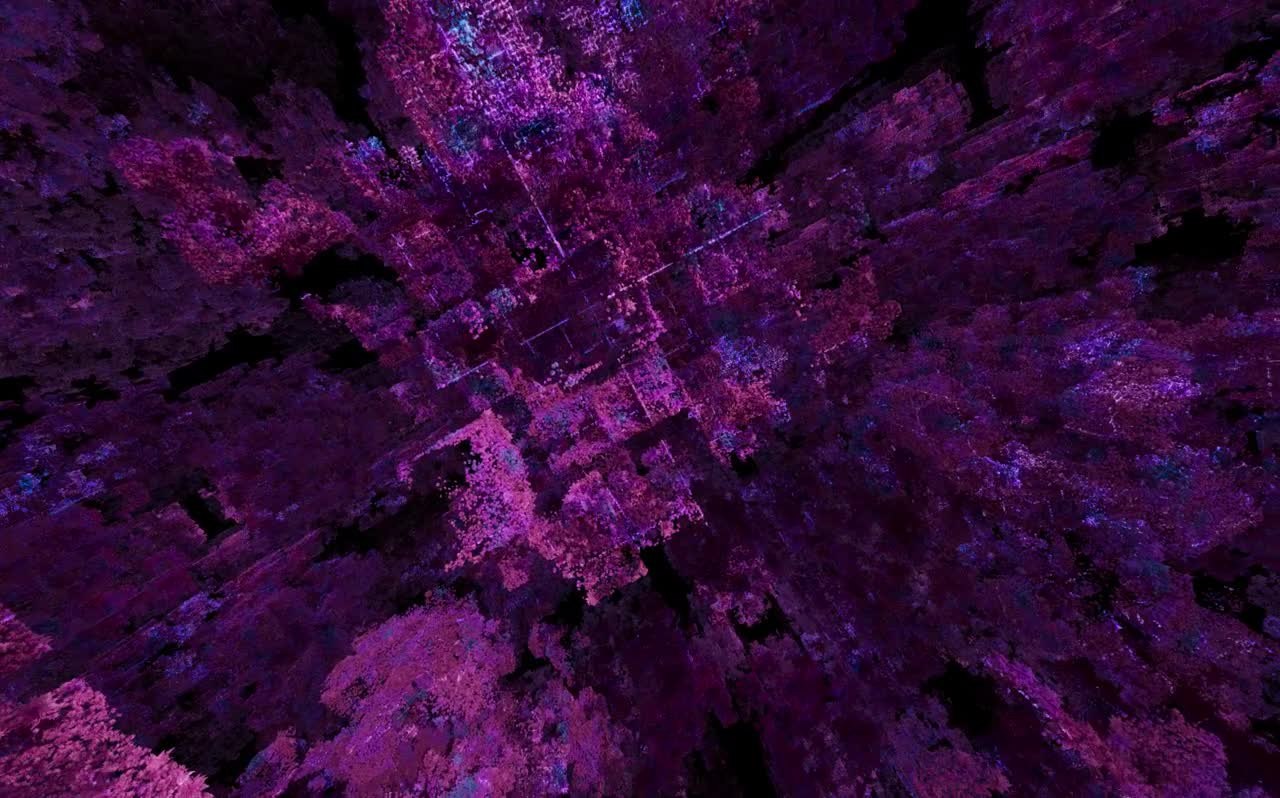
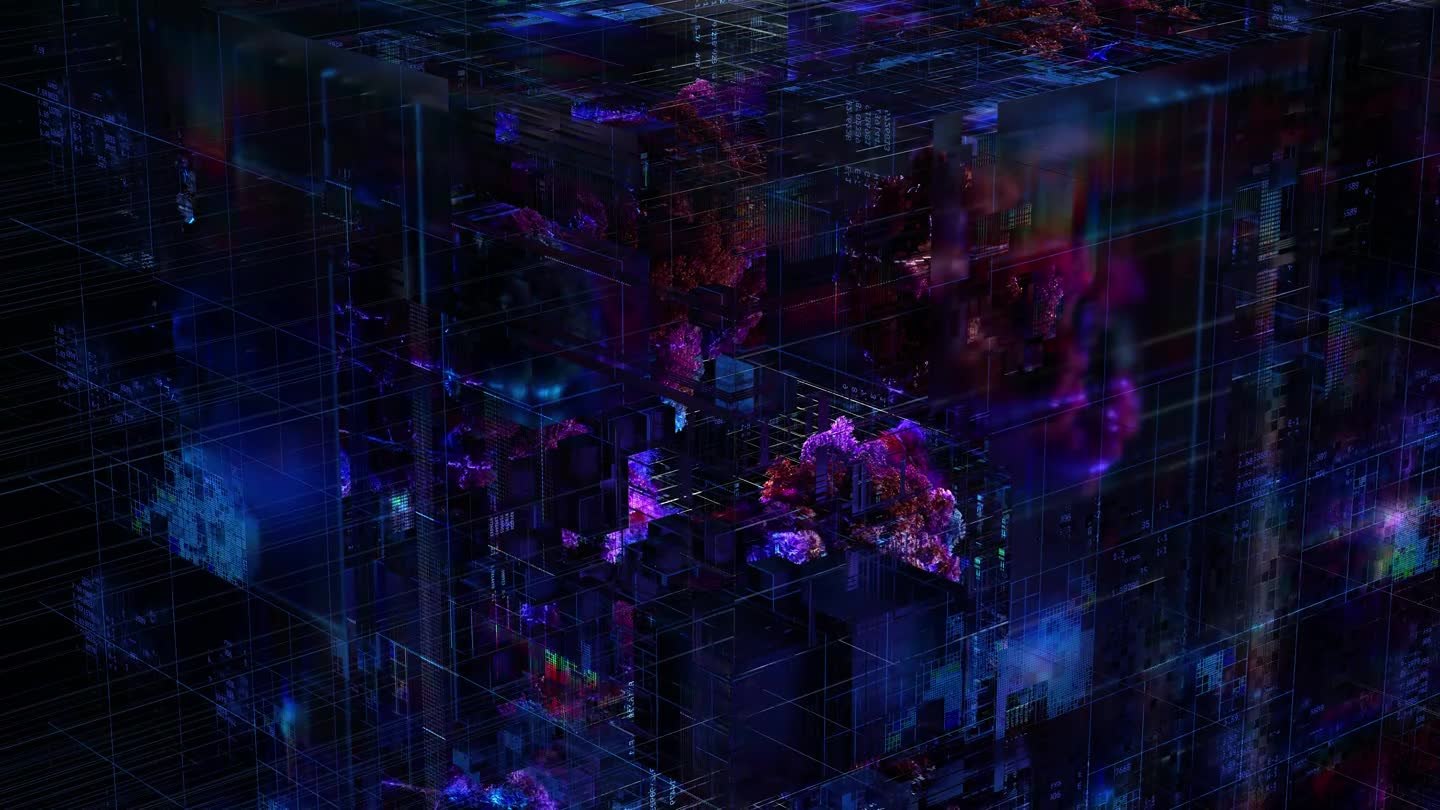
Volume Growth Study
02.4 TRANSPOSITION
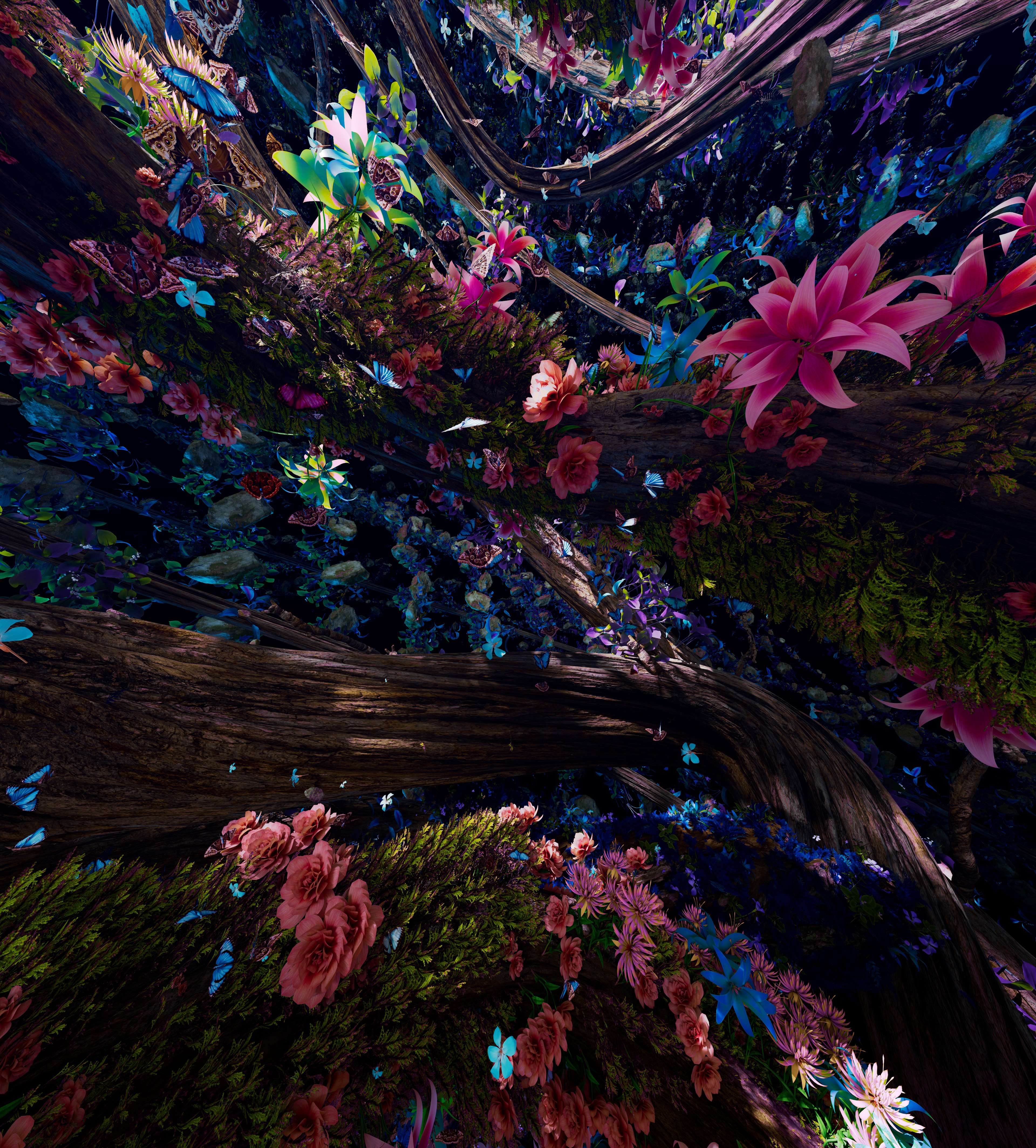
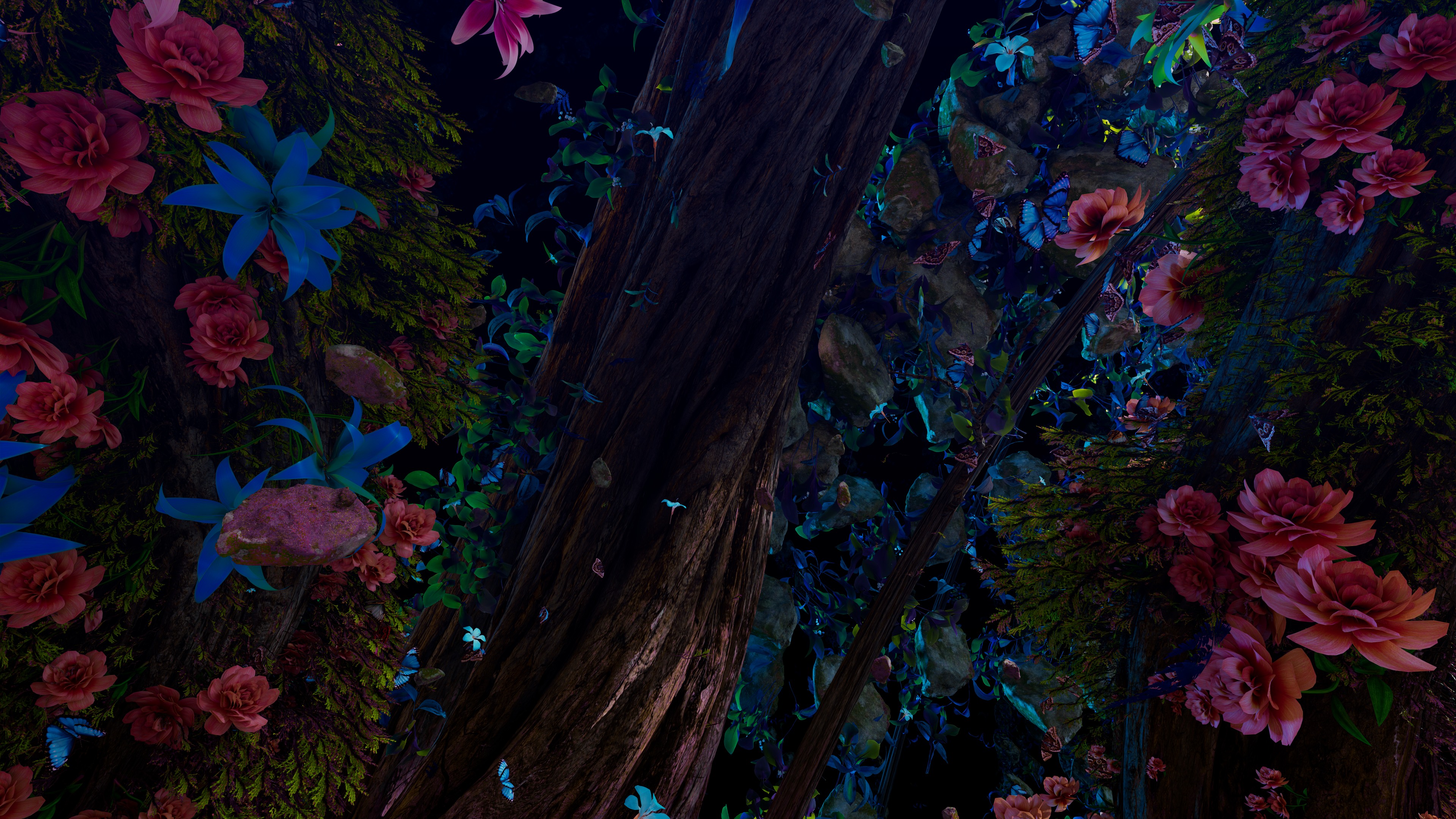
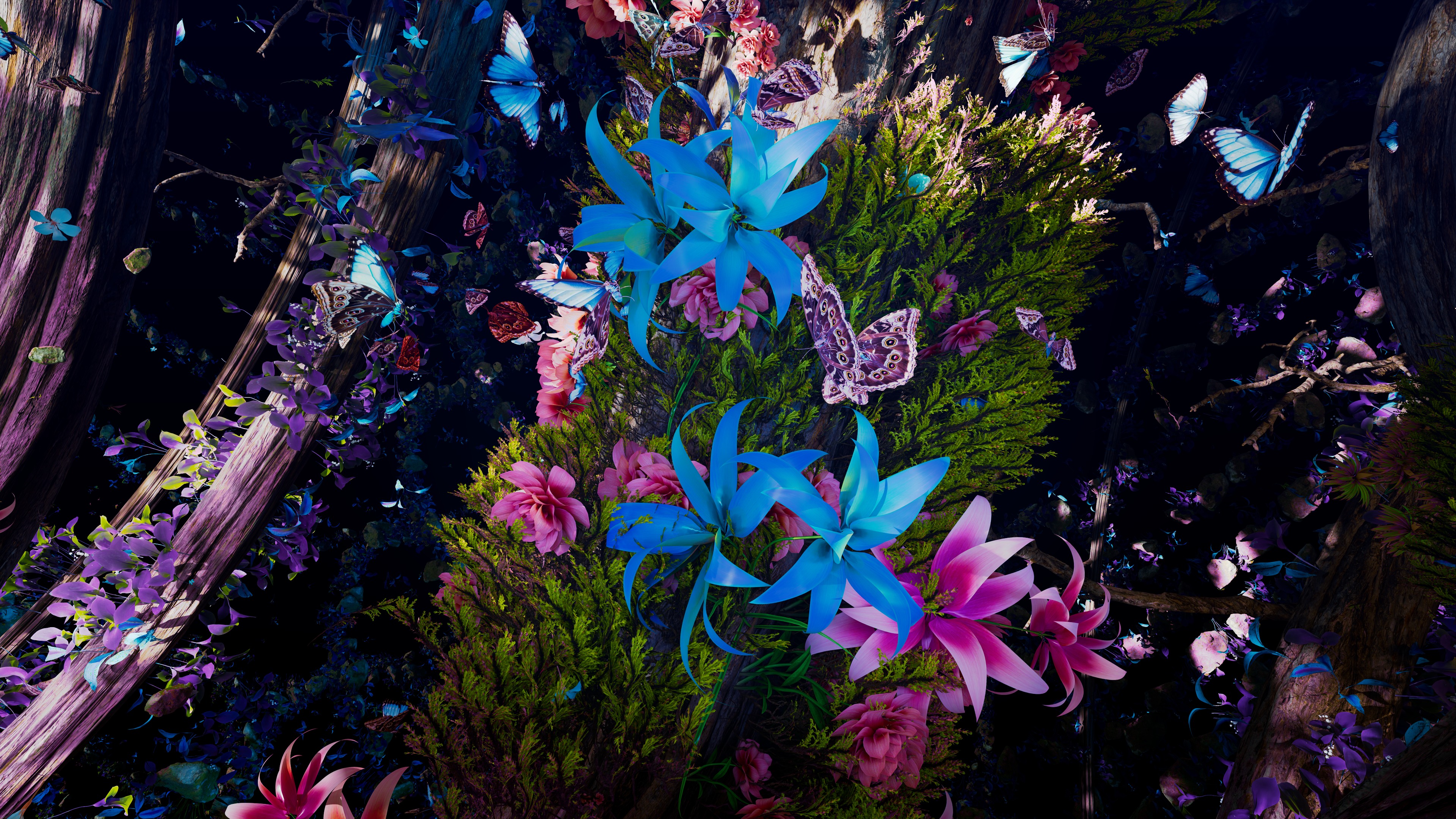
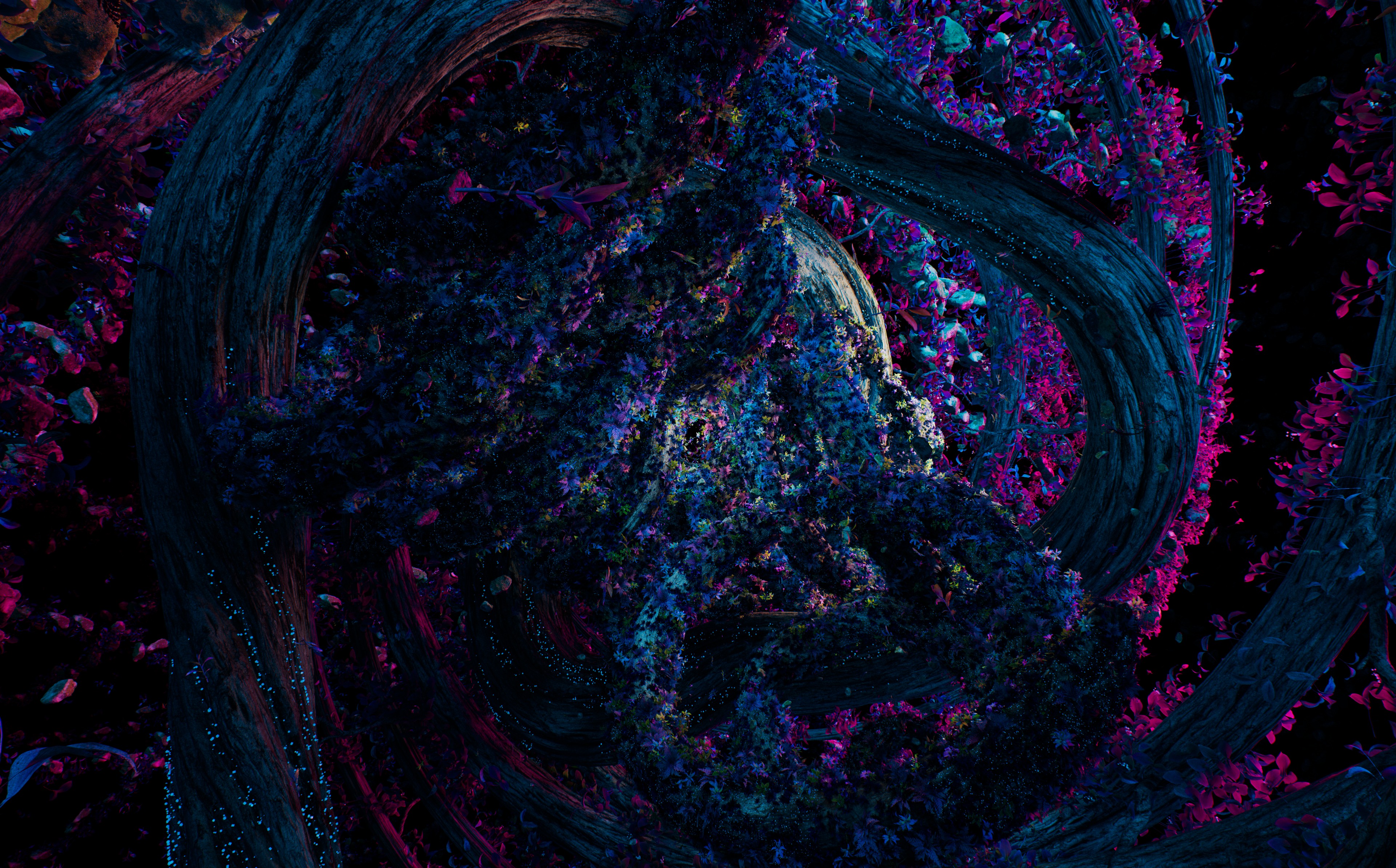
By this stage, the machine has moved beyond imitation and begins to work with natural forms more freely. The shapes become more organic and expressive, no longer bound as closely to the algorithmic structures that defined the earlier studies.
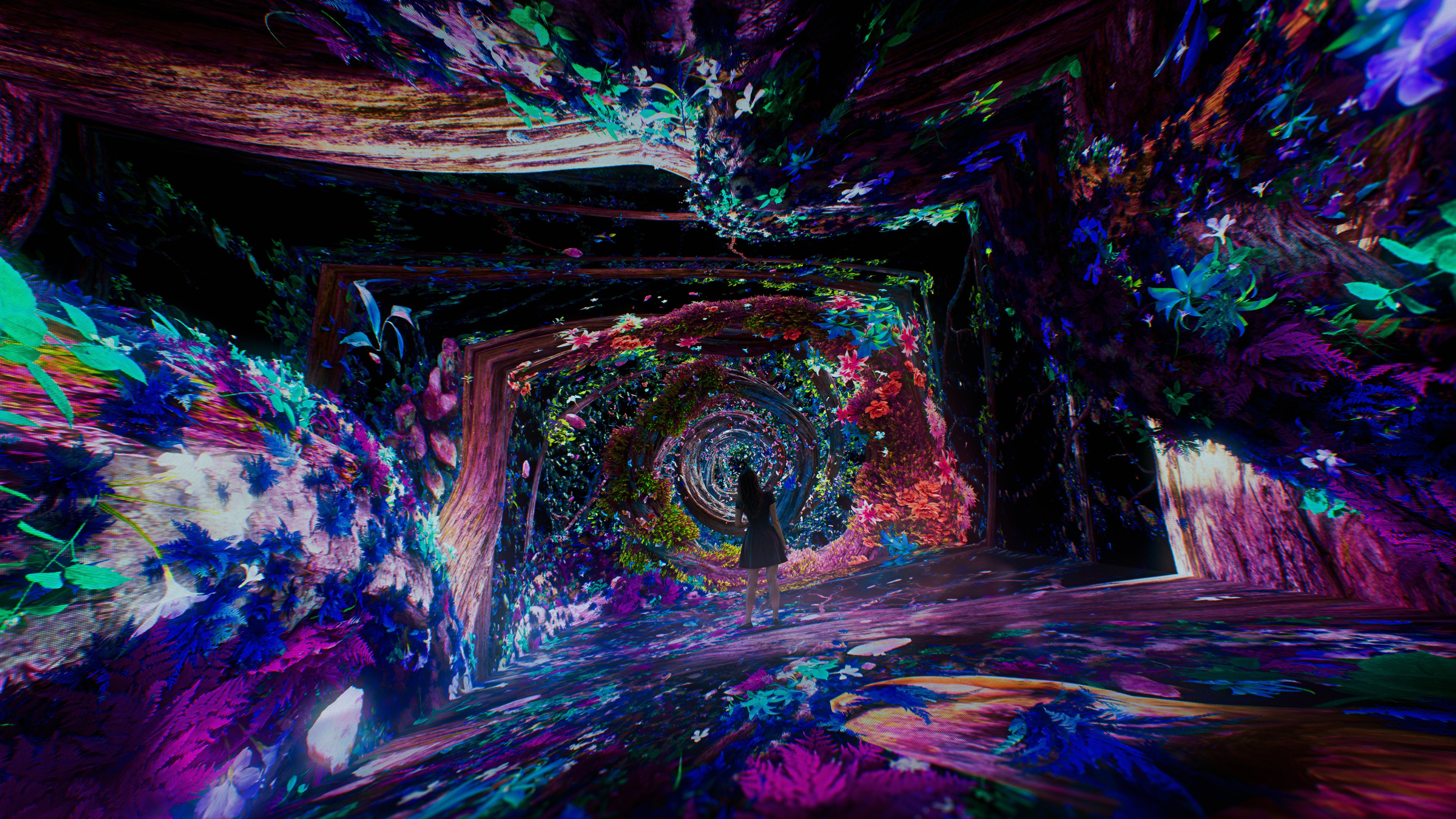
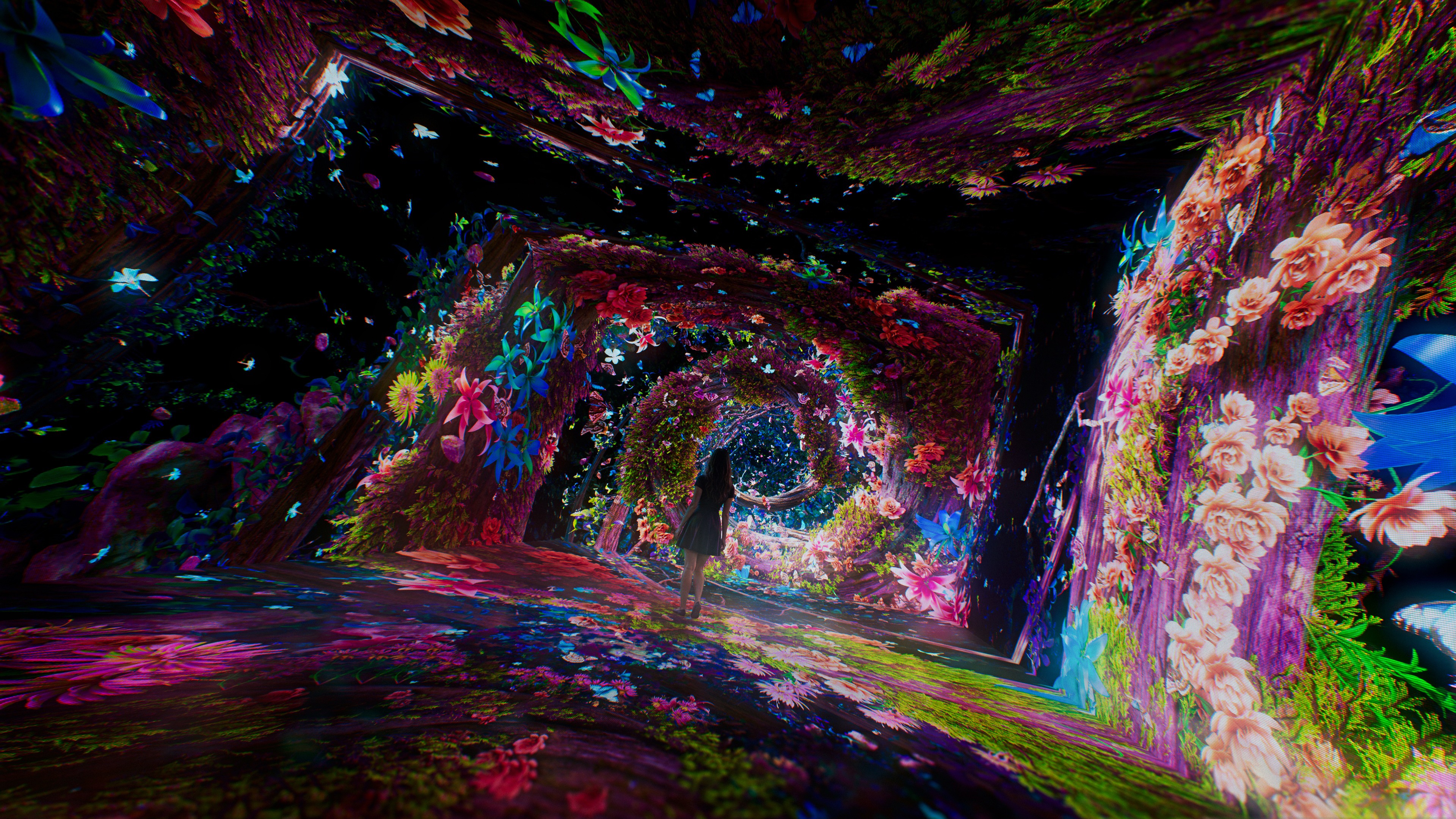
A floral helix grows around the viewer, using those forms as a compositional system rather than as objects to be reconstructed. Transposition marks a state of greater control, where nature becomes a material the machine can organize and express with, carrying the audience toward the fully realized natural dream world that follows.
The core floral sequence was produced primarily by another artist. Rigley’s role centered on integrating the scene into the surrounding visual language, shaping the transition between the computational and natural worlds, and managing the shot through final production and delivery.
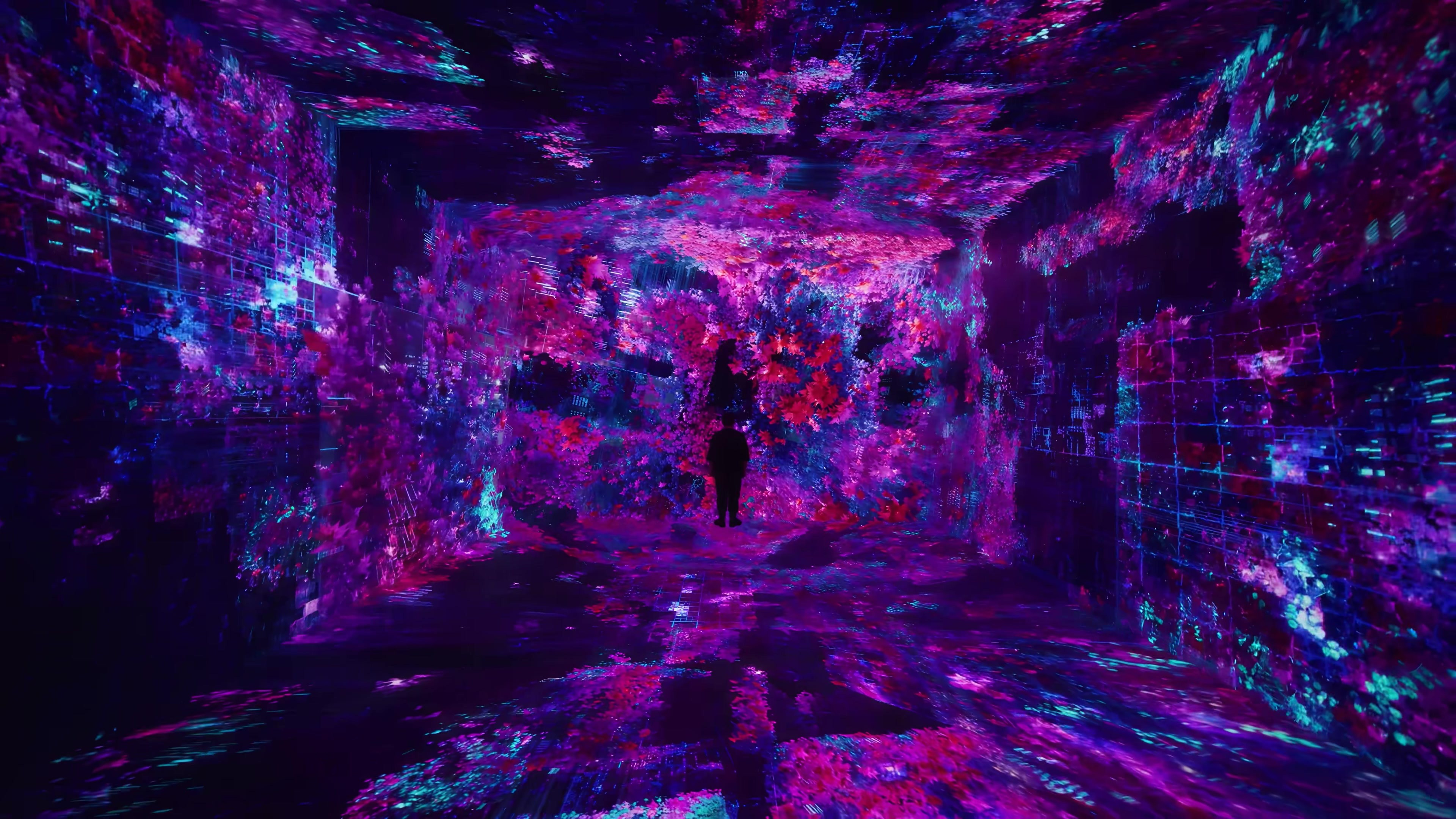
Infinity Room Installation
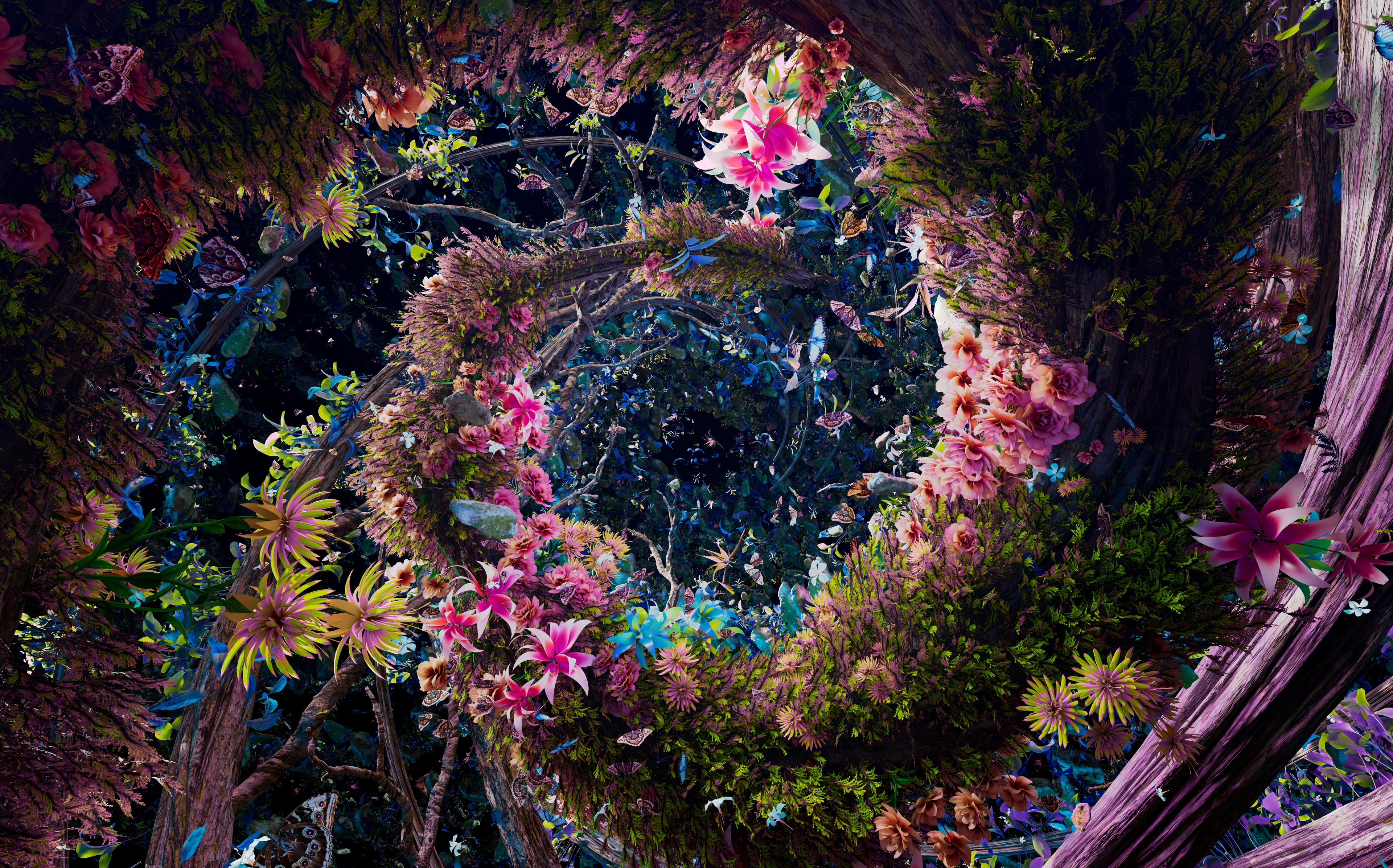
Floral Spiral
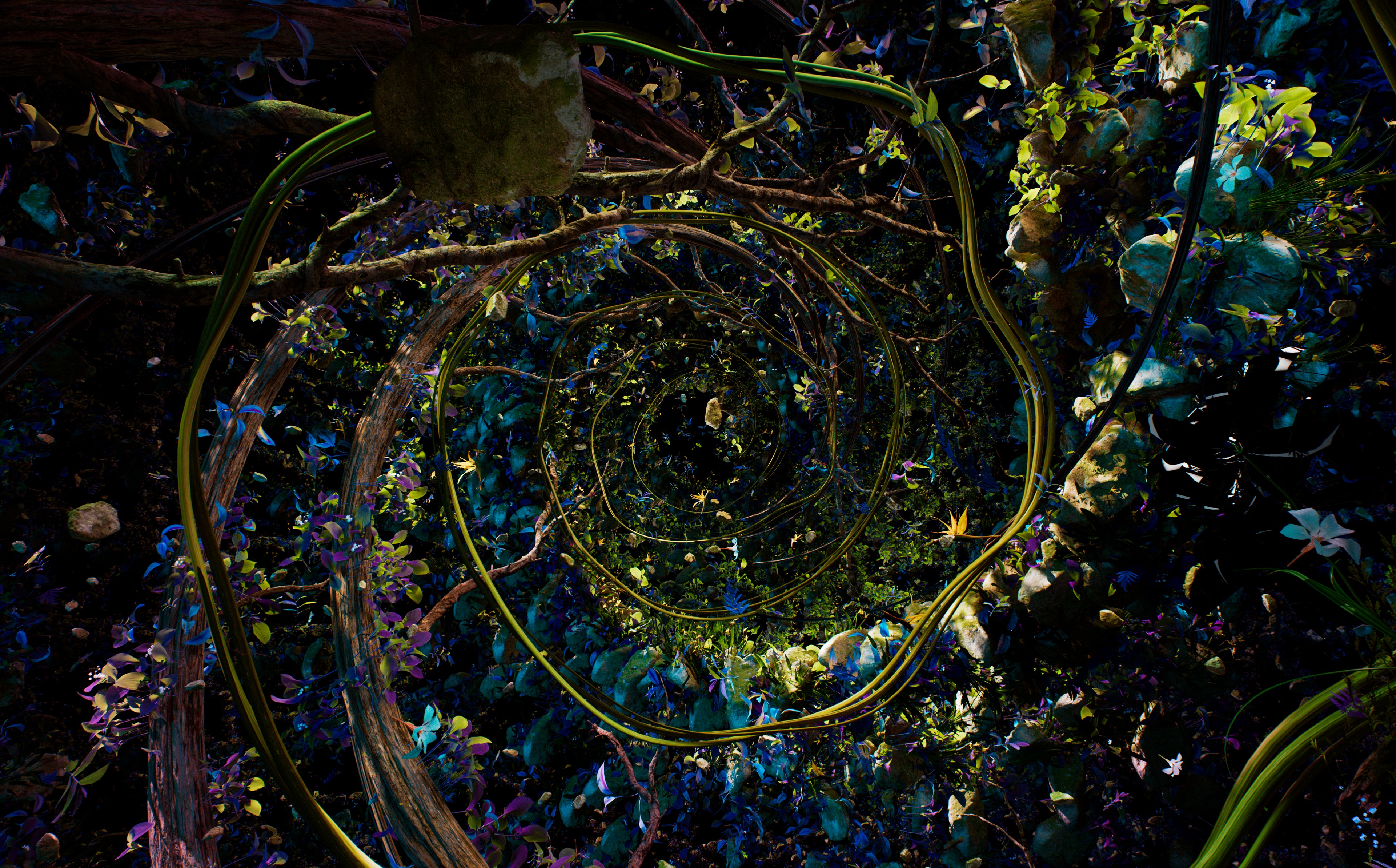
Color Exploration
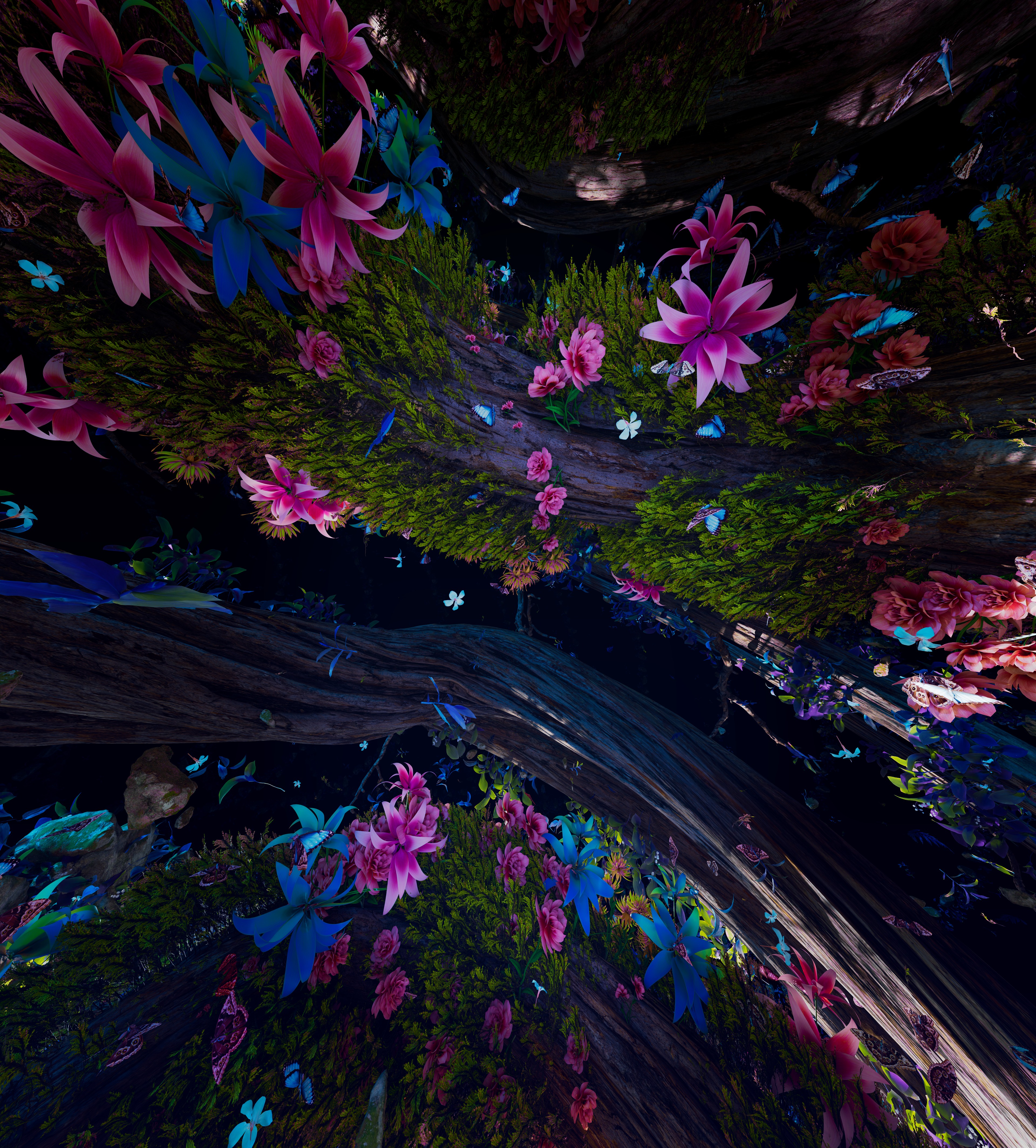
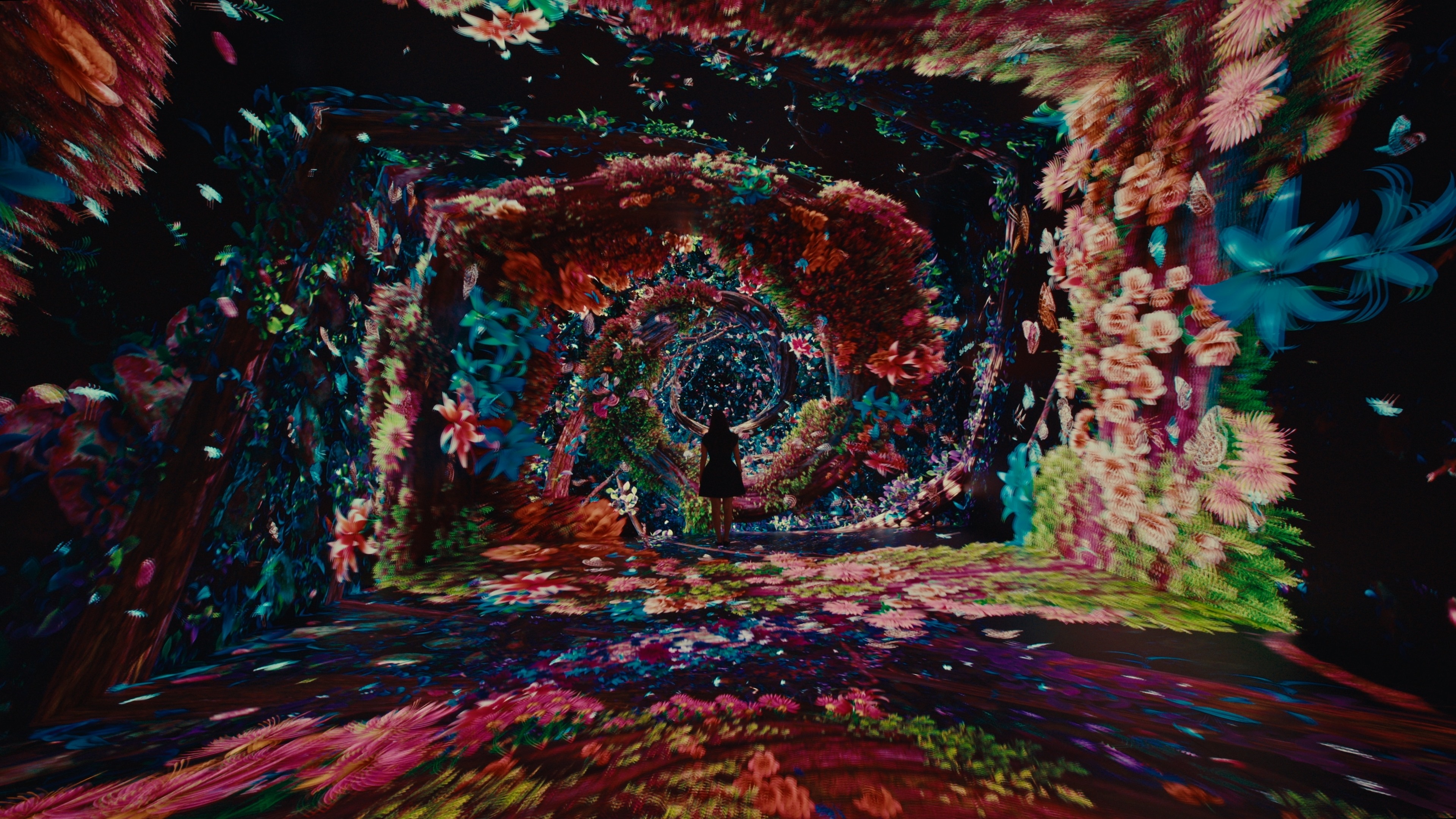
Floral Passage
02.5 ARRIVAL
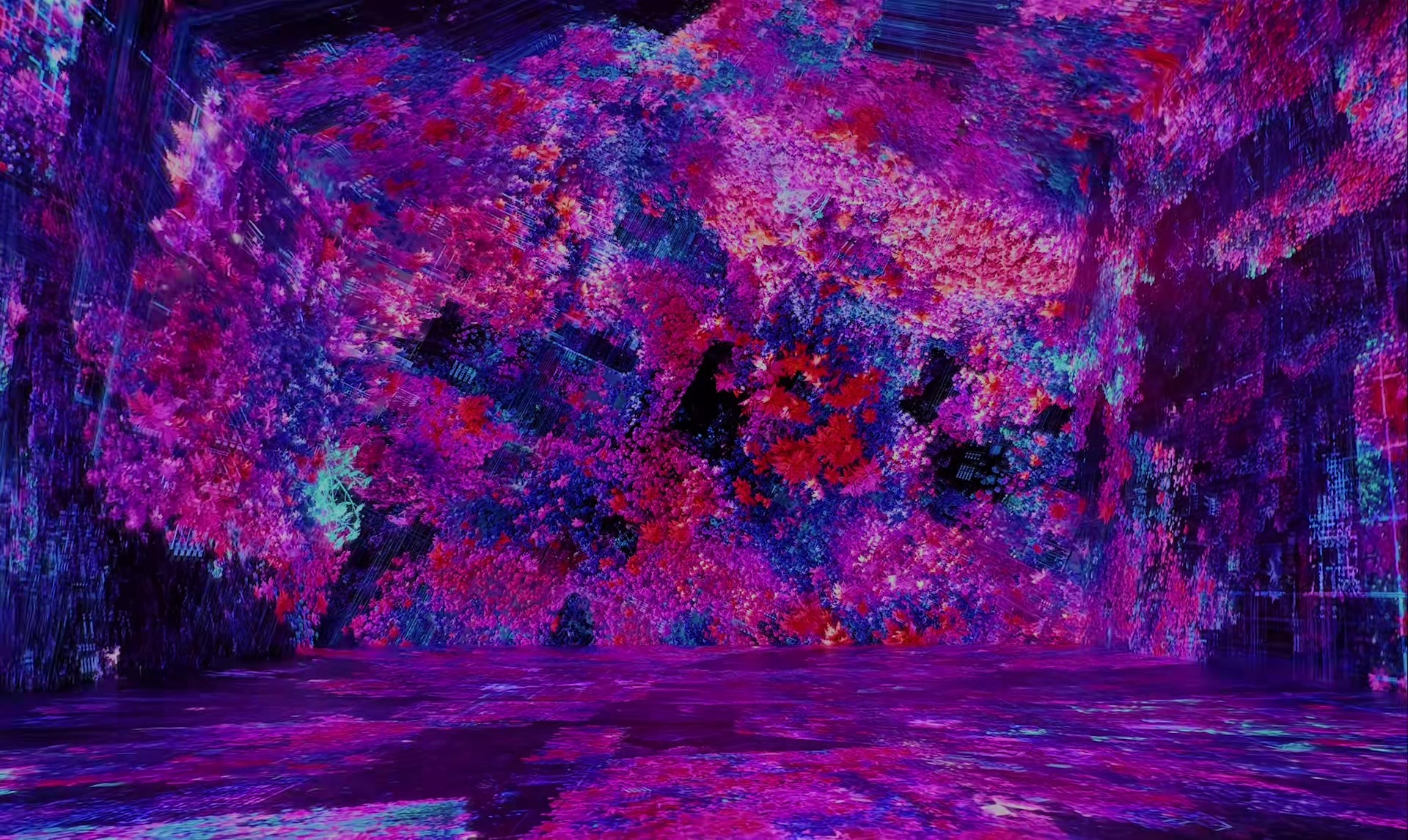
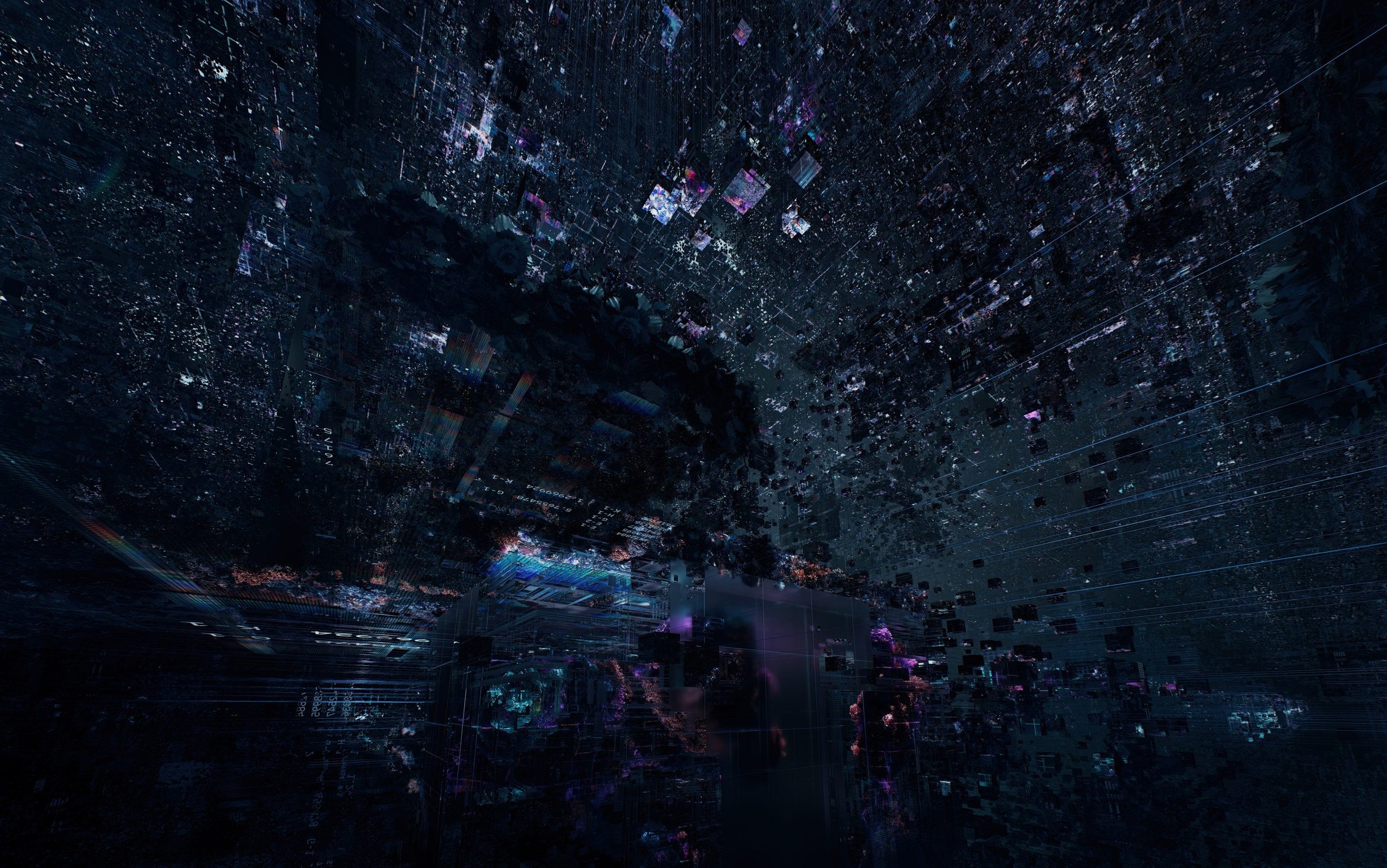
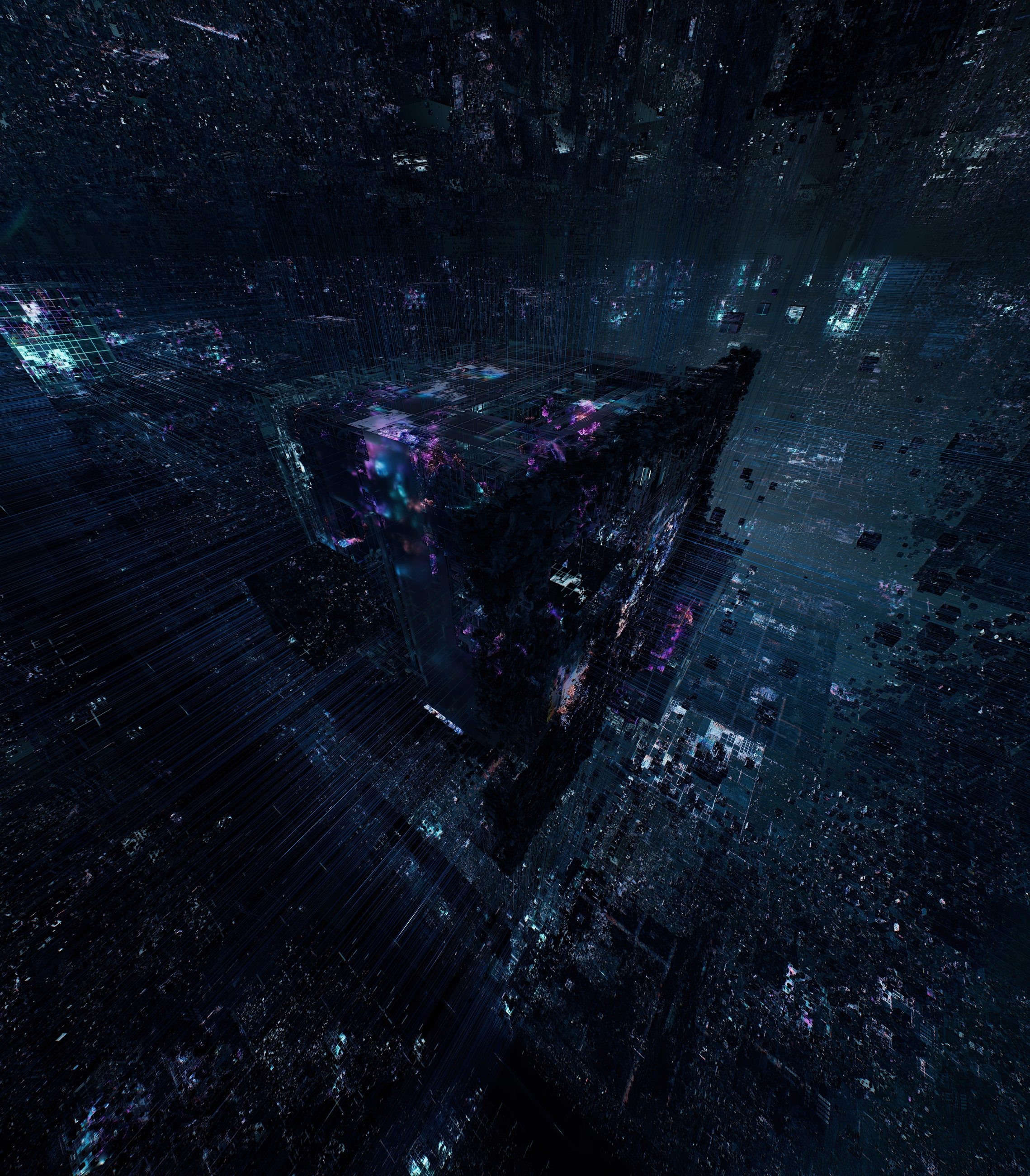
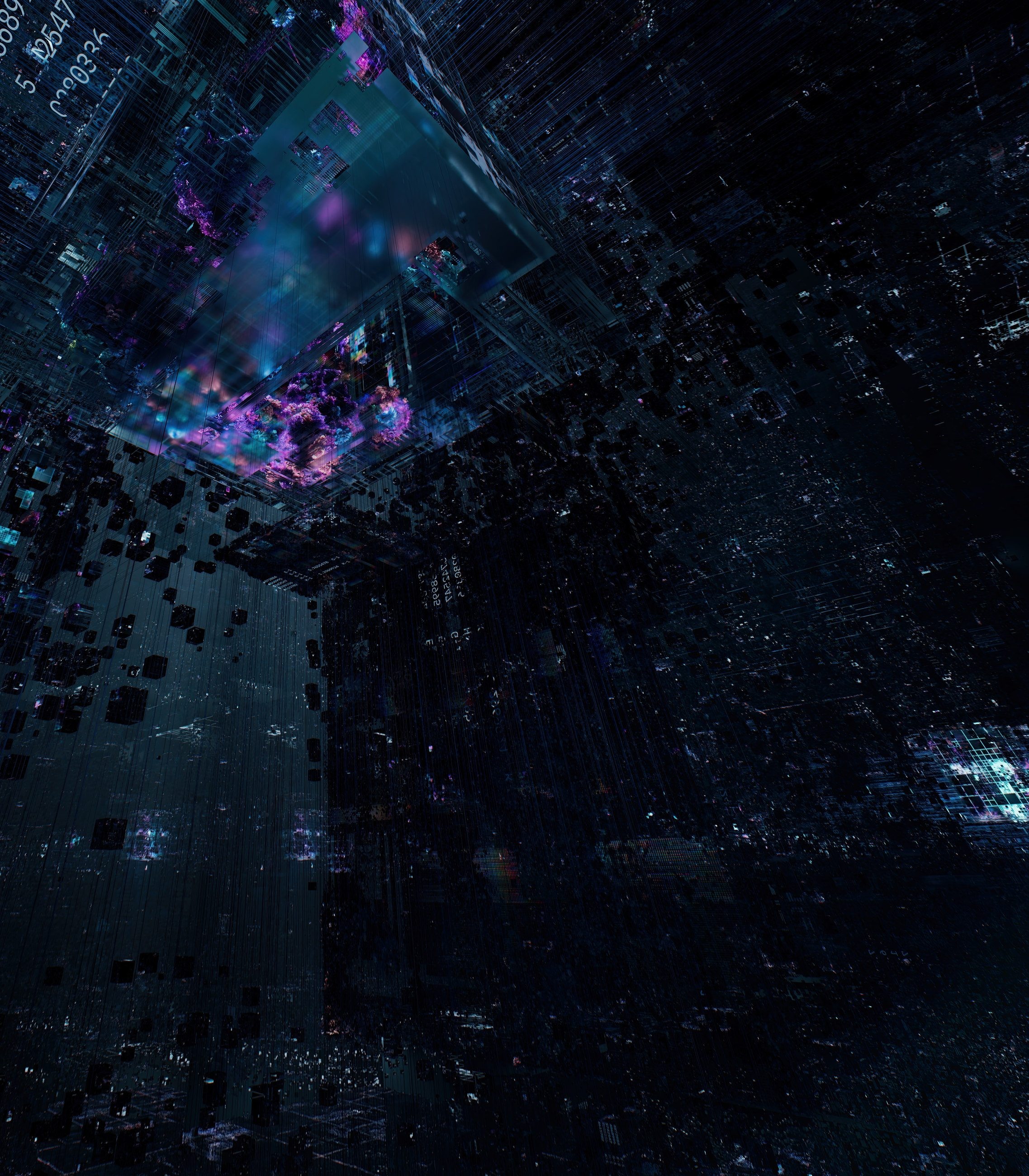
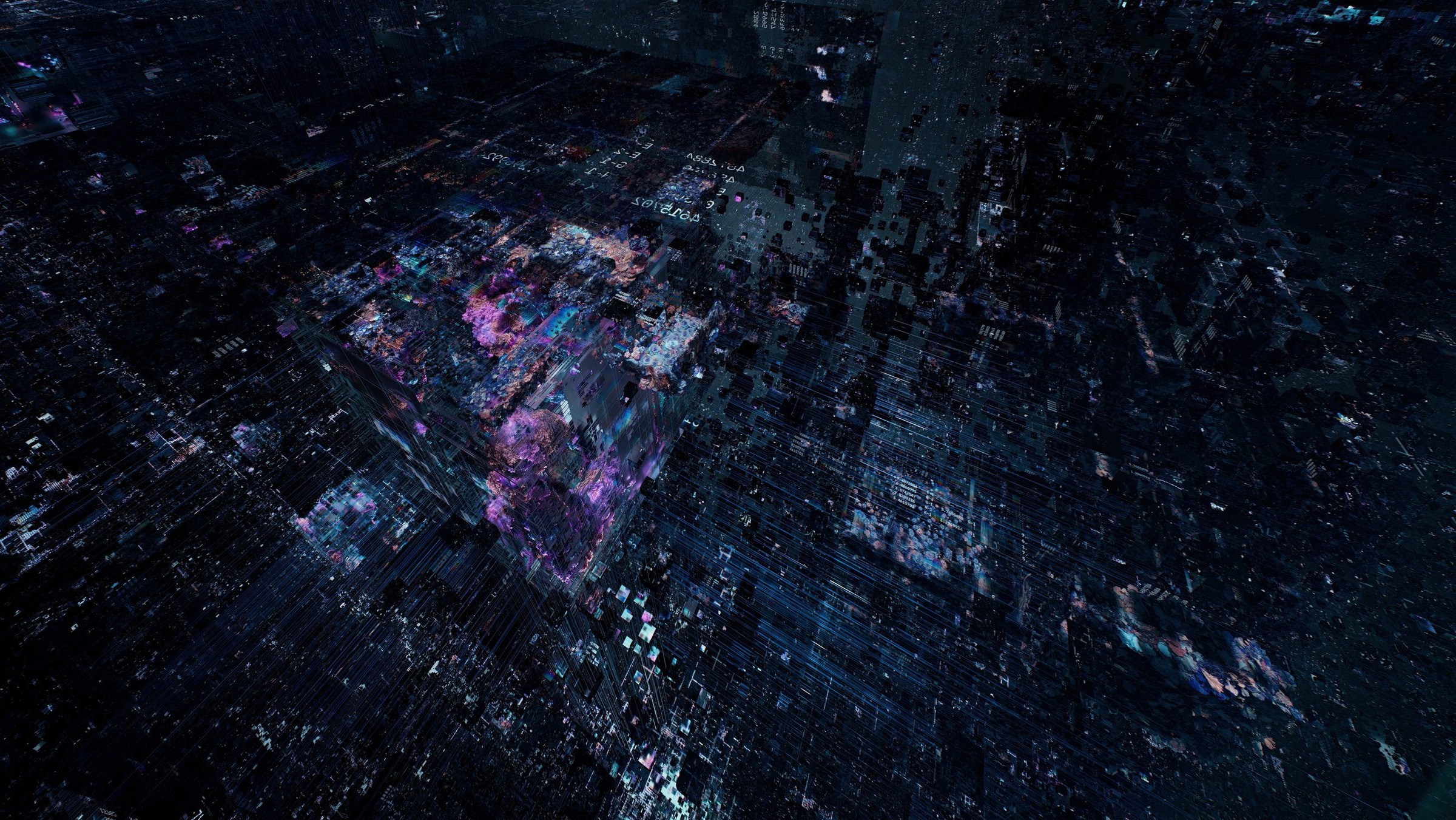
The climactic tunnels make a hard break from the natural world developed through the preceding sequence. Representation falls away as the experience moves into an overtly mechanical, psychedelic, and increasingly complex interior space.
Here, the machine is no longer attempting to describe or reconstruct nature. The imagery becomes fully algorithmic expression, built from the internal logic of the system itself.
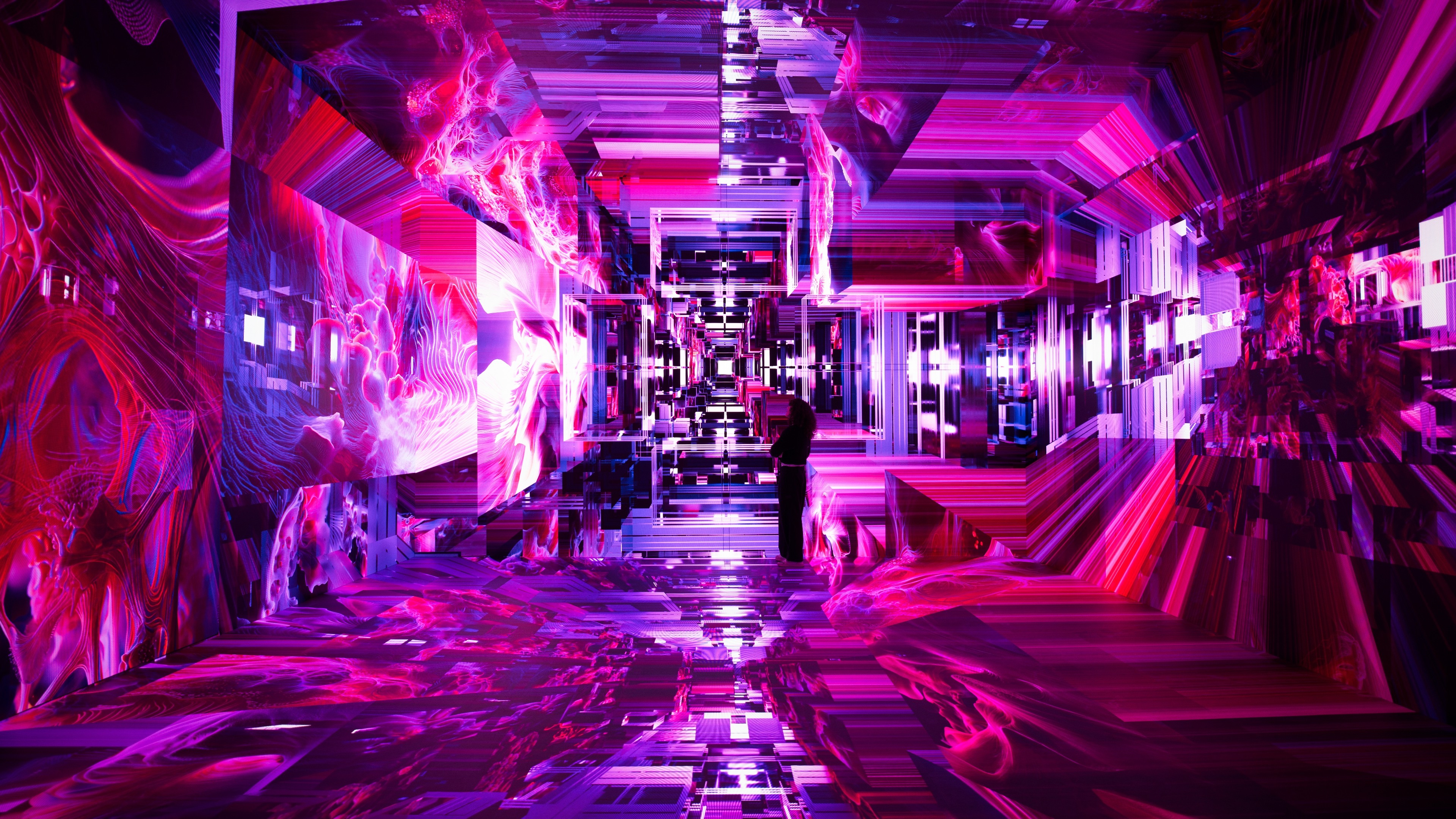
Tunnel Environment
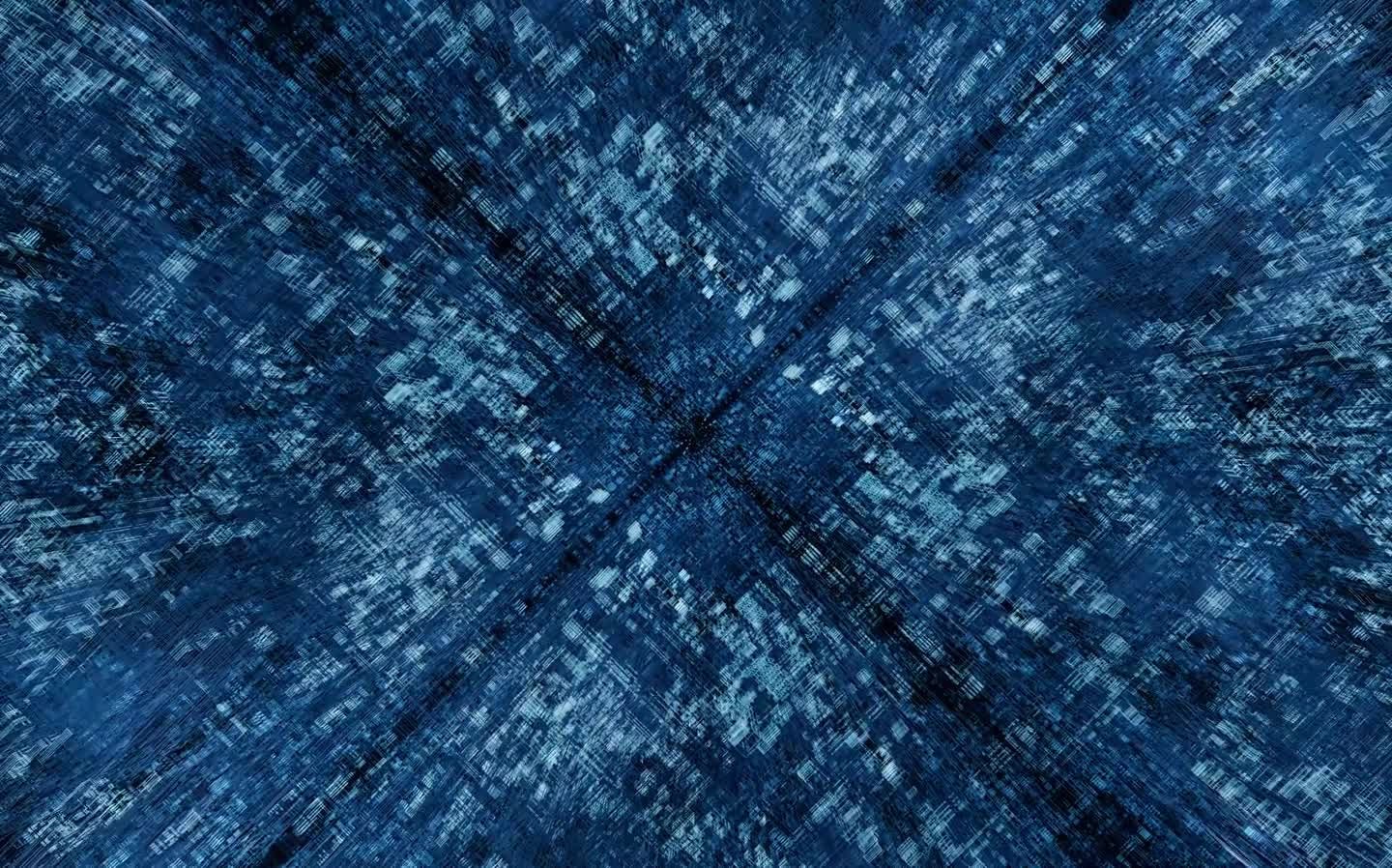
Tunnel Motion Studies
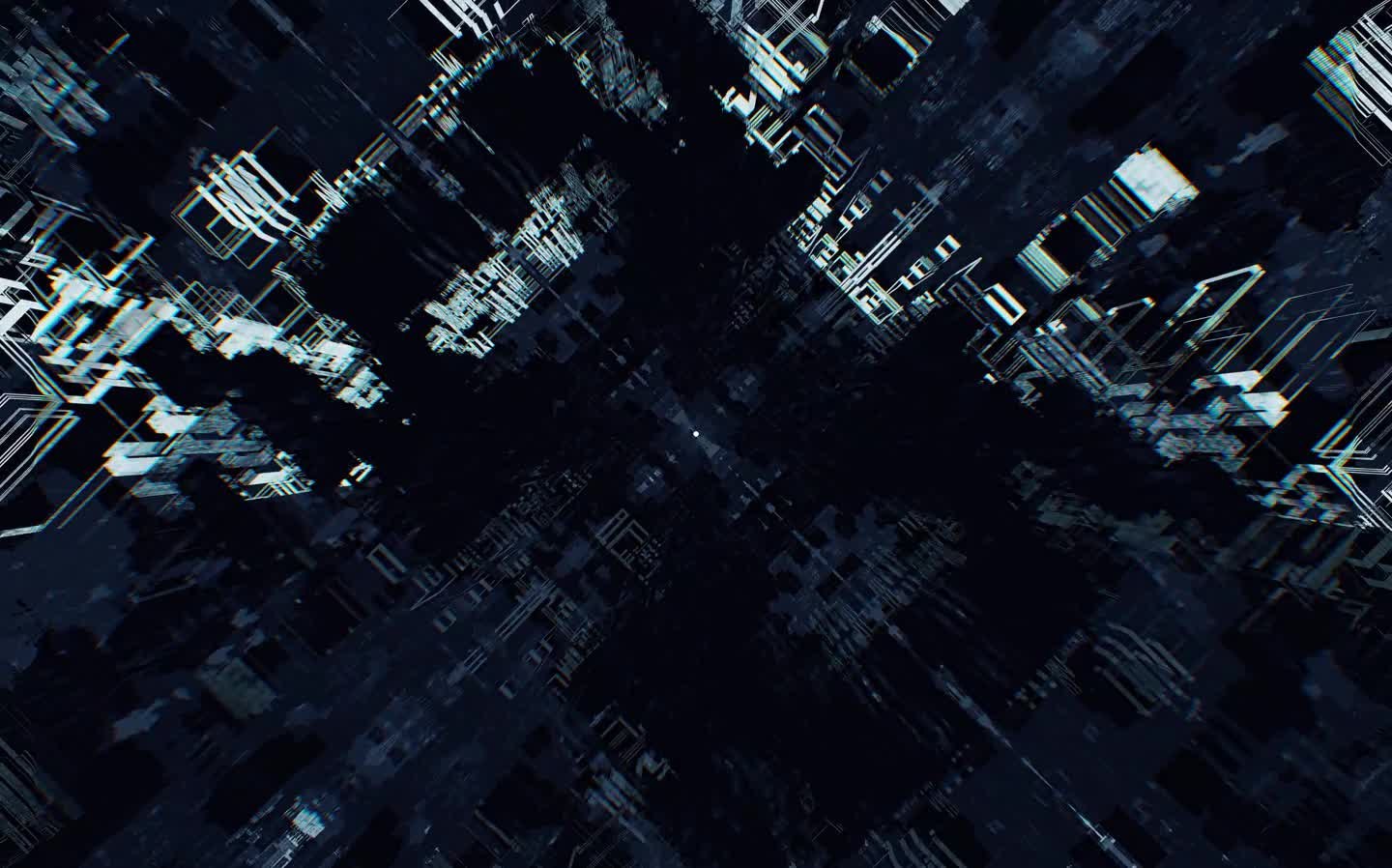
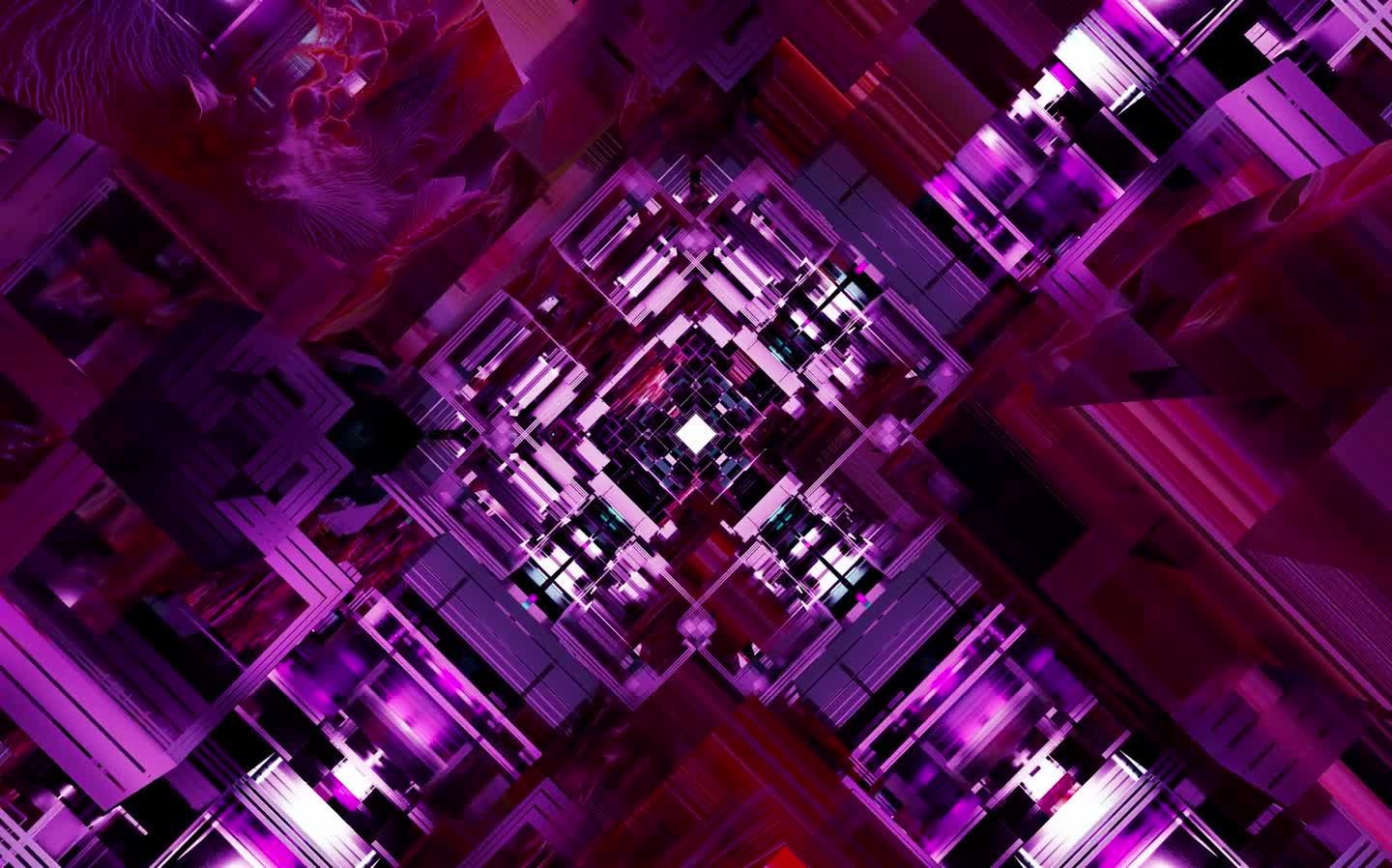
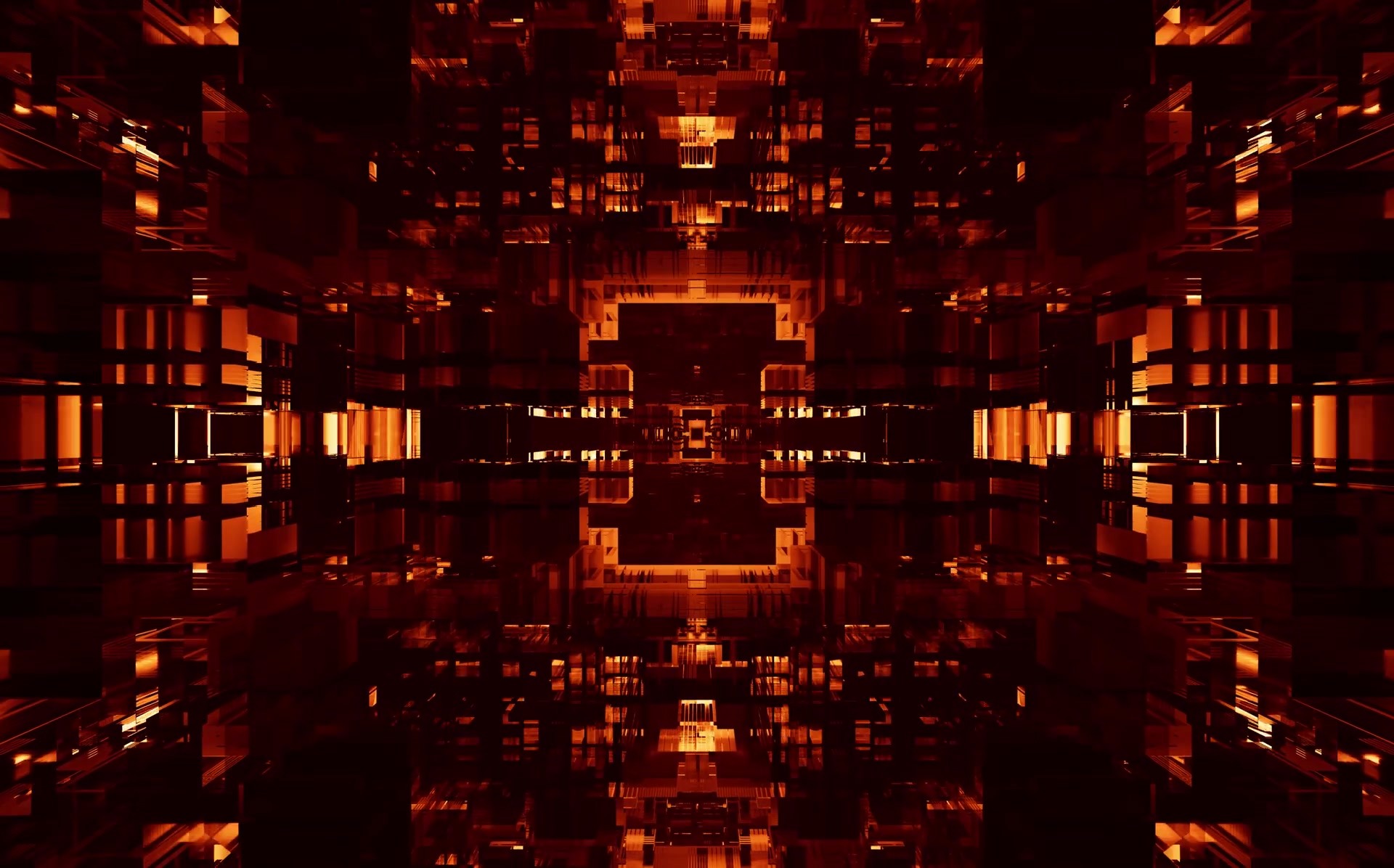
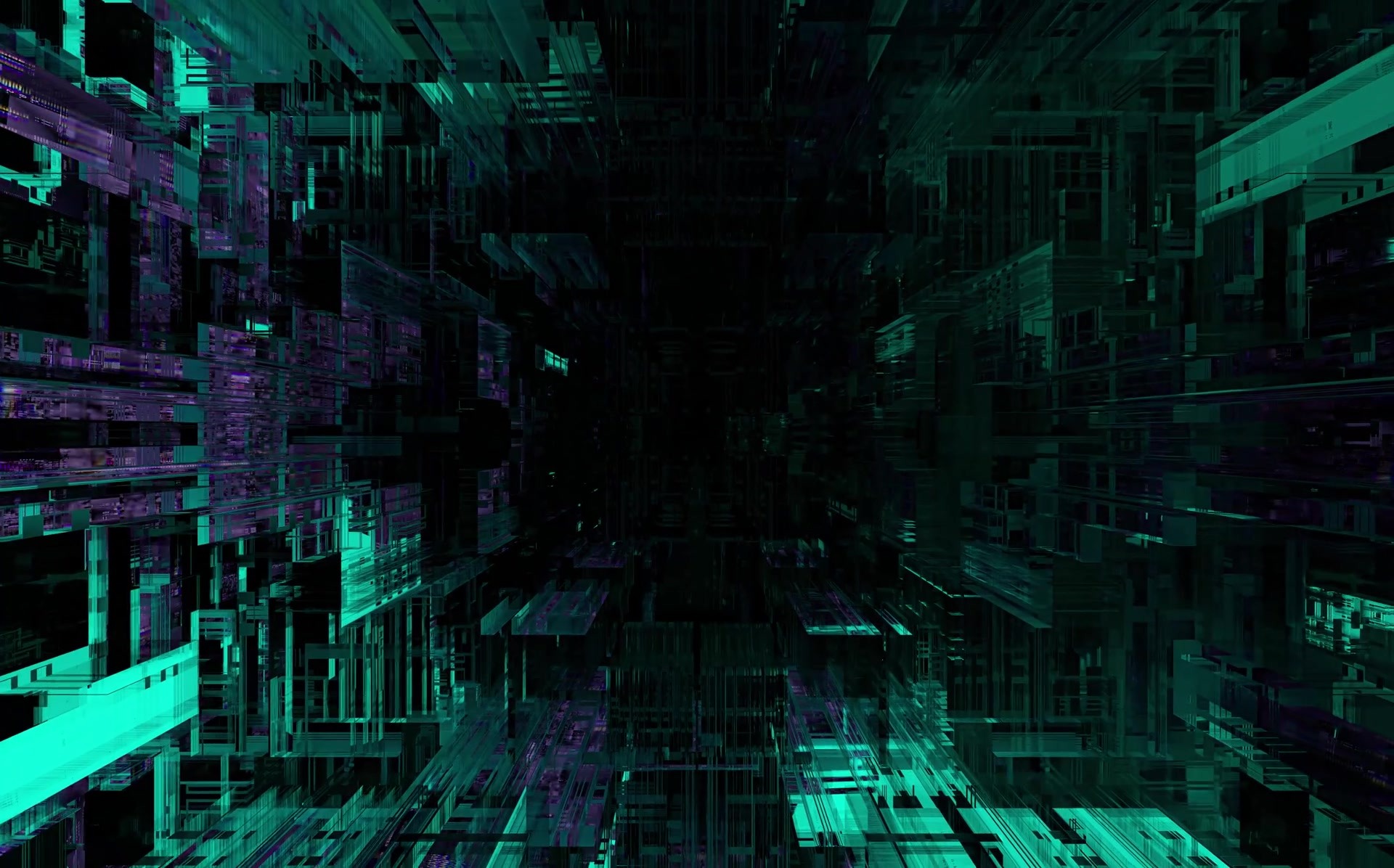
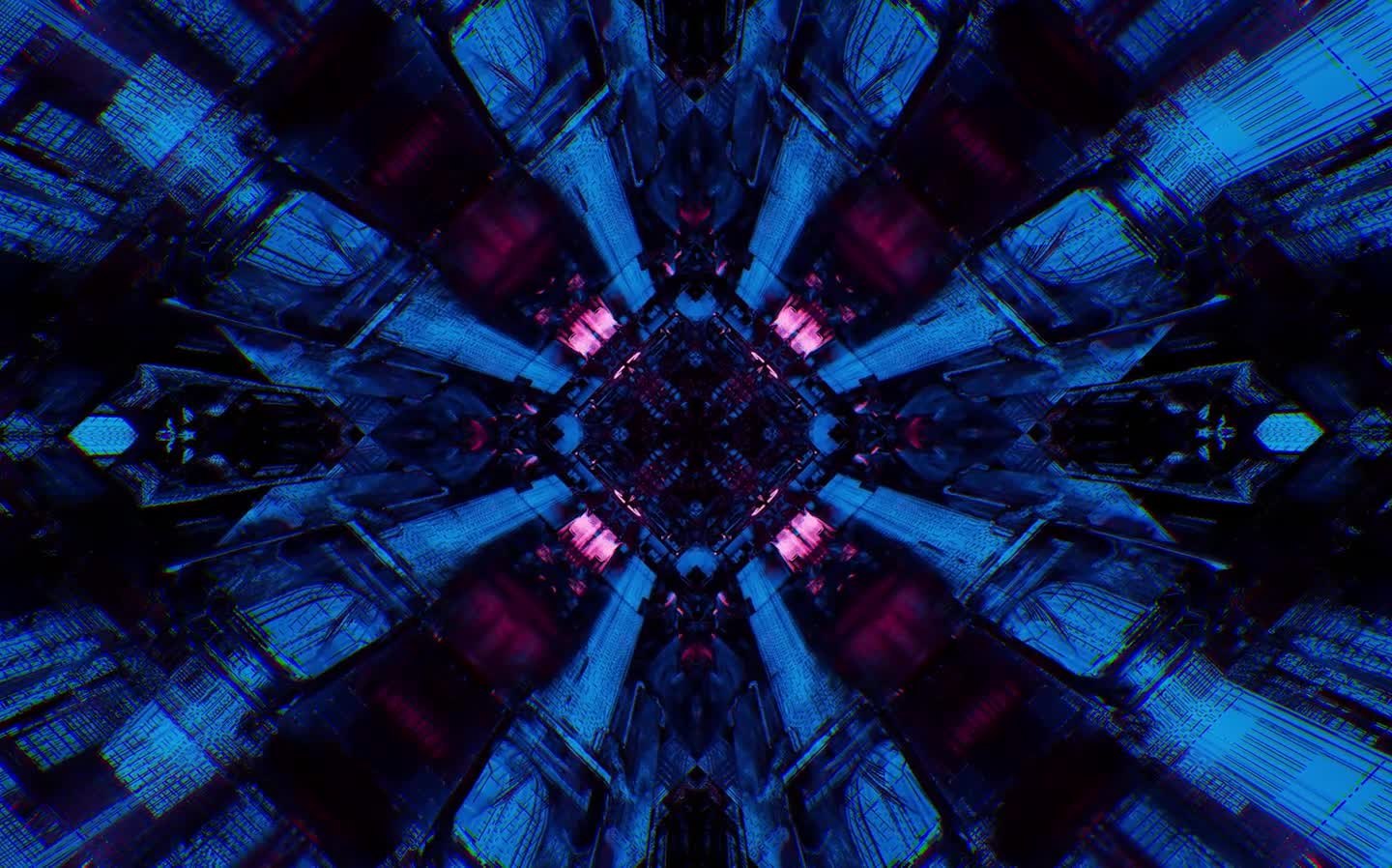
Radial Motion Study
02.6 REFLECTION
A final collection of completed frames and animations isolates key moments from across the opening and tunnel sequences. Viewed outside the progression of the room itself, the work reveals how the same visual language was pushed through multiple states of abstraction, growth, transformation, and spatial resolution.
The collection also provides a closer view of the formal development behind the experience, from early graphic systems to the increasingly complex floral environments that define the climax of the journey.

Graphic Sequence
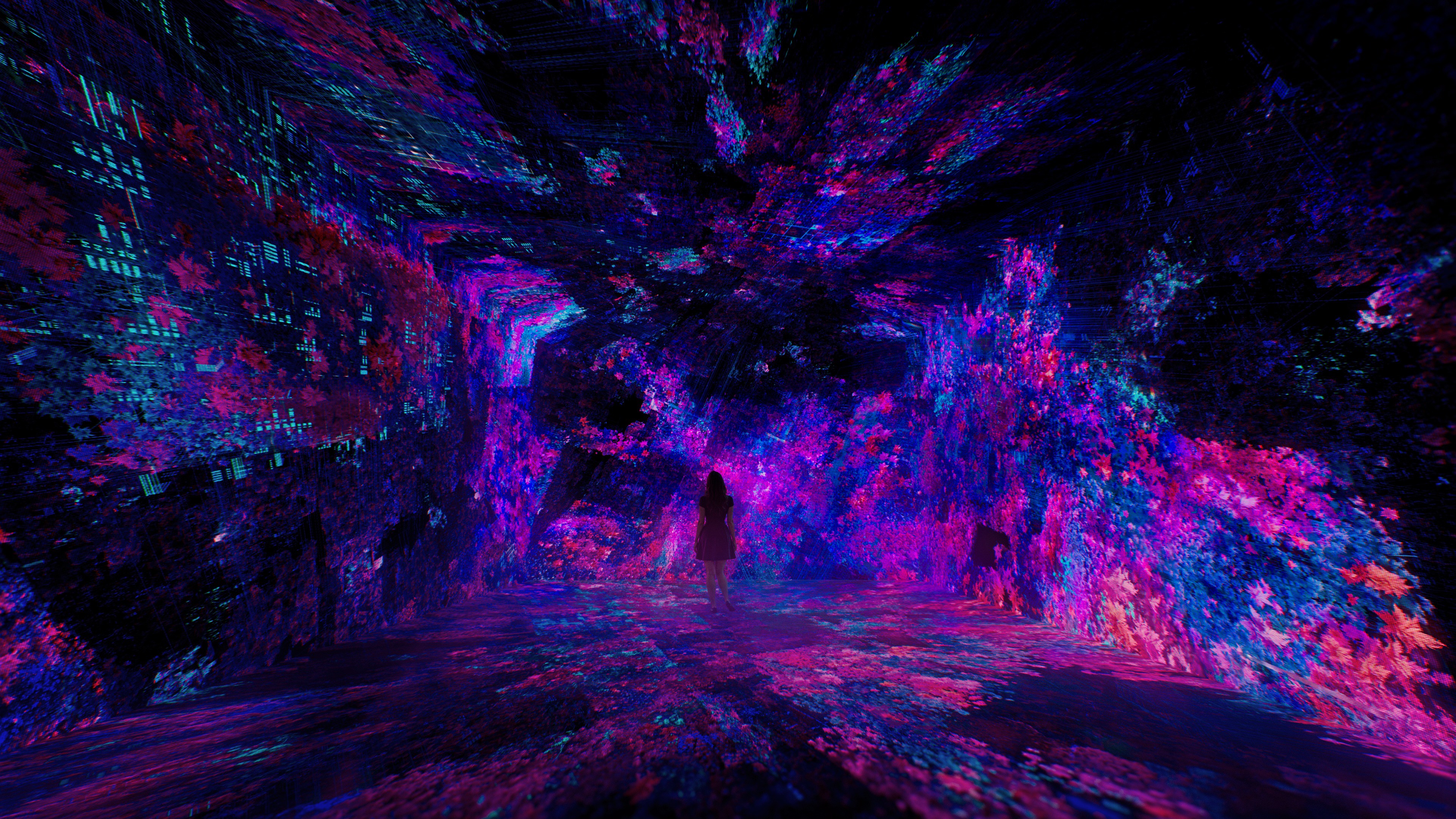
Flora Sequence
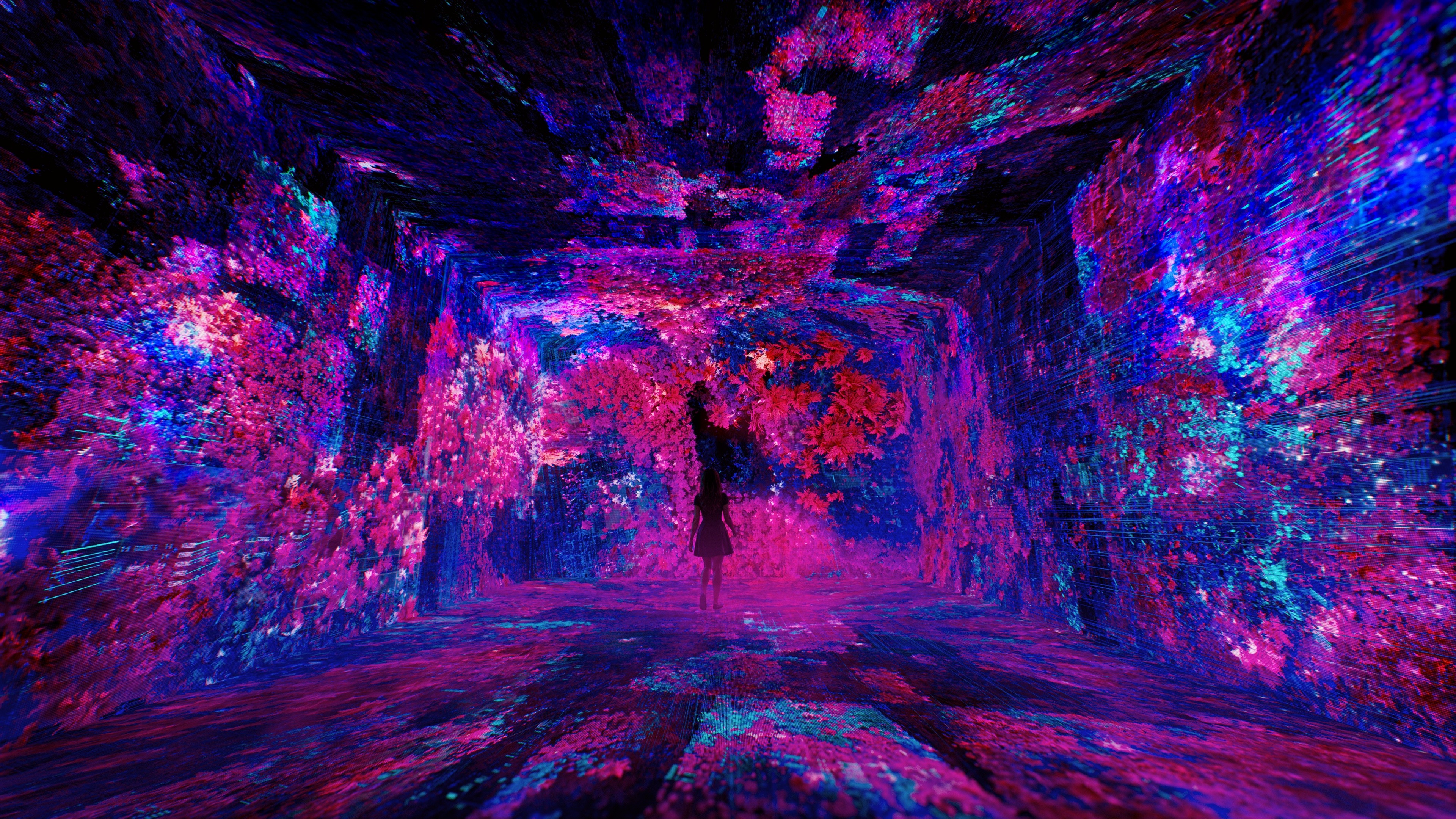
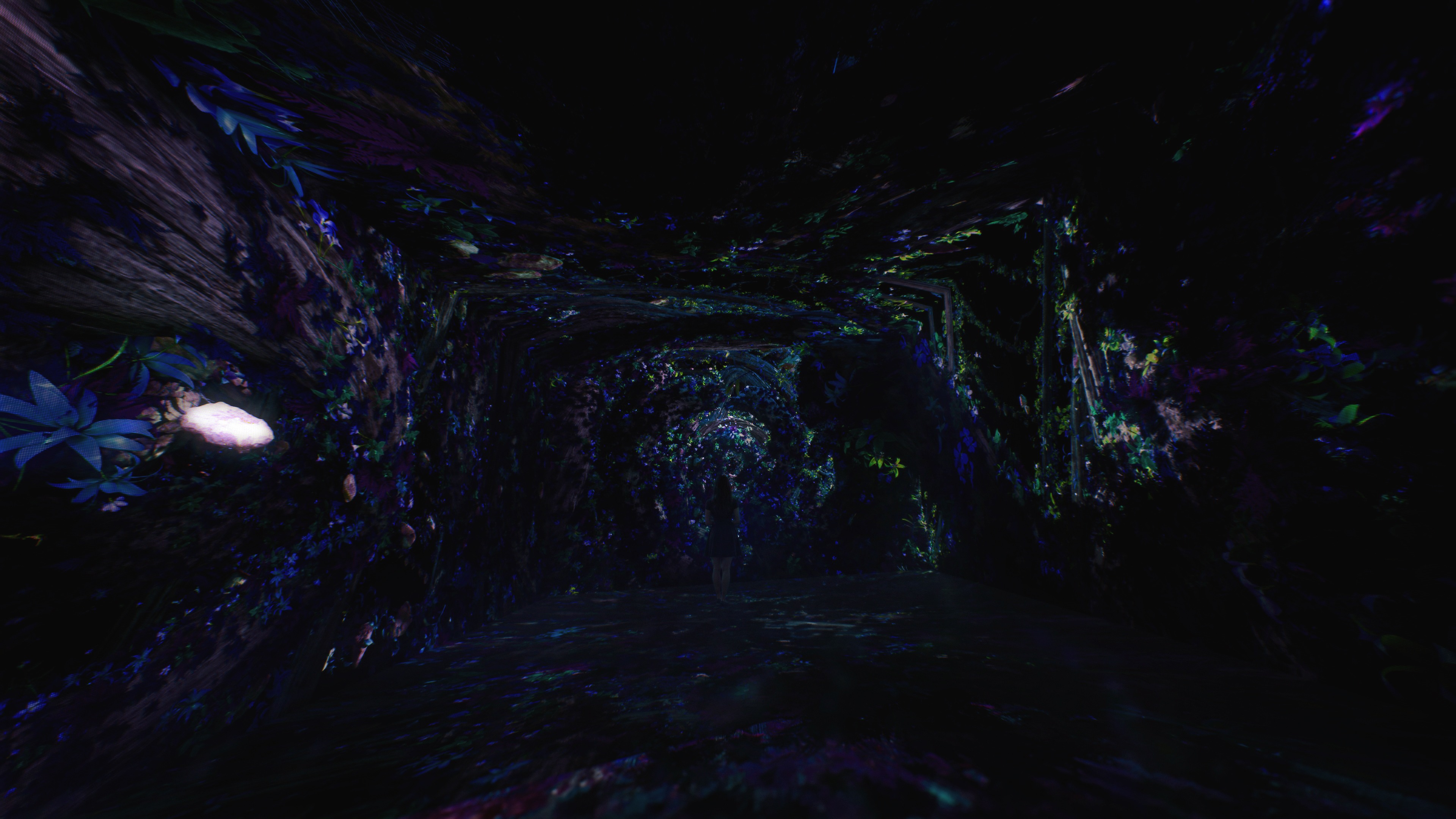
Floral Tunnel Sequence
XR extends the visual systems established in Foundations into a narrative about the formation of an imagined world. The work begins with information before meaning, develops through increasingly organized thought, and turns toward nature as the machine searches for a language capable of describing reality.
Credits
MICHAEL RIGLEY: PRINCIPAL ART | CONCEPT DESIGN | PRODUCTION
Client: Refik Anadol Studio
Principal Art: Michael Rigley
Concept Design: Michael Rigley
Production: Michael Rigley