
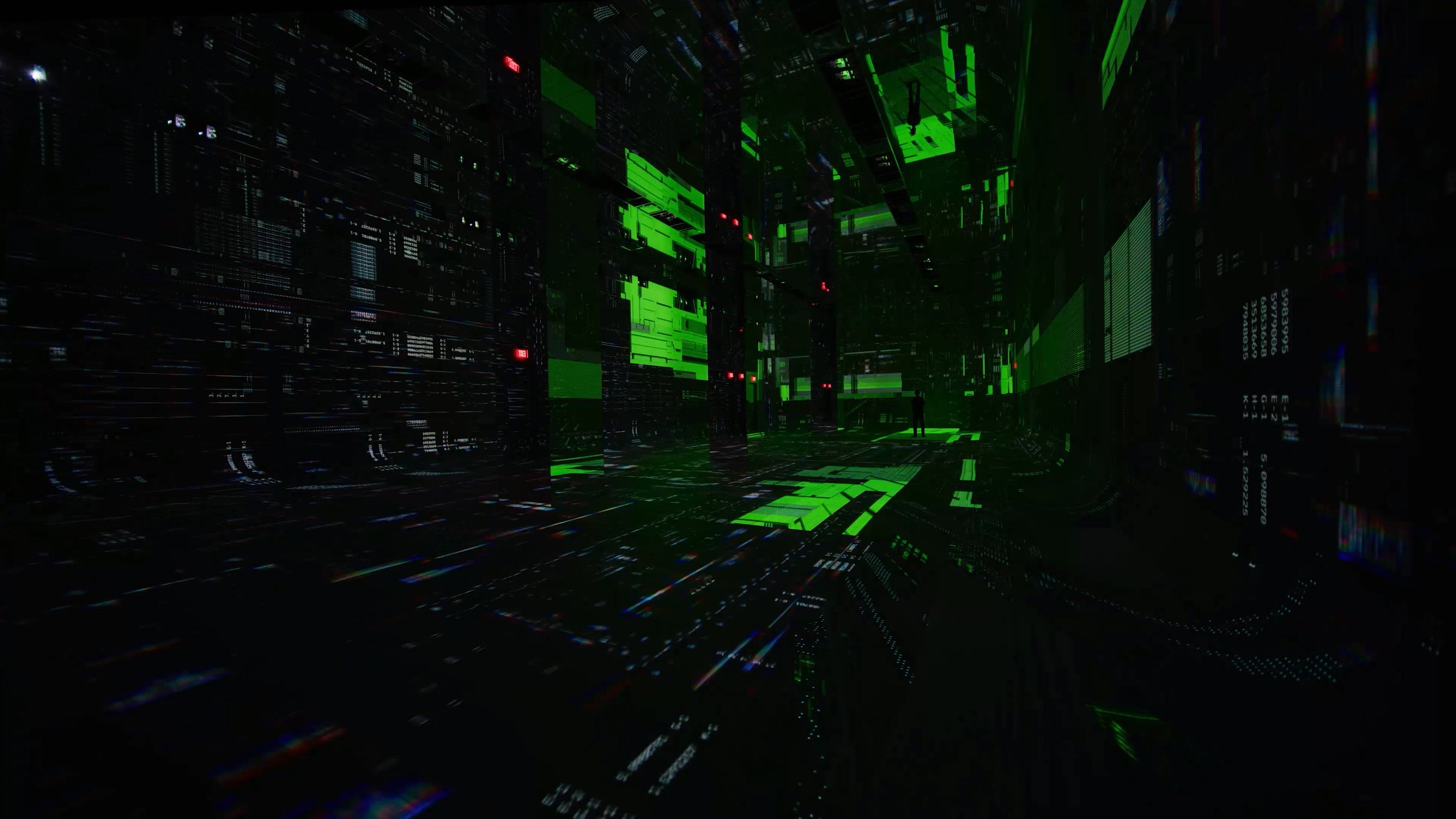
DATALAND | PART 01
FOUNDATIONS
MICHAEL RIGLEY x REFIK ANADOL STUDIO, 2026
PRINCIPAL ART | CONCEPT DESIGN | ART DIRECTION
INTRODUCTION
Dataland is a permanent museum located in downtown Los Angeles dedicated to exploring the intersection of data, nature, and artificial intelligence through immersive digital experiences. Its inaugural exhibition, Machine Dreams: Rainforest, examines these relationships across a series of interconnected gallery environments, bringing together artists, designers, architects, engineers, and technologists in the creation of a new kind of cultural space.
Serving as a principal visual artist, Michael Rigley developed much of the exhibition's visual language over nearly three years. Contributions included key art and sequence design for three major gallery experiences, interface and screen graphics, visual development, and creative collaborations across the museum. The resulting design language extends throughout the exhibition while also informing its marketing, social campaigns, and public launch materials.
01.0 FOUNDATIONS
Developed during the early stages of Dataland, Foundations documents the creation of the visual language that would shape the museum's evolving relationship between data, nature, and artificial intelligence. More than an exploration of individual graphics or environments, the project asked a fundamental design question: how can invisible computational processes be translated into visual experiences?
Drawing inspiration from the emergence of complexity in natural systems, the work traces a progression from simple computational elements to increasingly intelligent and interconnected environments. Foundations brought together years of experience in graphic design, computational art, concept development, and immersive environments into a unified design language that would go on to shape much of Dataland's visual identity.
01.1 GENOME
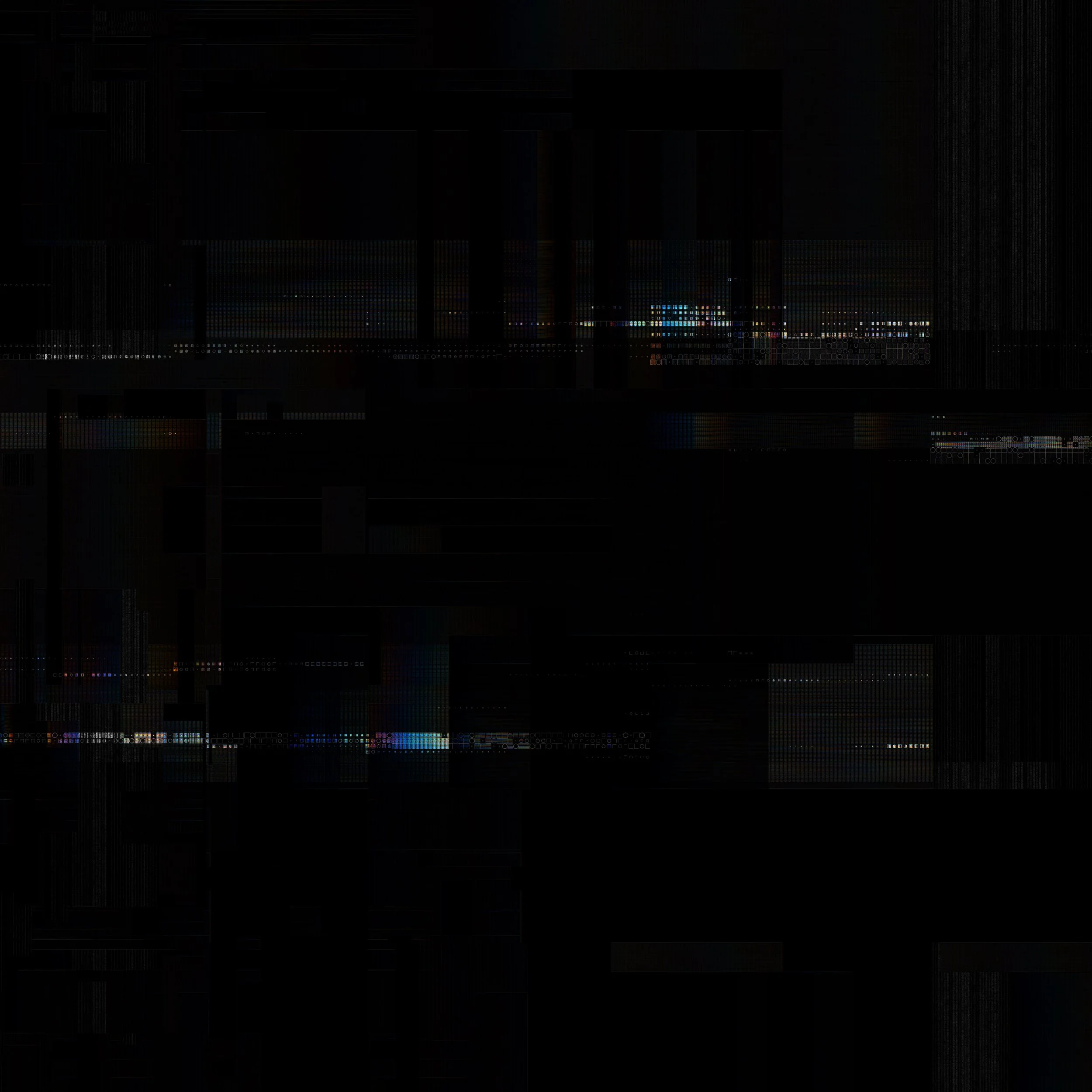
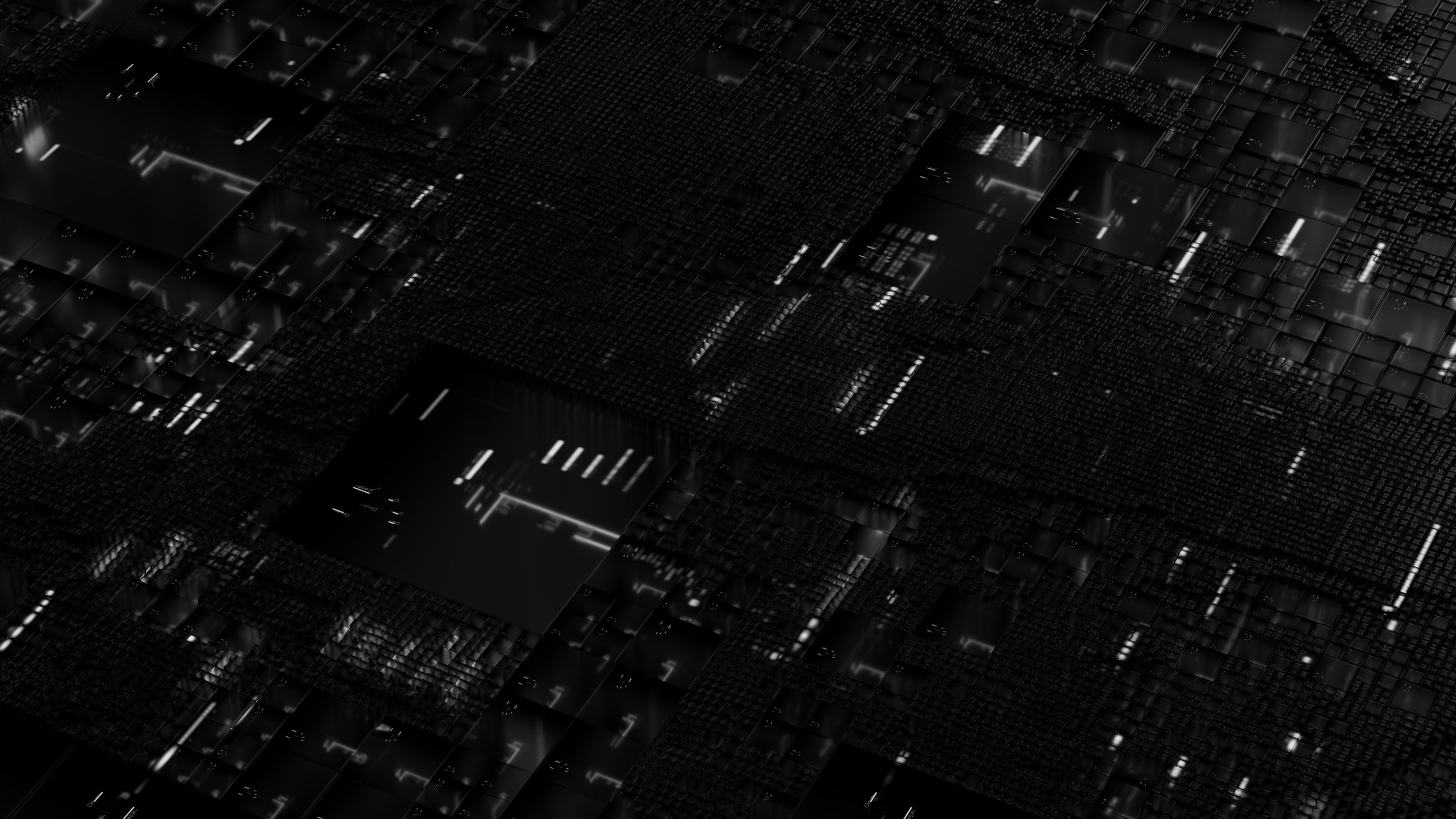
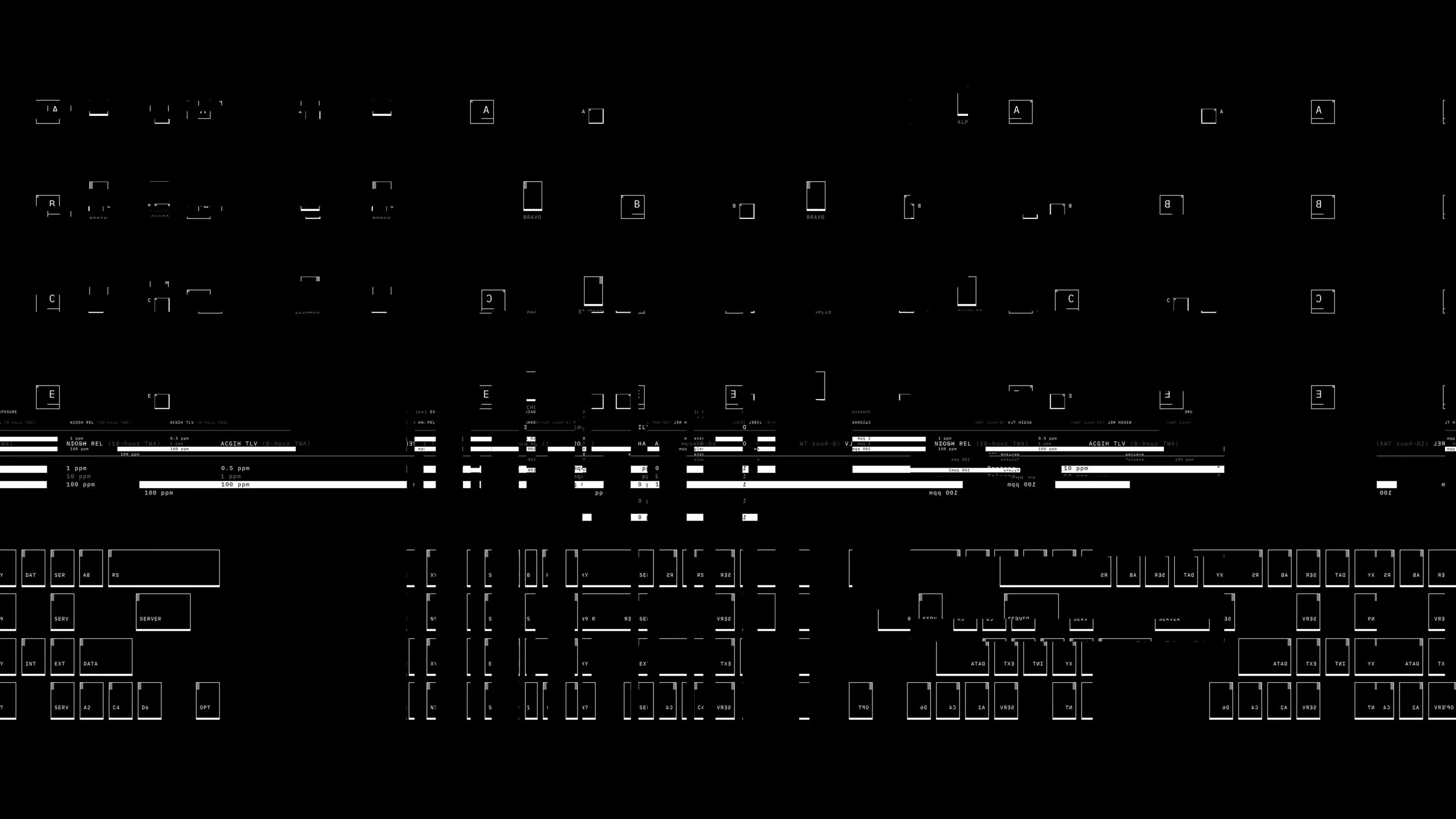
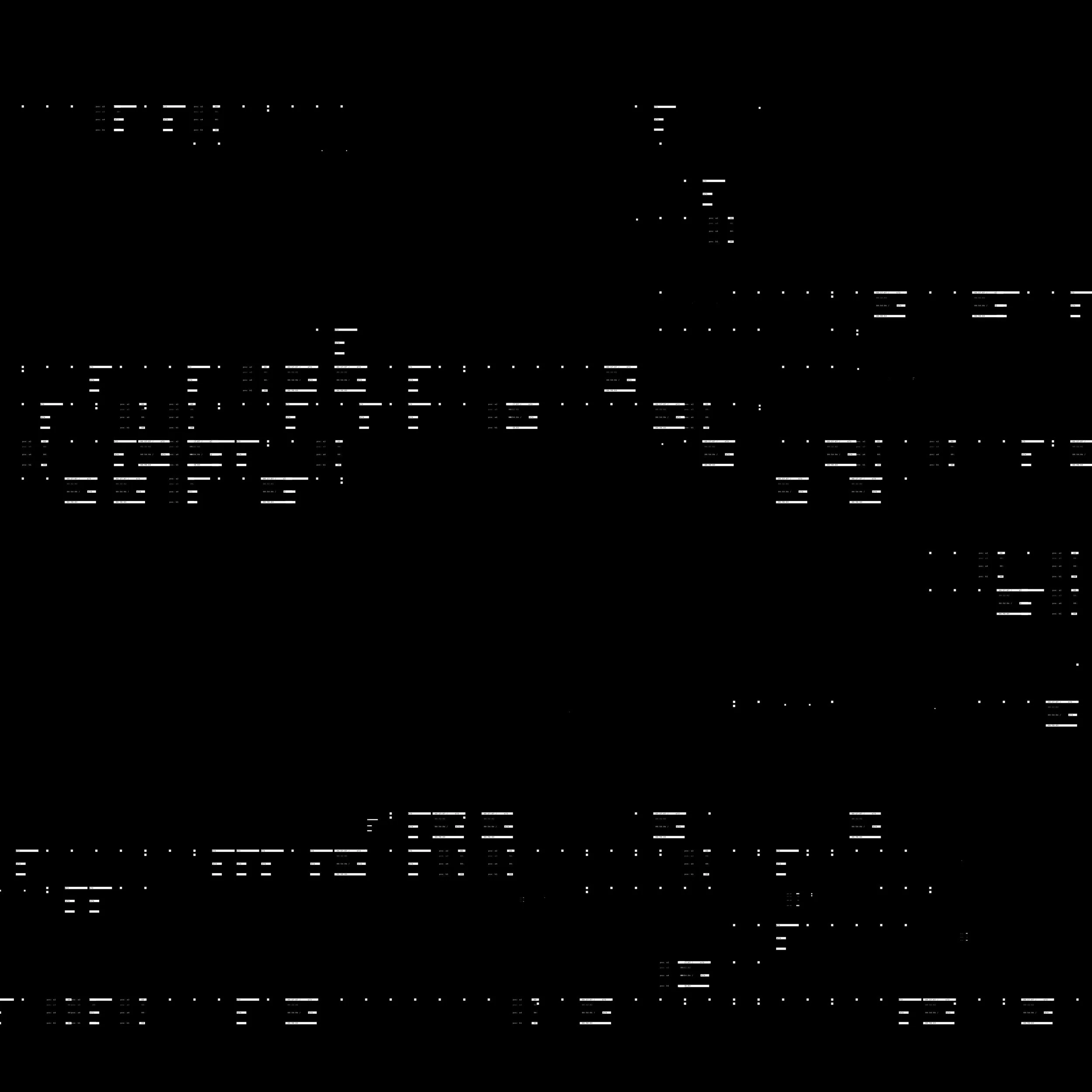
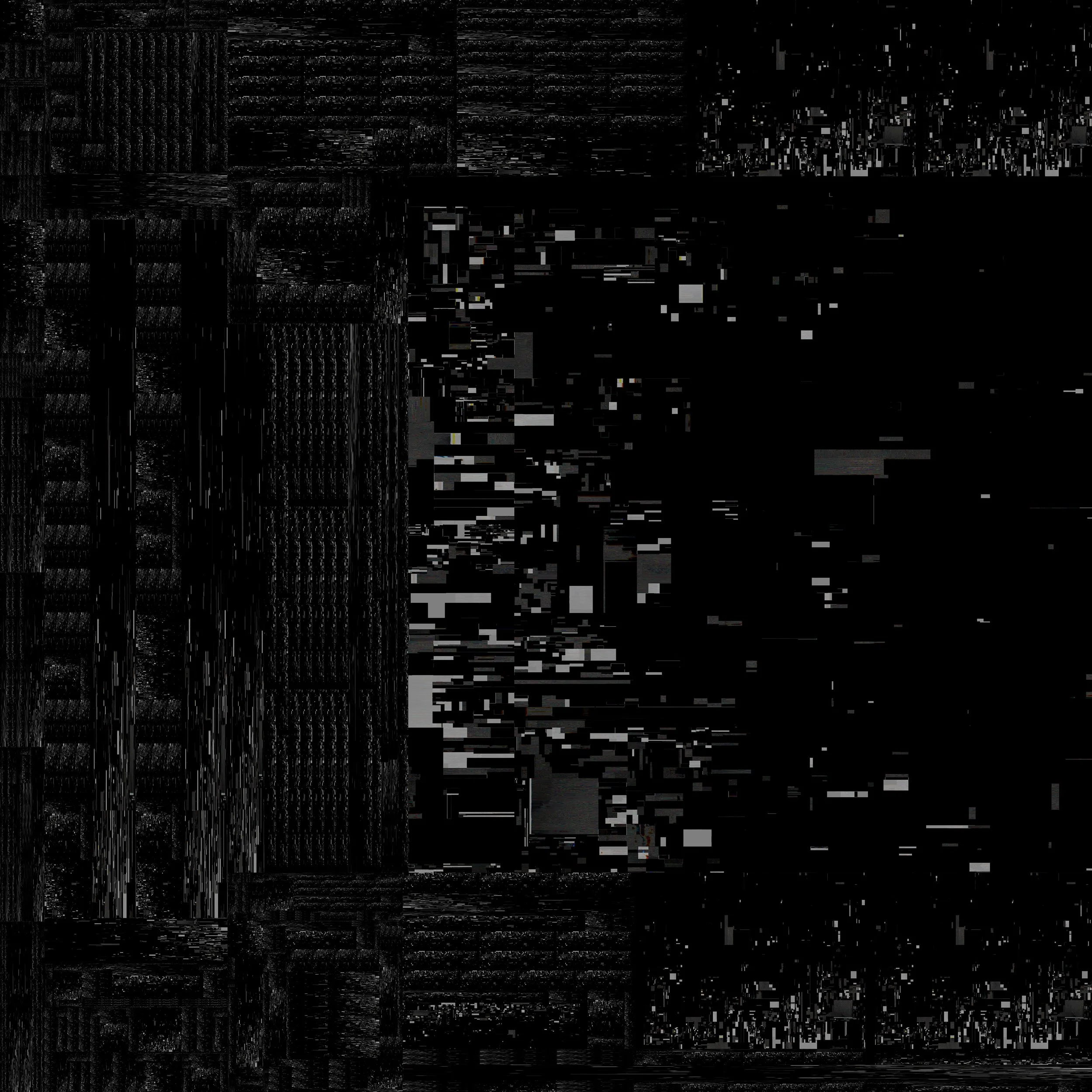
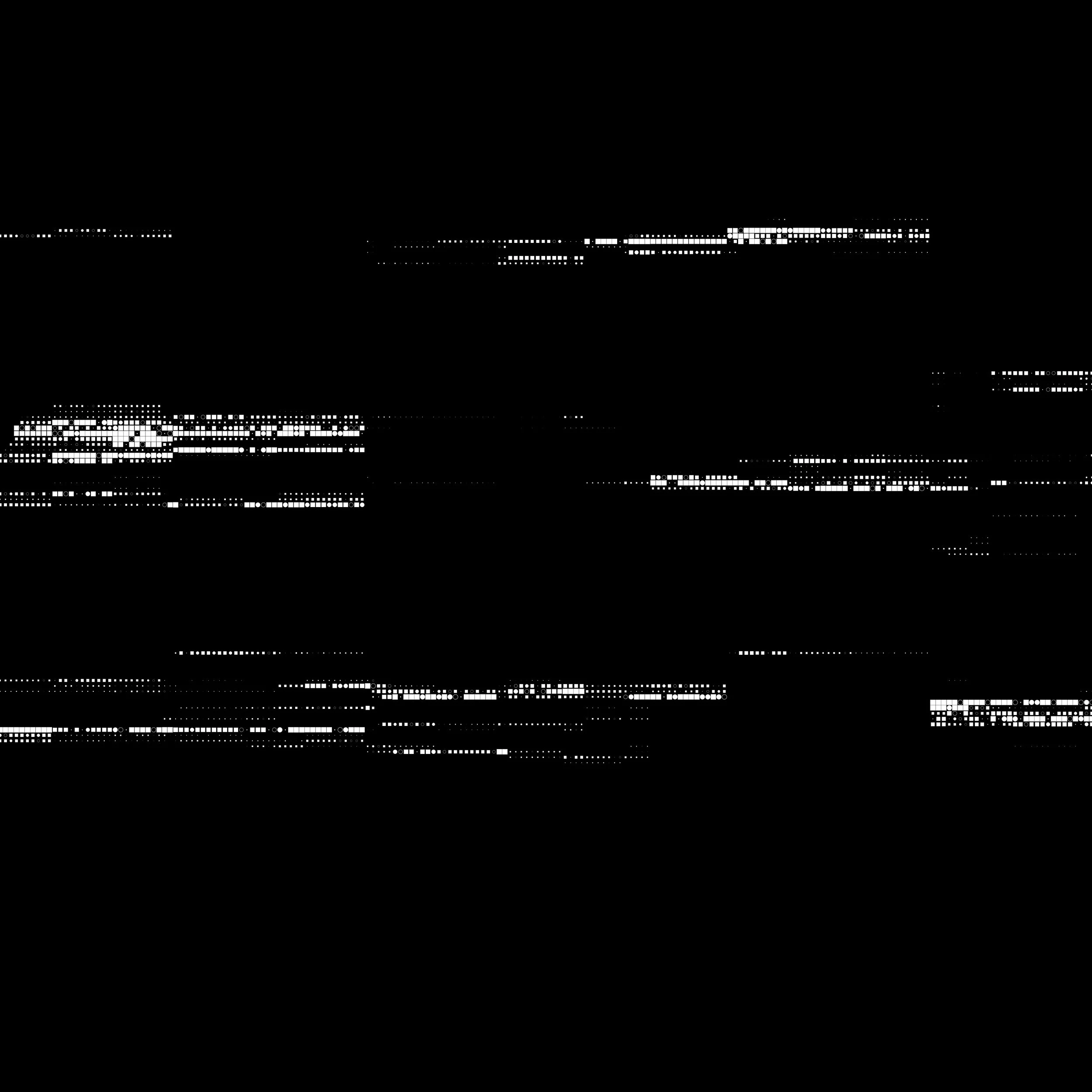
Every complex system begins with a set of fundamental rules. Before designing sequences or environments, the project established a visual vocabulary built from typography, graphic systems, geometry, and light. These components became the genetic code of the experience, defining the principles that every subsequent exploration would inherit.
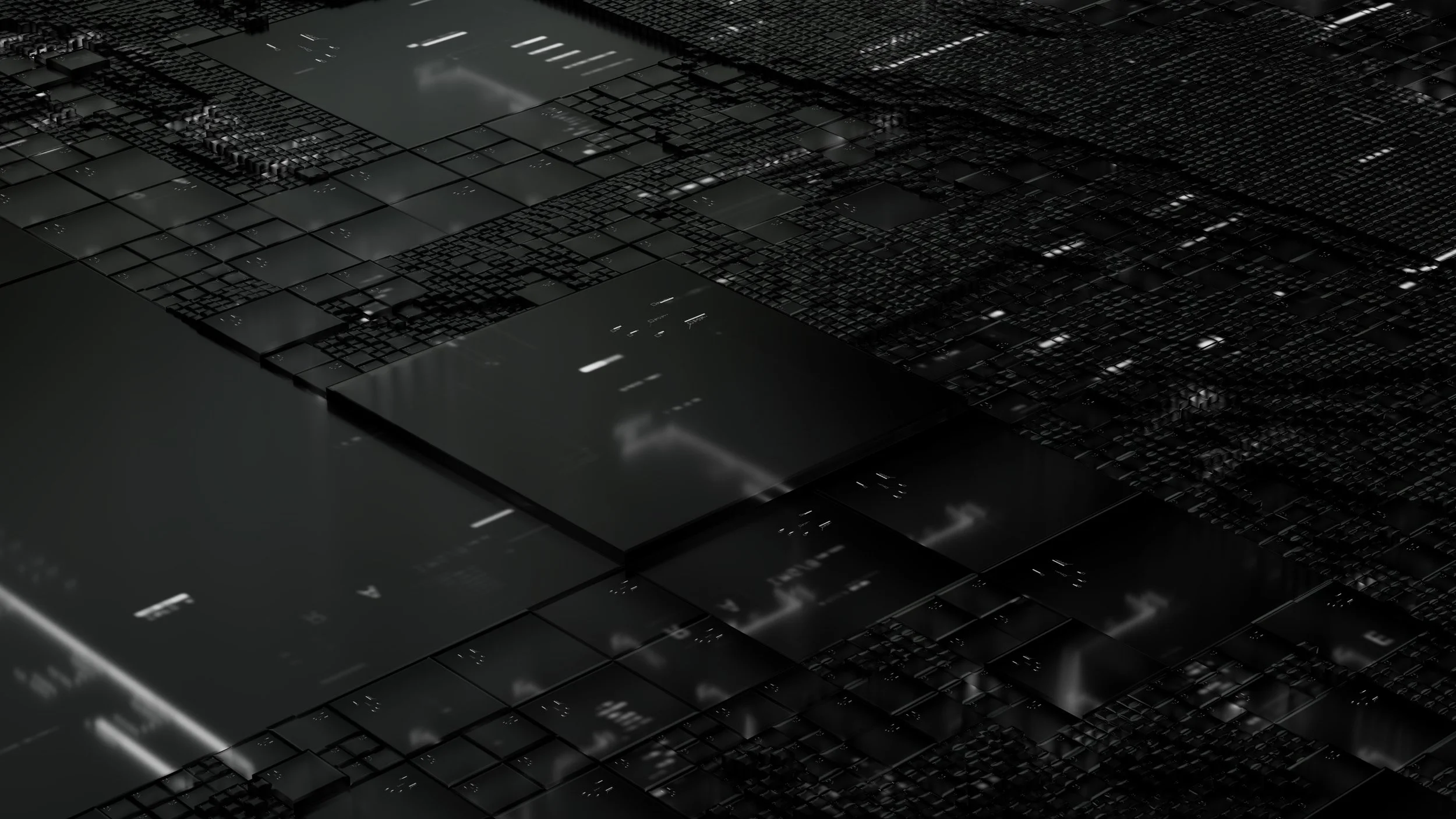
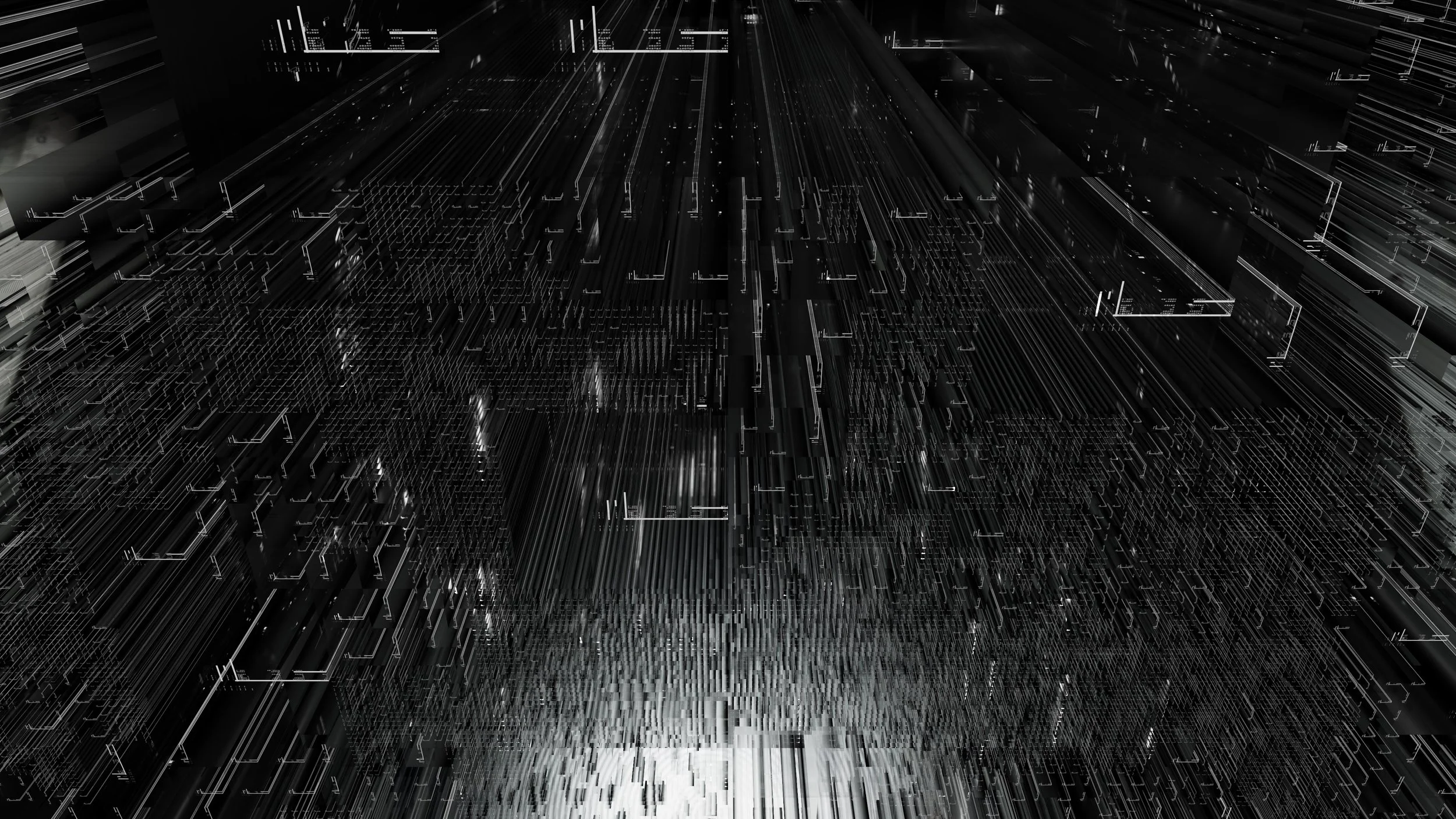
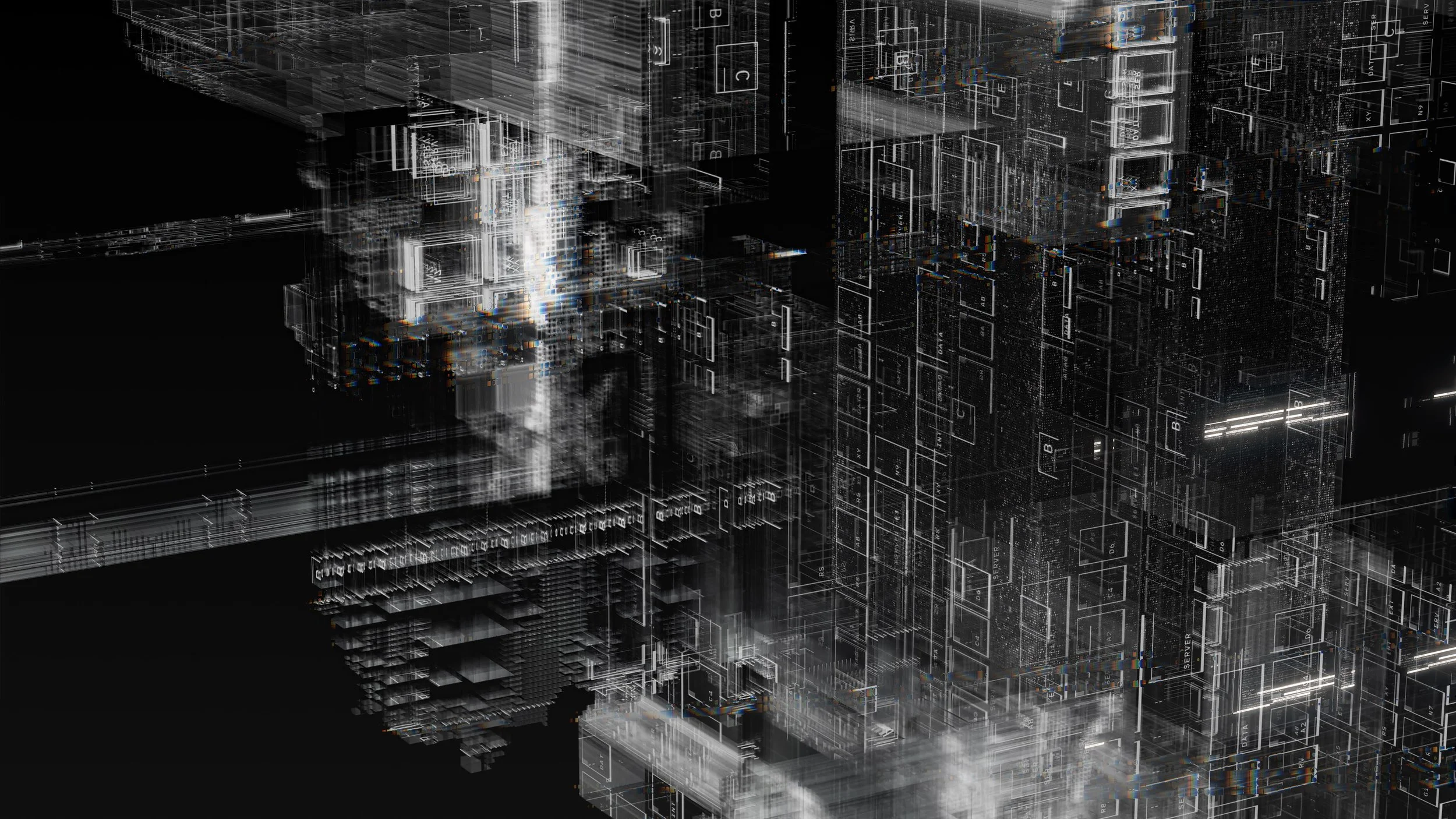
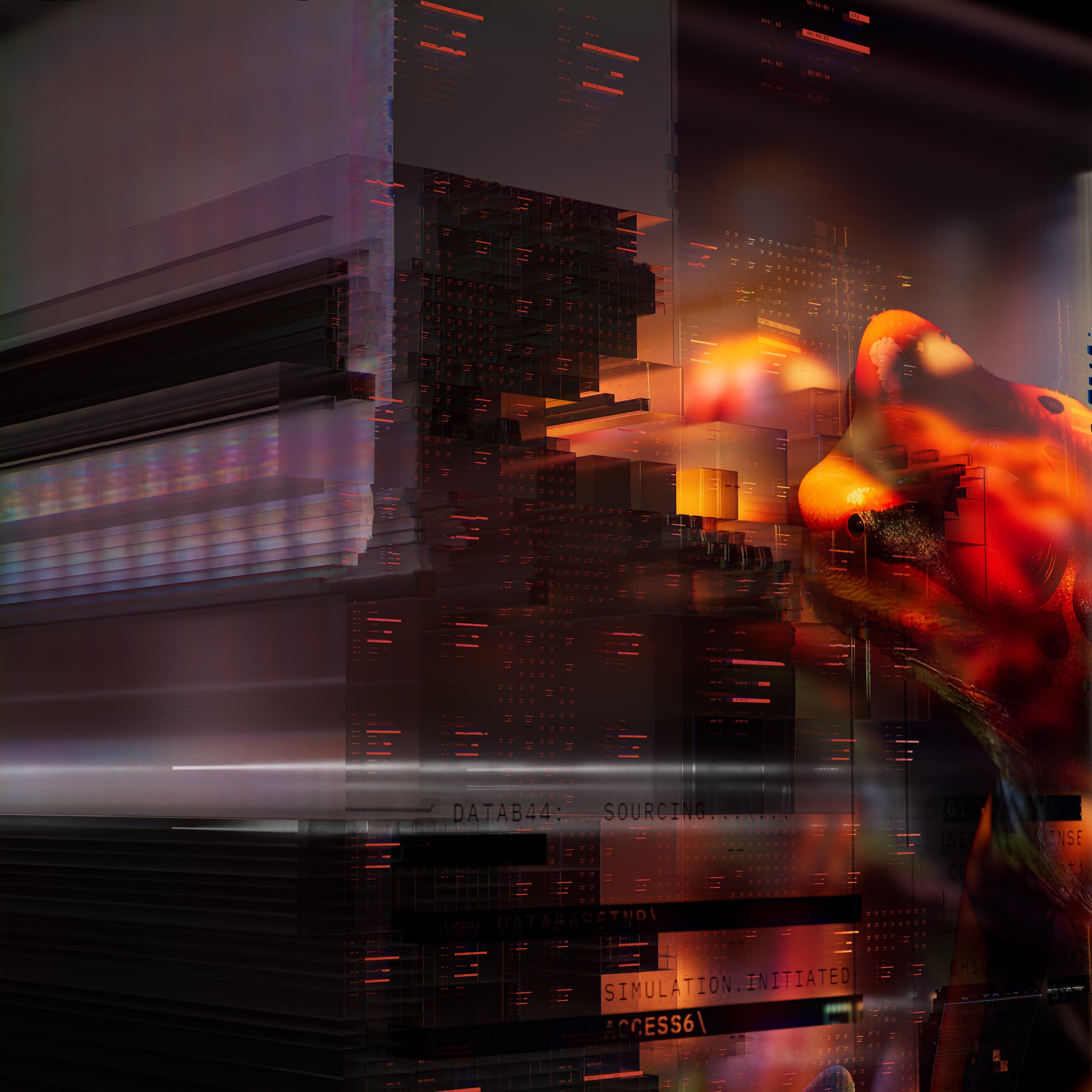
Graphic terminals, light-driven data, computational grids, and spatial density became the core elements of Dataland's visual language. Individually, each explored a different relationship between computational systems and the natural world. Layered together, they formed a flexible design language capable of expressing the emergence of intelligence from a simple set of visual rules.
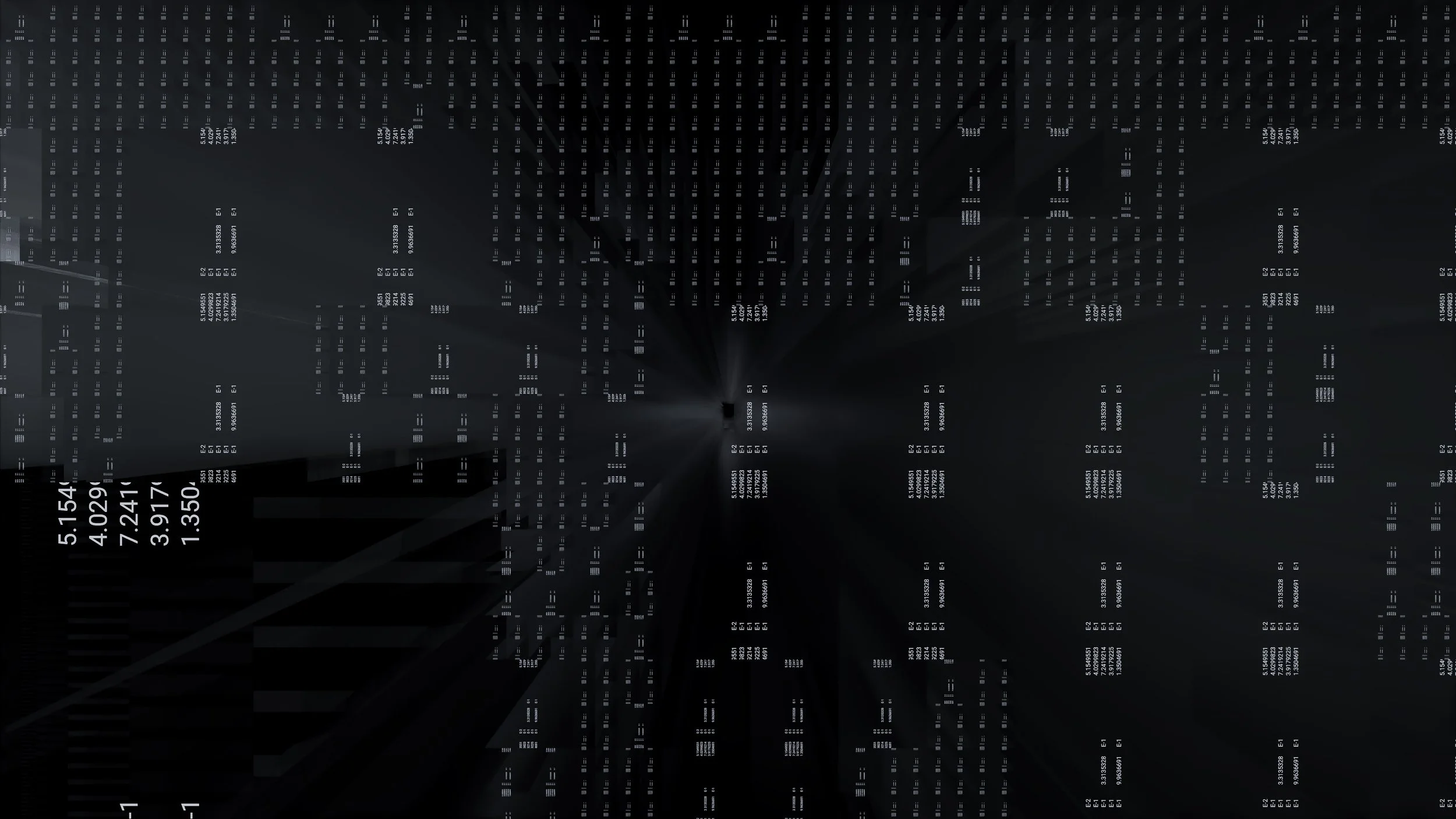
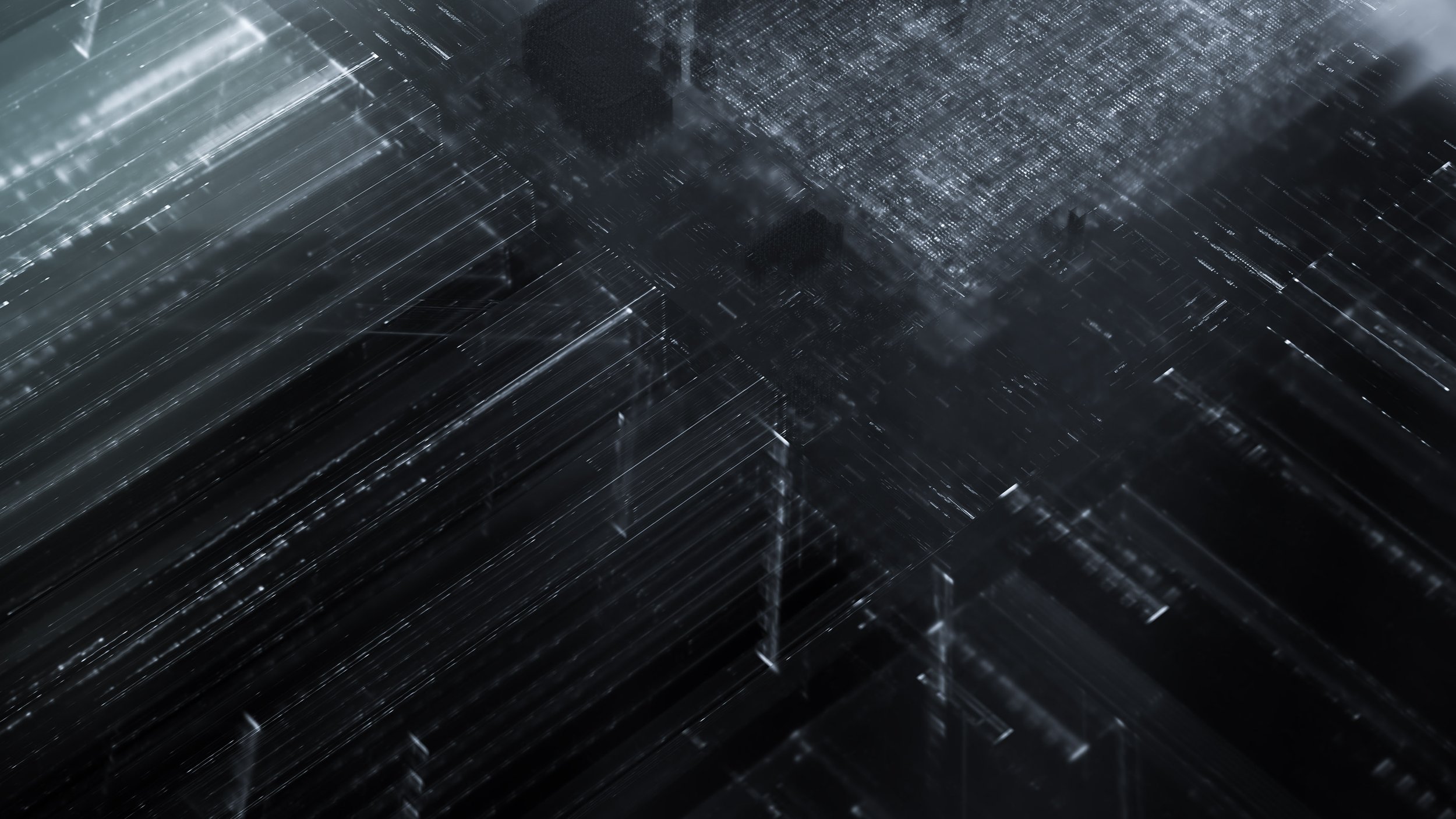
Lighting exploration
01.2 EXPRESSION
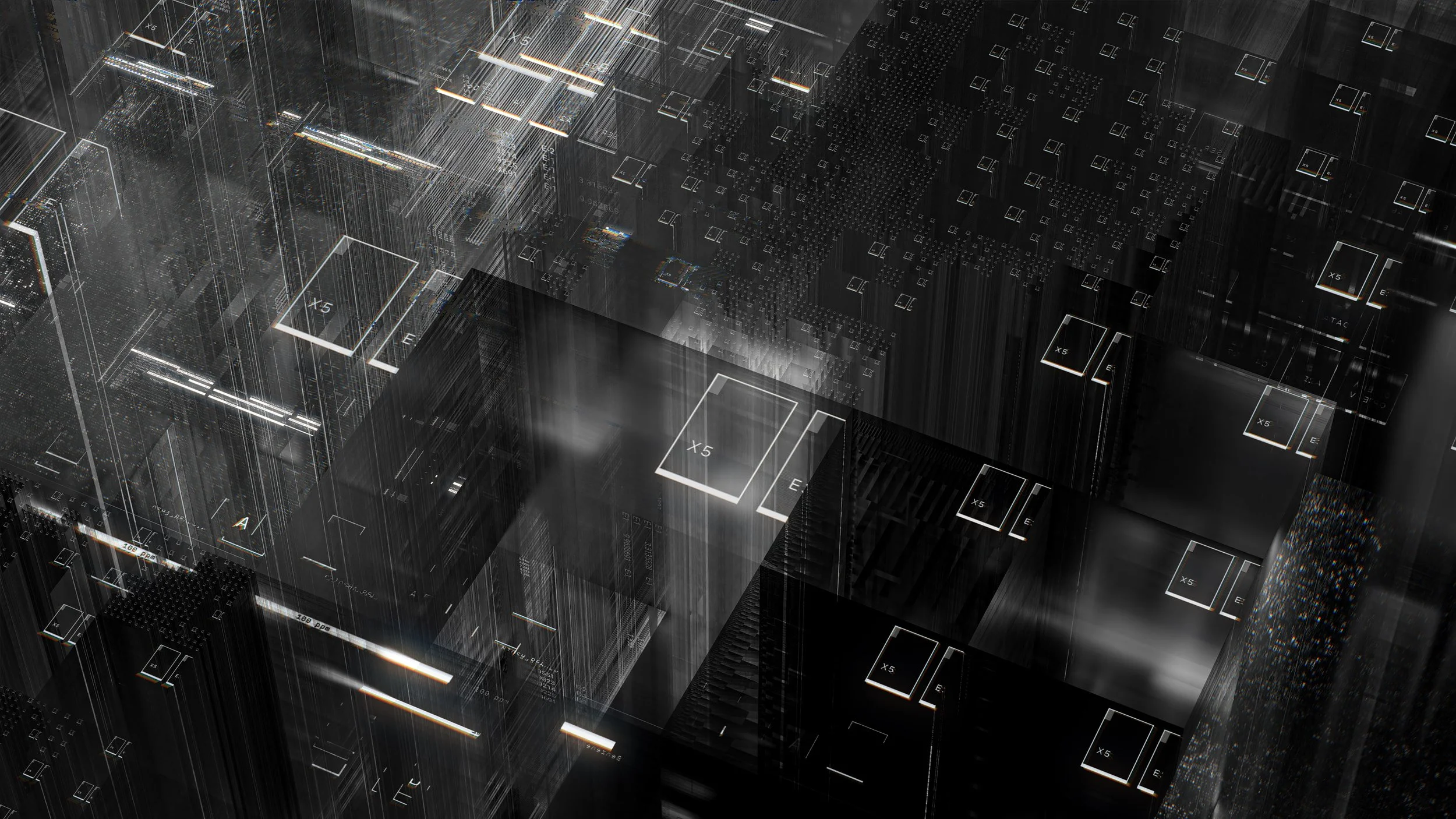
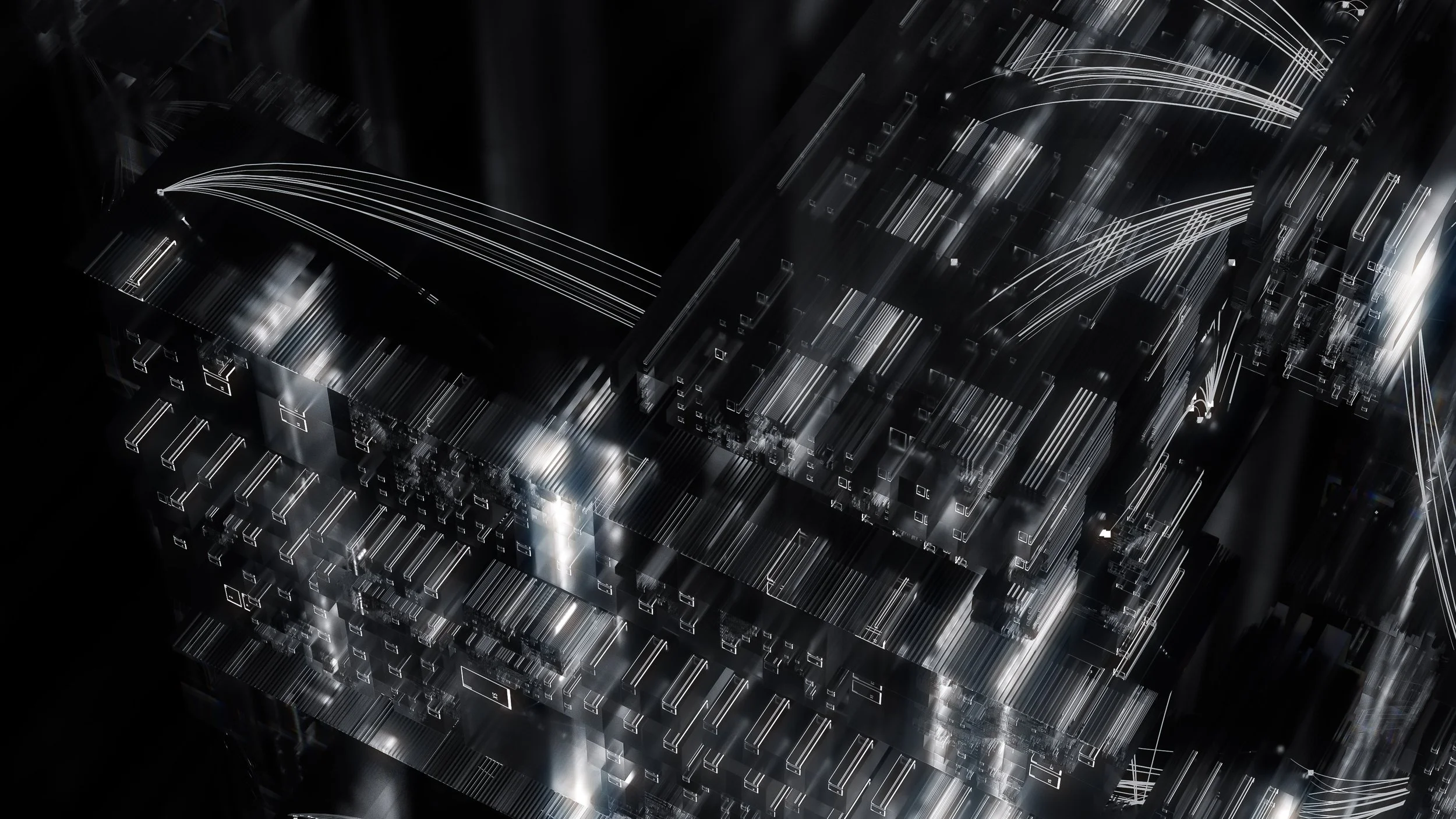
The graphic language established began to expand beyond the two-dimensional plane. Terminals, grids, lines, and data structures were layered into increasingly dimensional compositions, using light, perspective, and movement to establish depth and scale.
These studies marked the first spatial expression of the system. Graphic elements began to behave as physical structures, transforming abstract information into environments that could be entered, navigated, and experienced.
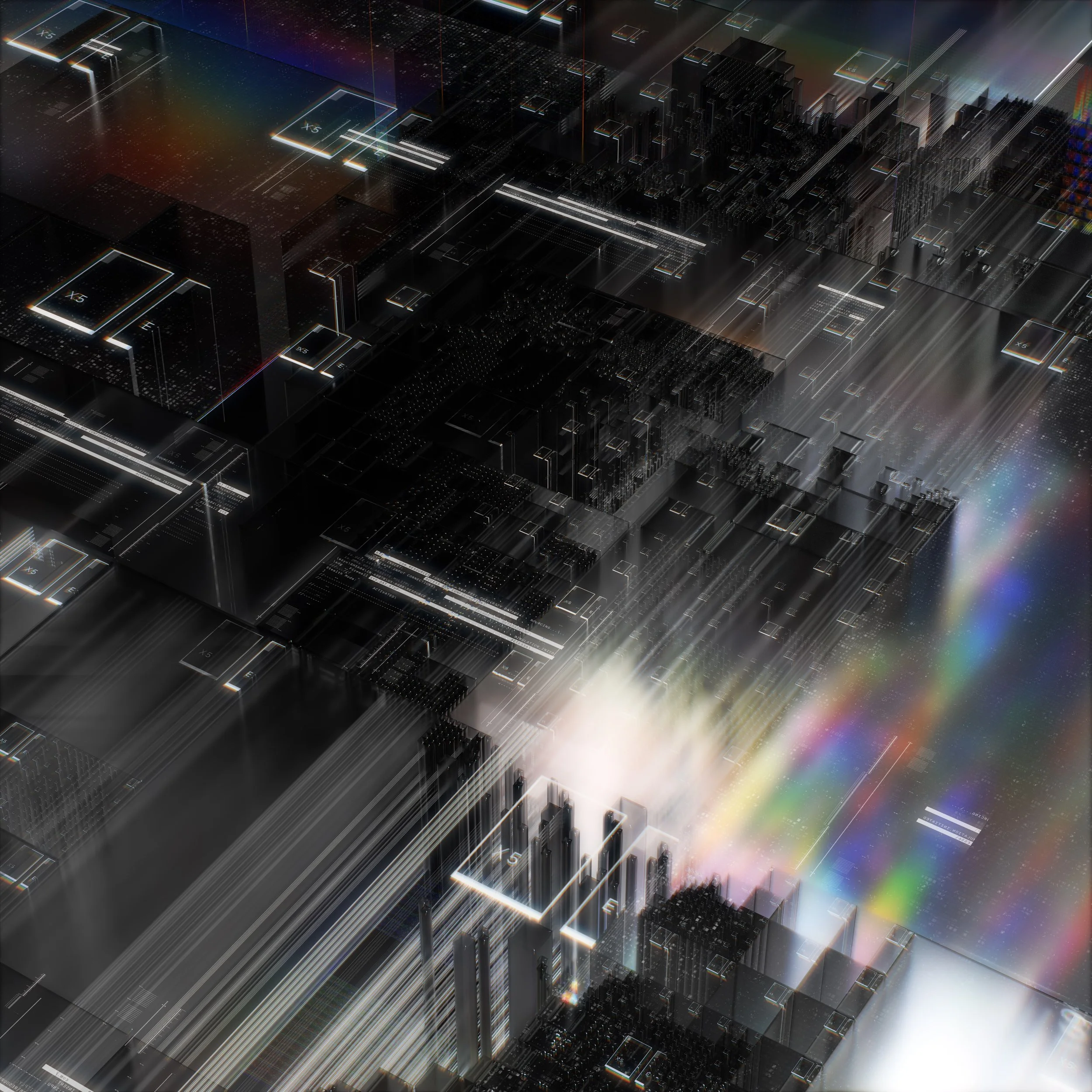
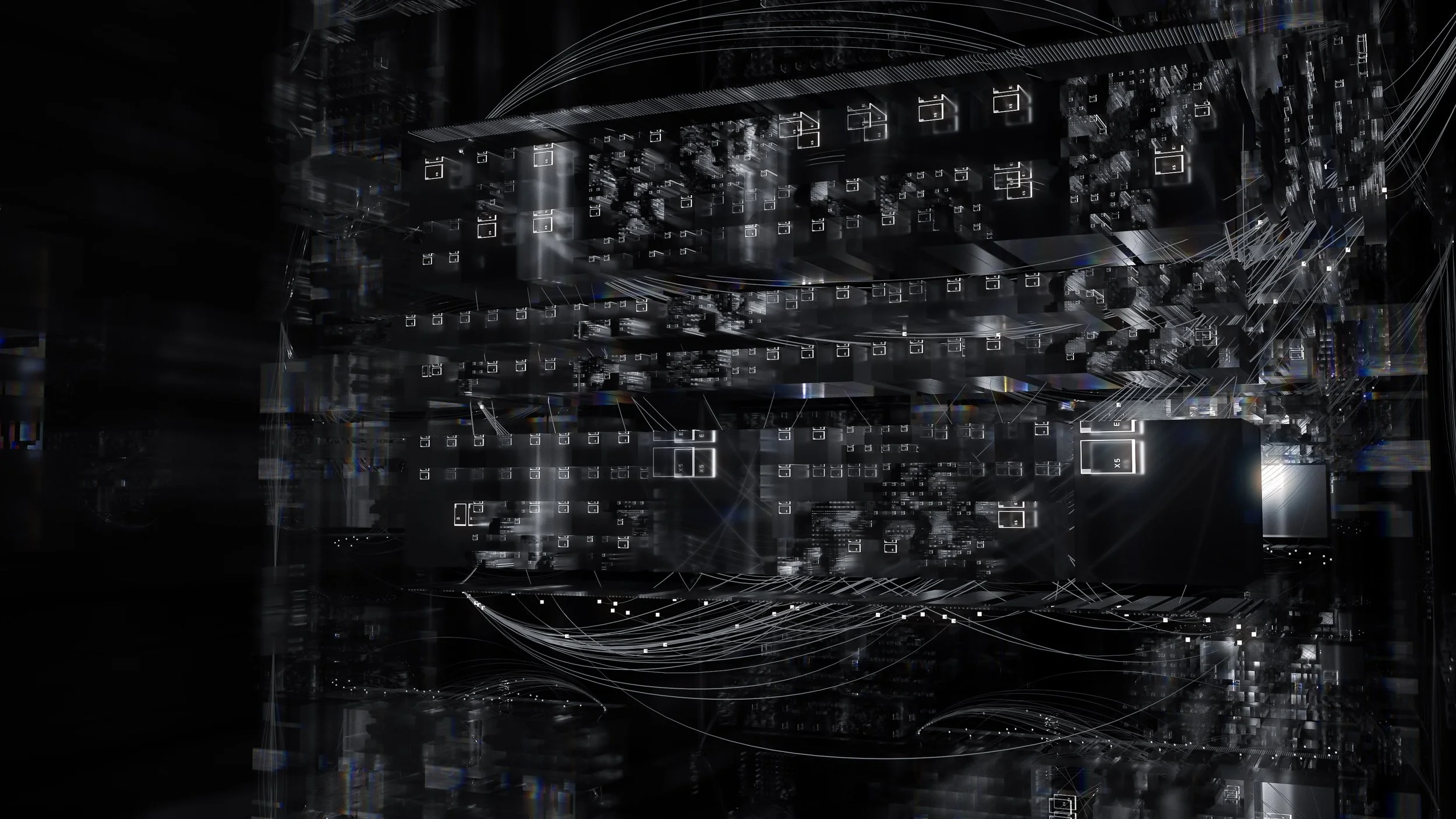
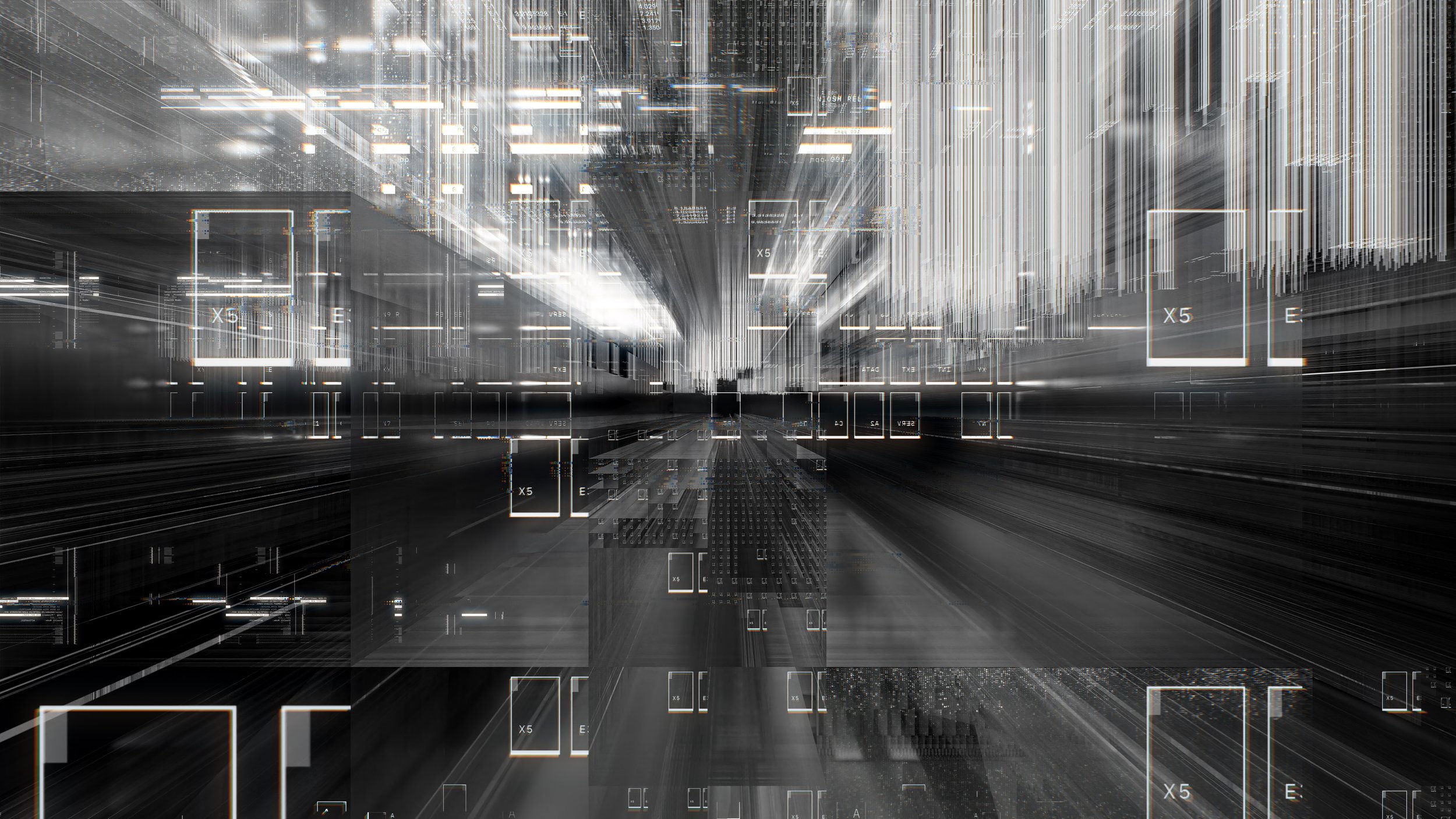
Combined graphics/glitch/3D structures
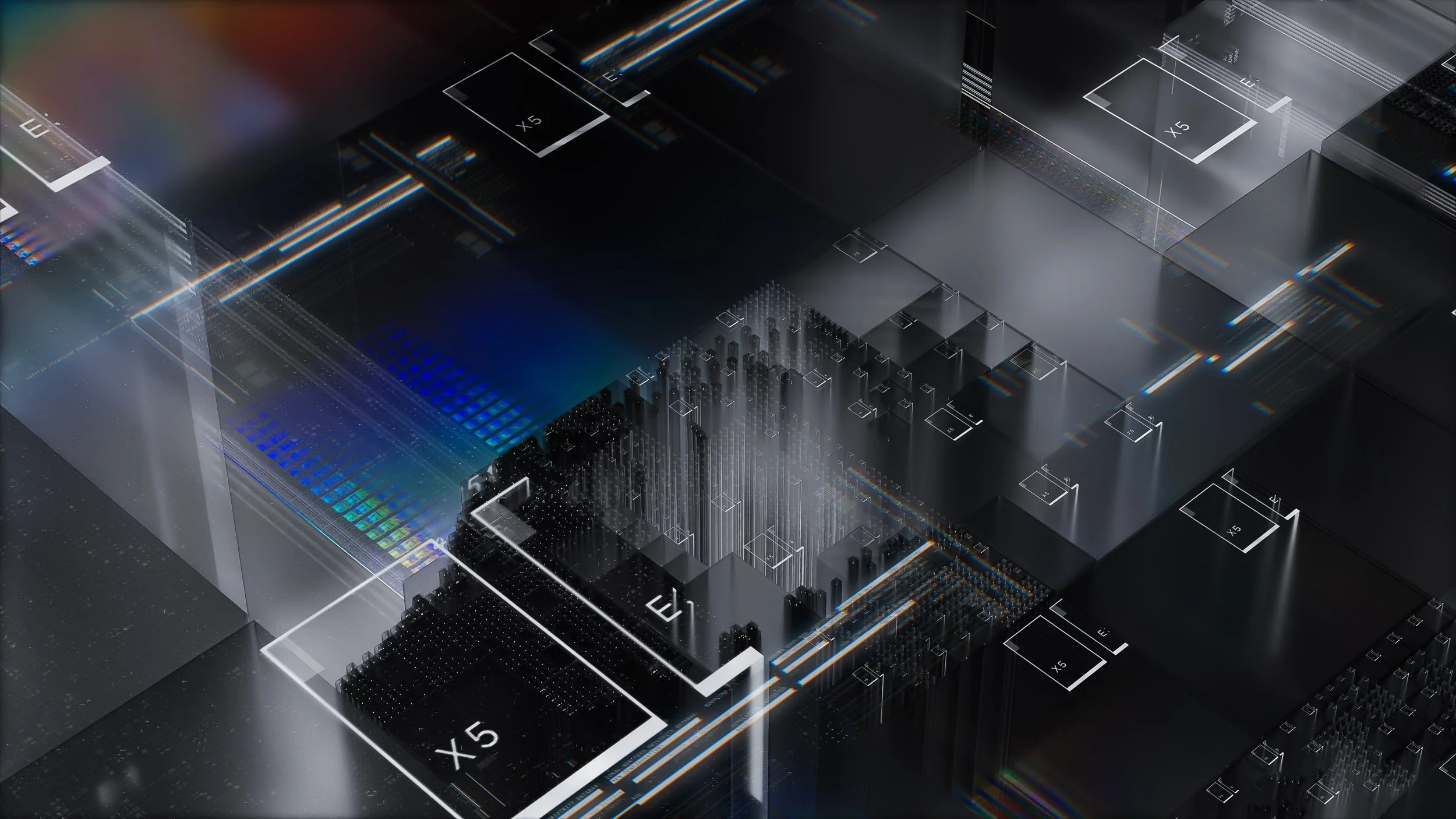
Geometric + graphic exploration
Chapter final look + animation study
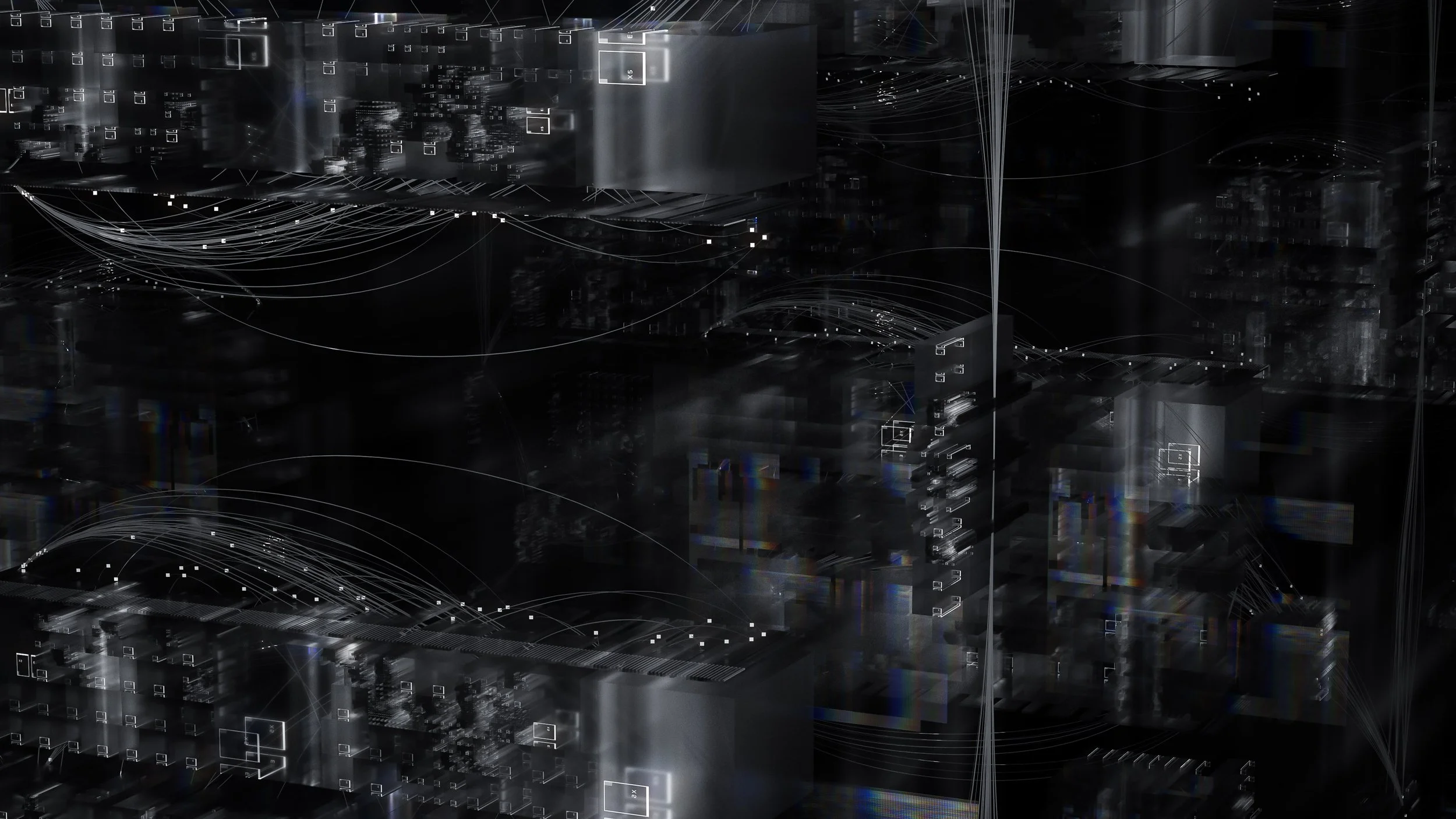
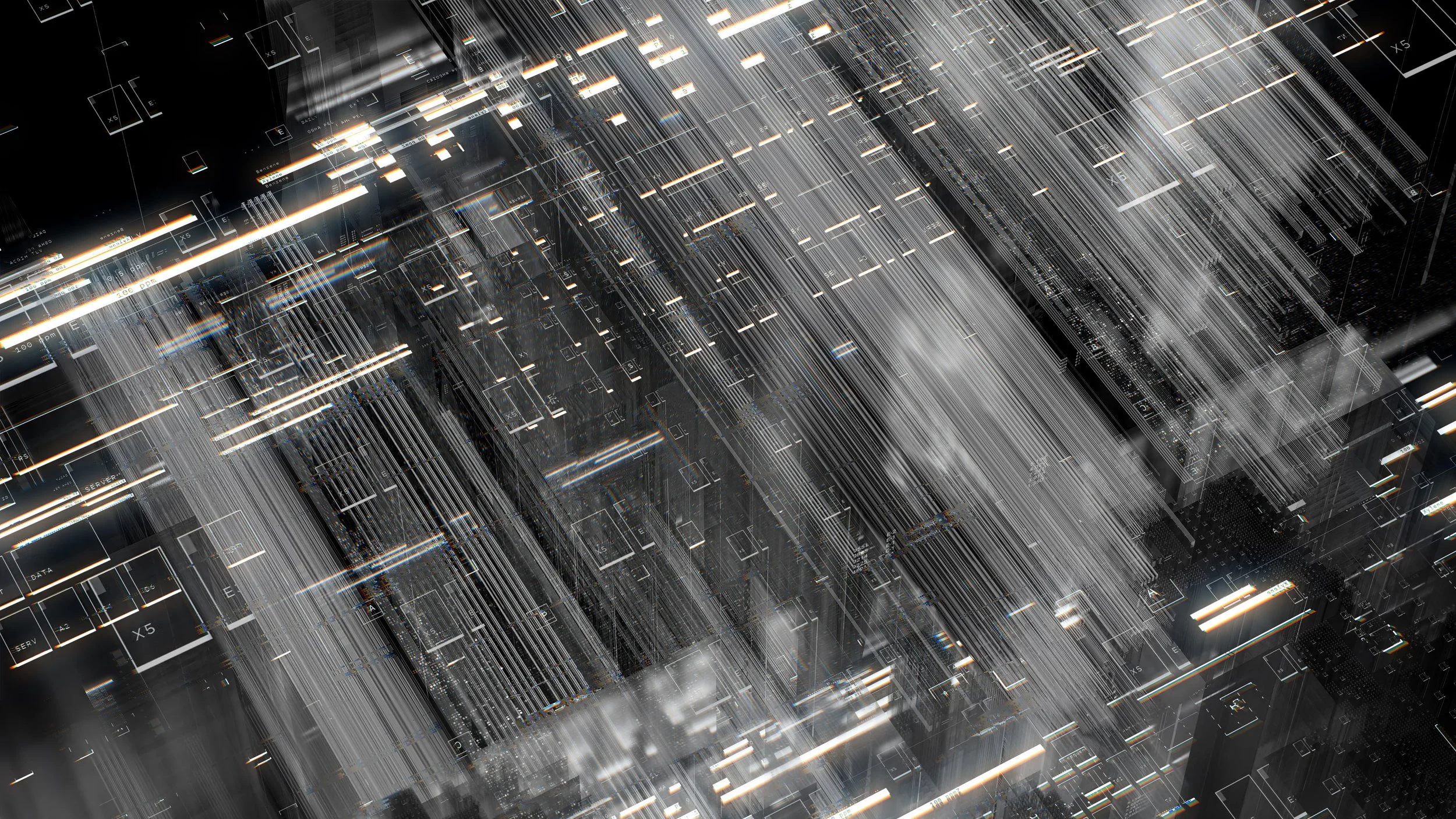
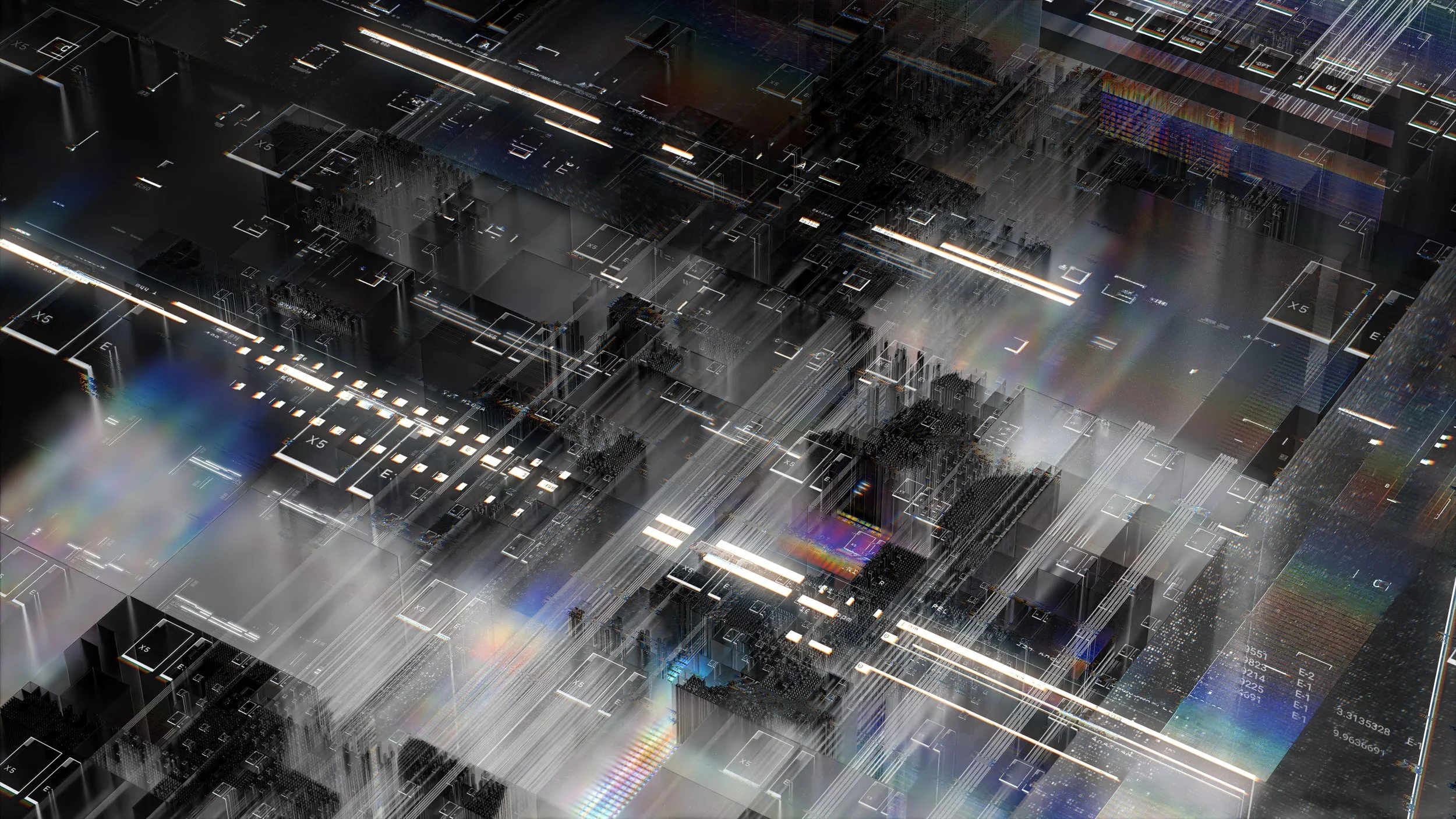
Chapter final look
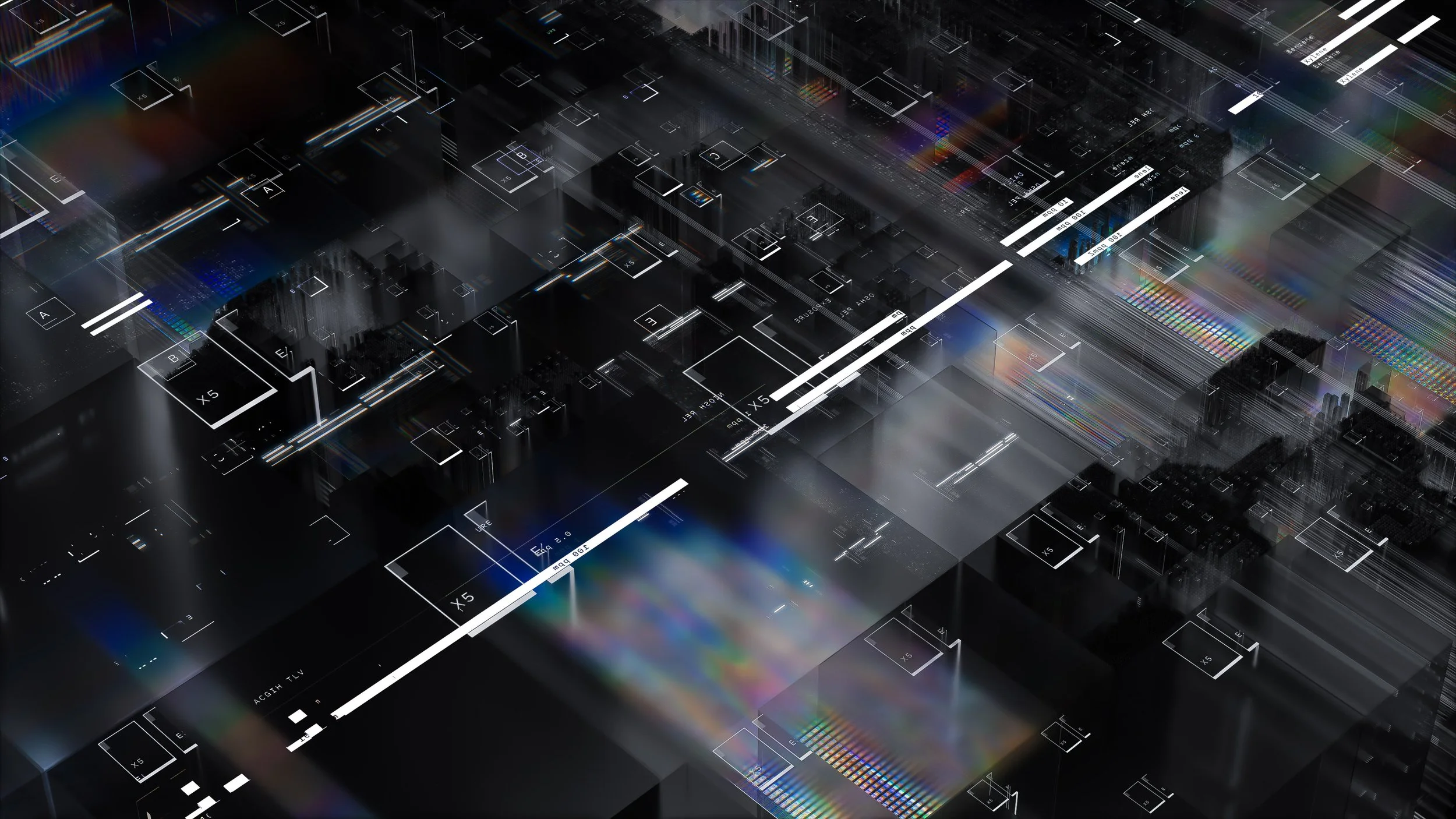
LLM exploration
LLM animation study
01.3 EMERGENCE
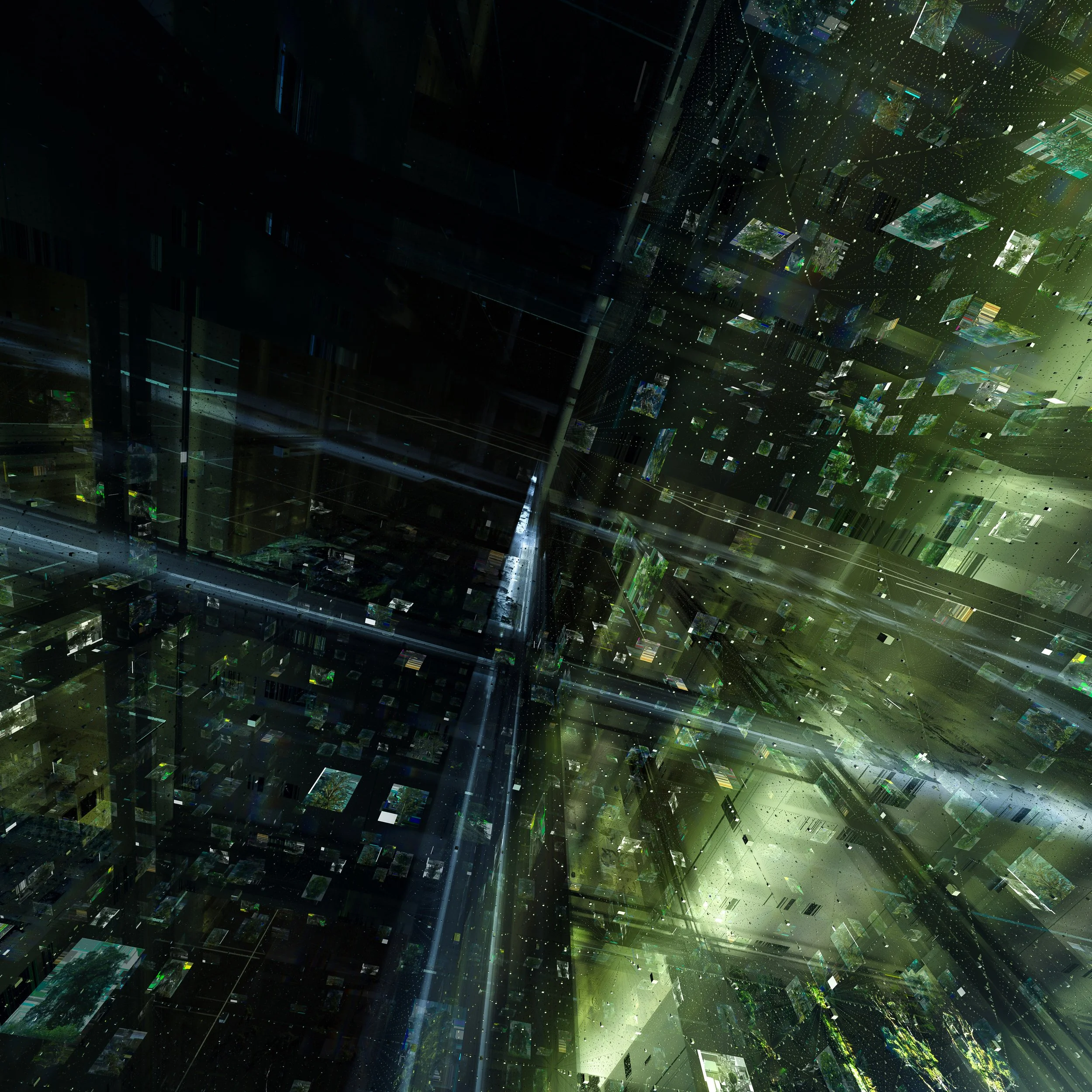
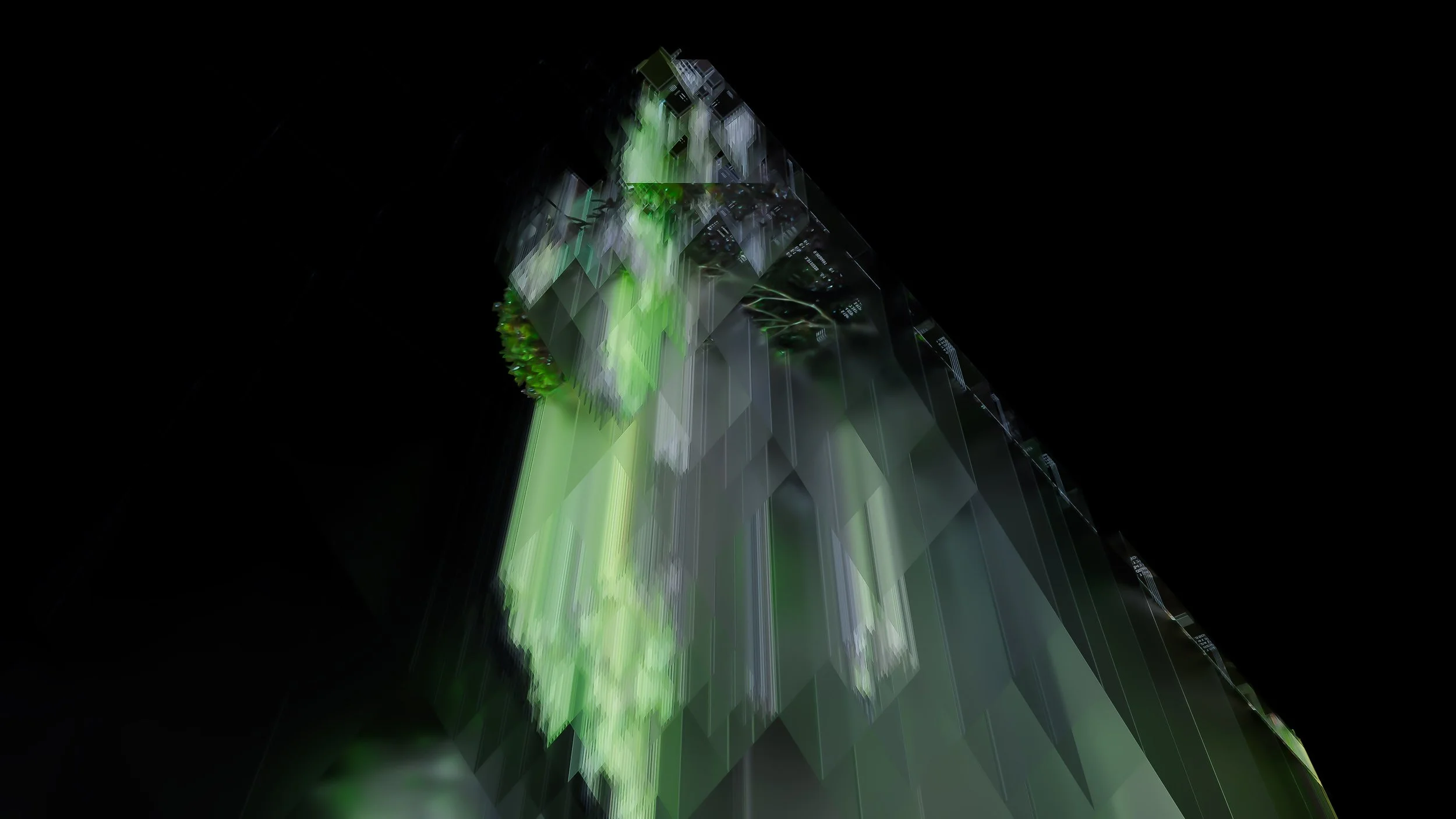
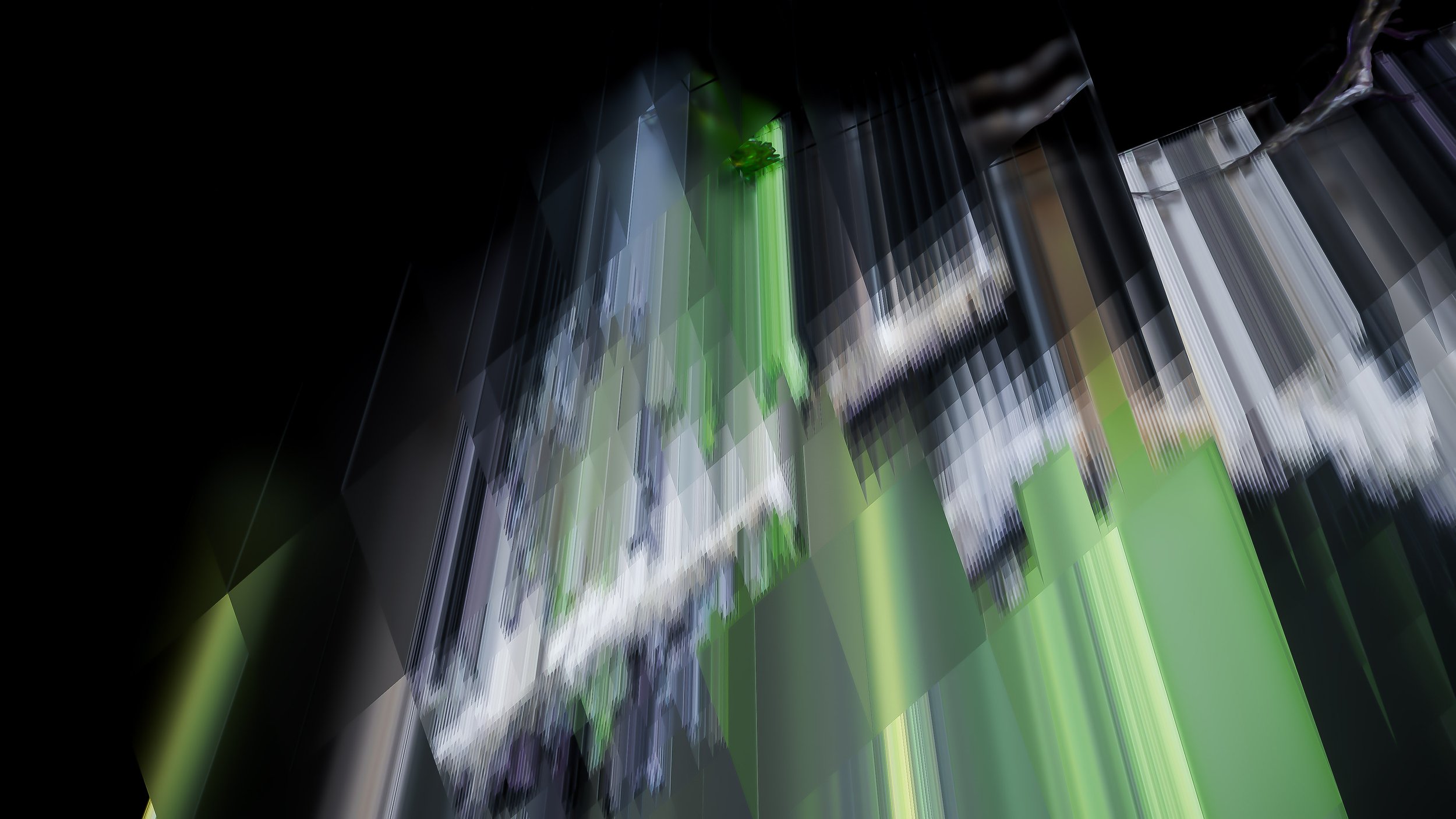
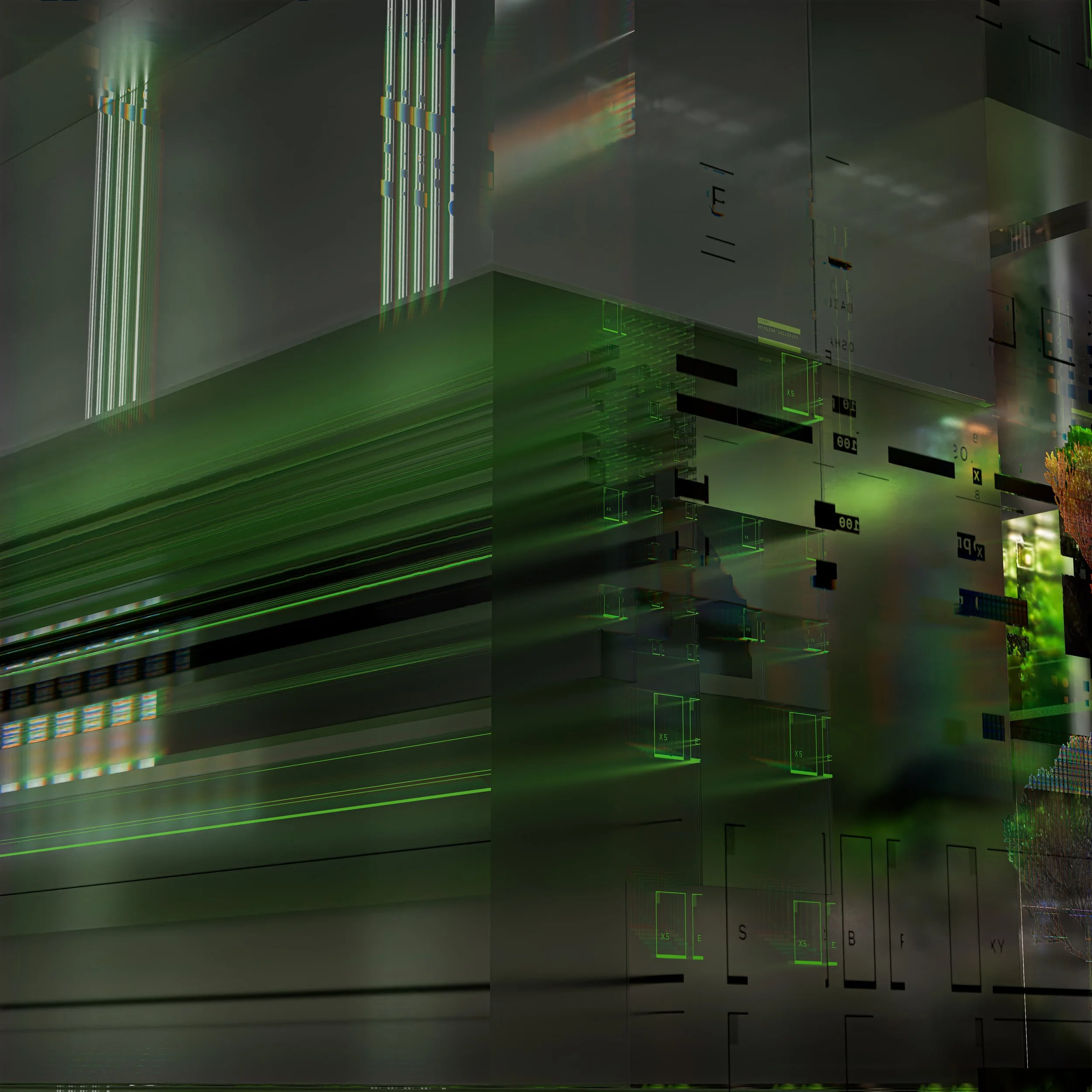
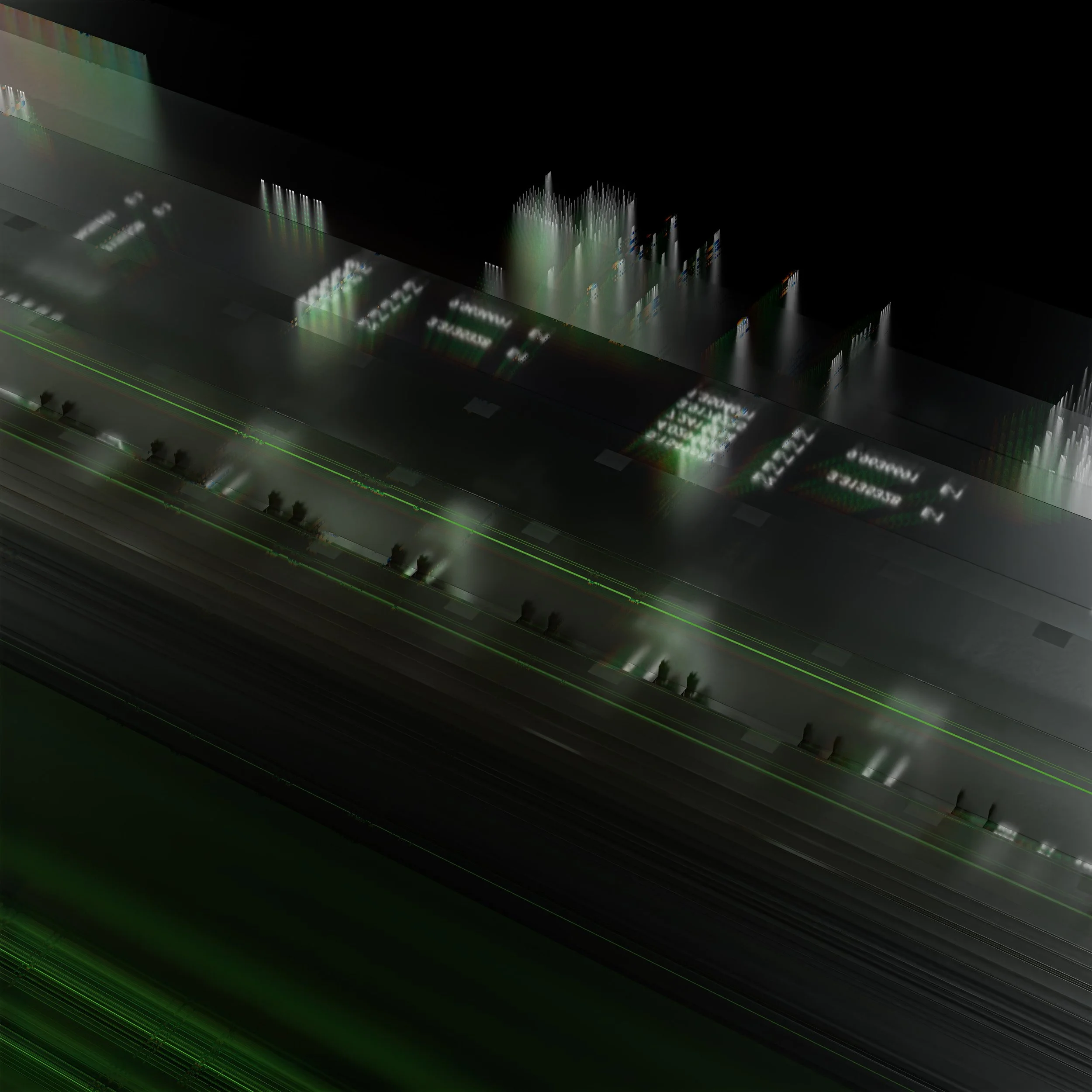
As the visual system developed, spatialized data began to carry meaning beyond abstract codes and algorithms. Images and recognizable content emerged within the structures, allowing information to shift between graphic, spatial, and representational forms.
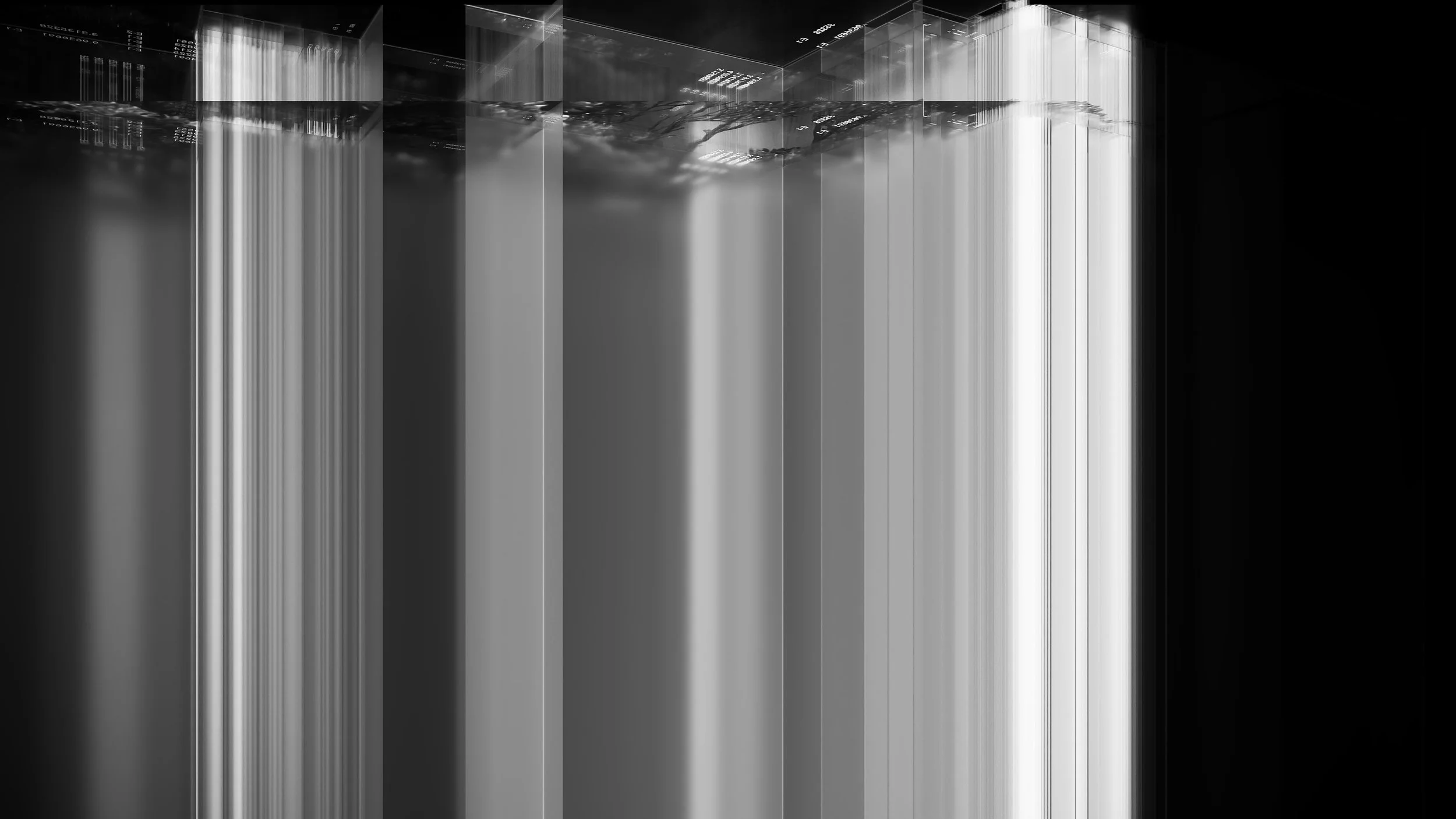
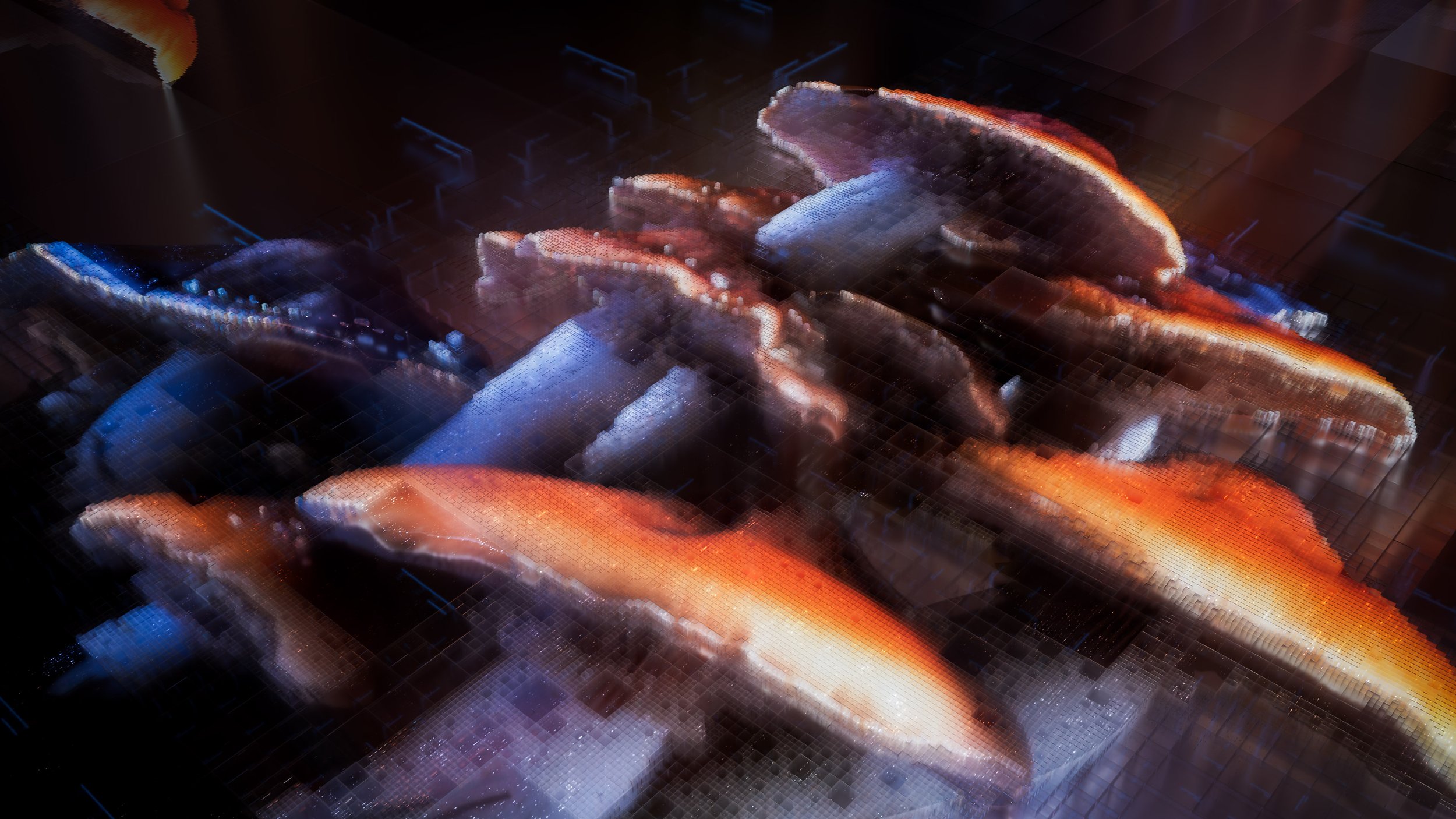
Data transmission became a central part of this transition. Studies explored pixel stretching and visible light as mechanisms for moving information through space, transforming images into dimensional streams of data before resolving them back into recognizable content. These experiments established a visual process through which information could appear, dissolve, travel, and reform.
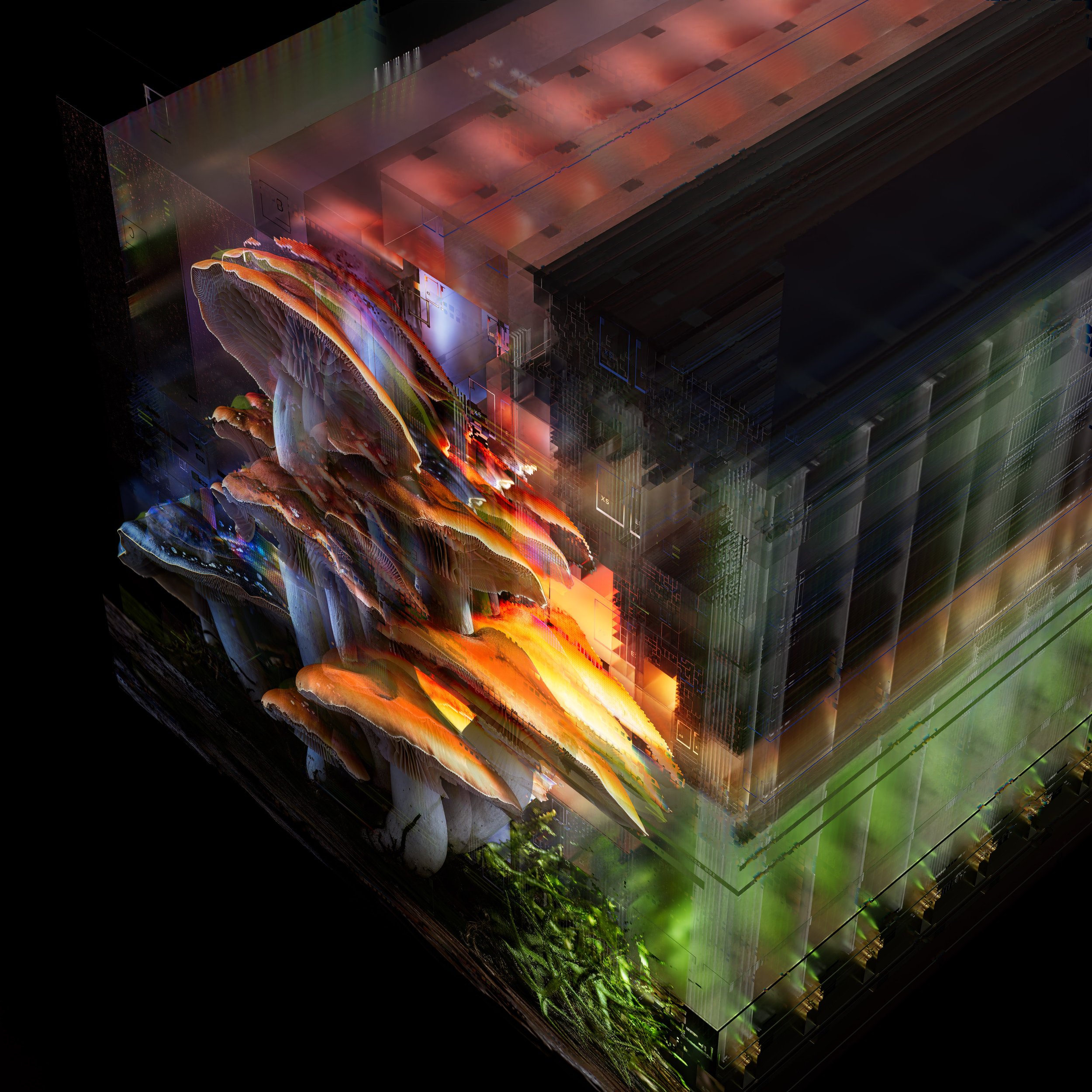
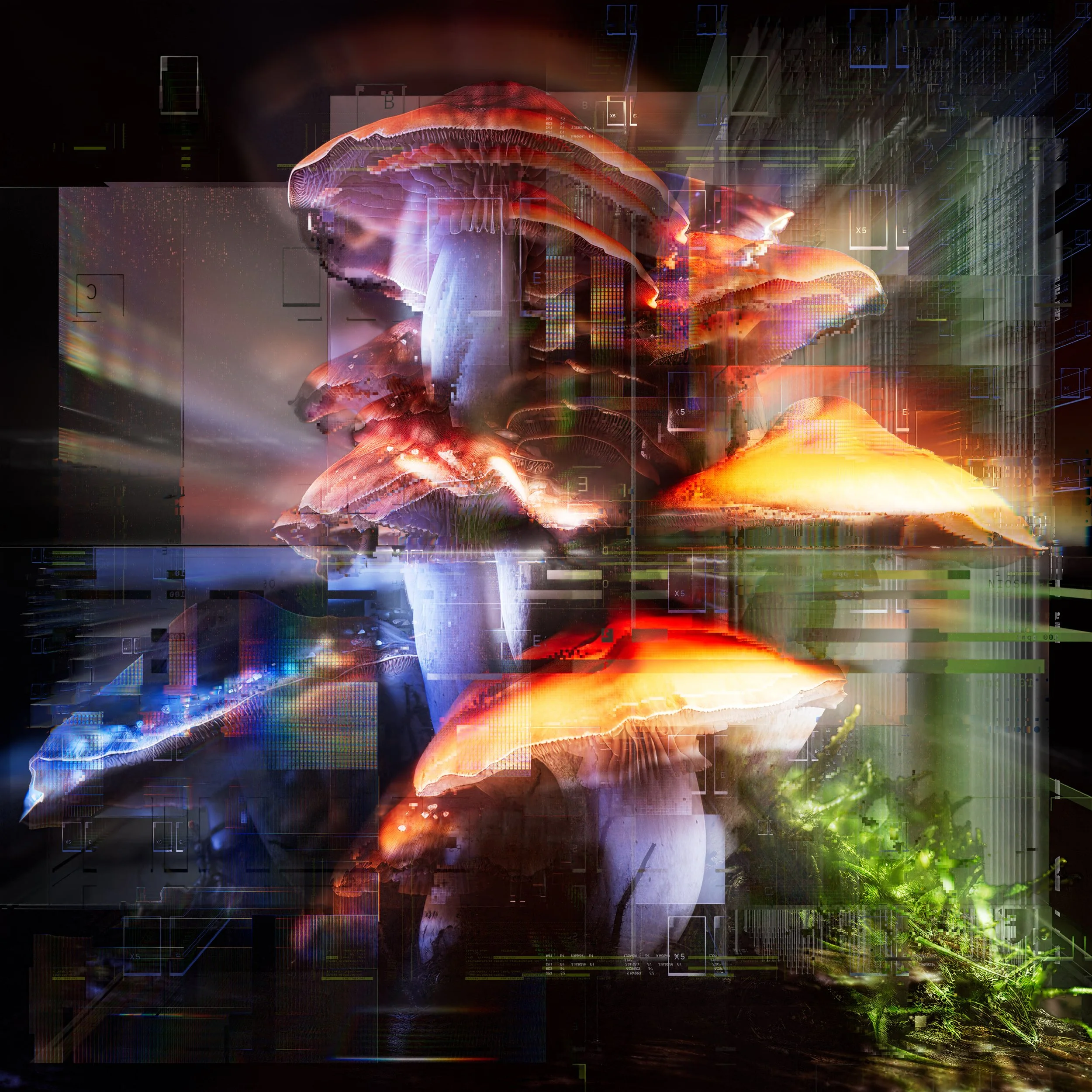
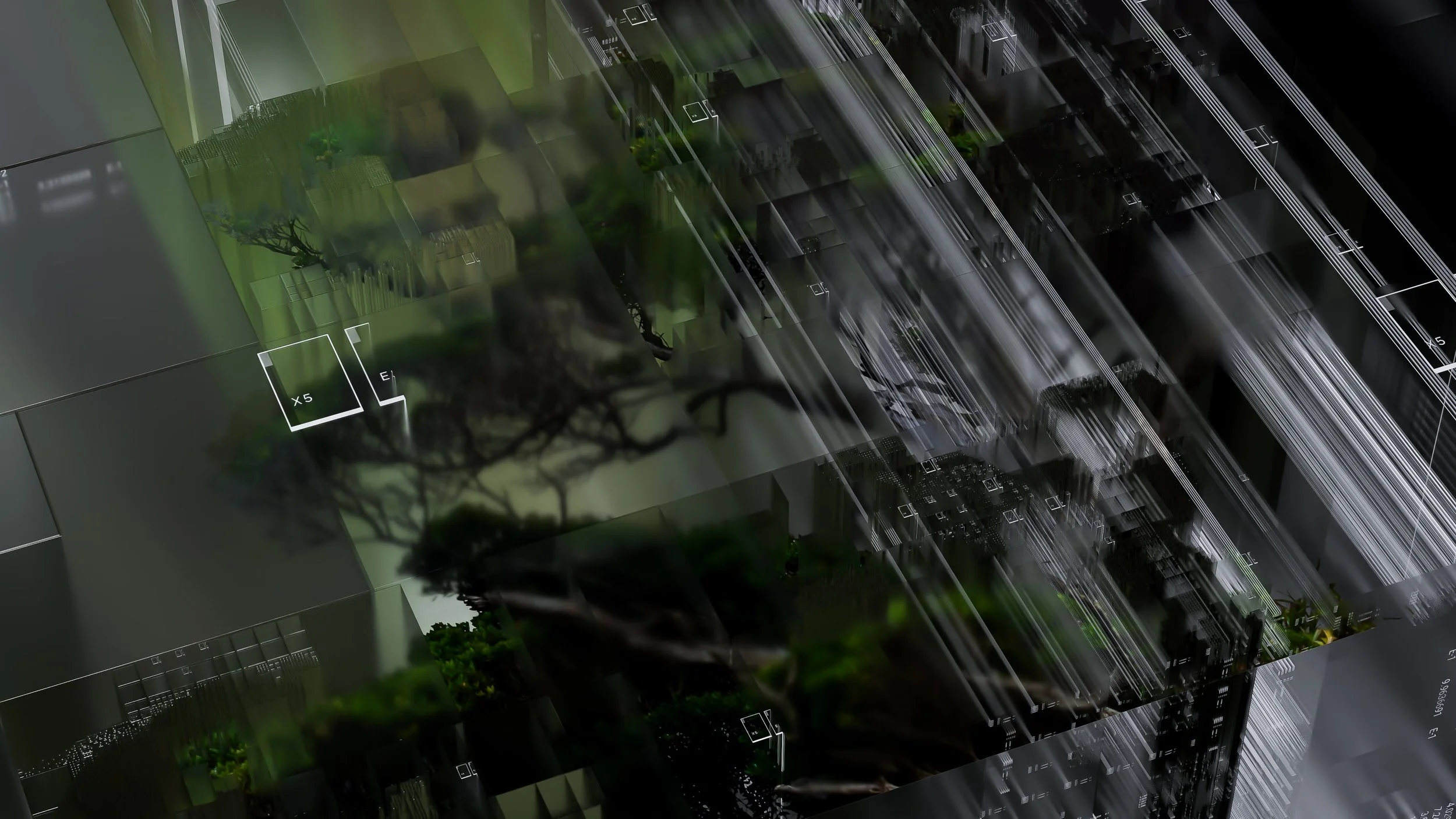
A parallel set of studies focused on how the same visual language could generate recognizable natural content. Quadtrees, glass structures, and light were used as constructive elements, breaking images into modular forms that could be rebuilt through the system itself. These experiments tested how a shared set of rules could accommodate the distinct visual qualities of flora, fauna, and fungi while maintaining a consistent relationship between data and image.
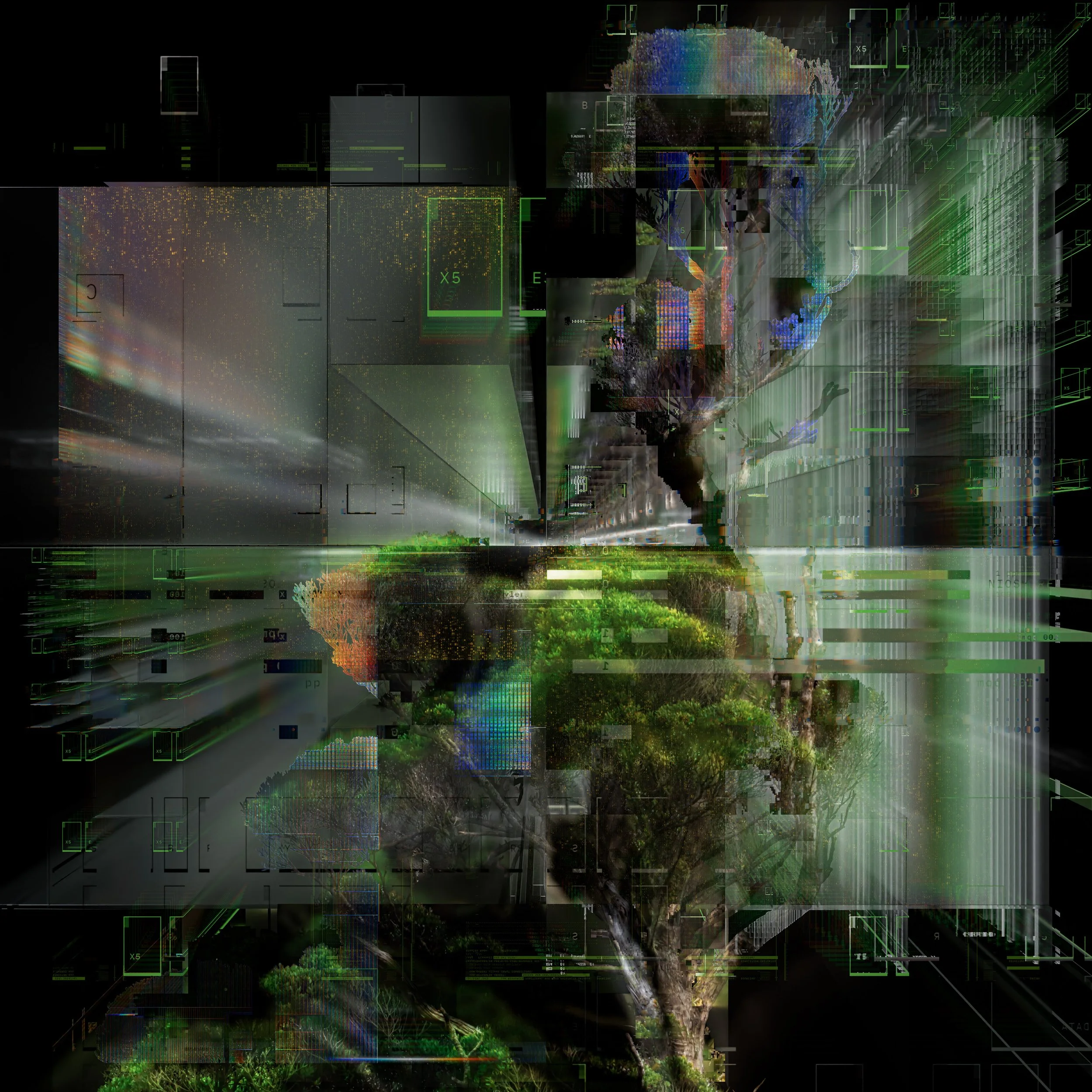
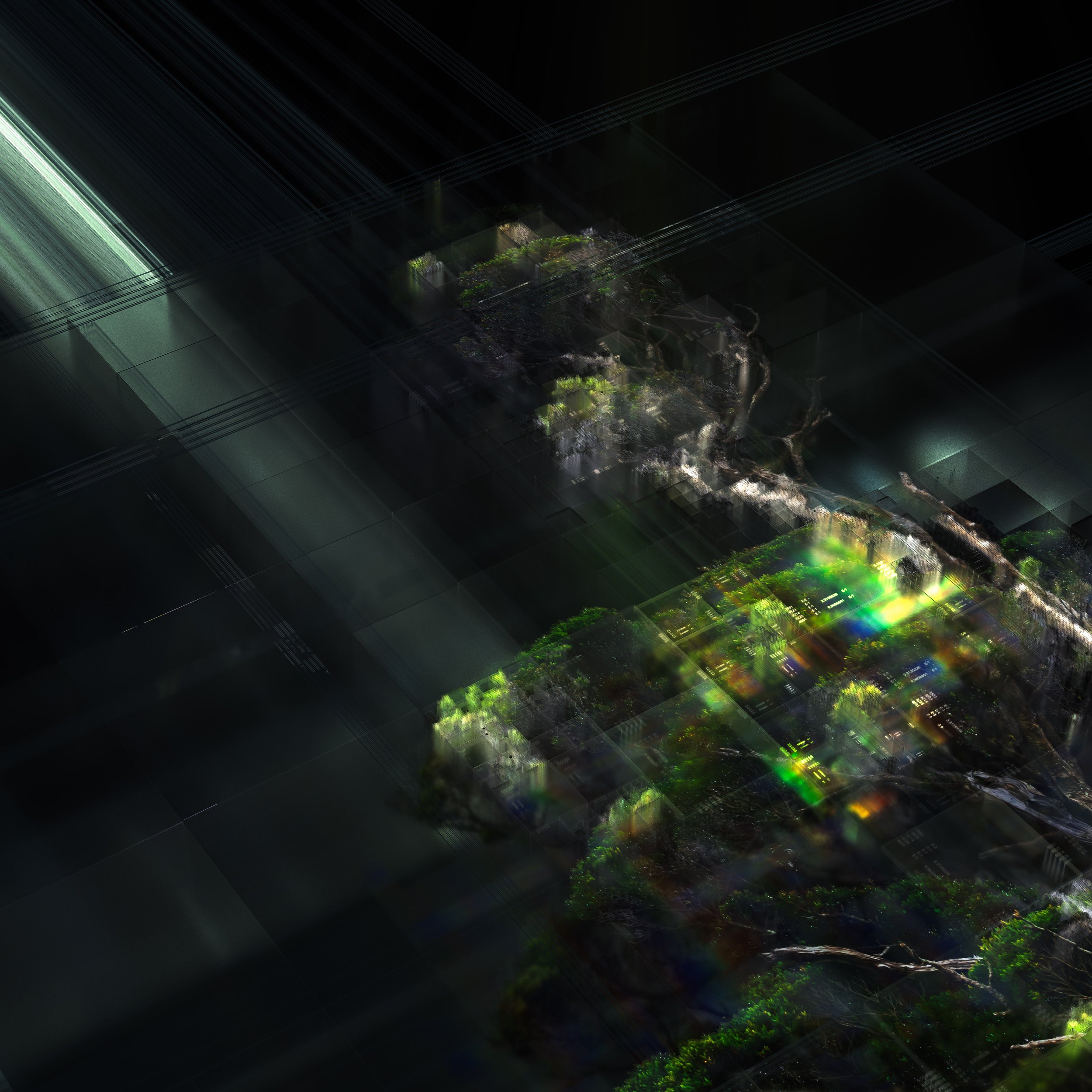
Flora content final look
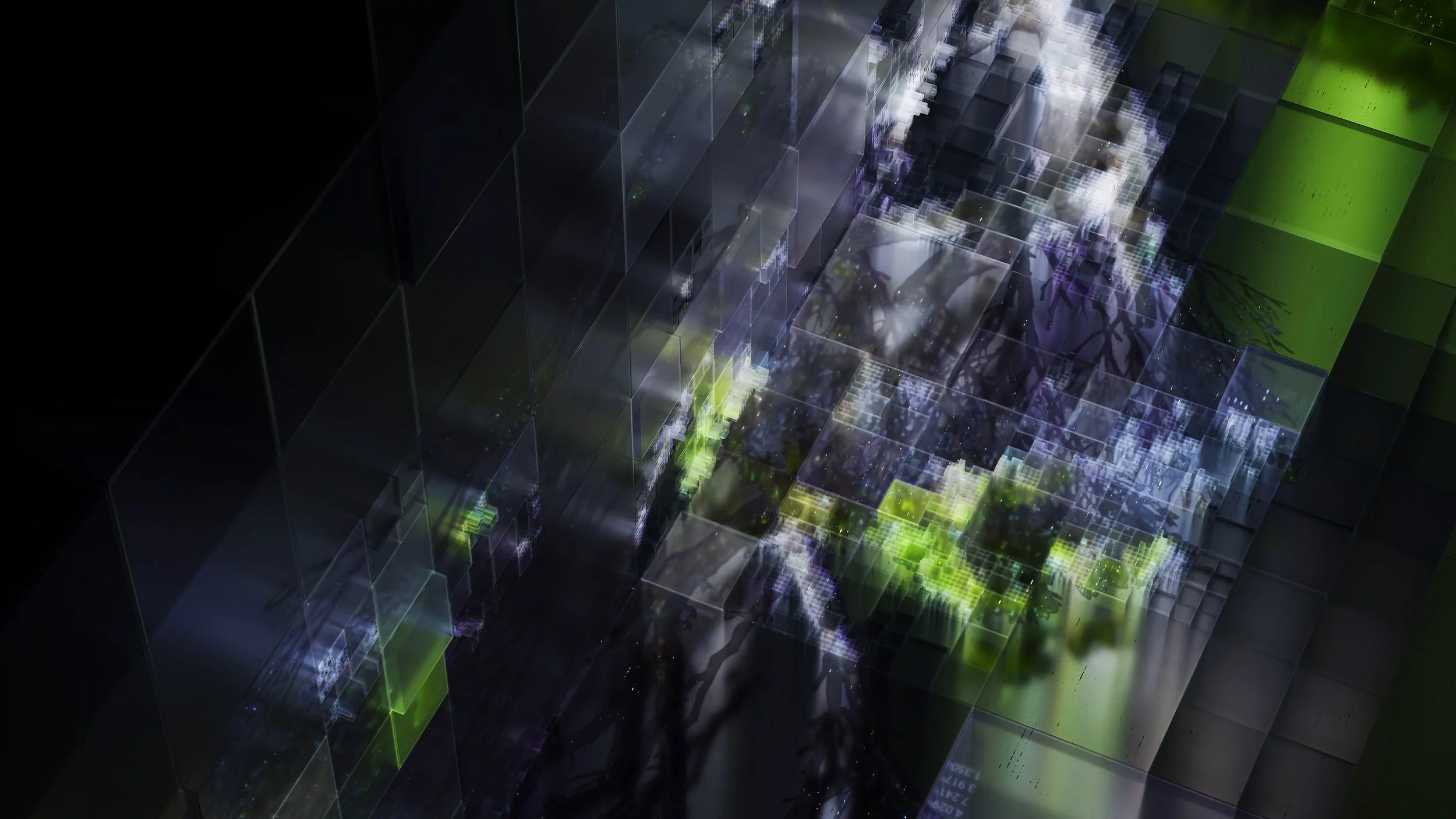
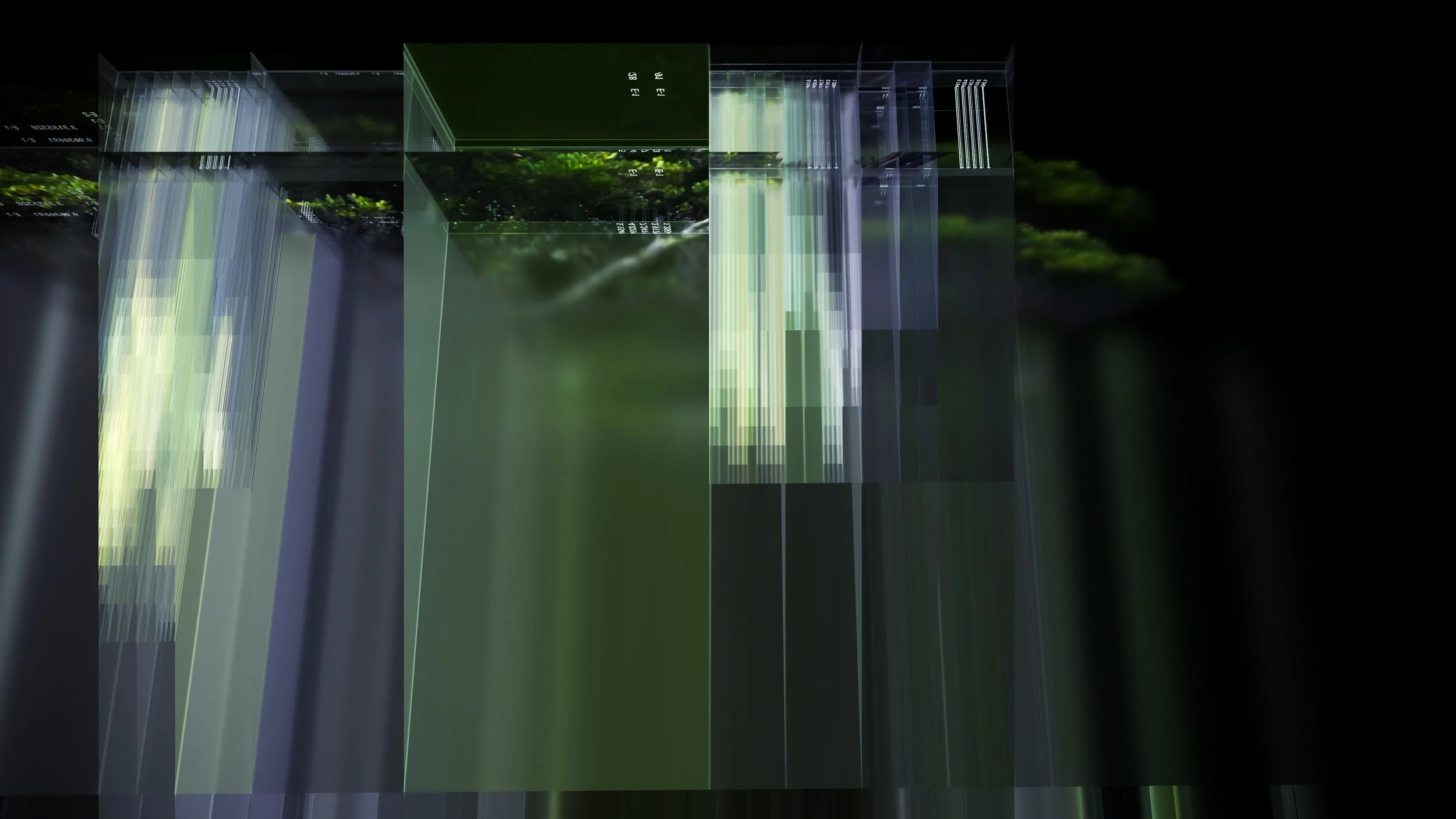
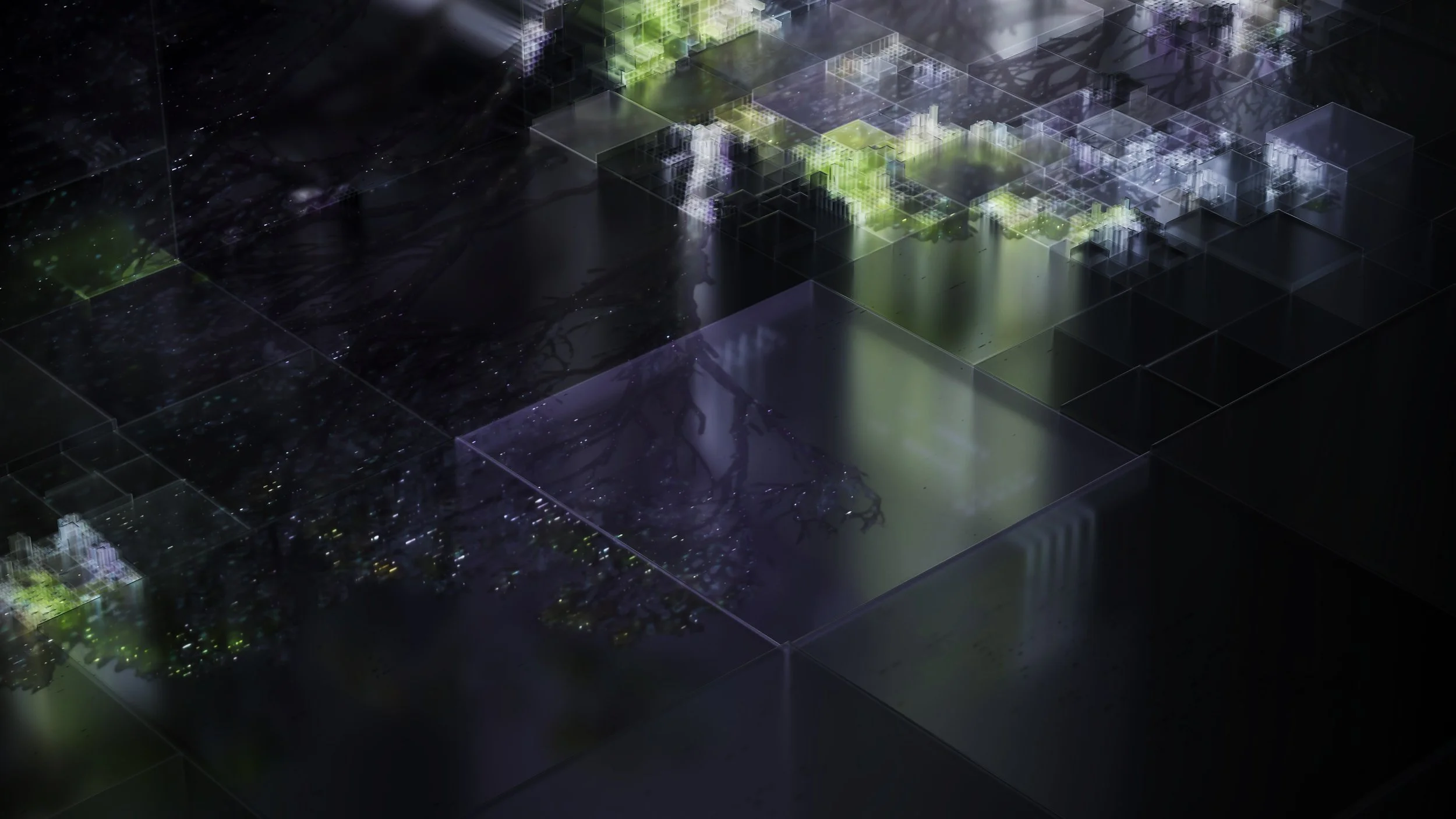
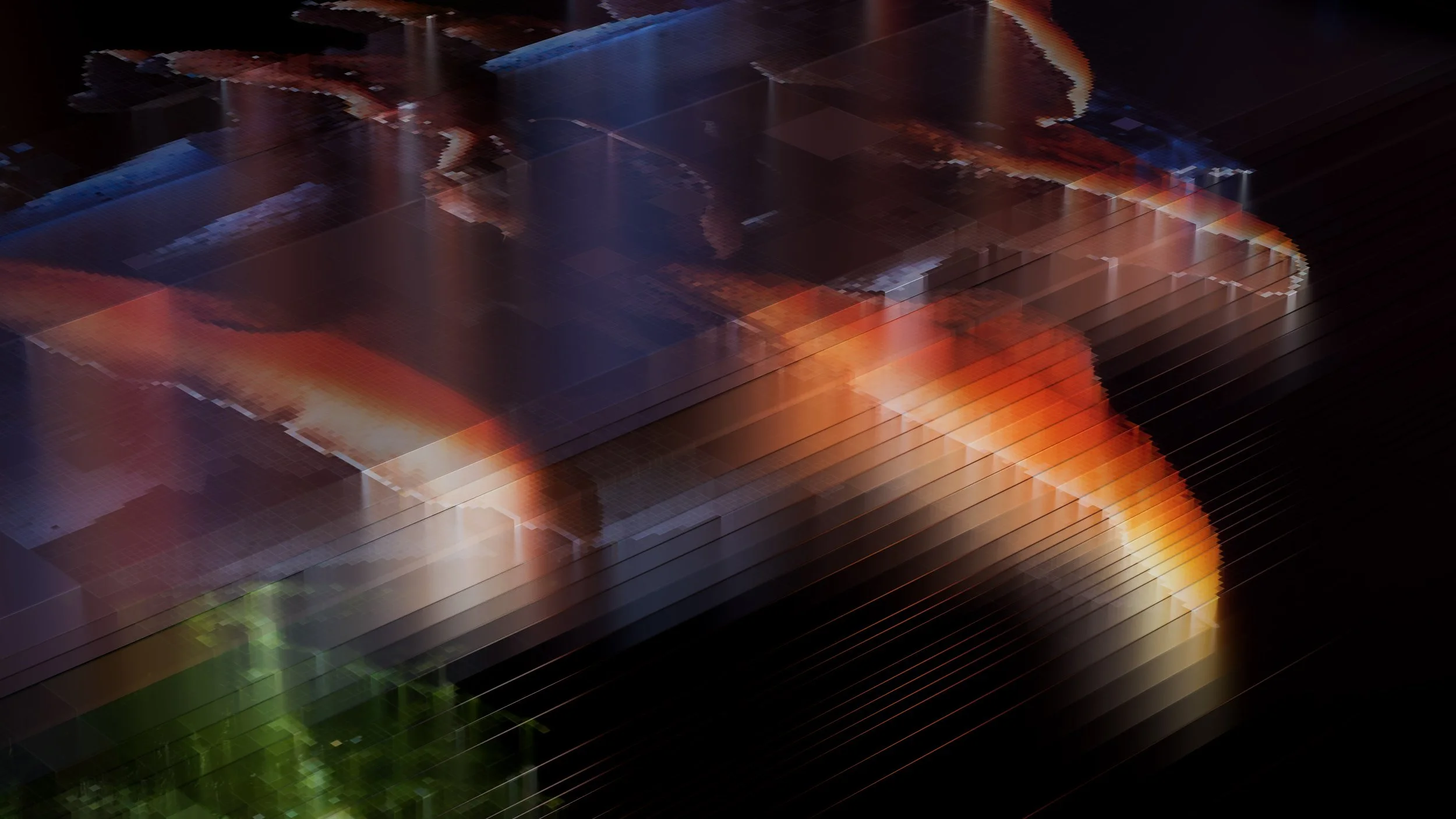
Fungi content assimilation
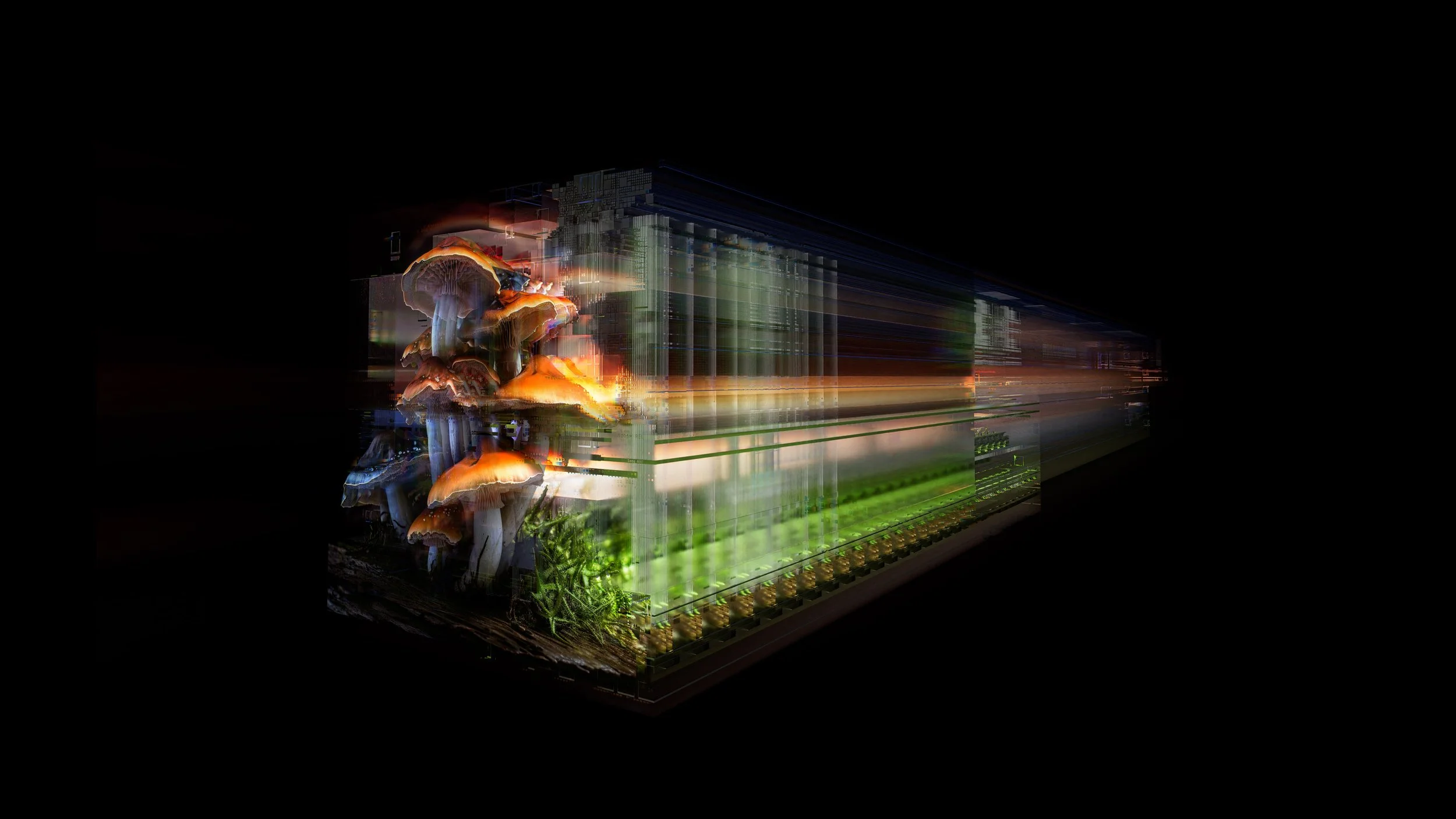
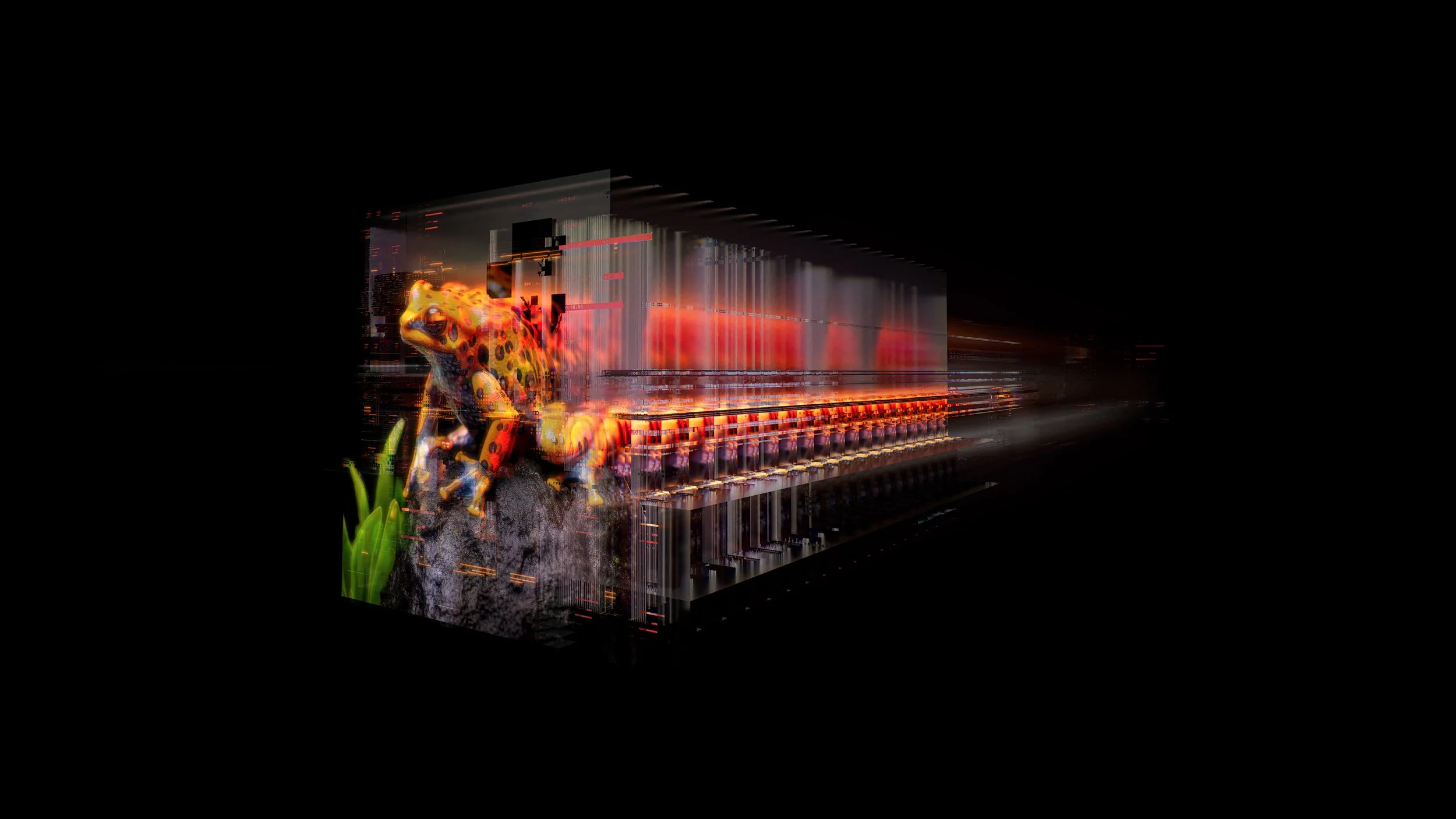
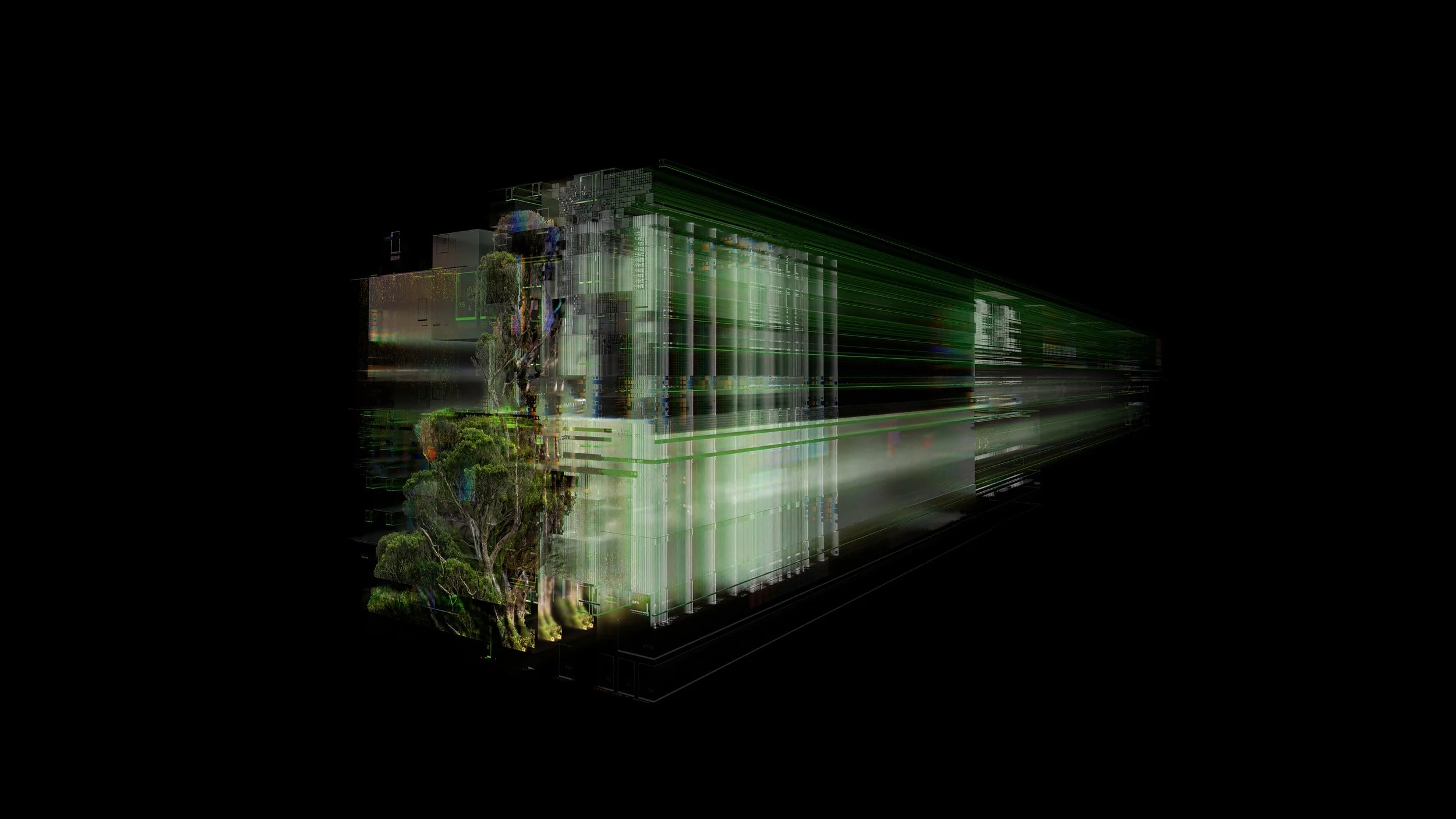
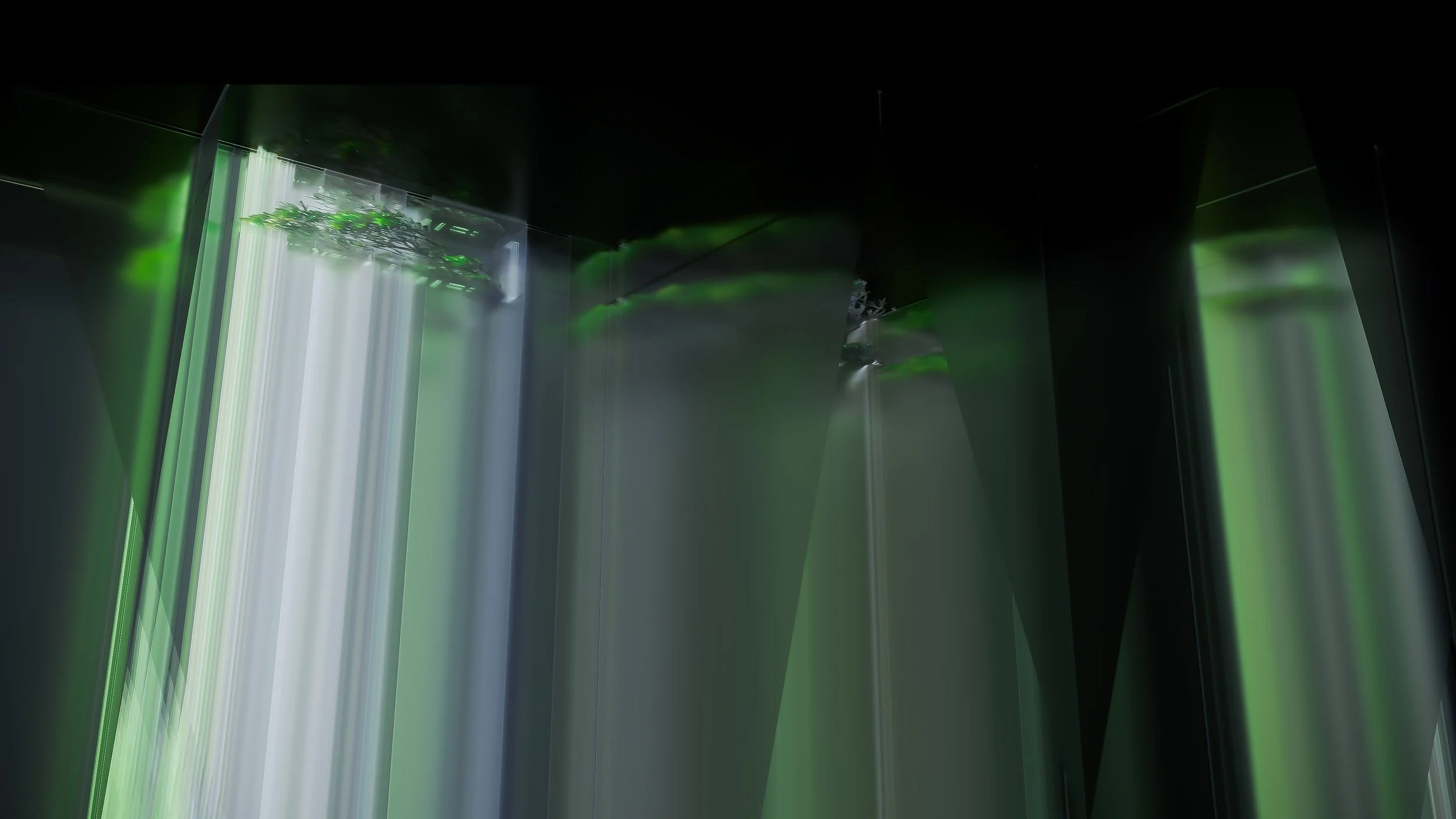
Content animation study
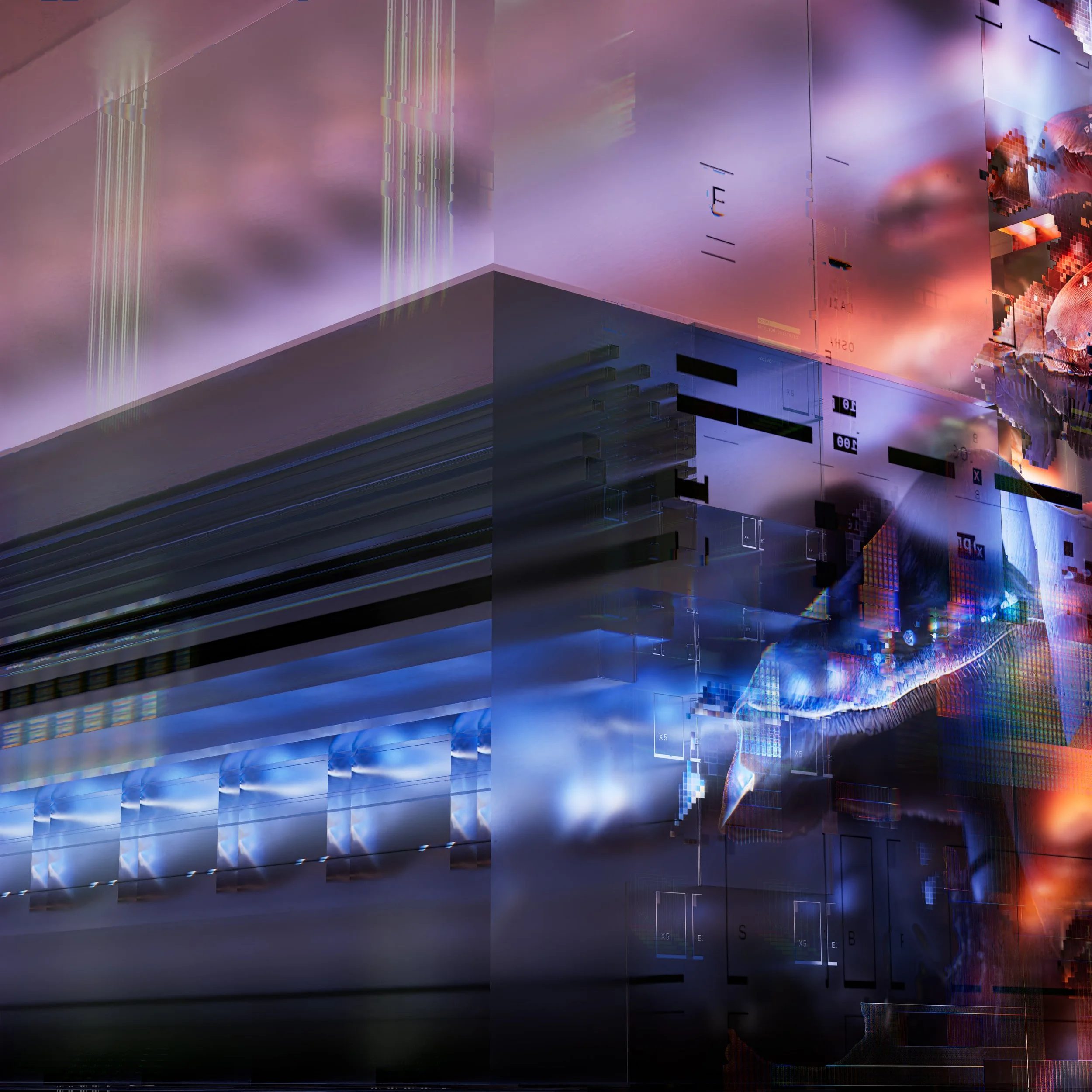
Motion tests
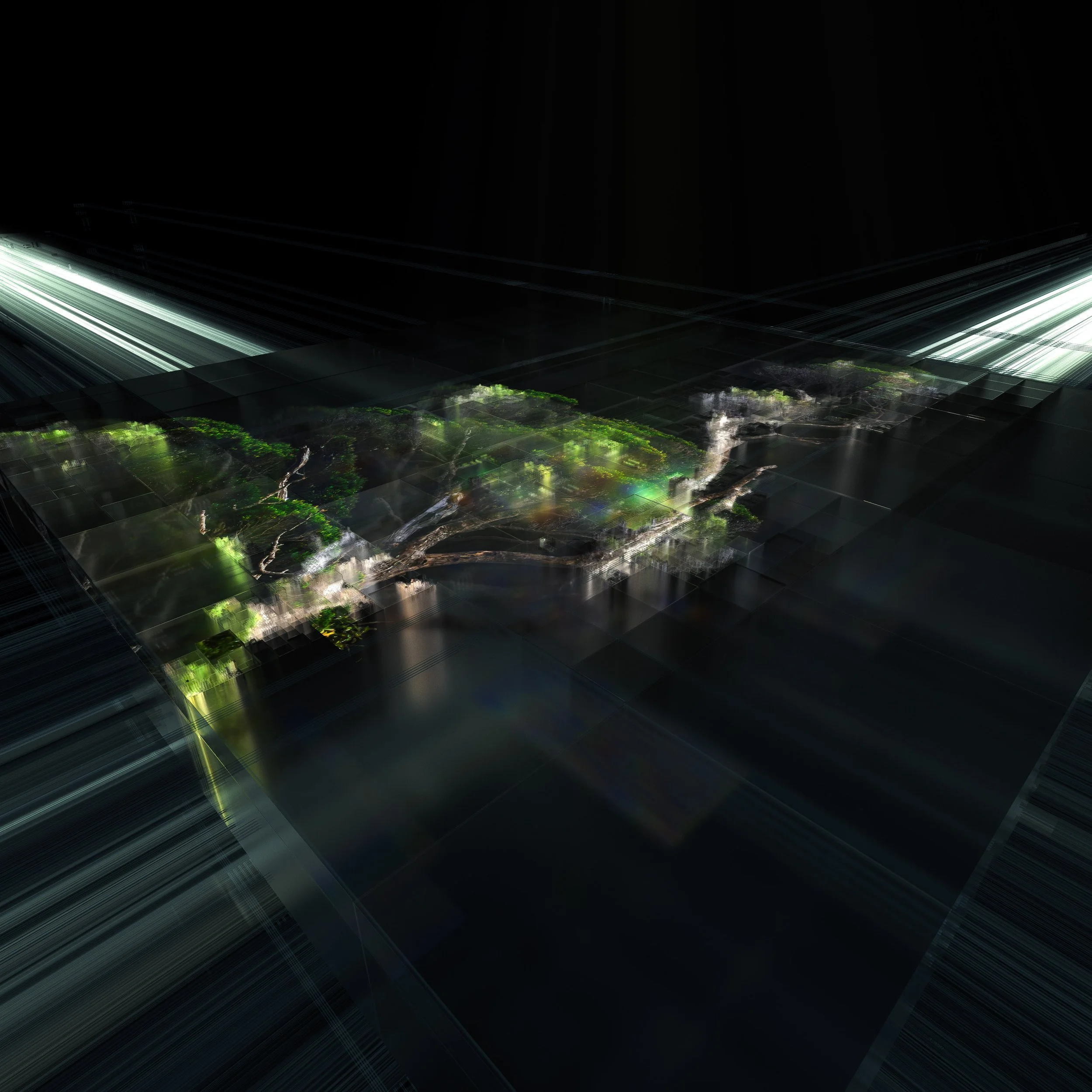
Content final look
01.4 MUTATION
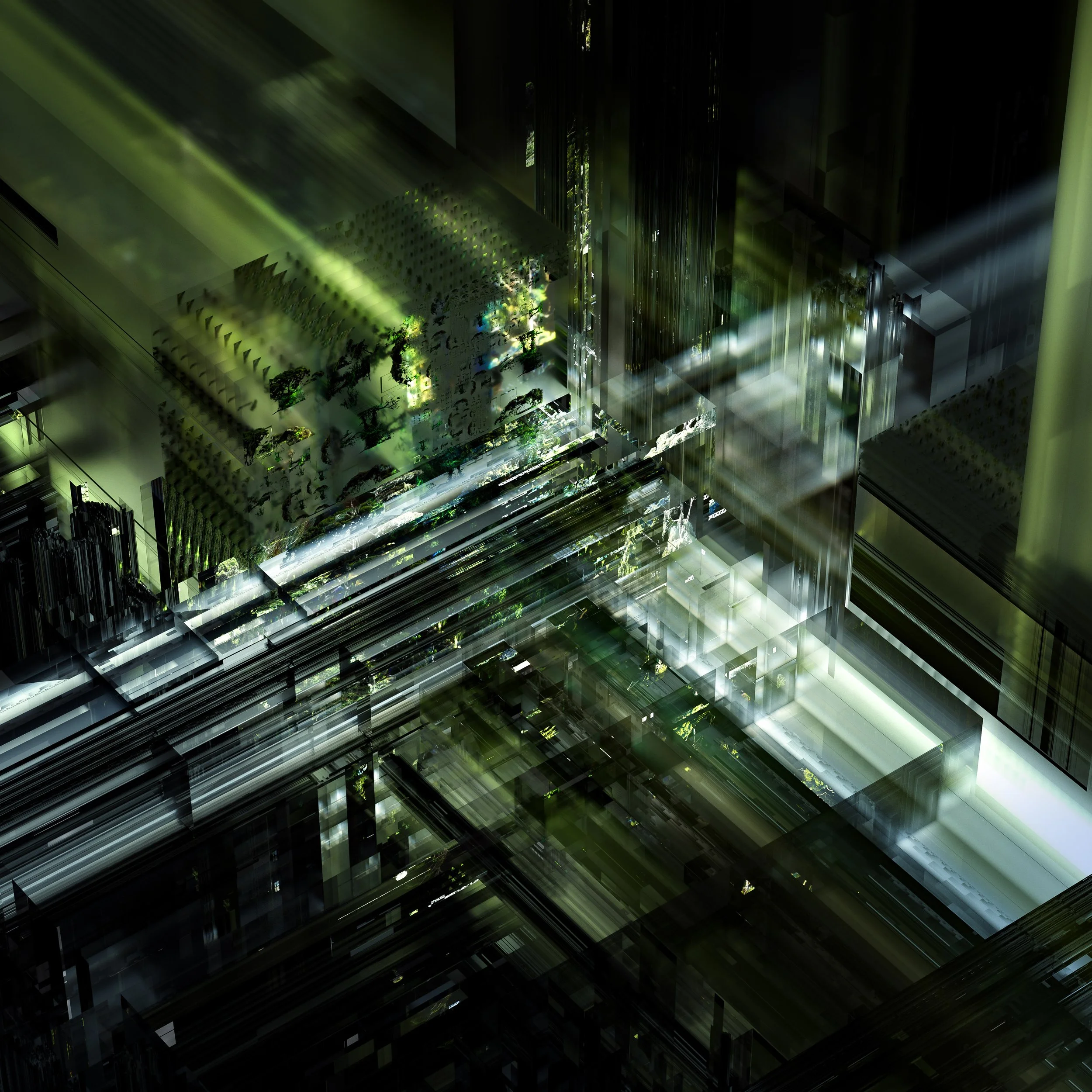
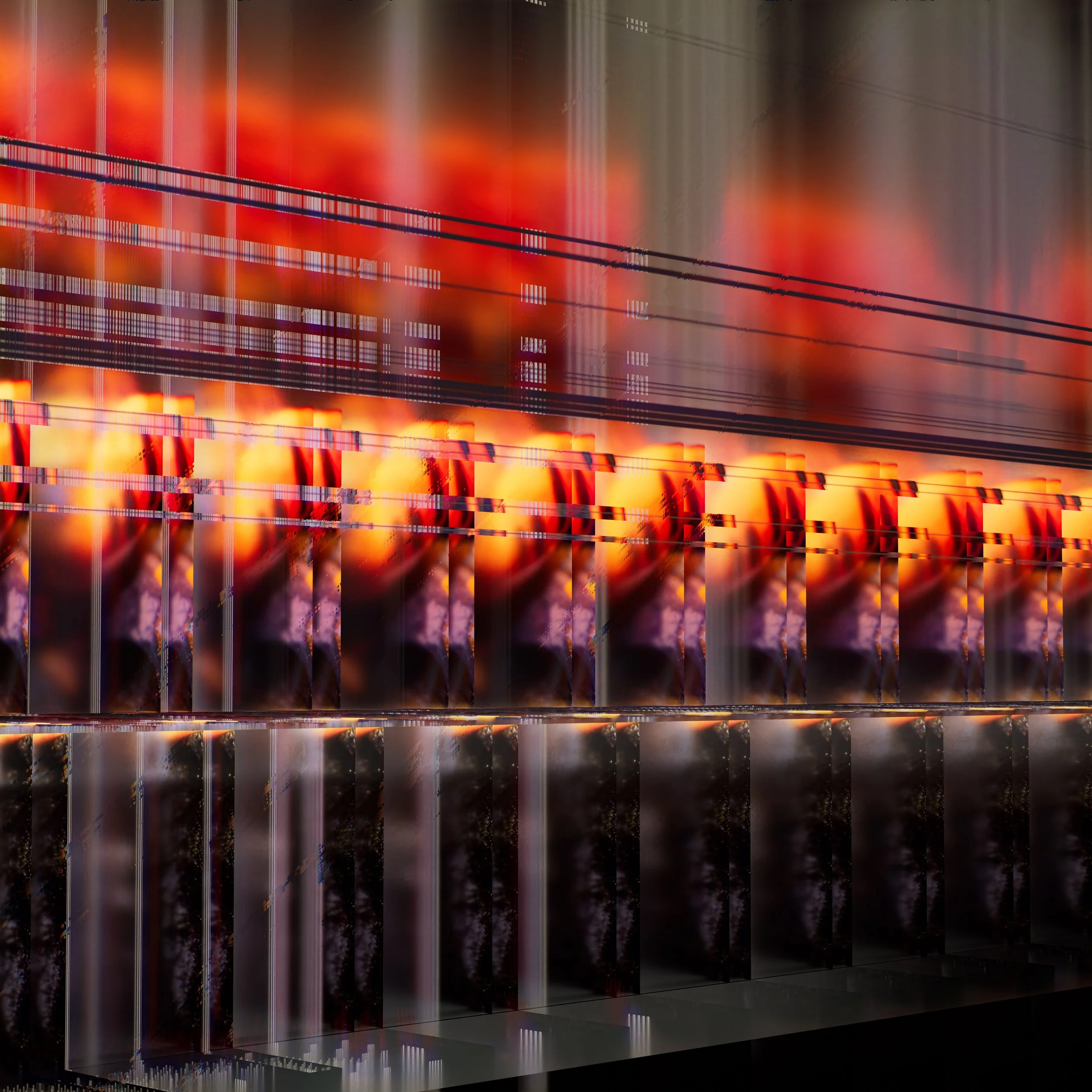
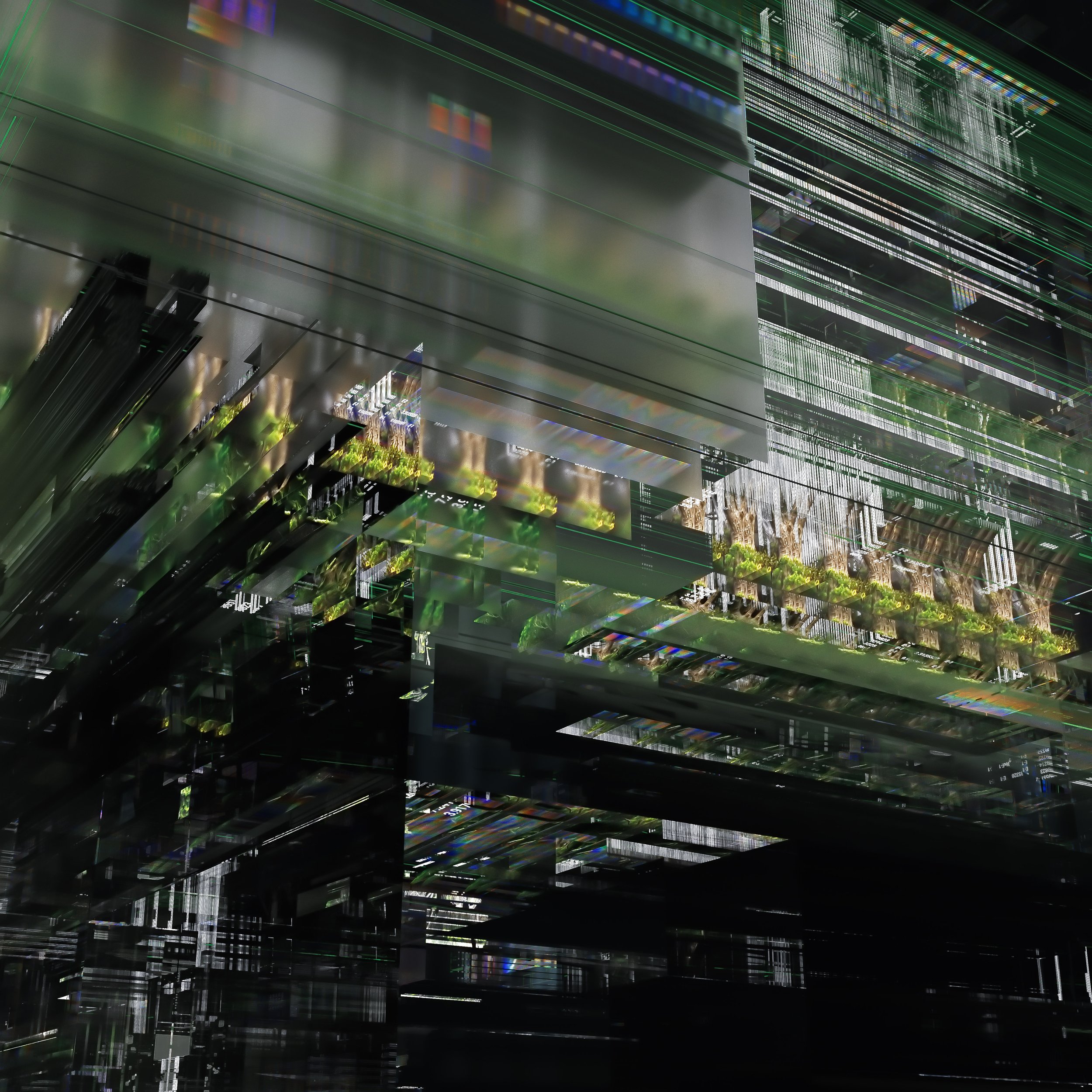
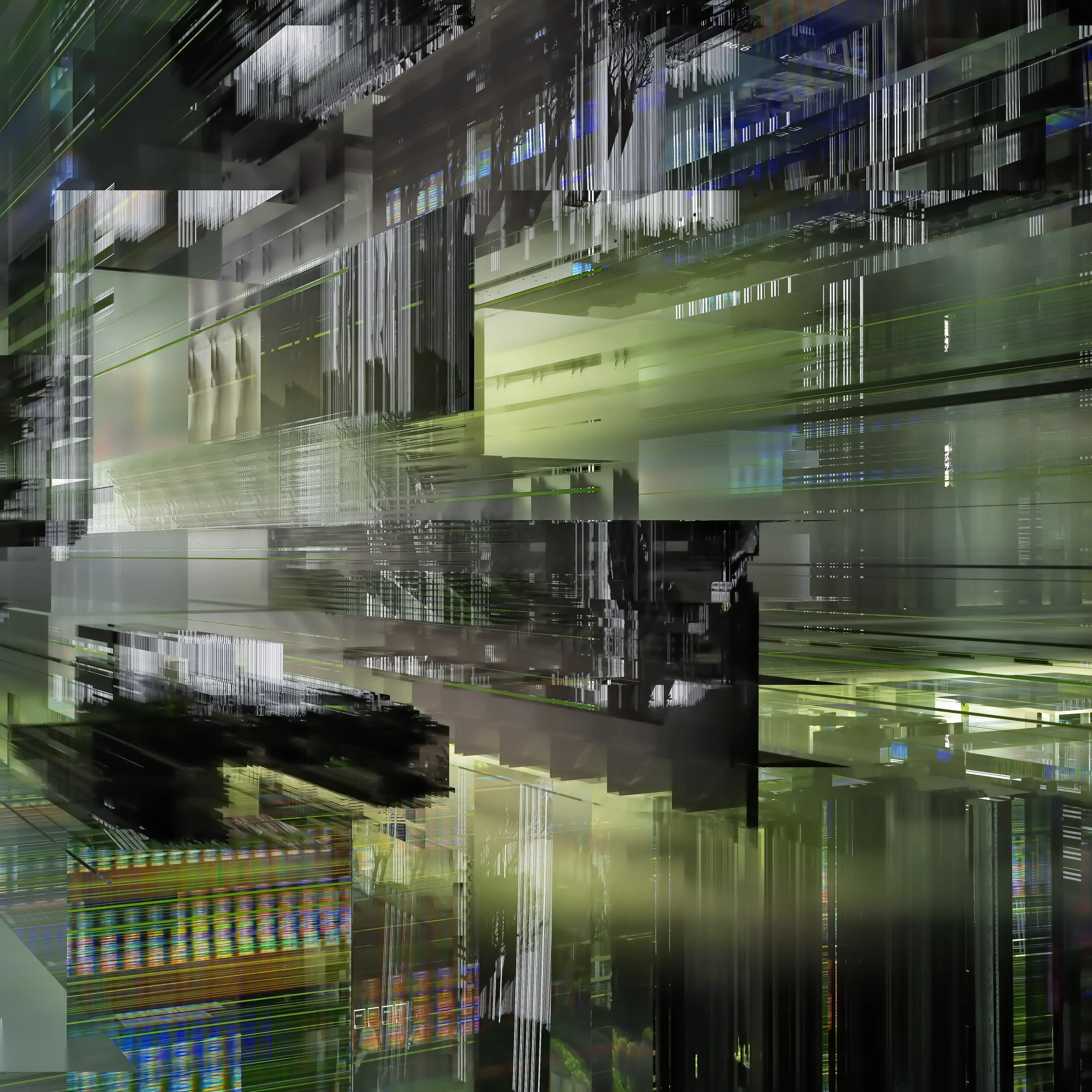
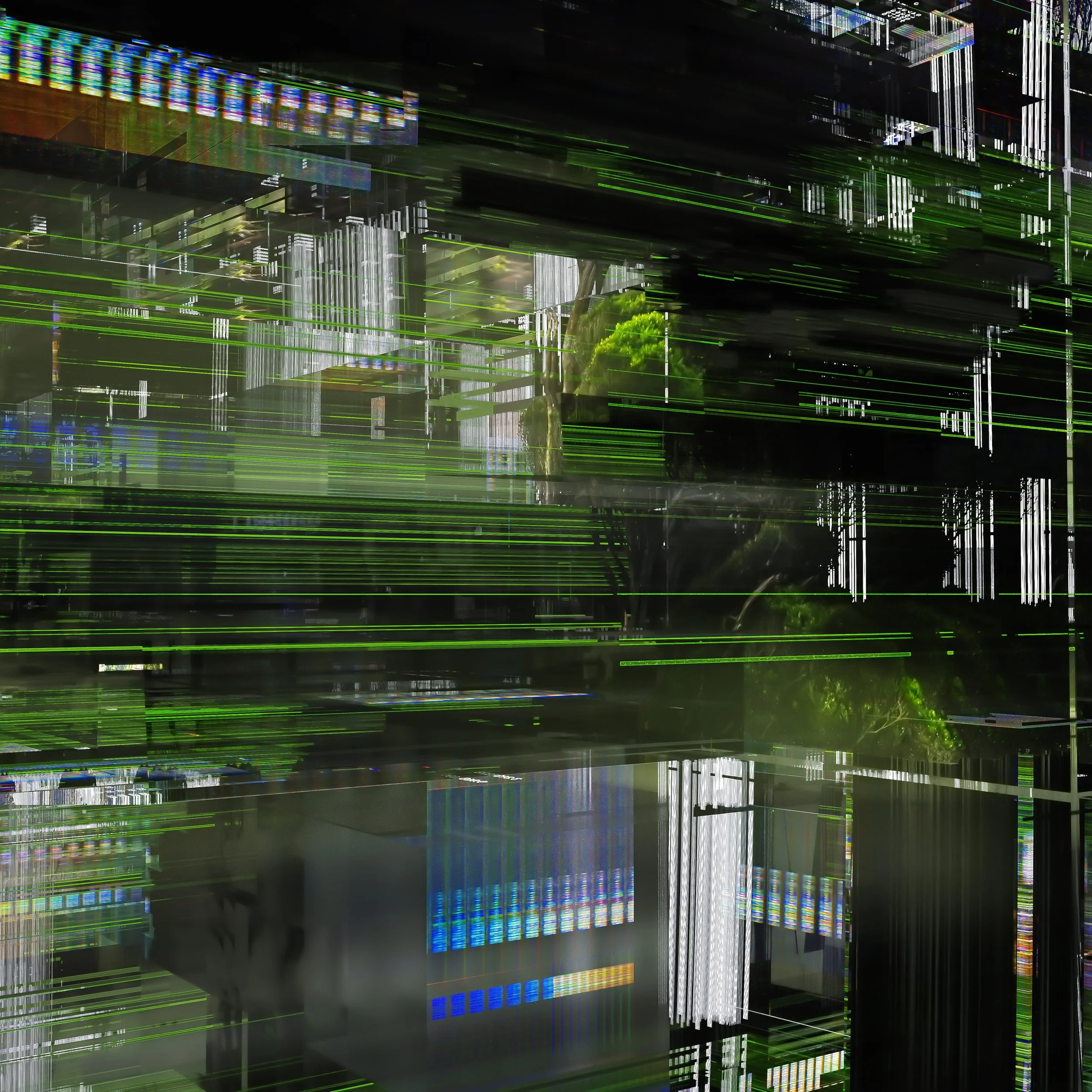
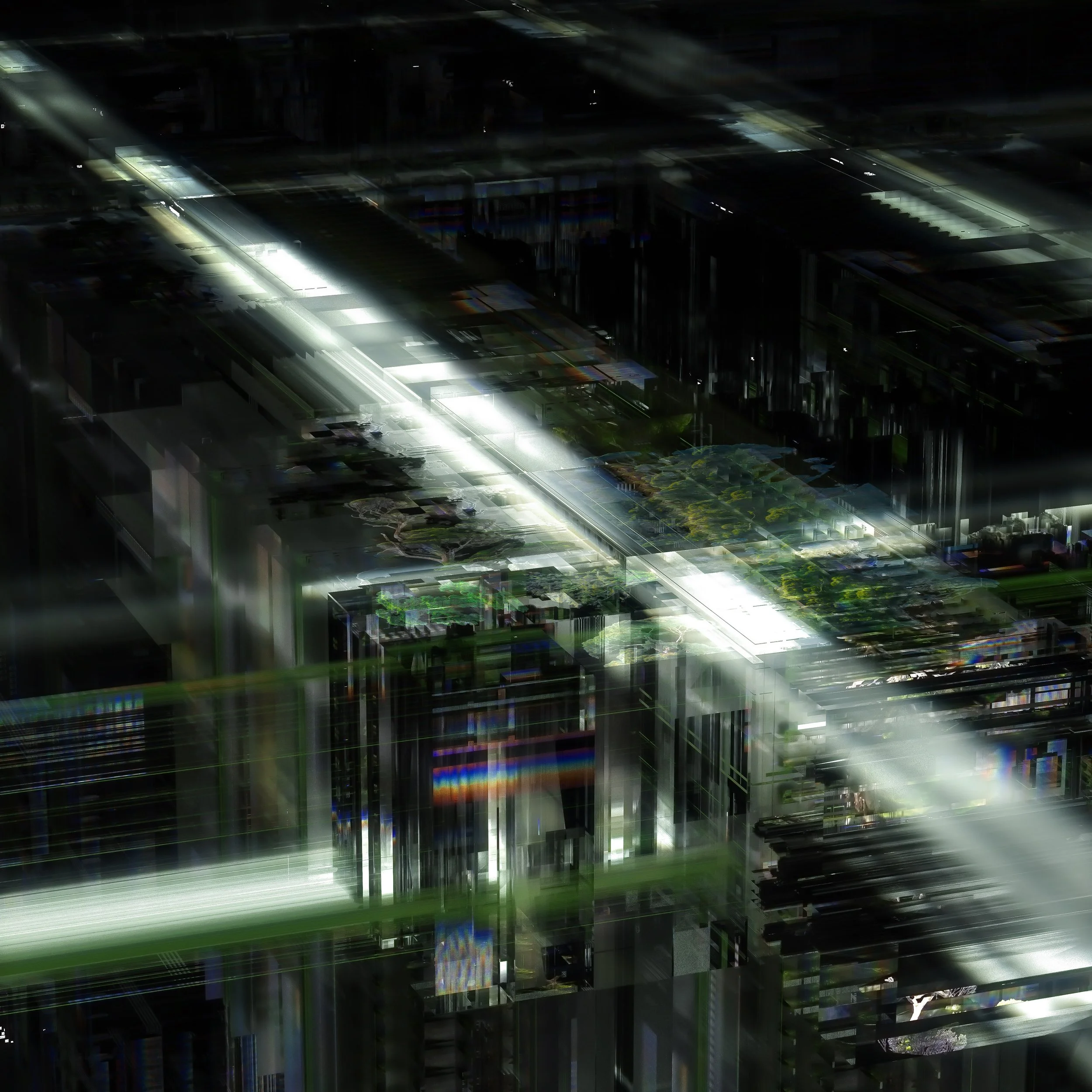
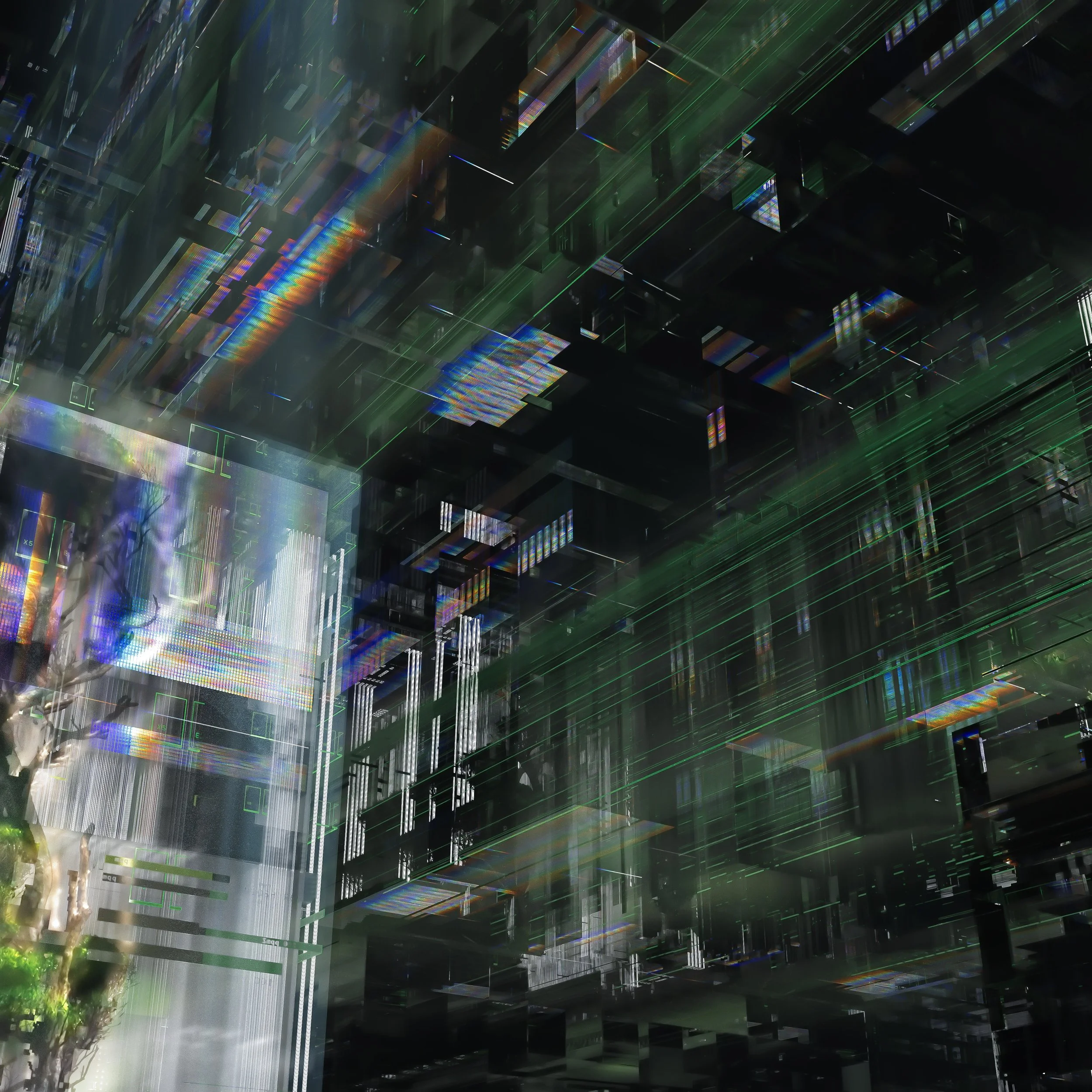
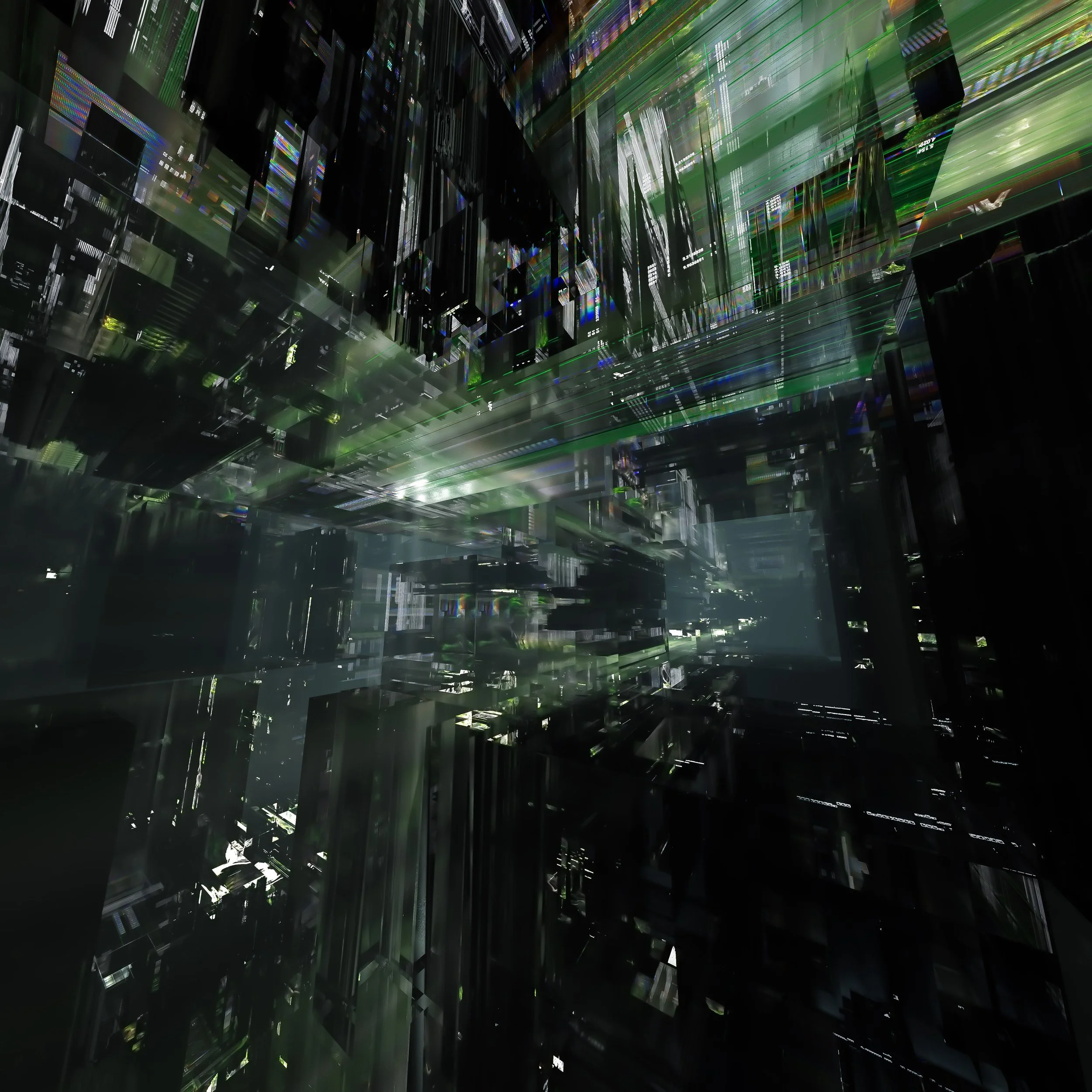
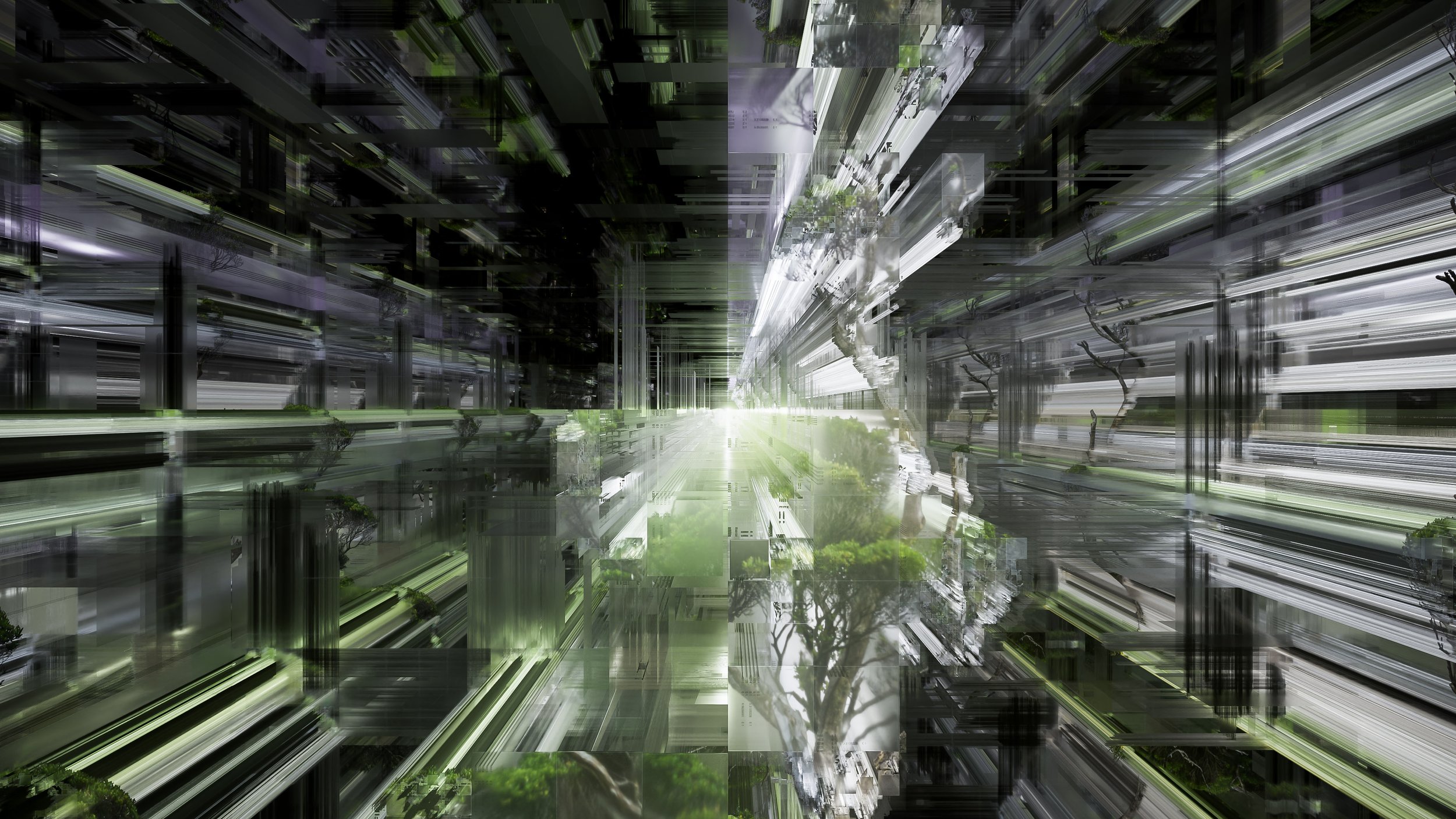
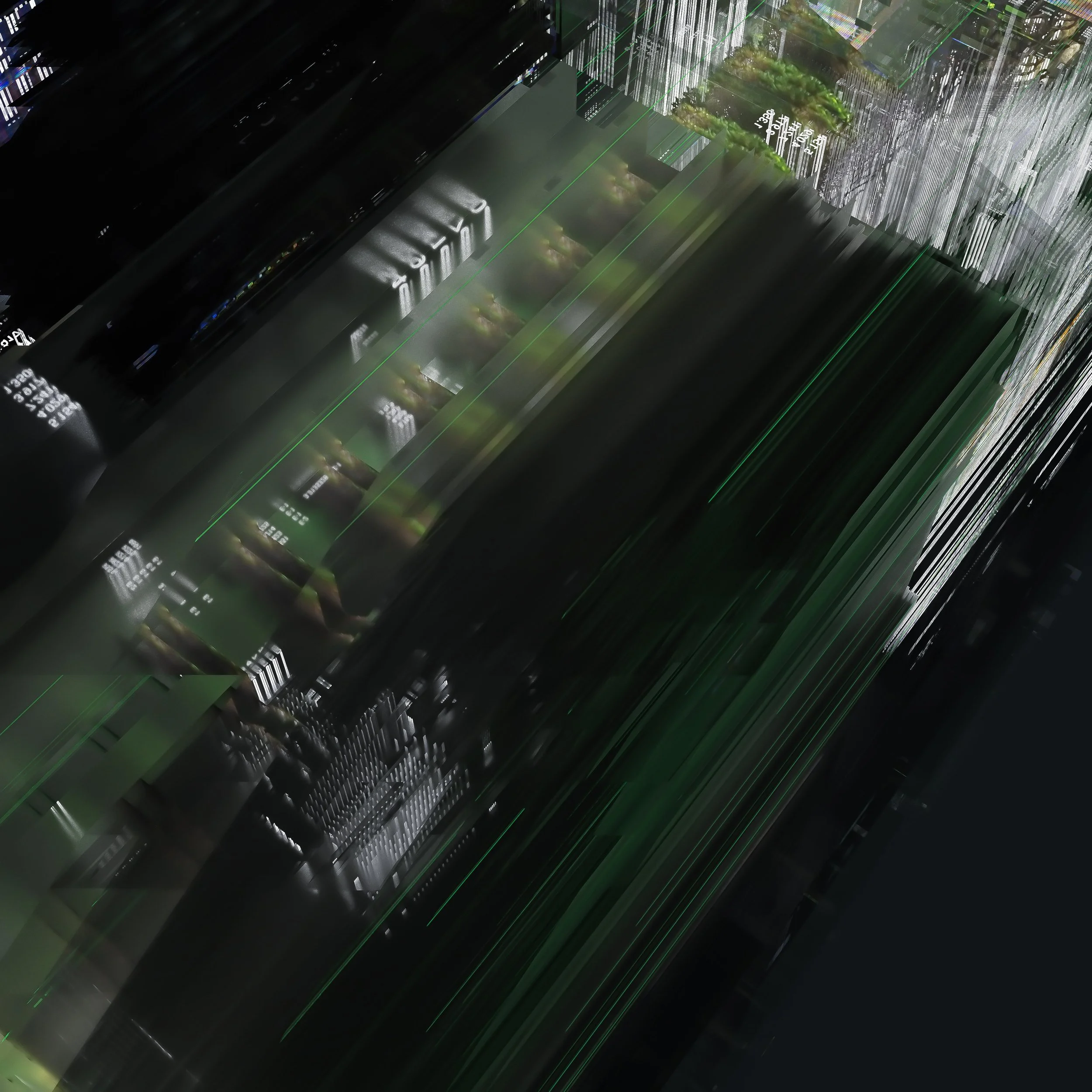
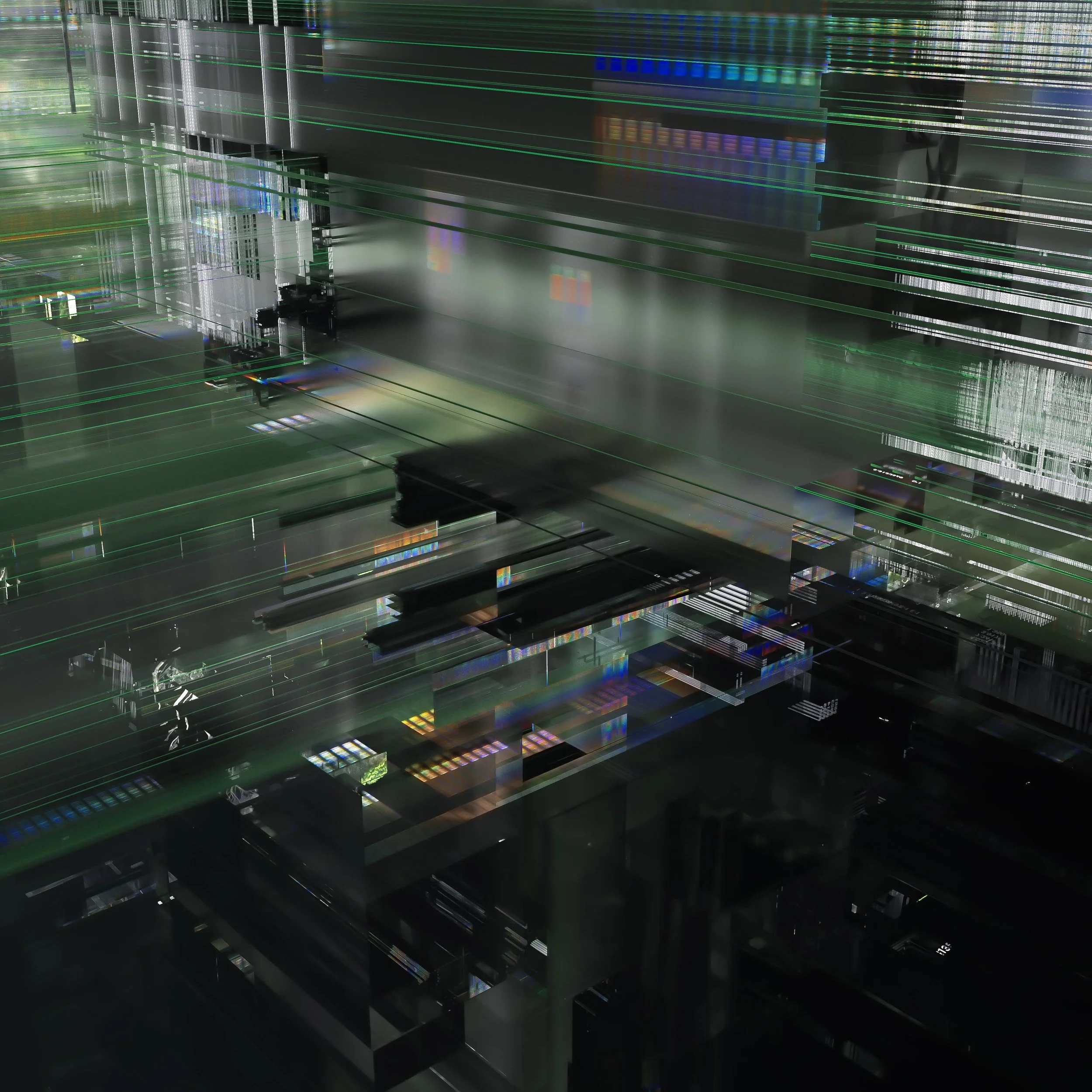
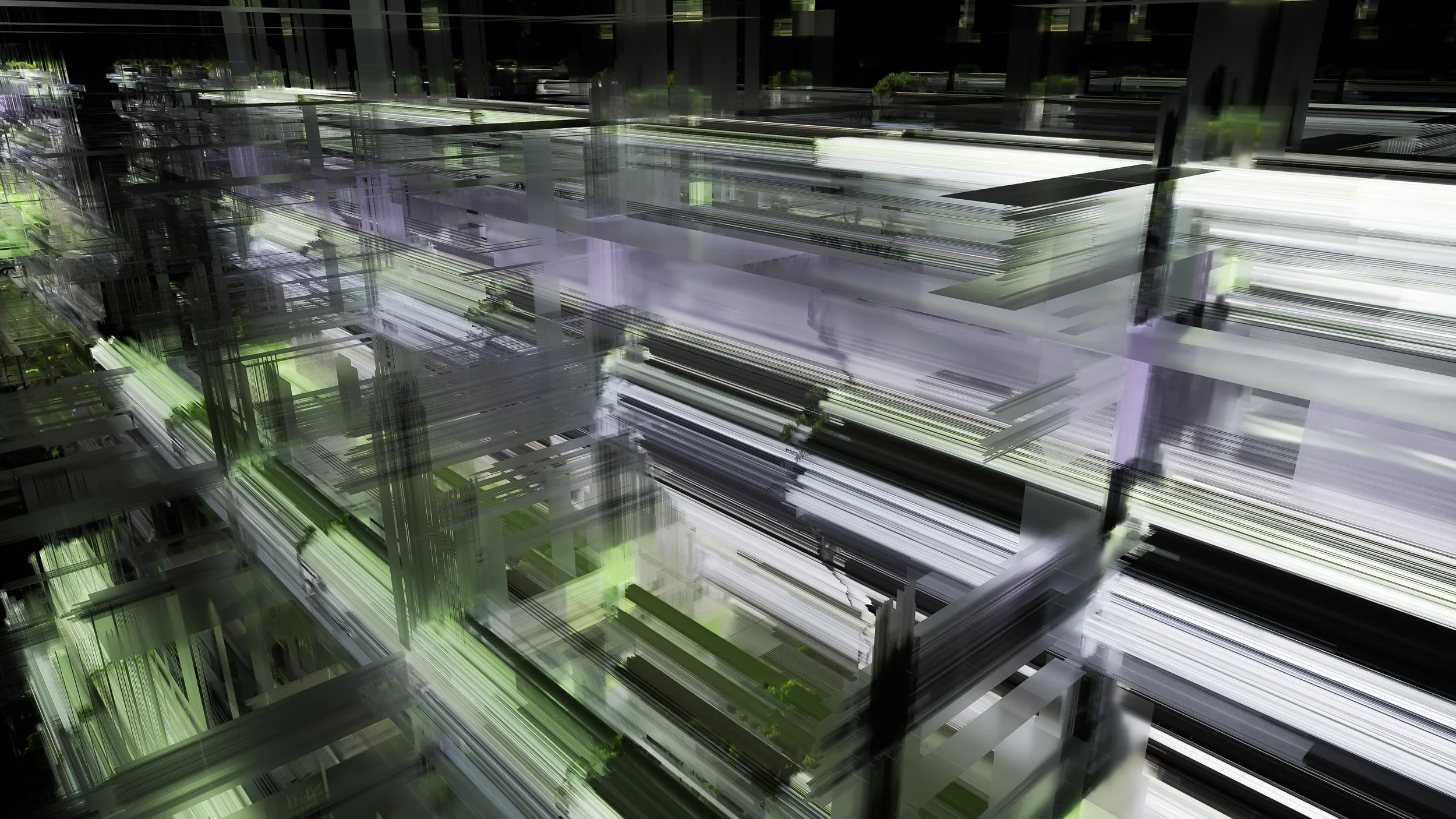
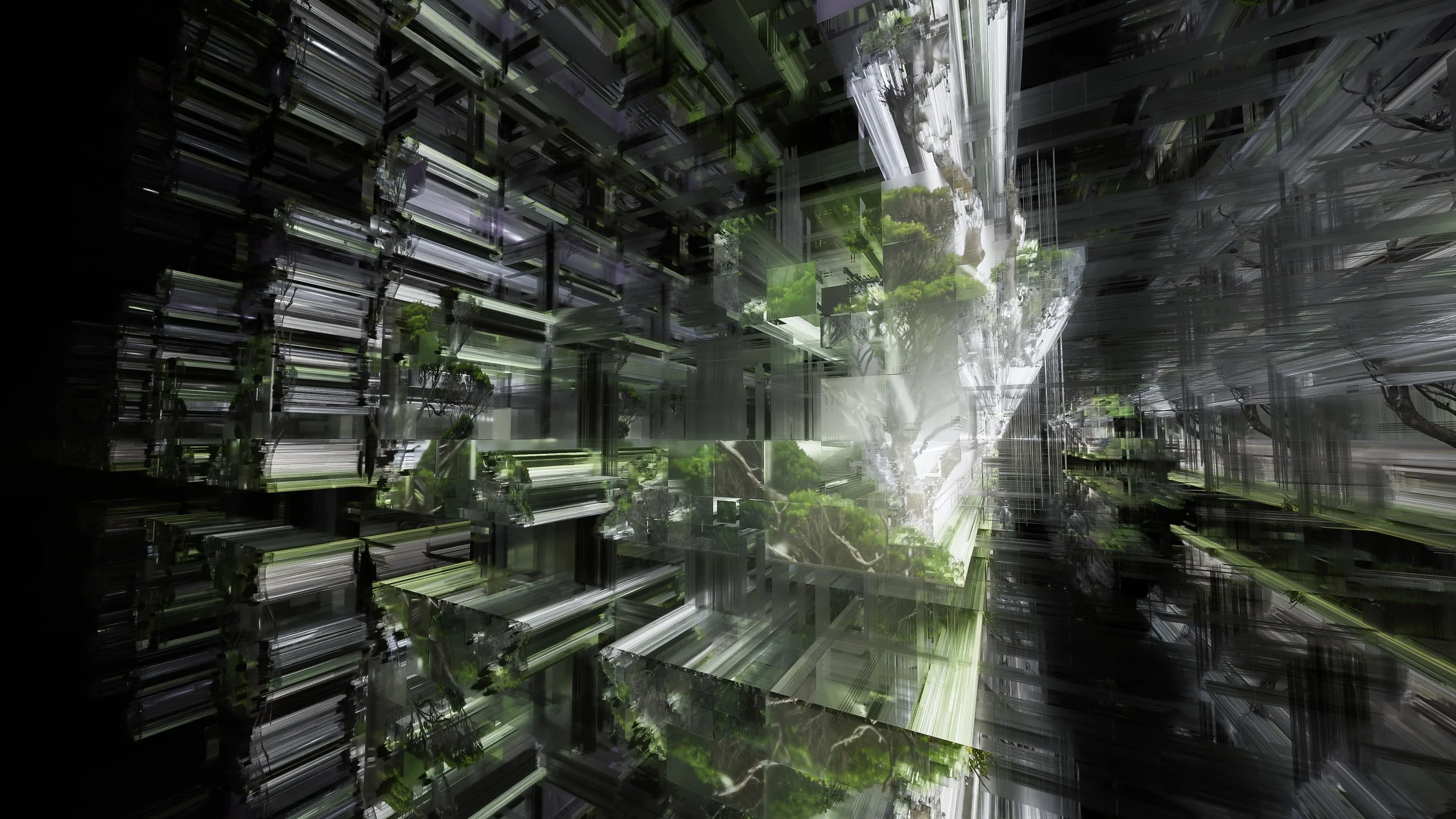
As the system evolved, the flat planes of the quadtree structures began to extend beyond the image itself. Content wrapped, layered, and folded through space, creating more complex relationships between individual data elements and the larger structures they formed.
These studies explored how increasingly dense datasets could remain legible as they expanded into immersive compositions. Familiar content was fragmented and reorganized across multiple planes, allowing the visual language to shift from isolated images toward interconnected fields of information.
Chapter final look + animation style
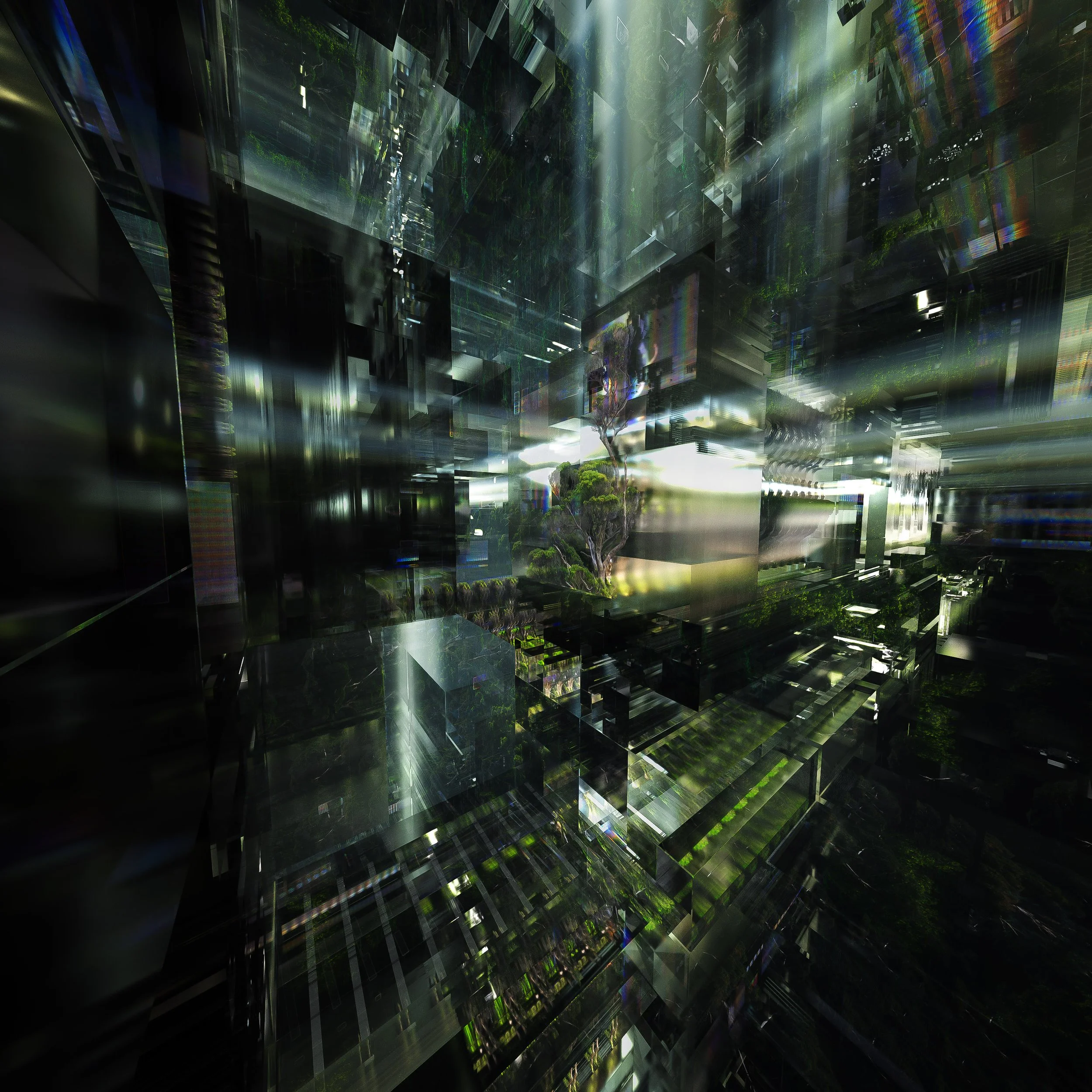
Grid look development
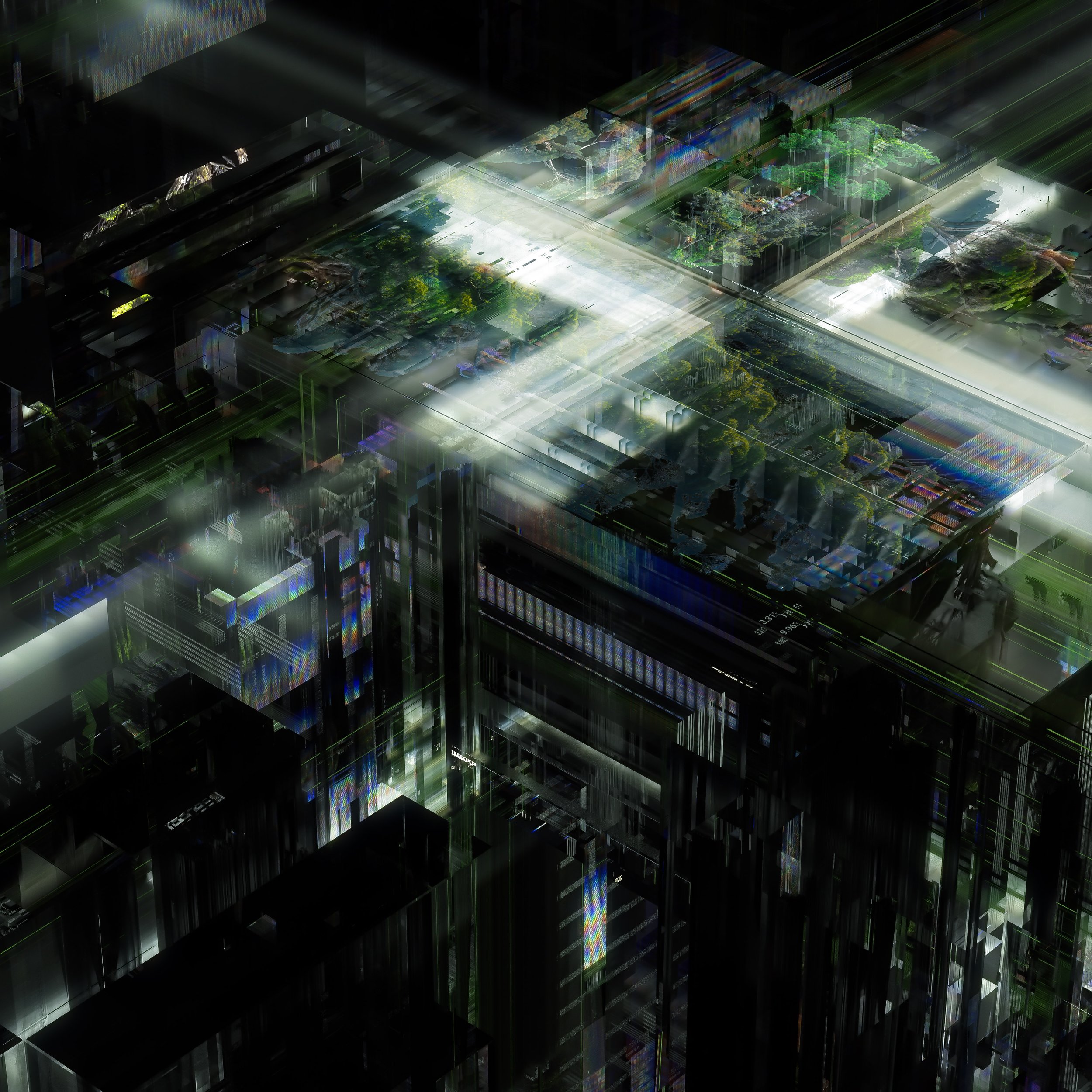
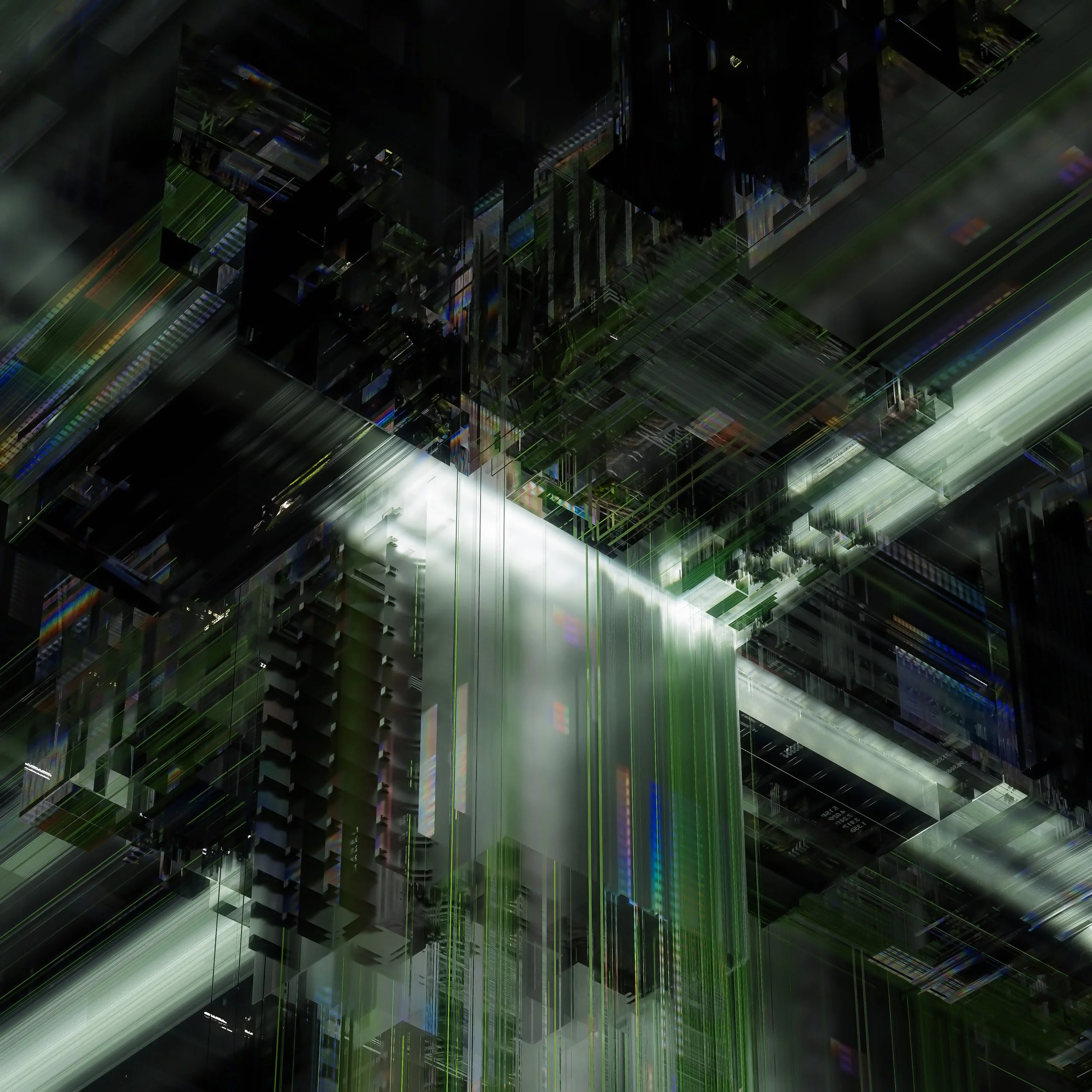
Final look
01.5 INTELLIGENCE
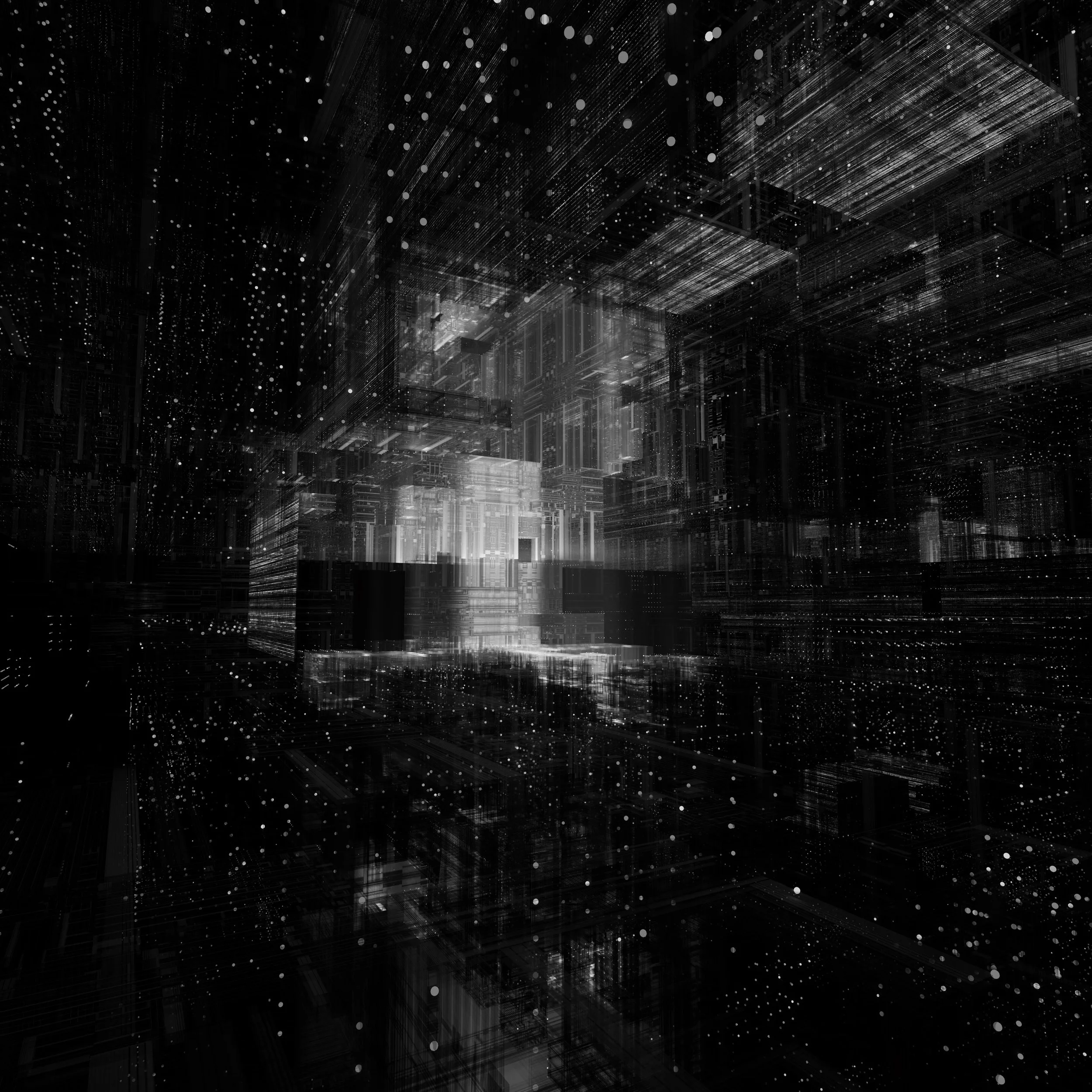
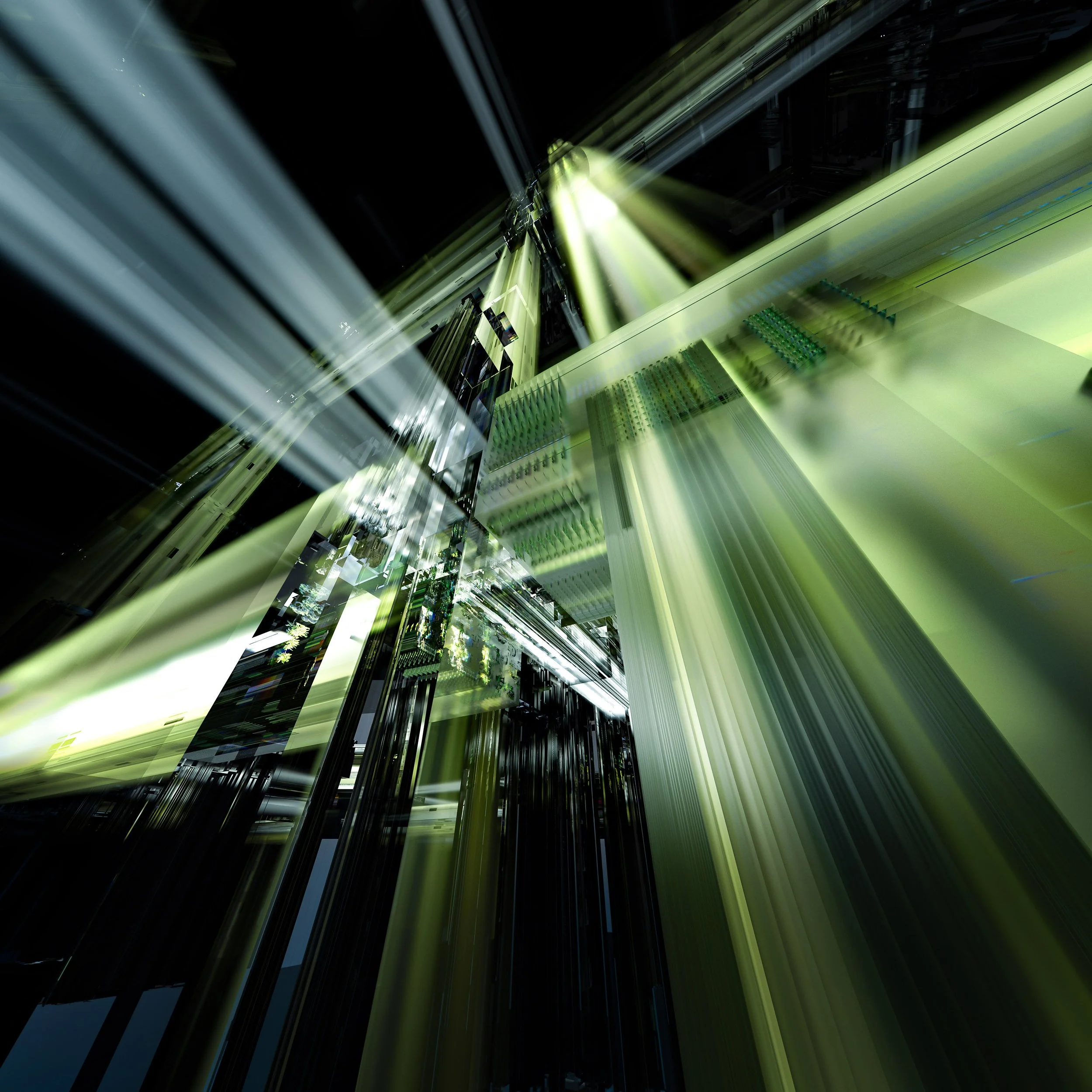
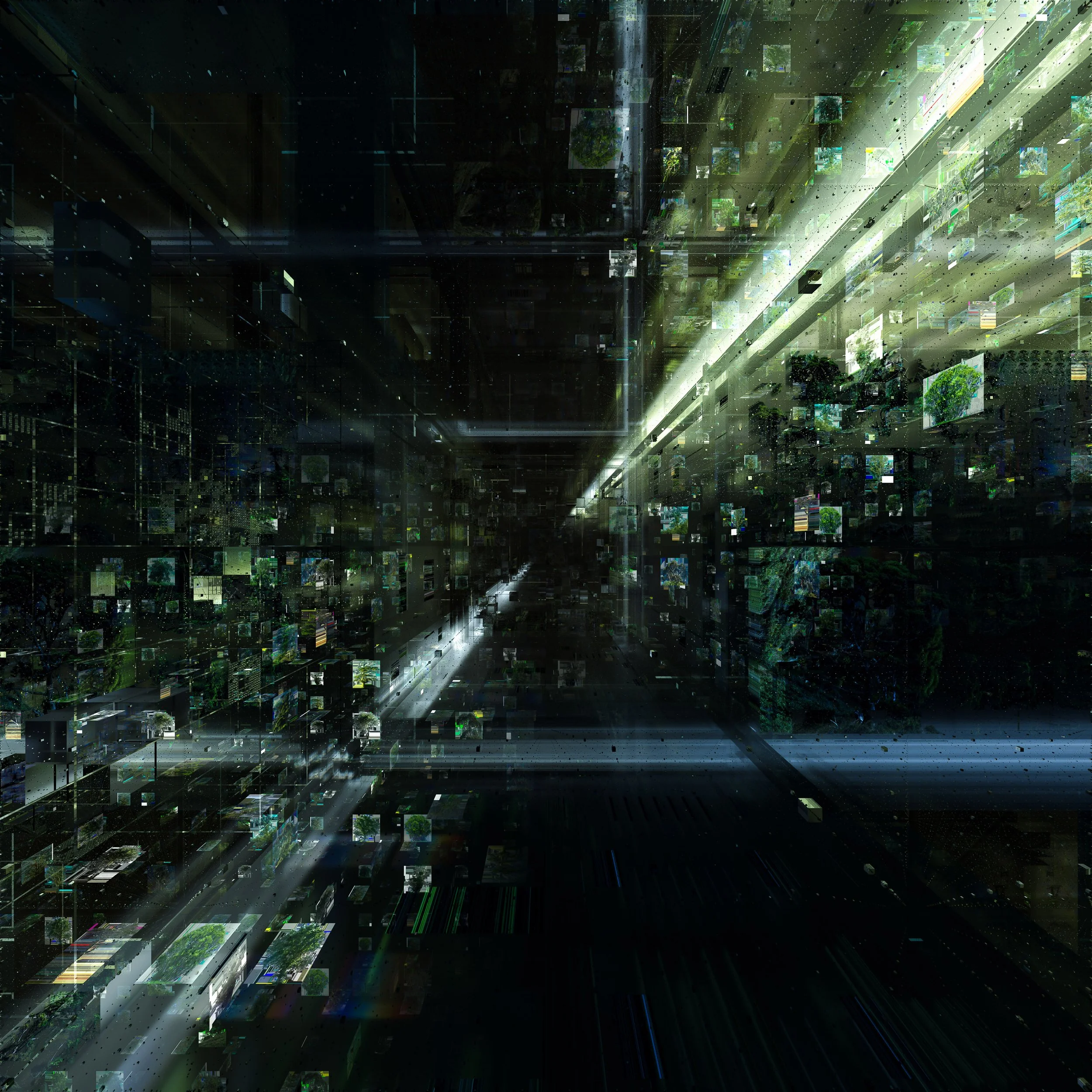
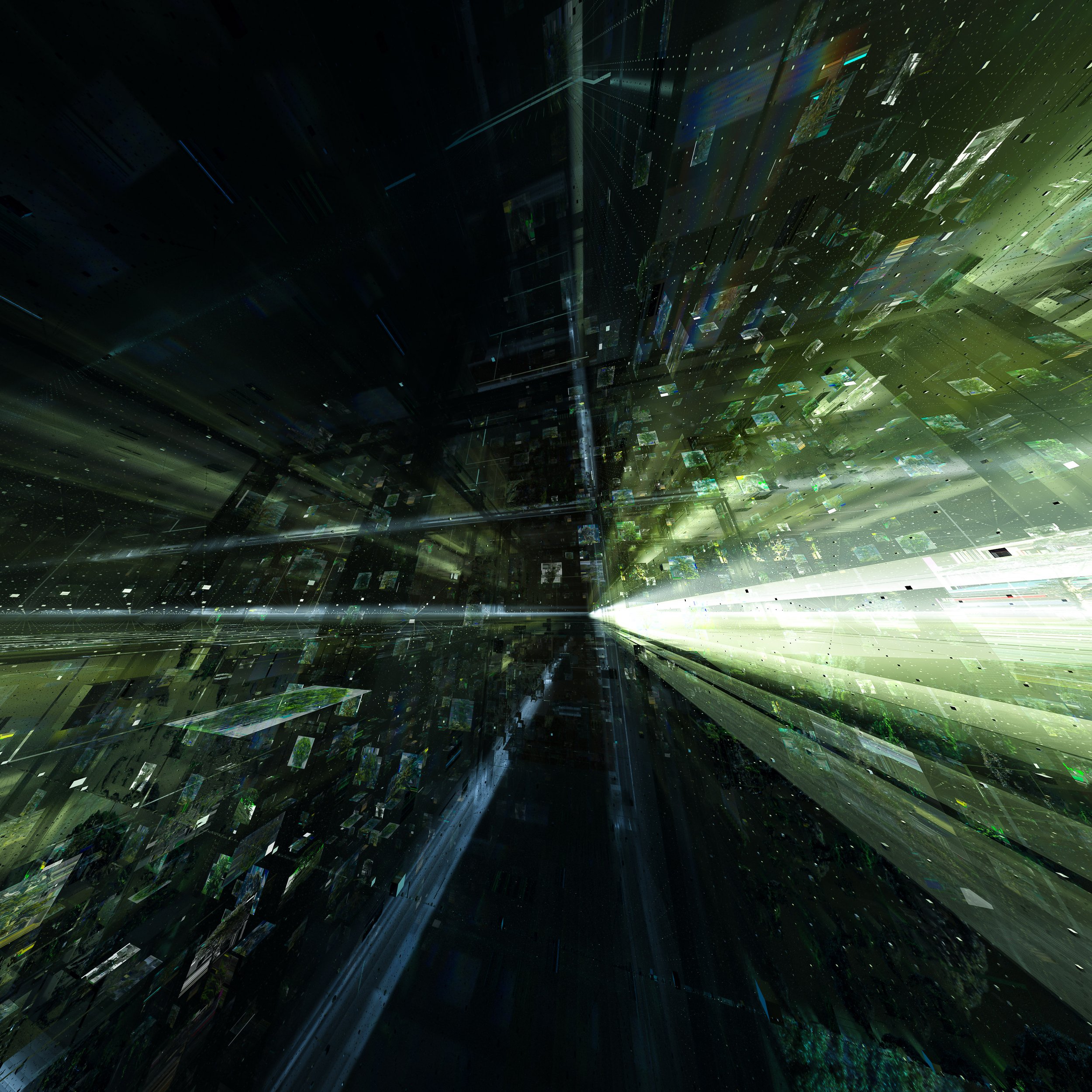
At the final stage, the system expands into massive datasets and seemingly infinite spatial grids. Individual elements give way to fully immersive fields of information, where scale, density, and repetition create the sense of a living computational environment.
Energetic beams of light move data through space, connecting distant structures and carrying information across the environment. The visual language reaches its most complex state here, with abstract signals, images, geometry, and transmission systems operating together as a single interconnected whole.
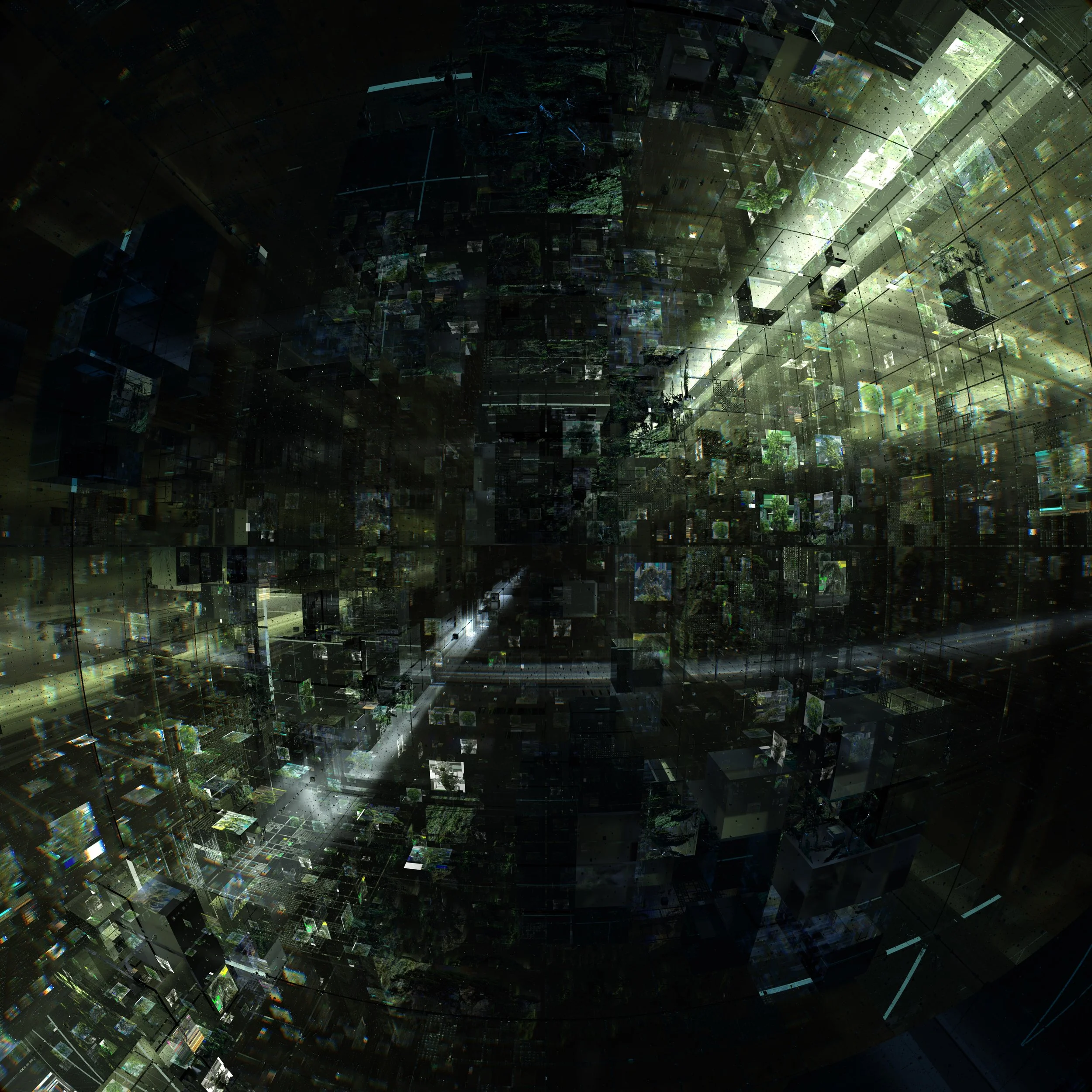
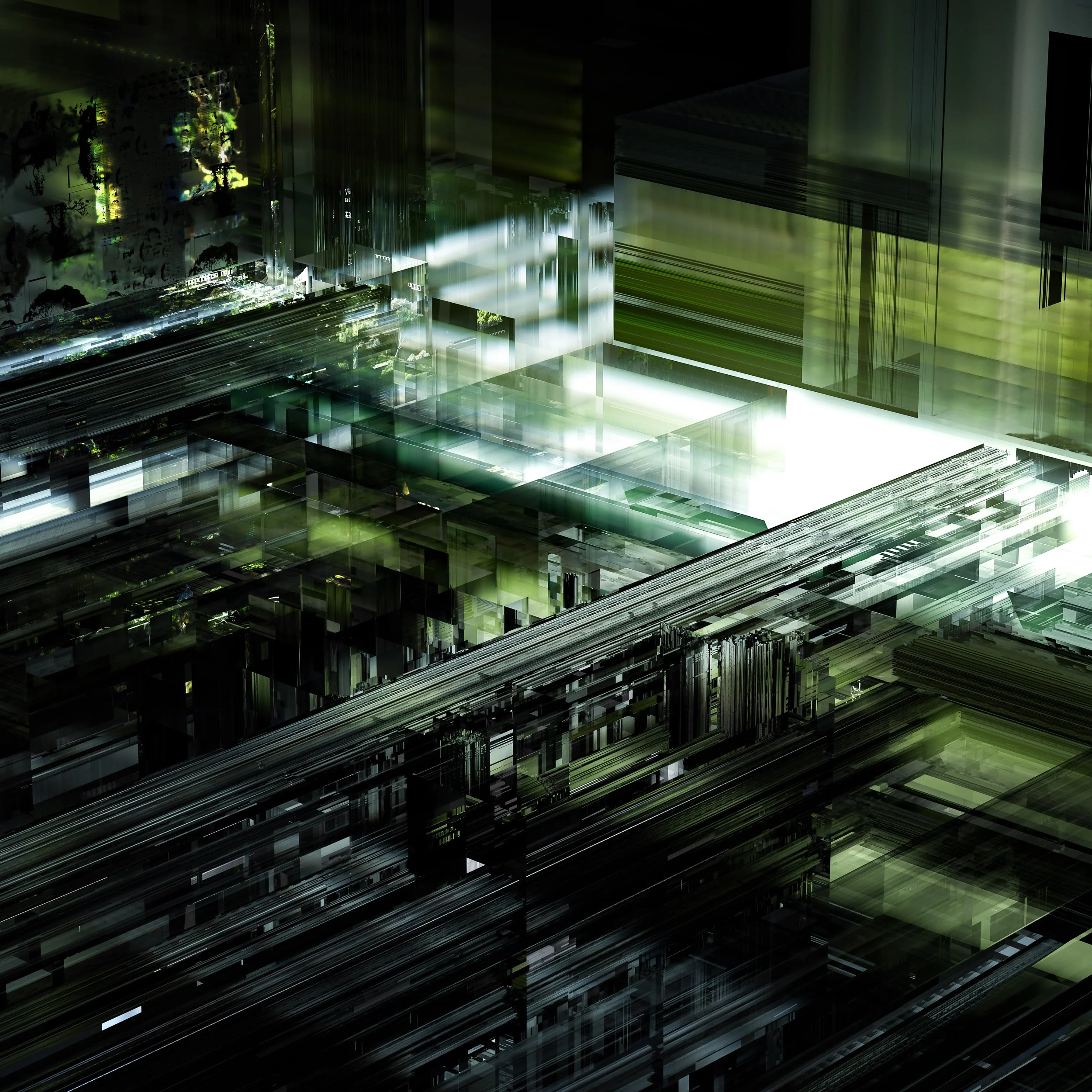
Chapter final look + animation study
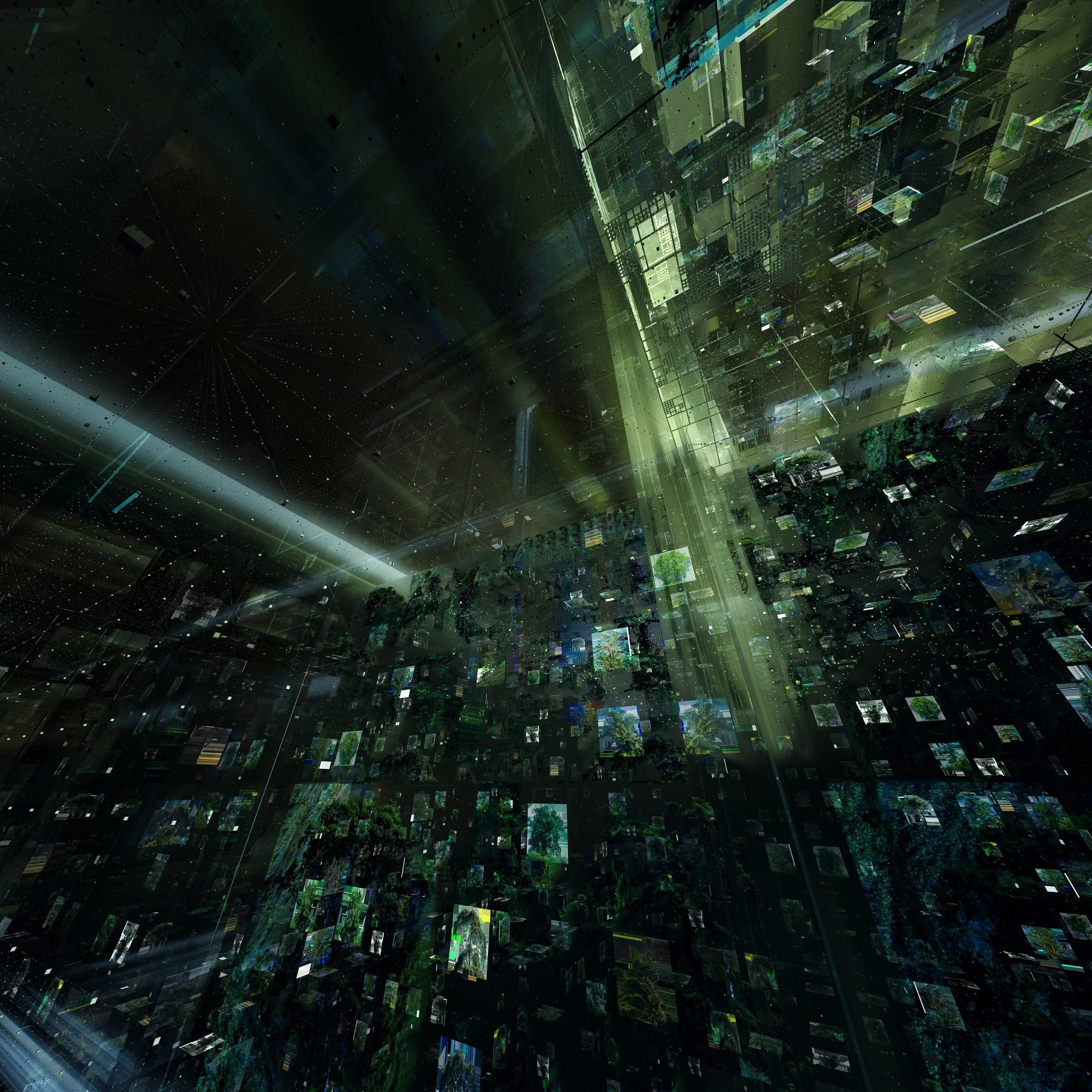
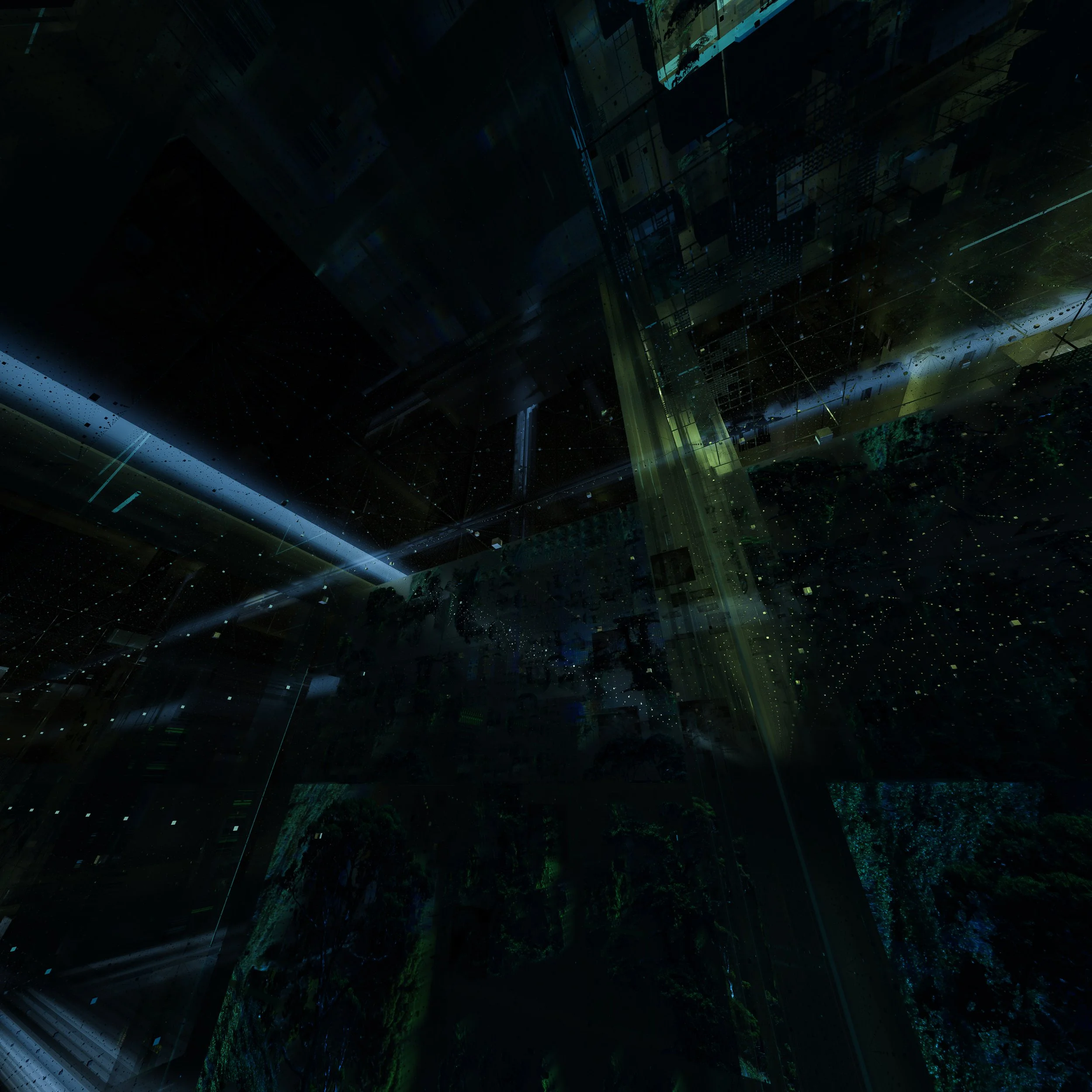
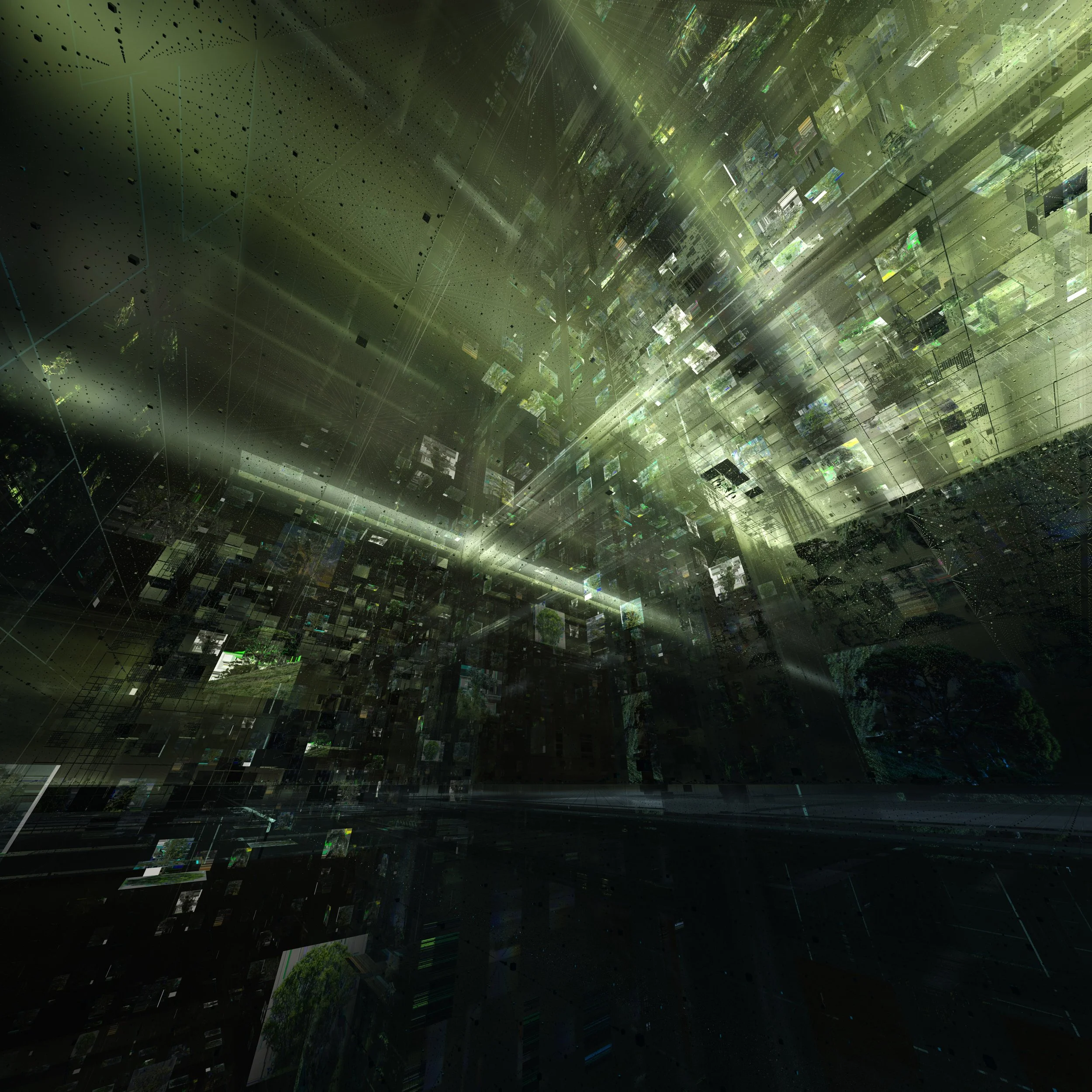
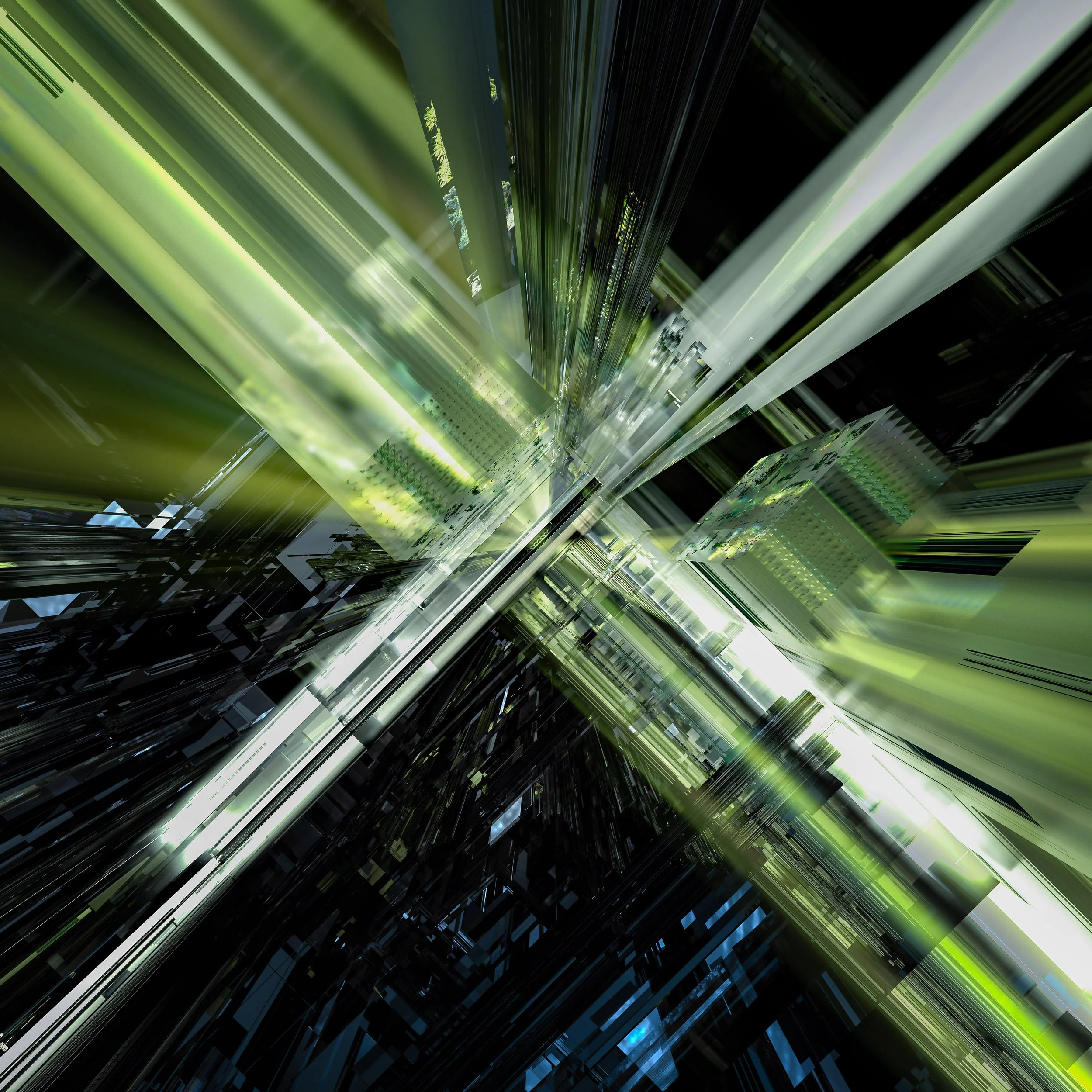
Final look
These early studies were developed to define the narrative journey through the Data Pavilion, Dataland’s largest gallery. From the beginning, the sequence was imagined from within, with the camera placed at the center of an evolving world of data, light, and natural imagery. What began as a framework for a single gallery ultimately became something much broader. The visual language developed here informed key campaign imagery, social media content, and design decisions throughout the museum, establishing a foundation that extended well beyond the Data Pavilion itself.
Foundations represents only the beginning of that process. The work that followed expanded these ideas across additional galleries, interfaces, environments, and systems, each pushing the language in new directions. Stay tuned for more.
Credits
MICHAEL RIGLEY, 2026
Client: Refik Anadol Studio
Creative Direction: Michael Rigley
Lead Designer: Michael Rigley
Production: Michael Rigley