
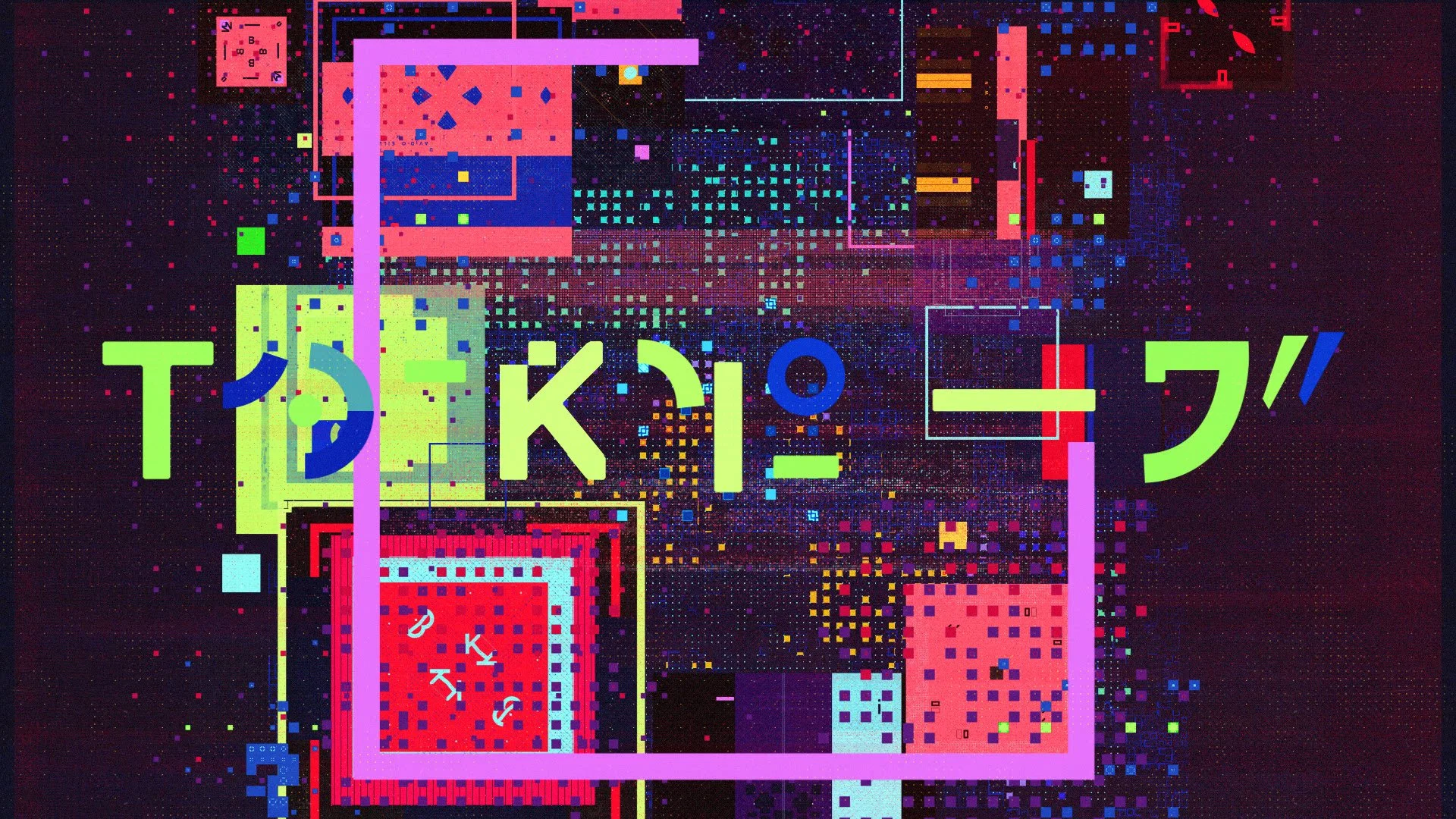
FITC | TOKYO 2015 TITLES
ALT CREATIVE INC, 2015
ART DIRECTION | GRAPHIC DESIGN | PRODUCTION
OVERVIEW
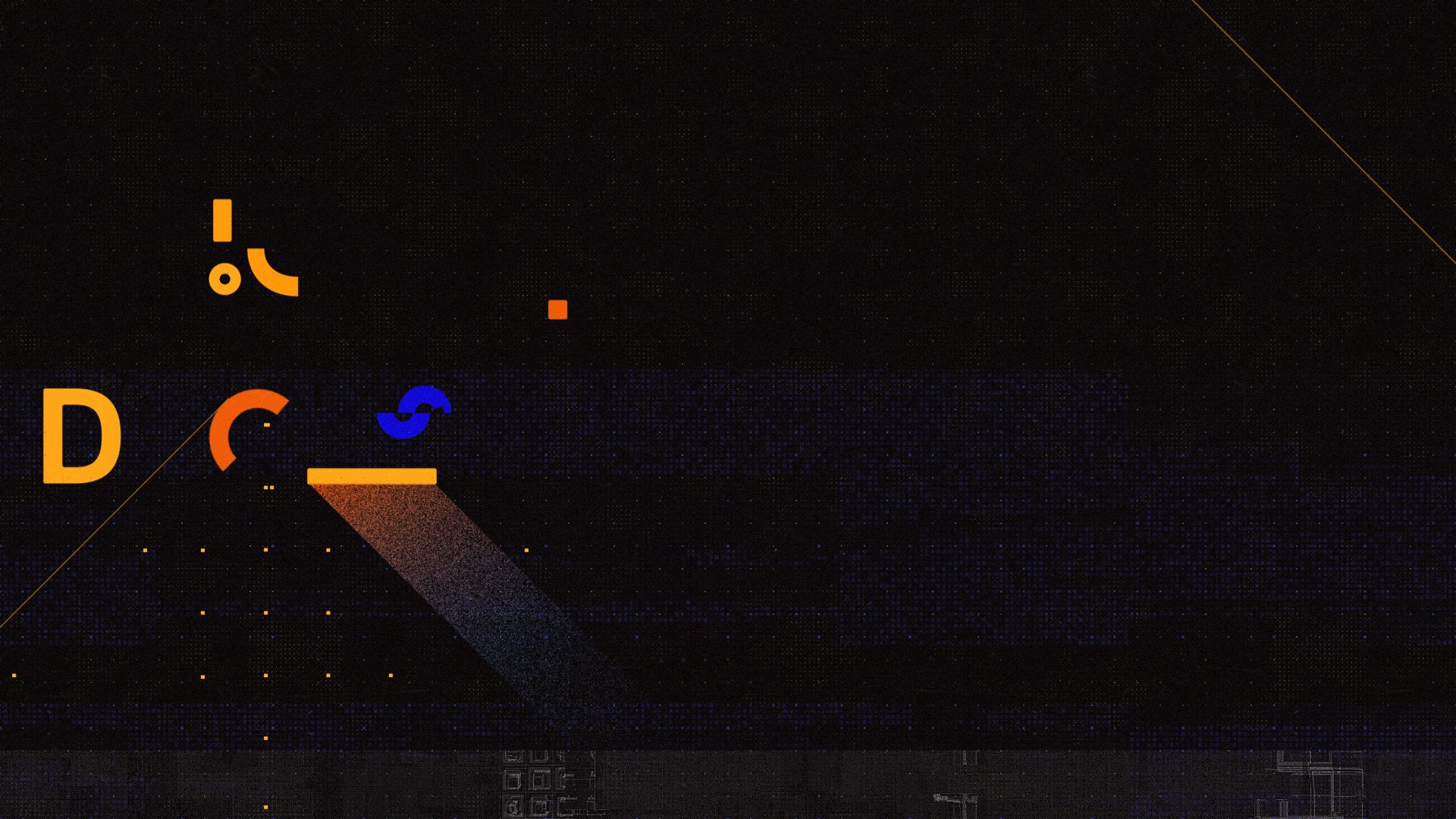
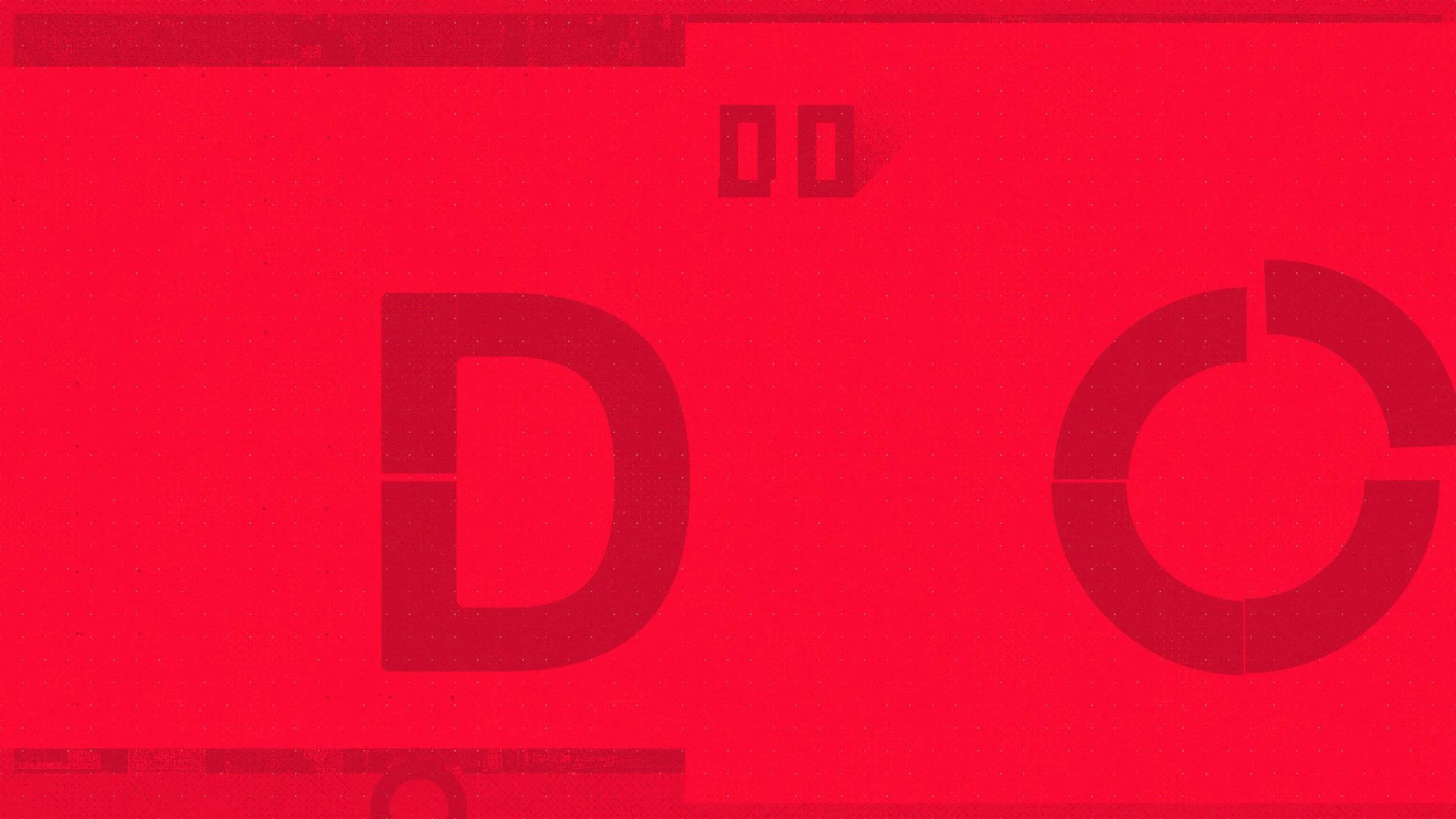
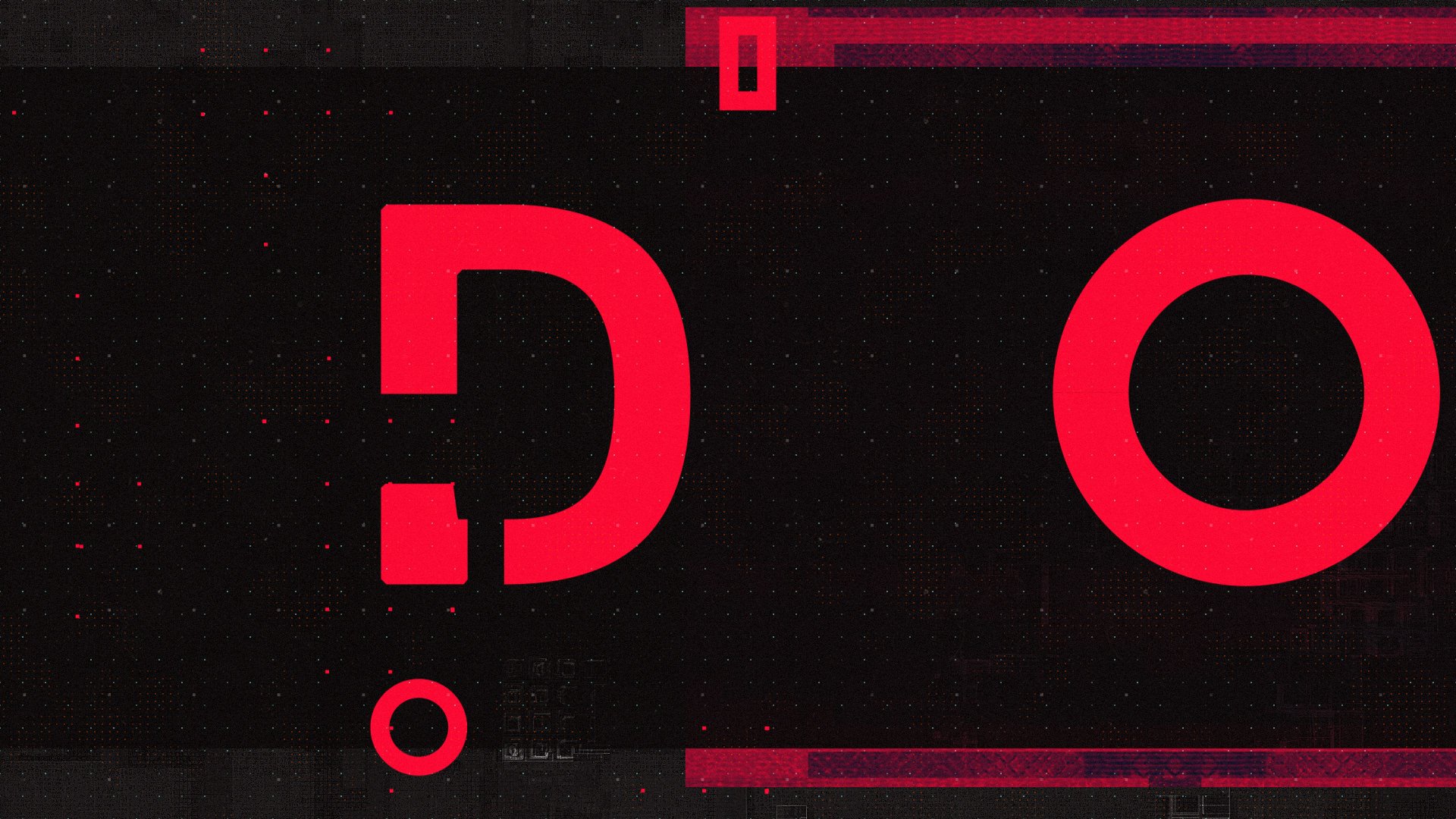
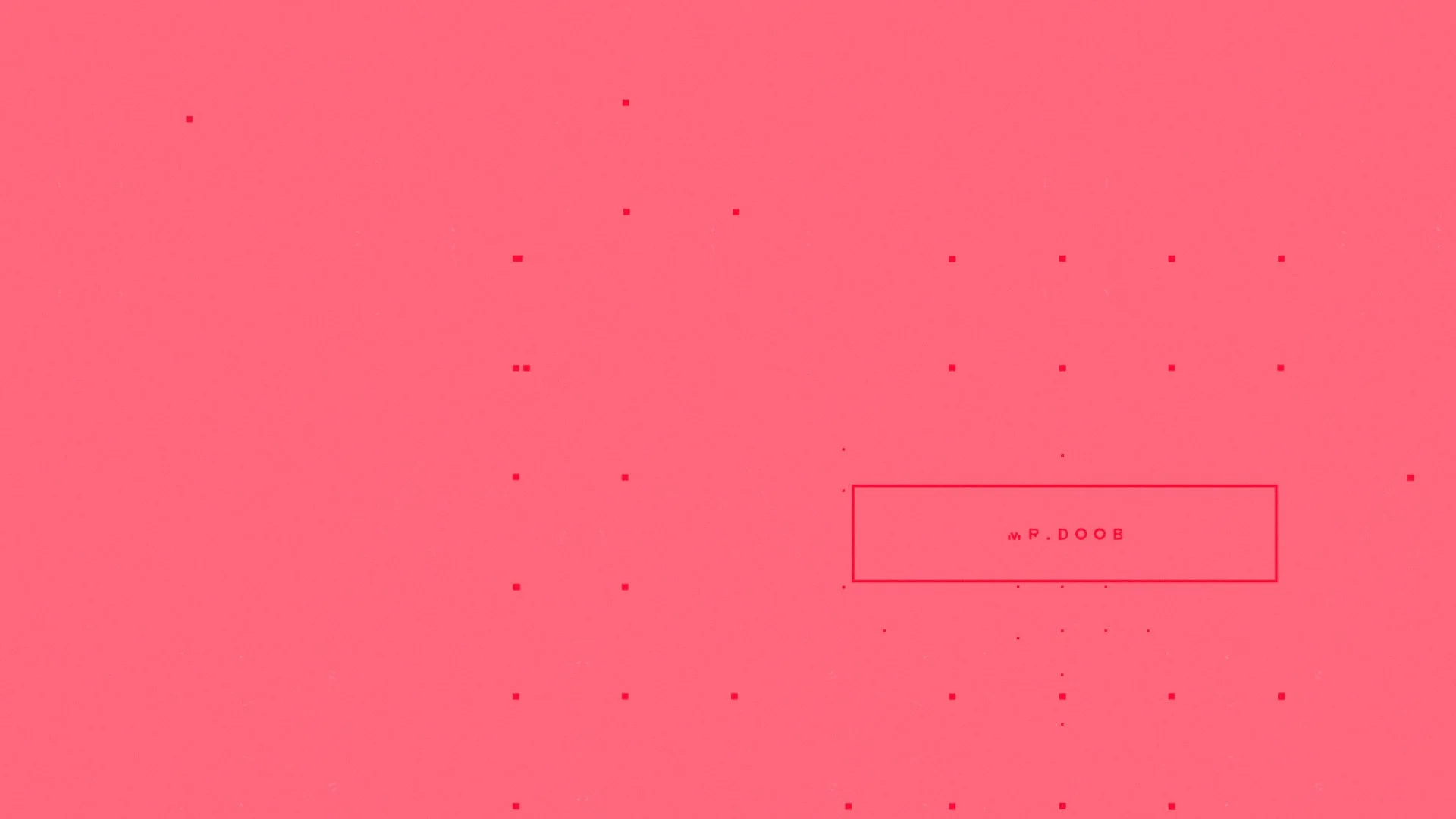
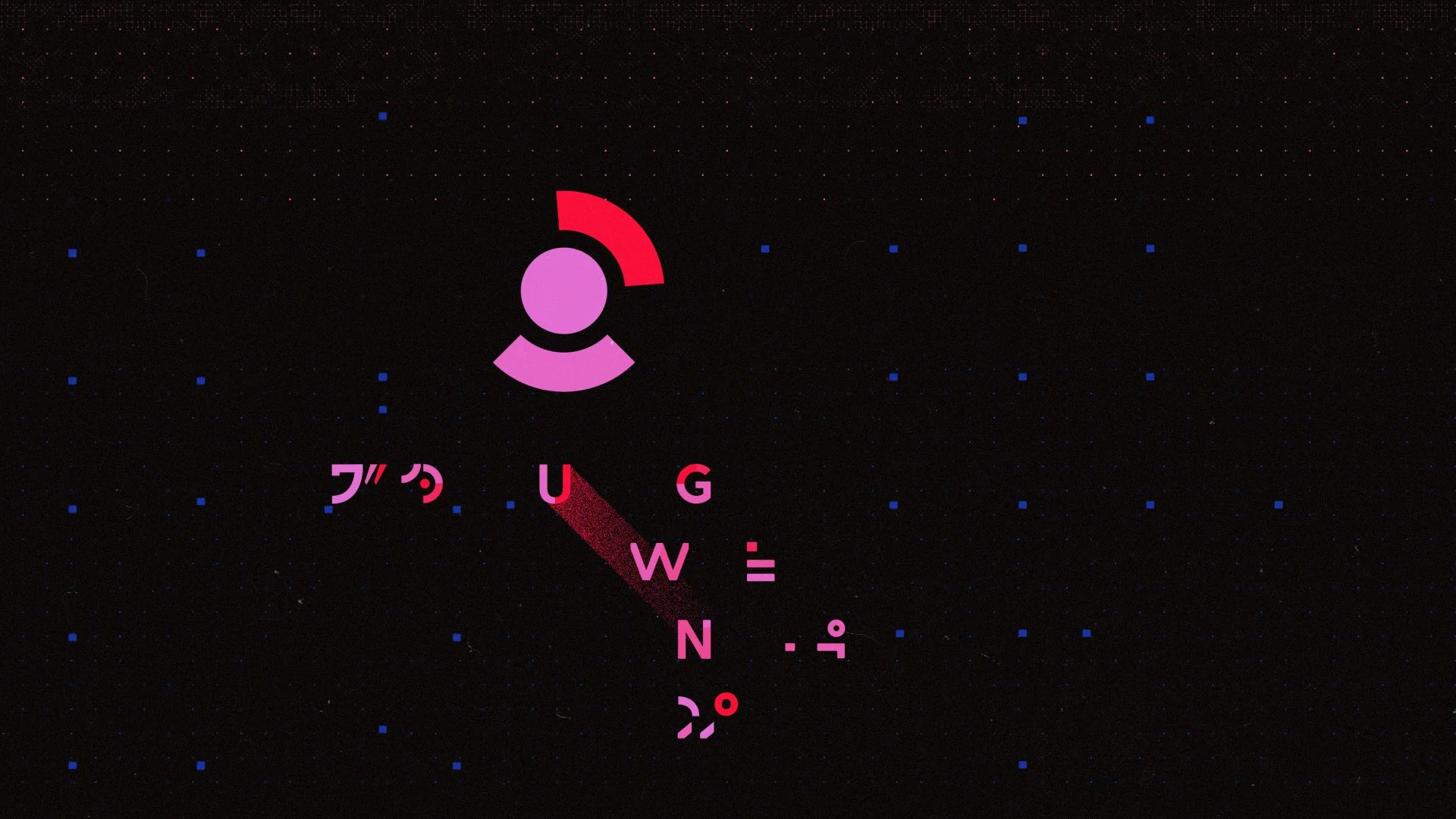
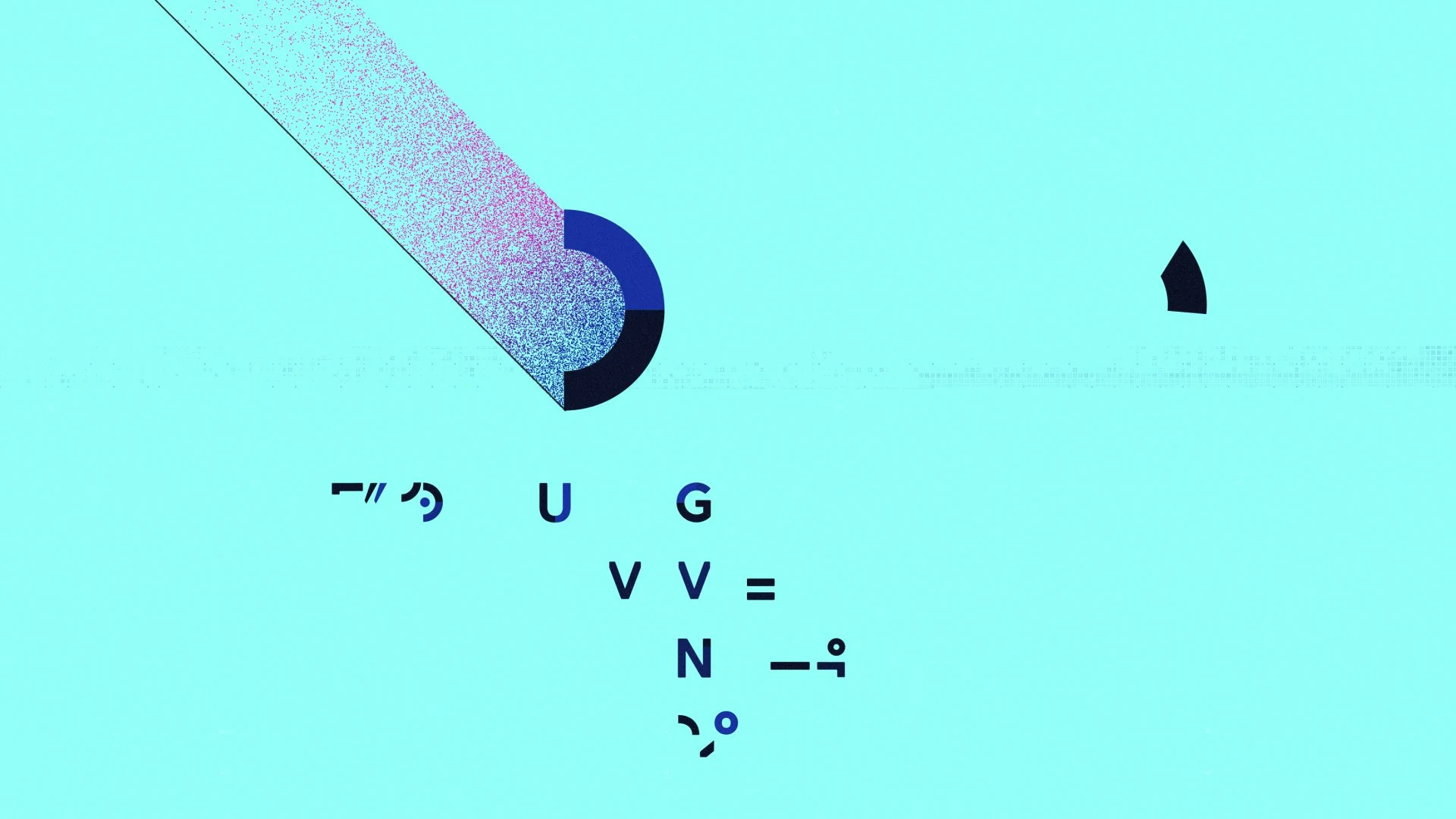
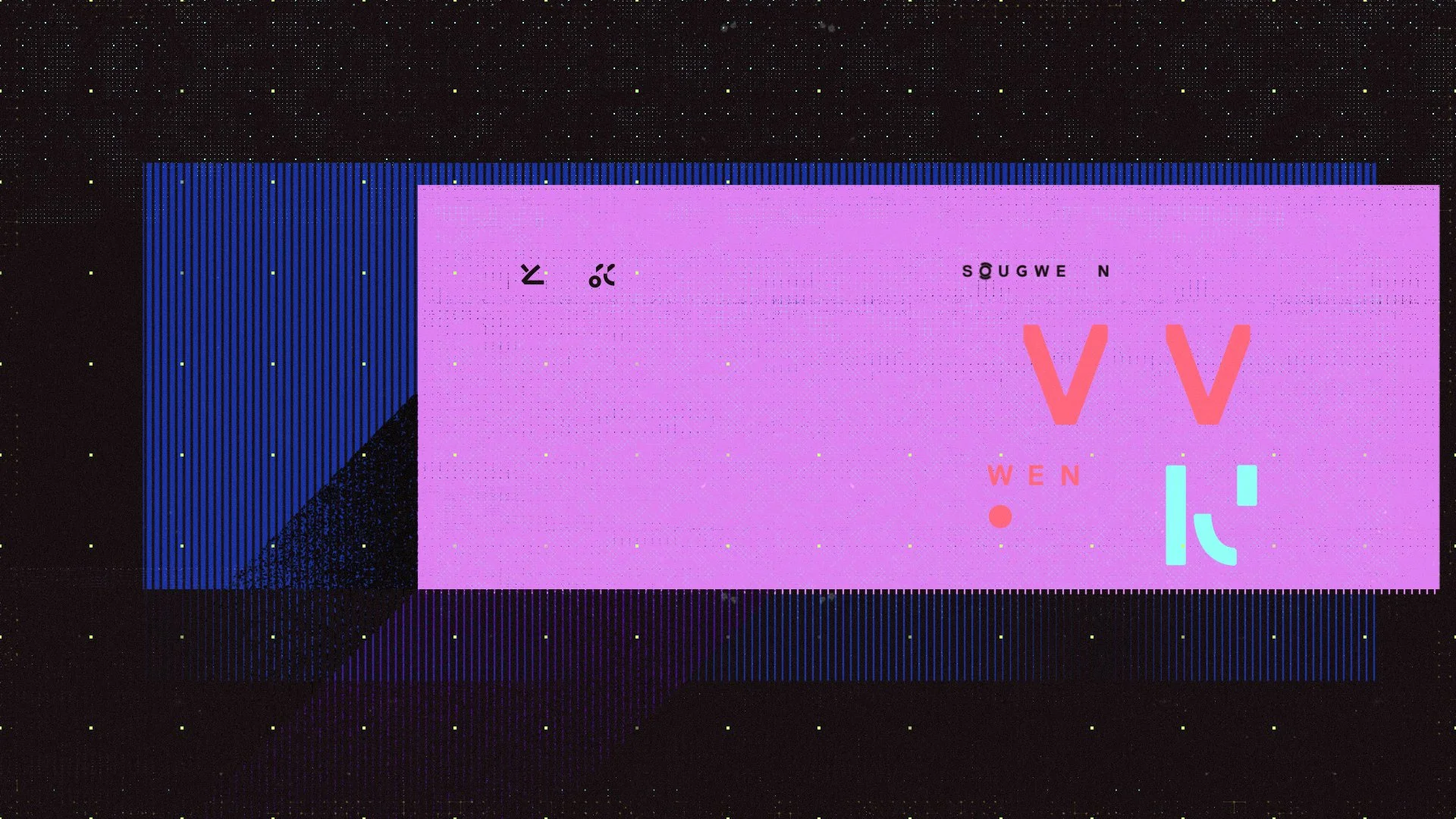
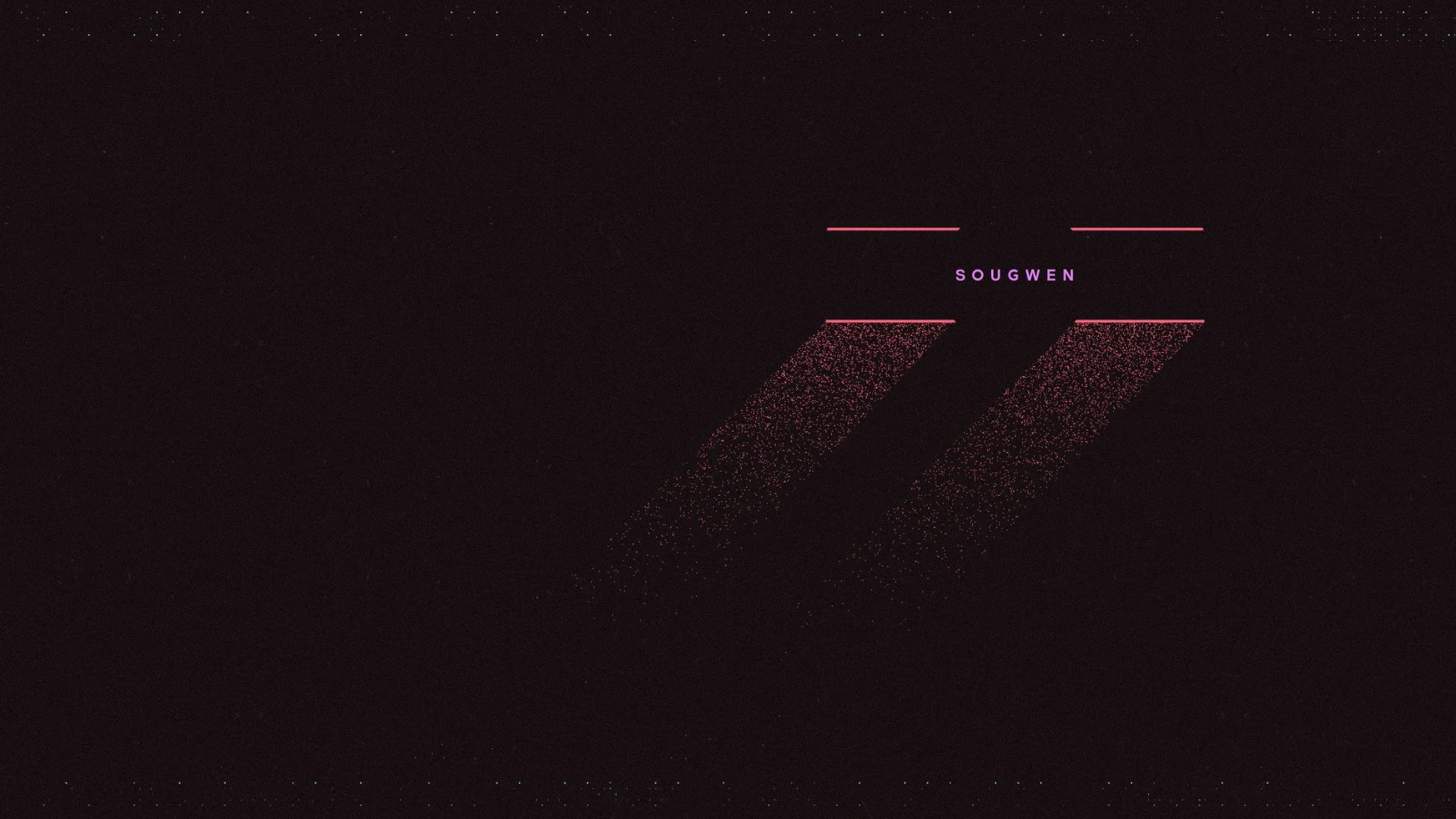
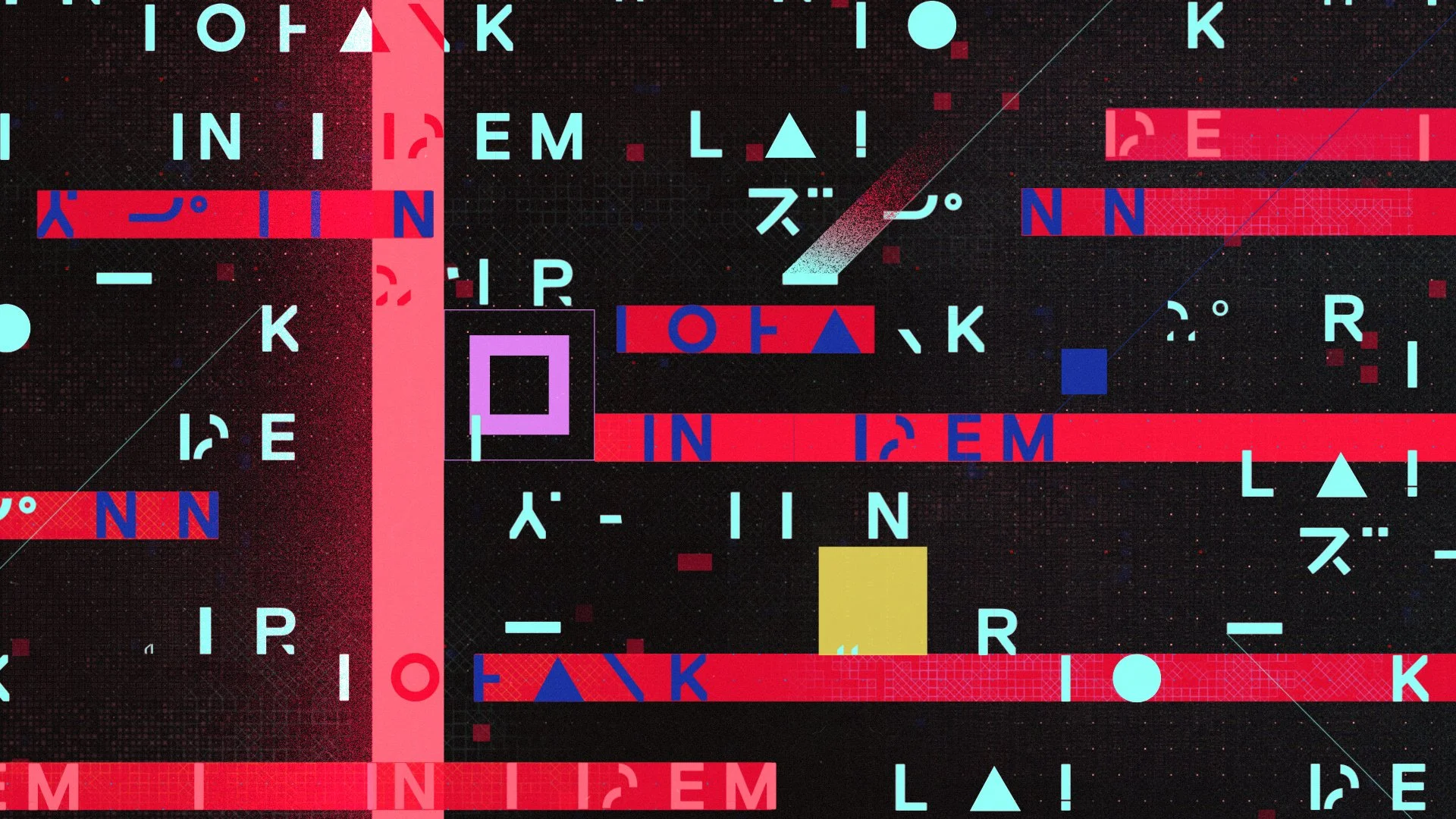
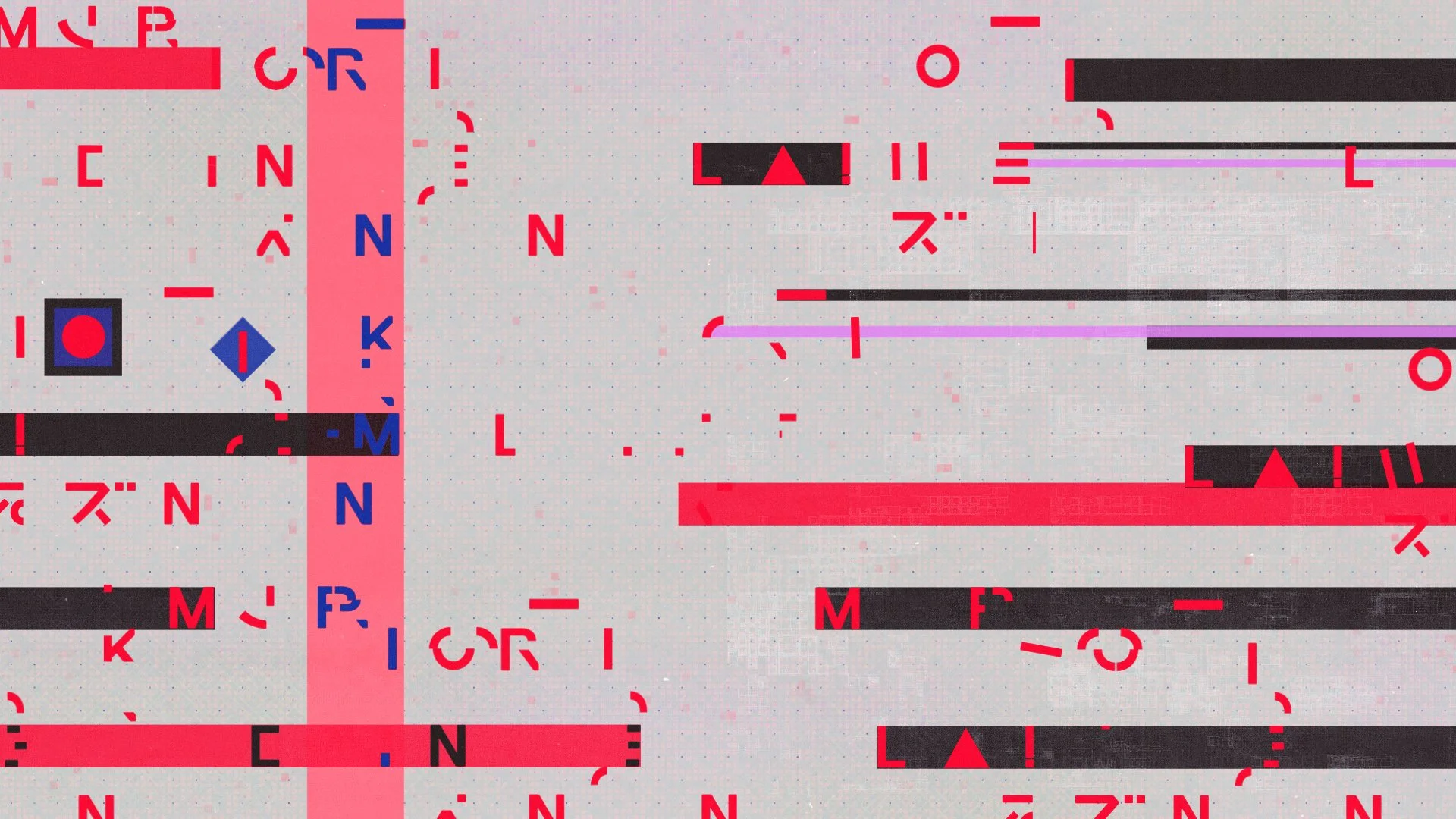
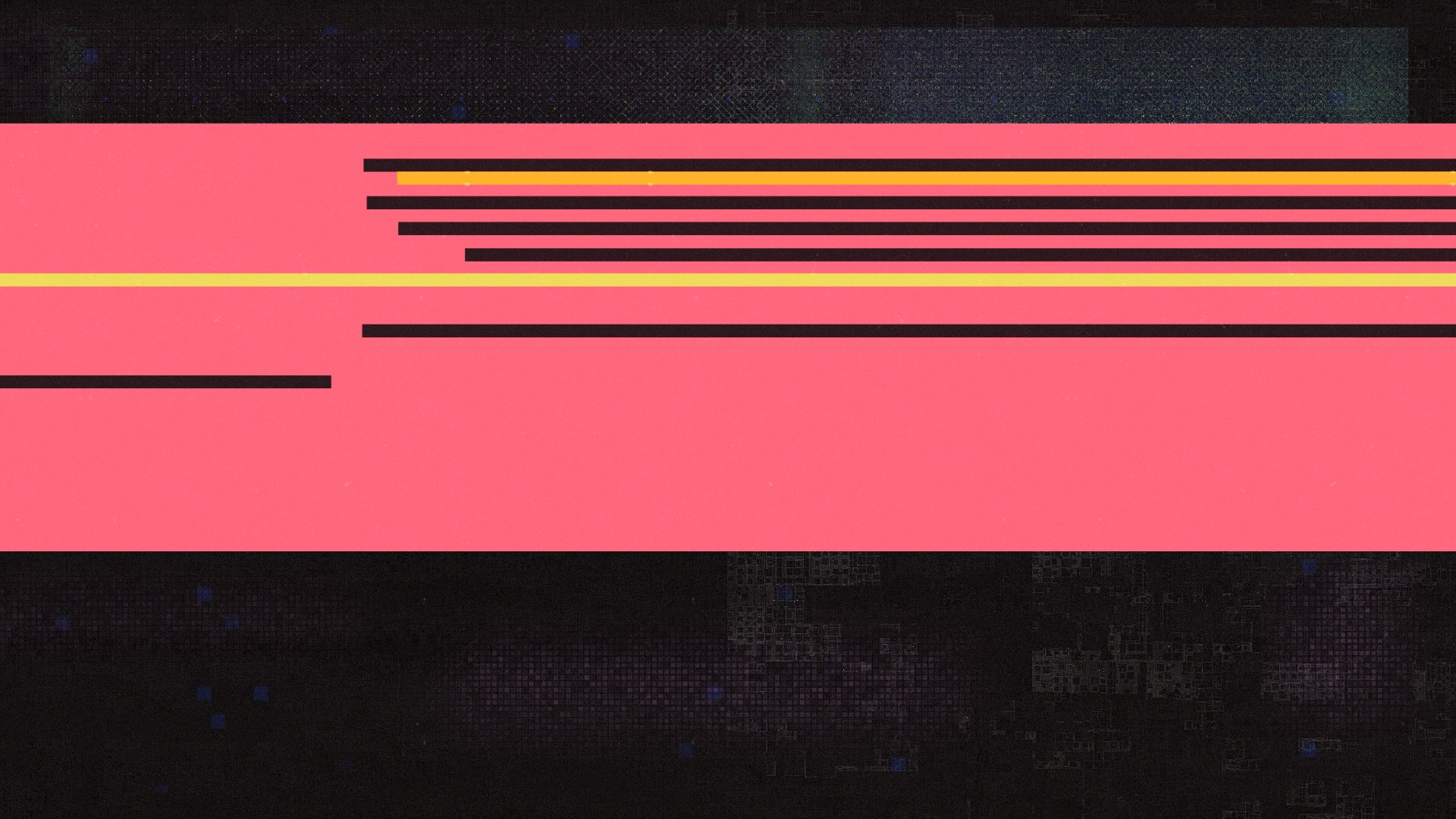
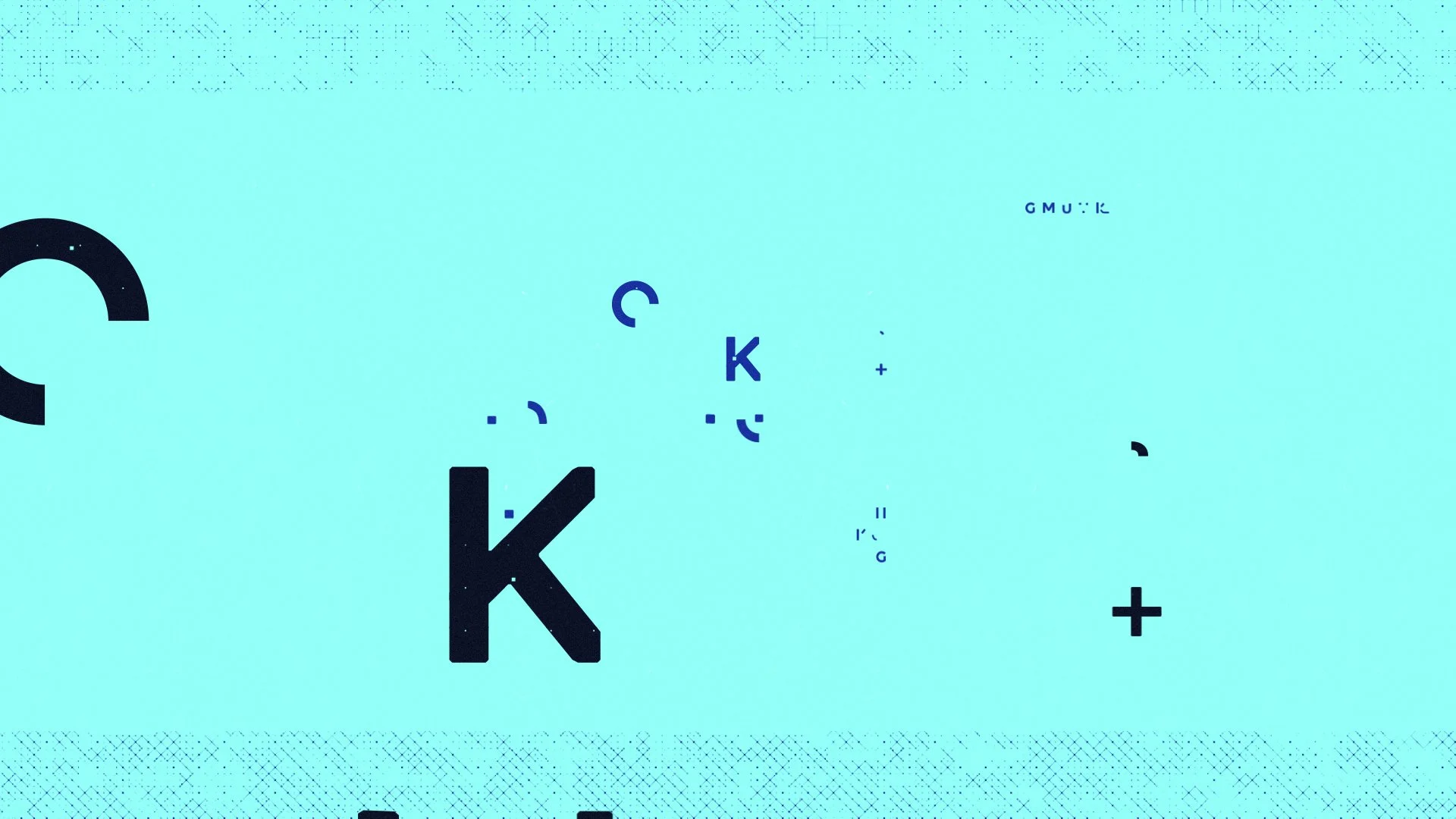
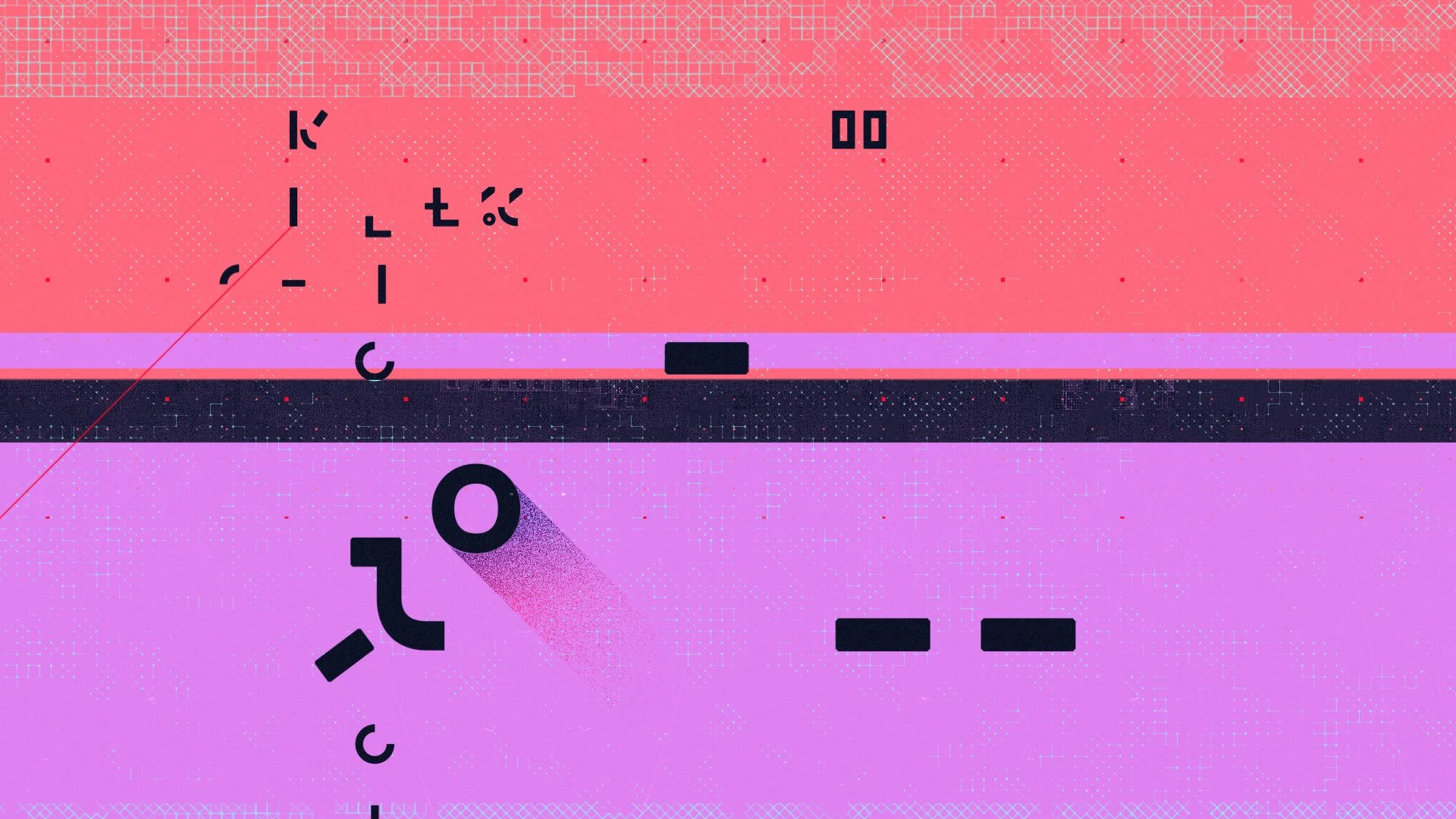
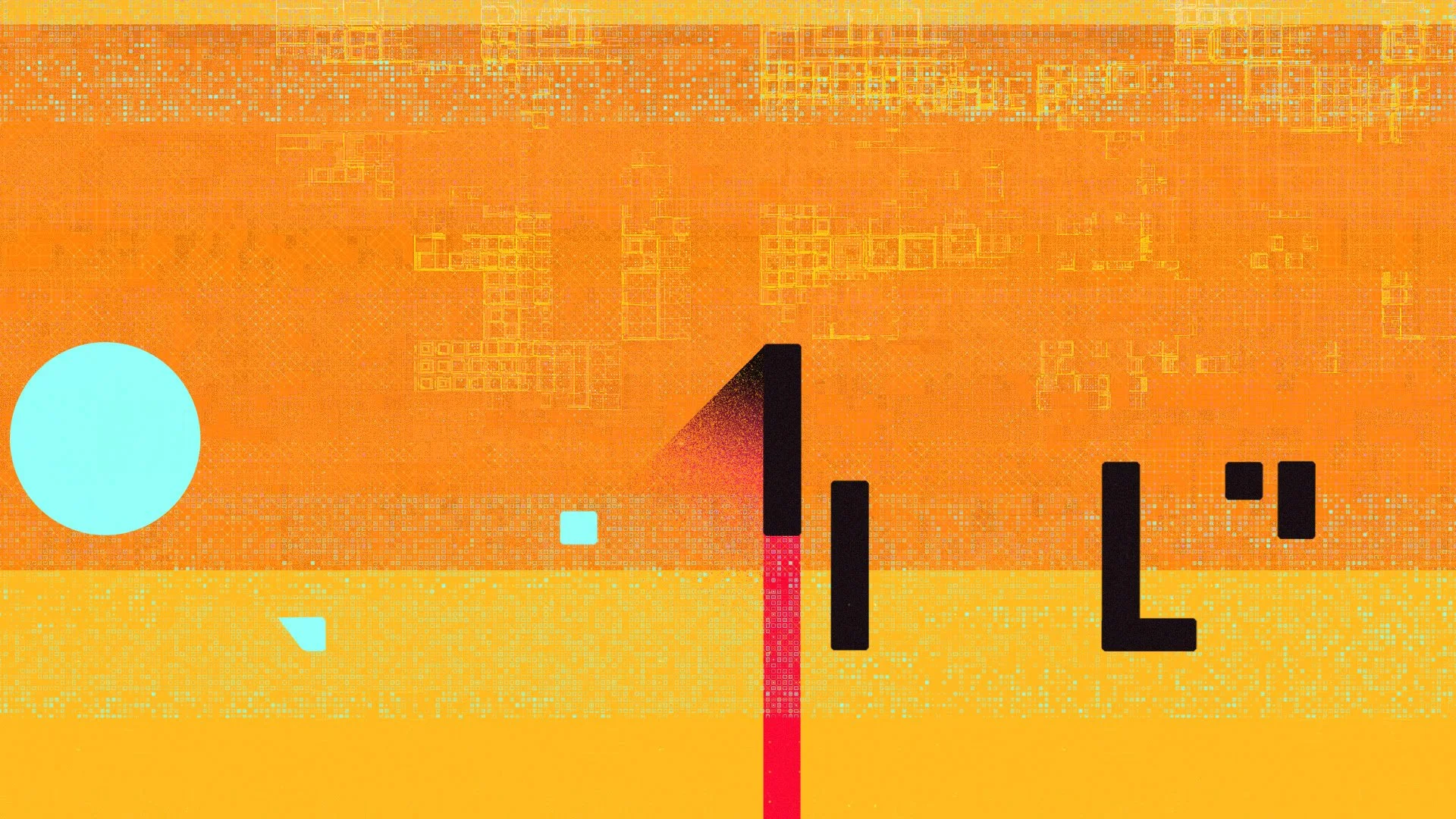
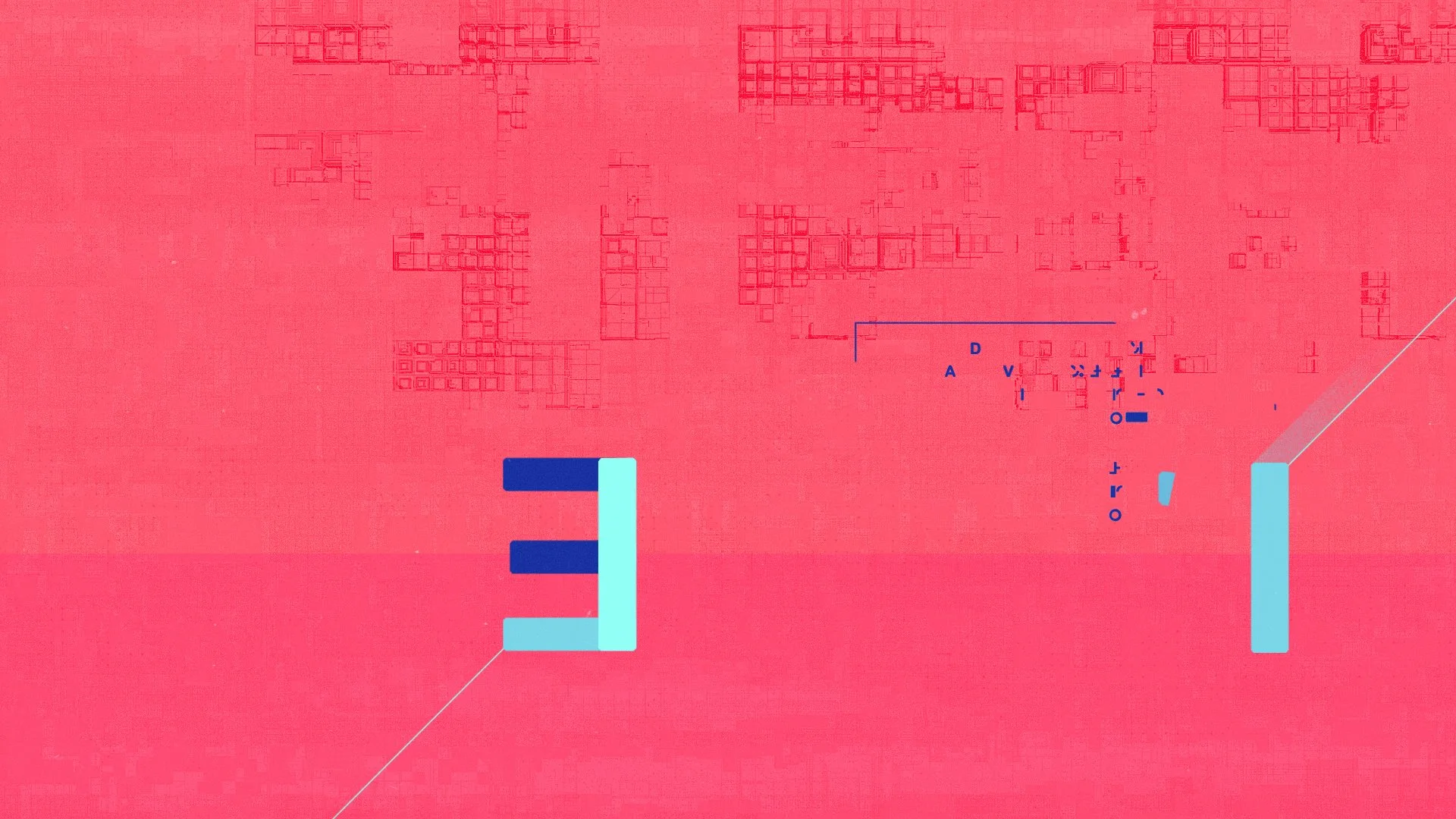
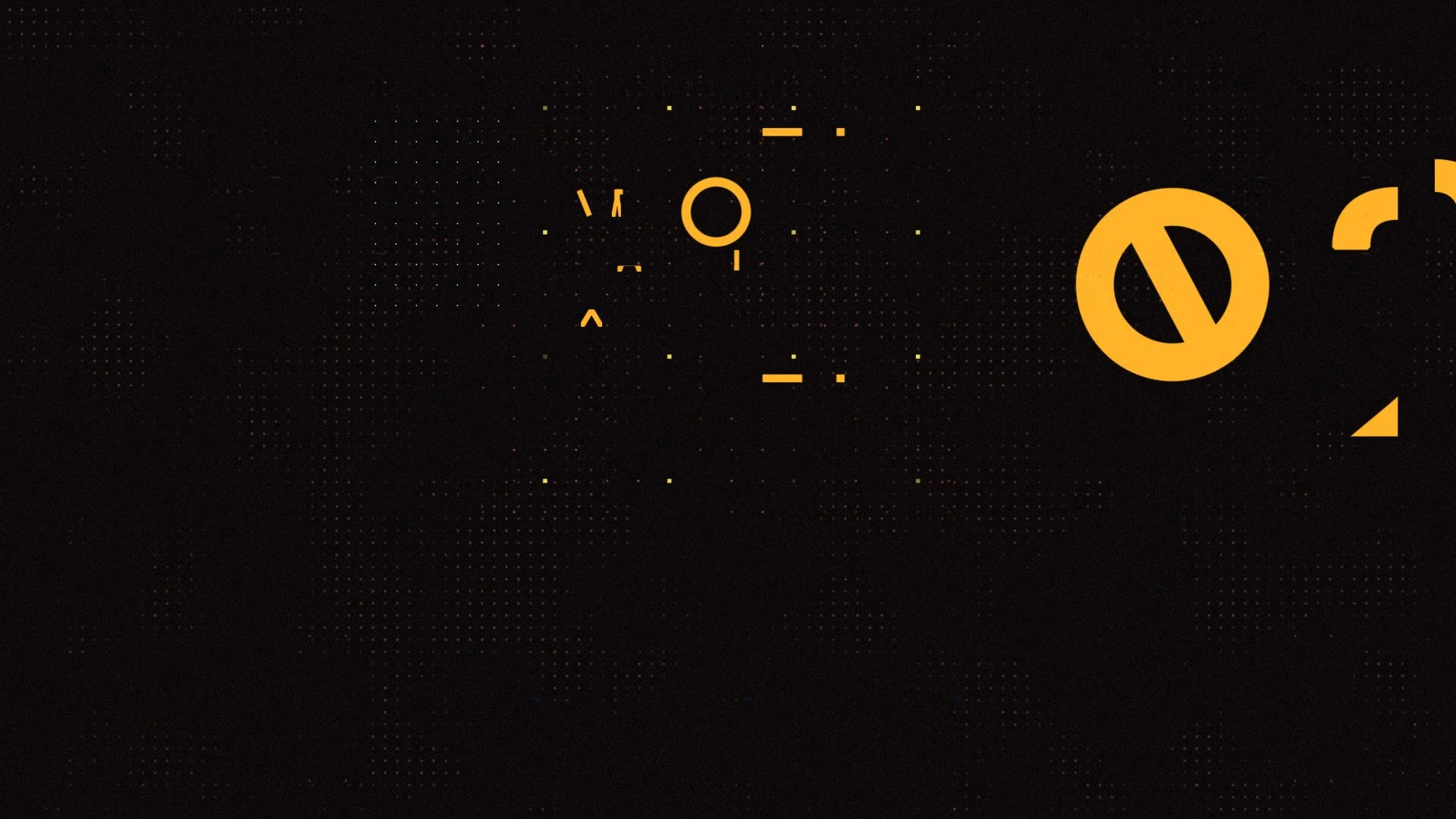
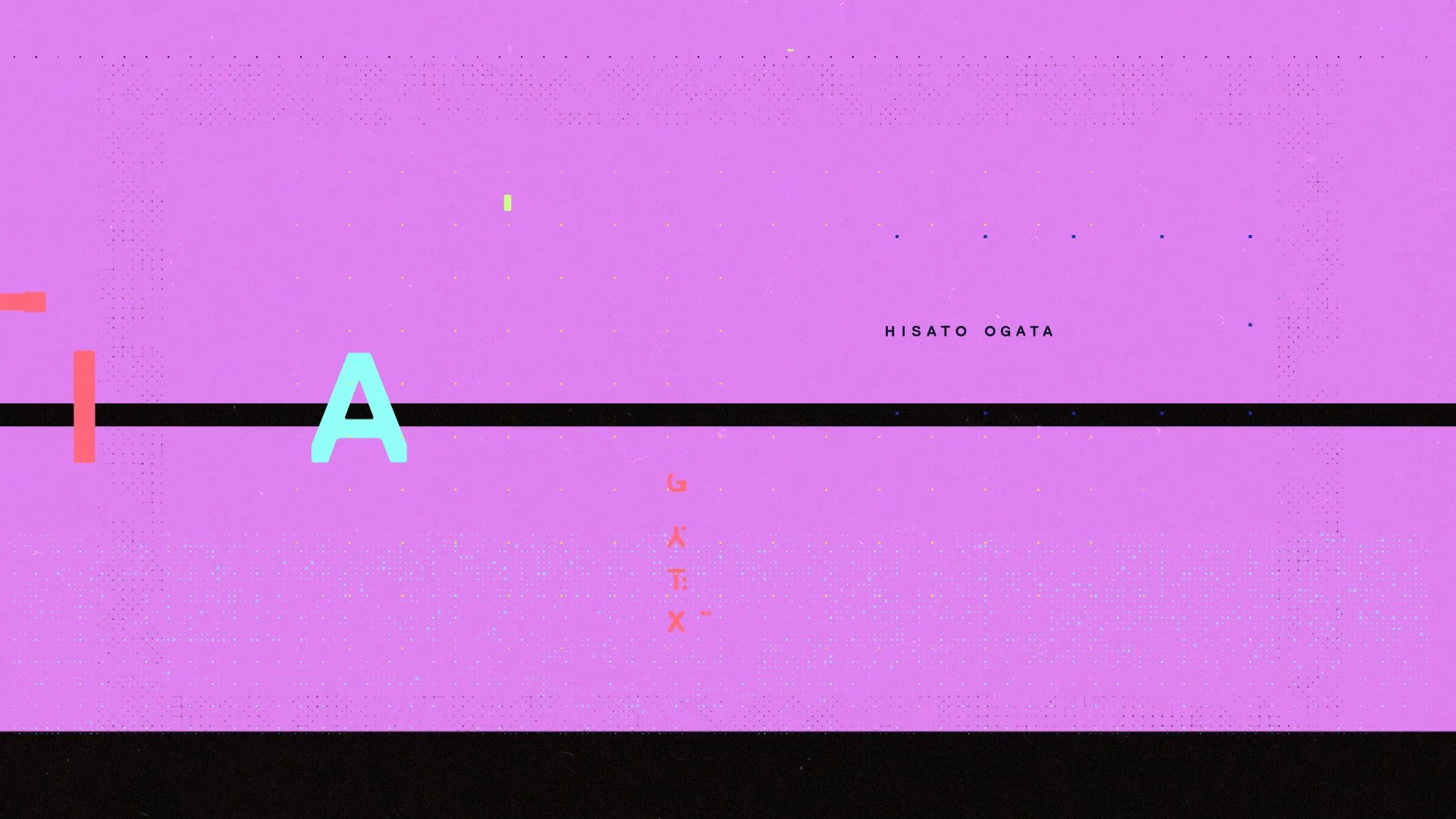
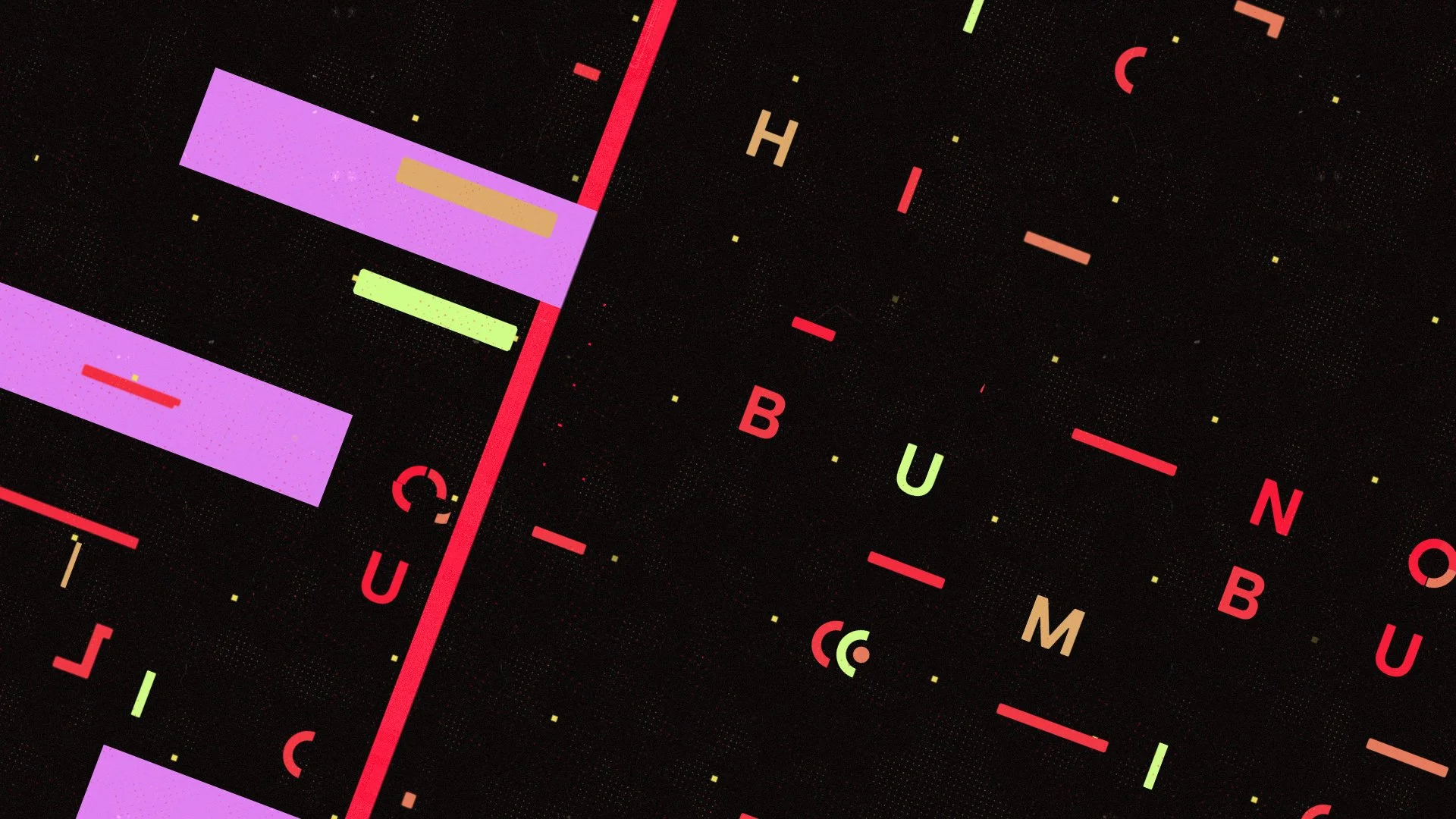
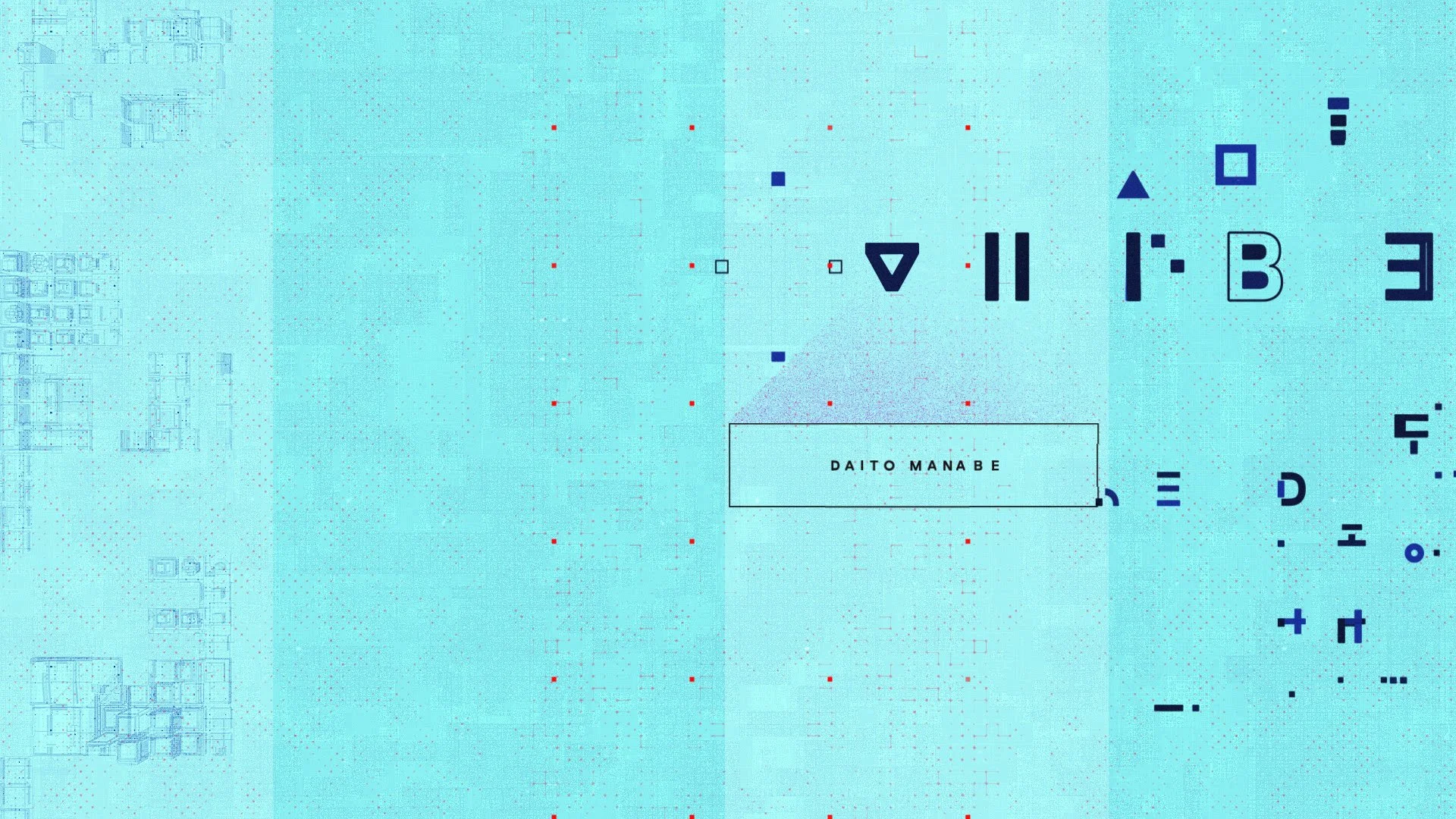
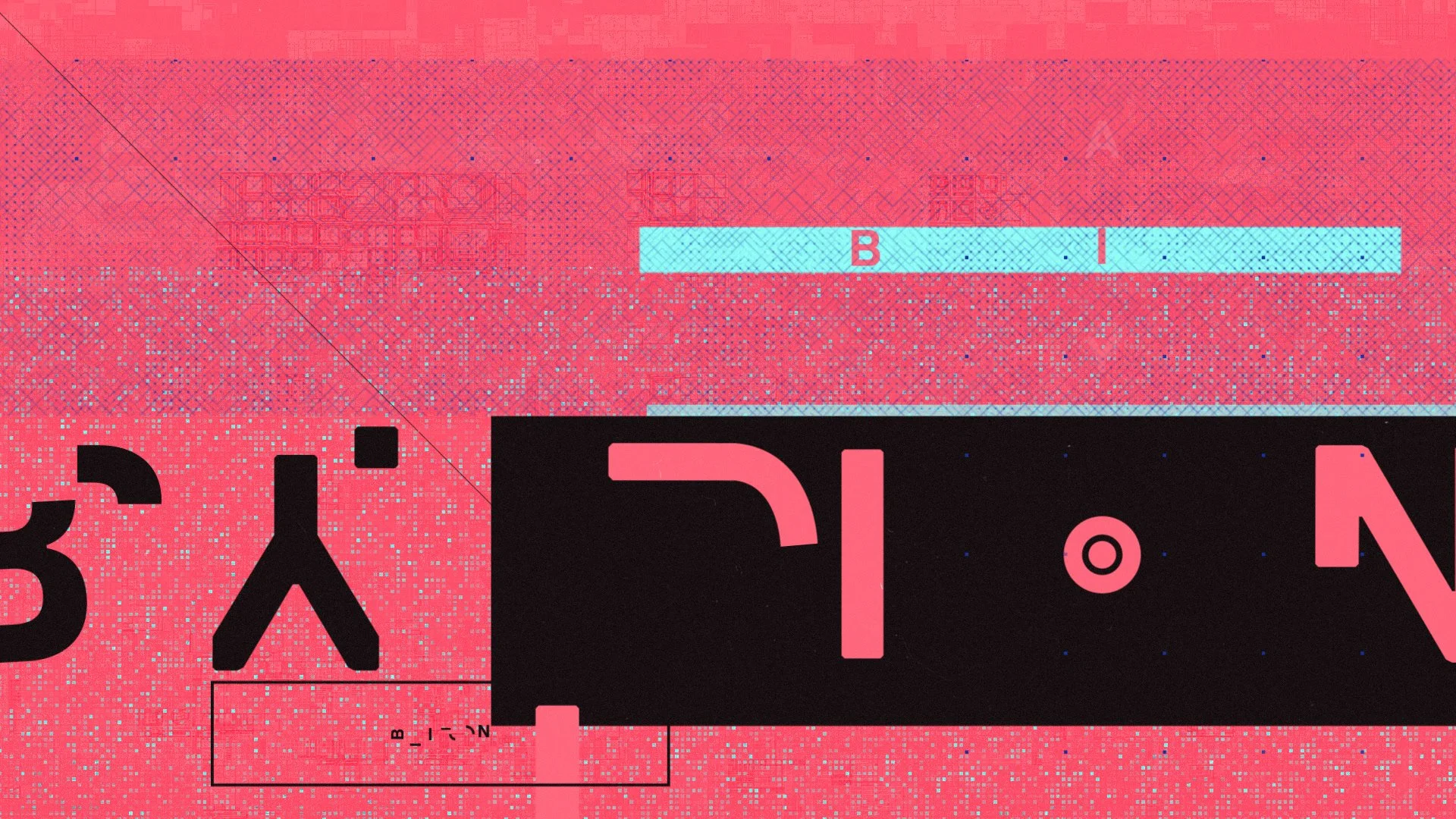
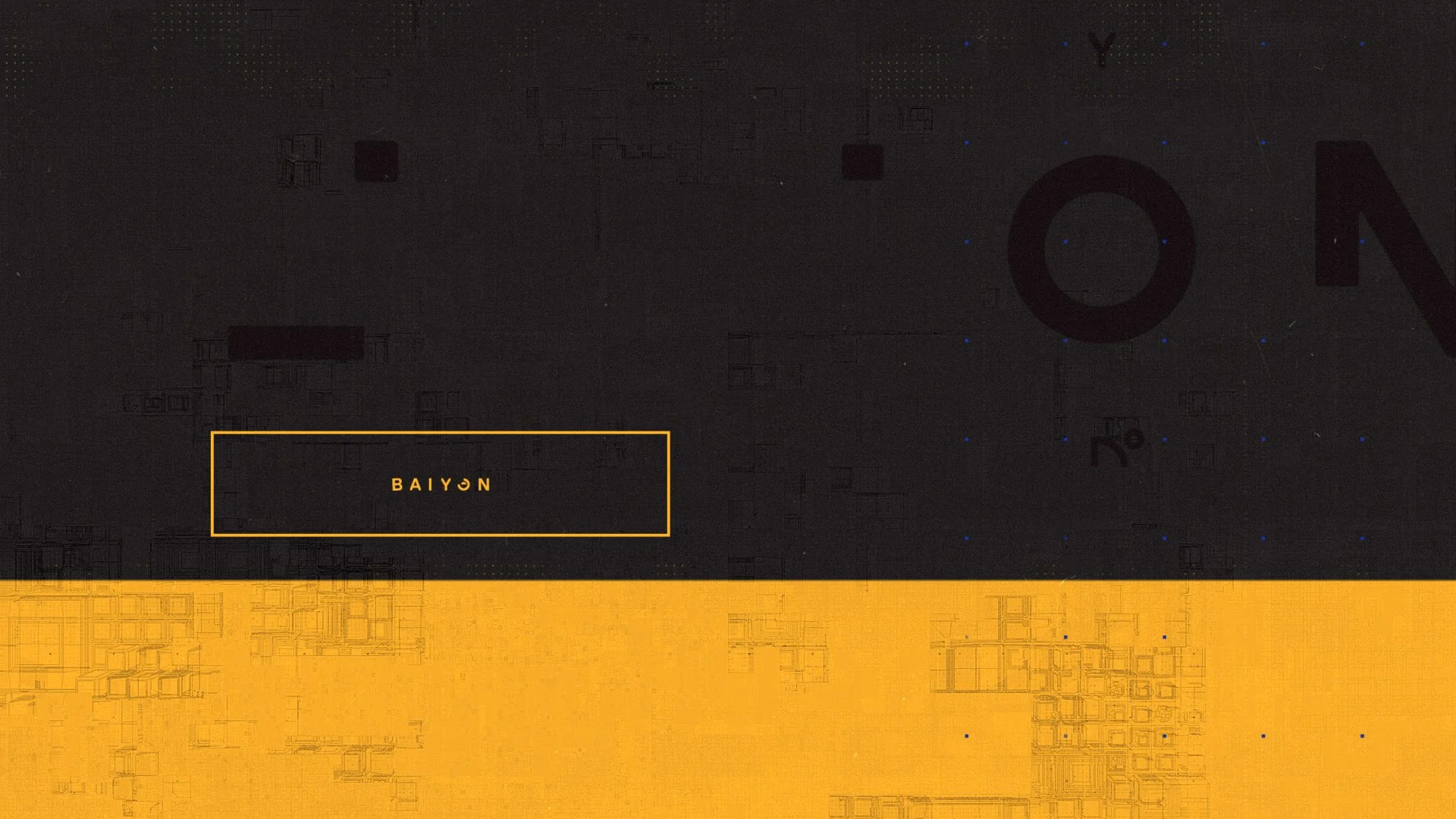
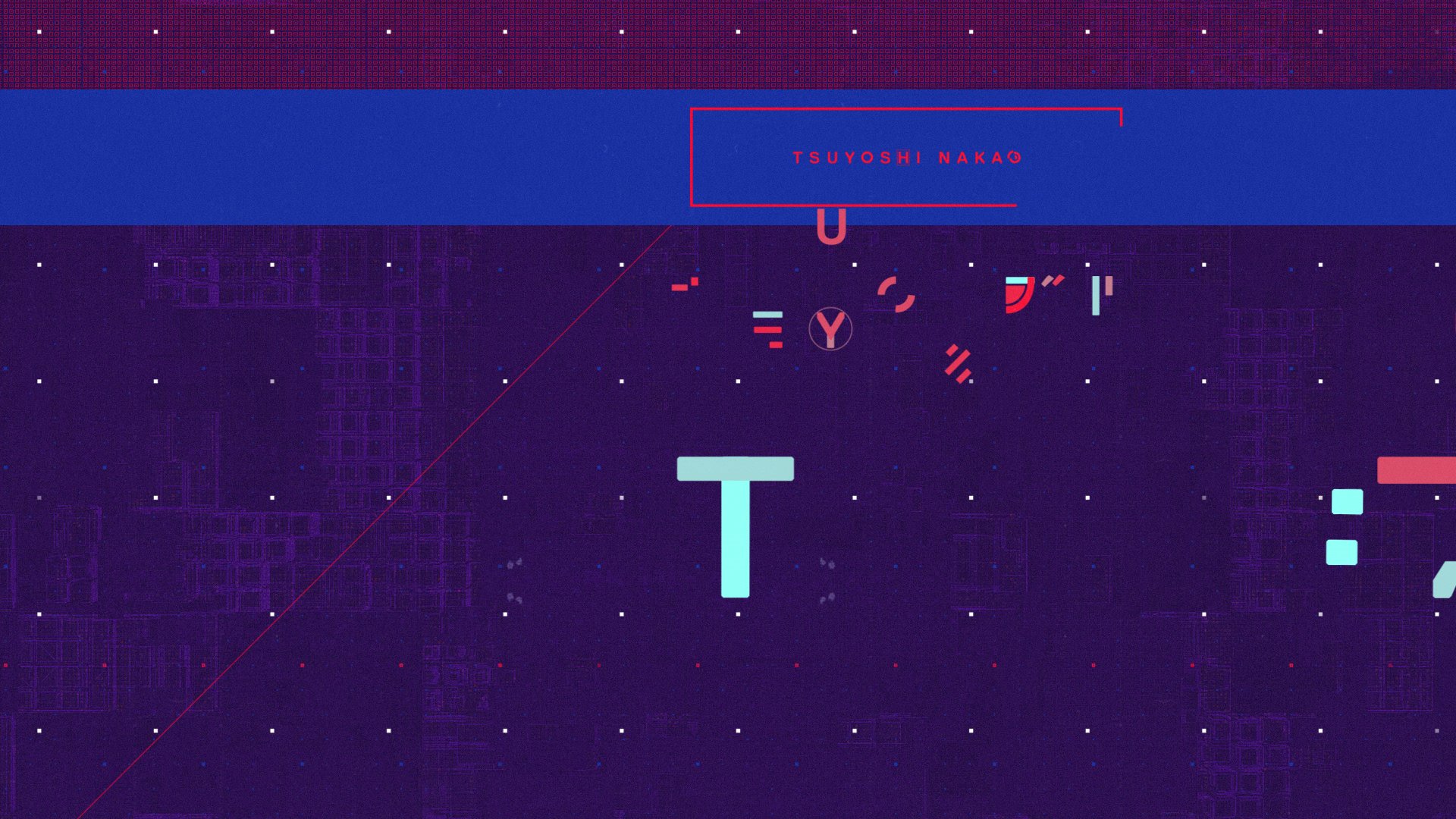
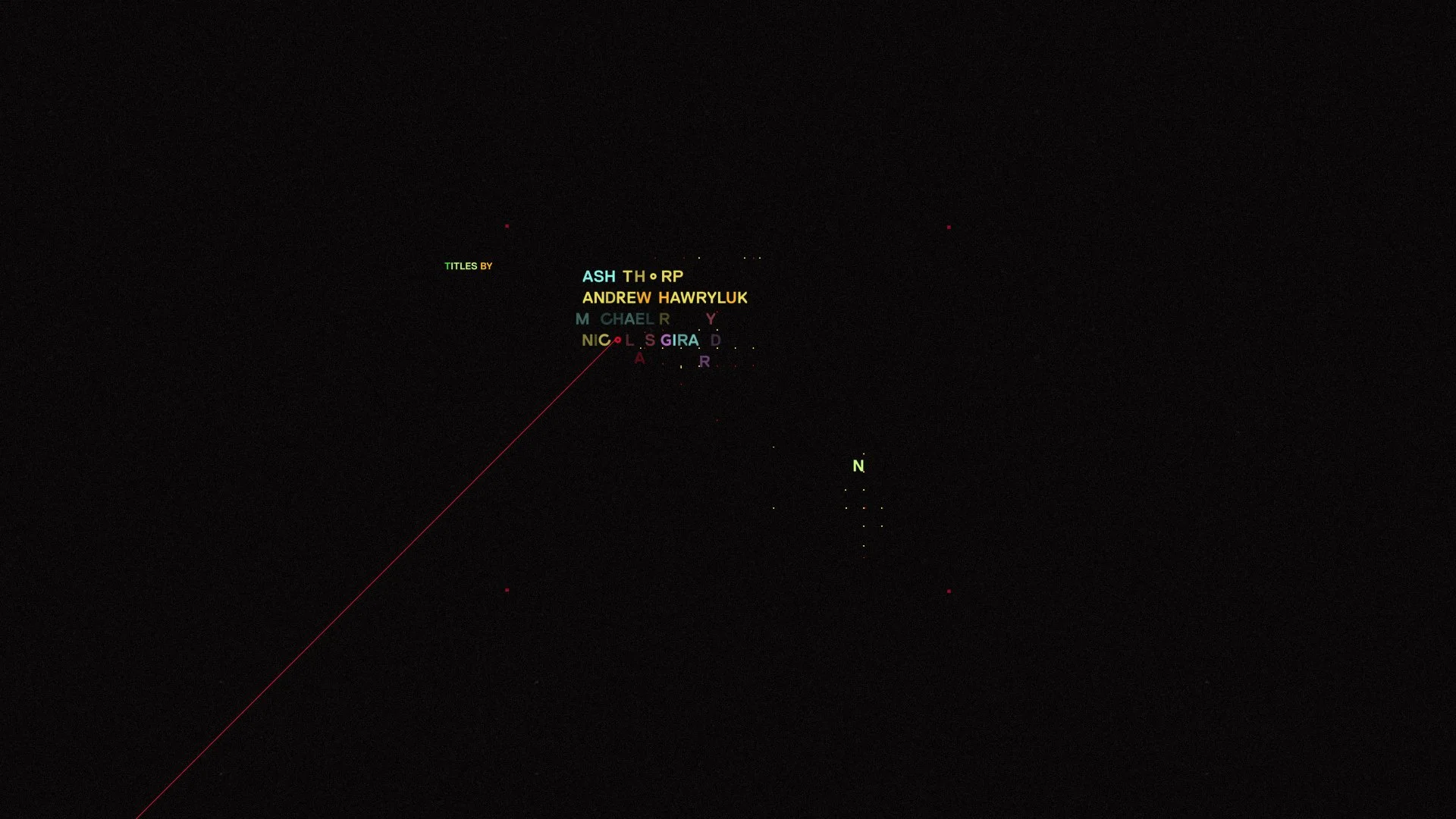
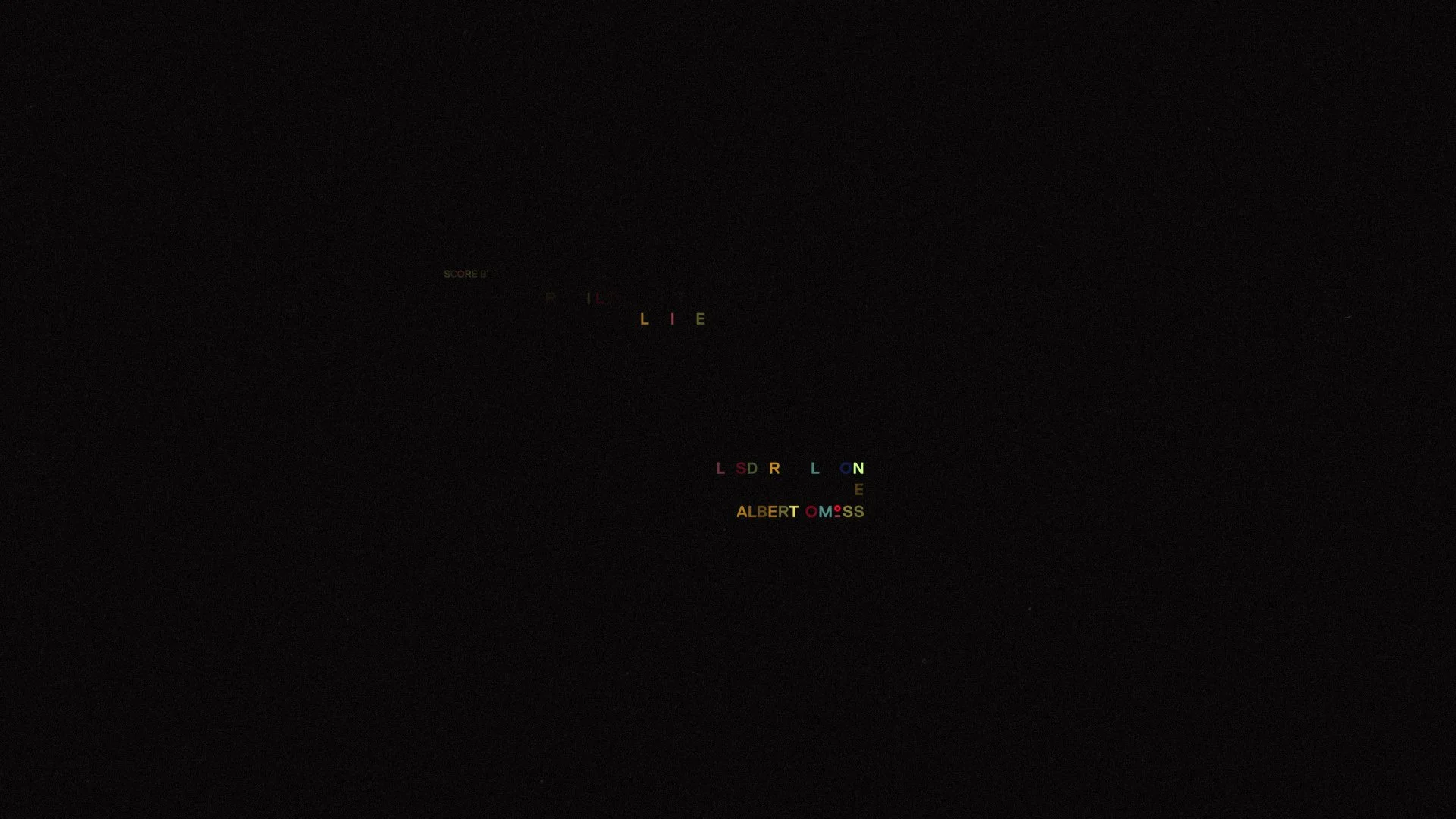
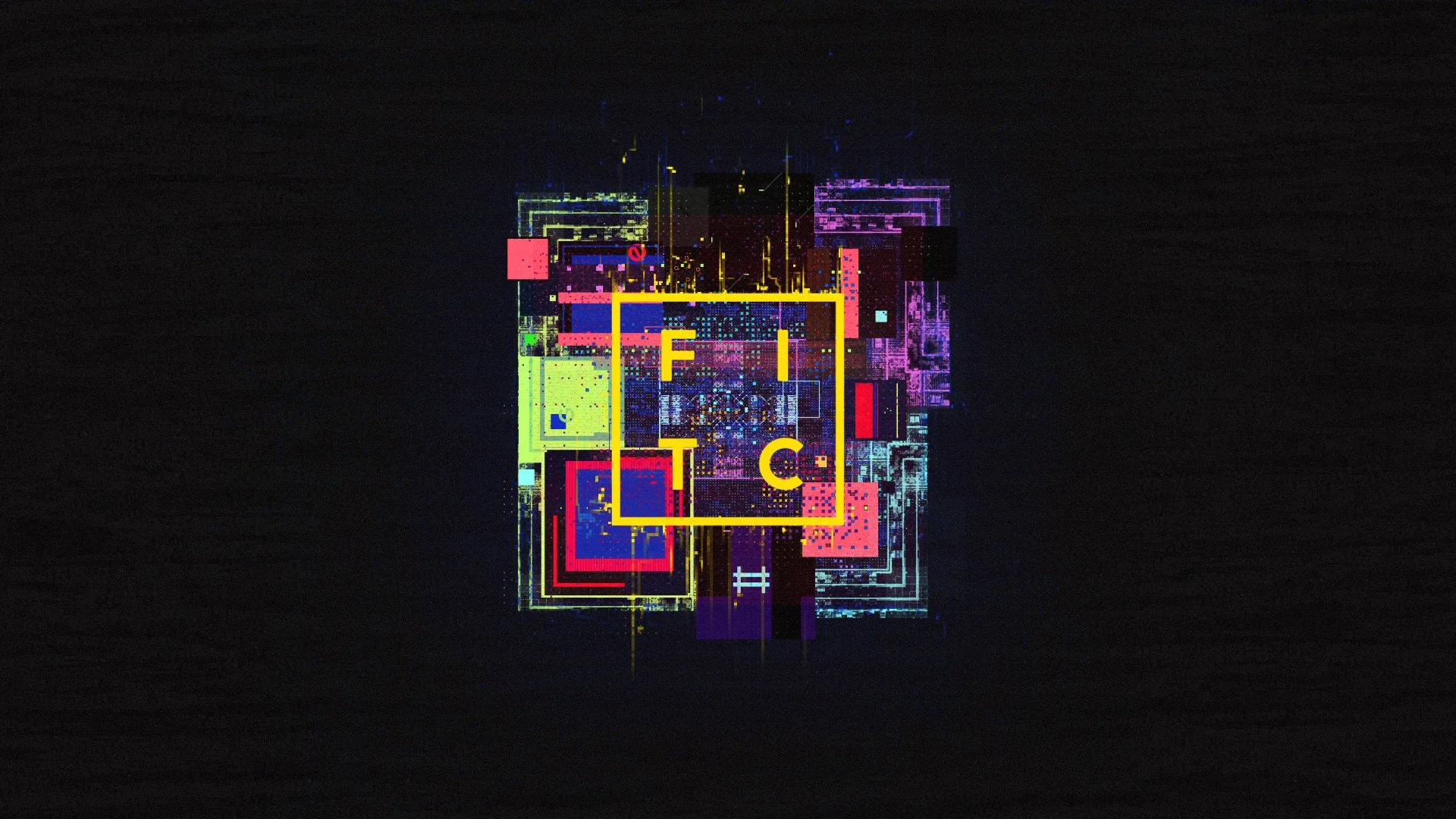
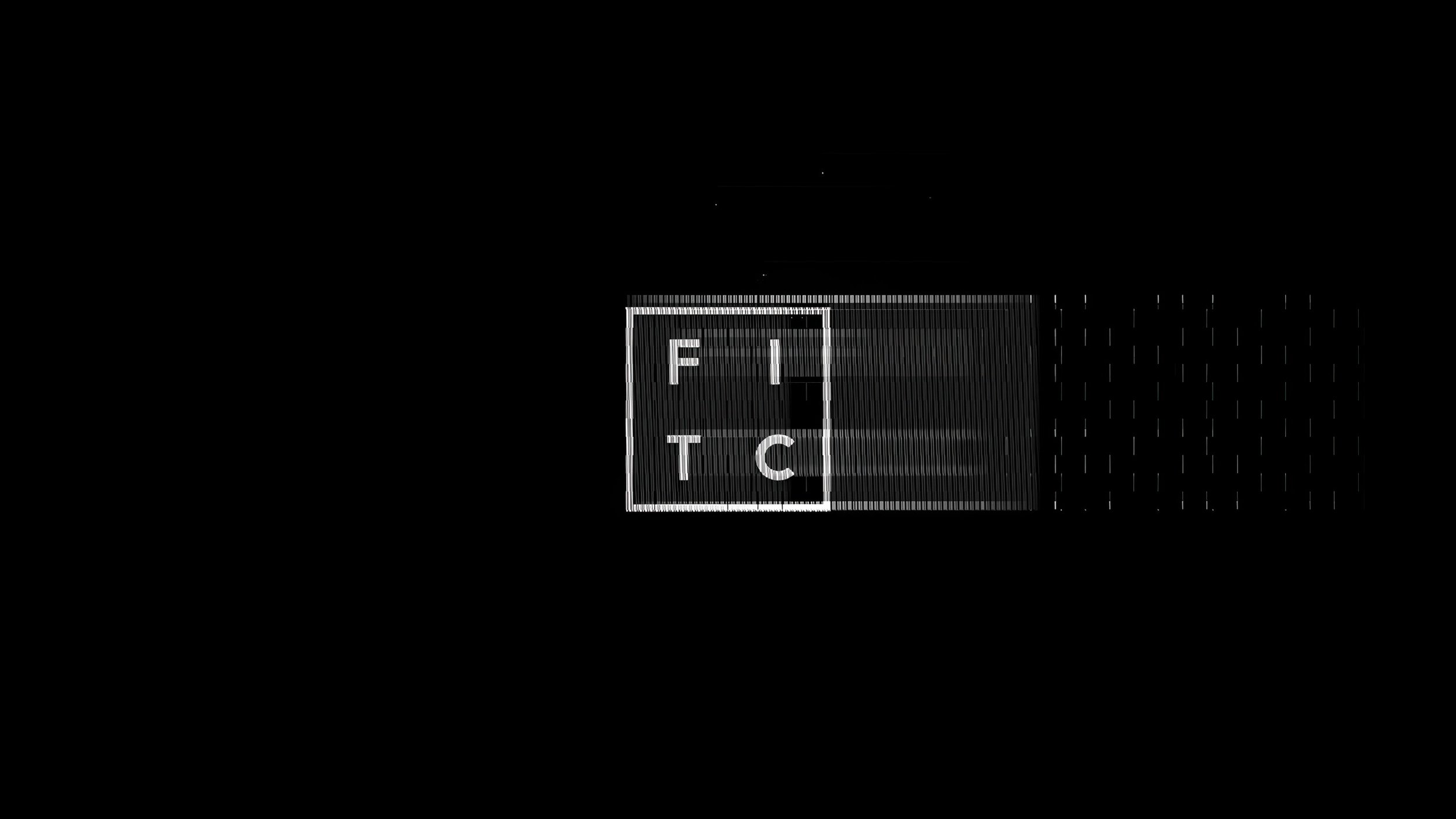
FITC Tokyo 2015 marked the festival’s sixth year, bringing together a global roster of digital artists, designers, and technologists. The title sequence was developed to reflect the city itself, translating its visual and cultural contrasts into a graphic system.
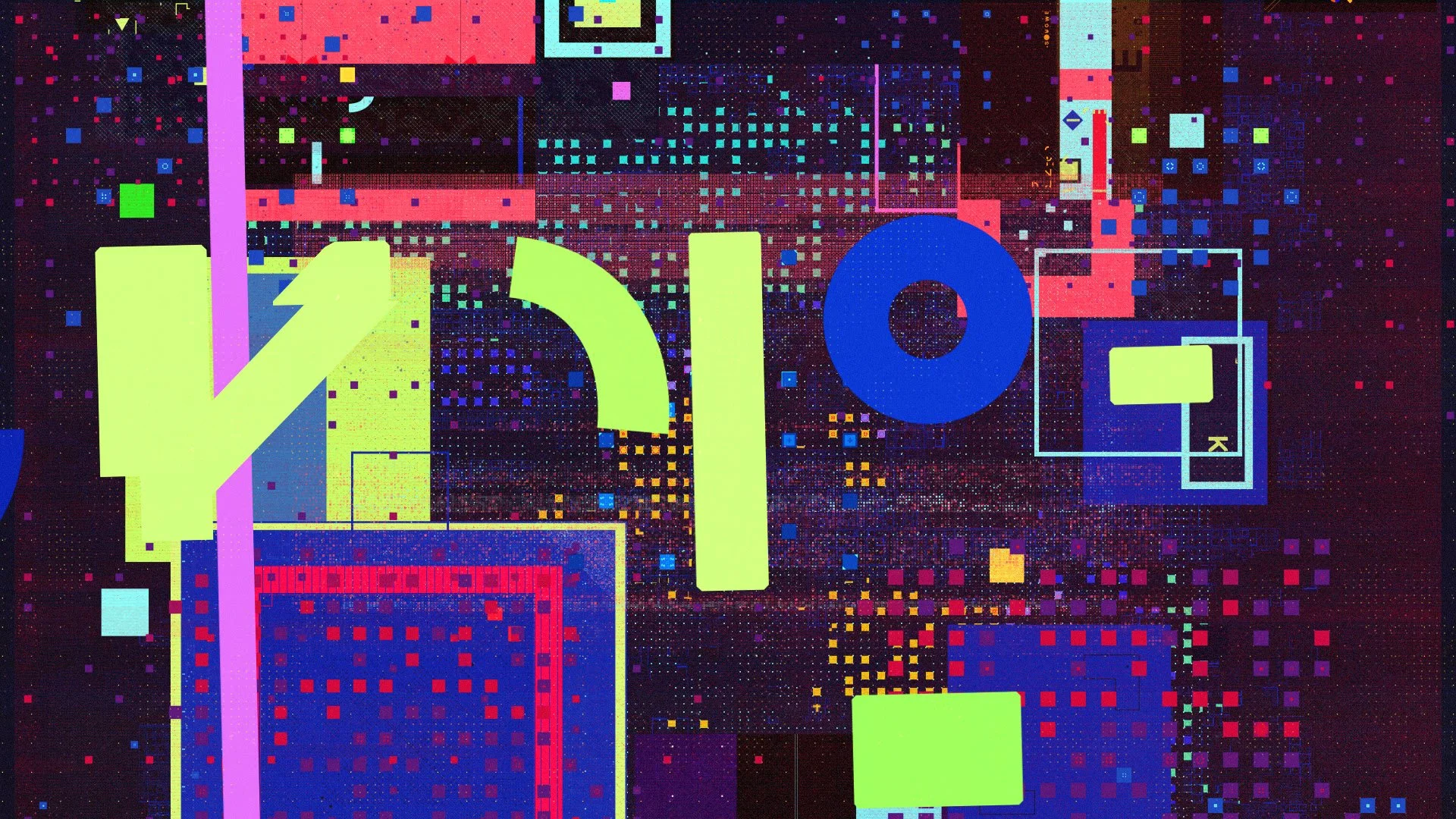
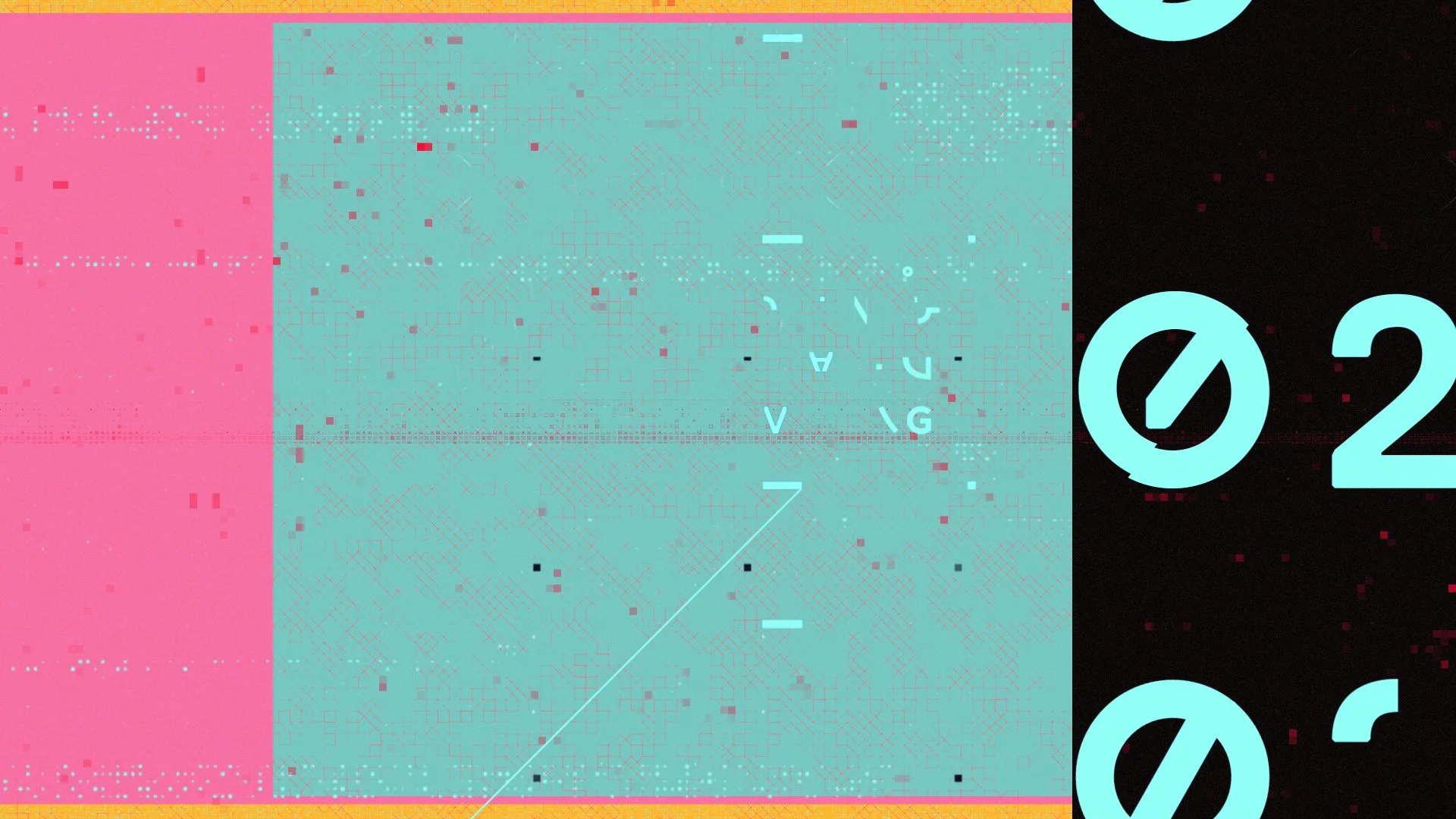
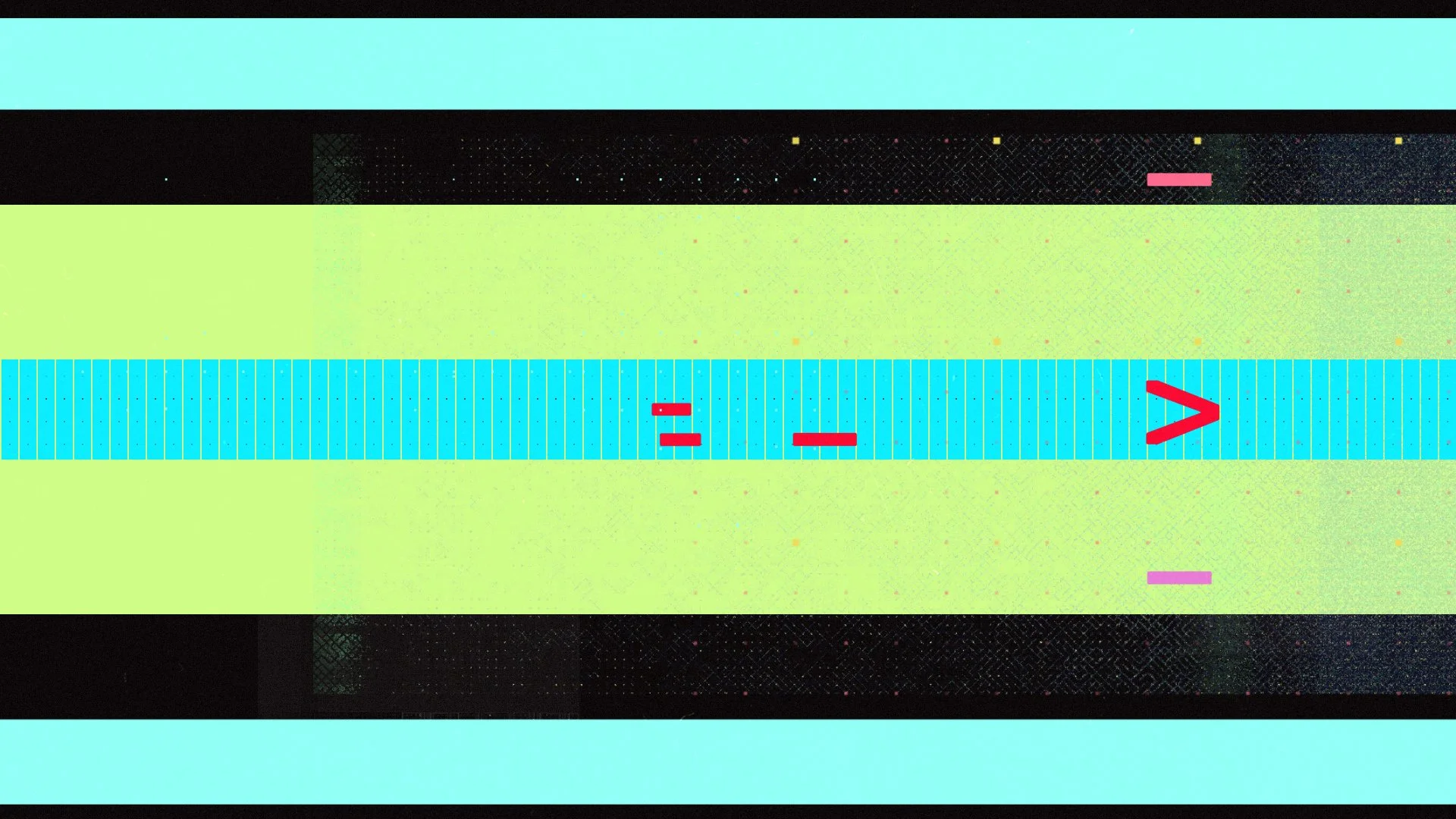
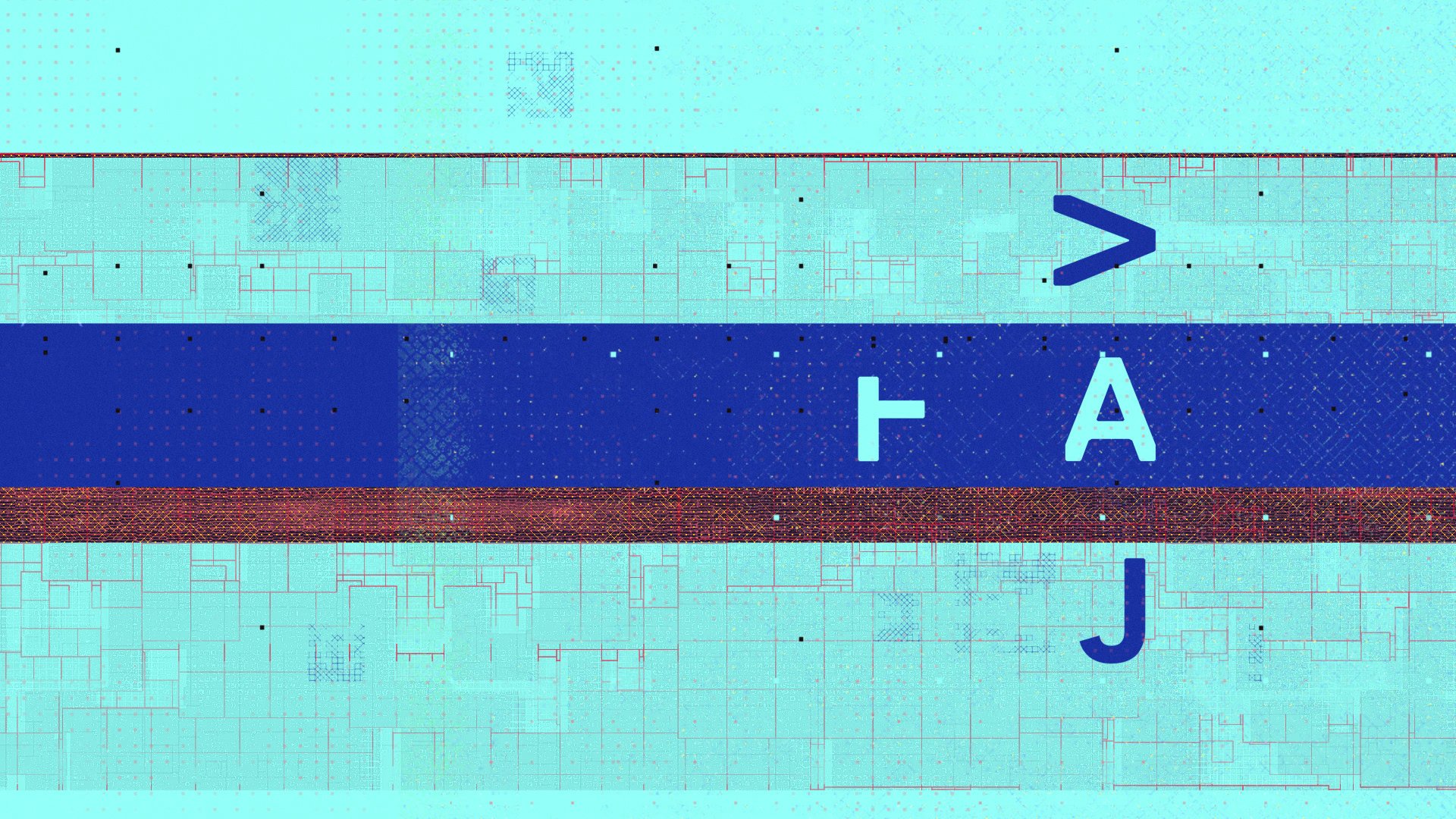
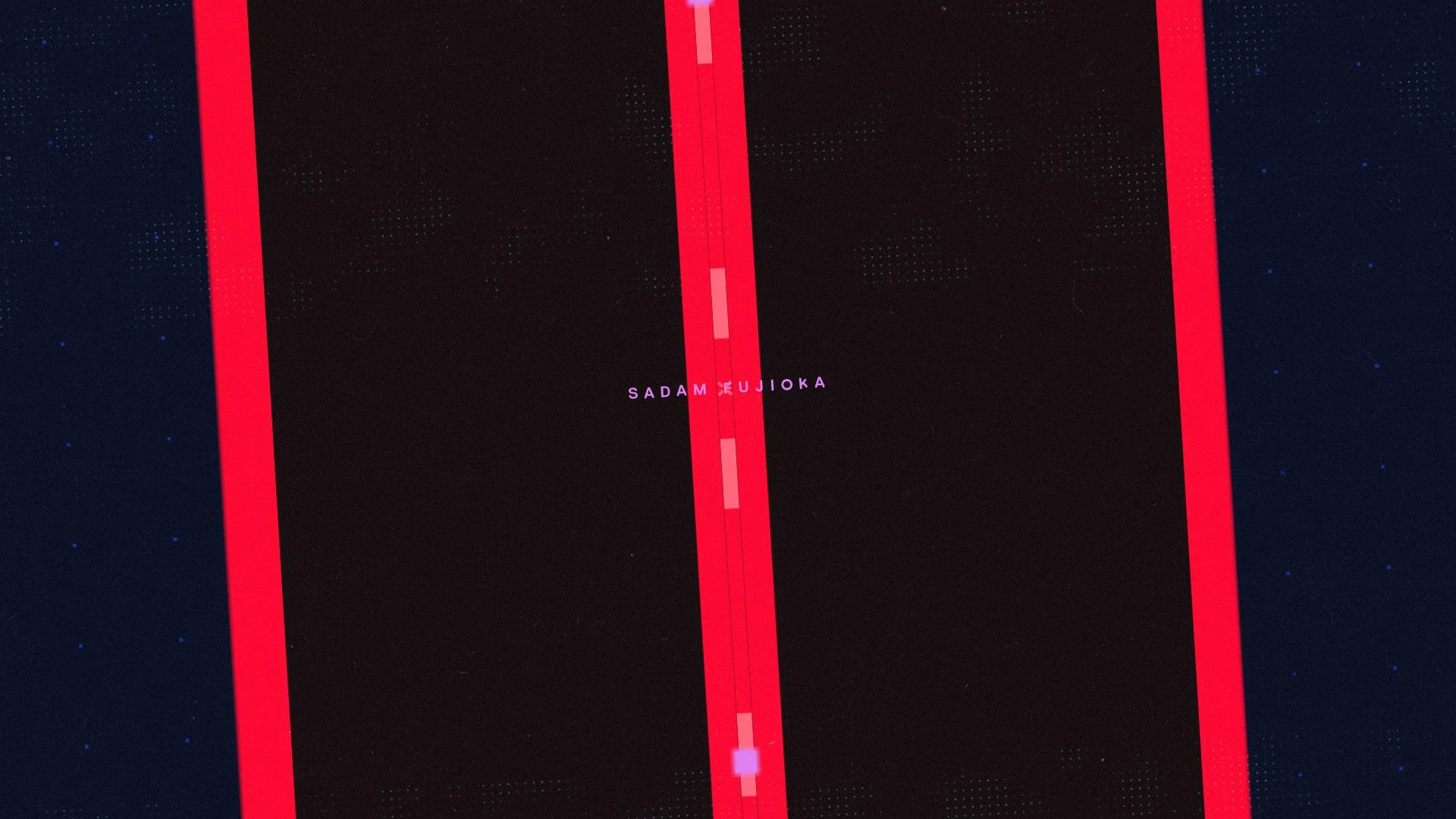
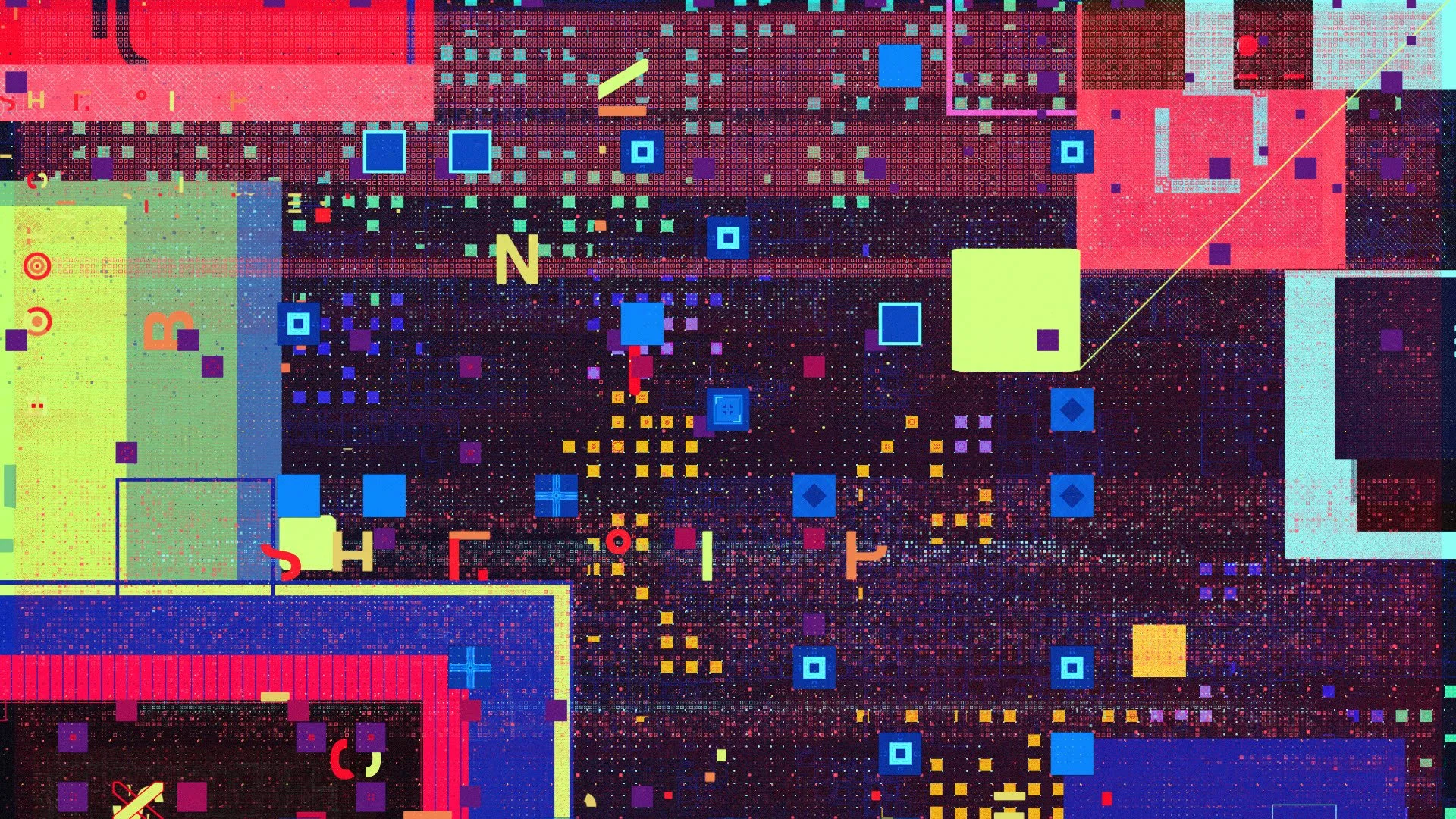
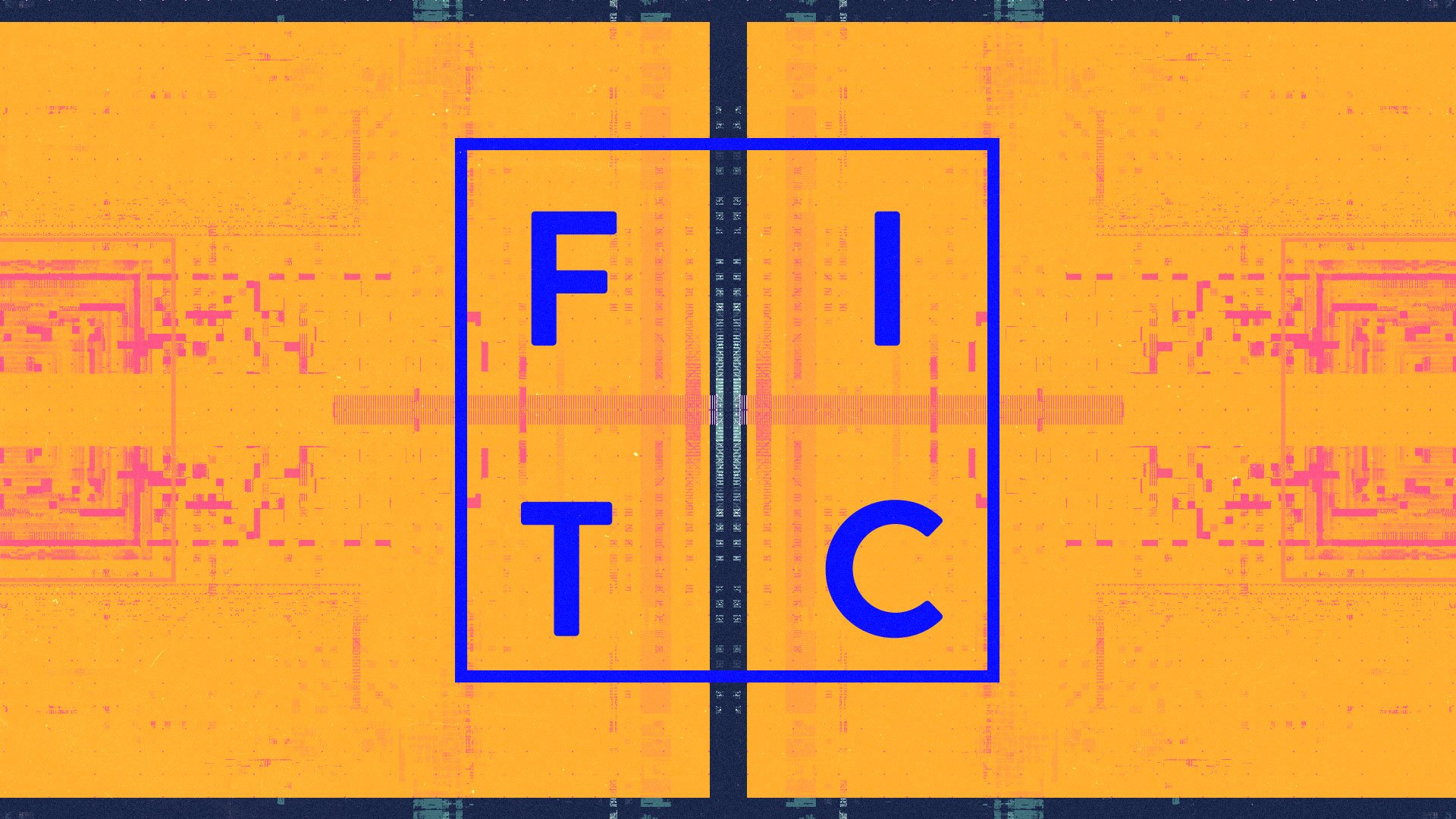
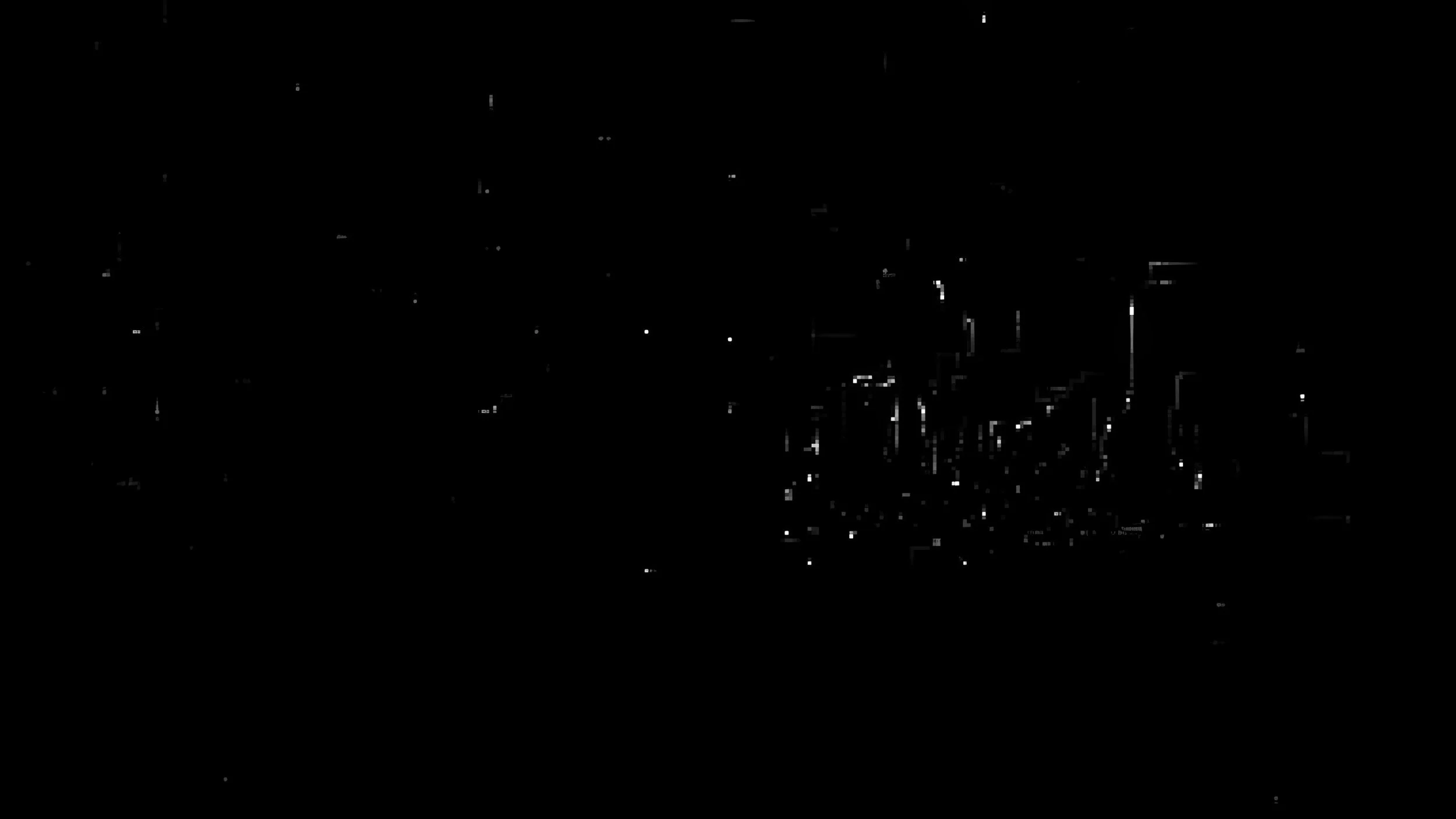
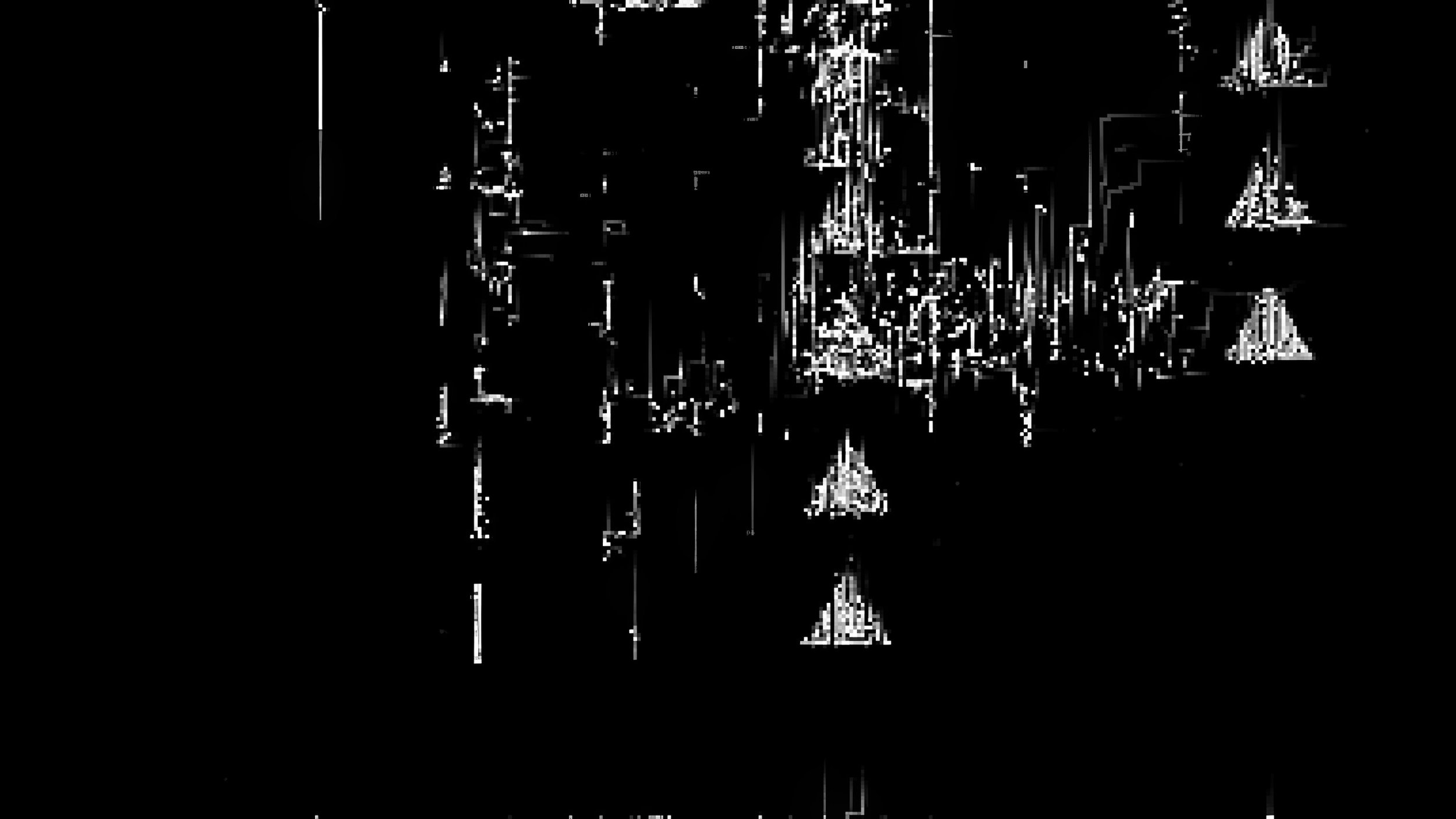
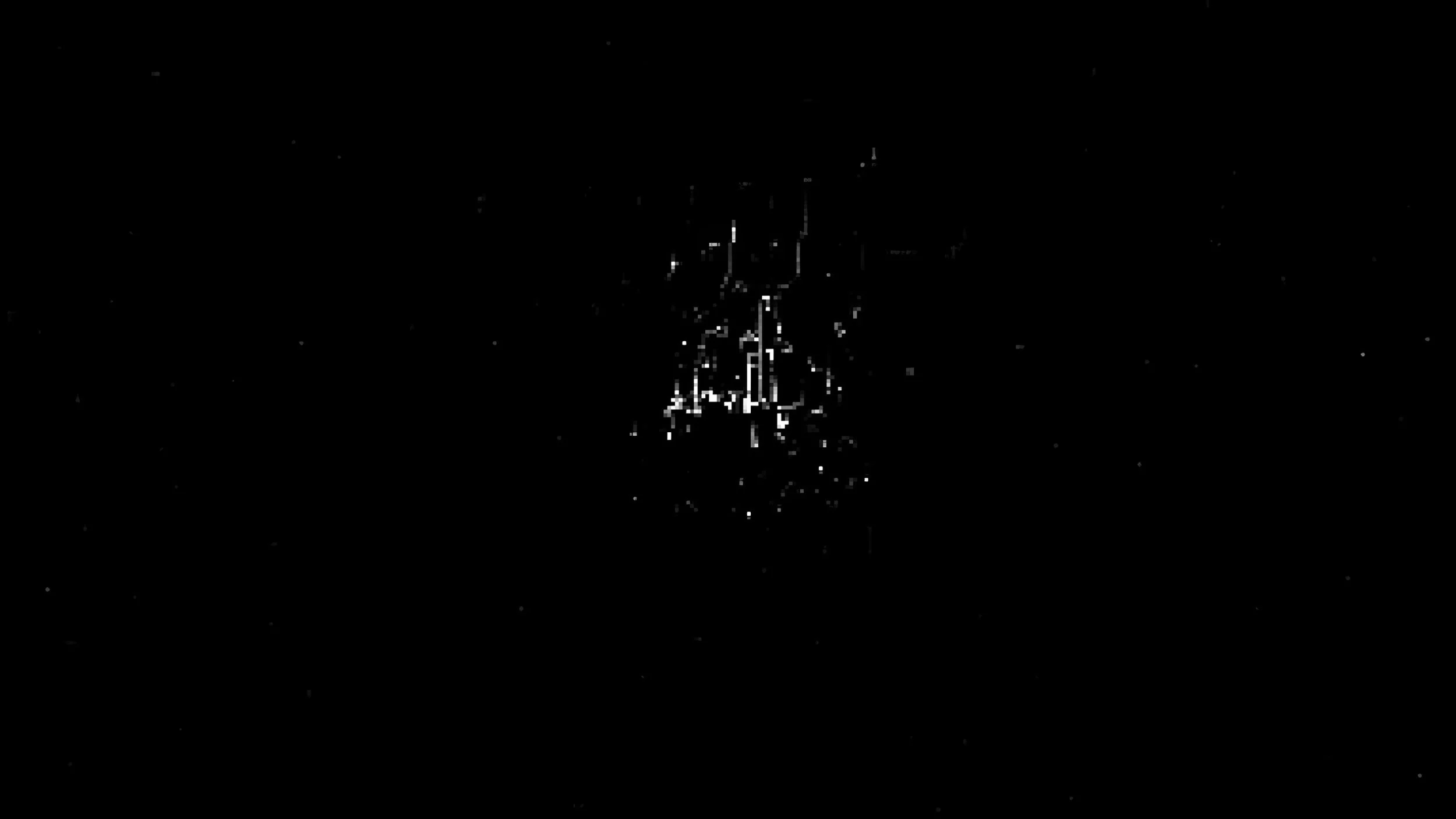
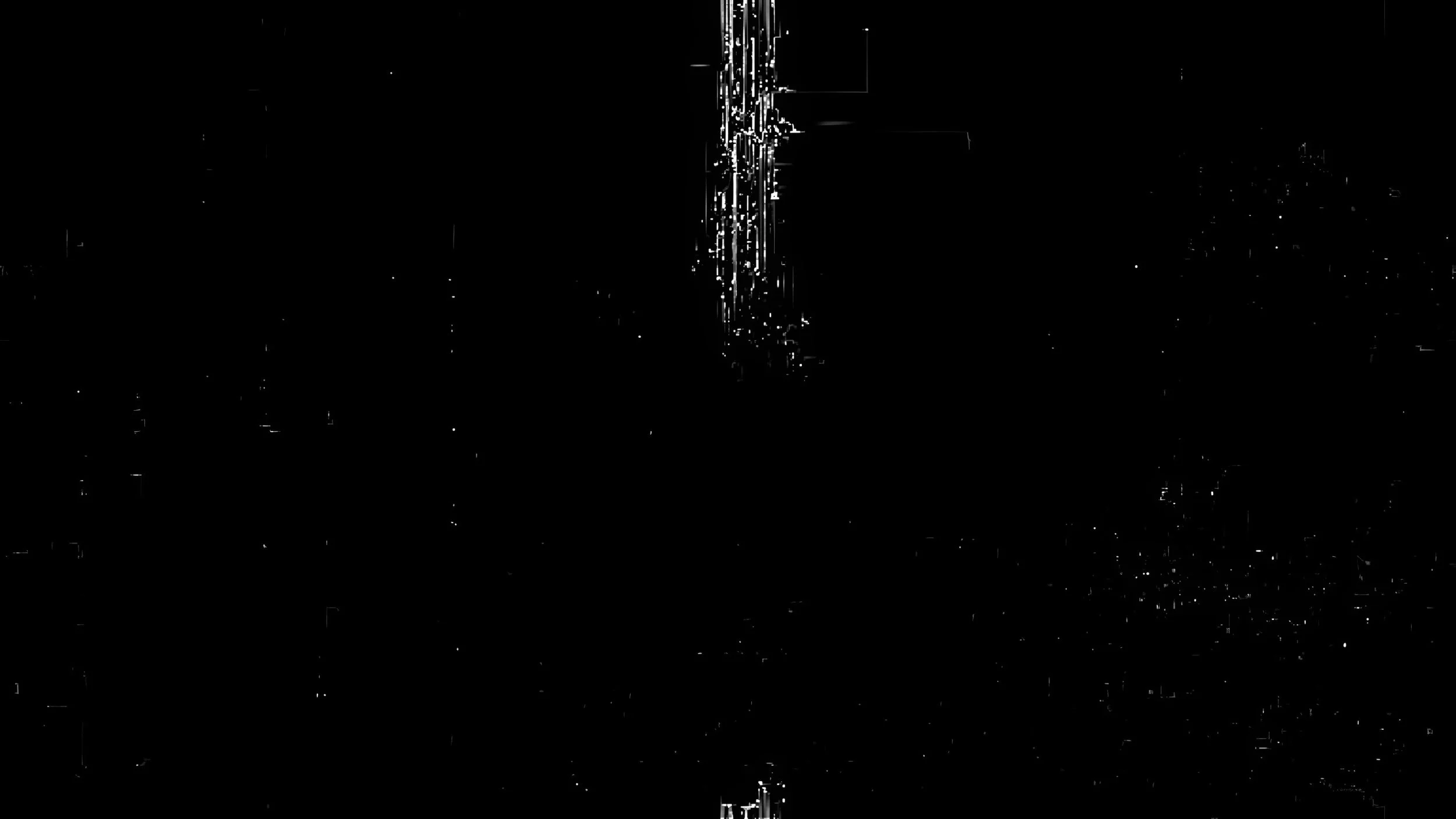
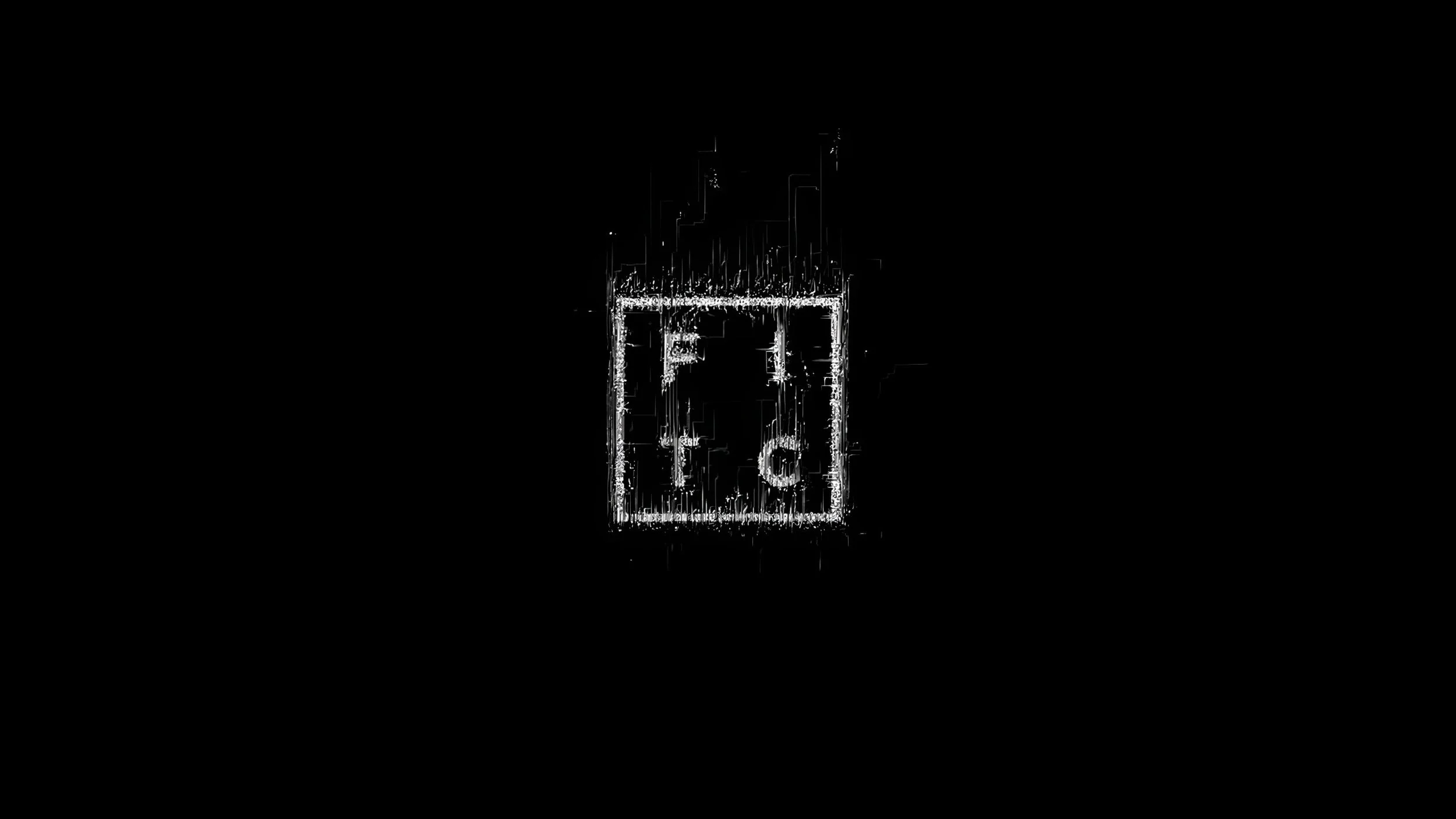
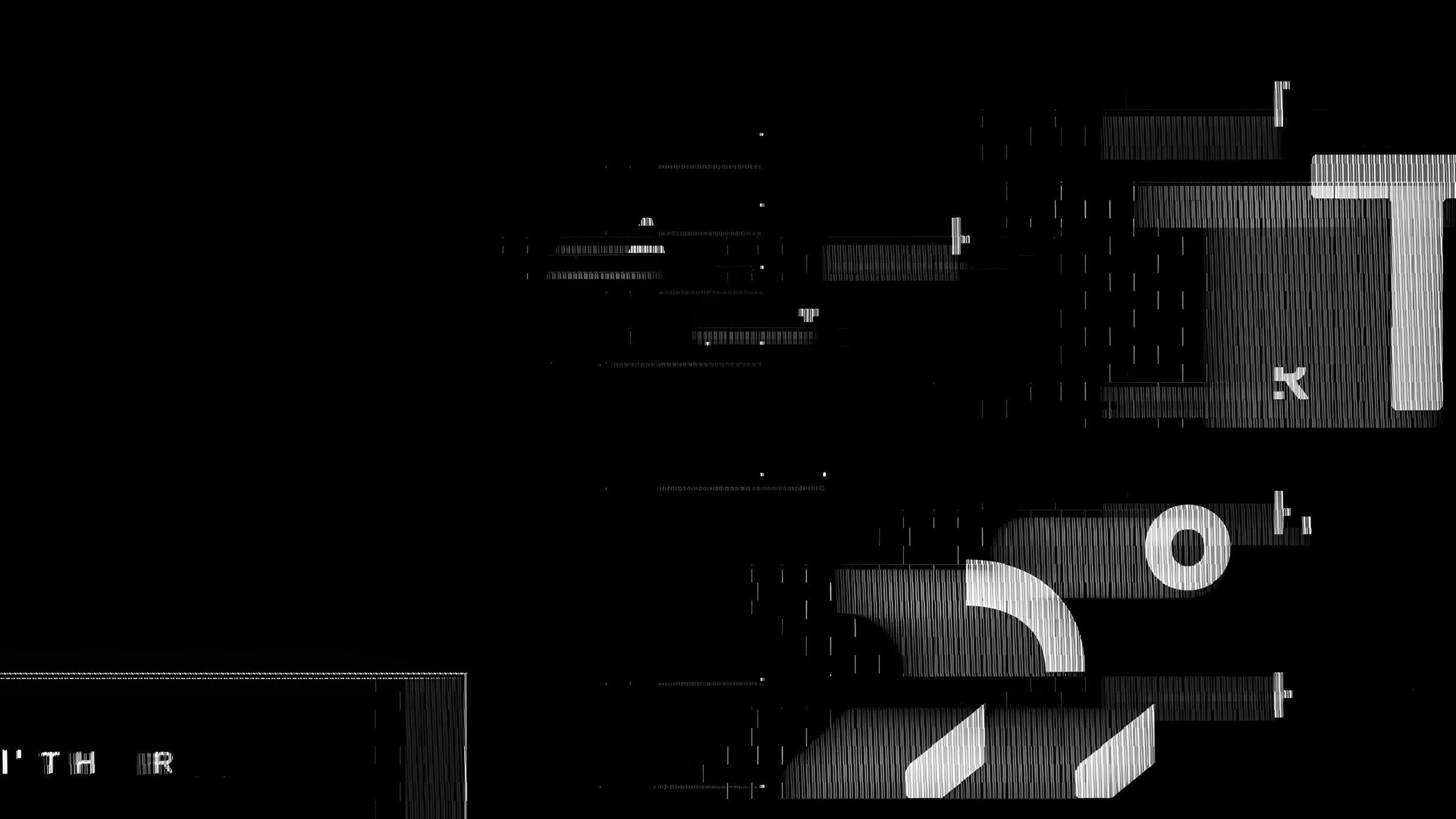
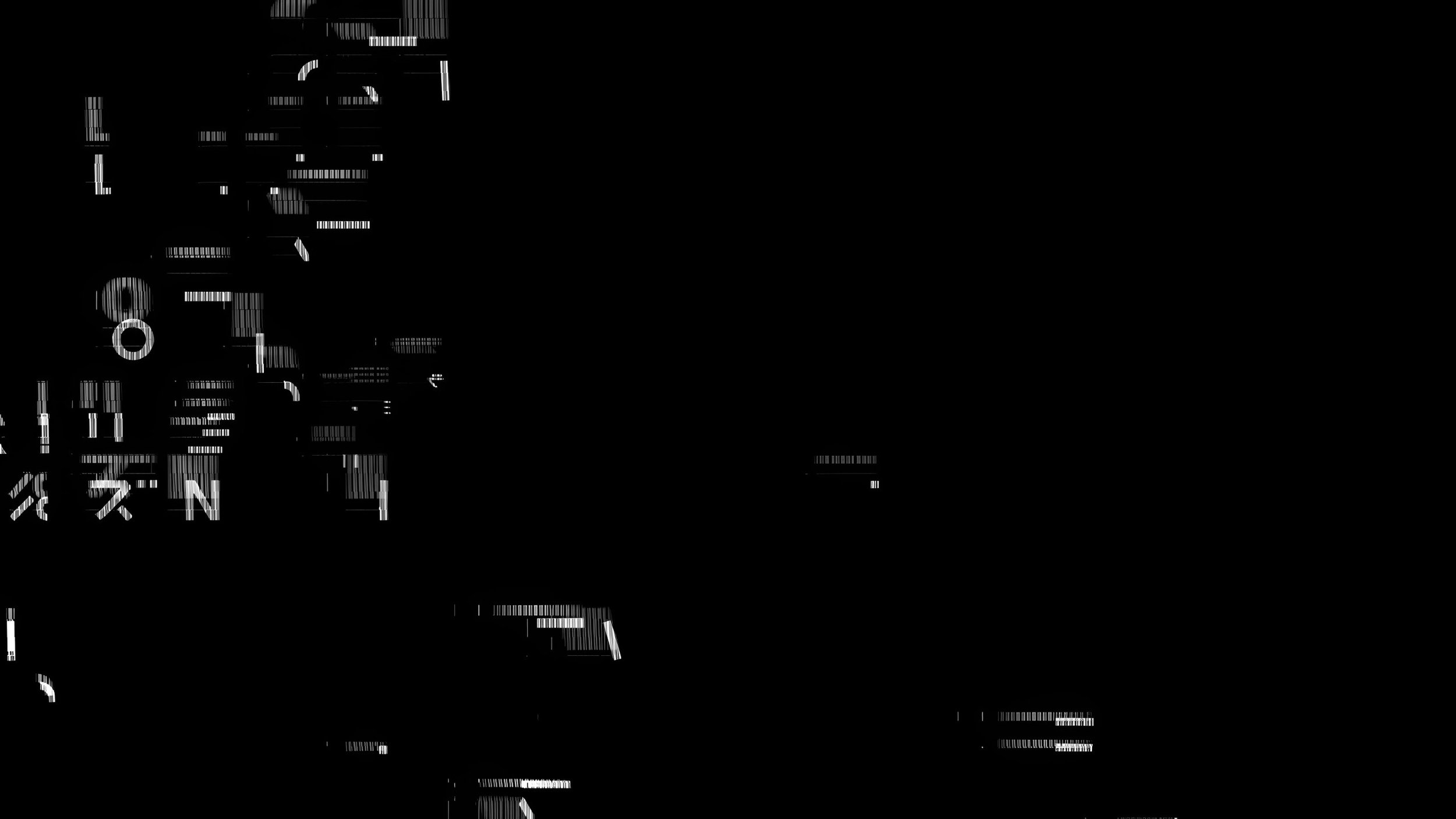
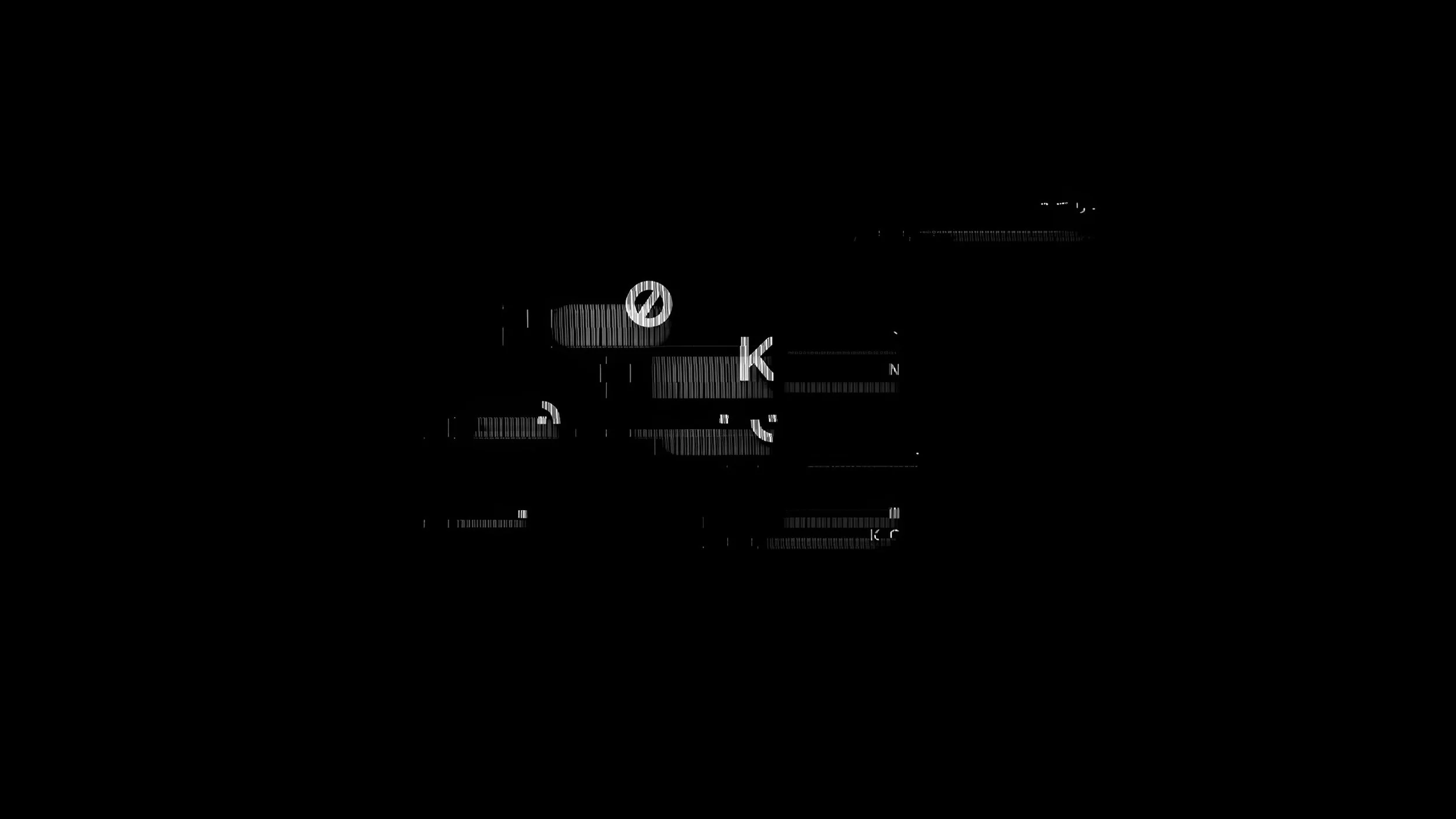
The work draws from opposing conditions present within Tokyo—traditional structure and contemporary intensity—expressed through typographic form and glitch aesthetic. Controlled compositions give way to moments of density and fragmentation, with periods of visual instability resolving into brief states of order. This rhythm establishes a progression that mirrors the pace and character of the city.
STILLS
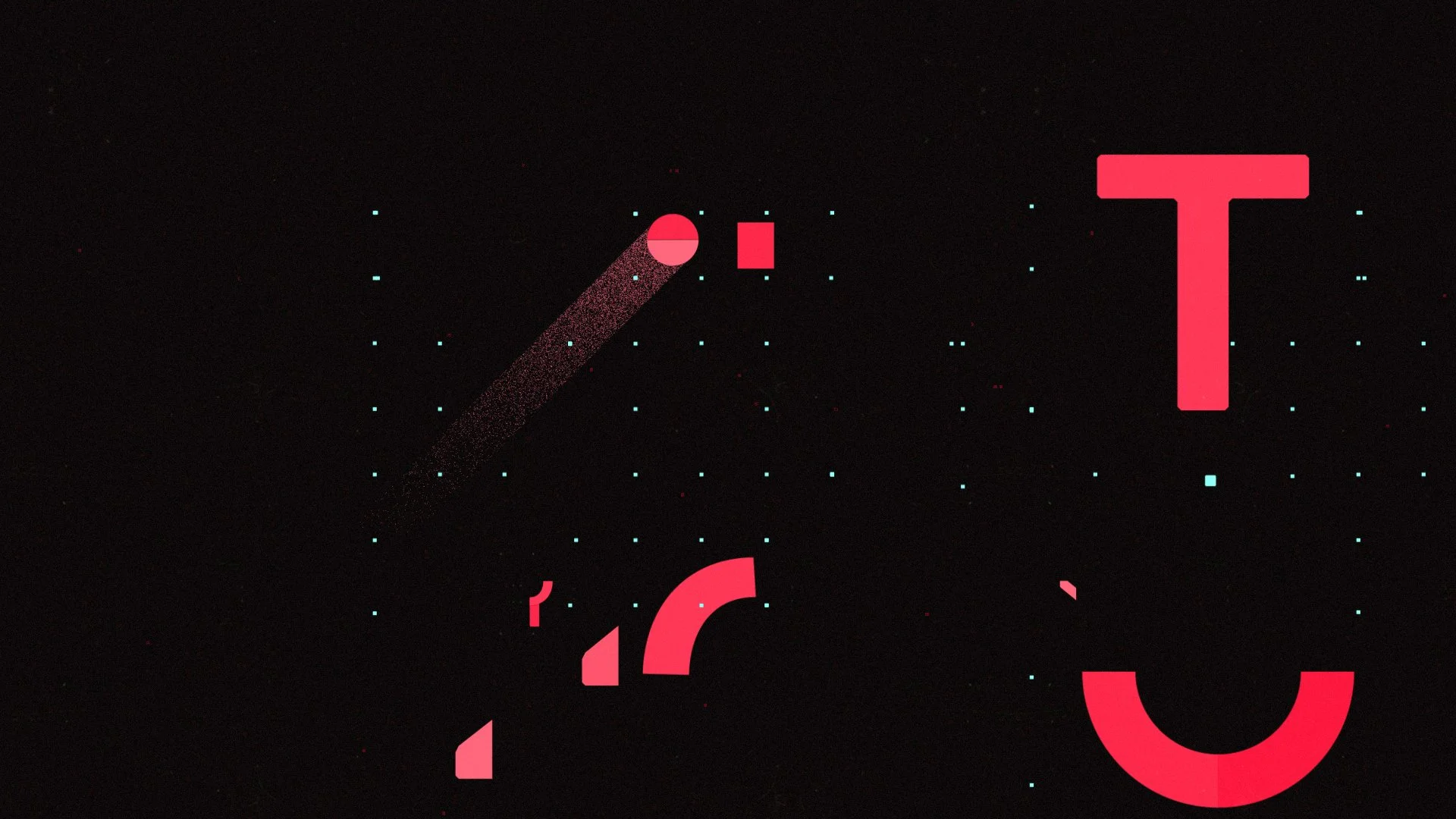
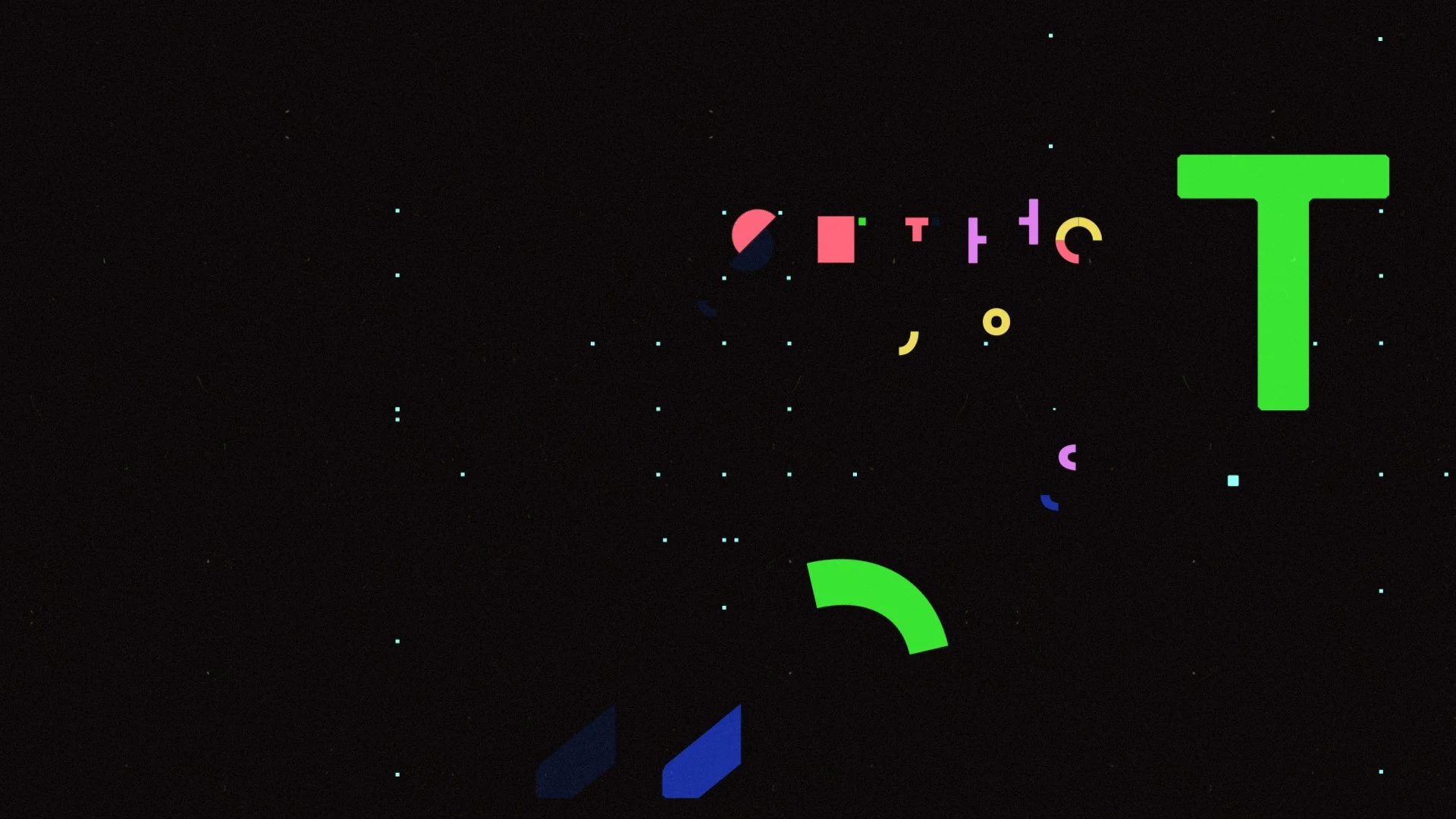
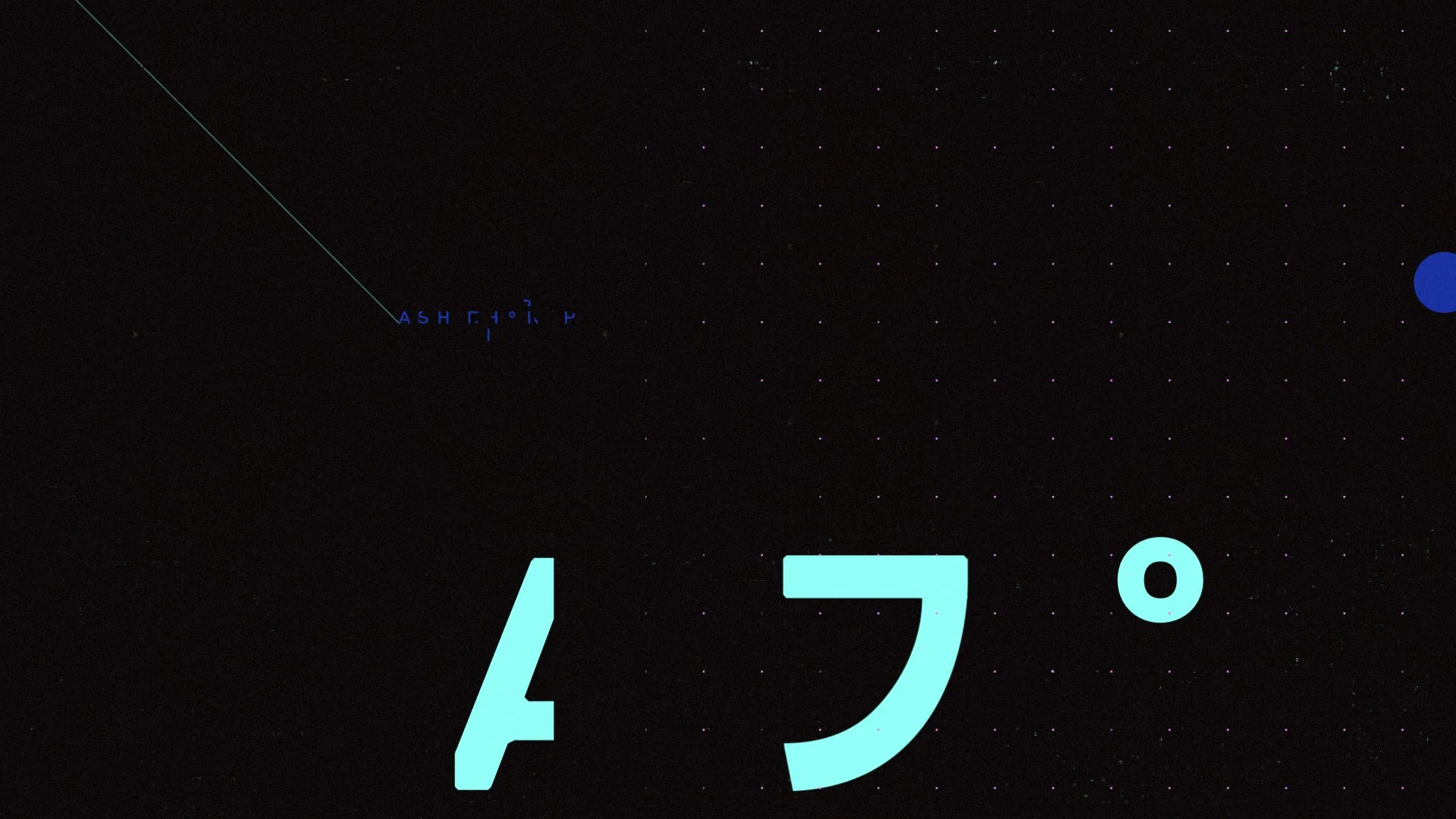
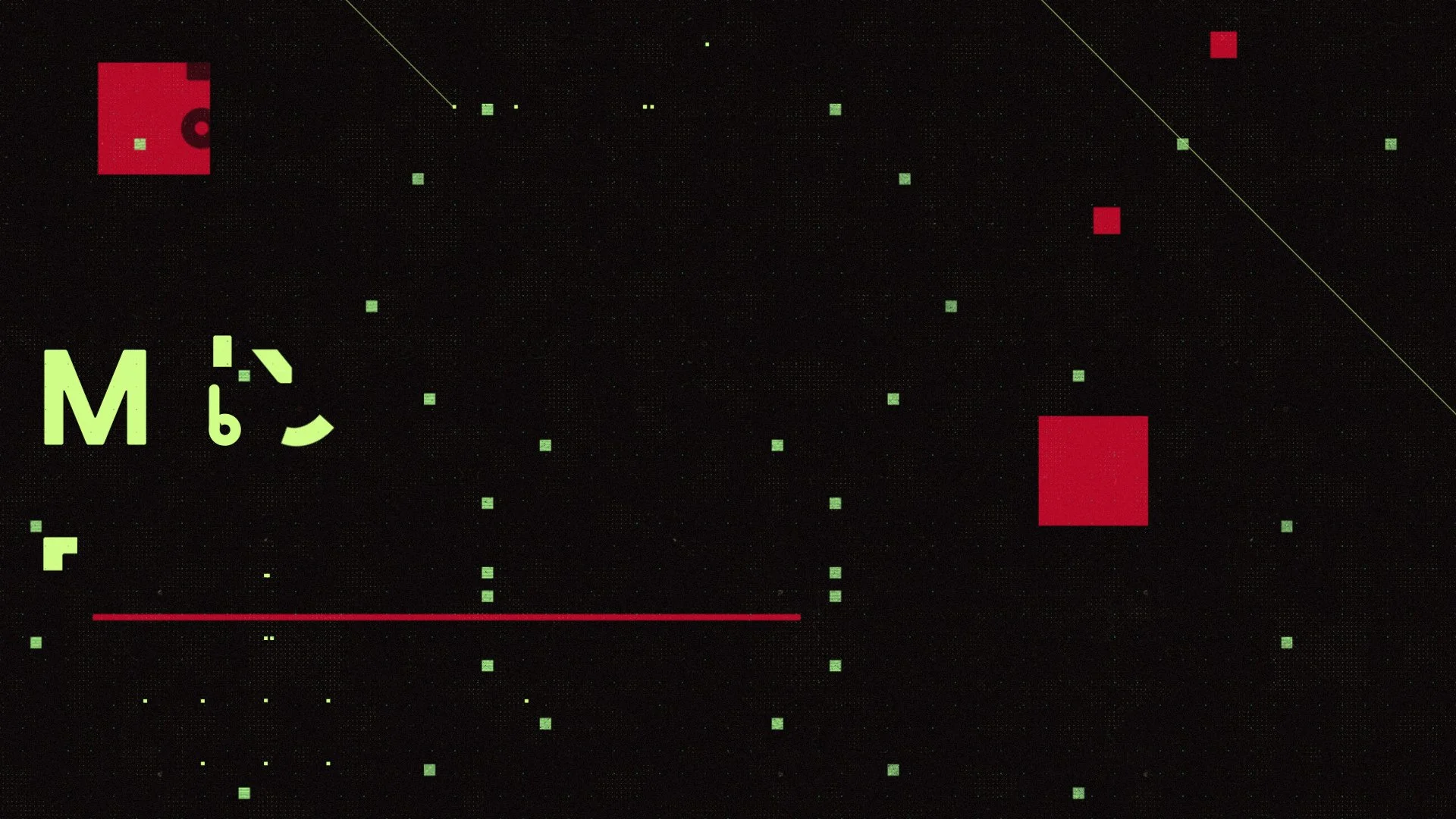
DESIGN PROCESS
FITC founder Shawn Pucknell initiated the project through a series of promotional posters directed by Ash Thorp. Building on this foundation, Andrew Hawryluk expanded the work into FITC Tokyo’s first title sequence.
Rigley joined during early development, contributing to initial styleframe design before moving into art direction and animation. The team expanded into a distributed group of designers, typographers, and technologists working across multiple locations.
STYLEFRAMES
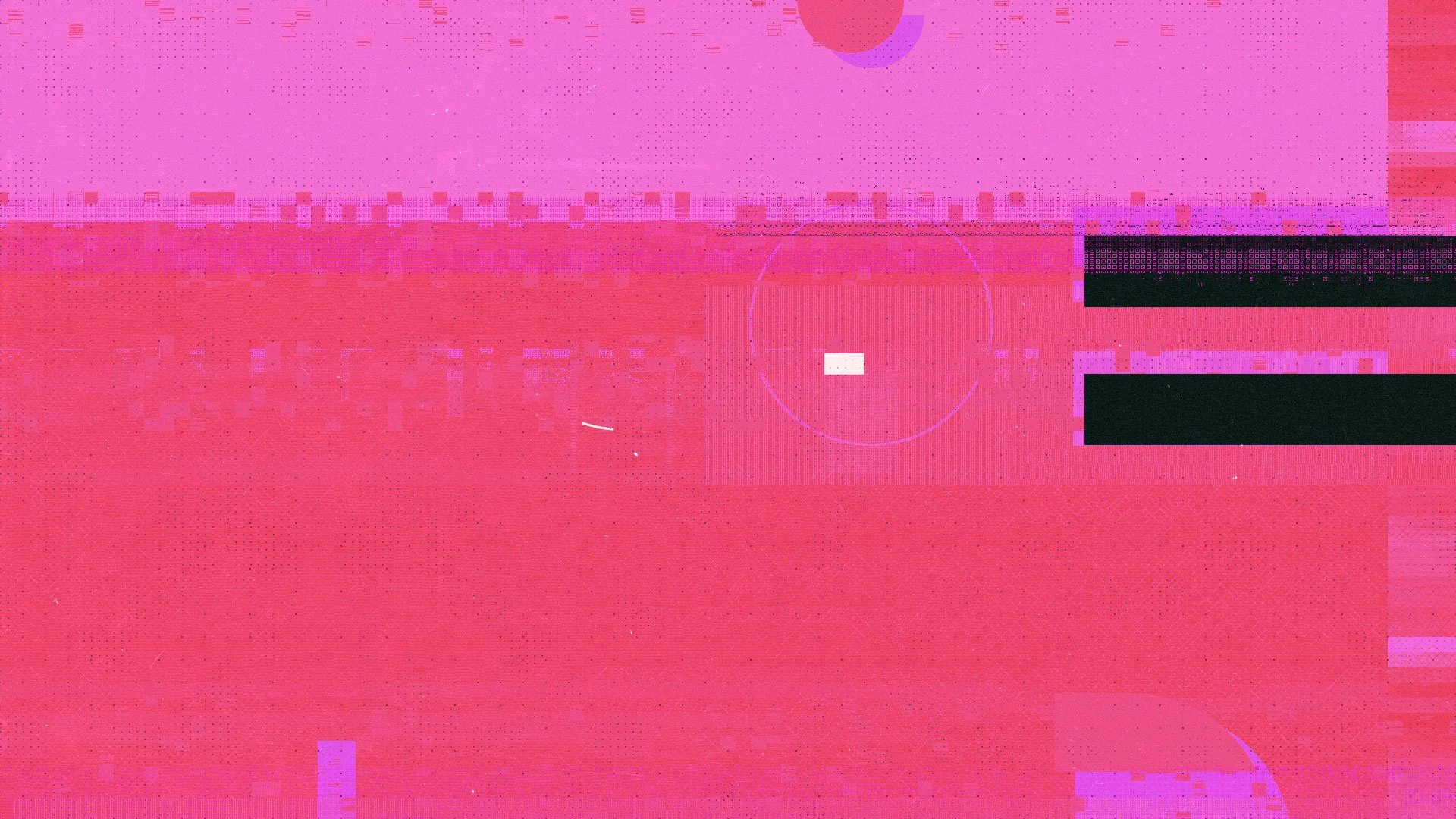
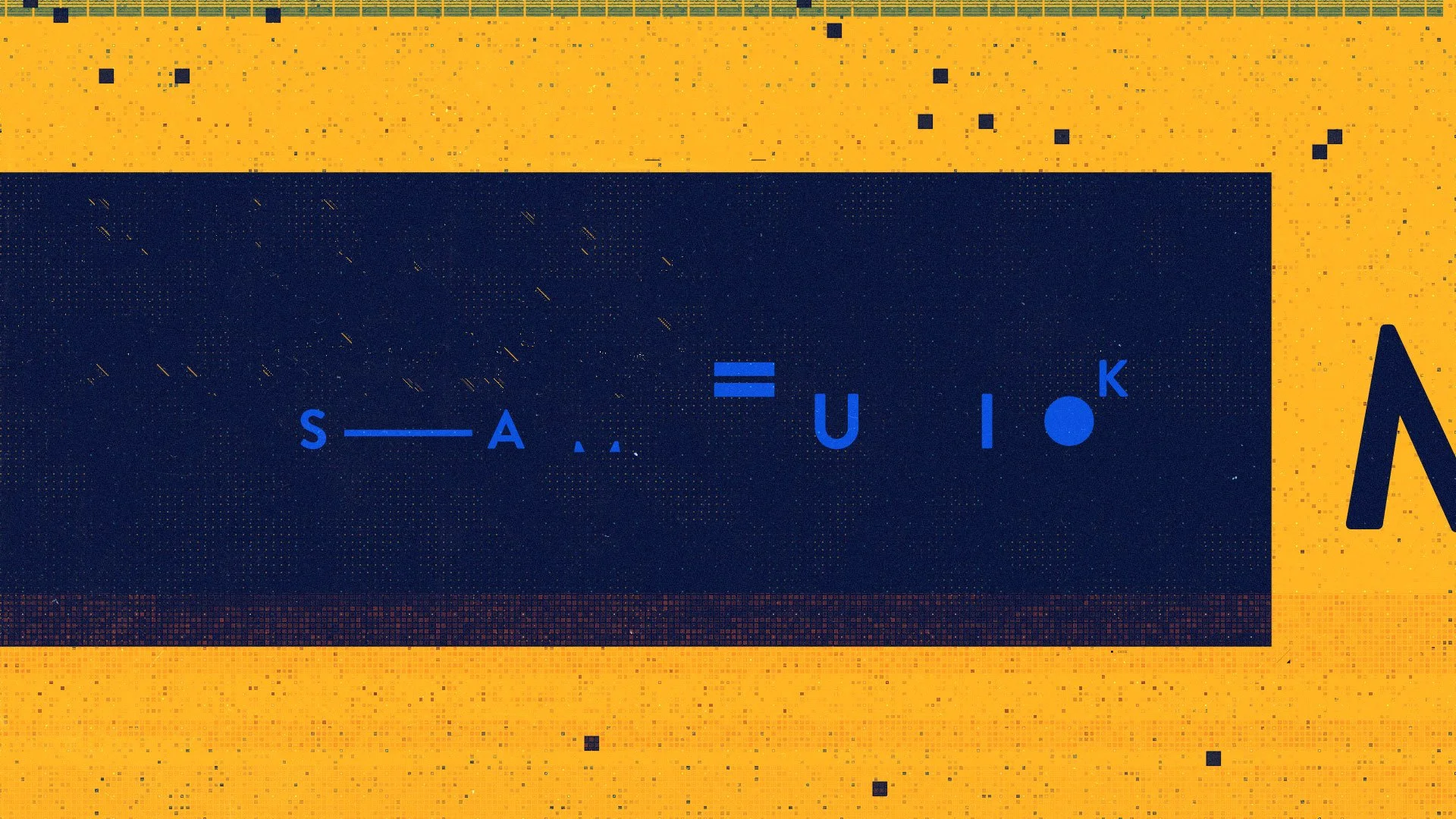
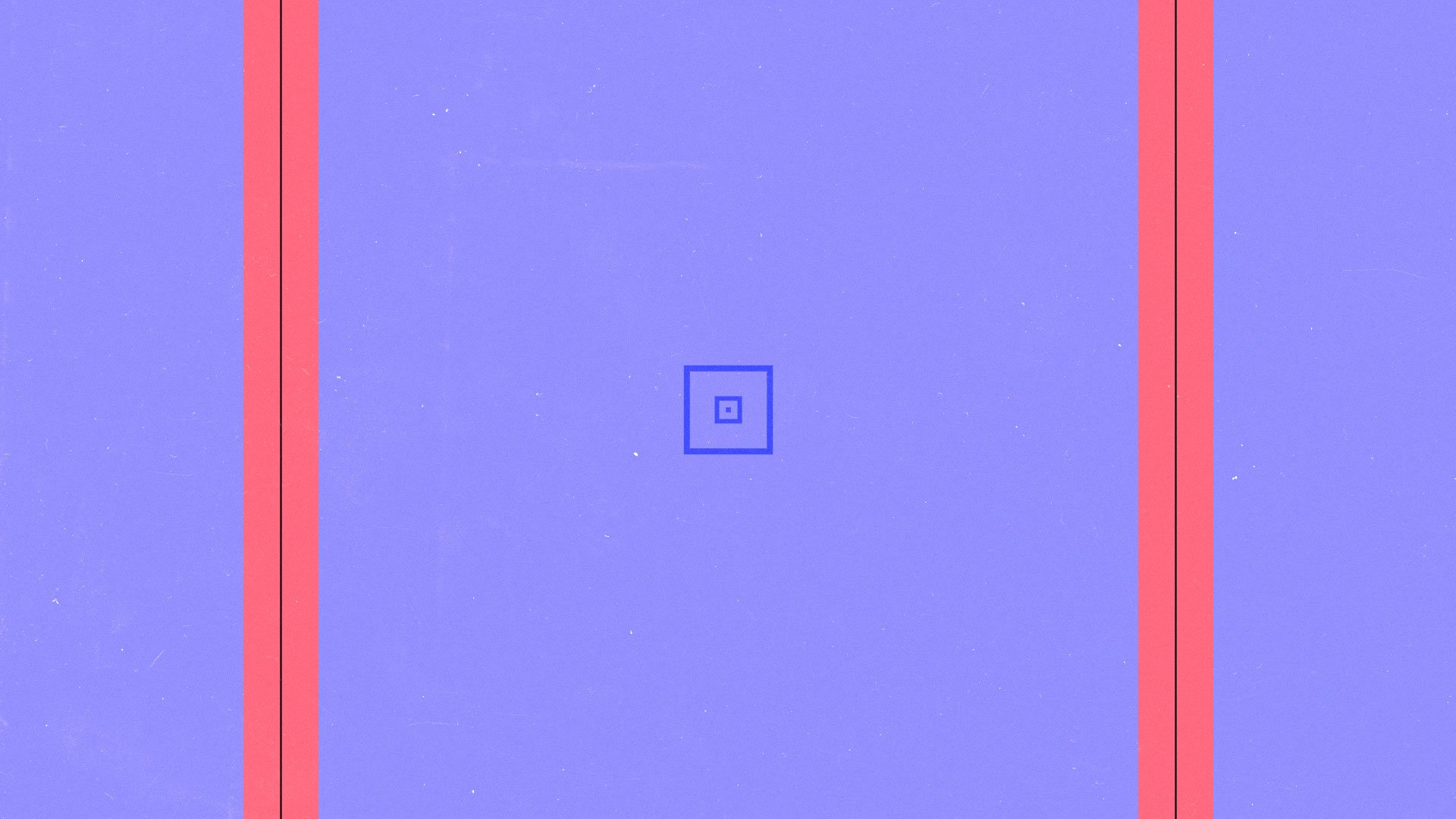
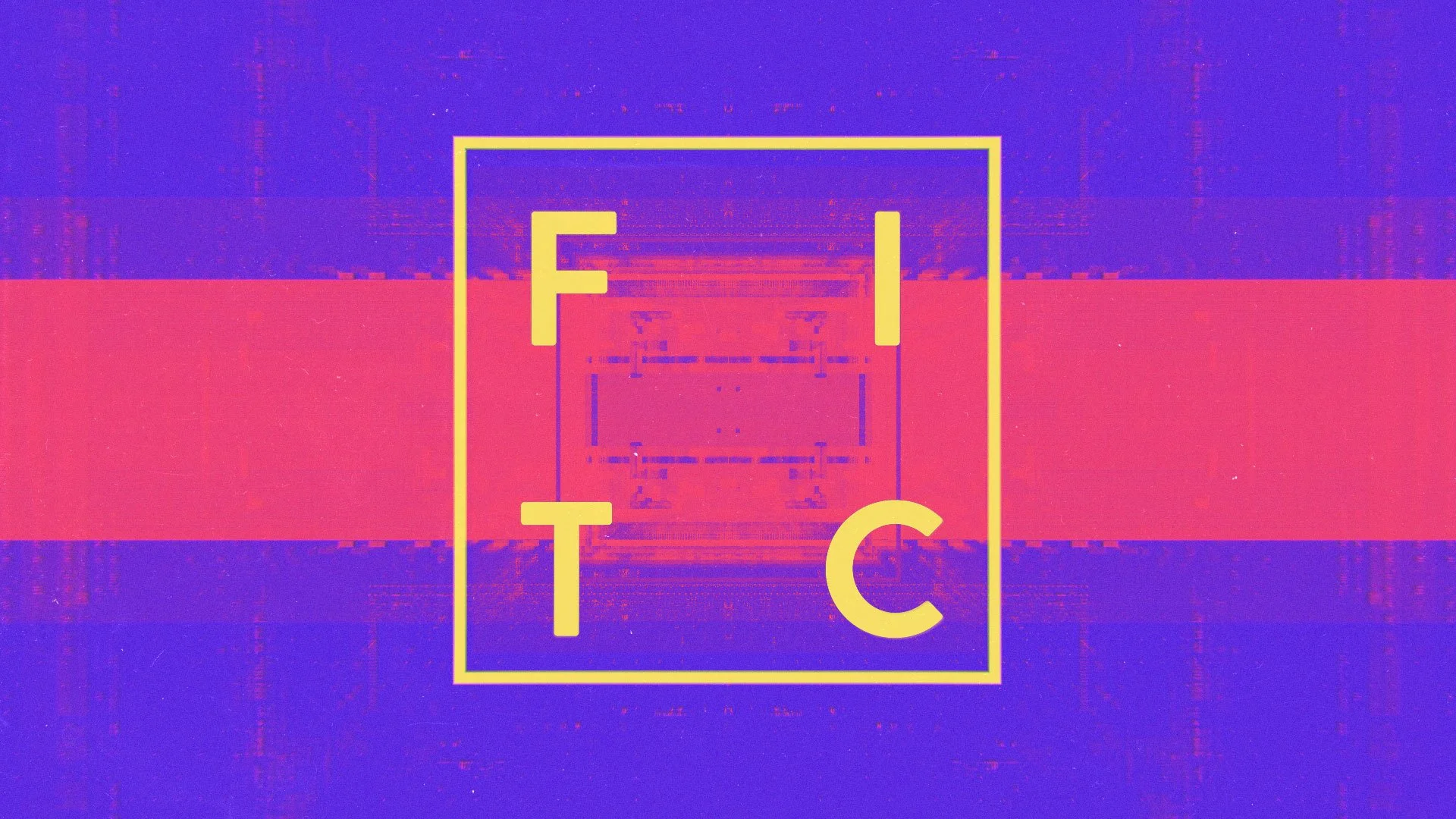
Rigley contributed to early visual development, focusing on the construction of glitch textures and compositional systems. Initial studies explored symmetry, density, and layering, establishing a library of assets used to define the visual tone of the sequence.
TYPOGRAPHY
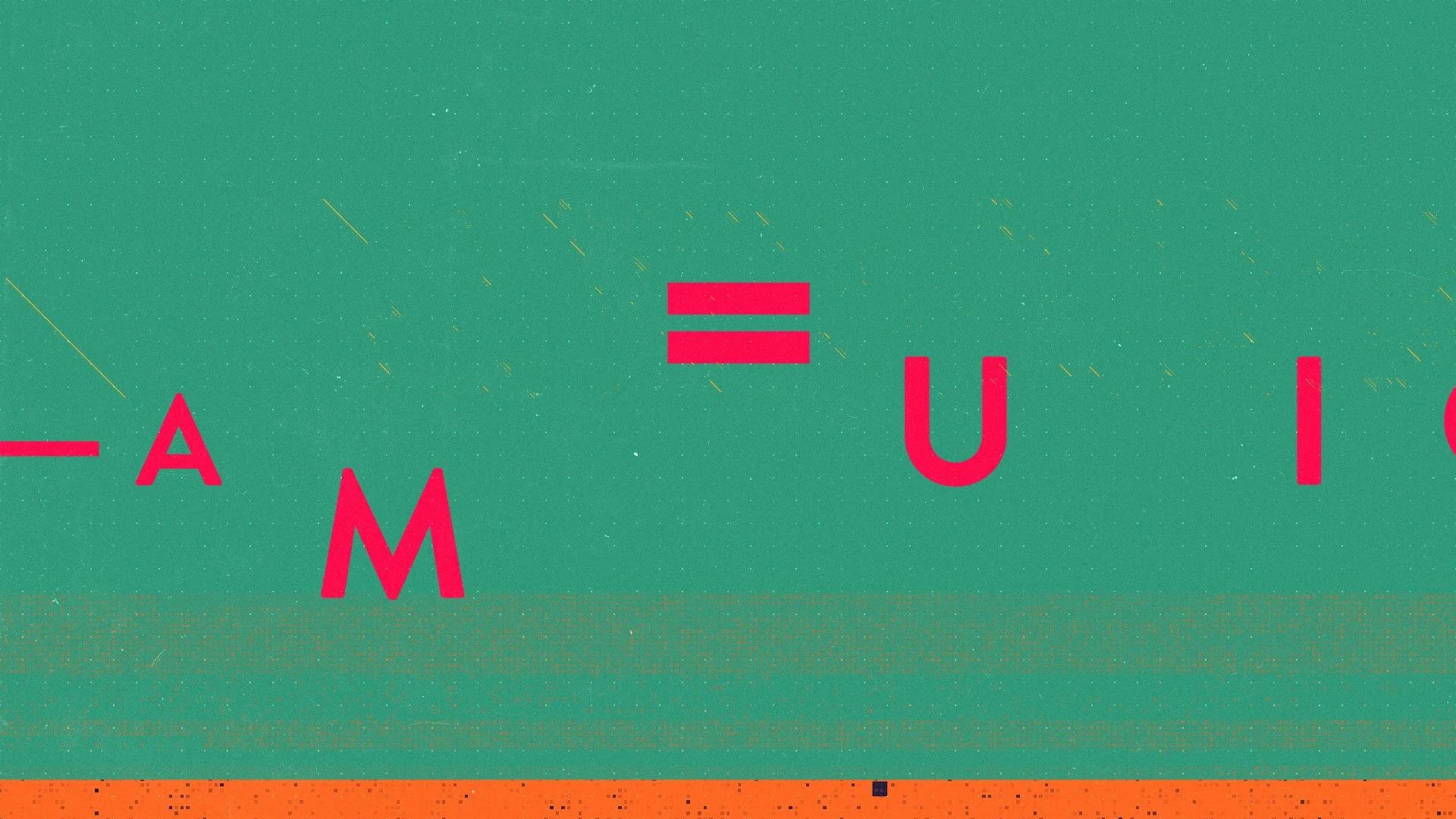
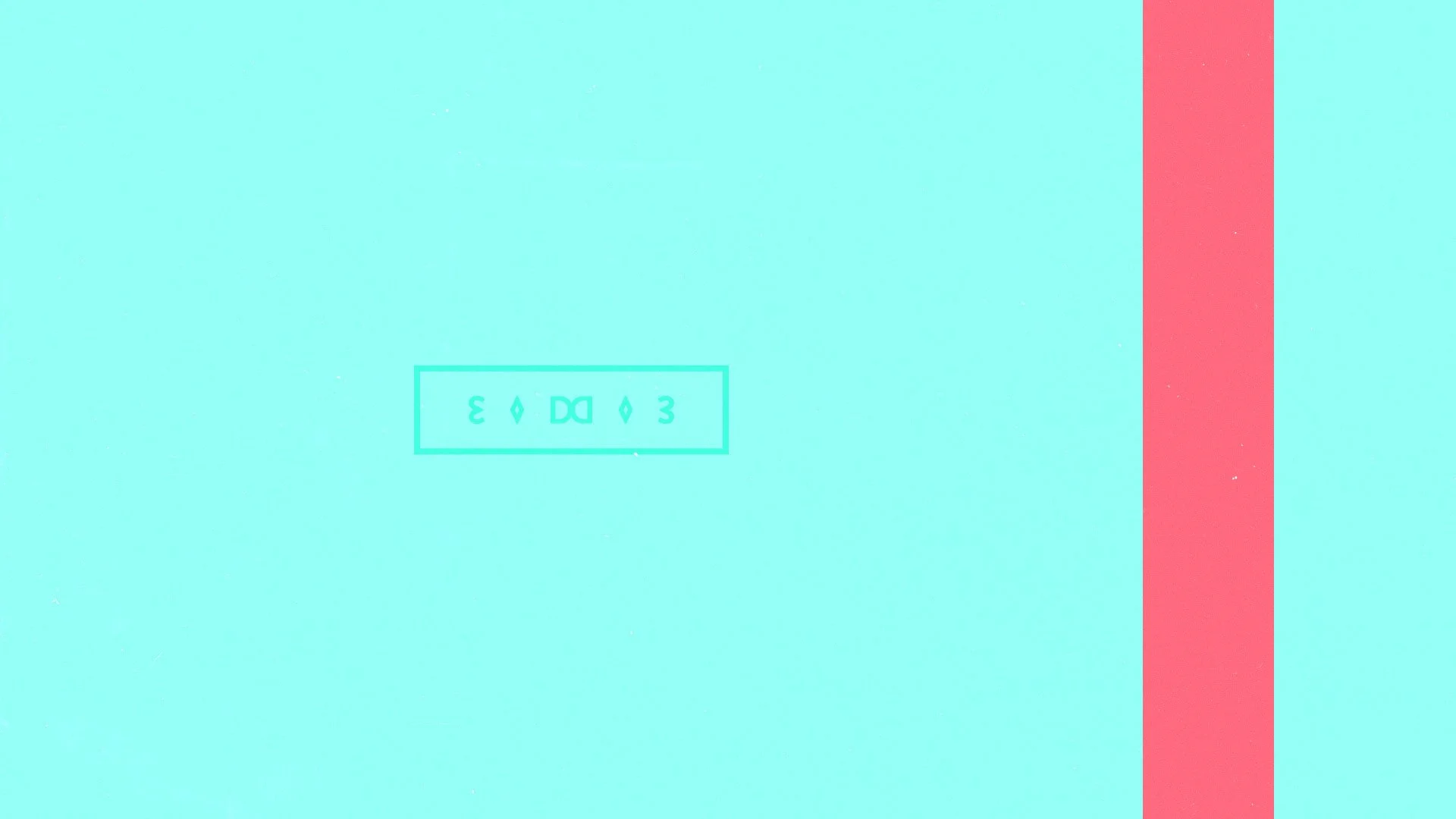
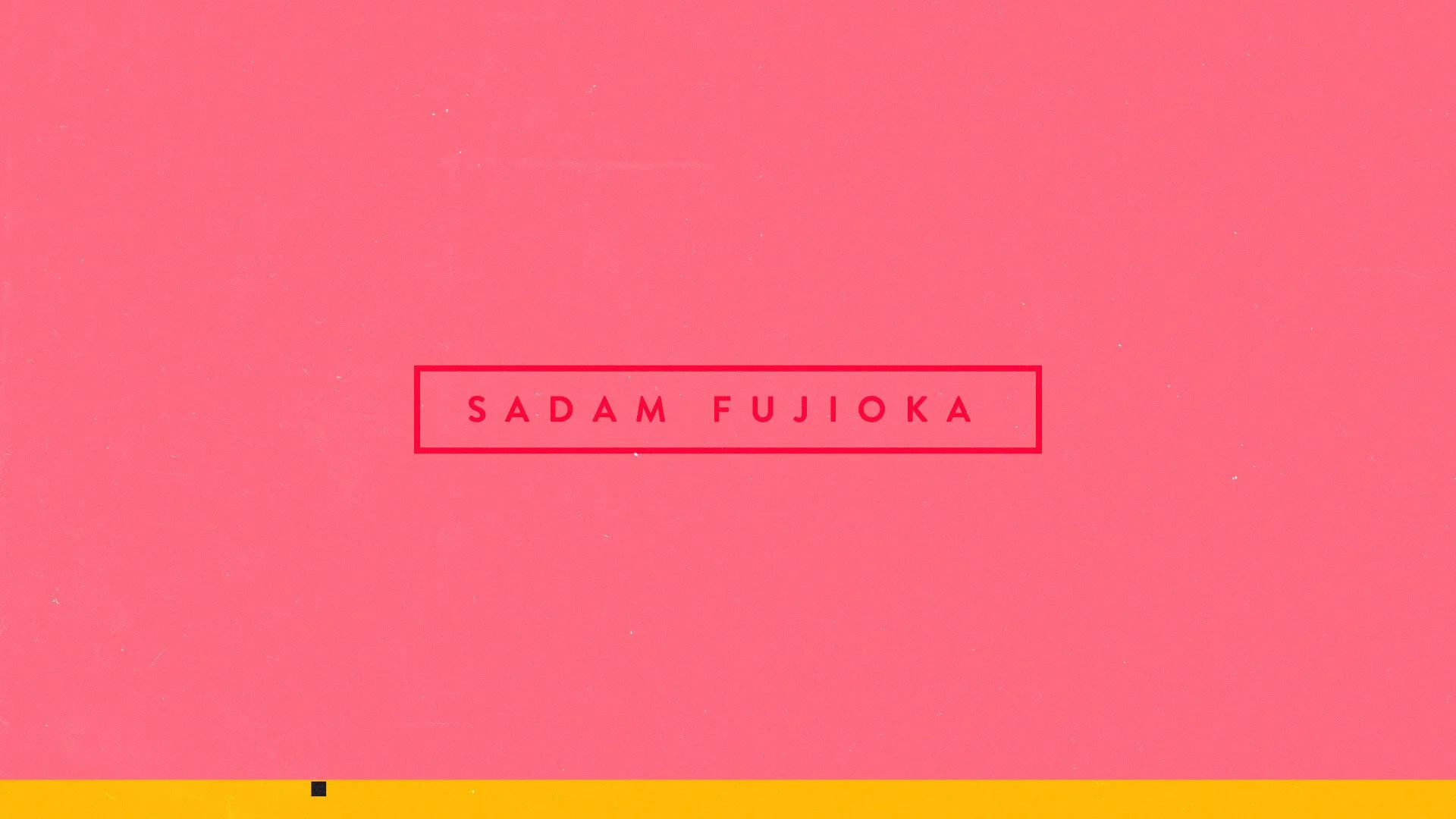
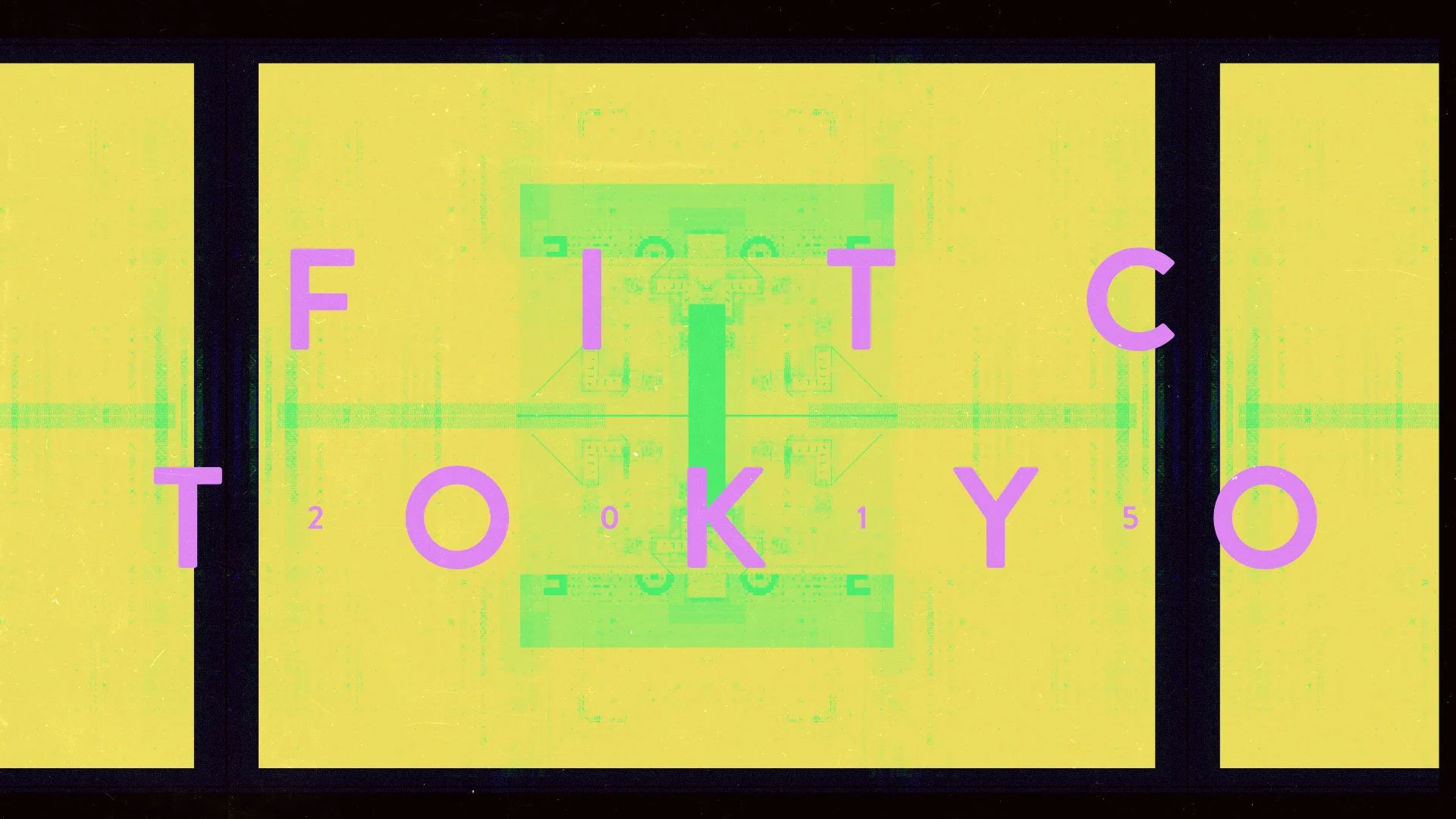
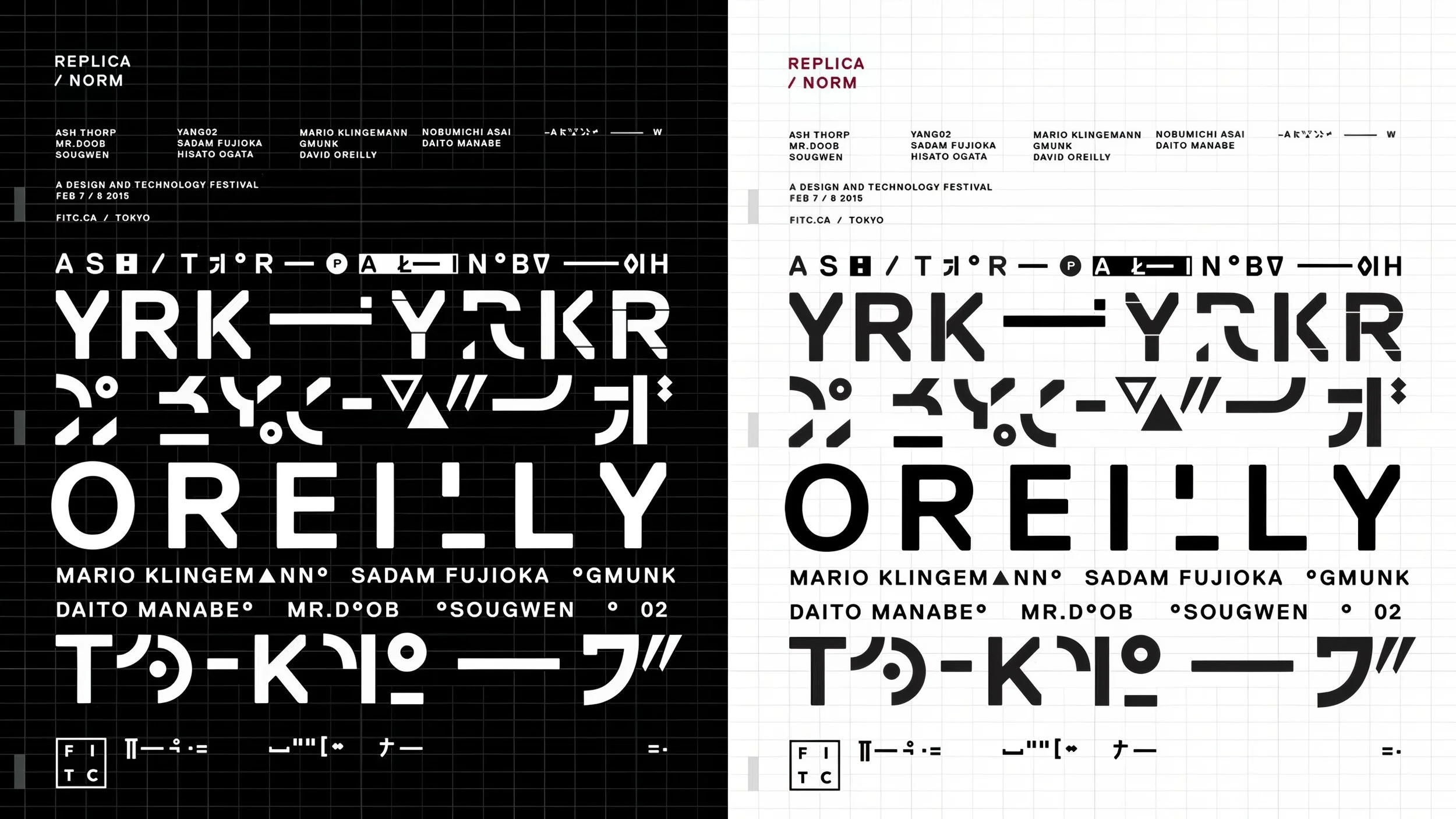
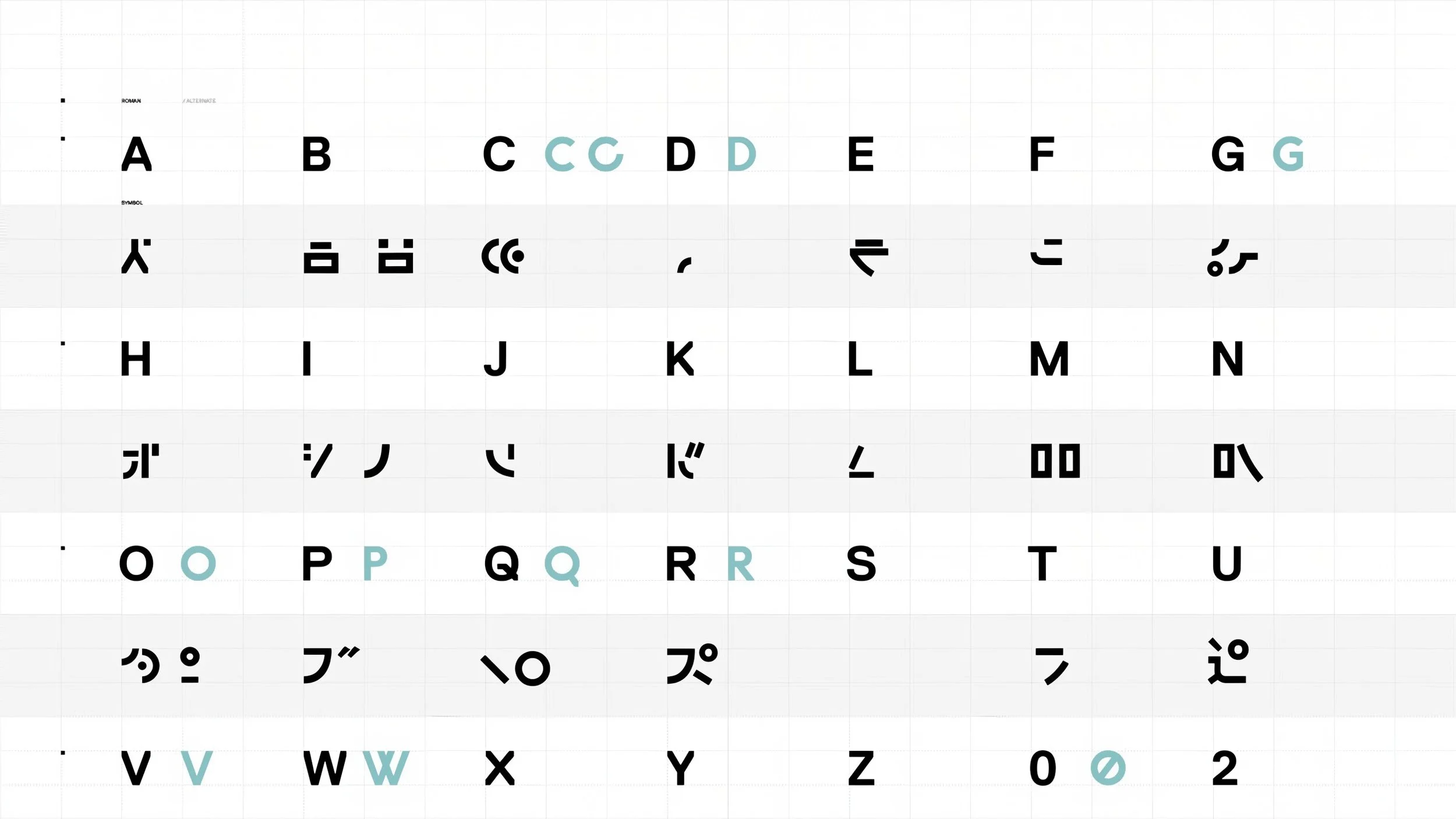
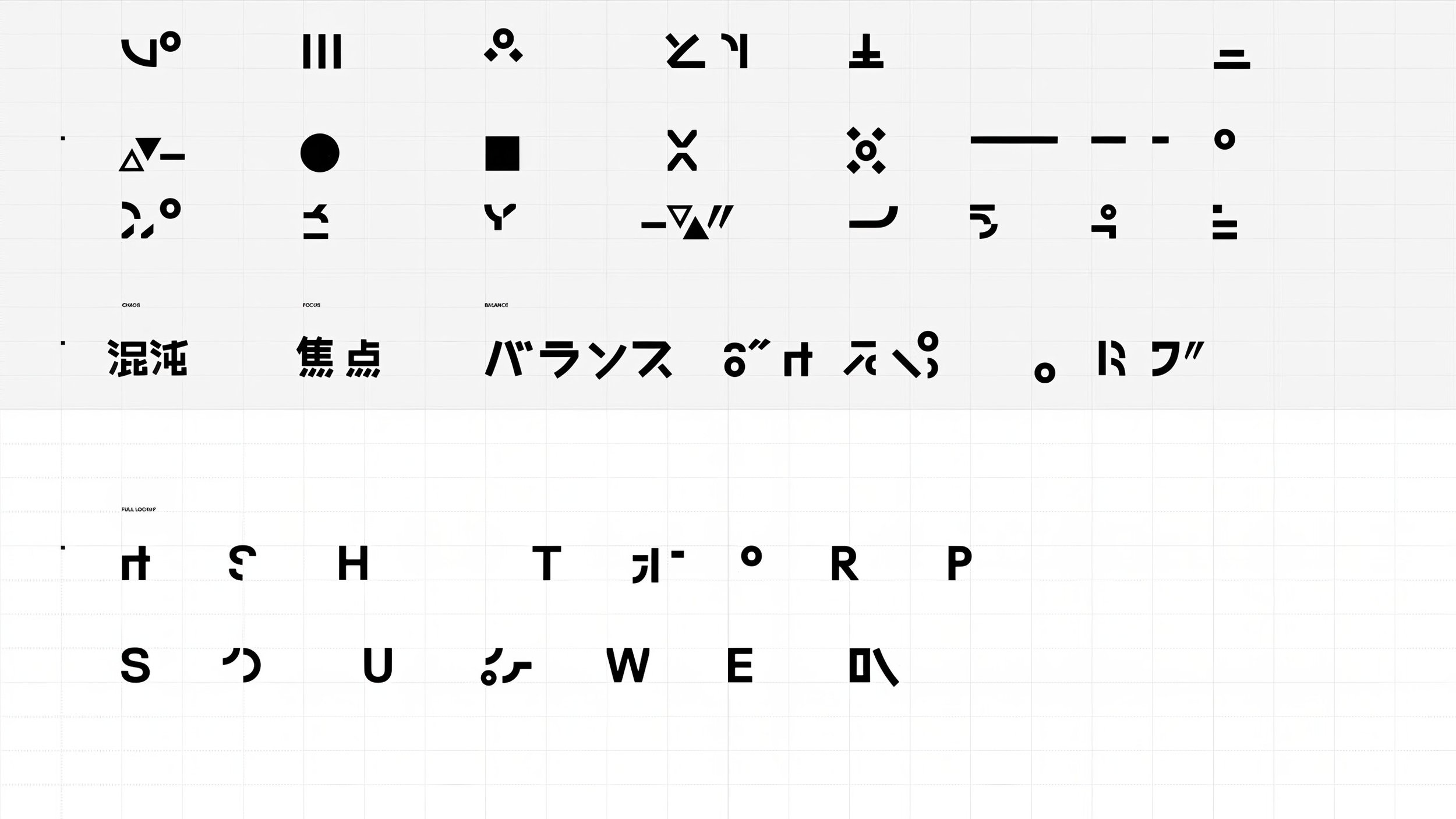
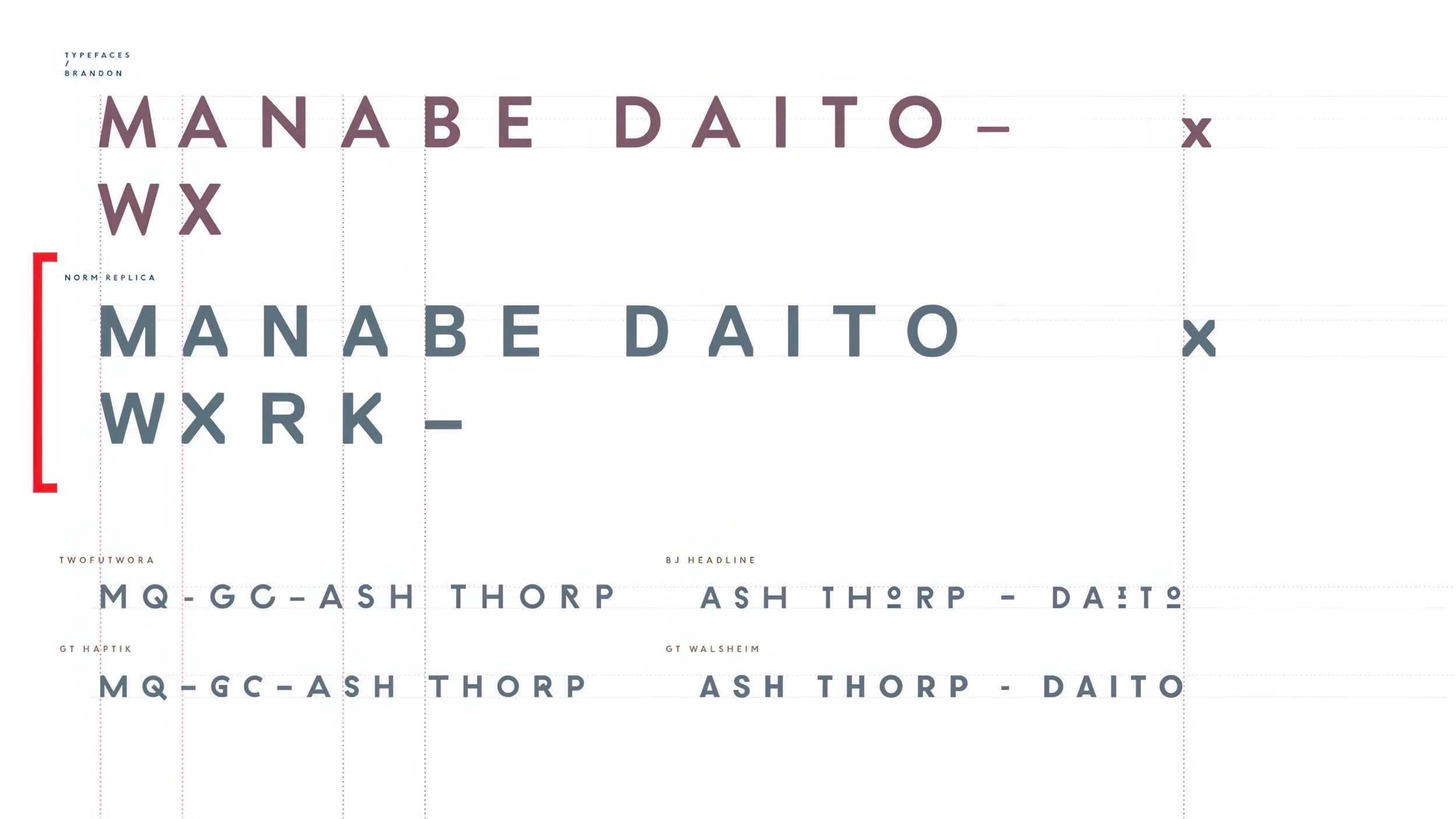
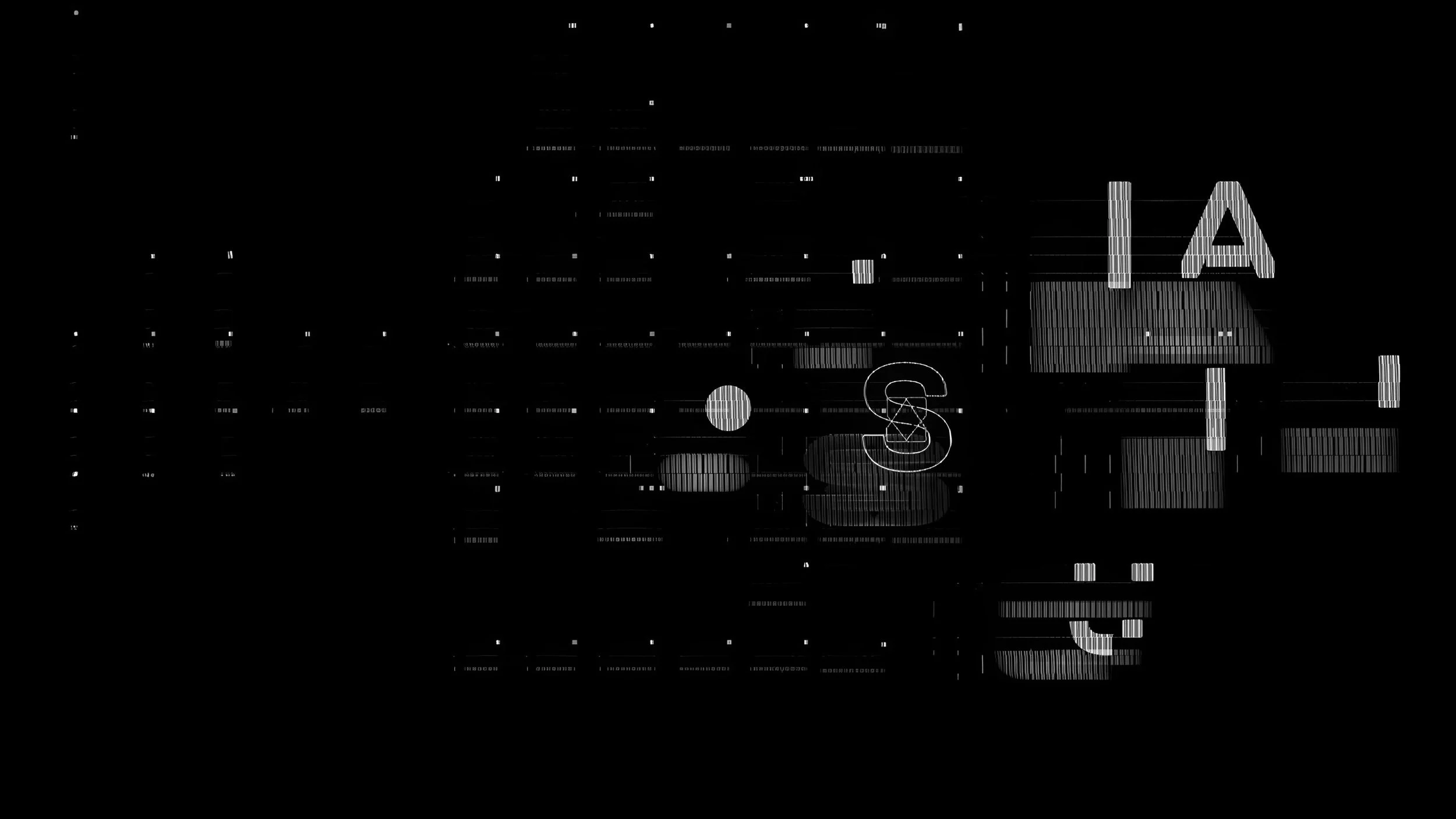
Typography served as a central component of the system, requiring a structure capable of operating as both abstract form and legible content. Nicolas Girard led the development of a custom type system, expanding on early visual direction to produce a flexible set of glyphs.
Drawing from both Kanji structure and Norm: Replica, the system allowed forms to transition between geometric abstraction and readable text. This flexibility supported a wide range of animation states without repetition. Alasdair Willson worked alongside Girard to animate the typographic system across the sequence.
GLITCH TEXTURE
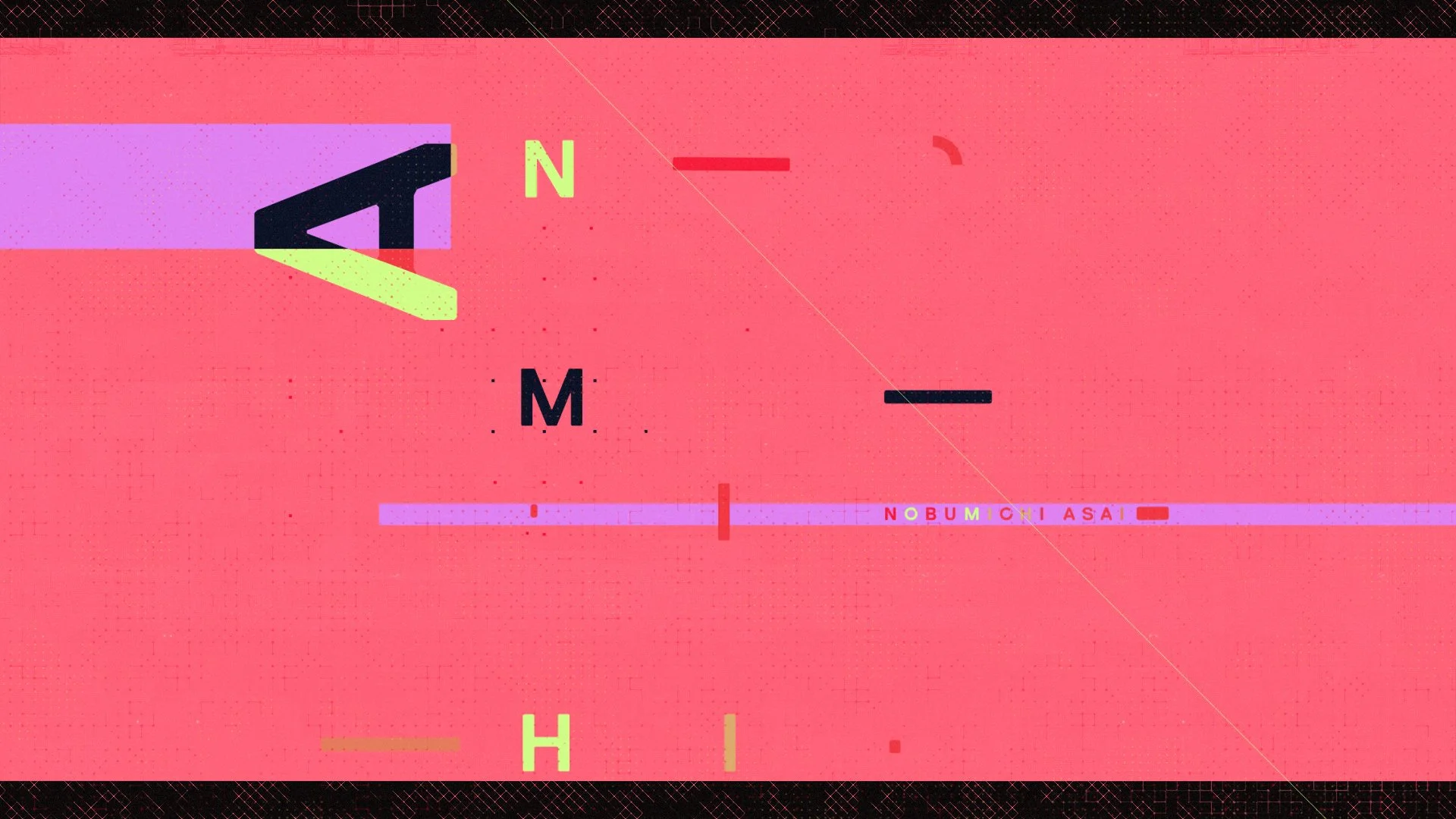
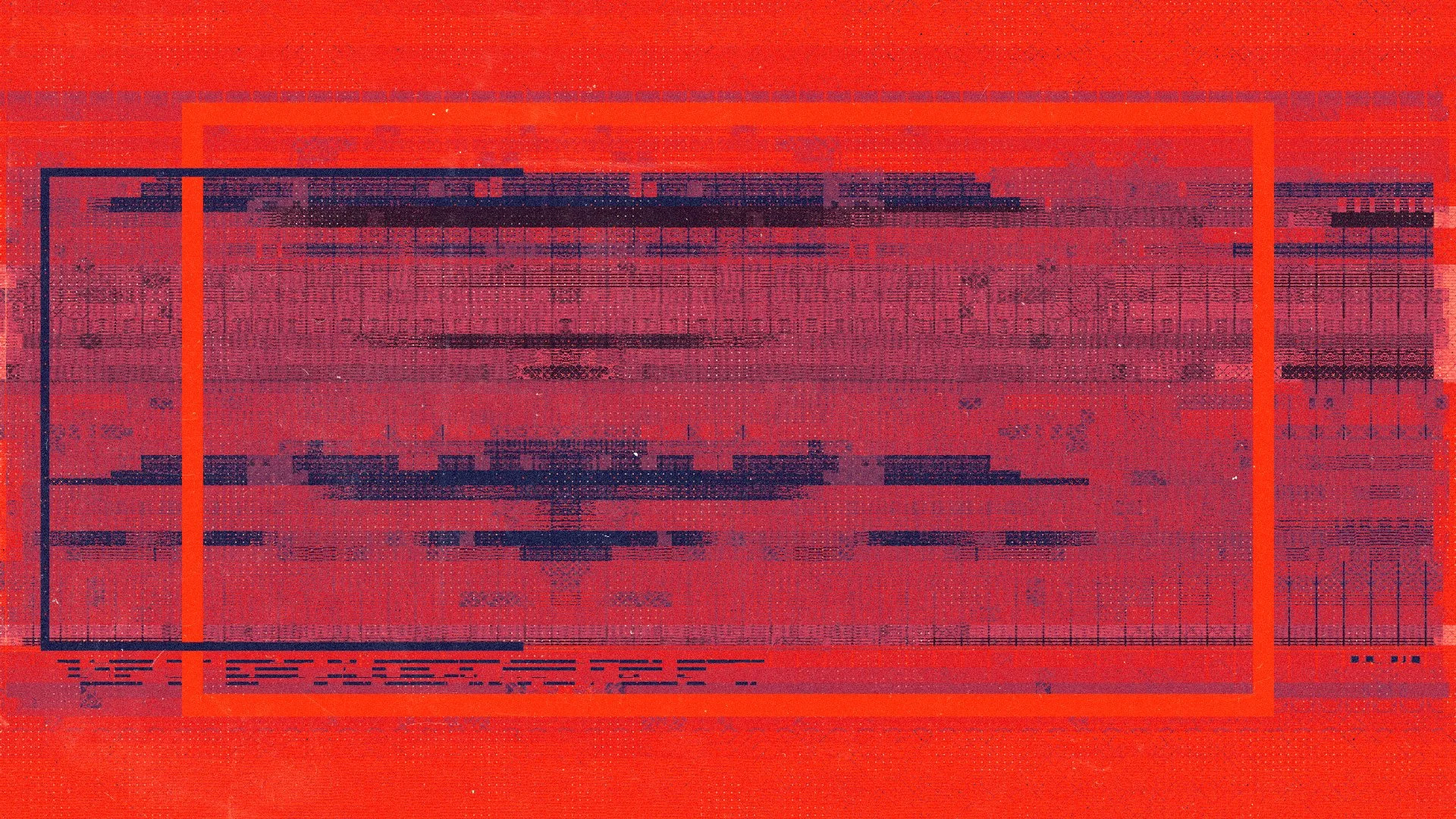
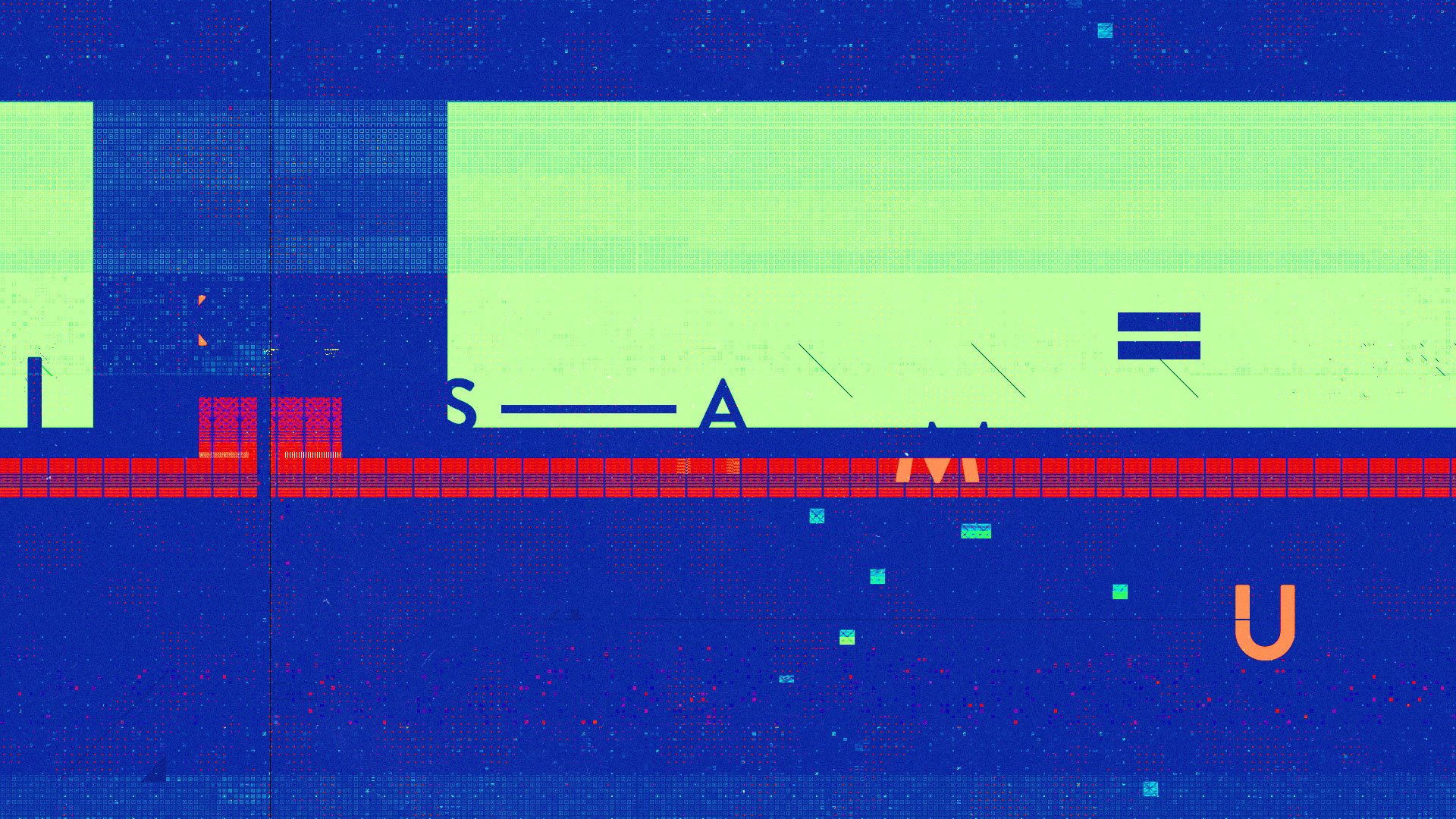
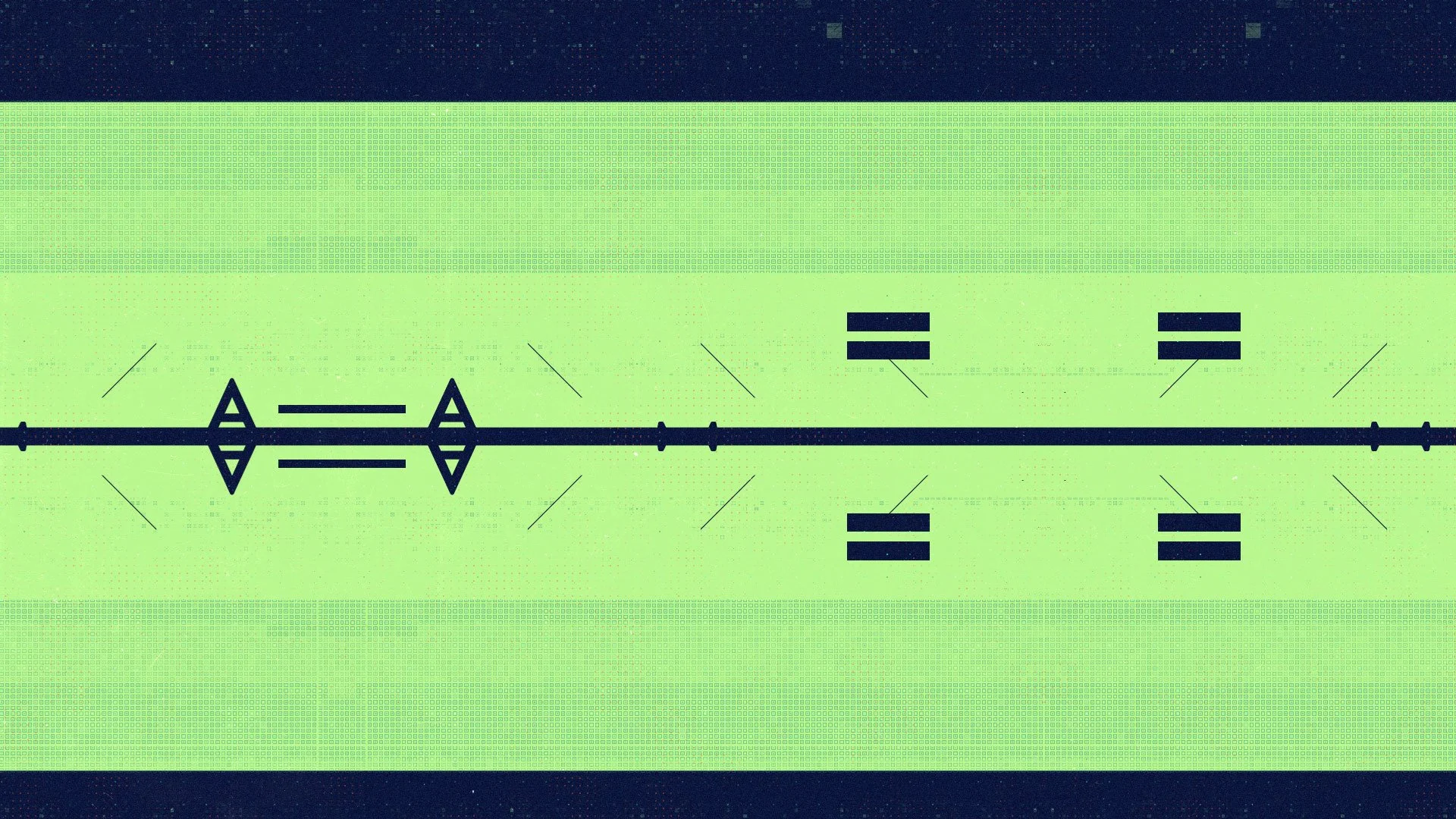
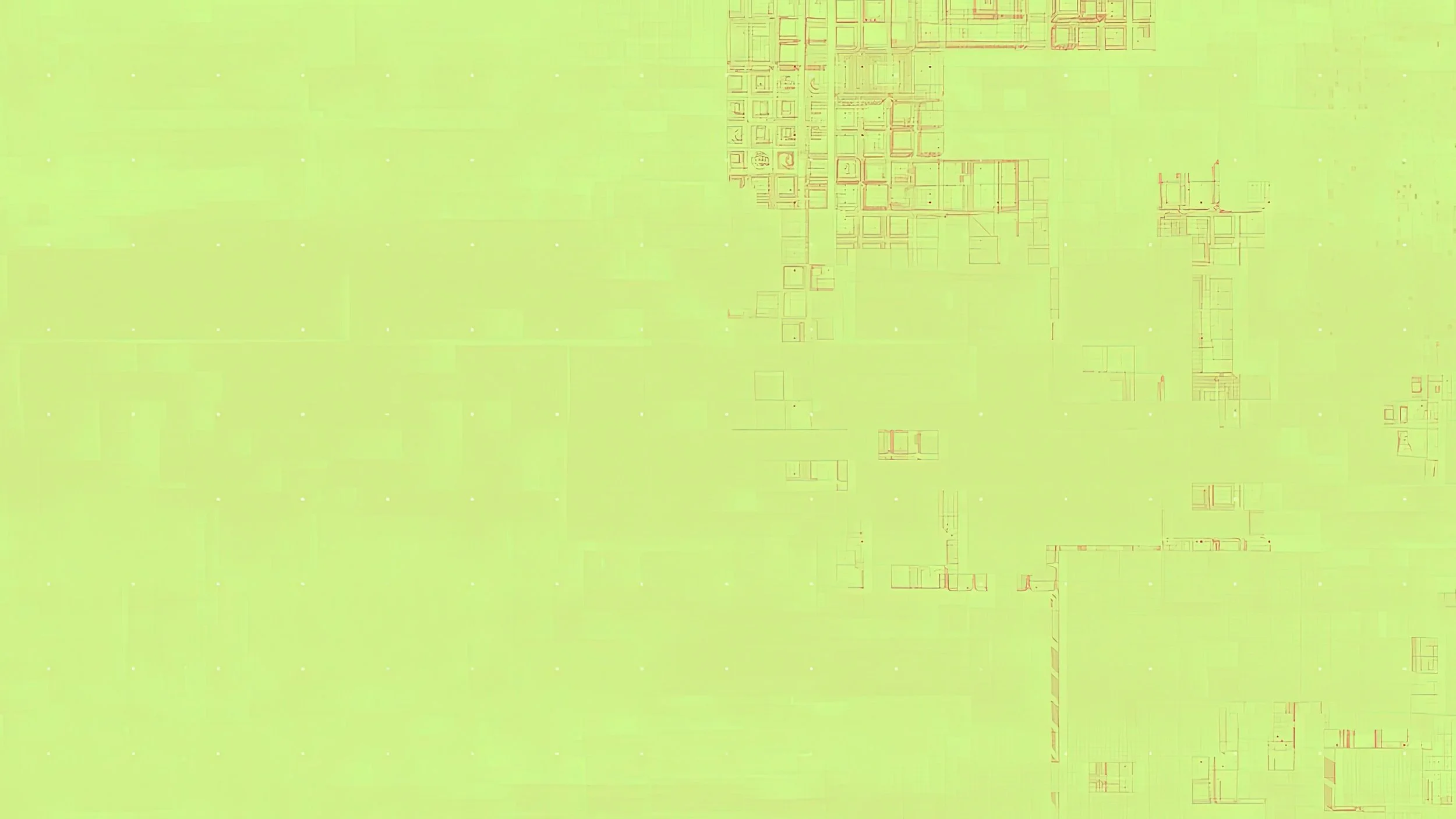
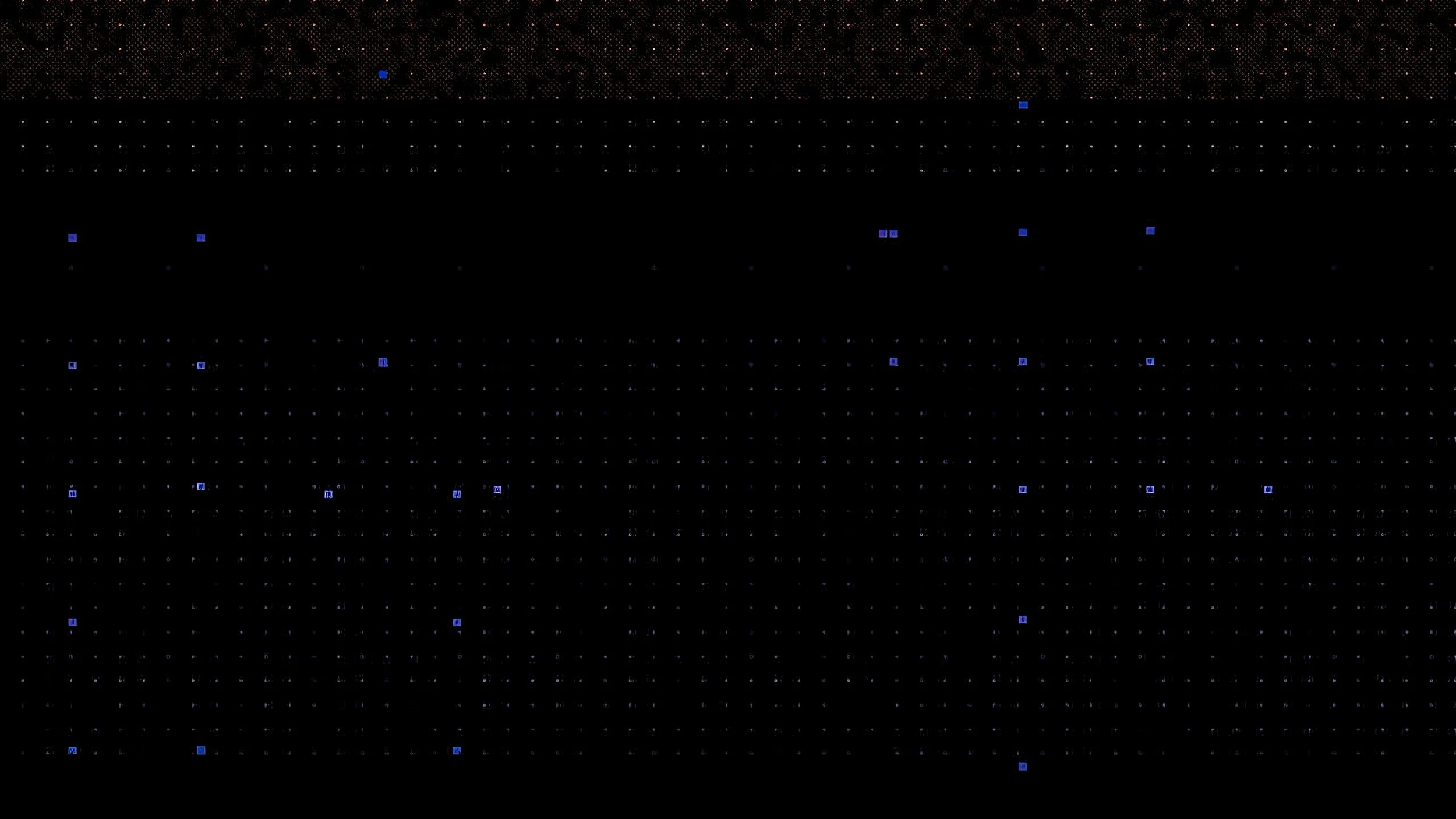
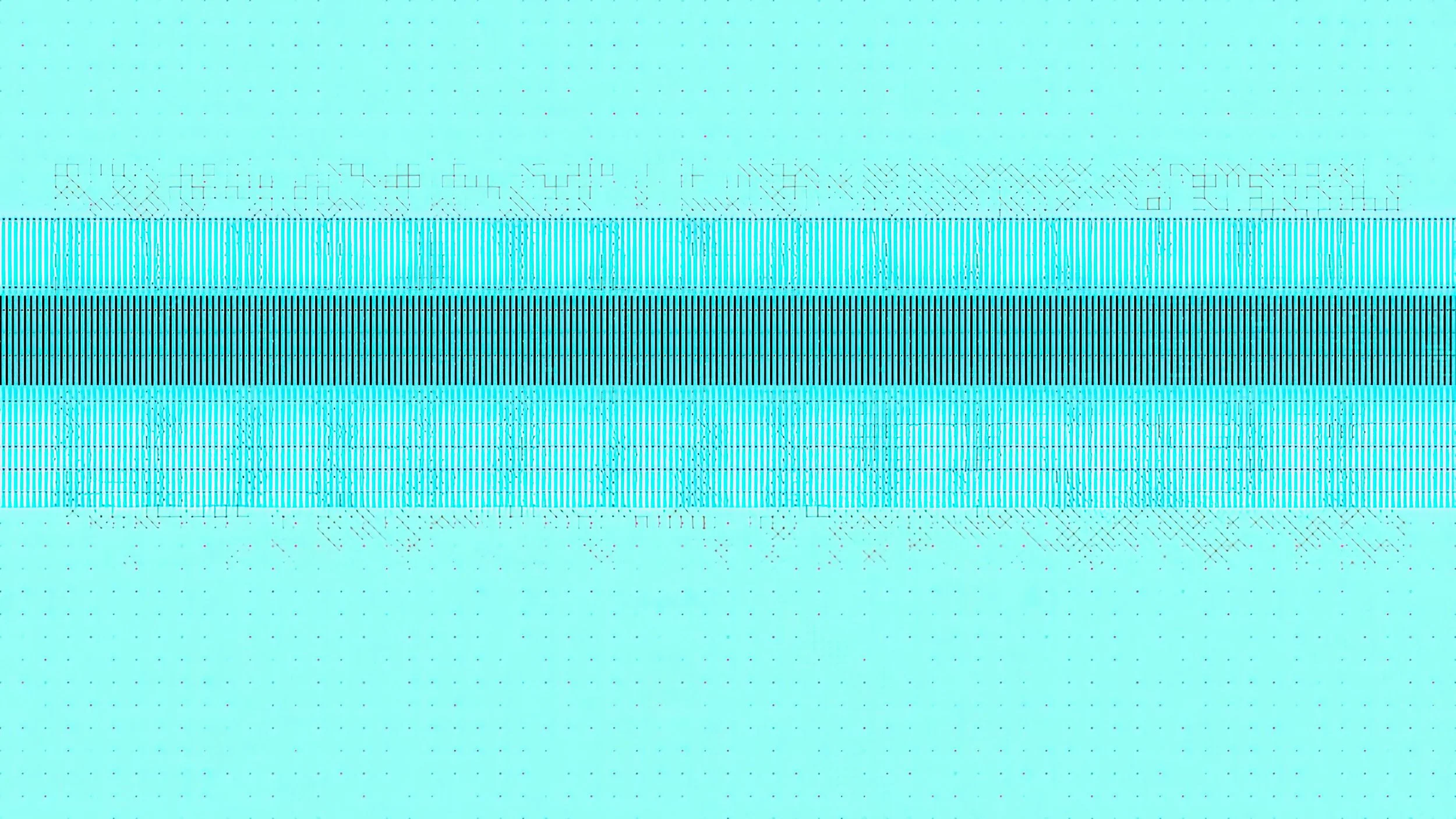
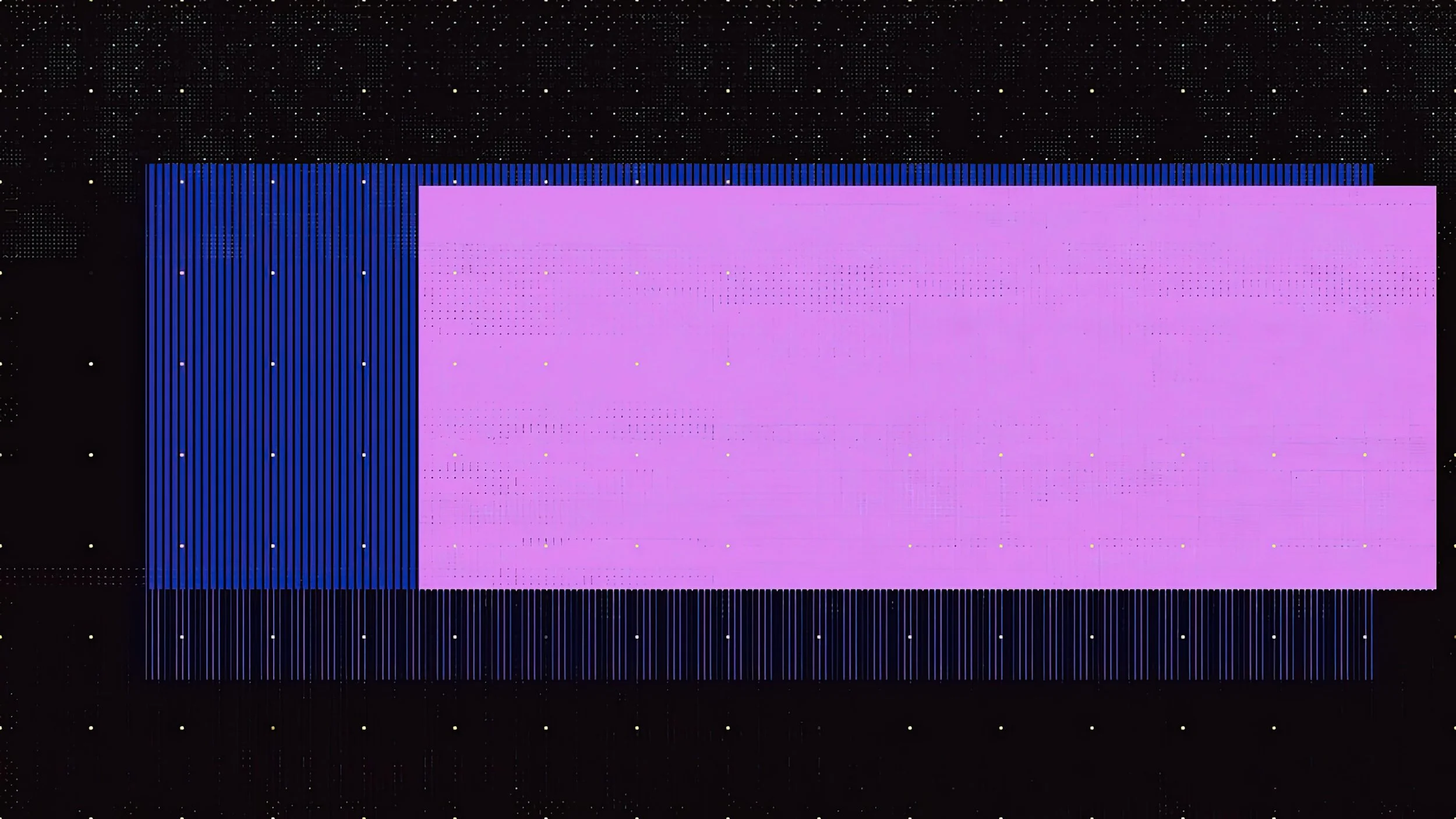
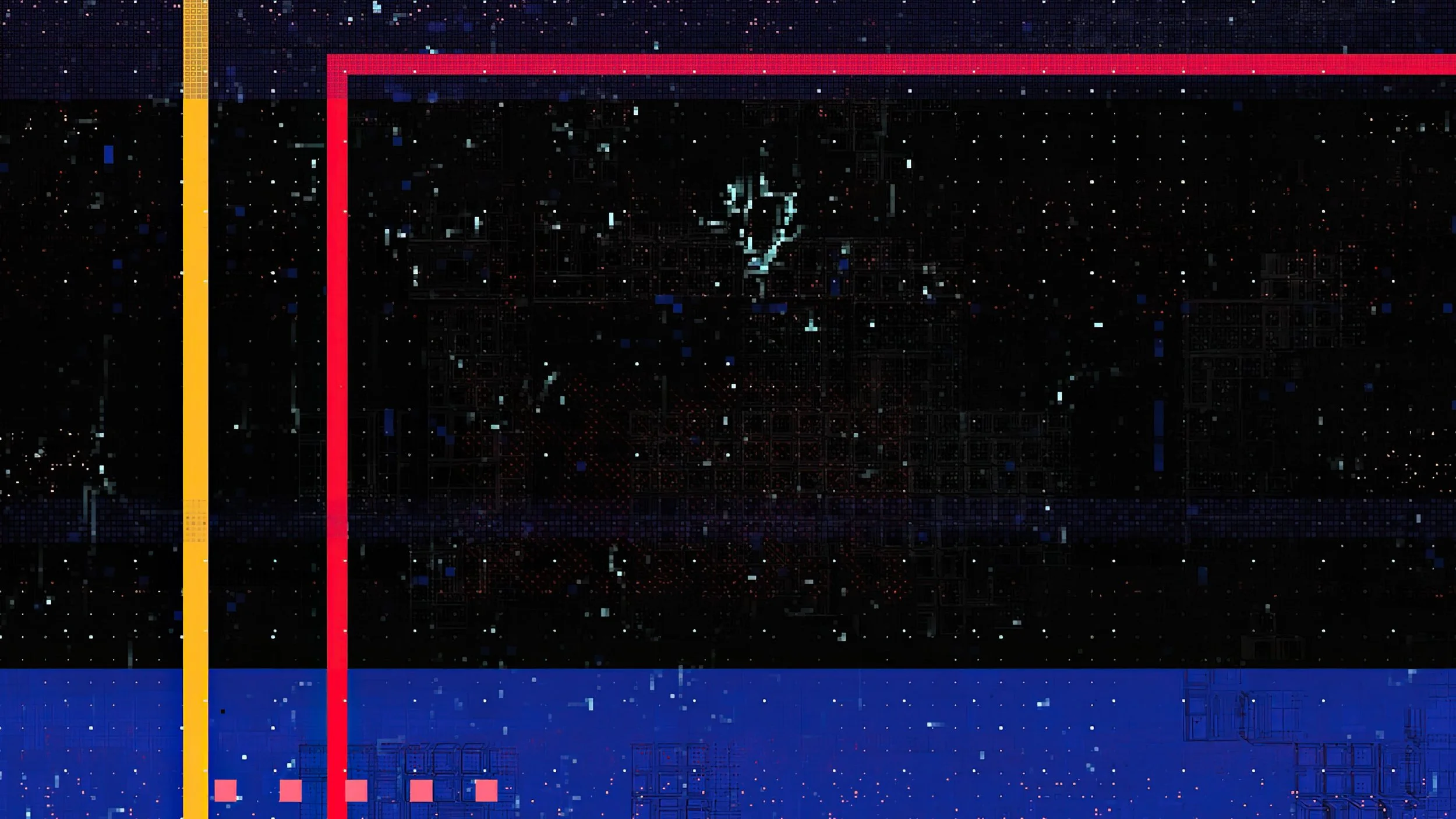
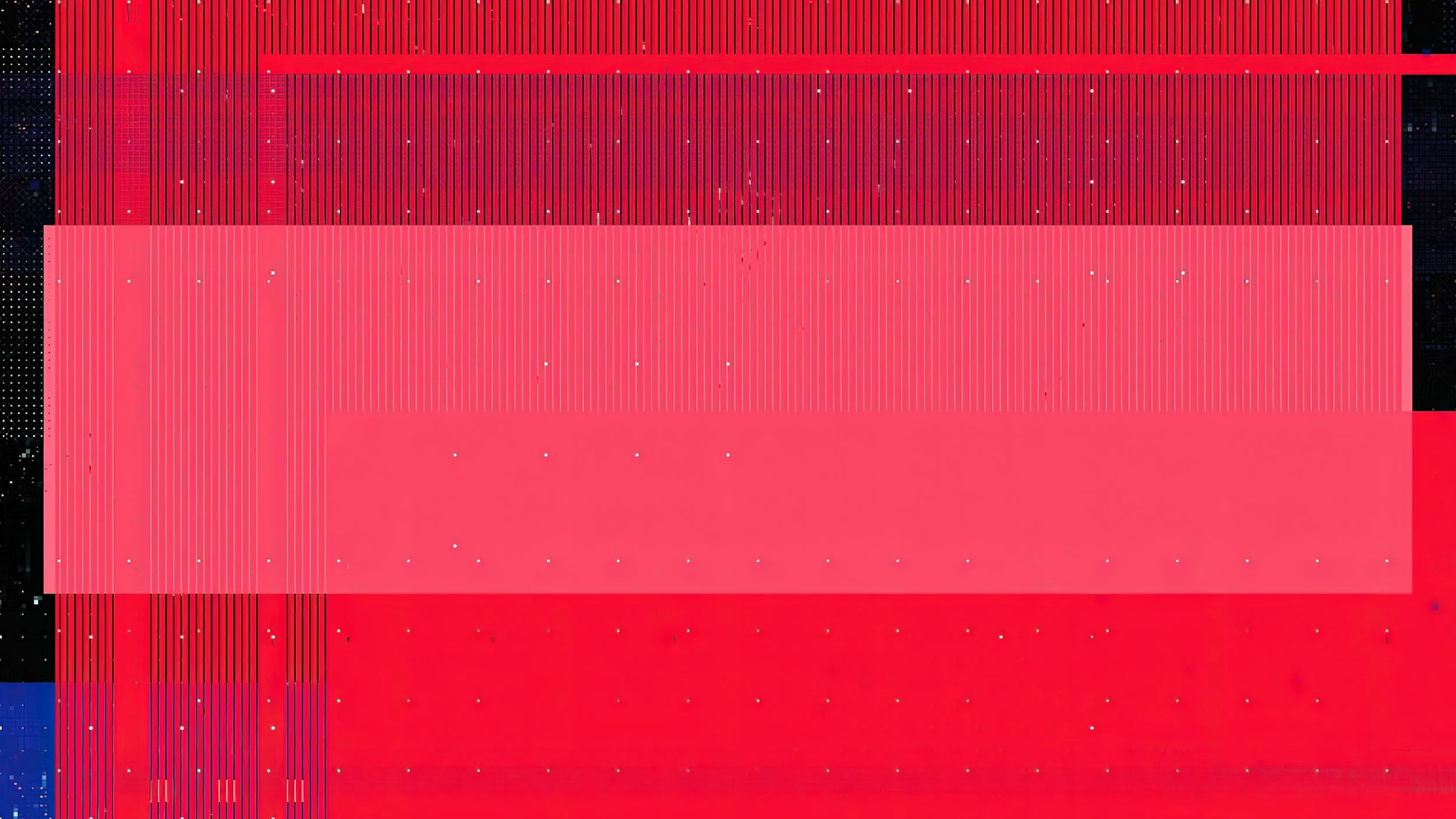
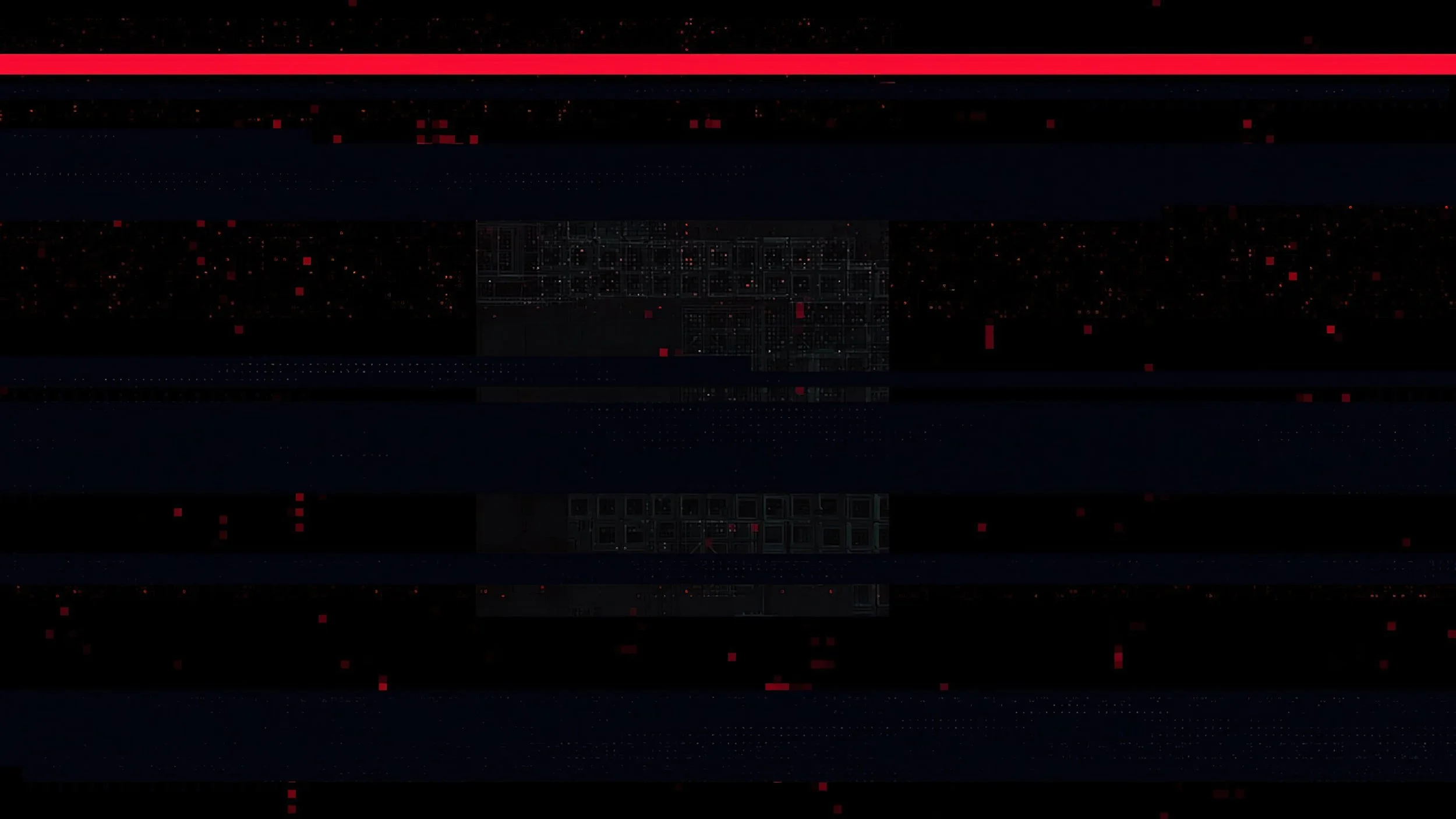
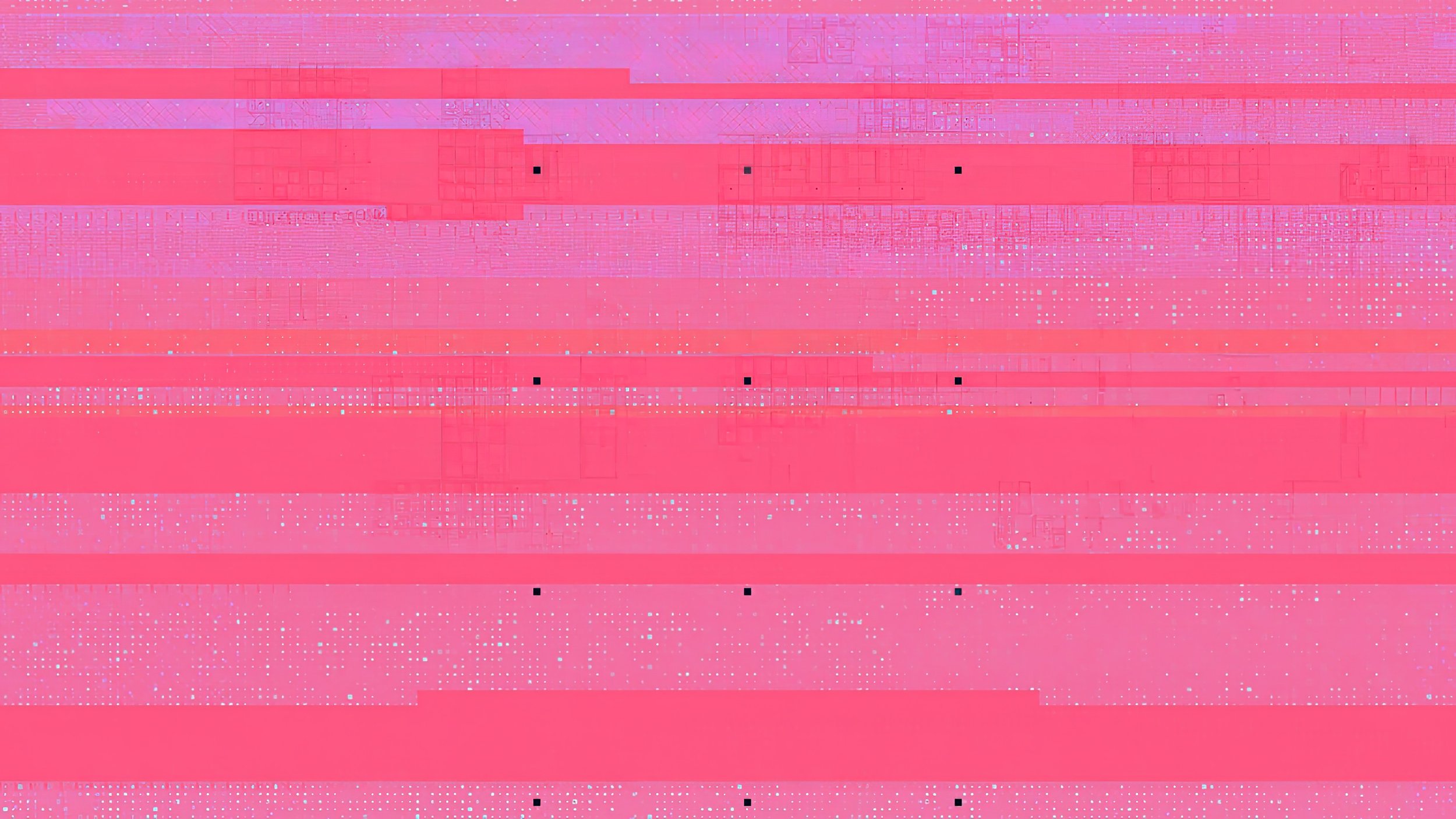
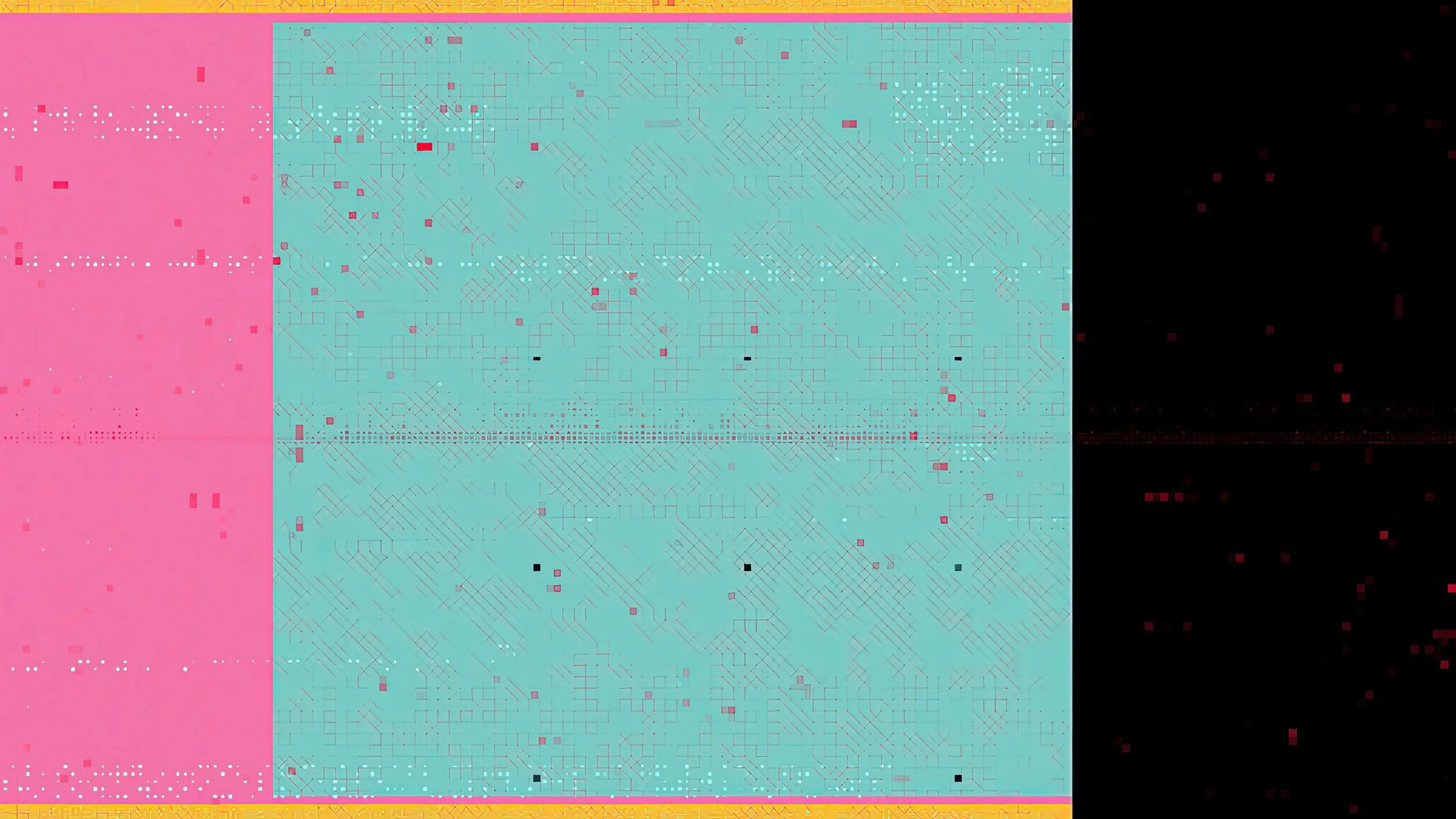
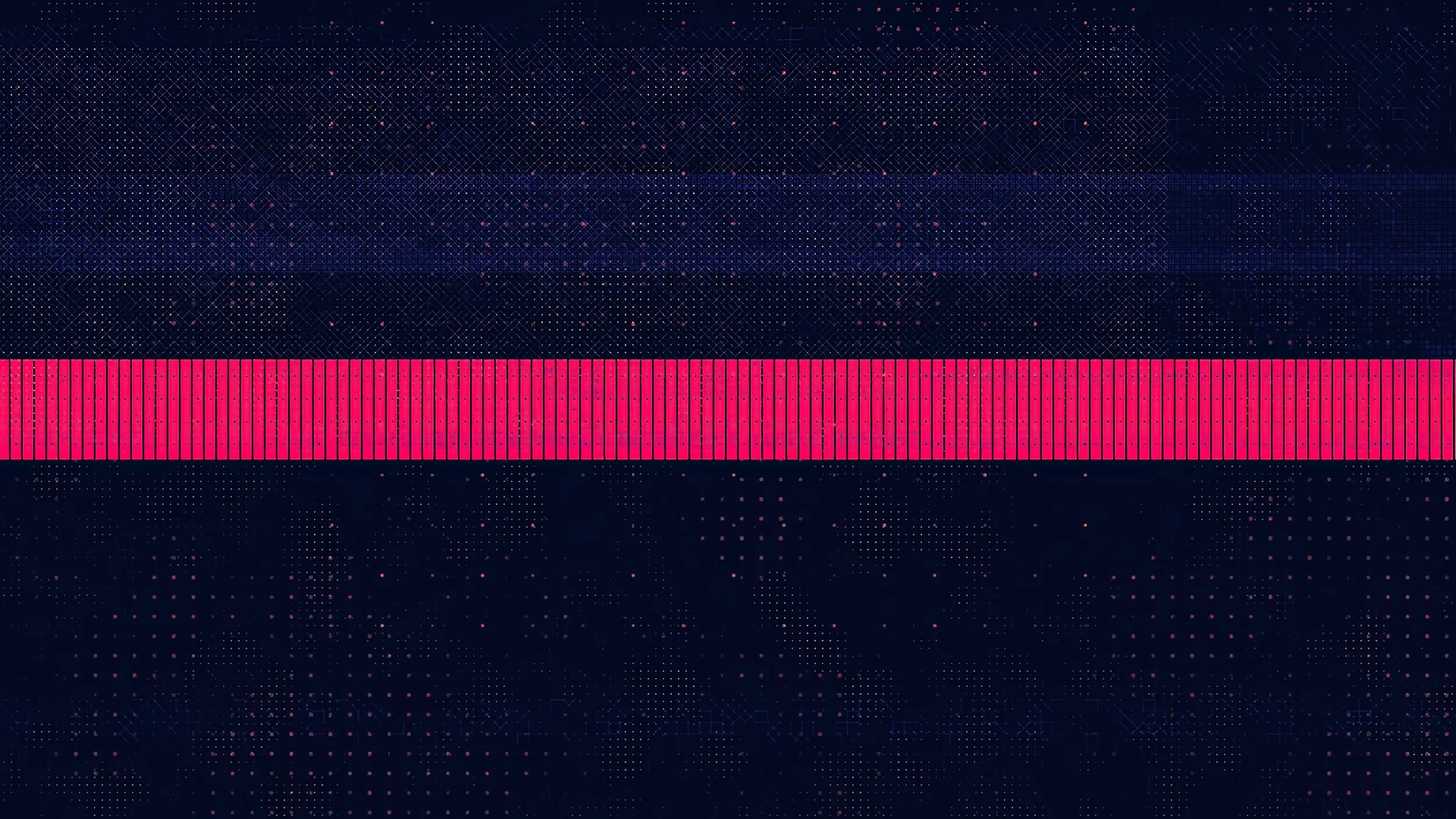
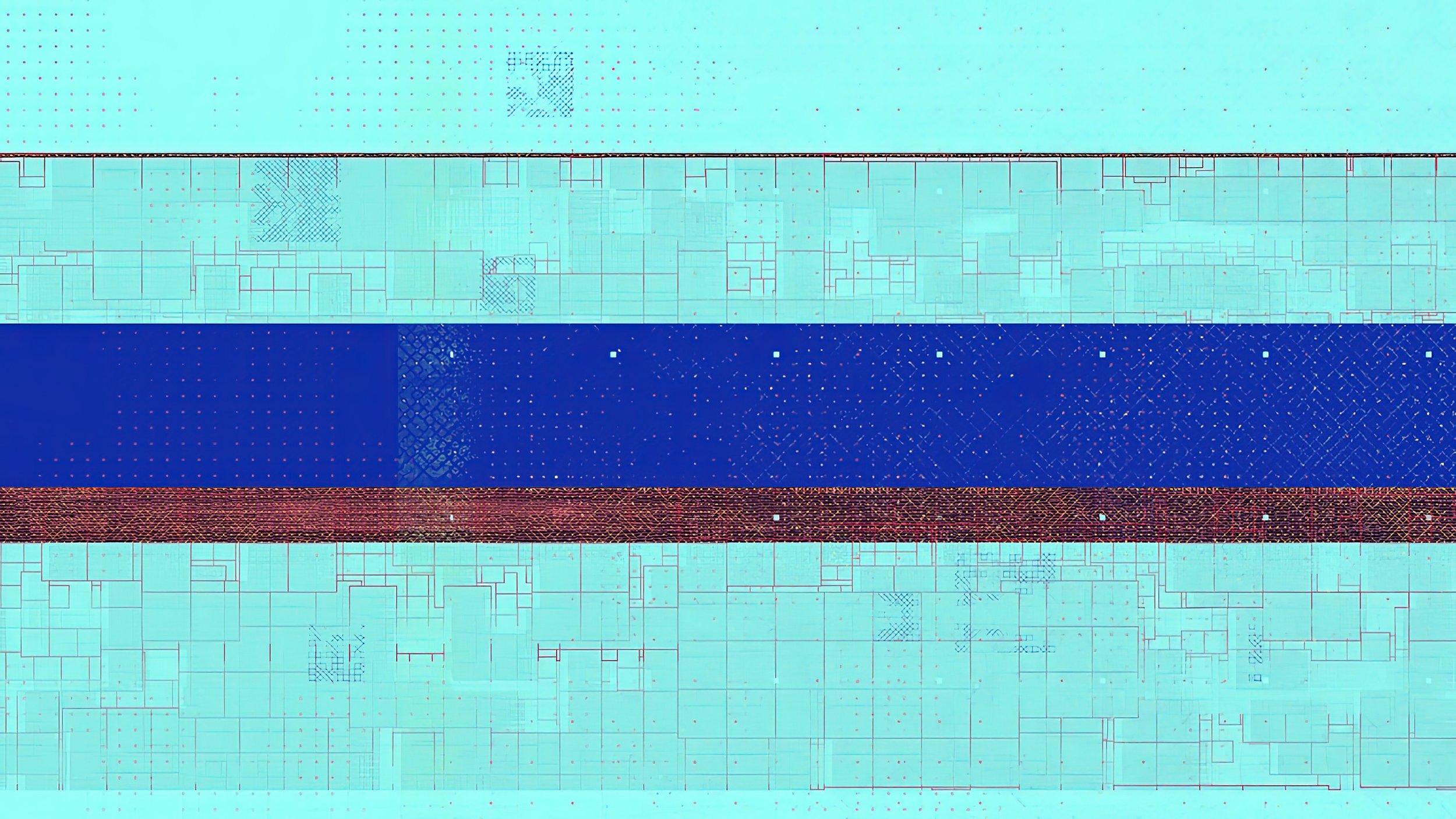
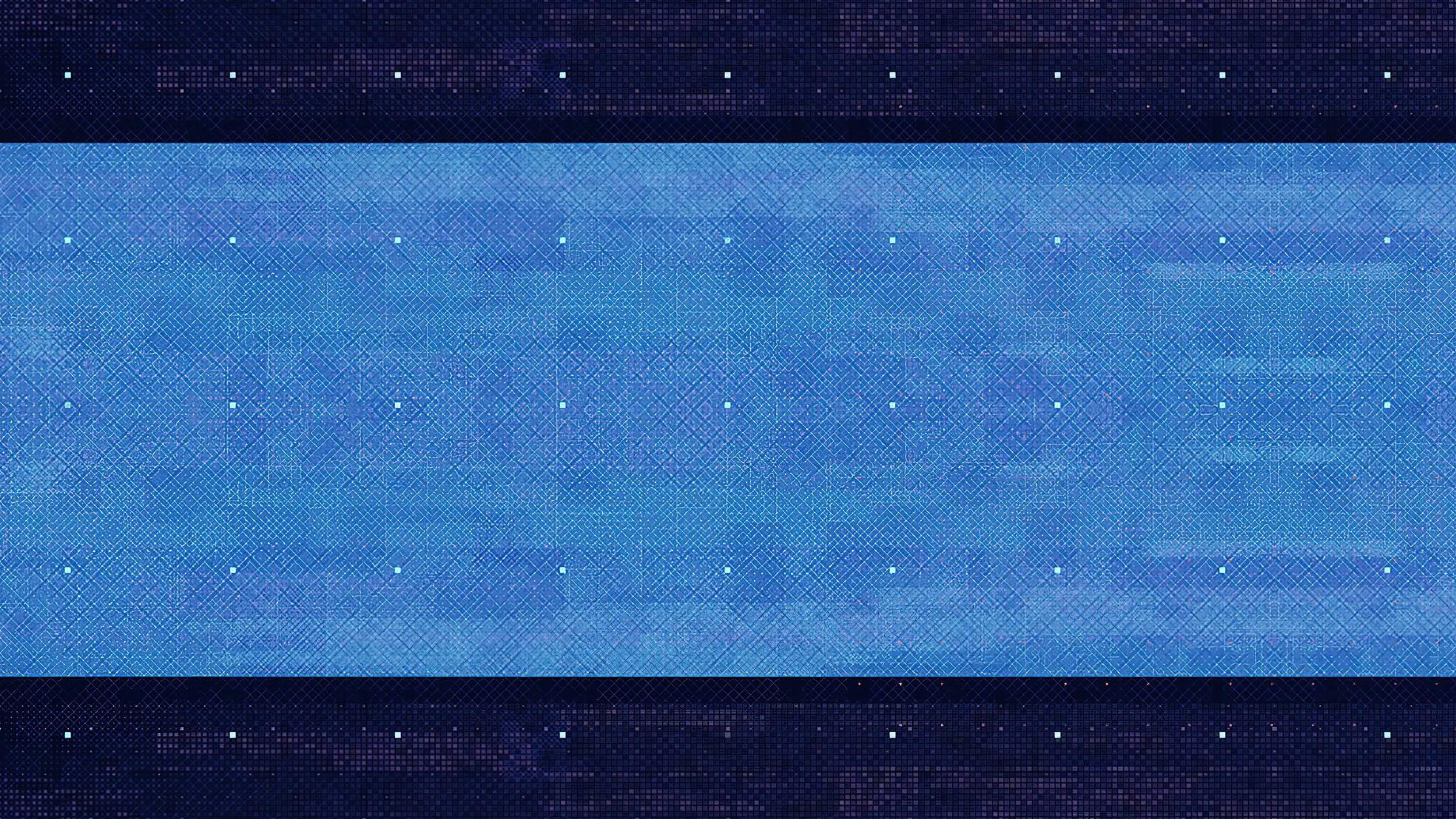
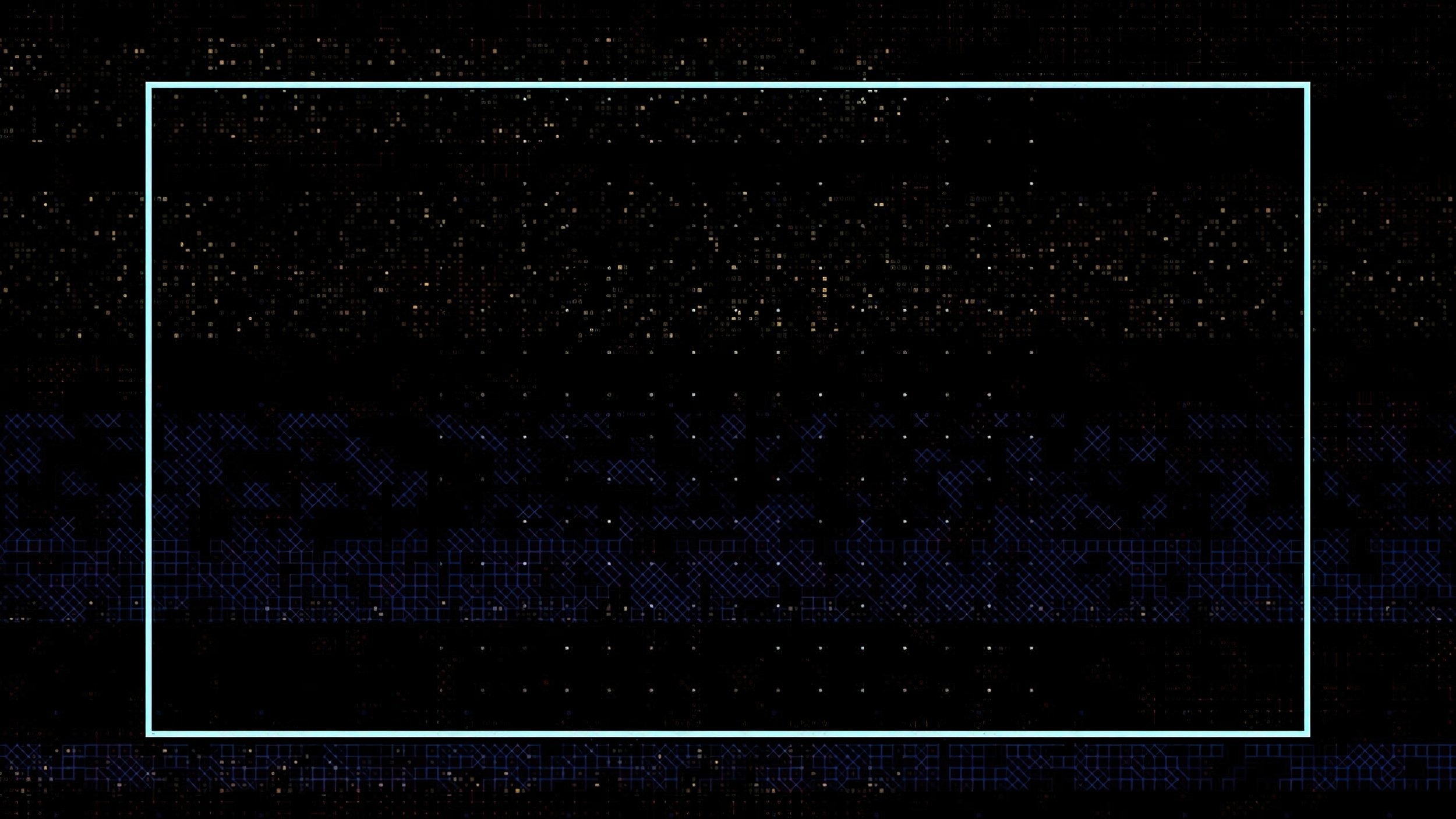
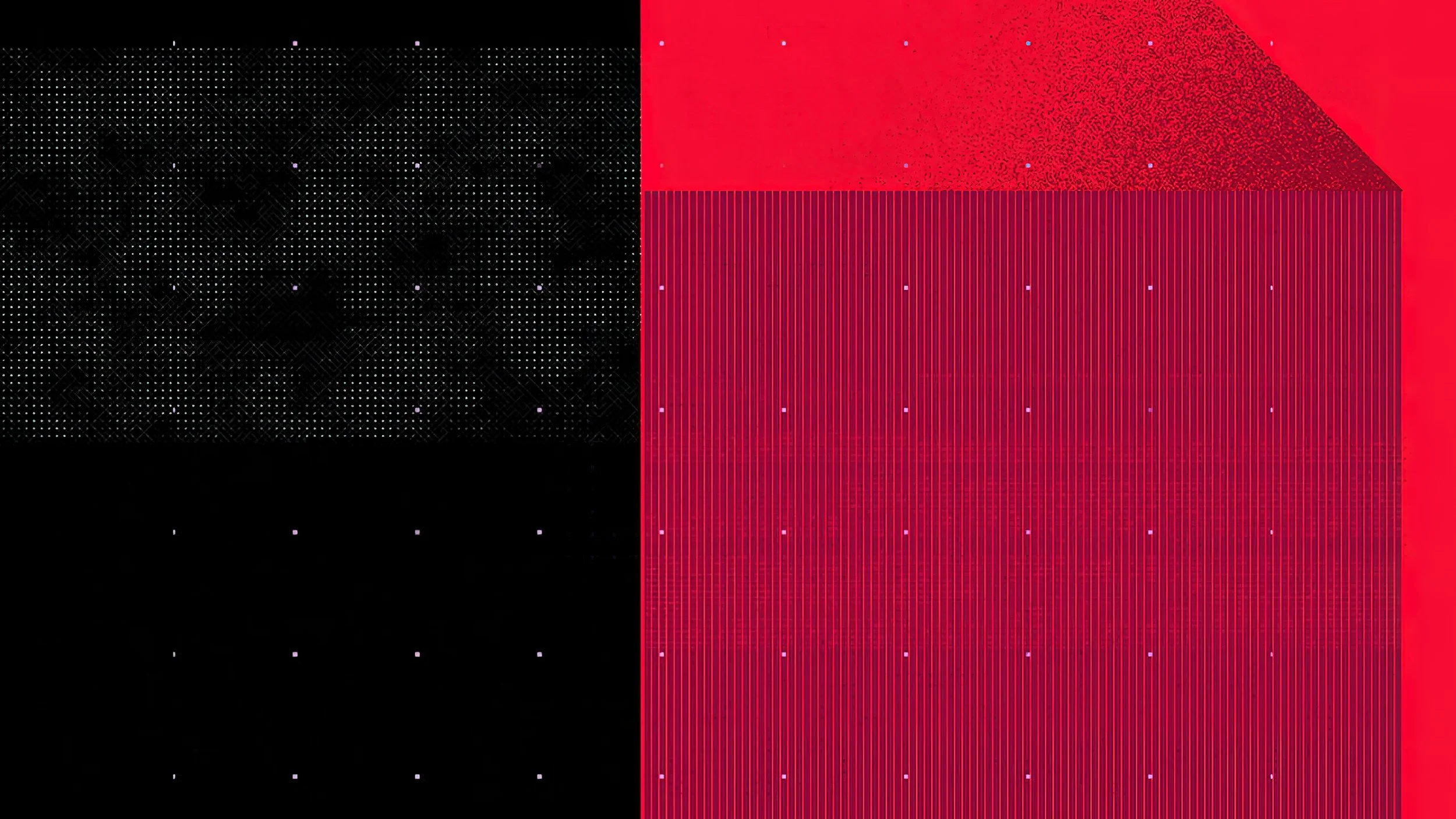
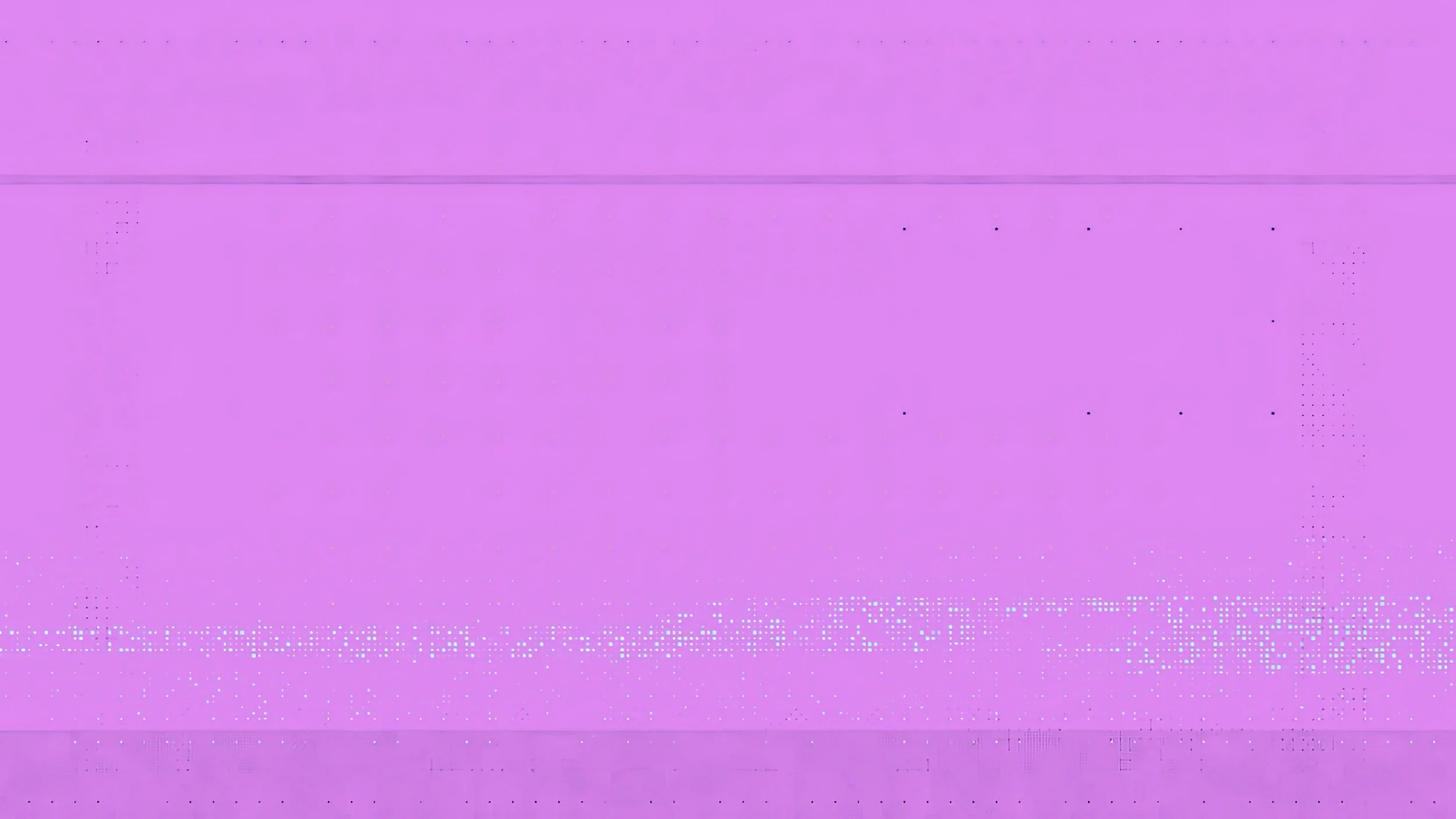
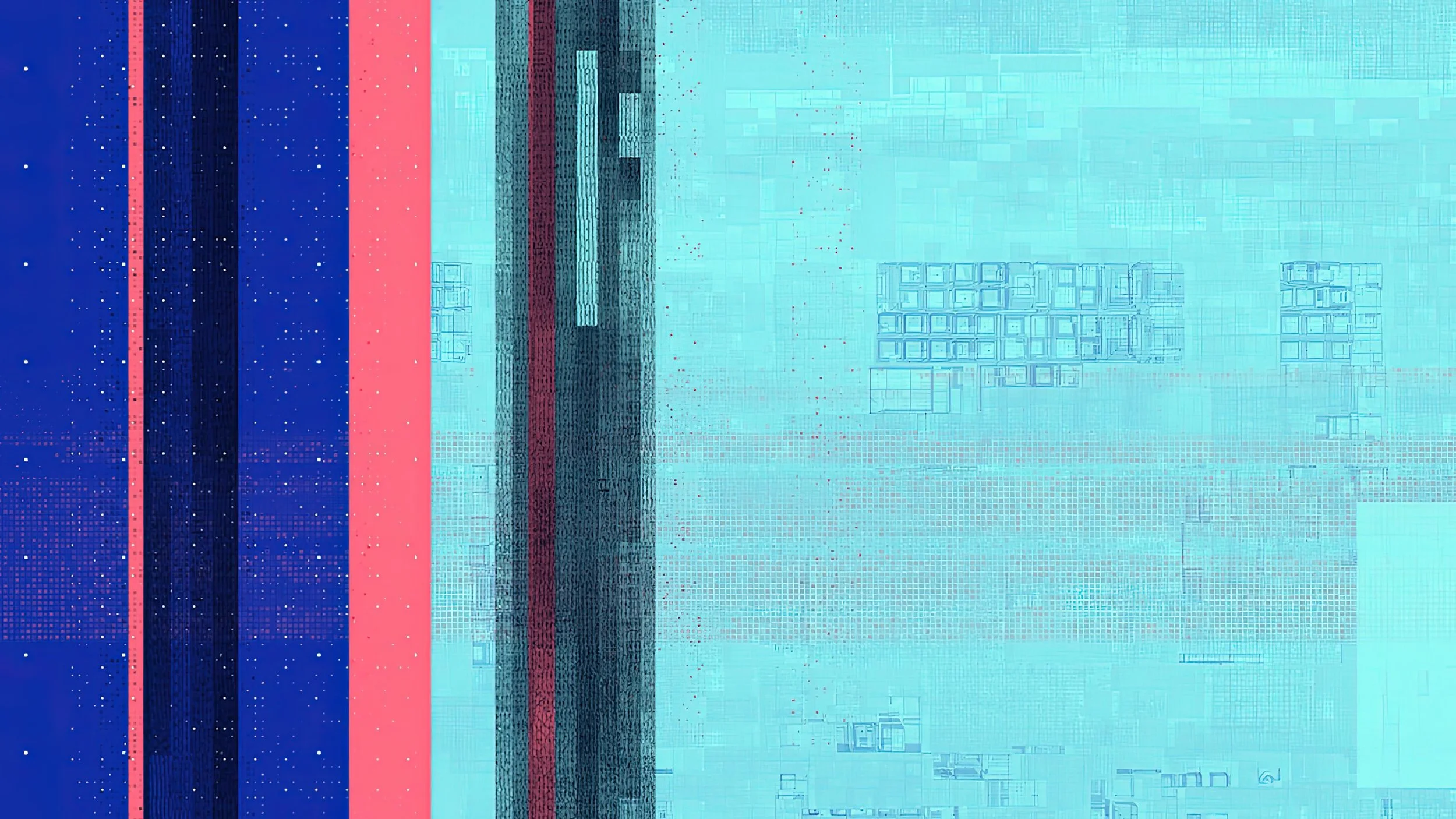
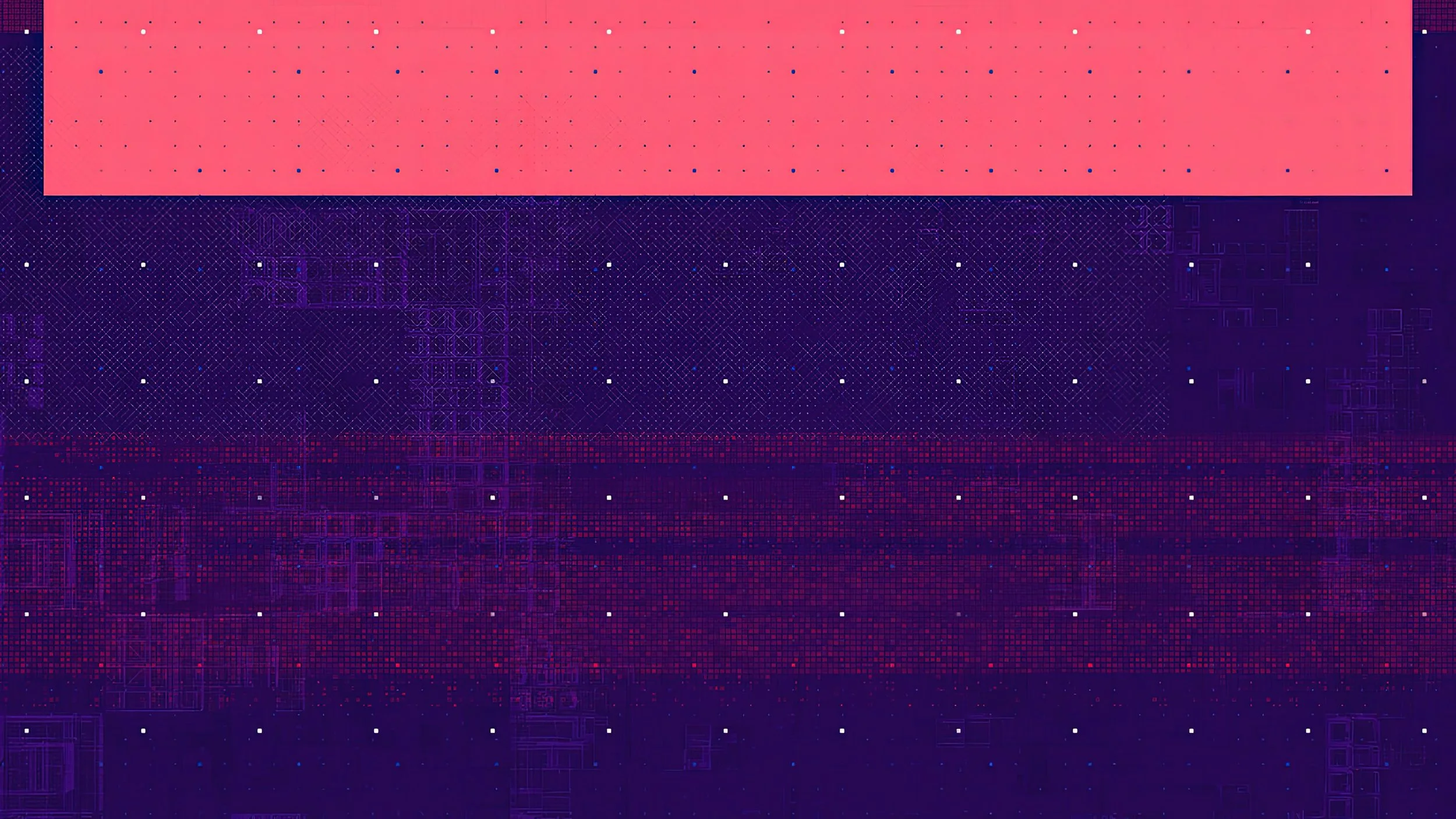
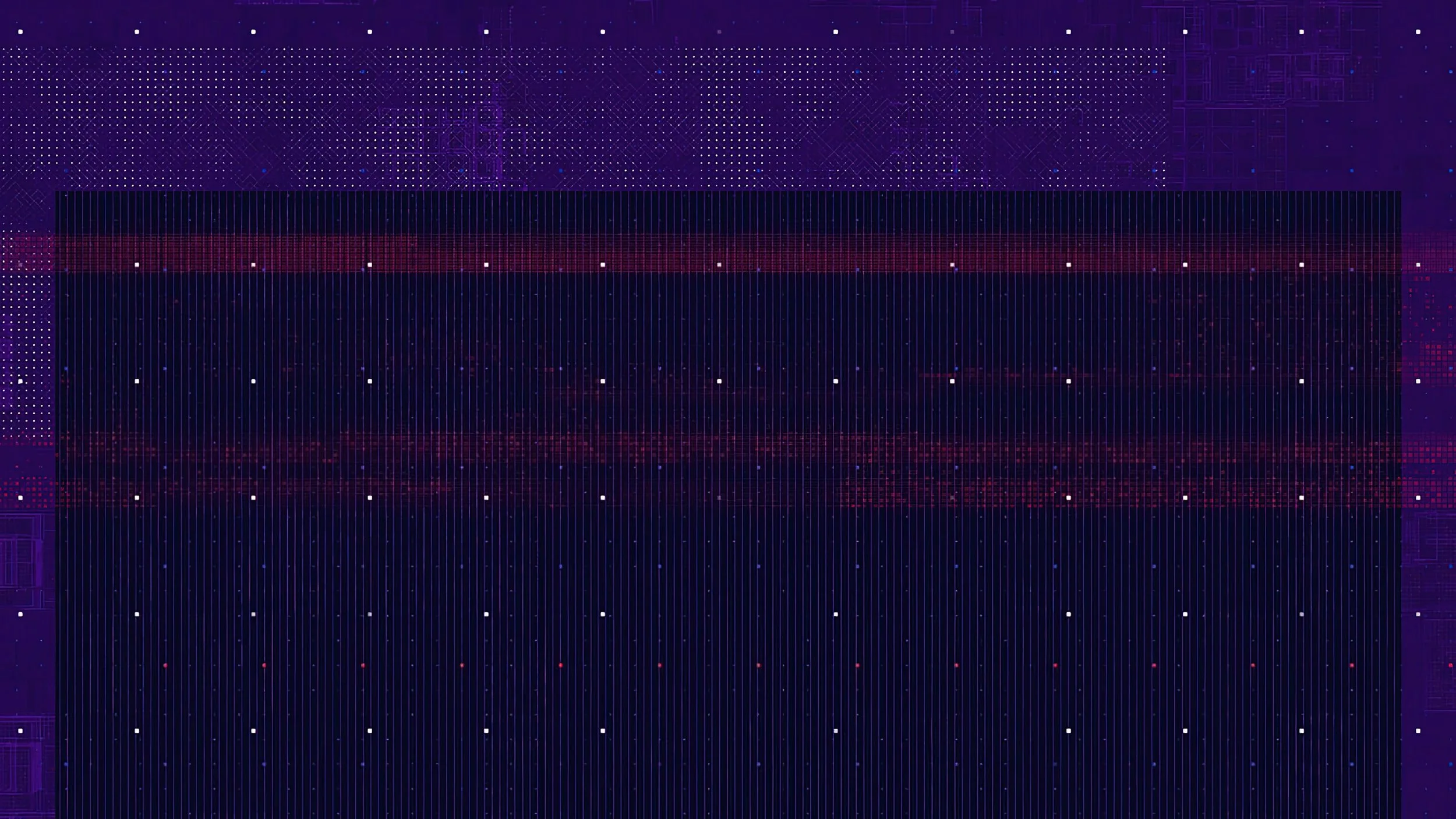
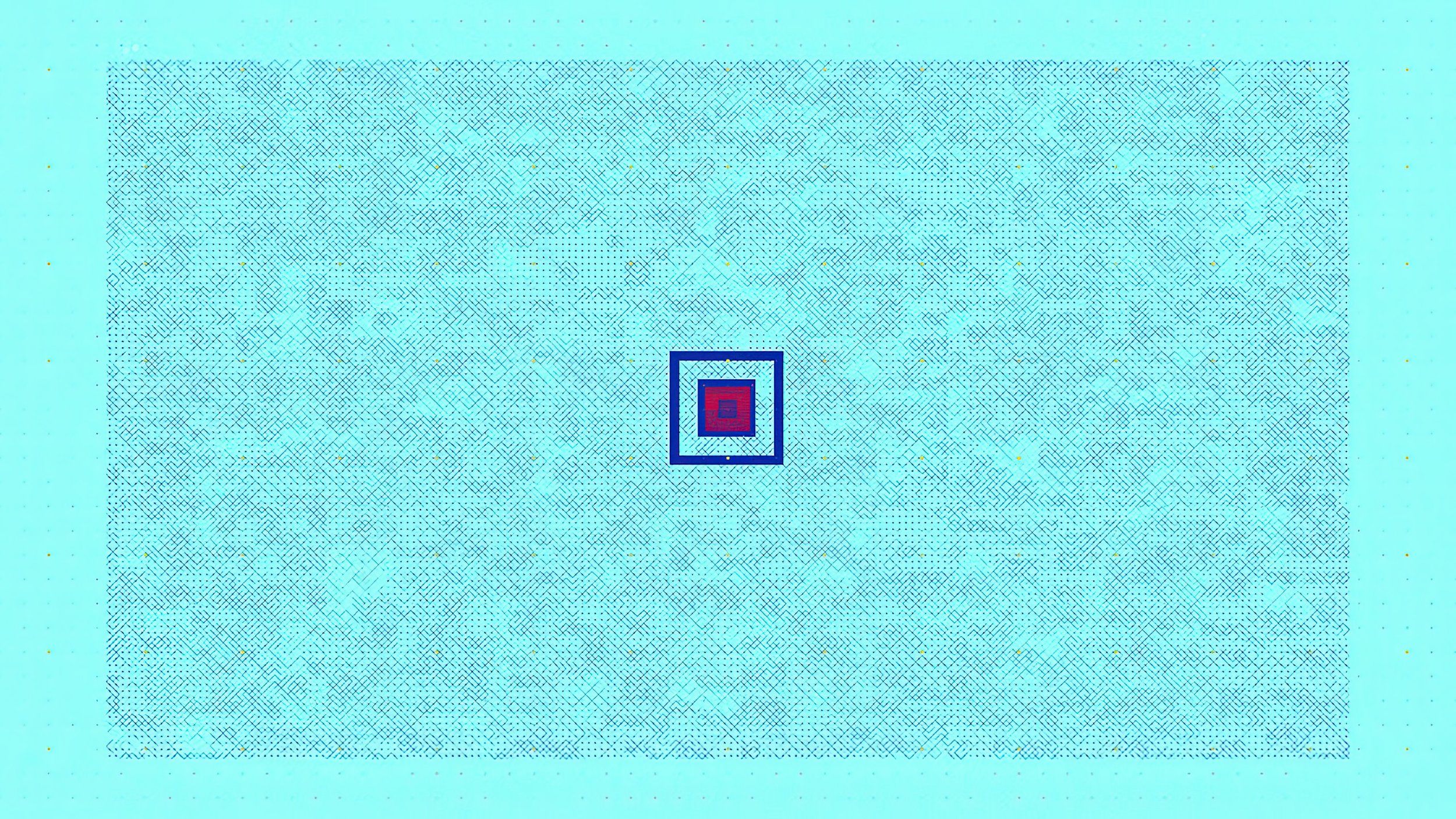
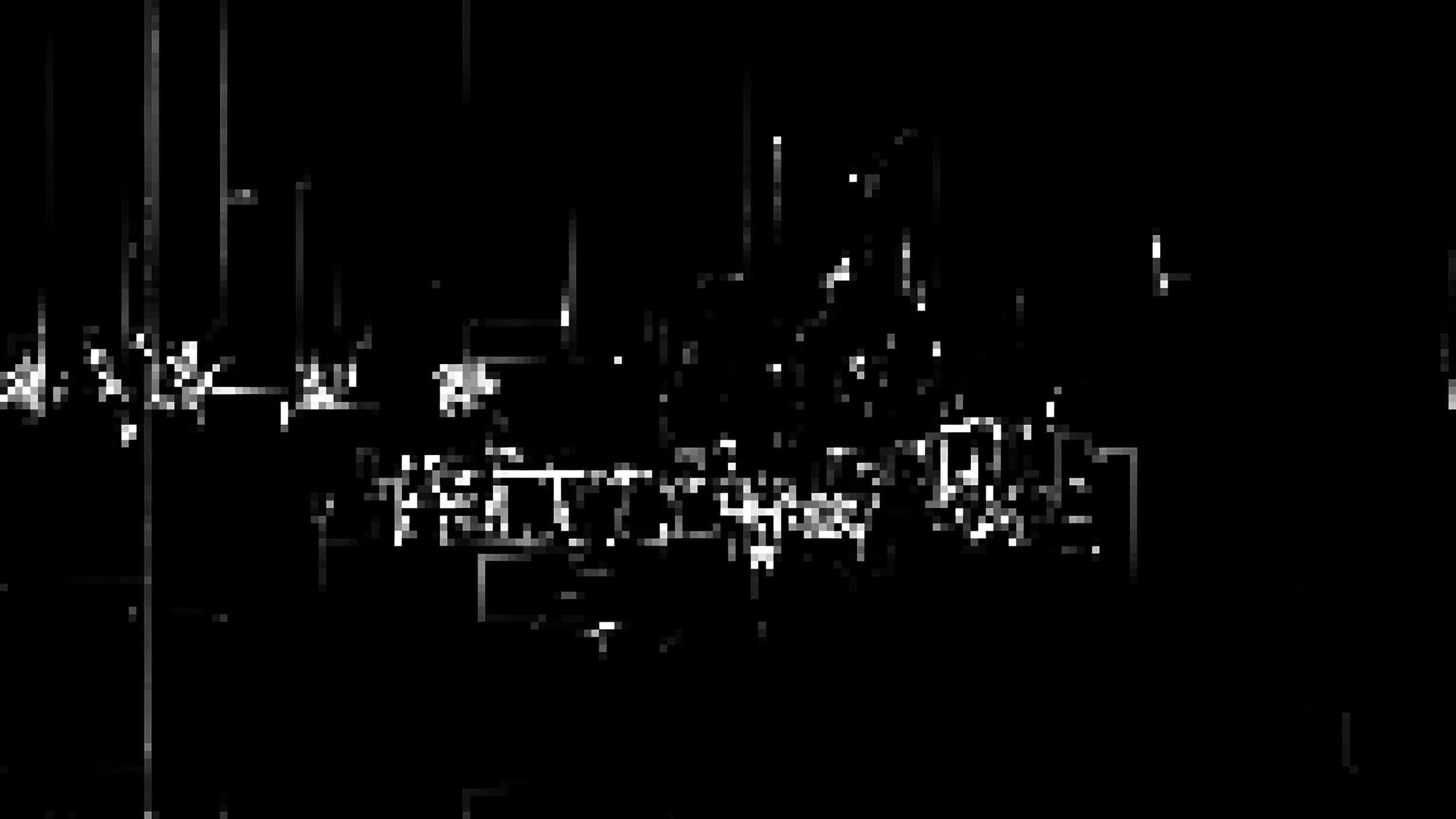
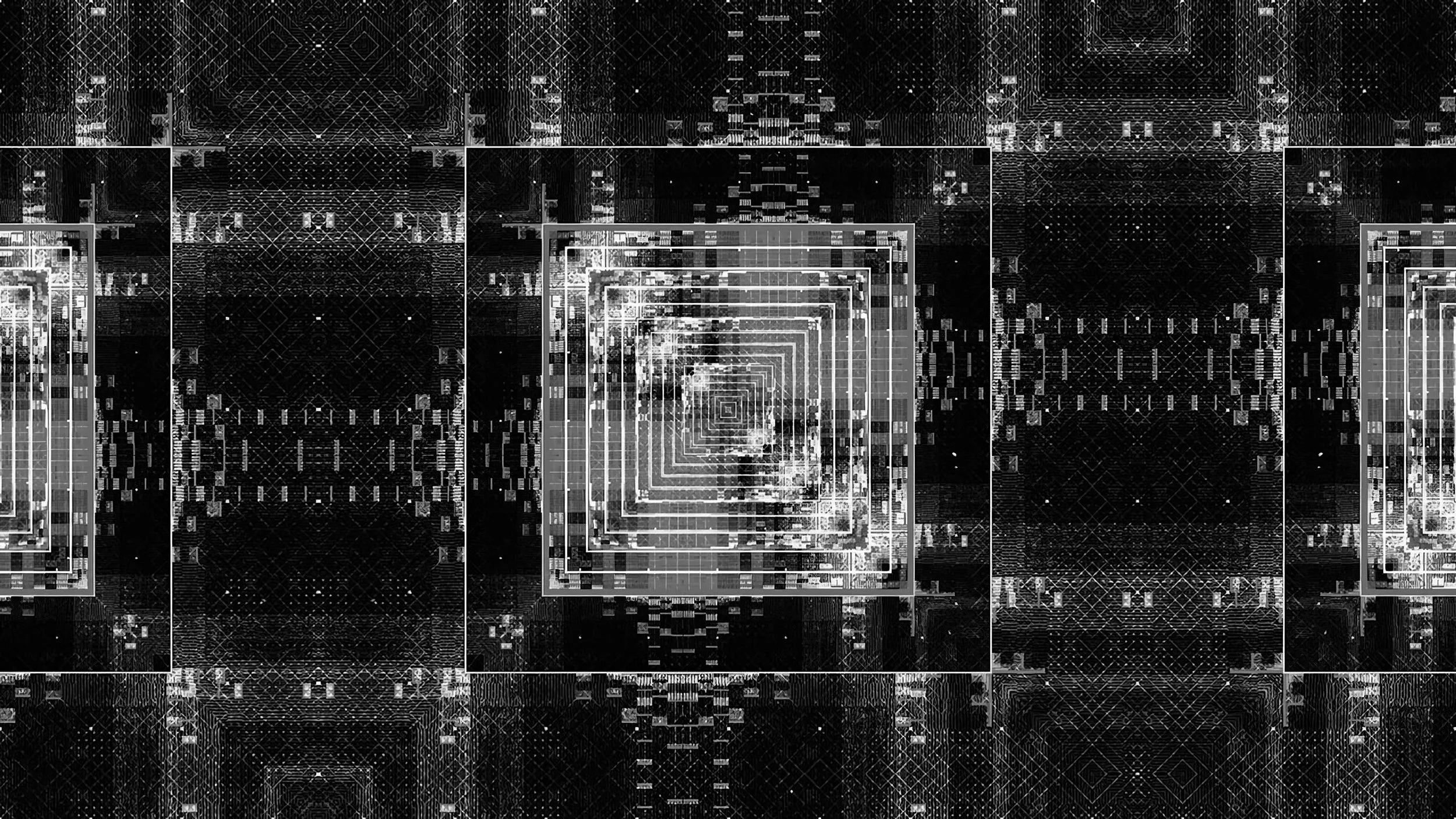
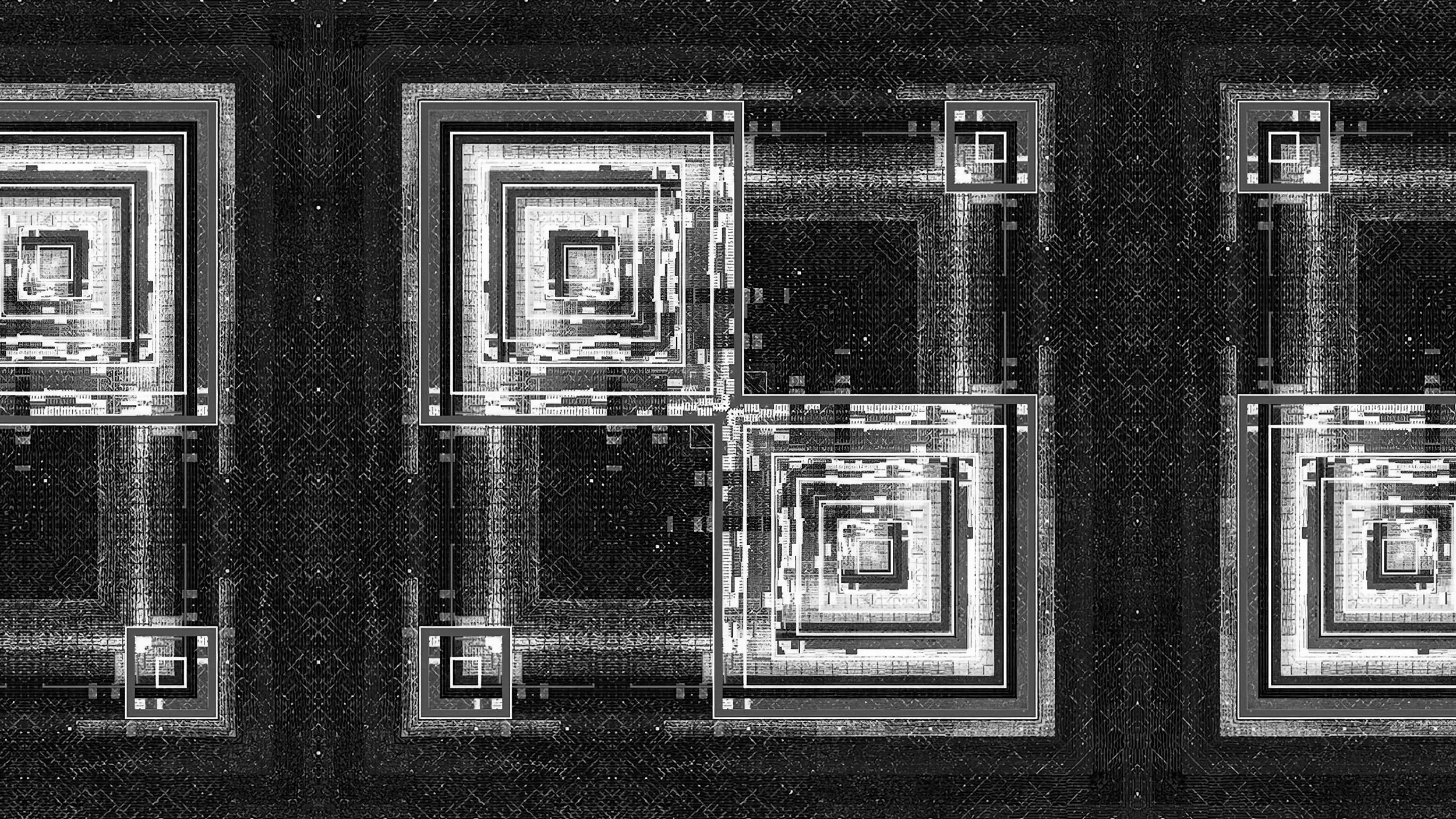
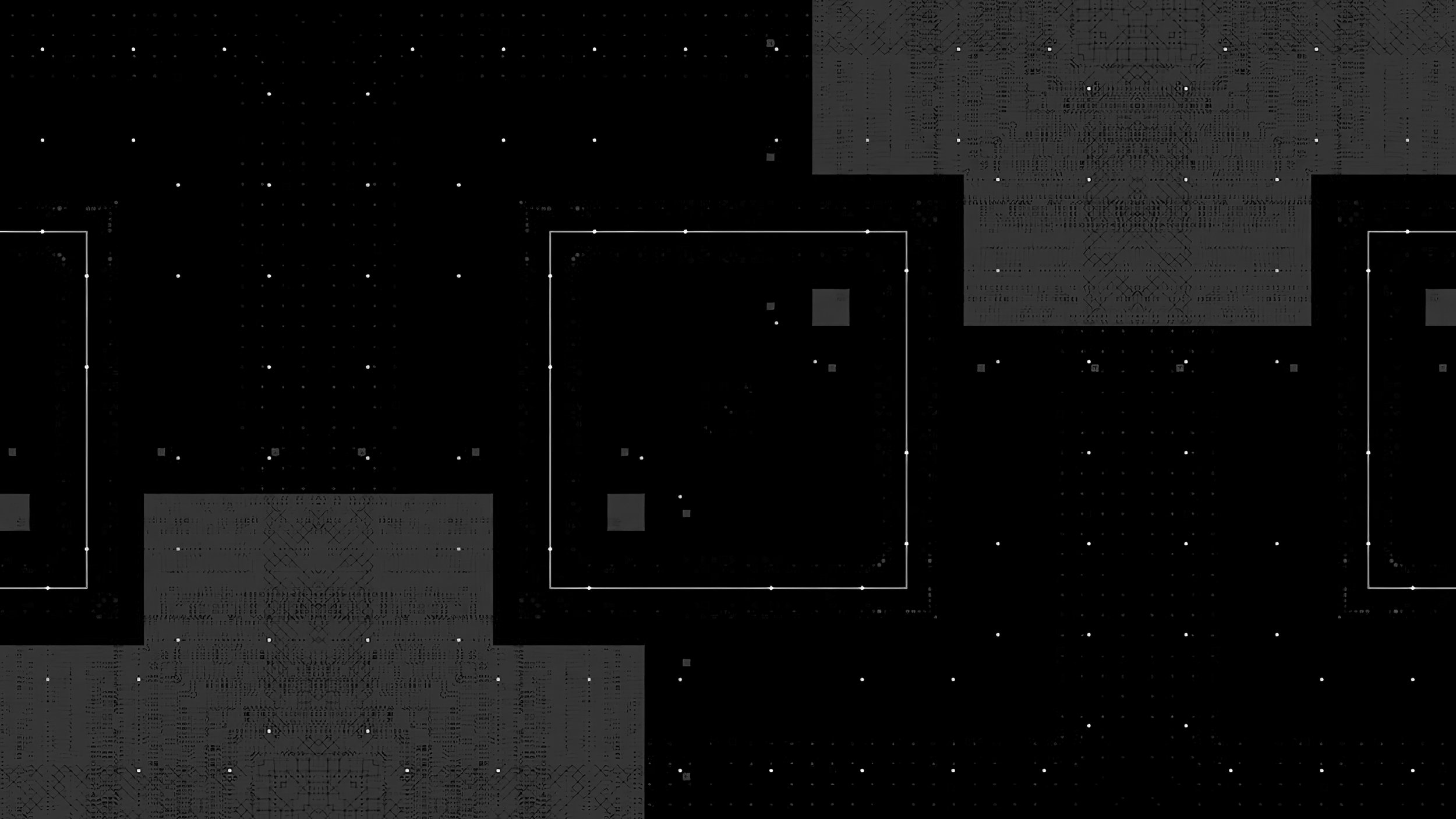
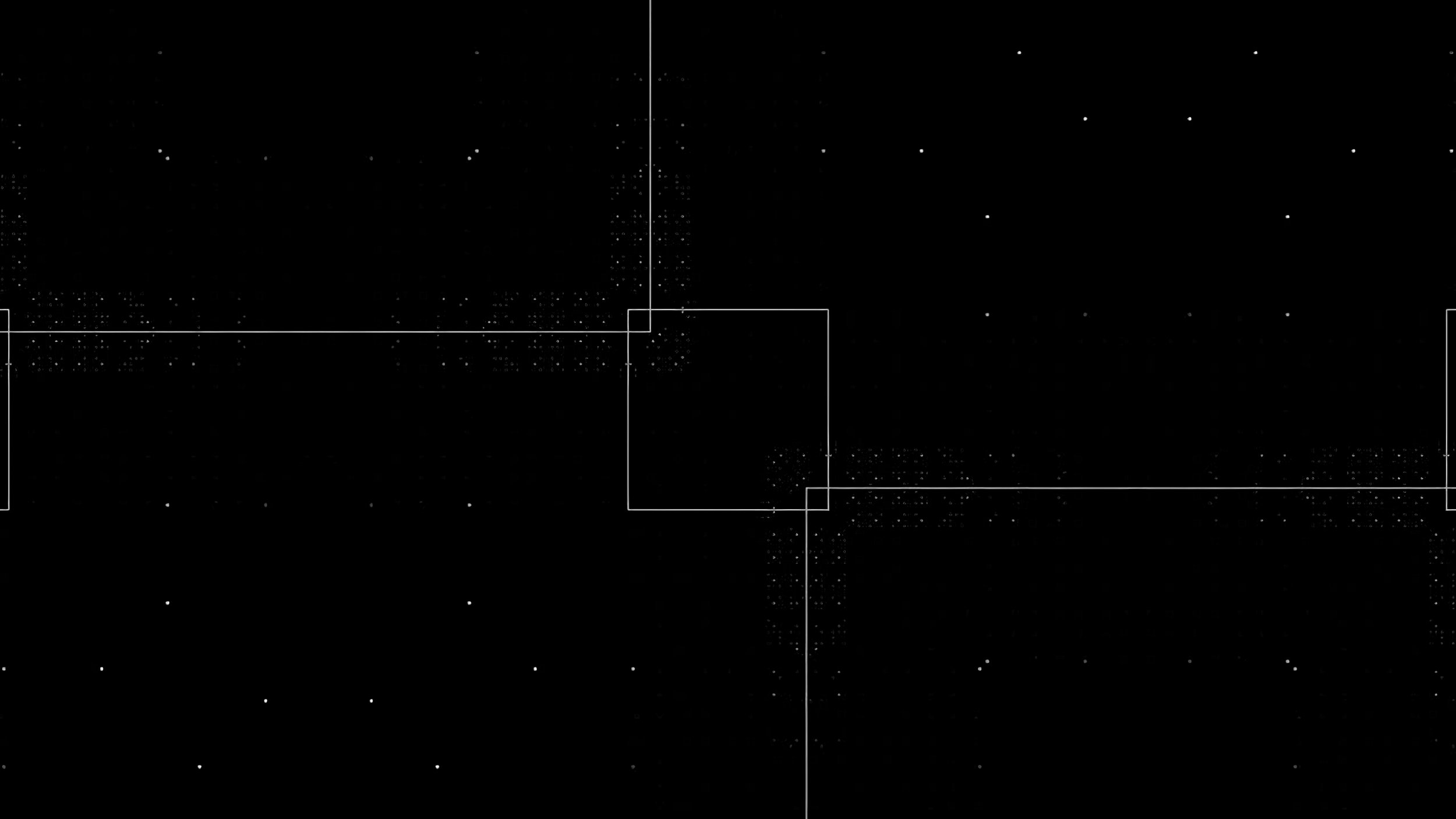
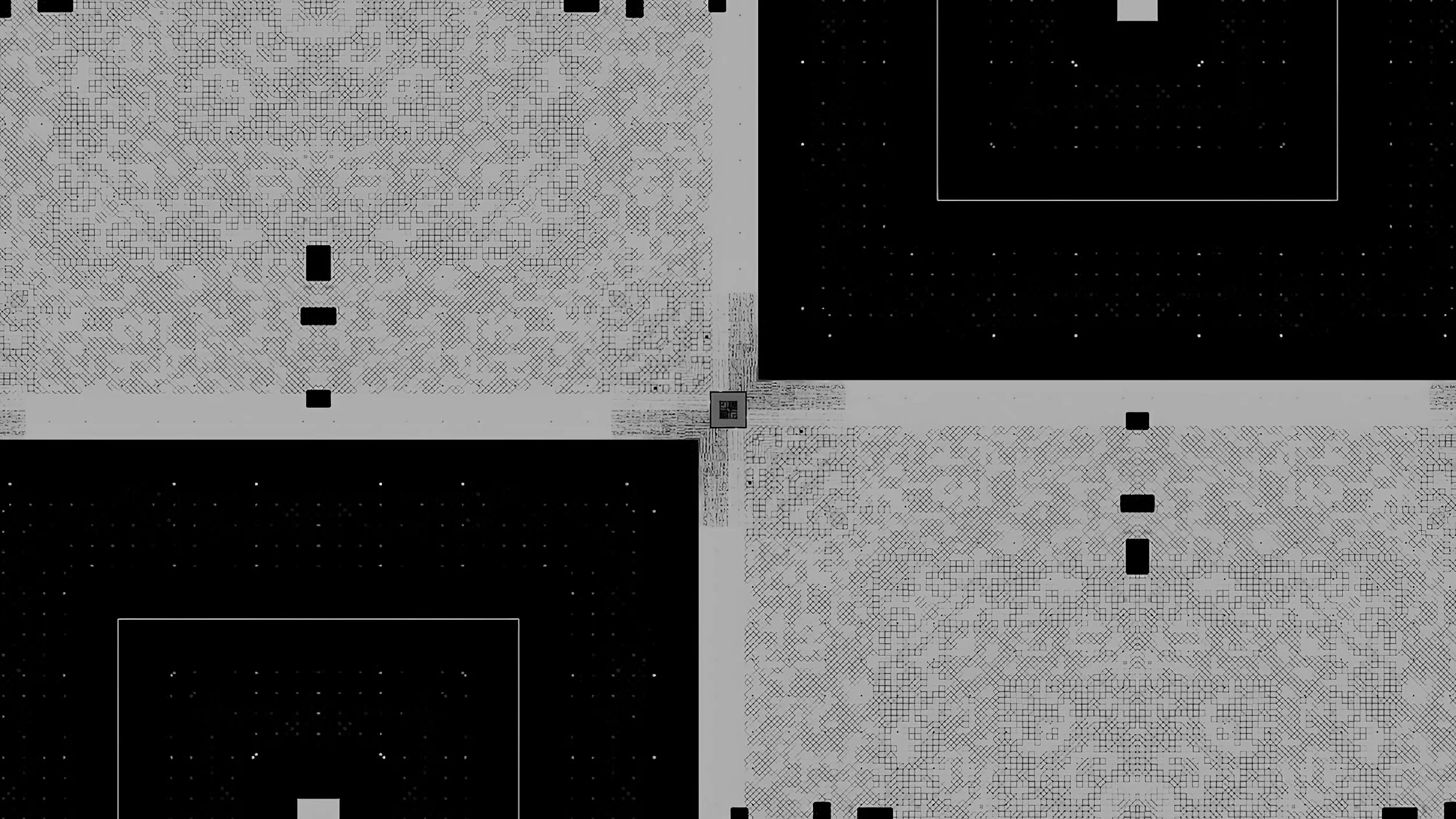
Glitch development centered on building a library of modular textures and mattes. Rather than relying on procedural distortion alone, the system was constructed through layered graphic elements, assembled into dense compositions.
Rigley led the development of glitch animation, working from base typographic sequences and transforming them through cutting, layering, and color application. The resulting compositions operate at a near frame-by-frame level, synchronized closely with the audio.

GENETIC GRIDS
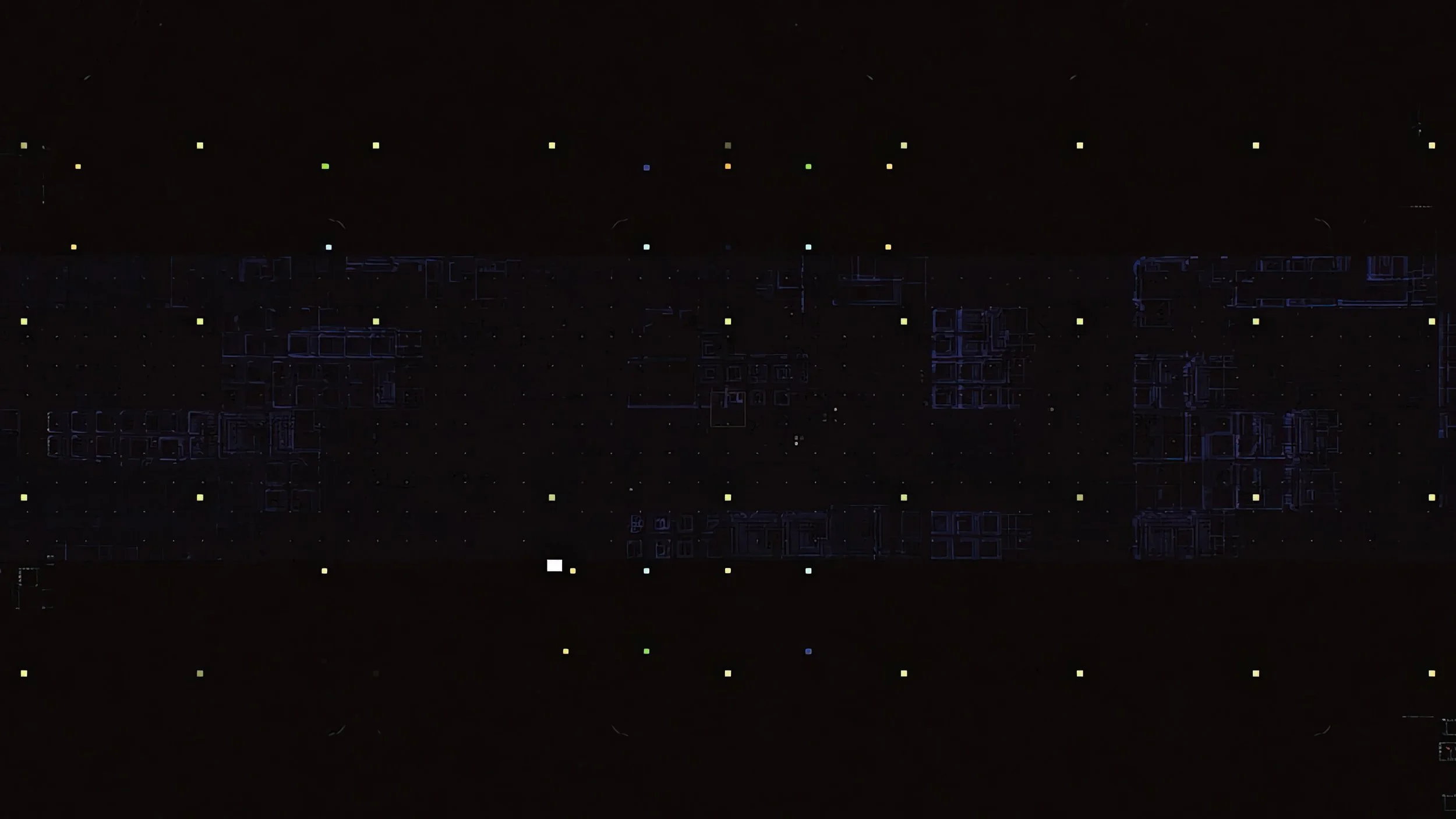
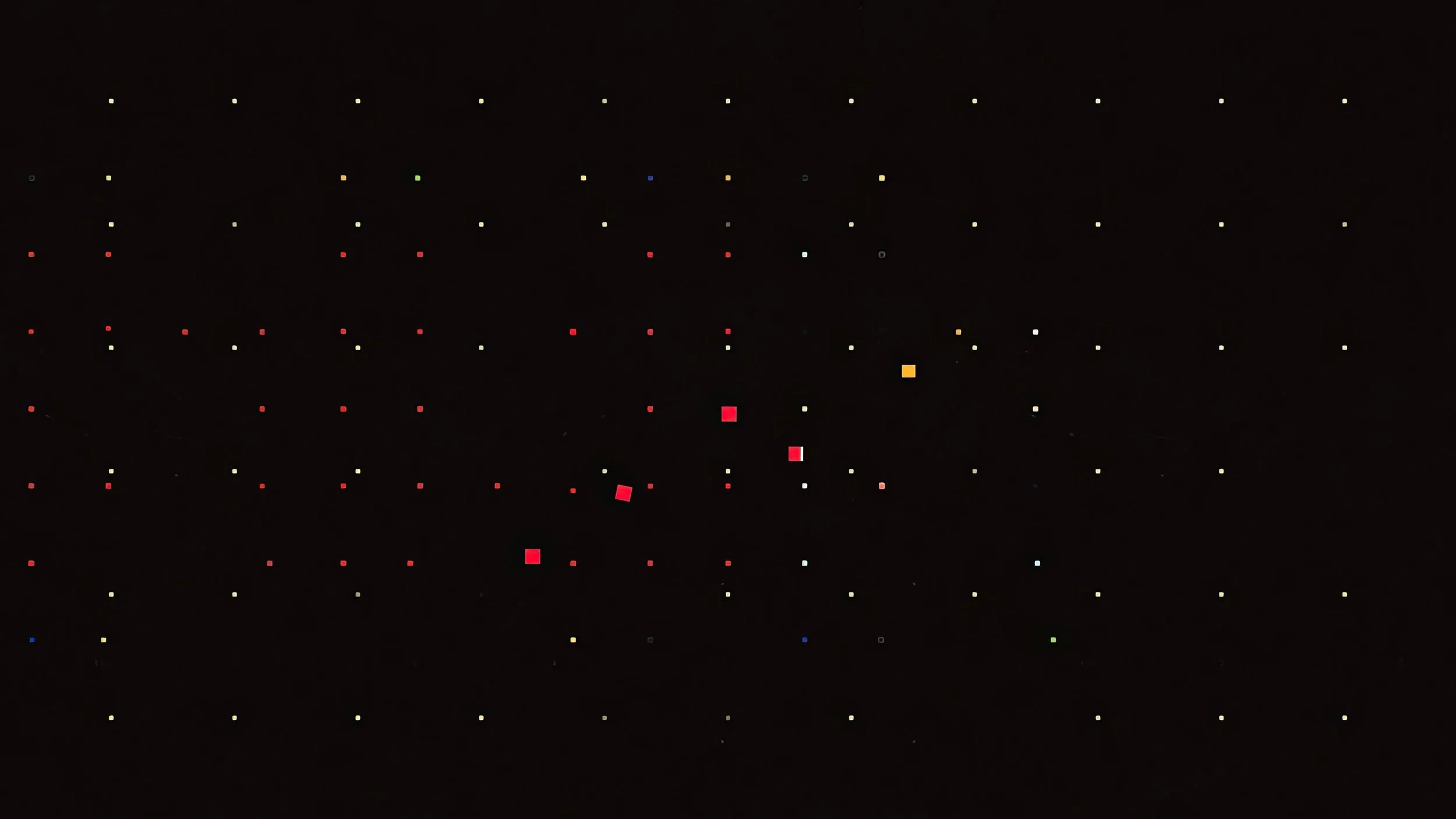
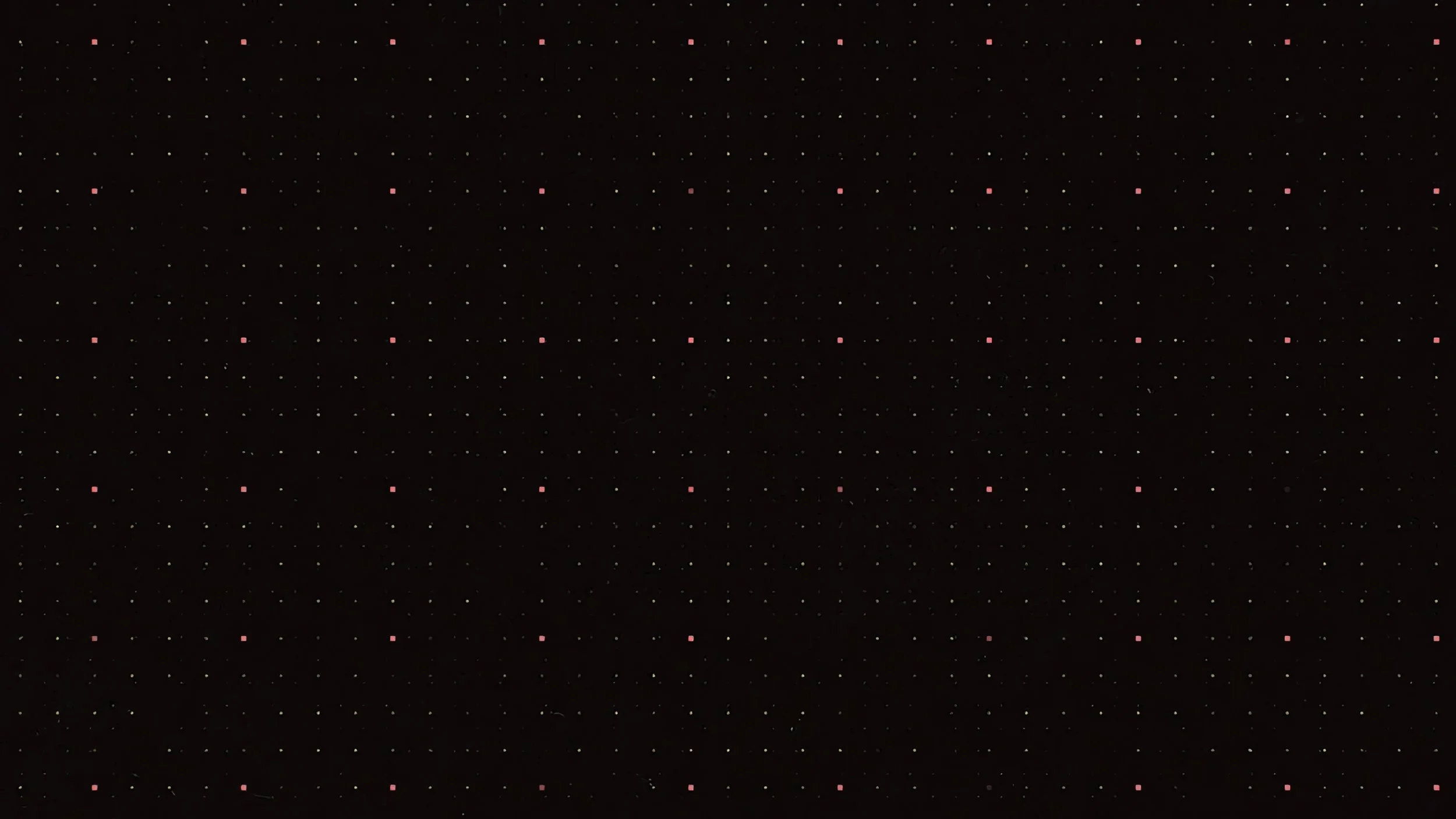
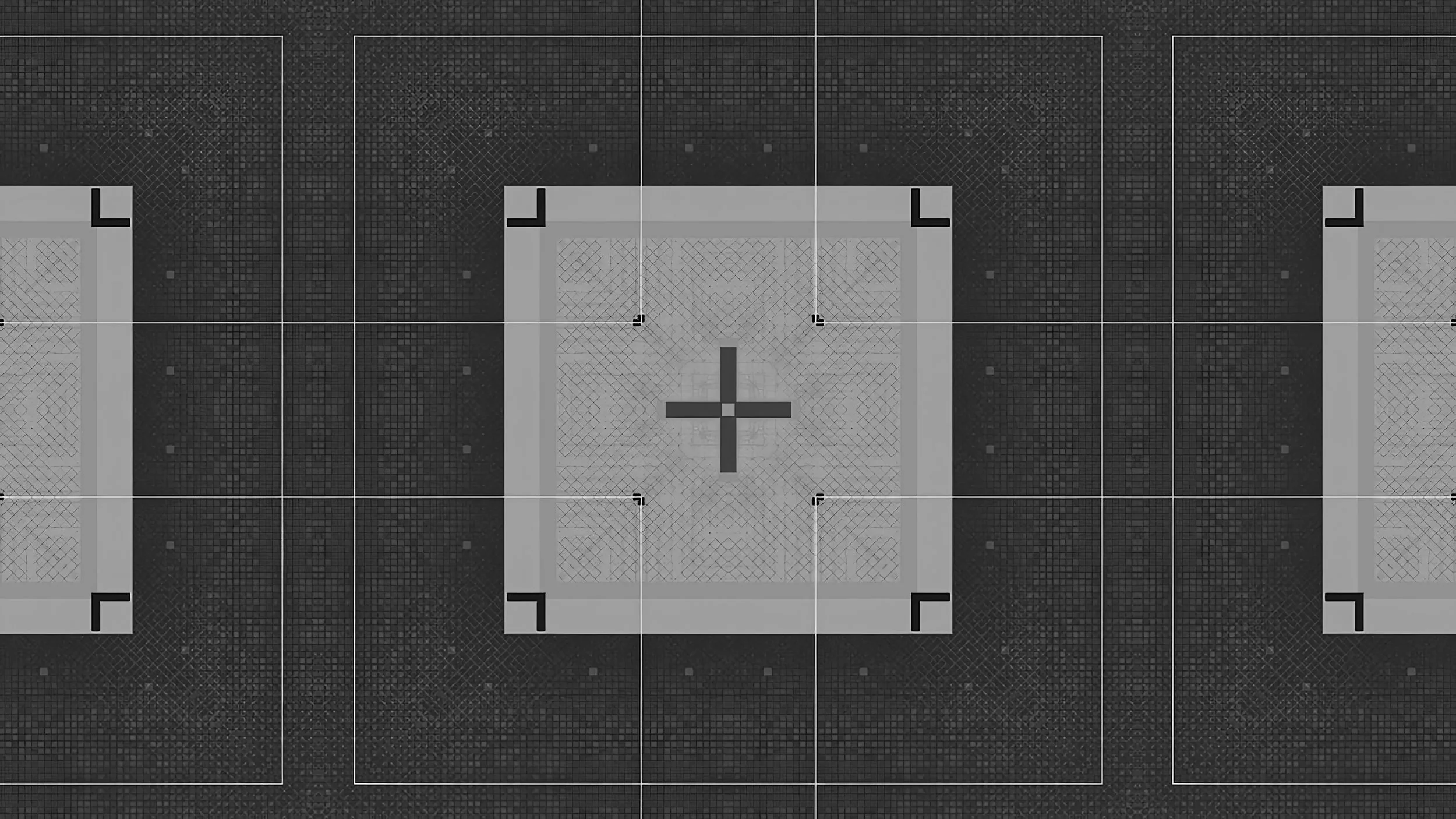
Albert Omoss developed a generative grid system used to drive particle behavior. Prototyped in Processing and executed in Houdini, the system uses source typography as an input, generating particle movement that evolves across the grid through mutation and propagation.
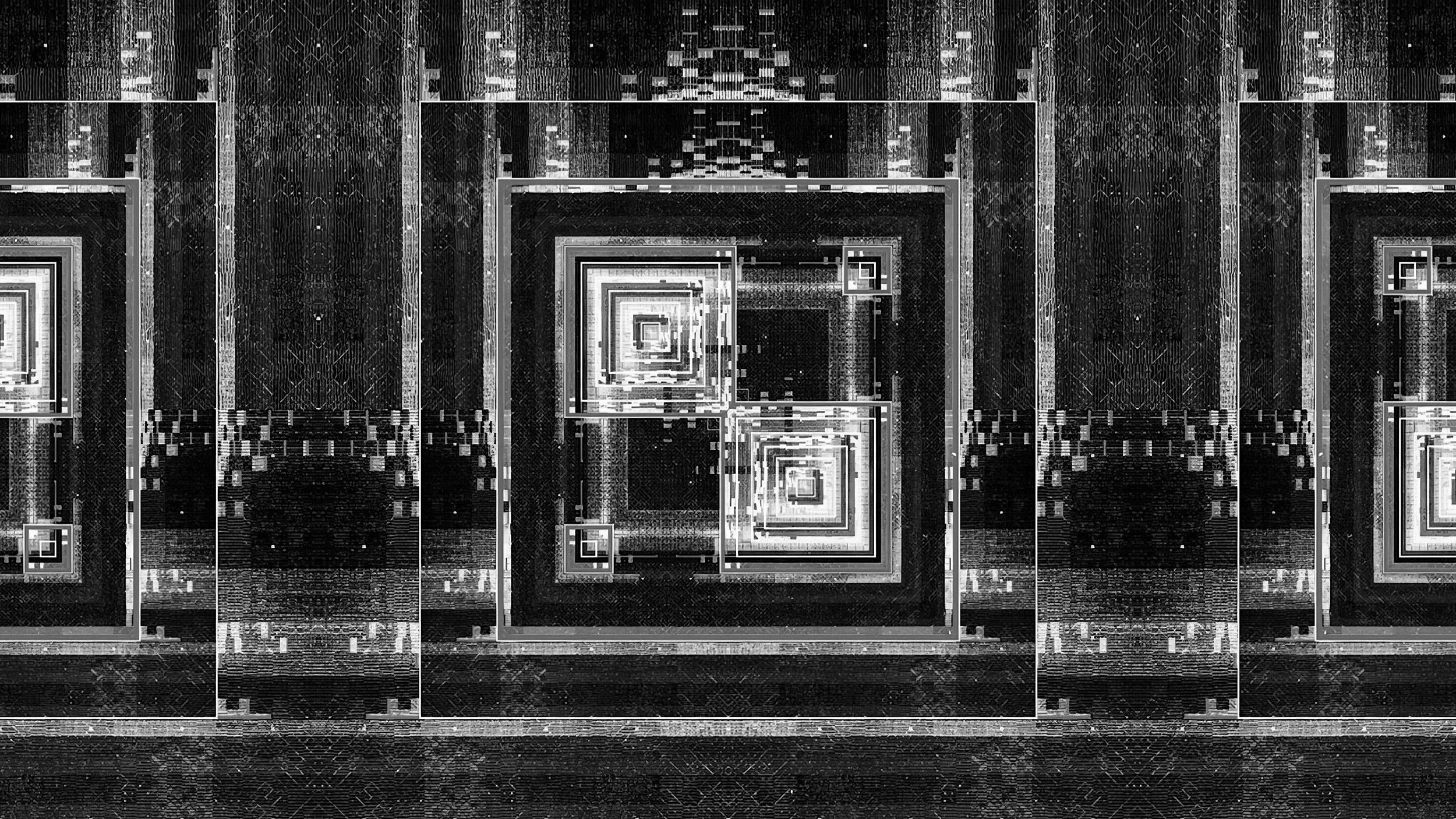
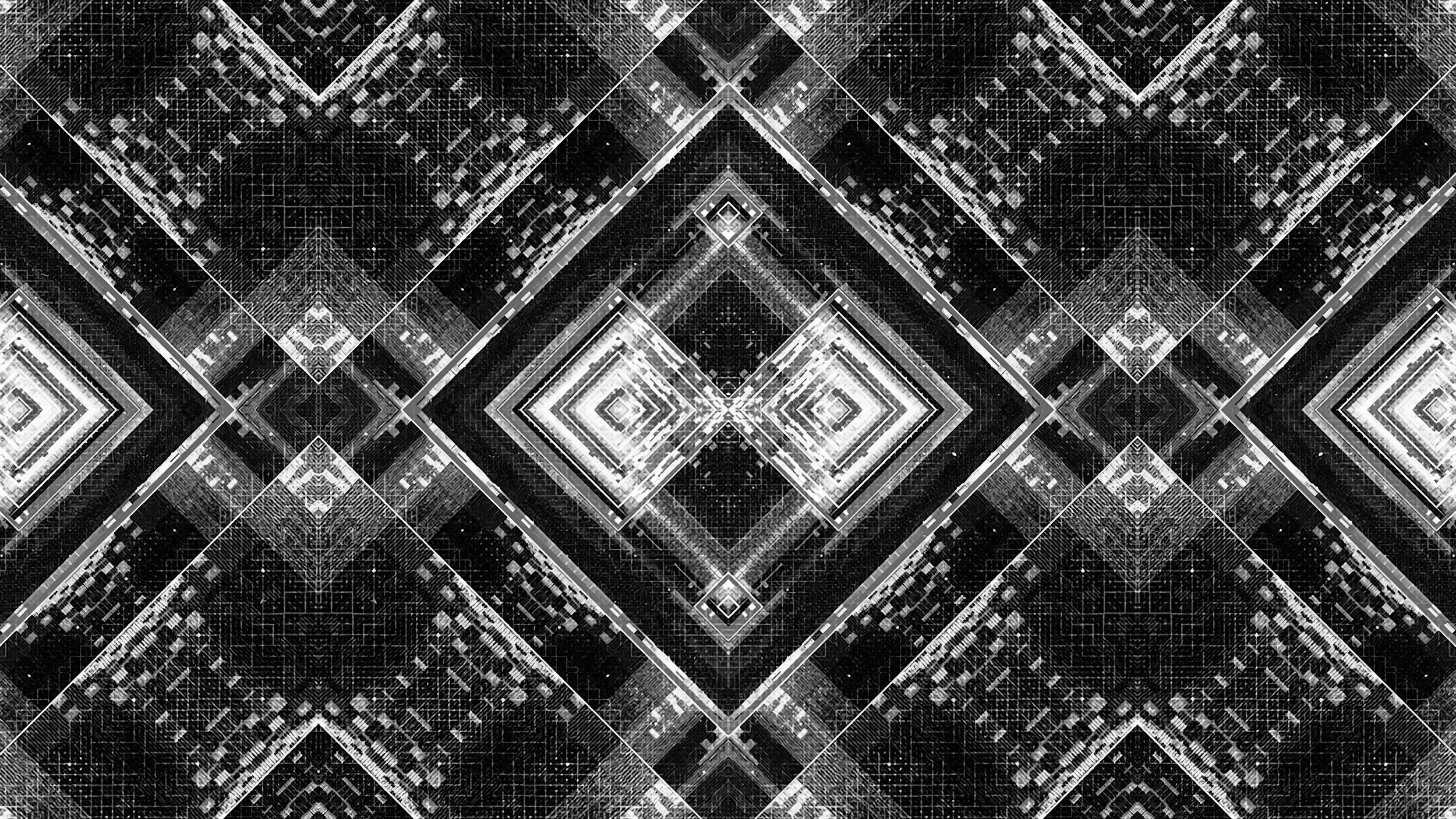
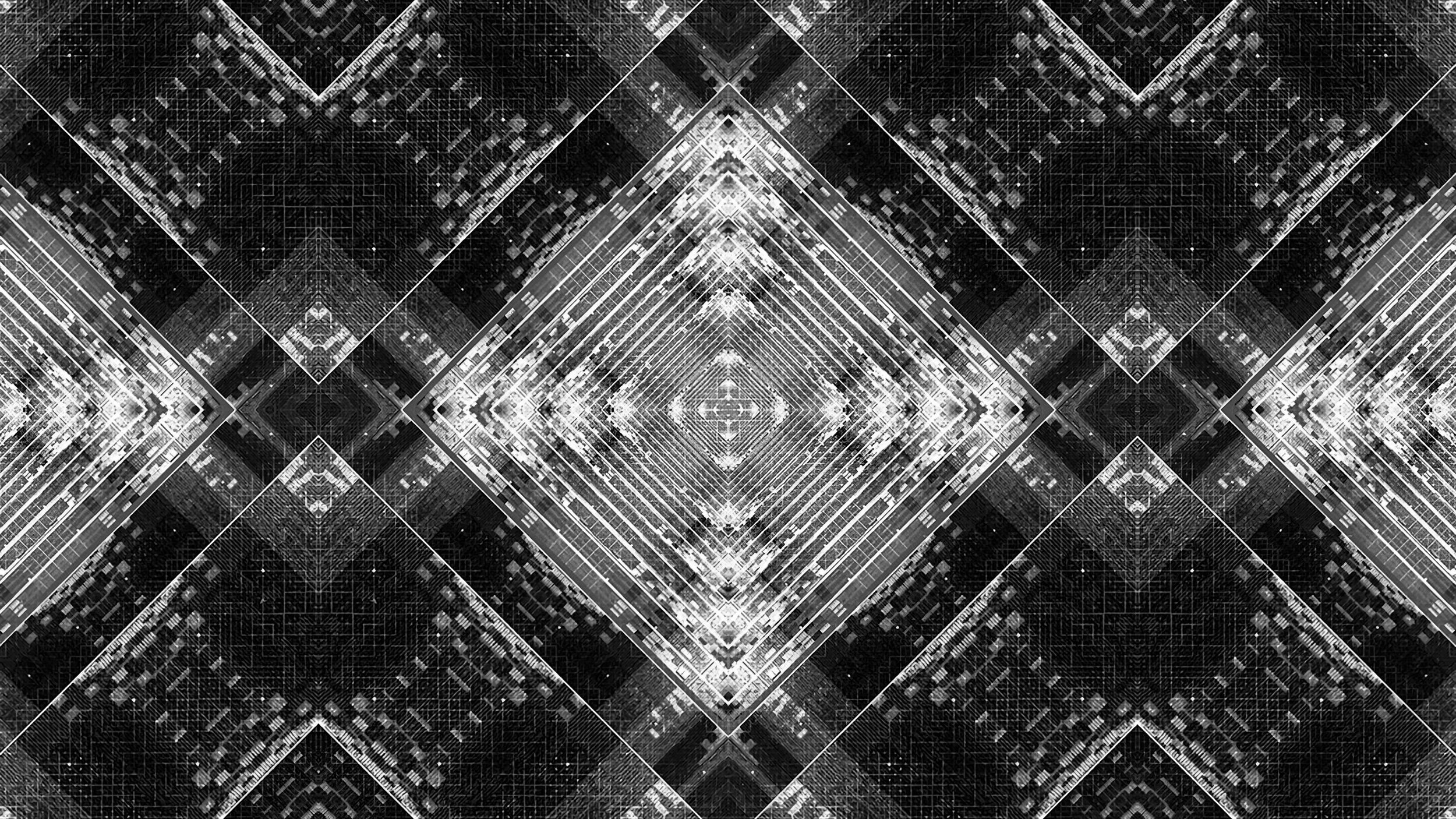
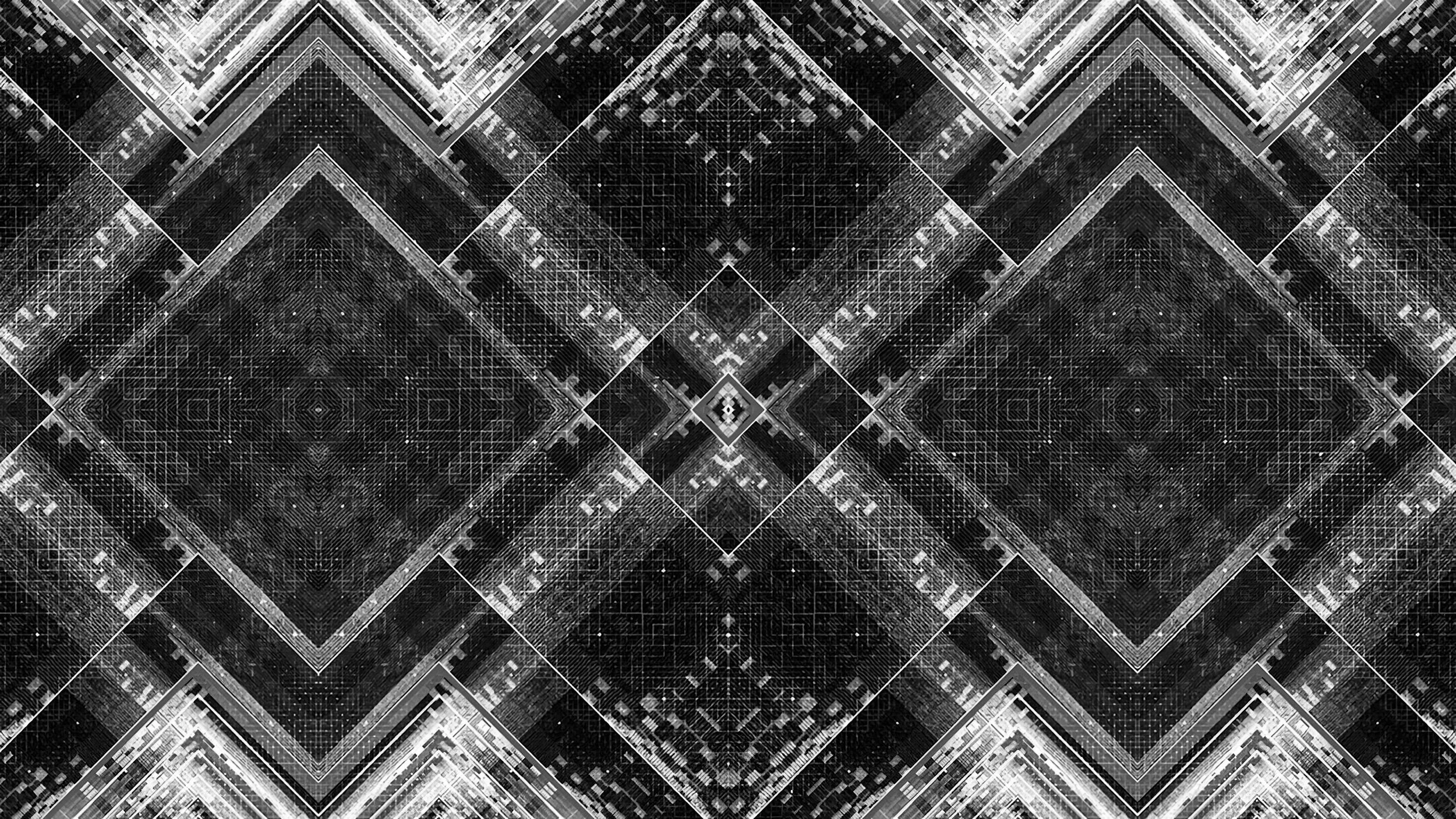
SYMMETRIES
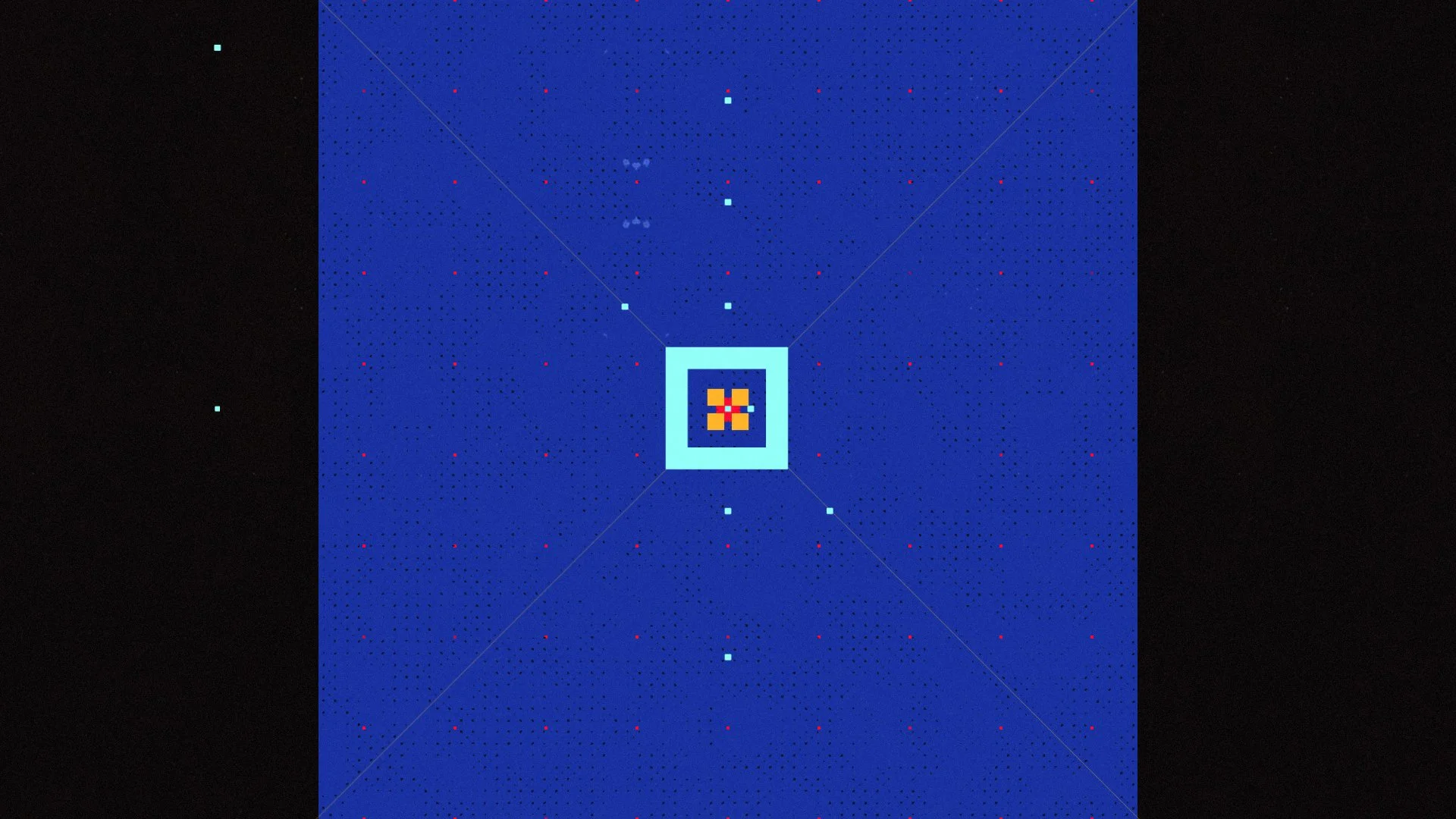
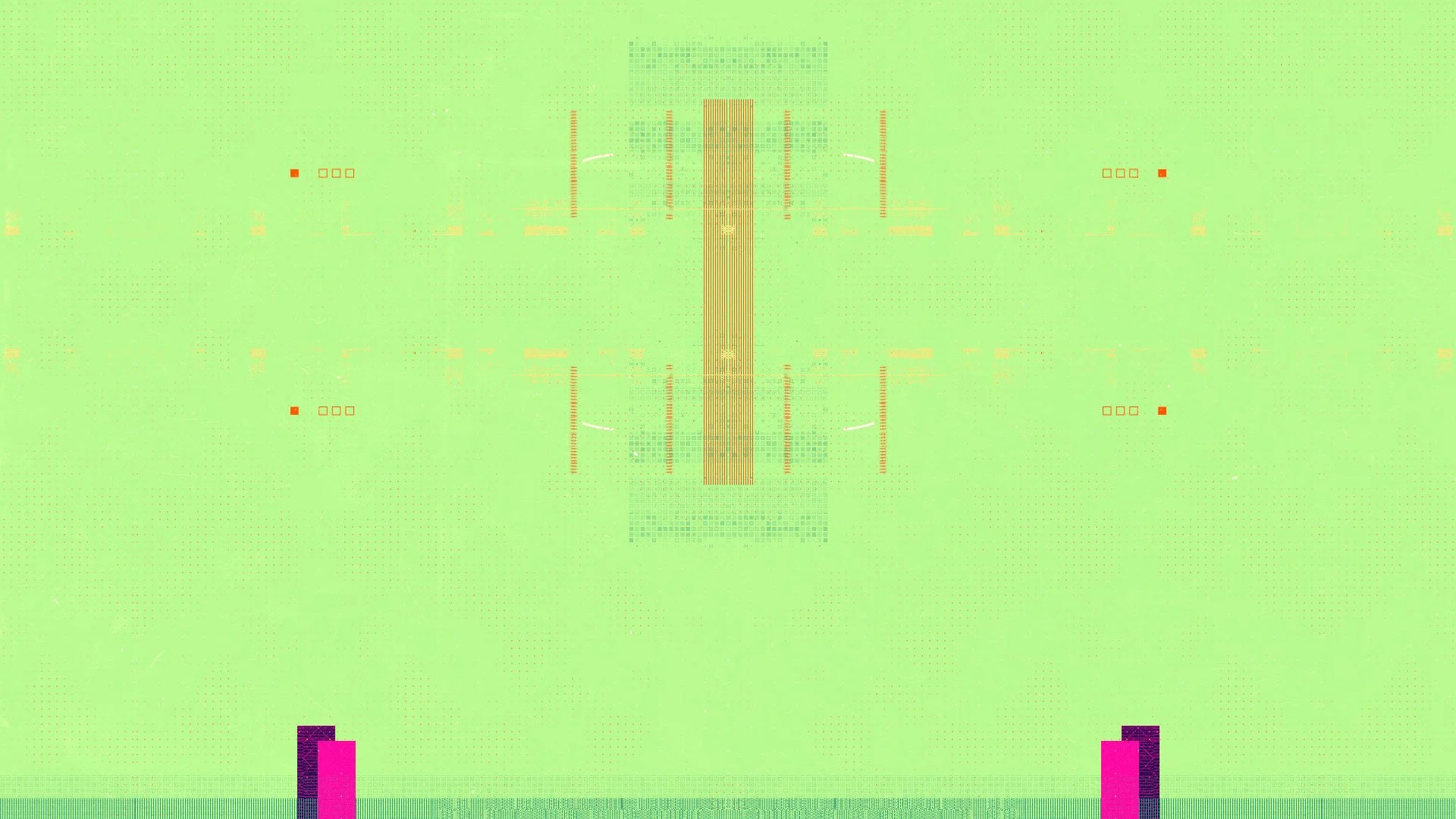
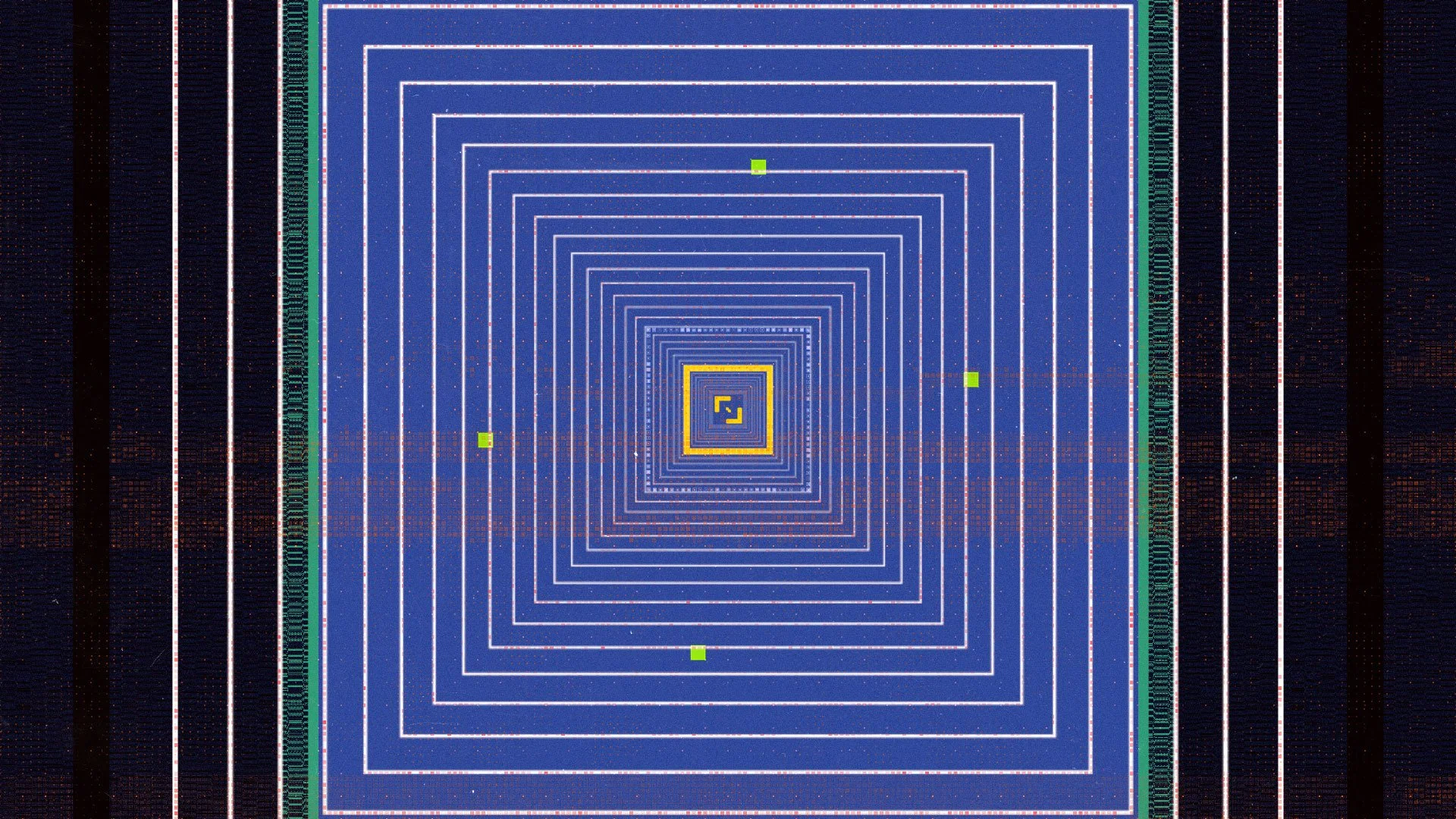
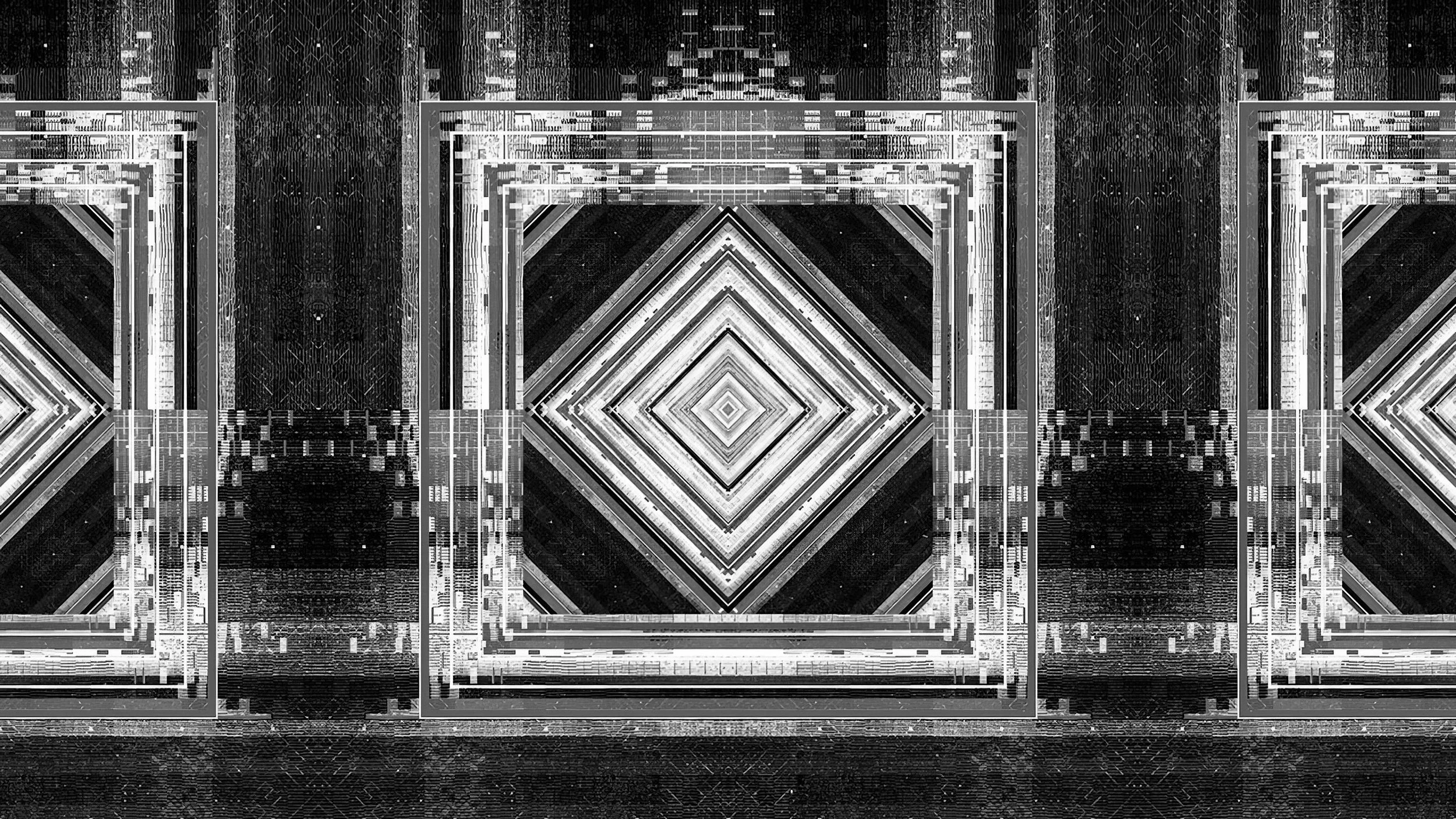
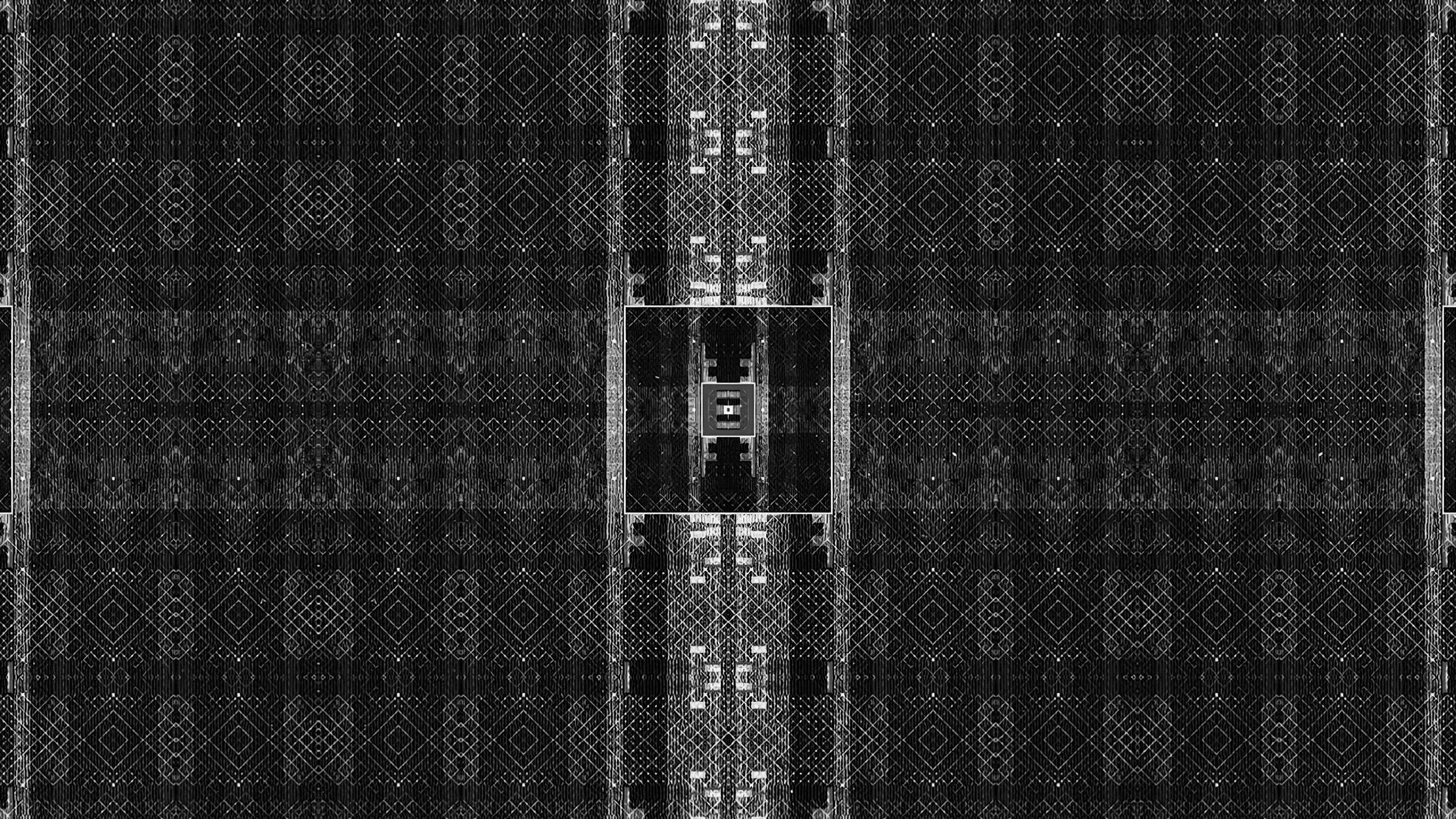
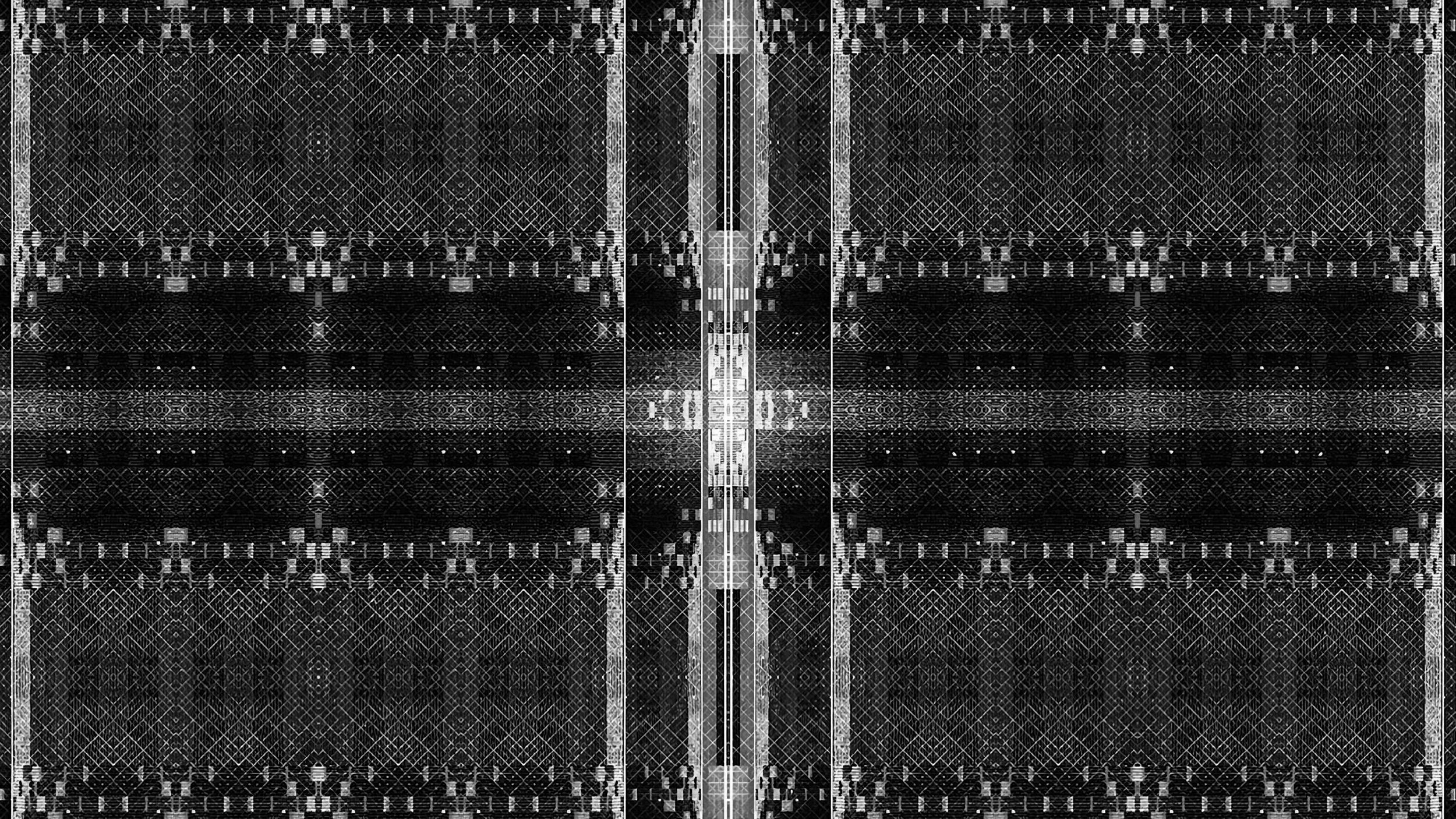
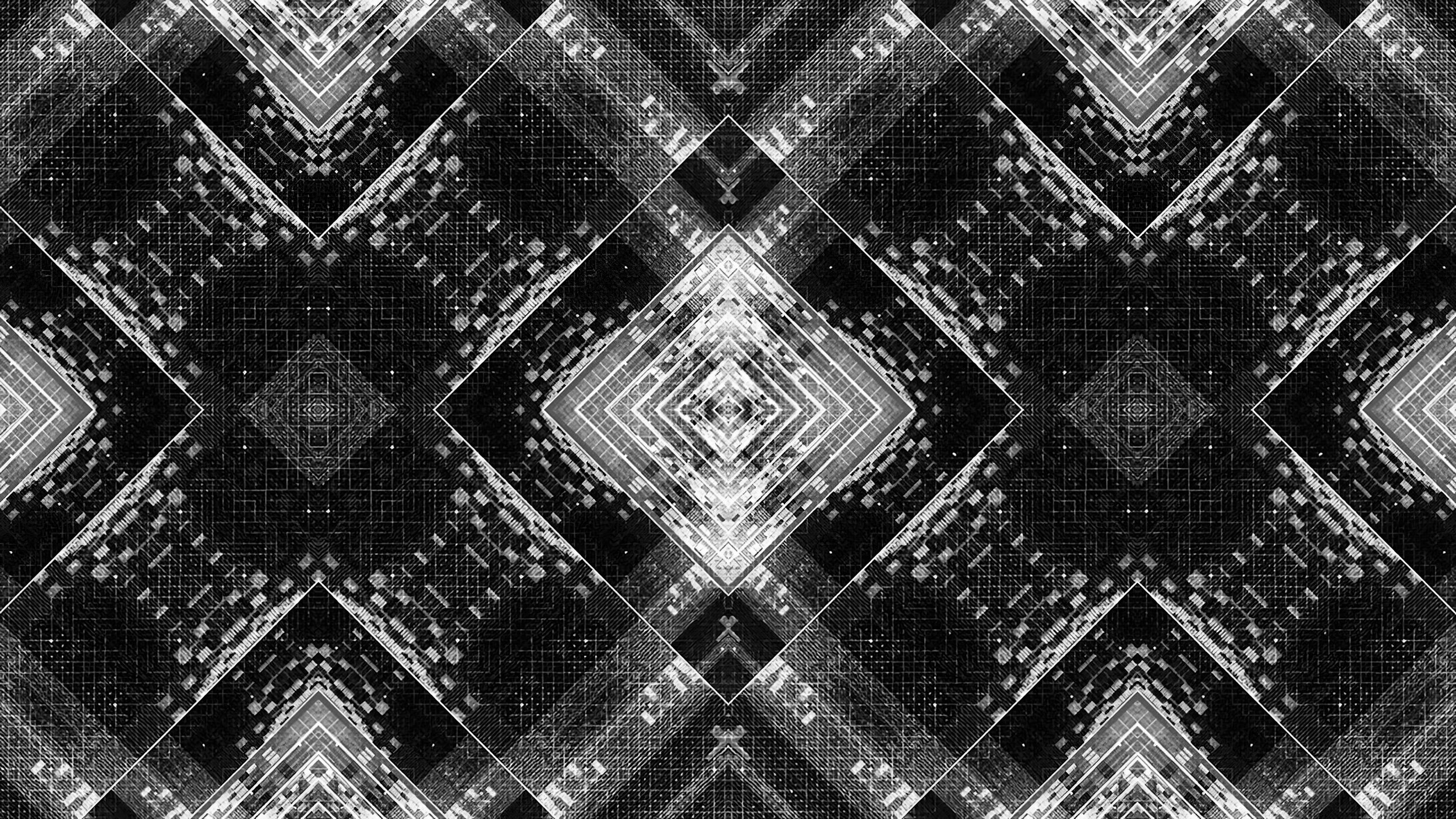
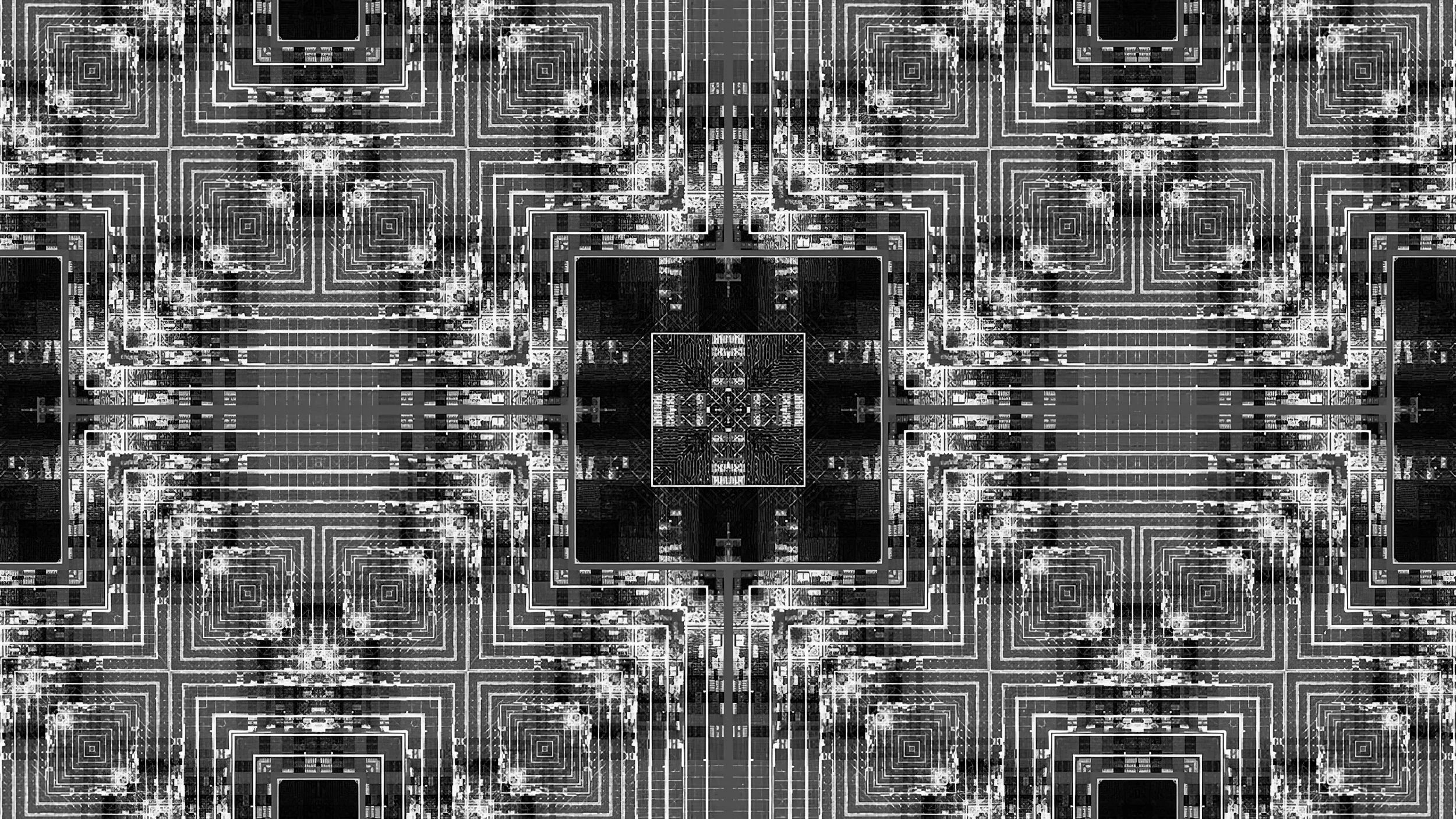
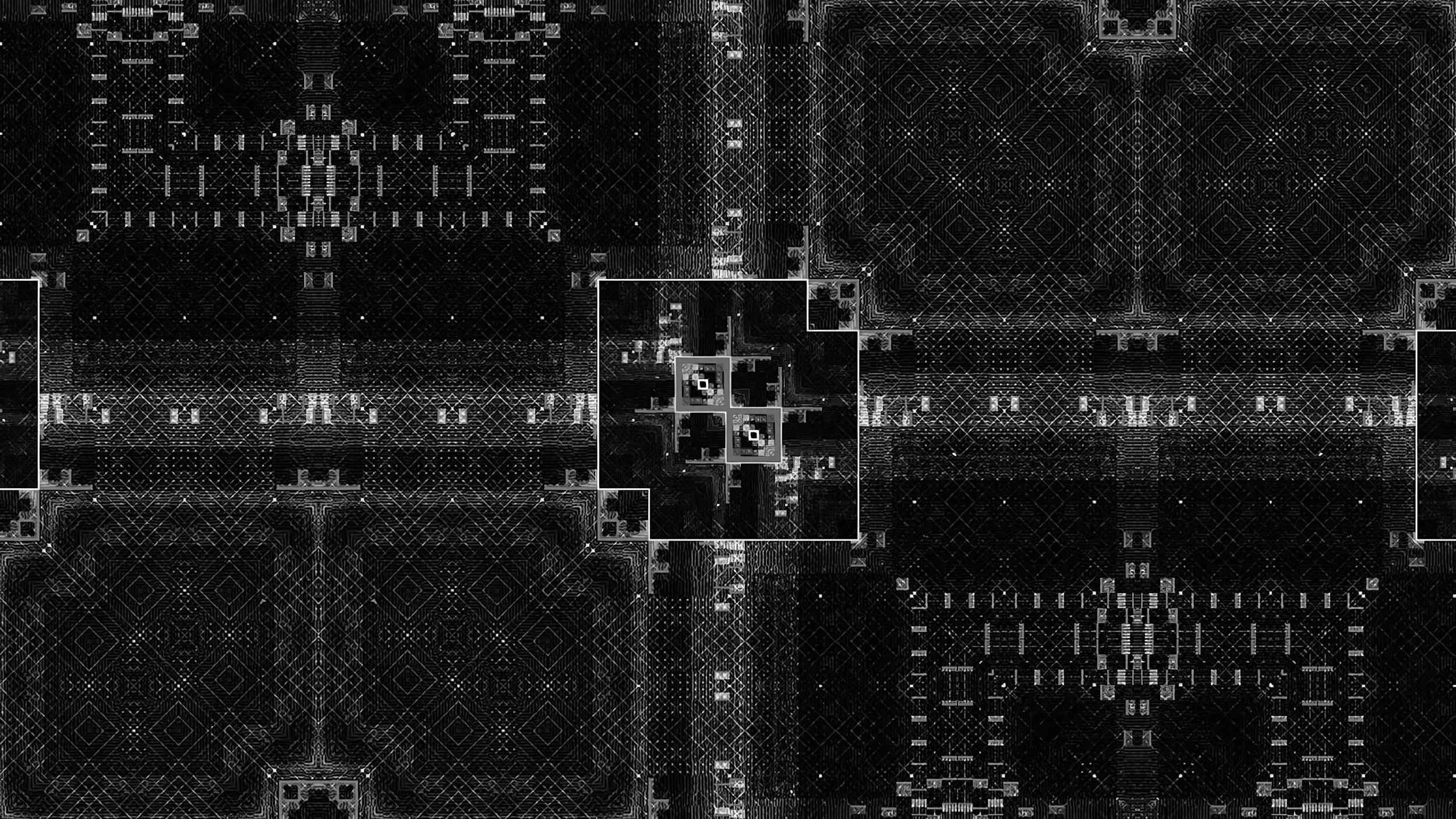
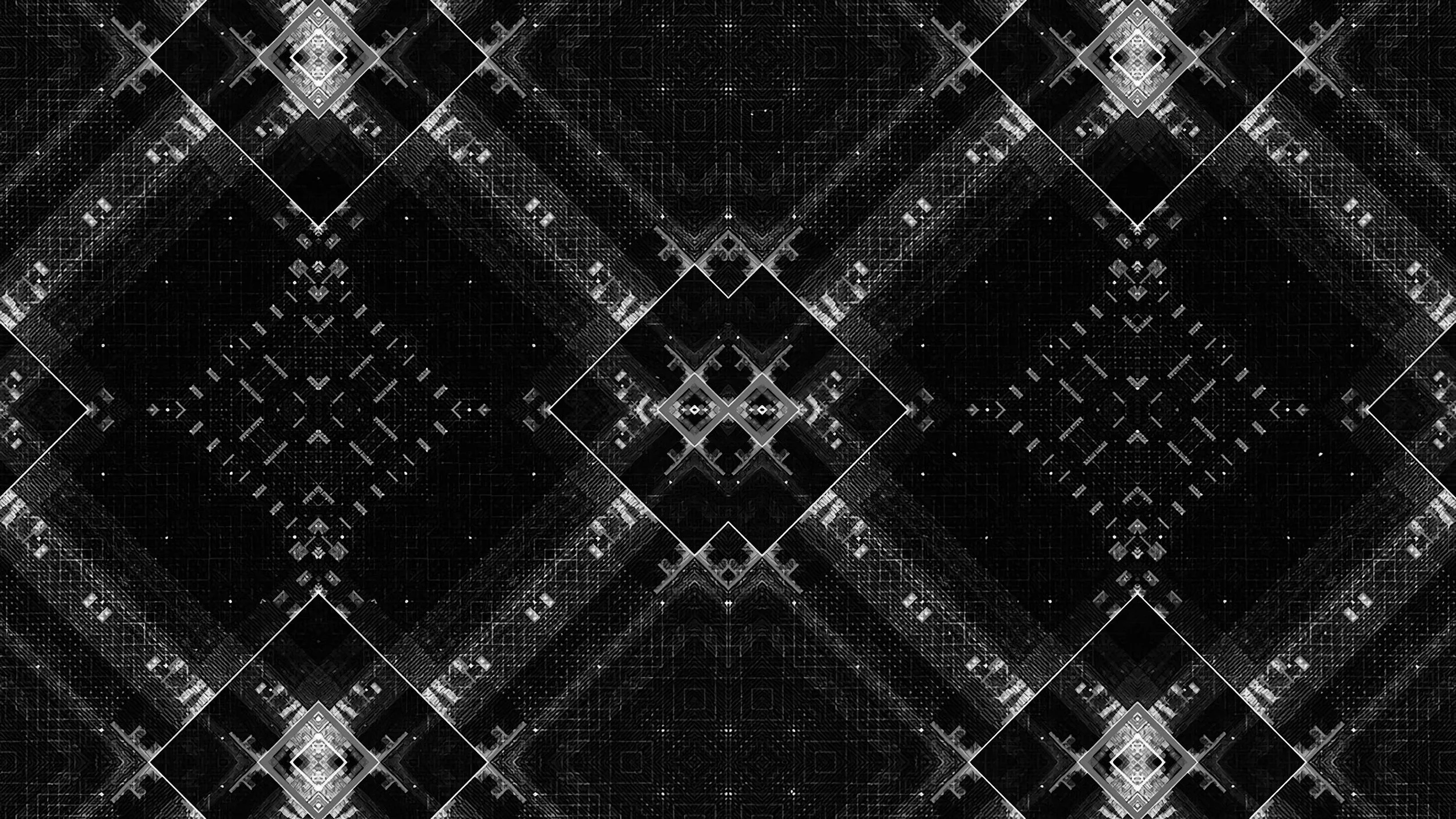
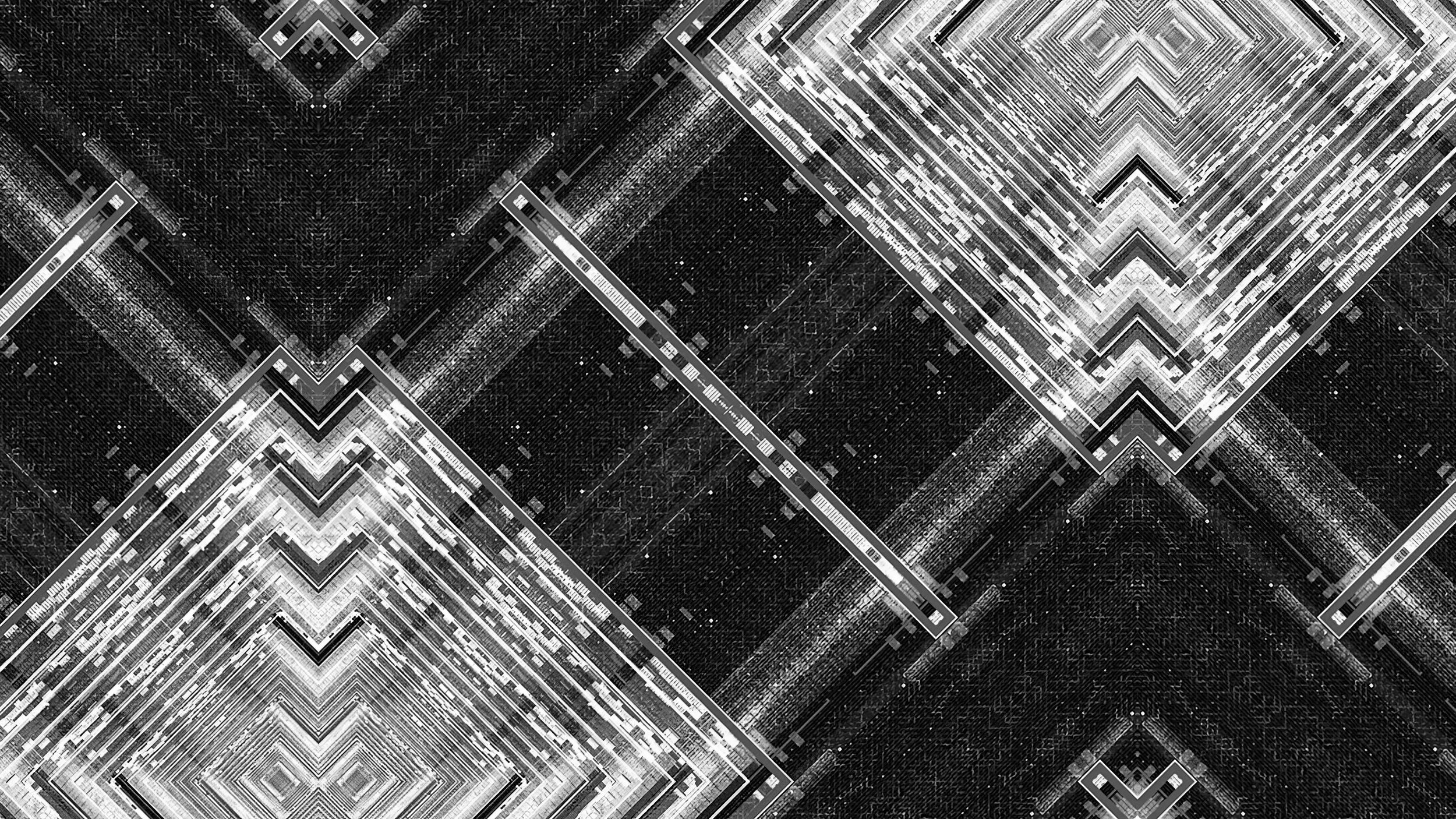
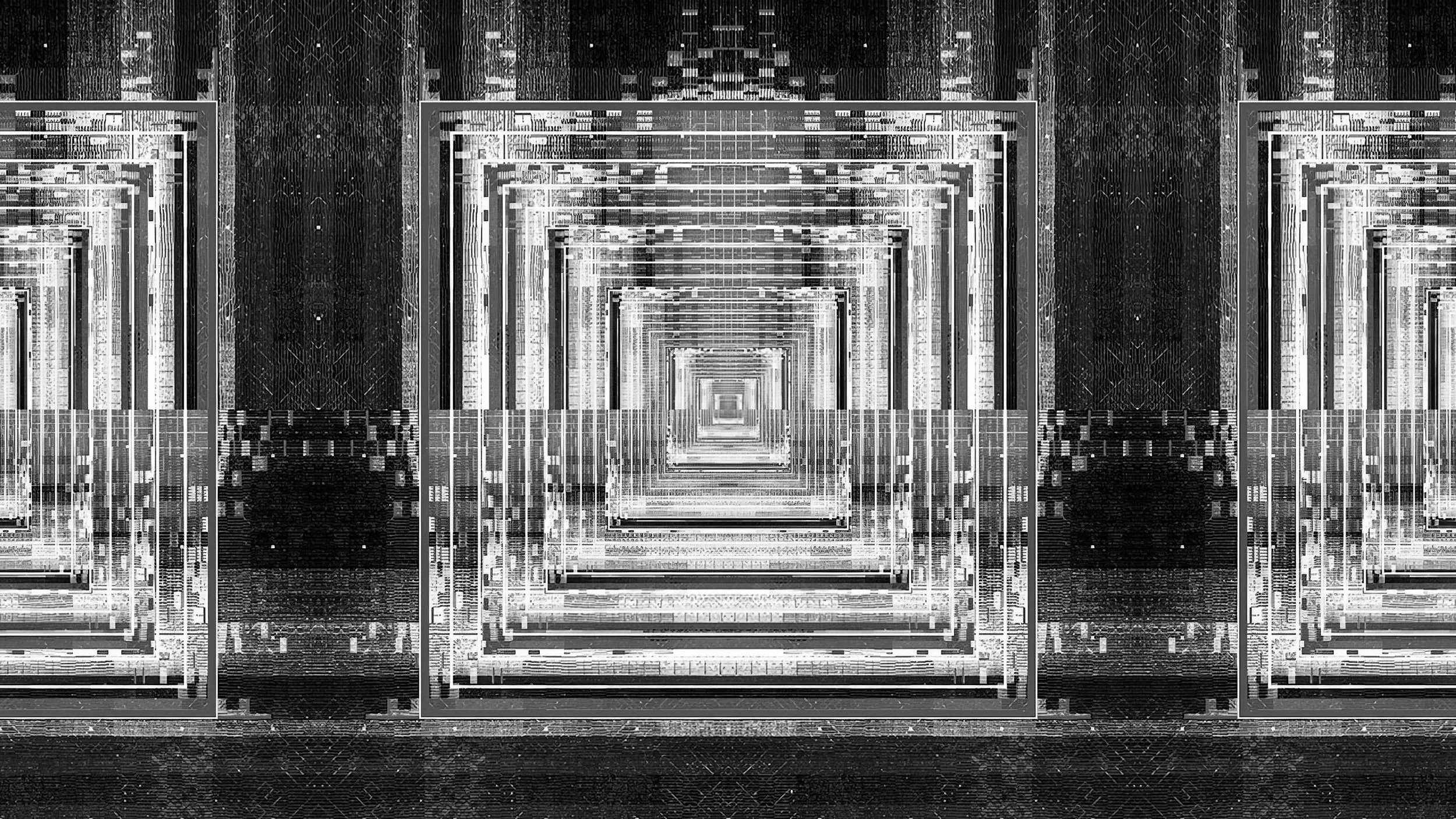
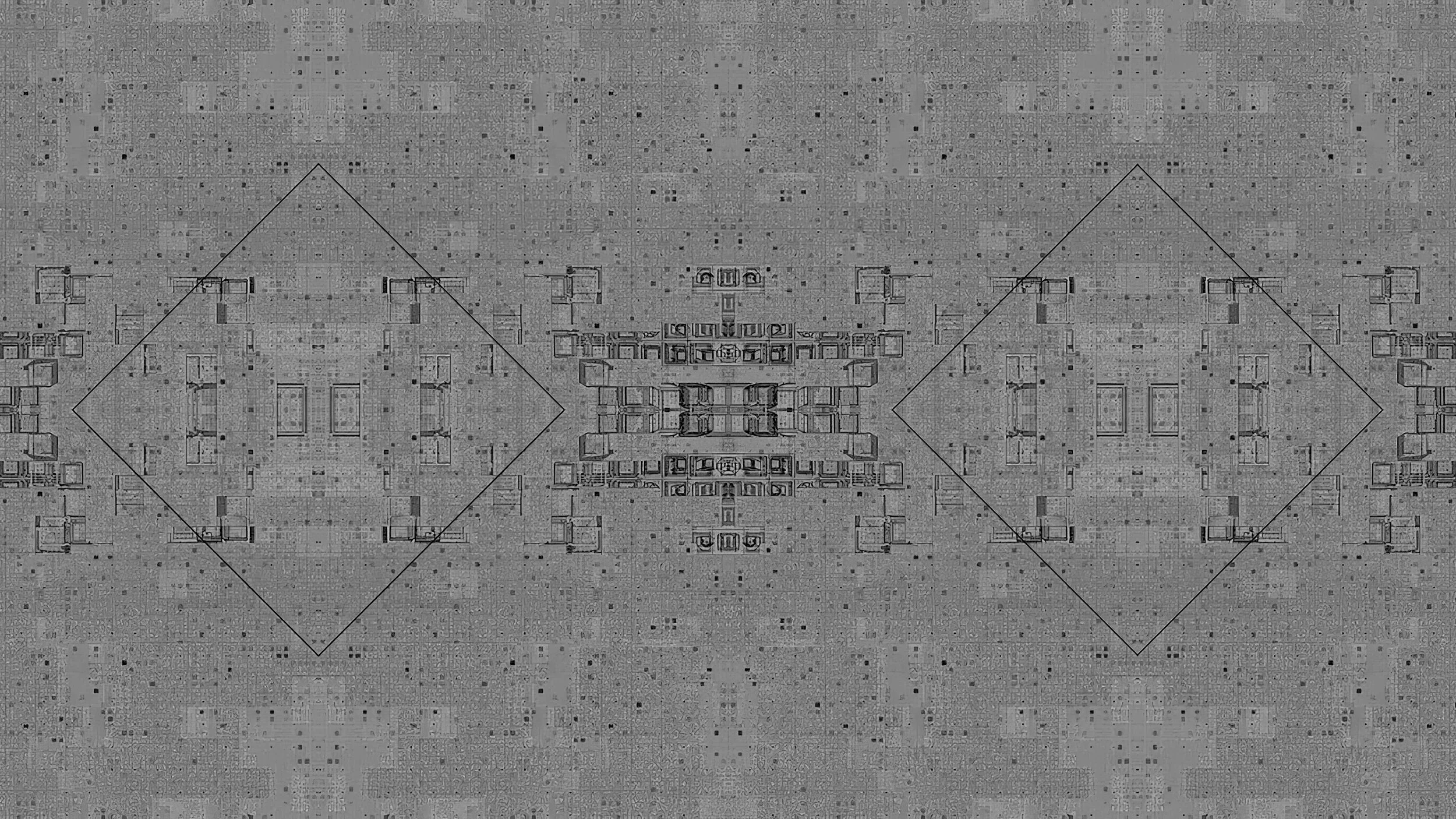
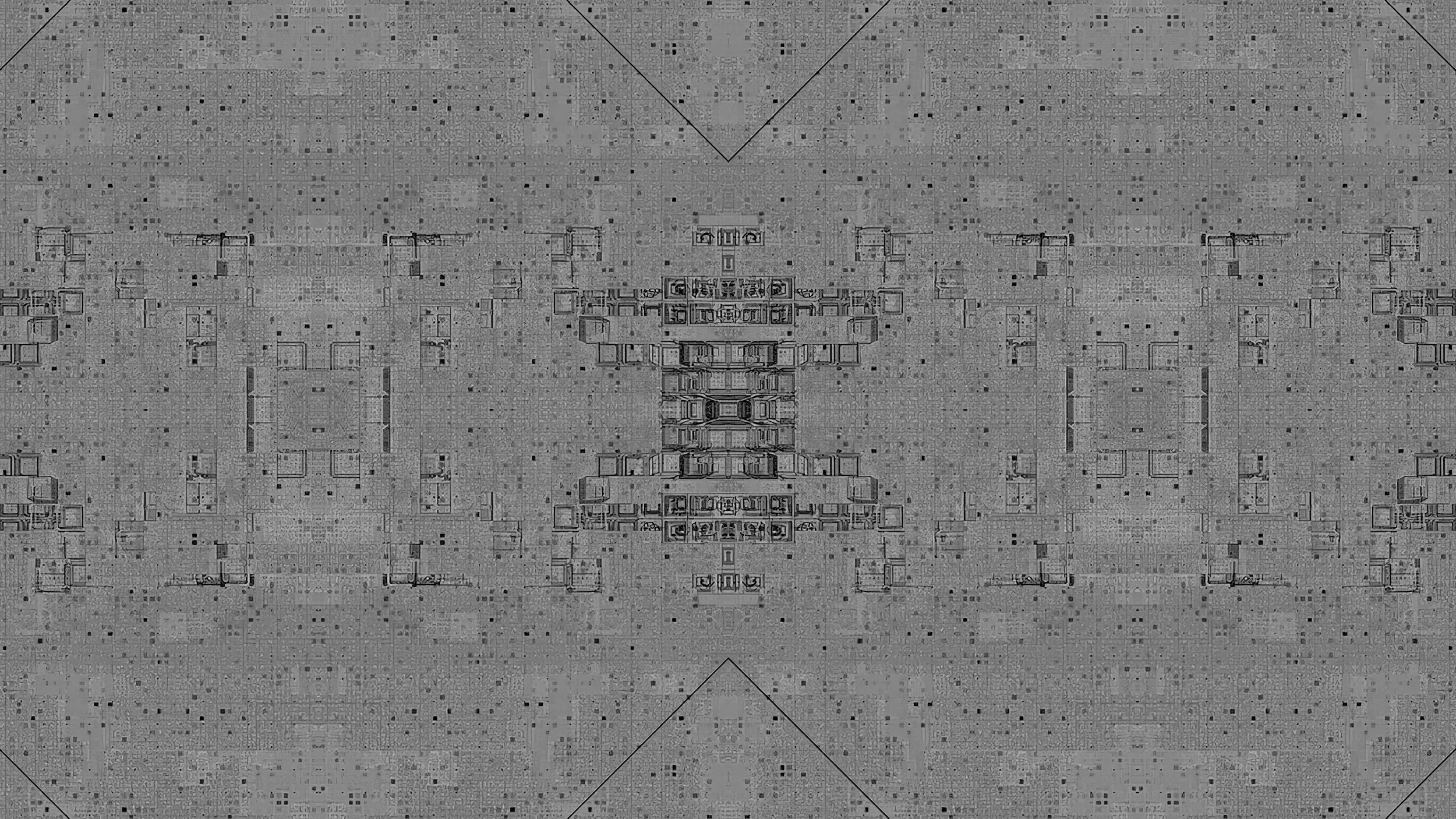
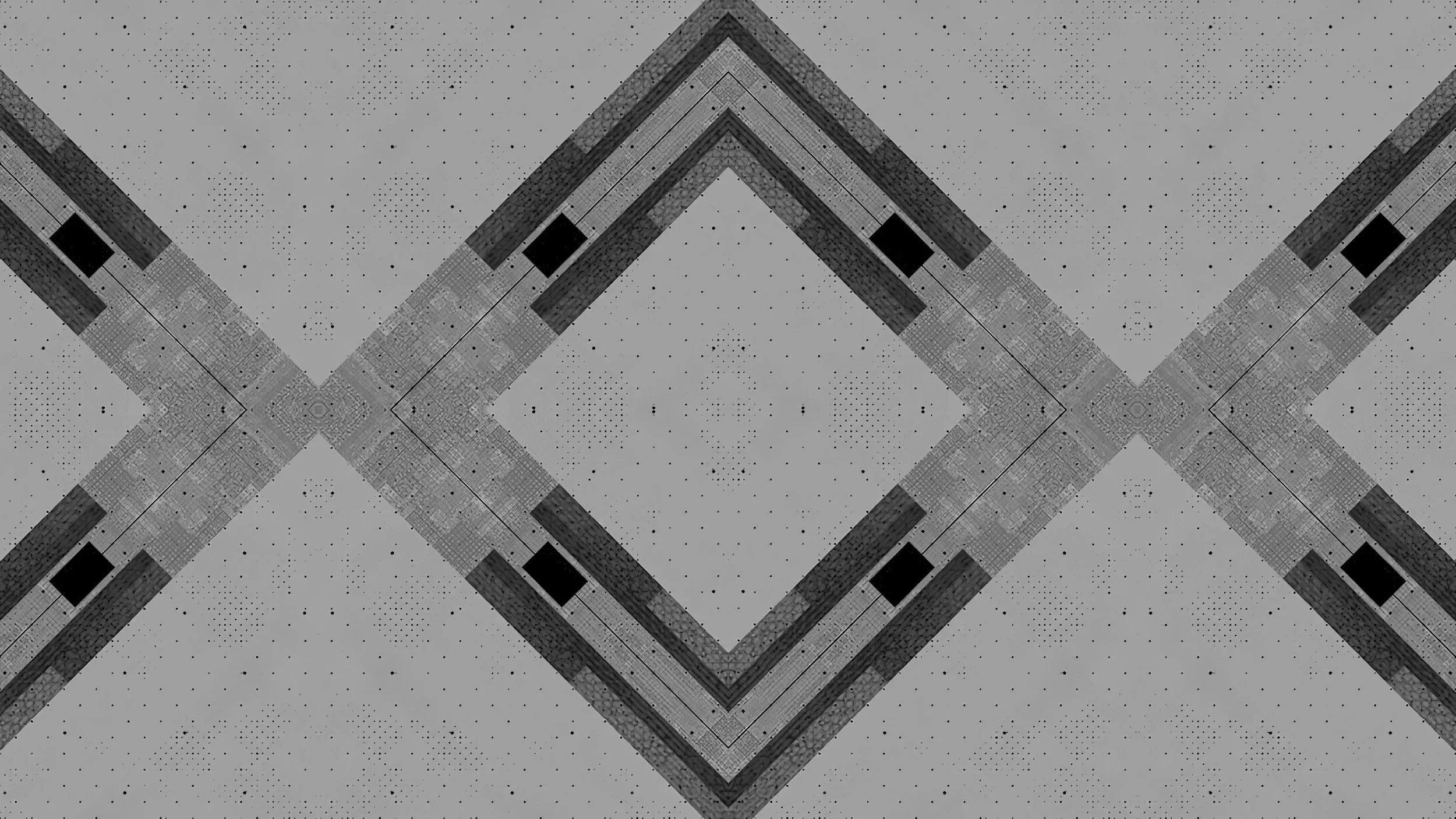
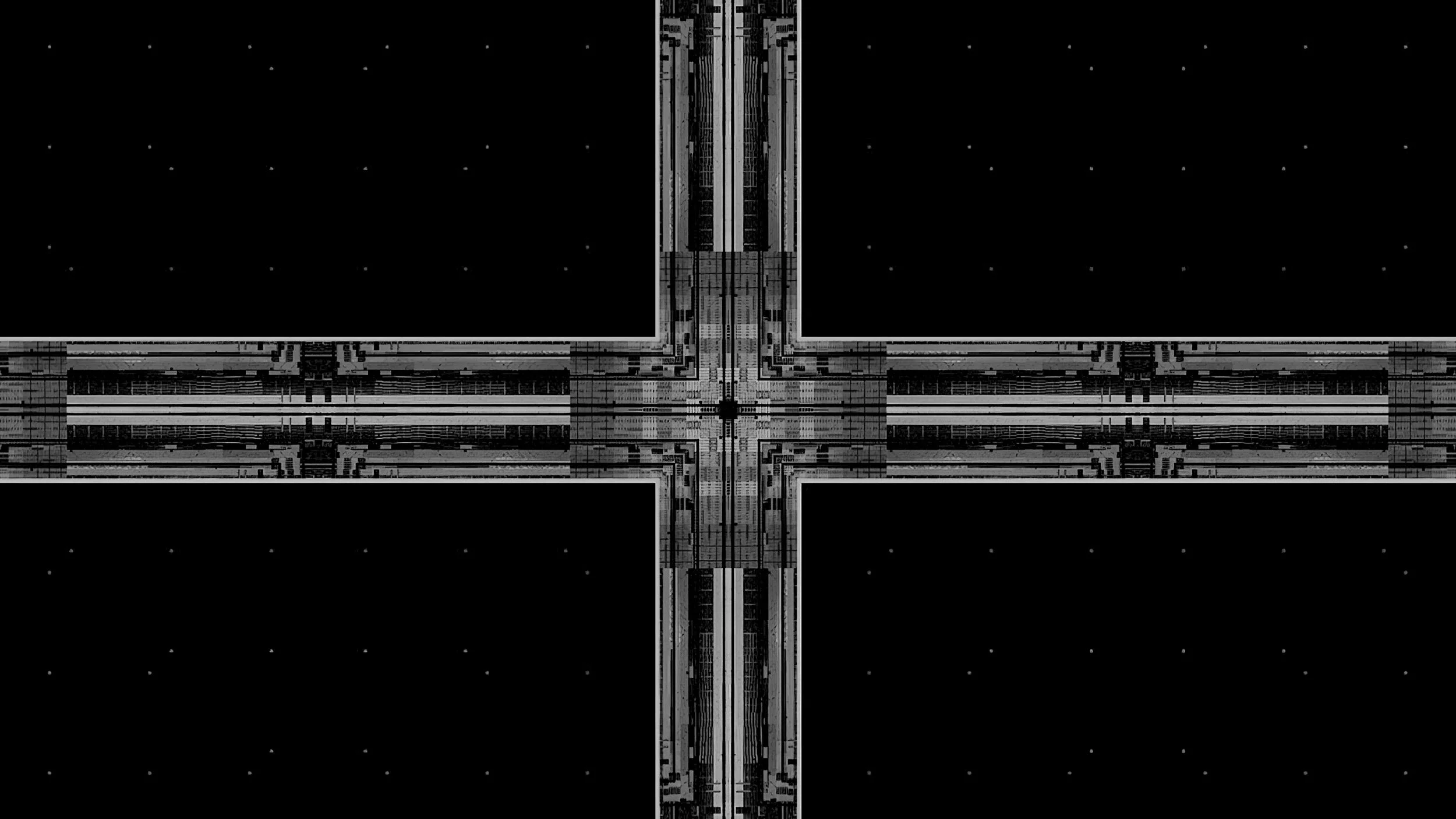
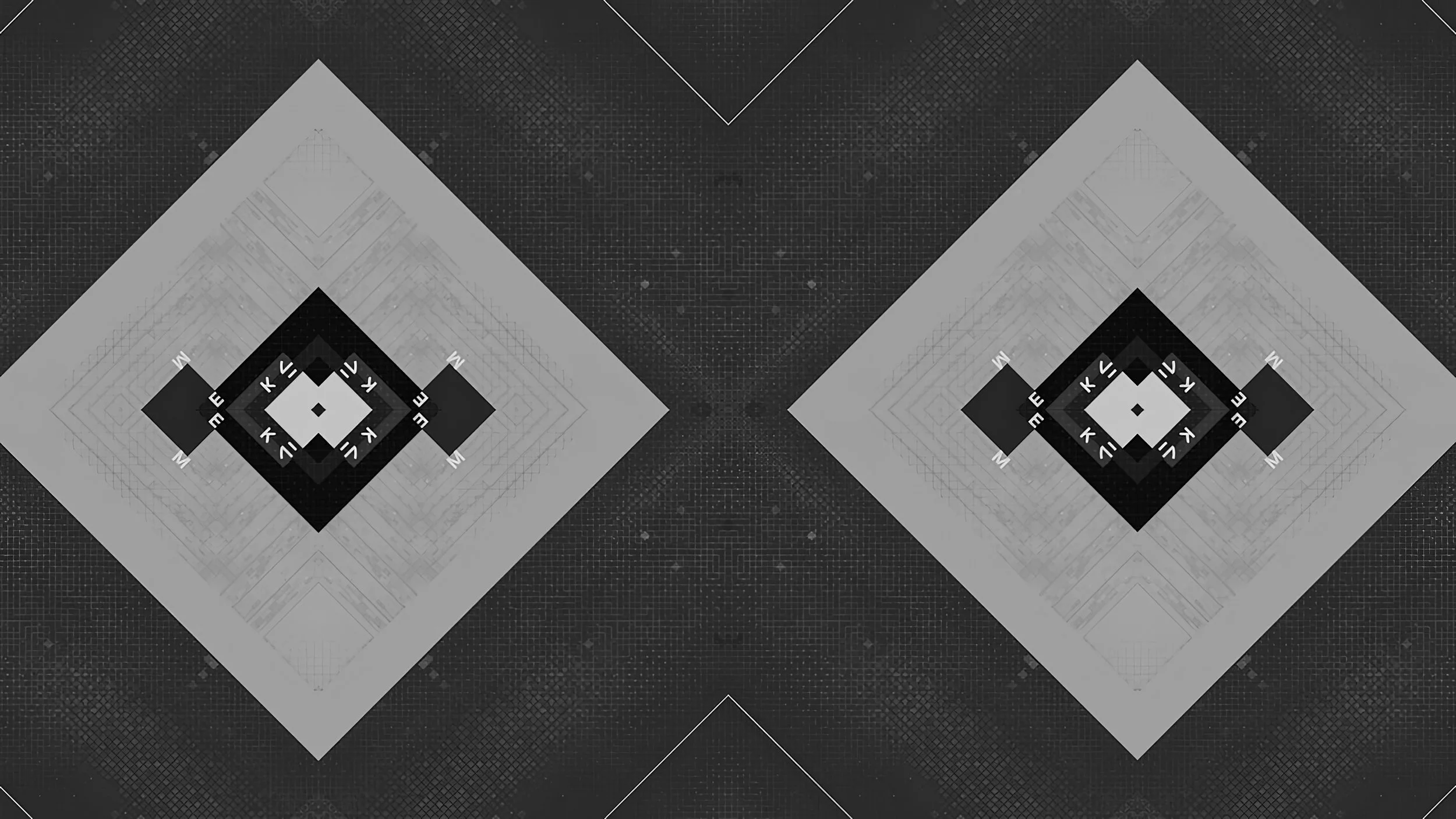
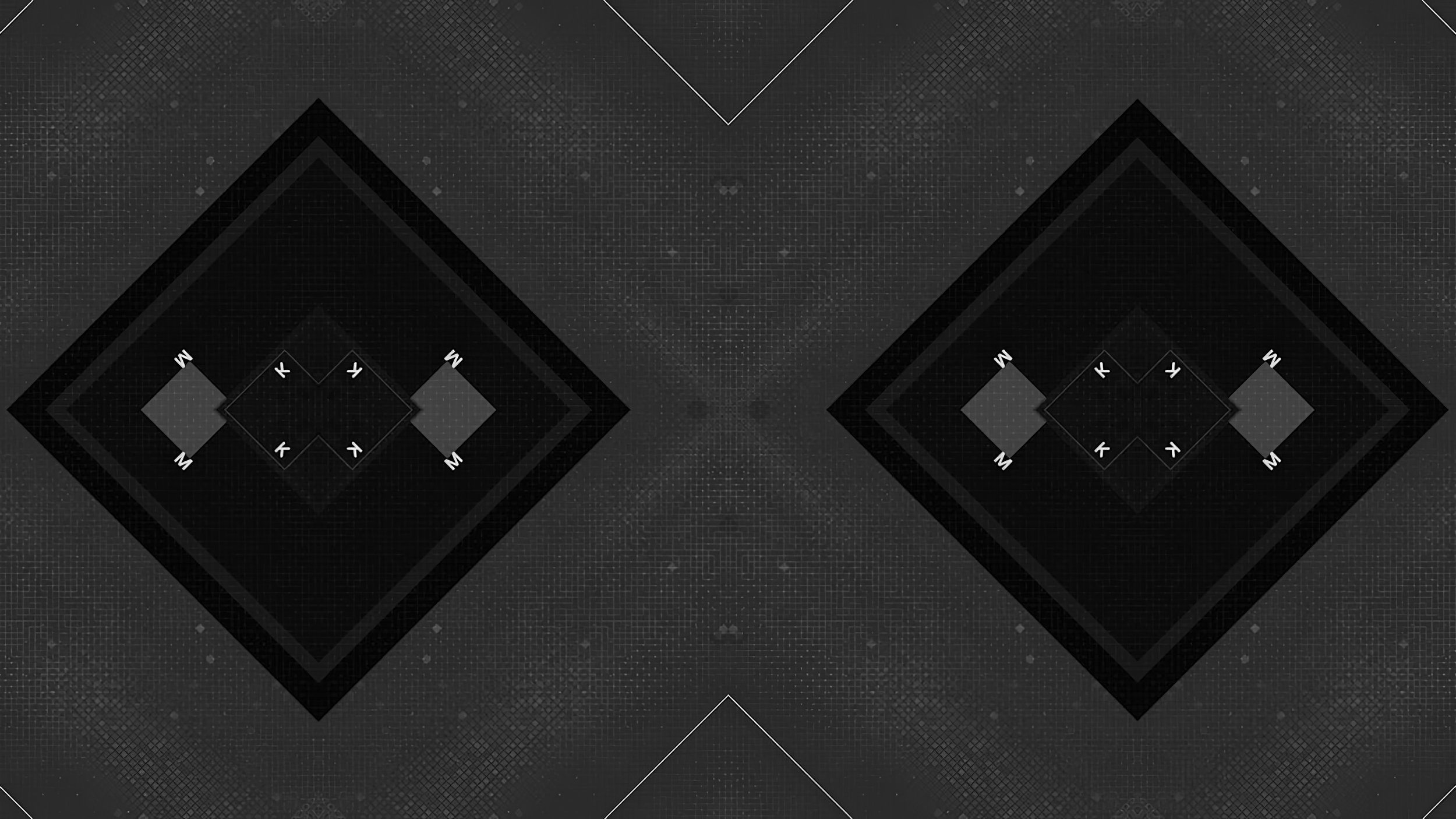
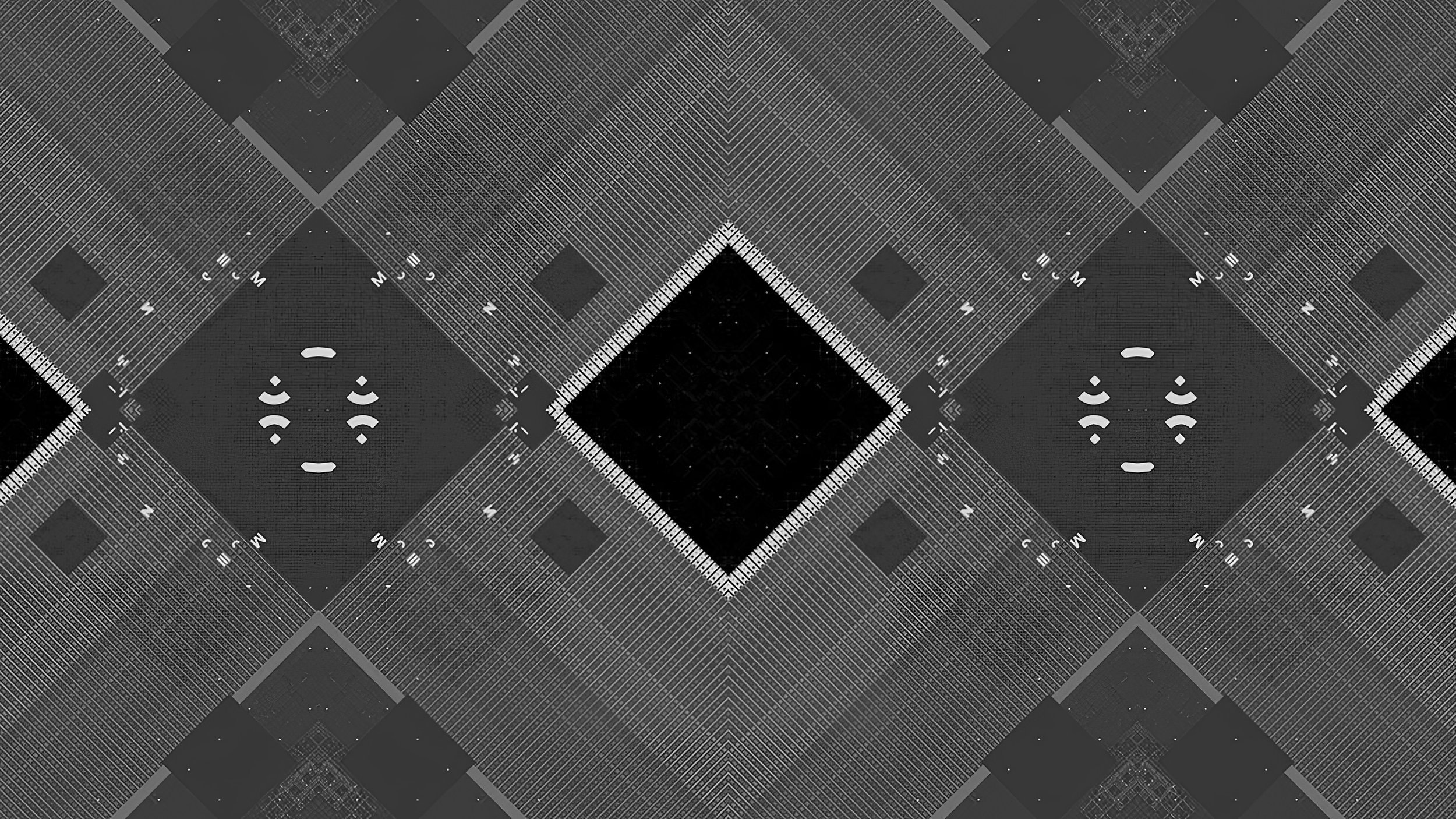
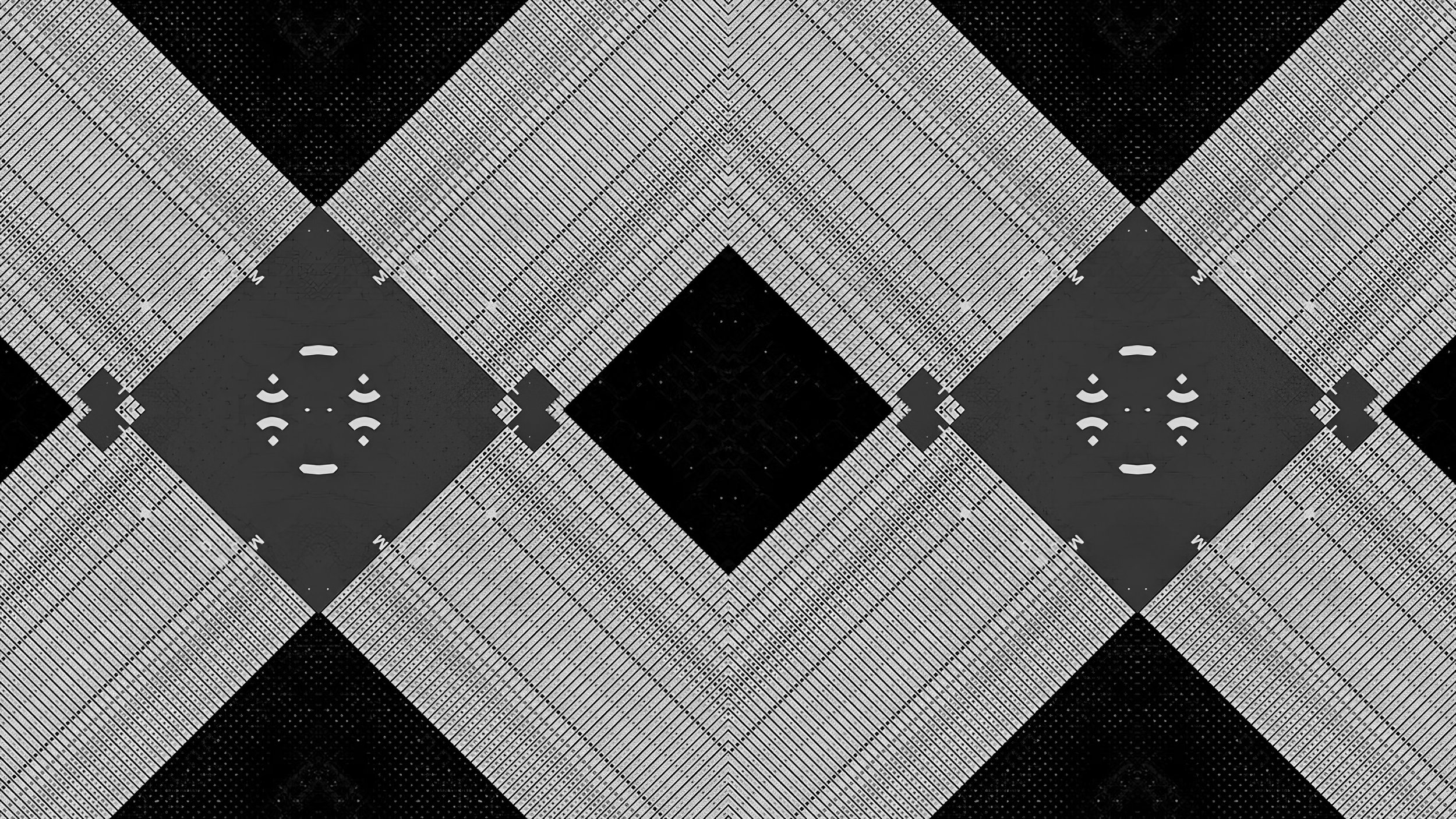
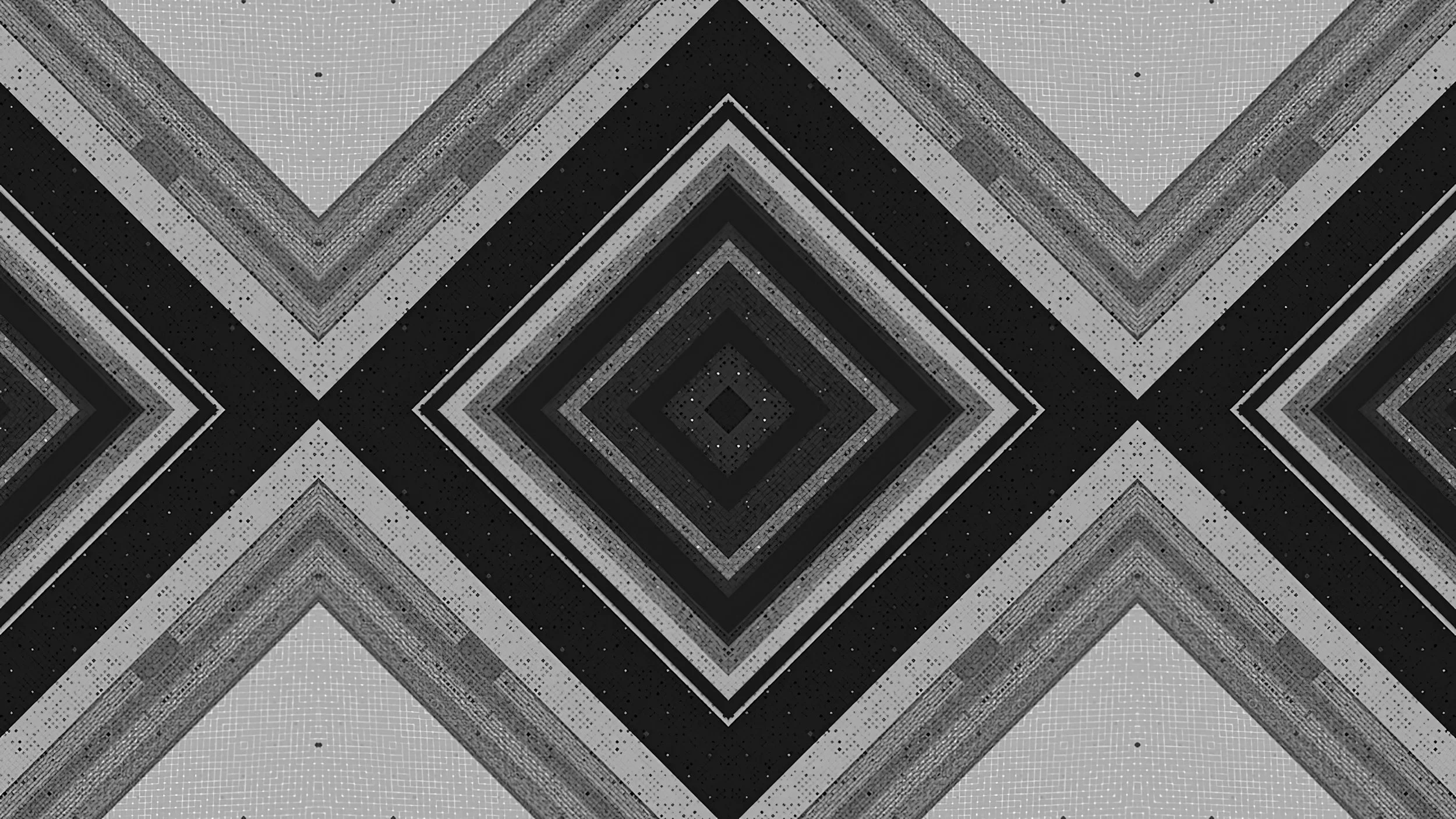
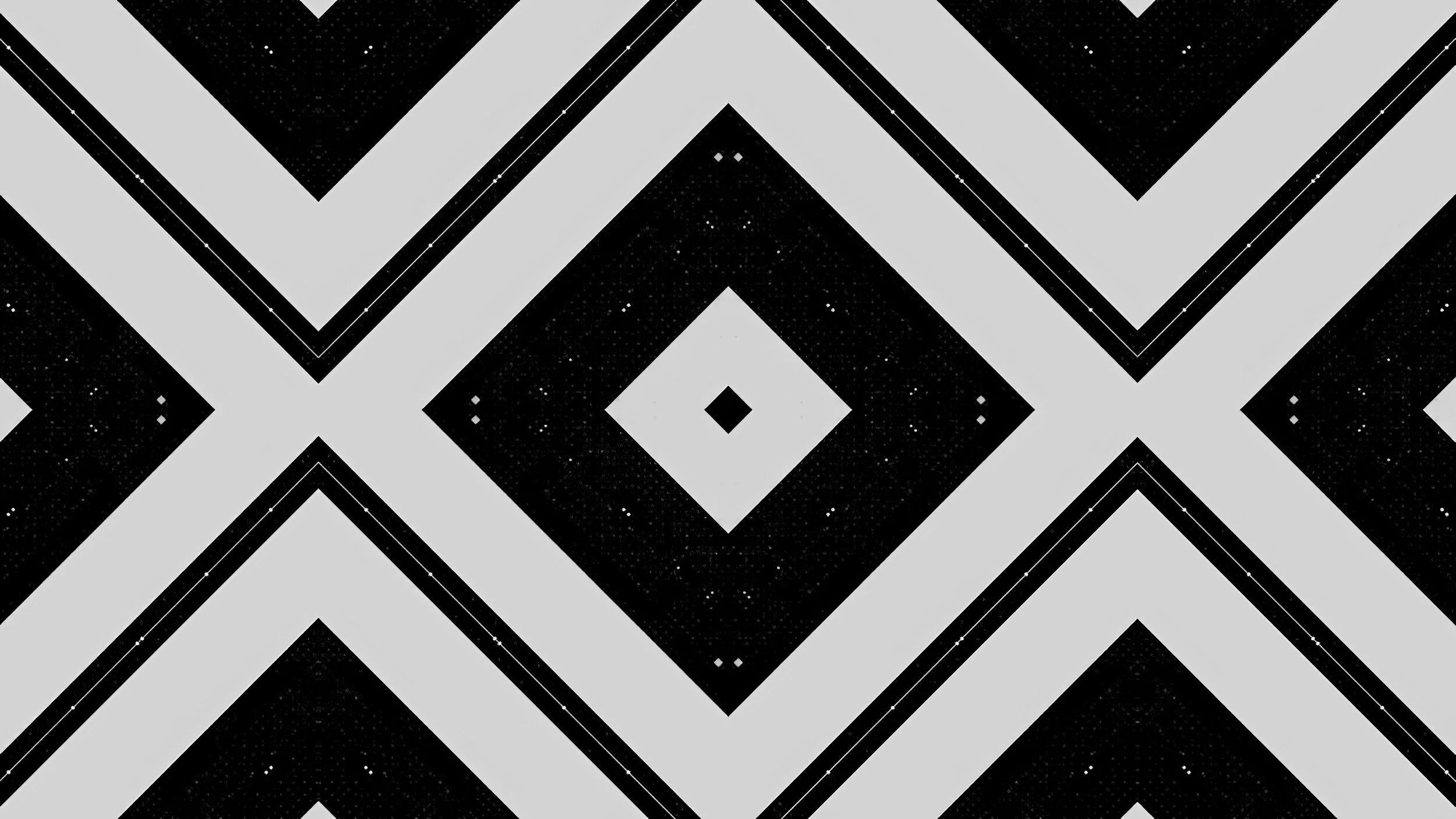
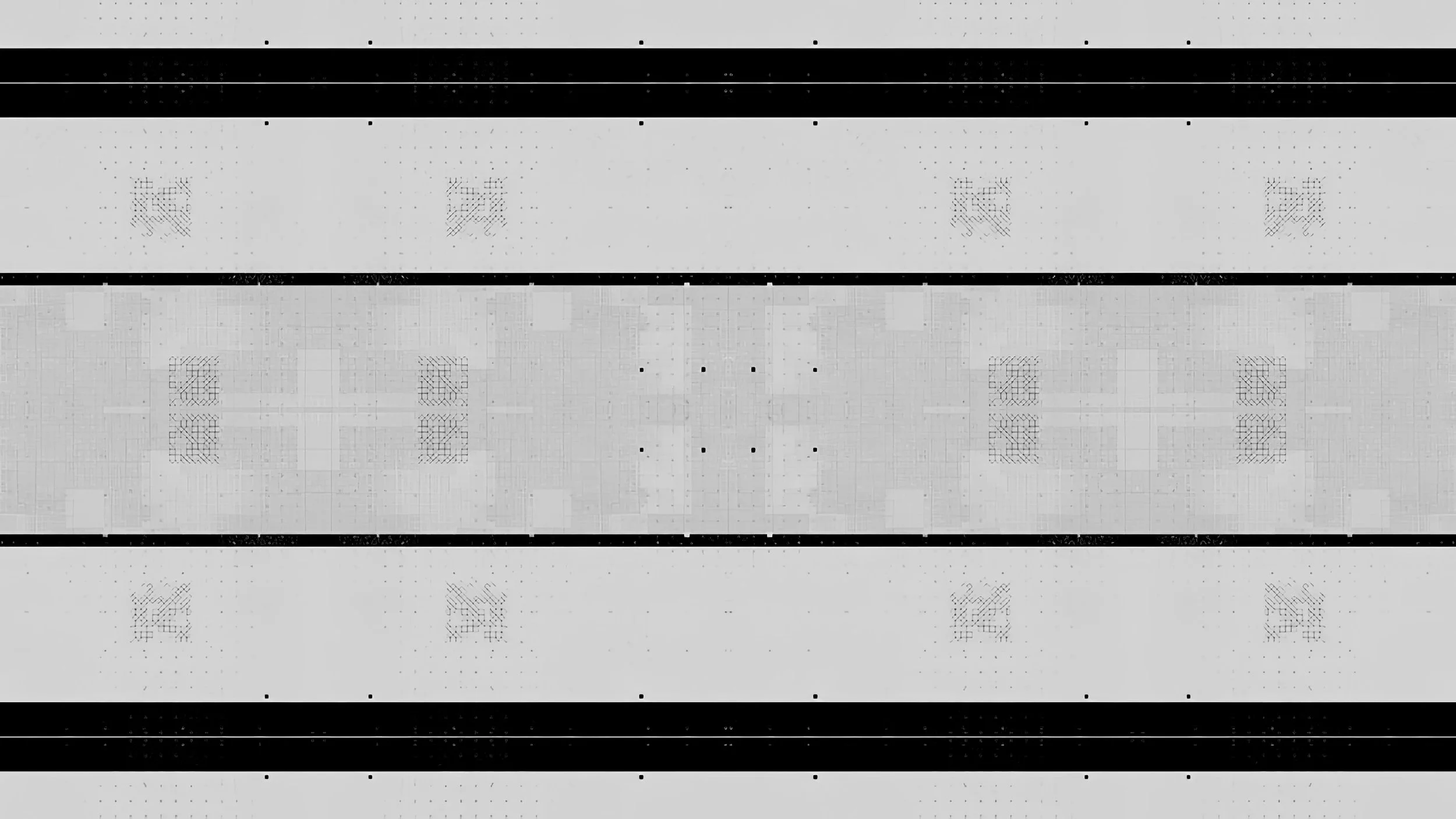
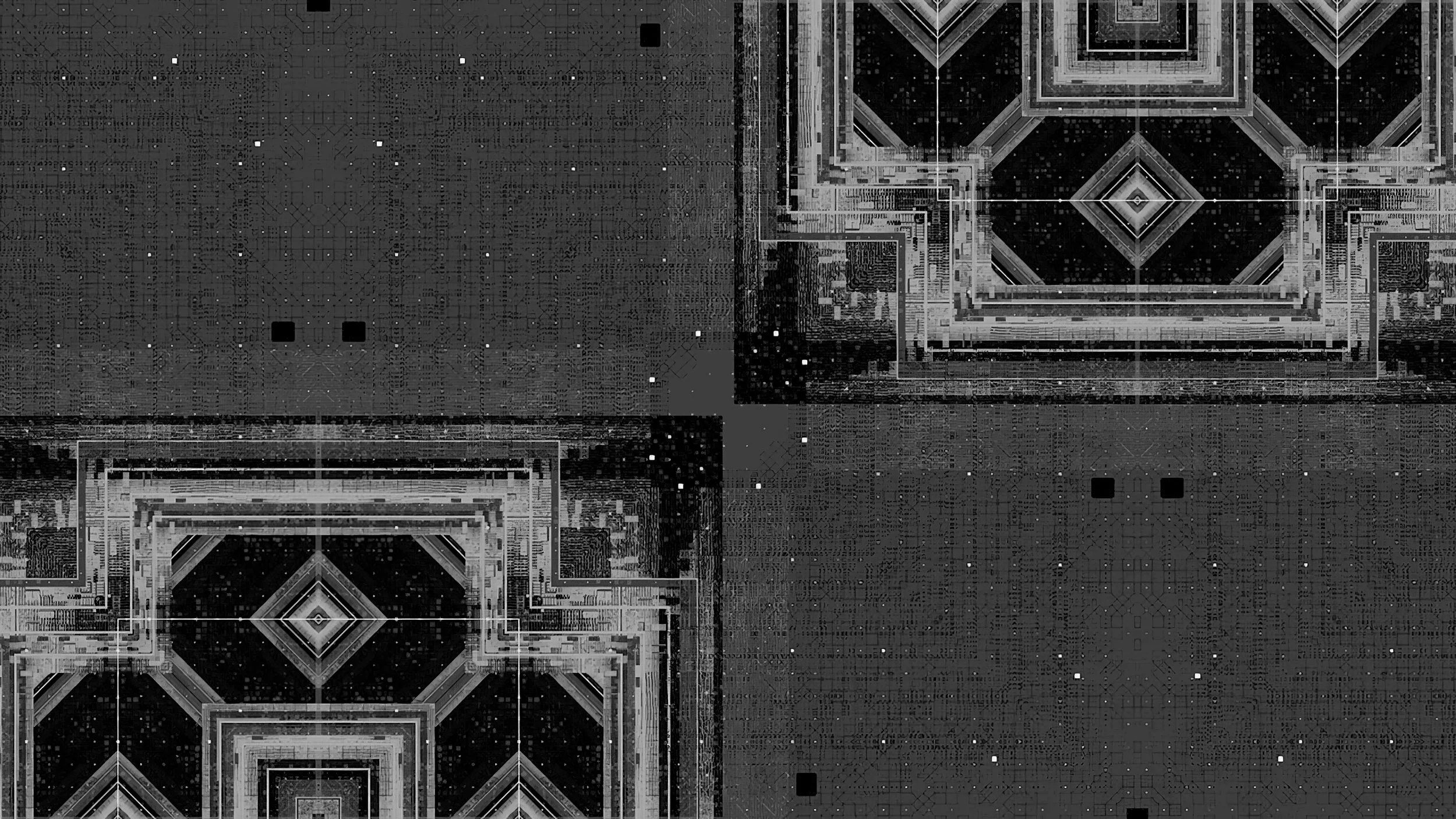
Early visual development explored symmetrical and kaleidoscopic compositions as a means of organizing dense visual information. While not extensively used in the final sequence, these studies informed the broader approach to layering and structural balance.
PROCESS REEL
Credits
MICHAEL RIGLEY: ART DIRECTION + DESIGN, 2015
CREDITS | PRODUCTION
Client: FITC
Director: Ash Thorp
Producer: Andrew Hawryluk
Art Director: Michael Rigley
Type Designer: Nicolas Girard
Designers: Ash Thorp, Michael Rigley, Nicolas Girard
Type Animators: Nicolas Girard, Alasdair Willson
Animators: Michael Rigley, Chris Bjerre, Andrew Hawryluk
Computational Artist: Albert Omoss
Process Reel Editor: Franck Deron
Composer: Pilotpriest